Twa kɔ nsɛm atitiriw so
Log in
Sign up for FREE
arrow_back
Laabri

10.1 Lesson 1: Budgeting Strategies

star
star
star
star
star
Last updated about 2 hours ago
16 Nsɛmmisa
Hyɛ no nsow a efi ɔkyerɛwfo no hɔ:
Intro
1
Learn It
Do It
1
Exit Ticket
1
1
1

Learning Objectives

Students will be able to:

  • List the different categories of expenses

  • Explain how four different budgeting strategies work

  • Weigh the pros and cons of each budgeting strategy

National Standards for Personal Financial Education

 Spending

  • 1b: Develop a budget to allocate current income to necessary and desired spending, including estimates for both fixed and variable expenses

  • 1c: Explain methods for adjusting a budget for unexpected expenses or emergencies

Learning Objectives

Students will be able to:

  • List the different categories of expenses

  • Explain how four different budgeting strategies work

  • Weigh the pros and cons of each budgeting strategy

National Standards for Personal Financial Education

 Spending

  • 1b: Develop a budget to allocate current income to necessary and desired spending, including estimates for both fixed and variable expenses

  • 1c: Explain methods for adjusting a budget for unexpected expenses or emergencies

Asemmisa {{asɛmmisaAhyɛnsode}}
1.

Pretend you won $1,000 in a contest. Explain how much of this money you would allocate toward spending, saving, and other purposes and what led you to those decisions.

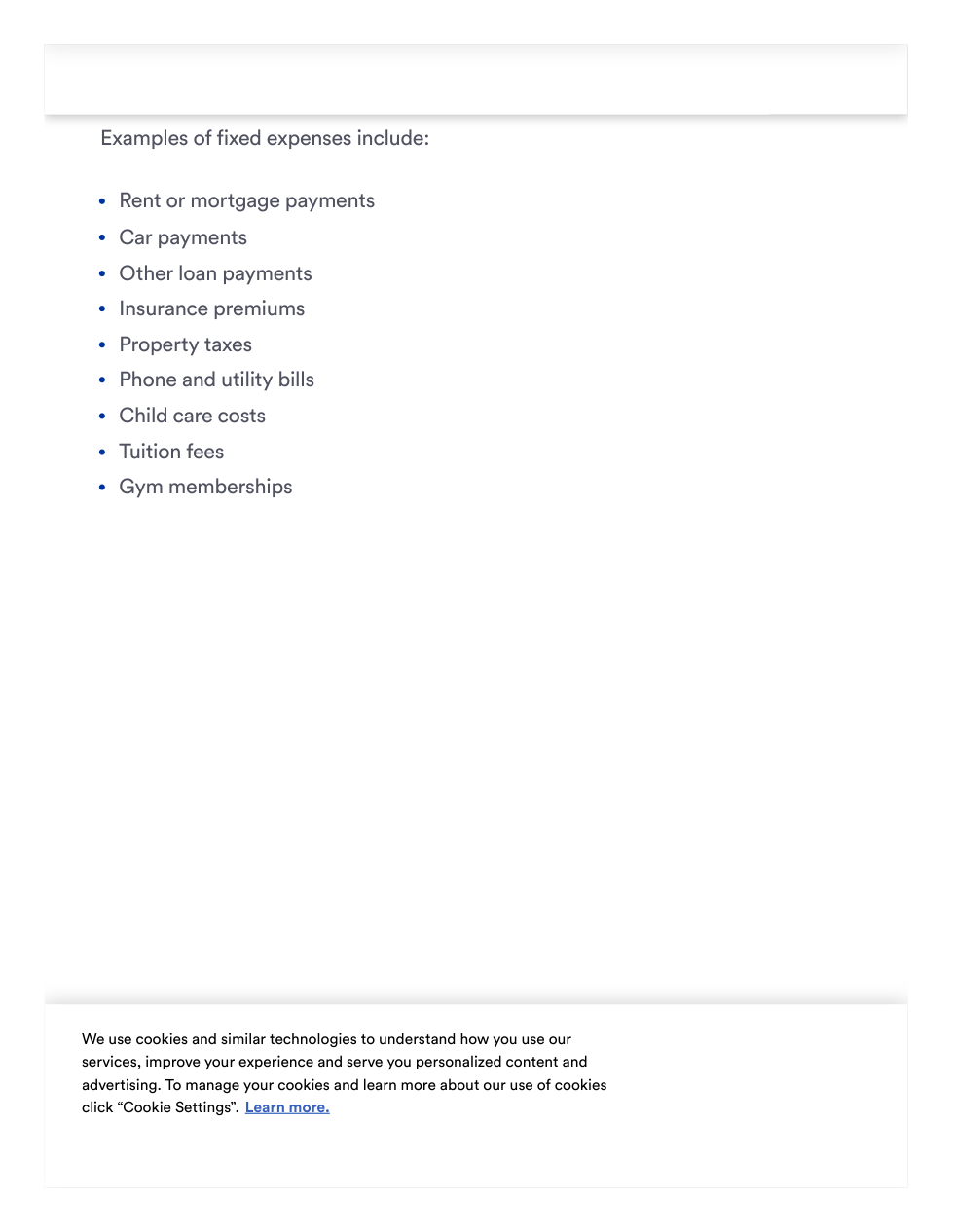
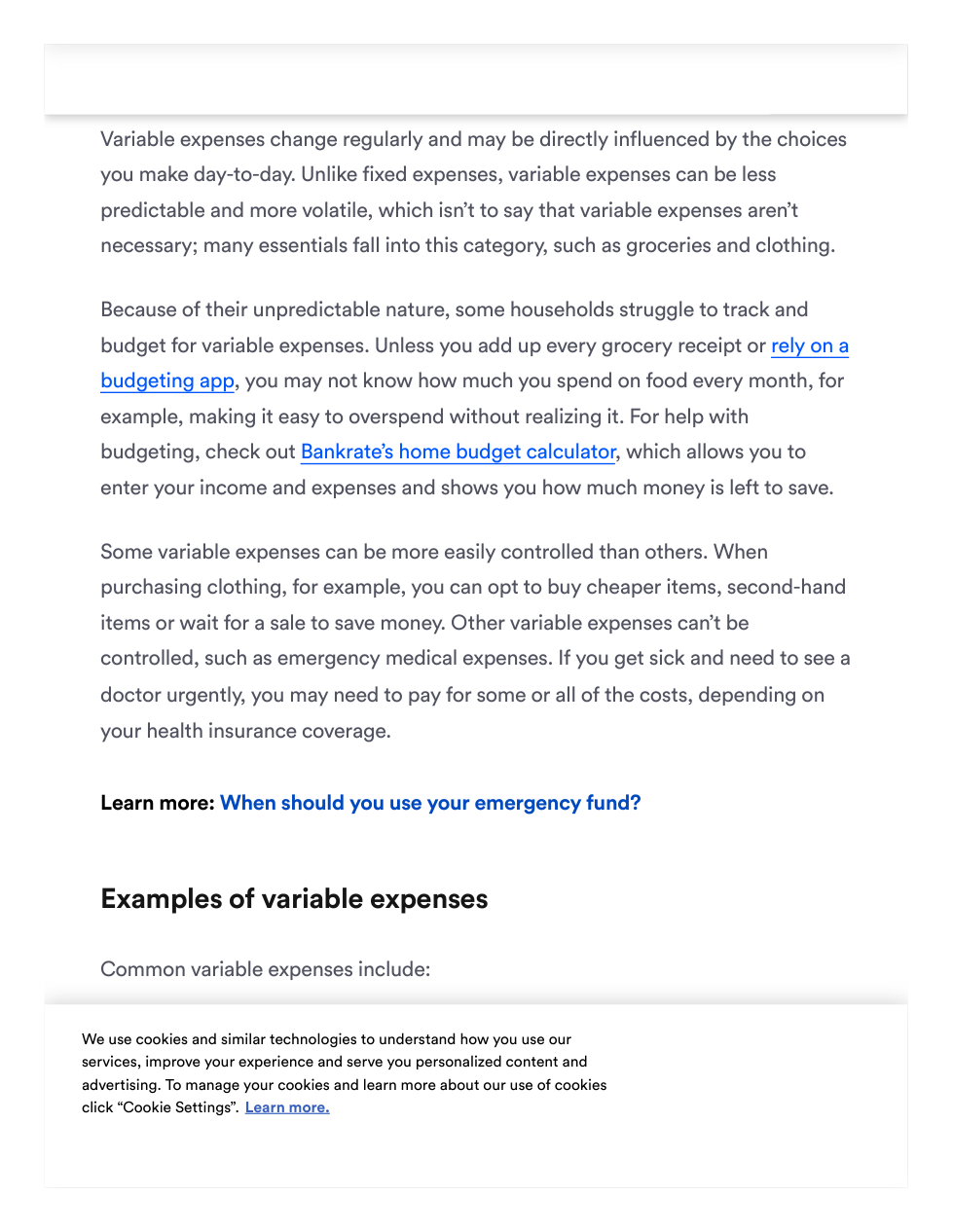
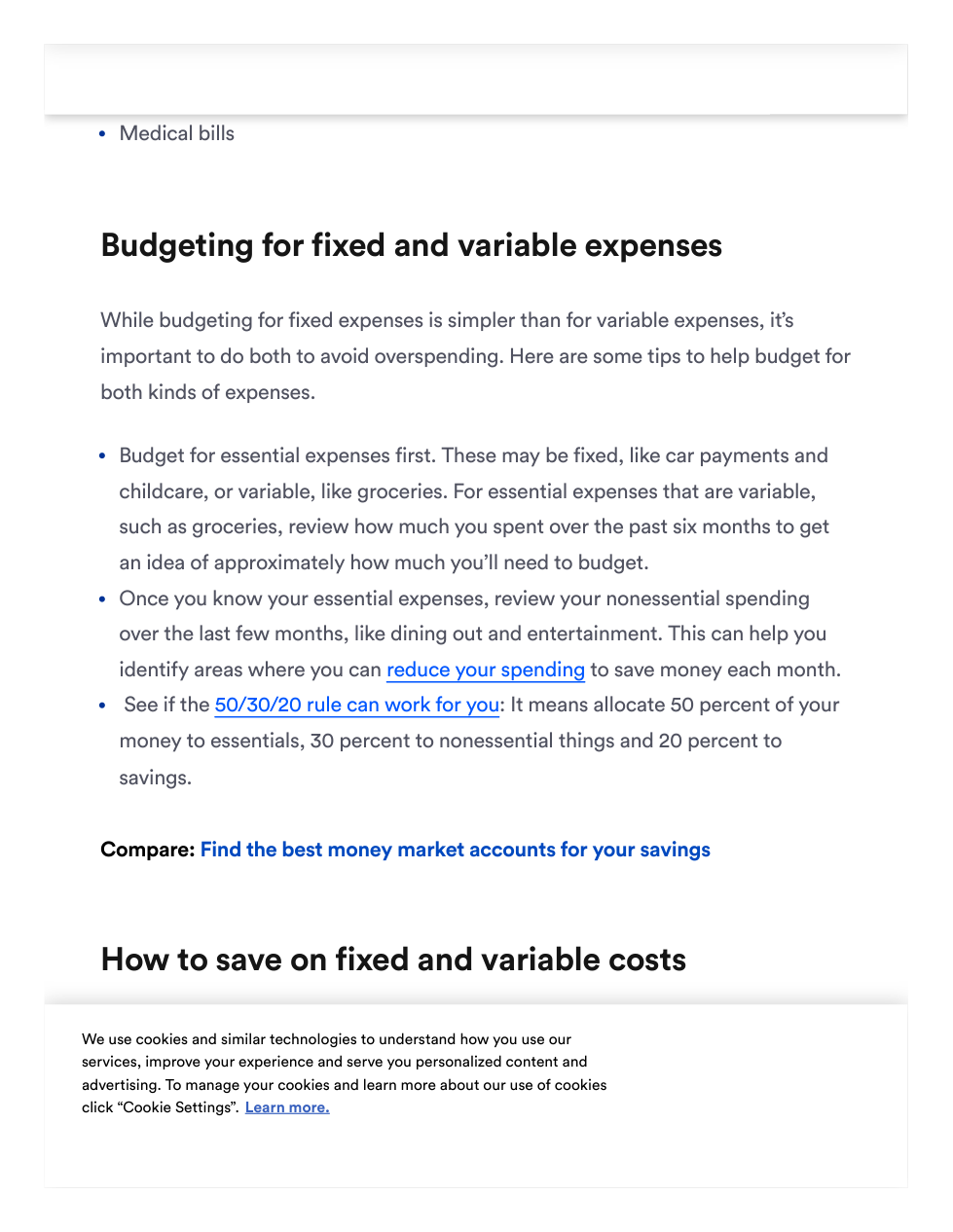
When creating your budget, it’s important to realize that not all expenses are the same. There are actually two distinct types of expenses - fixed and variable. Read this article, stopping at Budgeting for Fixed and Variable Expenses, to learn about these types of expenses. Then, answer the questions.

1
Asemmisa {{asɛmmisaAhyɛnsode}}
2a.

In your own words, explain the difference between a fixed expense and a variable expense.

1
Asemmisa {{asɛmmisaAhyɛnsode}}
2b.
  • Your cell phone bill

  • A restaurant

  • Your Netflix subscription

  • An emergency room bill

  • School supplies

  • Fixed

  • Variable

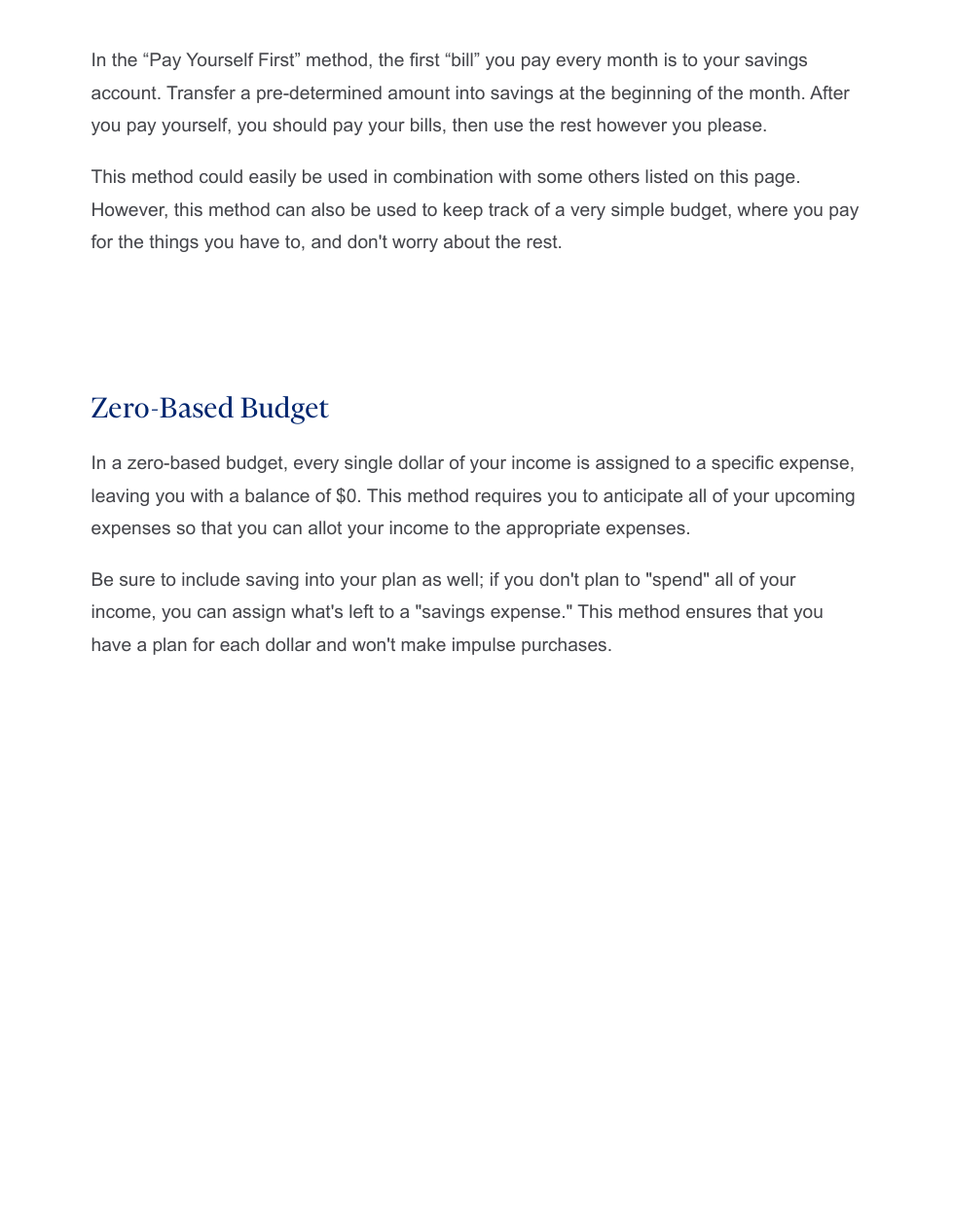
There are many popular budgeting strategies.  You get to decide which one works best for you!  Read the short article about four of the most popular budgeting strategies.  Then, answer the questions.

1
Asemmisa {{asɛmmisaAhyɛnsode}}
3a.

Briefly summarize the Pay Yourself First strategy.

1
Asemmisa {{asɛmmisaAhyɛnsode}}
3b.

The 50/30/20 budget recommends you spend 50% of your budget on needs. What factors would impact your ability to stick to this rule?

1
Asemmisa {{asɛmmisaAhyɛnsode}}
3c.

Zero-based budgeting involves making sure every available dollar is accounted for. How is this beneficial for someone using this method?

1
Asemmisa {{asɛmmisaAhyɛnsode}}
3d.

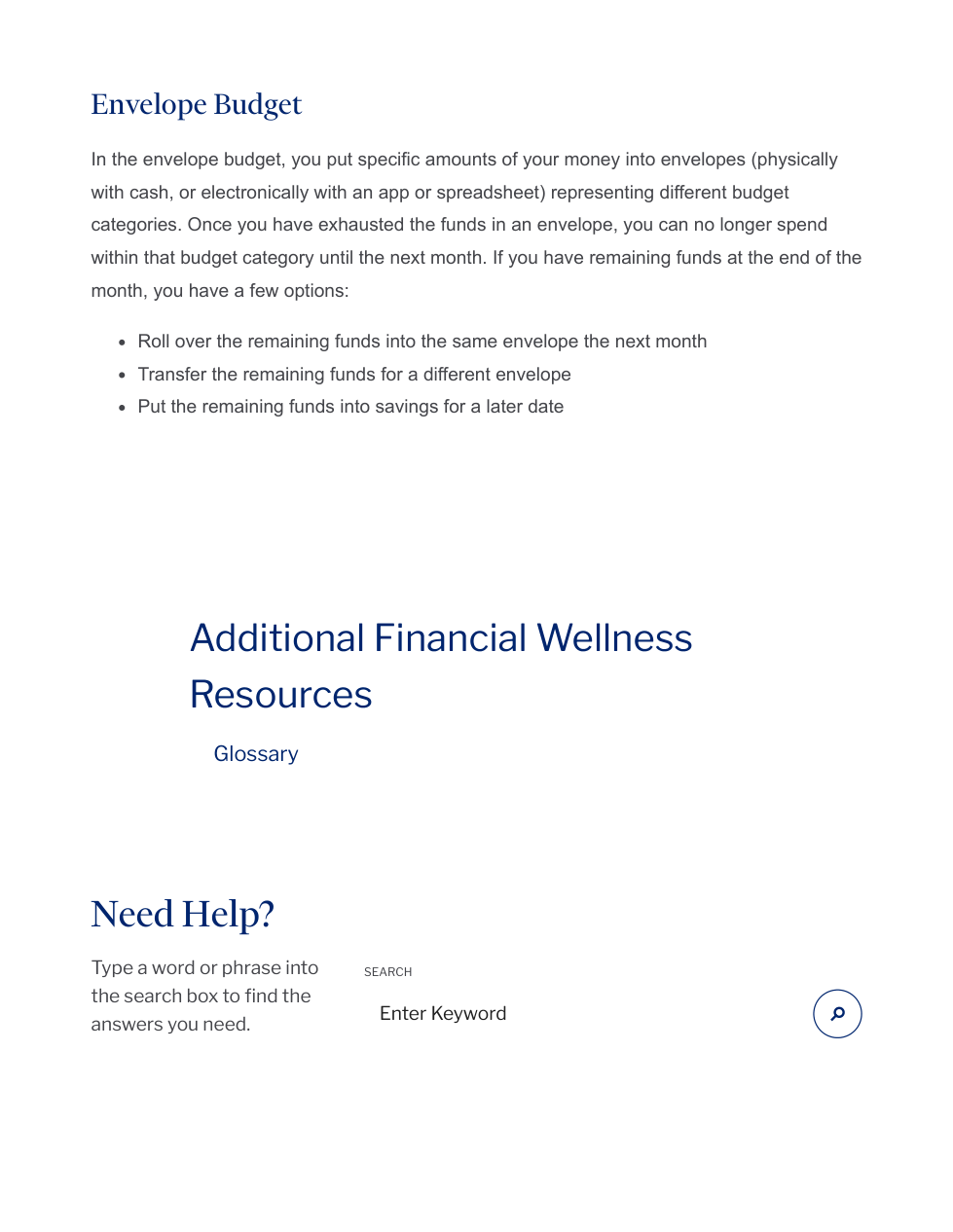
How does envelope budgeting work?

Let’s look specifically at zero-based budgeting. Watch this video to see how this budgeting strategy works and then, answer the questions.

1
Asemmisa {{asɛmmisaAhyɛnsode}}
4a.

Desean sets up his zero based budget and has $175 left after he assigns all of his expenses to each category. What would be a good category for him to put that money in?

1
Asemmisa {{asɛmmisaAhyɛnsode}}
4b.

Think about the process of zero-based budgeting. What might one drawback of this method be?

Now let’s take a look at envelope budgeting. This strategy has had a resurgence in popularity due to social media and is also known as Cash Stuffing.

1
Asemmisa {{asɛmmisaAhyɛnsode}}
5a.

What is one benefit of envelope budgeting?

1
Asemmisa {{asɛmmisaAhyɛnsode}}
5b.

True or False: Envelope budgeting means that you have to deal with only cash and physical envelopes.

1
Asemmisa {{asɛmmisaAhyɛnsode}}
5c.

Do you think this is a method that you would use? How might using this method benefit you?

Asemmisa {{asɛmmisaAhyɛnsode}}
6.

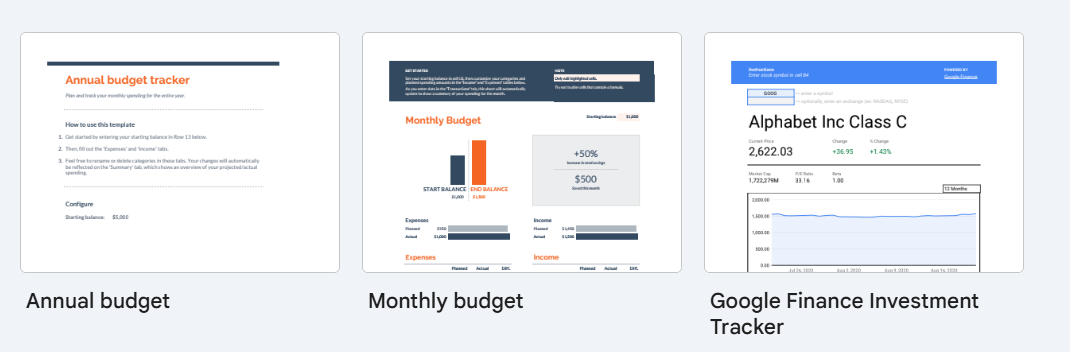
Create a personal budget. This budget can be for college, post-graduation, a hypothetical business, anything. This budget should be done in google sheets and there are several different templates you can use to assist in this.

Asemmisa {{asɛmmisaAhyɛnsode}}
7.

What does it mean to "pay yourself first?"

Asemmisa {{asɛmmisaAhyɛnsode}}
8.

Which of the following is a recurring expense?

Asemmisa {{asɛmmisaAhyɛnsode}}
9.

Djamila is using the envelope budgeting method. She wants to go out with friends to eat and opens her Restaurant envelope to find that it only has $5 left in it. What budgeting advice would you give to her?