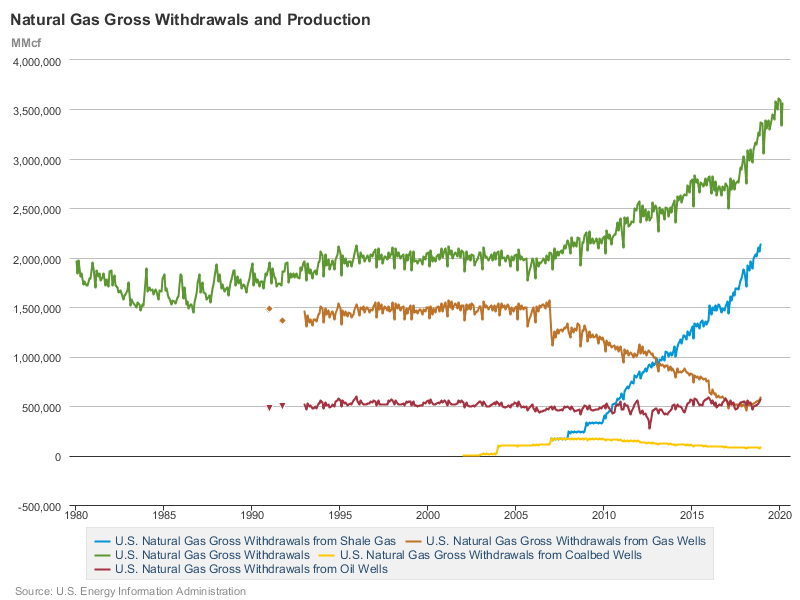
 Which of the following best describes why shale gas extraction increased dramatically after 2005?
Which of the following best describes why shale gas extraction increased dramatically after 2005?
Which of the following best describes the key difference between renewable and nonrenewable resources?
Identify these energy sources as renewable or nonrenewable.
Renewable | Nonrenewable | |
|---|---|---|
Coal | ||
Wind | ||
Solar | ||
Natural Gas | ||
Petroleum (Oil) | ||
Biomass | ||
Geothermal |
Which of the following is the PRIMARY reason fossil fuels have been the dominant energy source for over 150 years?
Natural gas is primarily composed of , which is a colorless, odorless gas that companies add a rotten-egg-smelling chemical to for safety purposes.
Which of the following best describes why shale gas extraction increased dramatically after 2005?
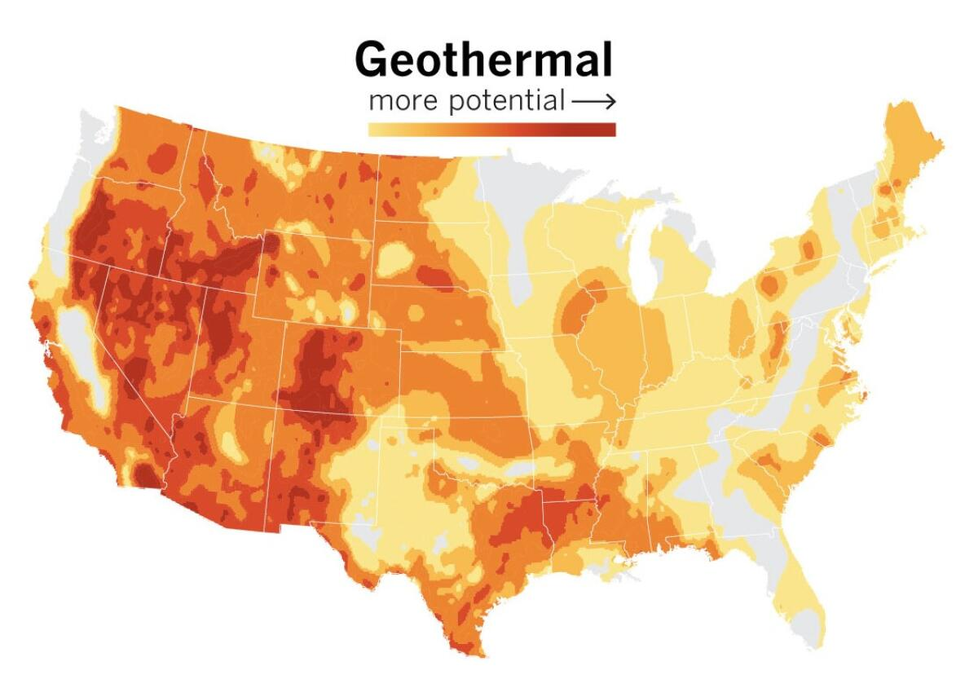
Which location would be the best choice for generating geothermal energy?
What is the most significant challenge preventing solar and wind from providing 100% of the grid's electricity?
Identify whether each practice supports sustainable or unsustainable resource management:
Sustainable | Unsustainable | |
|---|---|---|
Crop rotation to restore soil nitrogen | ||
Cutting forests faster than they can regrow | ||
Using drip irrigation to reduce water waste | ||
Monoculture farming without pest management | ||
Applying mulch to reduce evaporation |
Which of the following best describes desertification?
Which of the following strategies would be MOST effective in preventing desertification in an arid region?
Classify each resource used in lithium mining as renewable or nonrenewable:
Renewable | Nonrenewable | |
|---|---|---|
Lithium ore | ||
Water (for extraction) | ||
Sunlight (to evaporate brine ponds) | ||
Fossil fuels (to power equipment) |
A city is deciding between two renewable energy strategies:
Strategy A: Build one large solar farm (lowest cost, biggest impact on climate)
Strategy B: Build a mix of solar, wind, and geothermal (higher cost, more reliable)
Which statement best explains why Strategy B might be the smarter long-term choice?
Which of the following is an example of a trade-off in resource management?
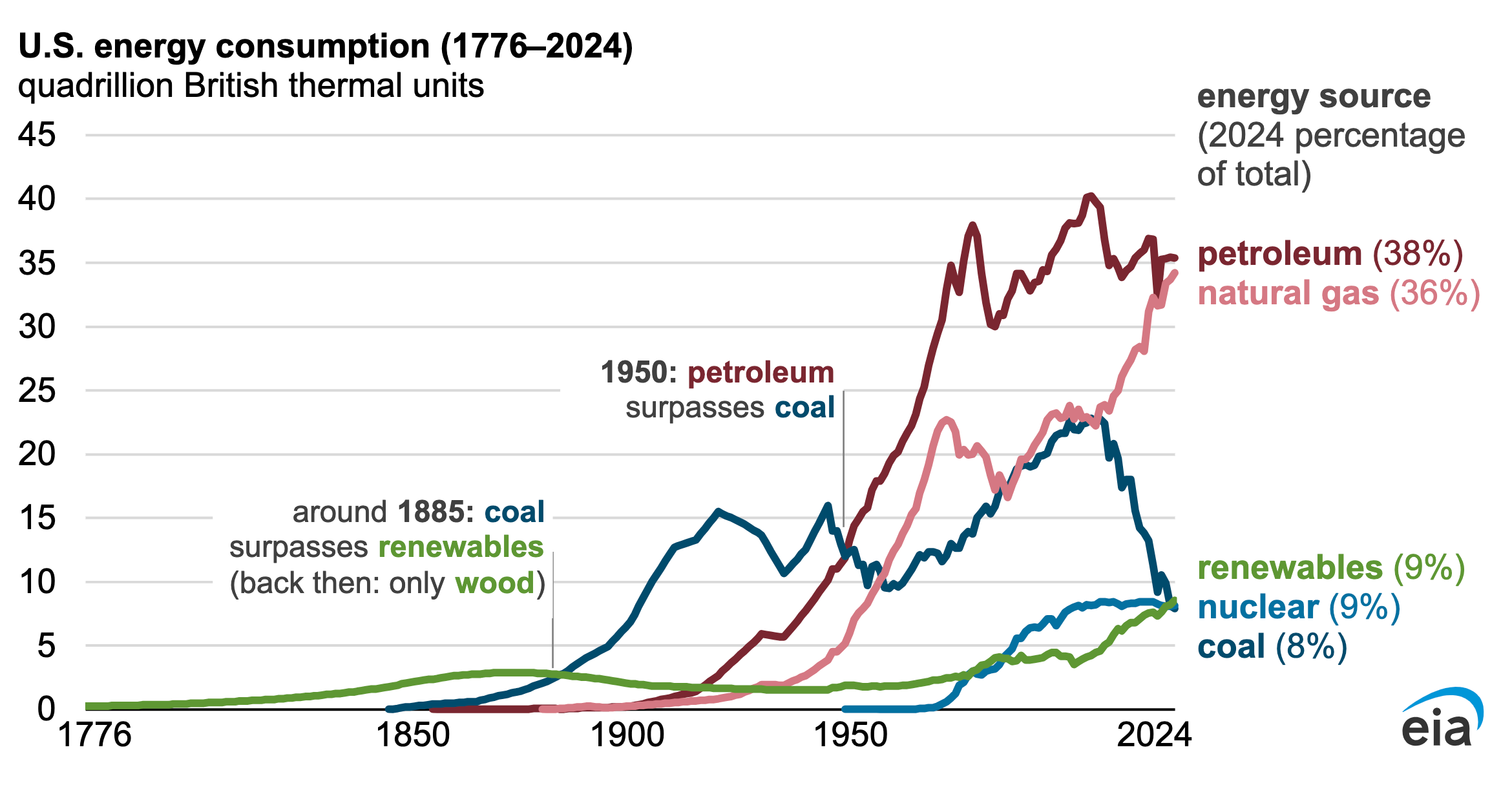 Based on the graph showing global fossil fuel consumption over time, which statement is MOST accurate?
Identify which factor is PRIMARY in determining the suitability of each renewable technology for a specific location:
| Draggable item | arrow_right_alt | Corresponding Item |
|---|---|---|
Geothermal | arrow_right_alt | Amount of sunlight/solar intensity in region |
Solar | arrow_right_alt | Wind speed and consistency in region |
Hydropower | arrow_right_alt | Proximity to tectonic plate boundaries/heat sources |
Wind | arrow_right_alt | Availability of flowing water and elevation changes |
If a fishing industry continues harvesting fish faster than populations can reproduce, what will most likely happen to sustainability in that region?
A farmer's soil is becoming depleted after years of monoculture farming and must make a choice. Which choice demonstrates the BEST understanding of sustainability?
A lithium mining company in South America must choose between two extraction methods:
Open pit mining: Faster extraction, but uses 65% of local water supply and creates toxic waste
Brine mining: Slower extraction, but uses evaporation ponds and is more water-efficient
Which method demonstrates BETTER sustainability planning for a region that already faces water scarcity?
In 2023, over 30% of the world's electricity came from renewables, and this number is climbing every year. However, solar and wind are intermittent—they don't produce power 24/7.
To achieve 100% renewable electricity, which real-world challenge must be solved FIRST?
The "tragedy of the commons" refers to a situation where:
Which of the following best demonstrates the tragedy of the commons?
Why does the tragedy of the commons typically occur in shared resources?
Once a resource reaches collapse due to overexploitation, which outcome is most likely to occur?
Farmers share water from an underground aquifer to water their crops. Each farmer could use just enough water so the aquifer refills naturally. But farmers who use MORE water grow MORE crops and make MORE money. If everyone maxes out their water use, the aquifer runs dry in 50-100 years and then nobody can farm anymore.
Why is this an example of the tragedy of the commons?
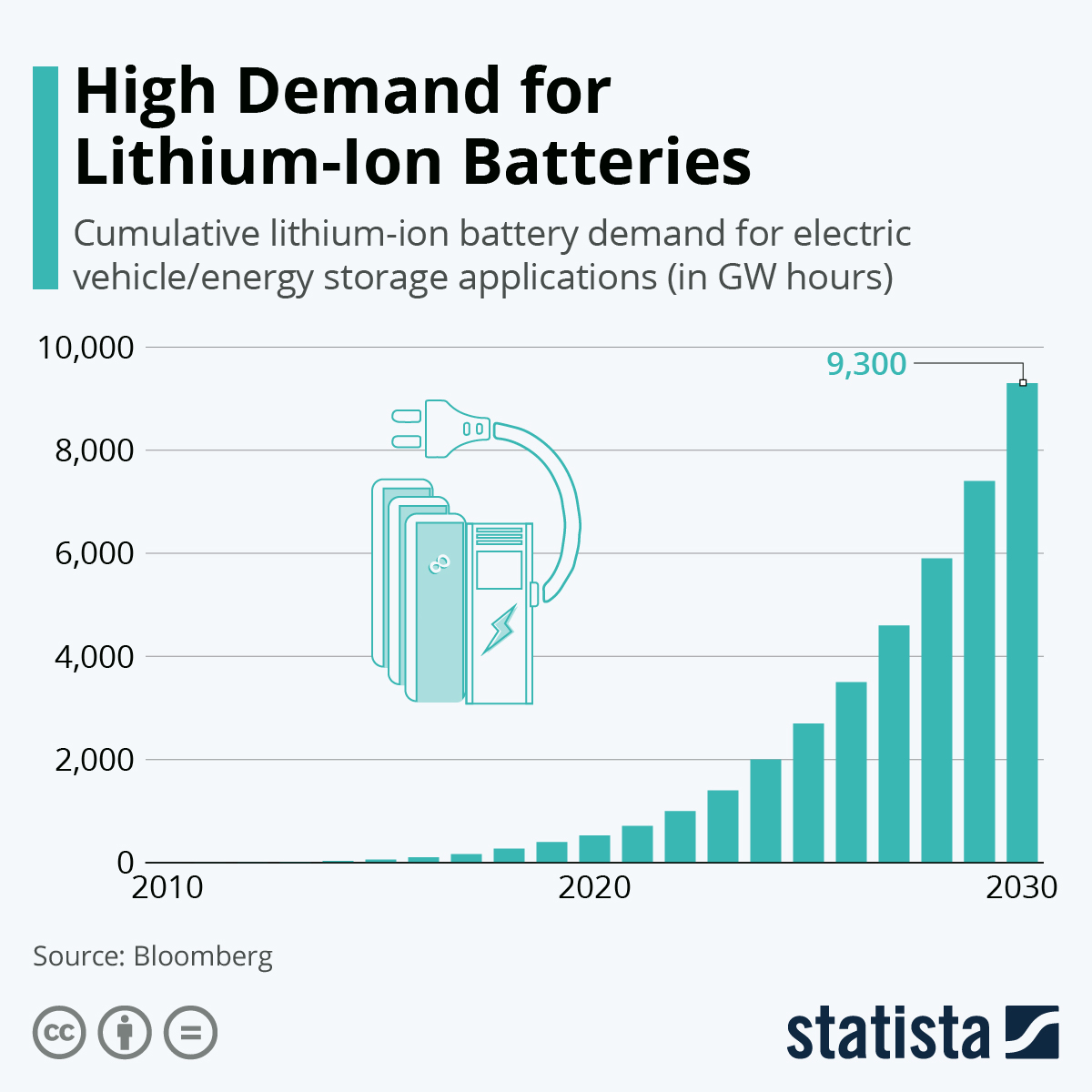 If lithium demand continues to increase, which statement best predicts the sustainability impact?
What challenges would the USA face when switching to 100% renewable energy from fossil fuels?
What parts of this unit did you enjoy?
What parts of this unit could be improved?