Twa kɔ nsɛm atitiriw so
Log in
Sign up for FREE
arrow_back
Laabri

BK Copy of Carbon & Nitrogen Cycles Notes and Practice (3/18/2025)

star
star
star
star
star
Last updated about 4 hours ago
25 Nsɛmmisa
Intro Question
0
What happens to energy when organisms die?
Carbon Cycle
1
1
1
Nitrogen Cycle
Exit Ticket
Ɛhia
2
Ɛhia
1
Ɛhia
1
Ɛhia
1
Ɛhia
1
Asemmisa {{asɛmmisaAhyɛnsode}}
1.

What happens to energy when organisms die?

What happens to nutrients when organisms die?

In following energy through a food chain, food web, or energy pyramid, only 10% of the energy is passed from one organism to the next. This means producers receive the most energy from the sun, while top predators receive the least.
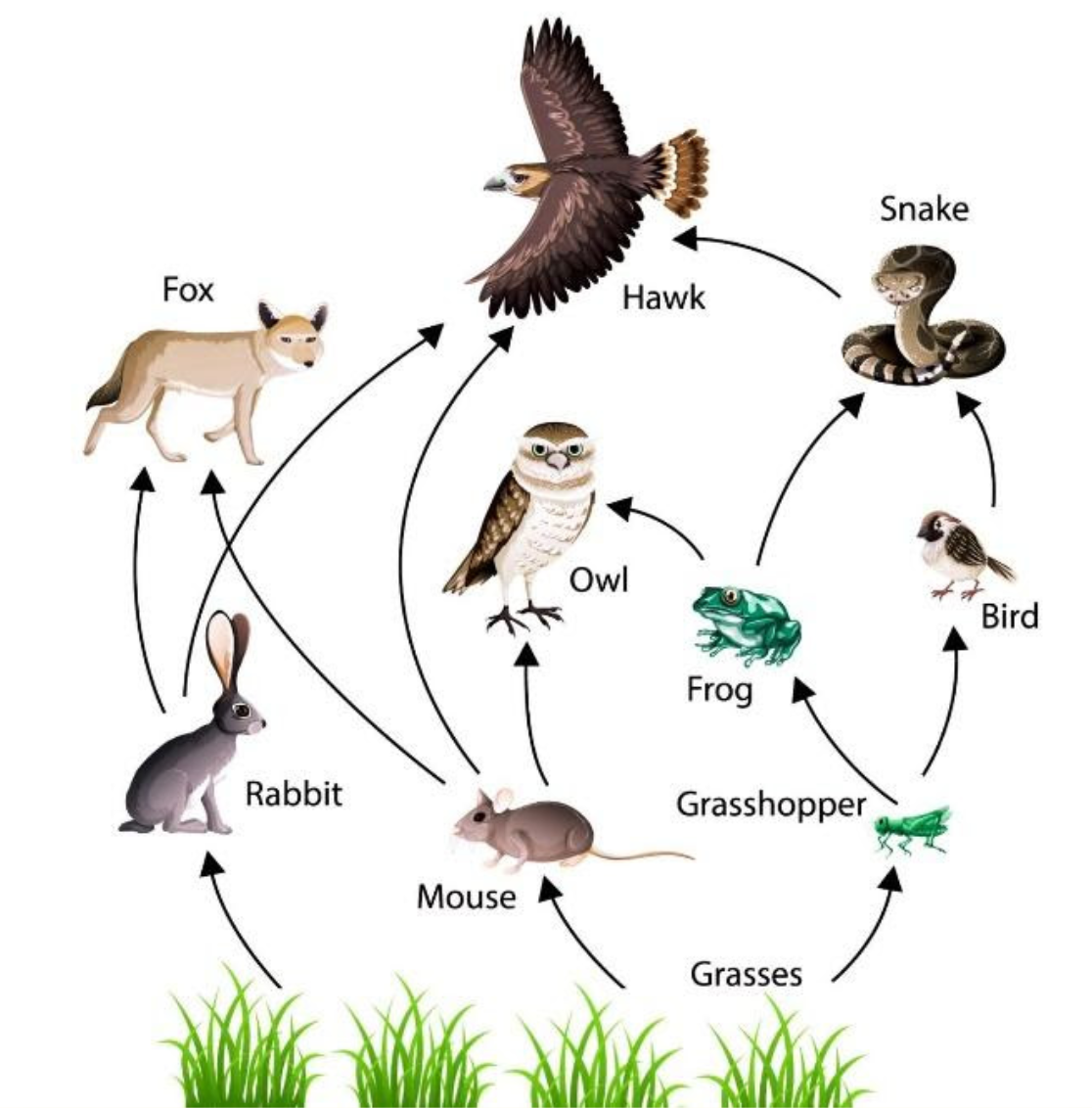
But what happens to all of that energy when organisms die? Does it go into the air? The soil? The answer is actually both. As organisms die, they are broken down into organic material (carbon and nitrogen), which are then returned to the soil and air. This is done with the help of decomposers such as bacteria, protists, and fungi. These decomposers are the main driving force behind the Carbon and Nitrogen Cycles, and without them, we would not be able to recycle organic material or nutrients.

Remember: all living things are made of carbon and nitrogen. Carbon makes up the deoxyribose sugar in DNA, while nitrogen makes up the nucleic acids. Humans inhale oxygen and breathe out carbon dioxide. Though Earth's atmosphere is 78% nitrogen gas, we do not breathe it in. Instead, we get nitrogen through the things we eat.

Your goal today is to describe how nutrients move through the Carbon and Nitrogen cycles and recognize how various human activities can affect these cycles.
1
1
1
1

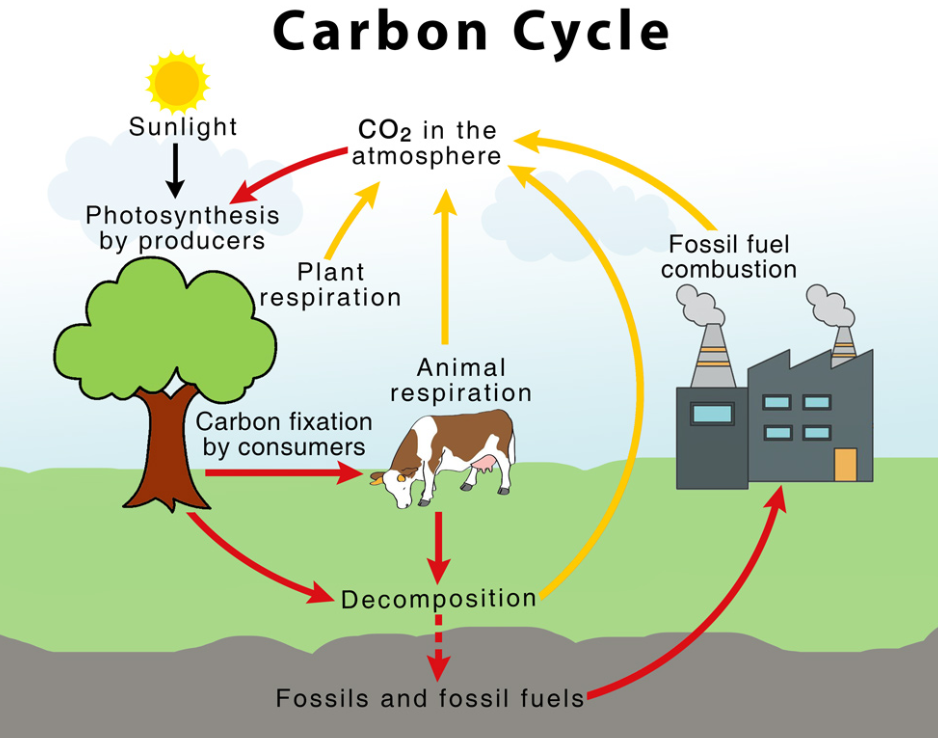
Carbon is one of the building blocks of life. All living things are made with carbon, so we call them organic.

In cellular respiration, plants and animals take in oxygen and release carbon dioxide into the atmosphere.

When living things die, their bodies decompose. Over millions of years, the carbon that made them becomes crude oil, coal, and gas (fossil fuels) which we use to create power and electricity. Every time you drive in a vehicle, it burns gasoline, which releases carbon dioxide back into the atmosphere.

The only thing that can remove carbon dioxide from the atmosphere is photosynthesis, where plants take in CO2 in order to create glucose.

1
Asemmisa {{asɛmmisaAhyɛnsode}}
6.

Based on the diagram, which things ADD carbon dioxide to the atmosphere?

1
1
1

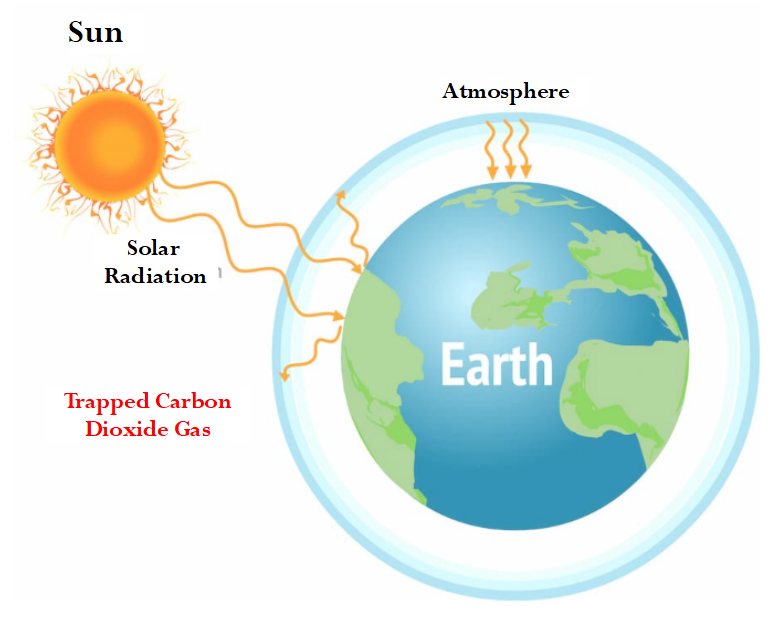
Why should we care about CO2 in the atmosphere?

Carbon Dioxide acts as an insulator in Earth's atmosphere, meaning it traps heat and prevents it from escaping. This contributes to the greenhouse effect, where heat collects in Earth's atmosphere, which causes the planet to warm.

Every time you breathe, ride in a vehicle that runs on gasoline, or use natural gas, you are releasing more carbon dioxide into the atmosphere. As the human population continues to grow and we continue to cut down trees, we are adding more and more CO2 to the atmosphere without creating more ways to remove it.

1
Asemmisa {{asɛmmisaAhyɛnsode}}
10.

Why is carbon dioxide important in the greenhouse effect?

1
1
Asemmisa {{asɛmmisaAhyɛnsode}}
13.

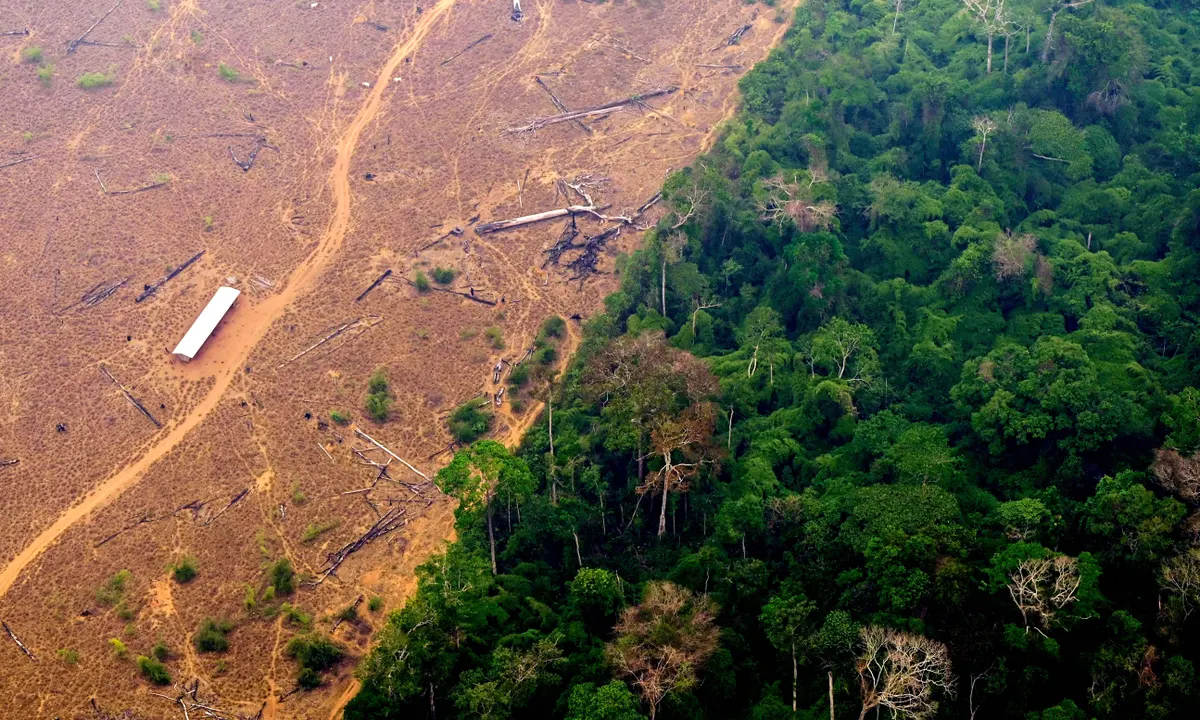
The Amazon Rainforest of Brazil is the world’s largest rainforest. Deforestation has continue to increase over the years and reached an all-time high in 2021. Individuals and companies continue to profit from clearing land and exploiting natural resources.

What effect will deforestation (clearing trees) in the Amazon Rainforest have on the carbon cycle?

Asemmisa {{asɛmmisaAhyɛnsode}}
14.

If the amount of people driving gas-fueled cars to school every day increased from 1 million to 2 million, what effect would this have on the carbon cycle?

Asemmisa {{asɛmmisaAhyɛnsode}}
15.

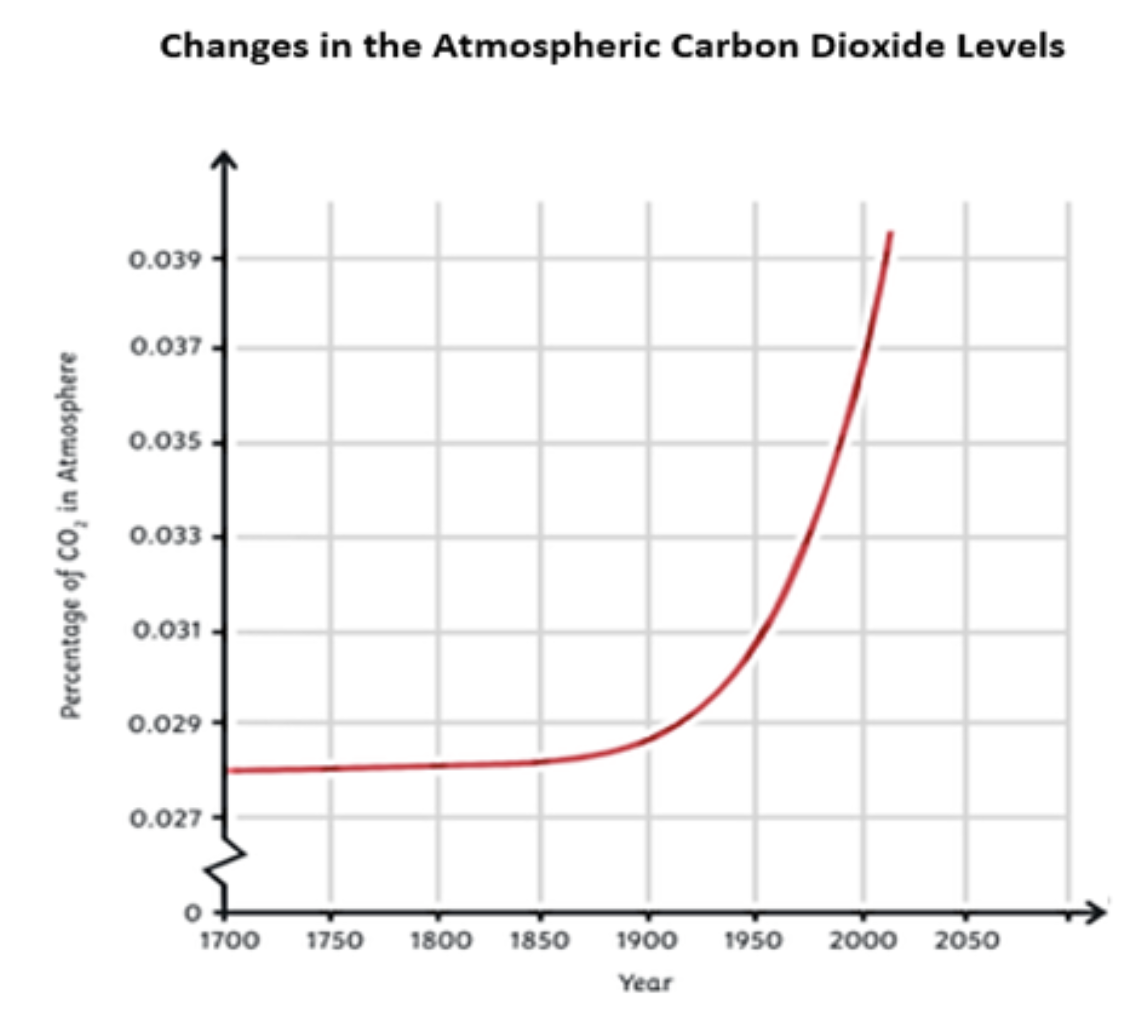
The graph below shows the level of carbon dioxide in the atmosphere over time.

Which conclusion is best supported by the data?

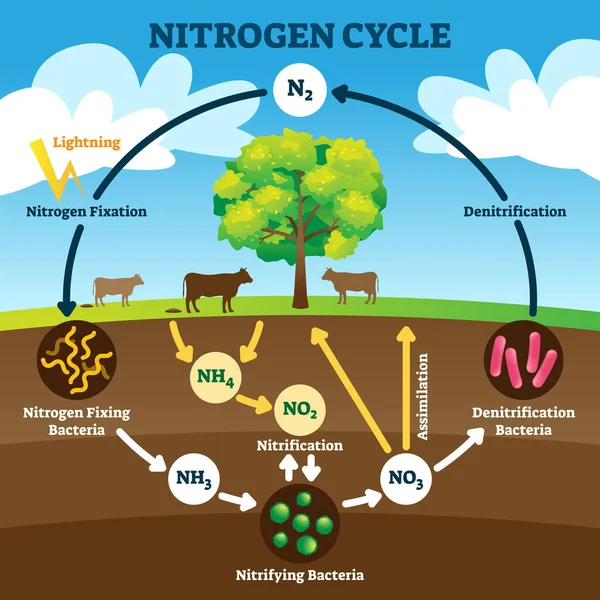
We said earlier that nitrogen is an important element that helps make up proteins and nucleic acids and is another key component of DNA. All living things need nitrogen to survive. Animals cannot breathe in nitrogen, so we get it by eating plants and other animals.

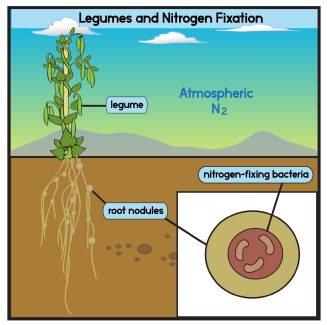
The real MVP in the nitrogen cycle is actually NOT plants, but bacteria and decomposers! Plants rely on bacteria in the soil to take in nitrogen from the air and convert it into nutrients that the plant can use. These special bacteria are found in the roots of plants.

We also see bacteria in the soil two more times. Certain bacteria will break down dead organisms into another form of nitrogen, and other bacteria will return nitrogen in the soil back to the atmosphere.

Without bacteria to help convert and recycle nitrogen, plants would not be able to get the nutrients they need to grow. In fact, nitrogen is so essential to plant growth that many of the fertilizers we use today are full of nitrogen.

1
1
1
1
1
Asemmisa {{asɛmmisaAhyɛnsode}}
20.

If all of the bacteria were removed from an ecosystem, could the nitrogen cycle continue?

Explain why or why not below.

Stem options:

The nitrogen cycle could occur if all of the bacteria were removed because.....

The nitrogen cycle could not occur if all of the bacteria were removed because.....

Asemmisa {{asɛmmisaAhyɛnsode}}
21.

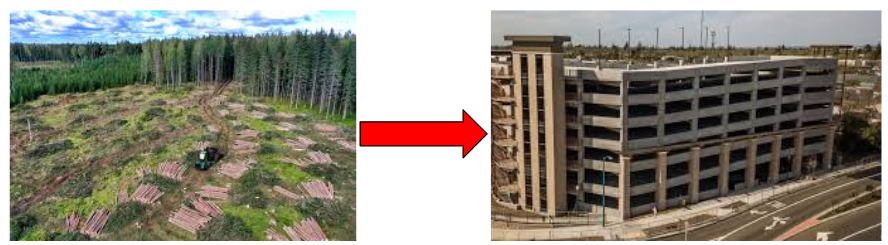
What will happen to the amount of carbon in the atmosphere if a forest is cleared by logging in preparation of building a parking garage?

The amount of carbon in the atmosphere will

Asemmisa {{asɛmmisaAhyɛnsode}}
22.

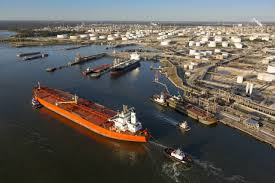
A new company opens an oil rig off the Houston Ship Channel. The company extects to produce between 1.5 million - 3.5 million barrels of oil in its first year in operation.

How would the new oil rig impact the carbon cycle?

Asemmisa {{asɛmmisaAhyɛnsode}}
23.

In order to reduce carbon in the atmosphere...

Select all that apply

Asemmisa {{asɛmmisaAhyɛnsode}}
24.

In order for plants to use nitrogen from the atmosphere...

Asemmisa {{asɛmmisaAhyɛnsode}}
25.

Nitrogen/nutrients are cycled through the ecosystem with the help of...

Select all that apply

Asemmisa {{asɛmmisaAhyɛnsode}}
2.

What happens to nutrients when organisms die?

Asemmisa {{asɛmmisaAhyɛnsode}}
3.

What is the main force behind recycling nutrients in the Carbon and Nitrogen cycles?

Asemmisa {{asɛmmisaAhyɛnsode}}
4.

Why is nitrogen essential for all living organisms?

Asemmisa {{asɛmmisaAhyɛnsode}}
5.

Bacteria and protists are both microorganisms with important roles in every ecosystem on Earth.

Which of the following best describes why these microorganisms are so important?

Asemmisa {{asɛmmisaAhyɛnsode}}
7.

Based on the diagram, what can REMOVE carbon dioxide from the atmosphere?

Asemmisa {{asɛmmisaAhyɛnsode}}
8.

What process creates carbon dioxide as a waste product?

Asemmisa {{asɛmmisaAhyɛnsode}}
9.

What happens when we burn fossil fuels like oil, coal, and gas?

Asemmisa {{asɛmmisaAhyɛnsode}}
11.

How does releasing carbon dioxide from burning fossil fuels affect our planet?

Asemmisa {{asɛmmisaAhyɛnsode}}
12.

How do plants help stabilize the Earth's temperature?

Asemmisa {{asɛmmisaAhyɛnsode}}
16.

Why do plants rely on bacteria in the nitrogen cycle?

Asemmisa {{asɛmmisaAhyɛnsode}}
17.

How do humans primarily obtain the nitrogen they need?

Asemmisa {{asɛmmisaAhyɛnsode}}
18.

How do protists, fungi, and bacteria positively affect the nitrogen cycle?

Asemmisa {{asɛmmisaAhyɛnsode}}
19.

What do microorganisms like bacteria do in the nitrogen cycle?

Select THREE correct answers.