Spring til hovedindhold
Log ind
Sign up for FREE
arrow_back
Bibliotek

Wednesday 04/21 - Cell Transport Practice

star
star
star
star
star
Sidst opdateret 20 days ago
22 Spørgsmål
1
1
1
1
1
1
1
1
1
1
1
1
investigate and explain cellular processes, including homeostasis, energy conversions, transport of molecules, and synthesis of new molecules; and
1
investigate and explain cellular processes, including homeostasis, energy conversions, transport of molecules, and synthesis of new molecules; and
1
investigate and explain cellular processes, including homeostasis, energy conversions, transport of molecules, and synthesis of new molecules; and
1
investigate and explain cellular processes, including homeostasis, energy conversions, transport of molecules, and synthesis of new molecules; and
1
investigate and explain cellular processes, including homeostasis, energy conversions, transport of molecules, and synthesis of new molecules; and
1
investigate and explain cellular processes, including homeostasis, energy conversions, transport of molecules, and synthesis of new molecules; and
1
investigate and explain cellular processes, including homeostasis, energy conversions, transport of molecules, and synthesis of new molecules; and
1
investigate and explain cellular processes, including homeostasis, energy conversions, transport of molecules, and synthesis of new molecules; and
1
1
1
Spørgsmål 1
1.

CELL TRANSPORT VOCABULARY

Match the vocabulary with the definitions.

Draggable emnearrow_right_altKorresponderende emne

Semi-Permeable

arrow_right_alt

How close (crowded) together molecules are

Cell Membrane

arrow_right_alt

When molcecules are evenly spread out and moving evenly in every direction

Equilibrium

arrow_right_alt

Lets some things through but not everything.

Concentration

arrow_right_alt

Semi-permeable membrane made of phospholipids. Controls what goes in and out of the cell

Spørgsmål 2
2.

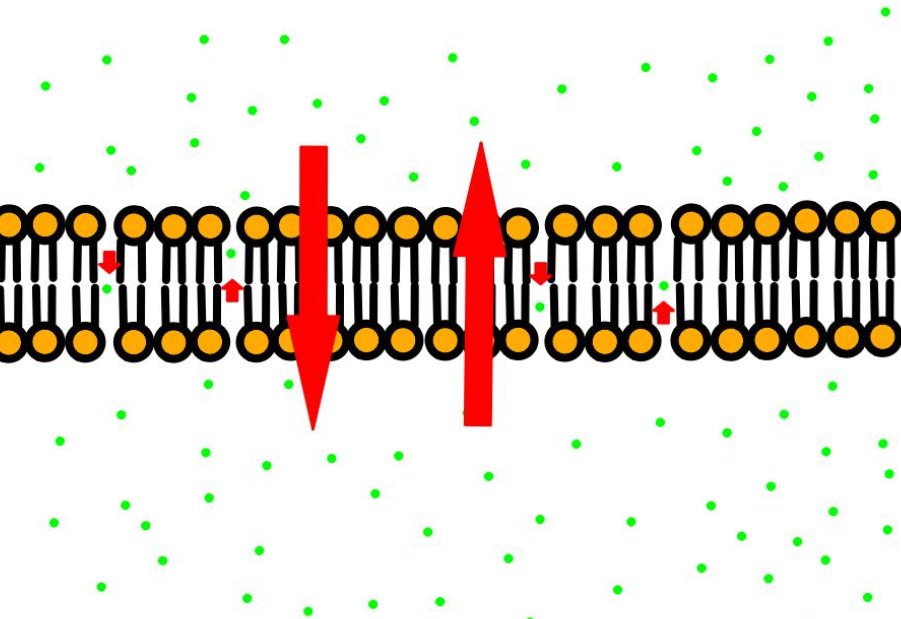
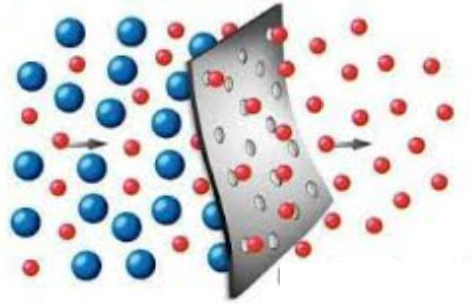
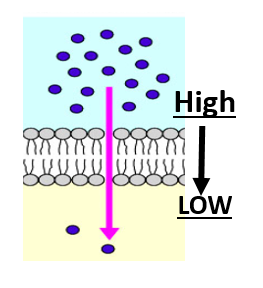
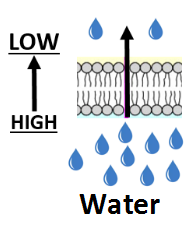
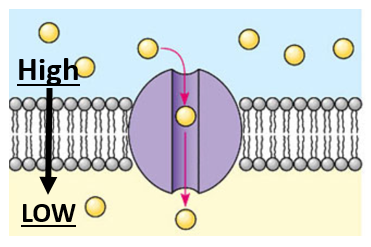
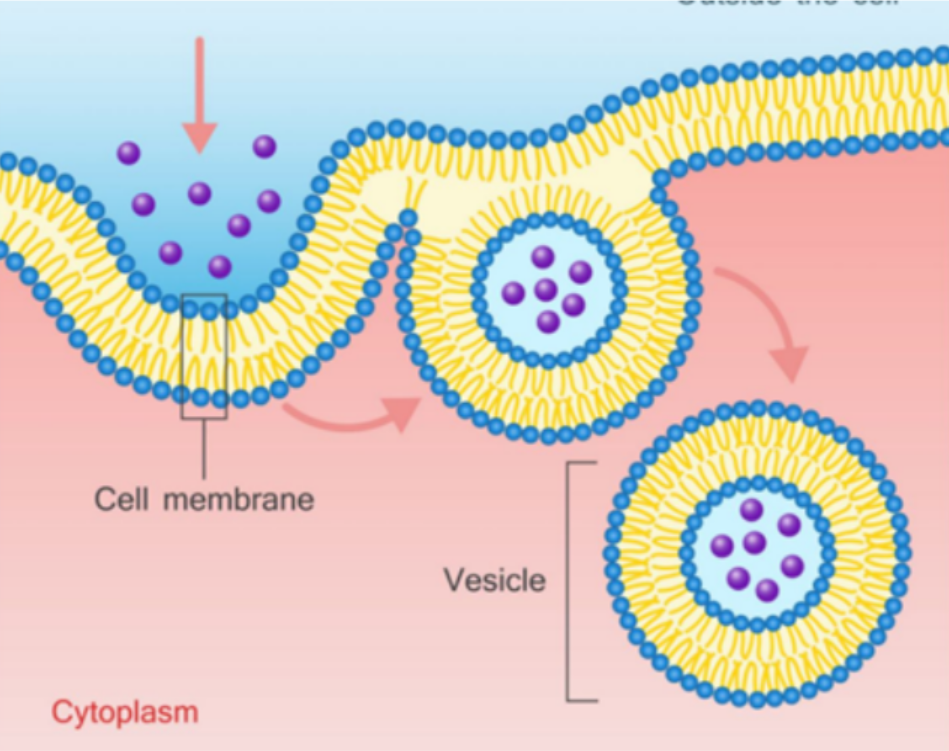
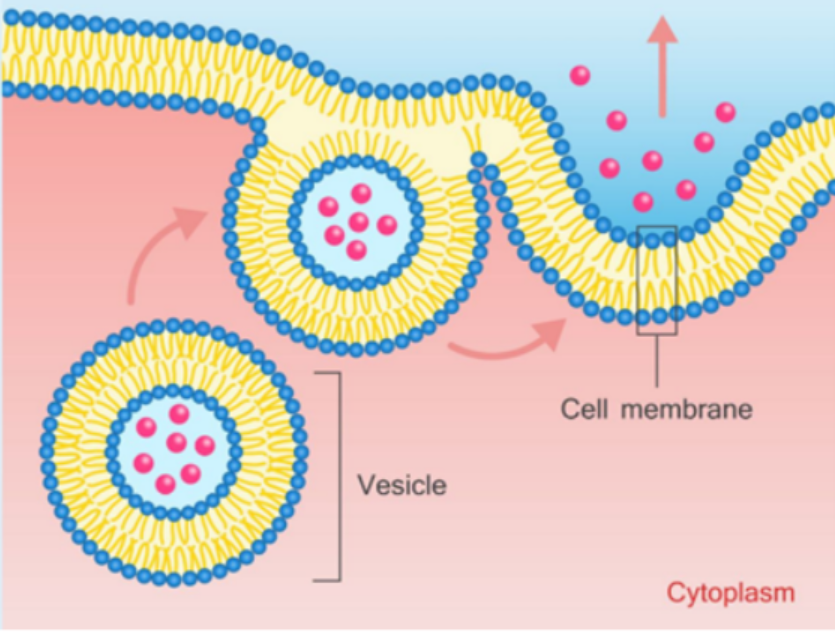
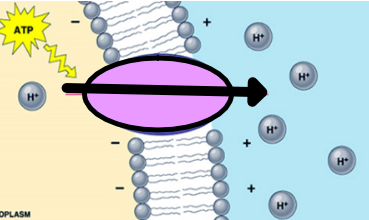
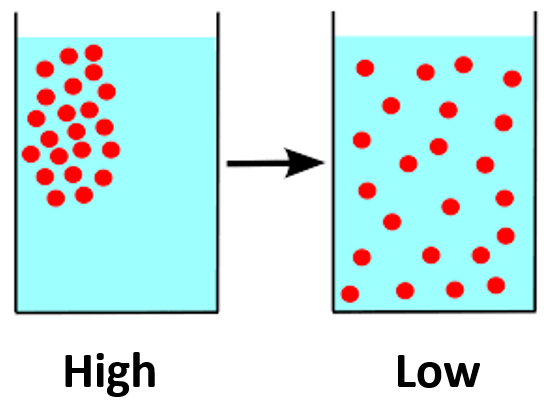
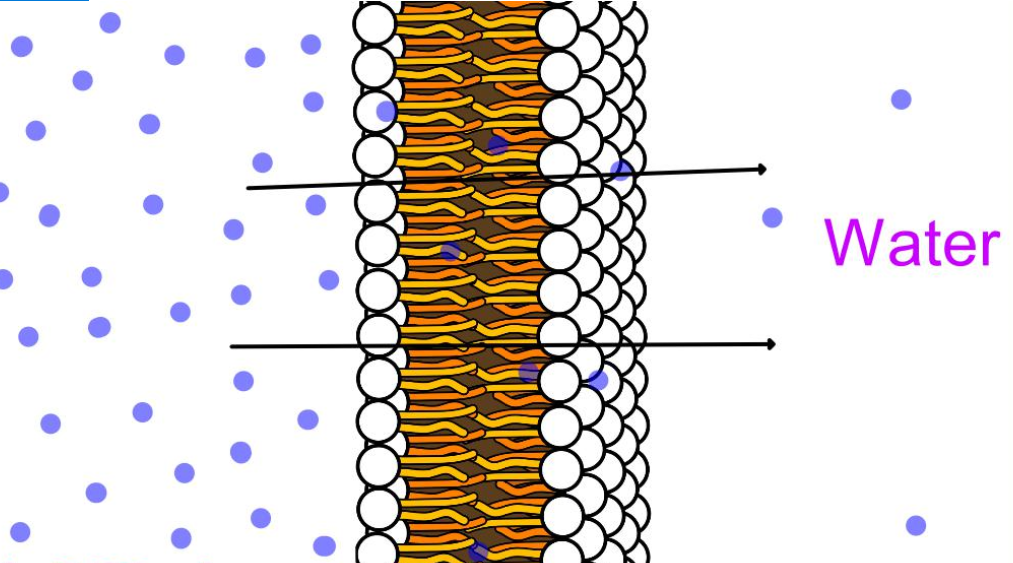
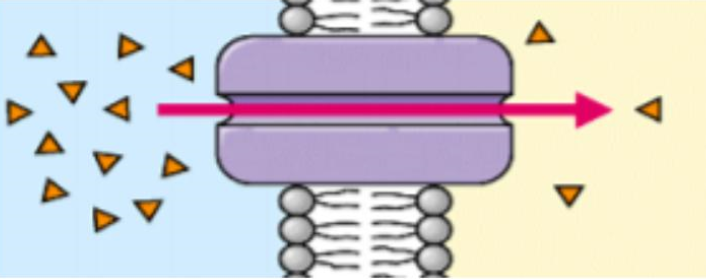
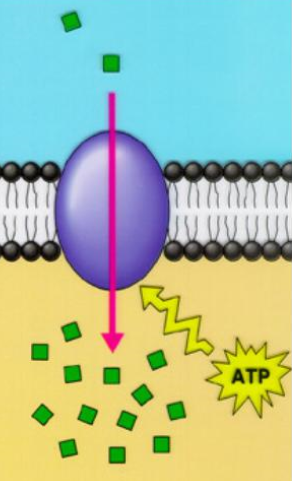
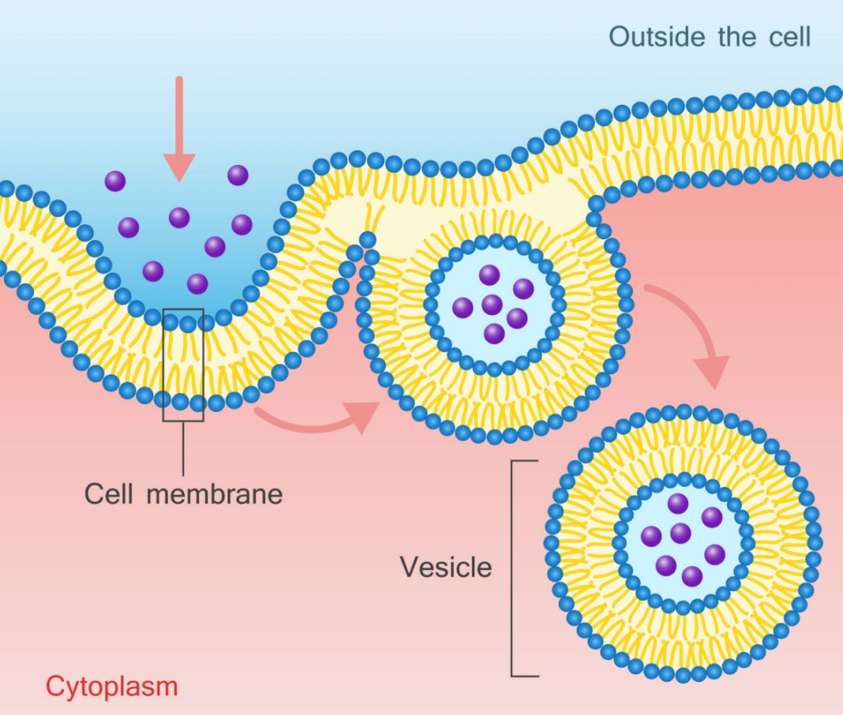
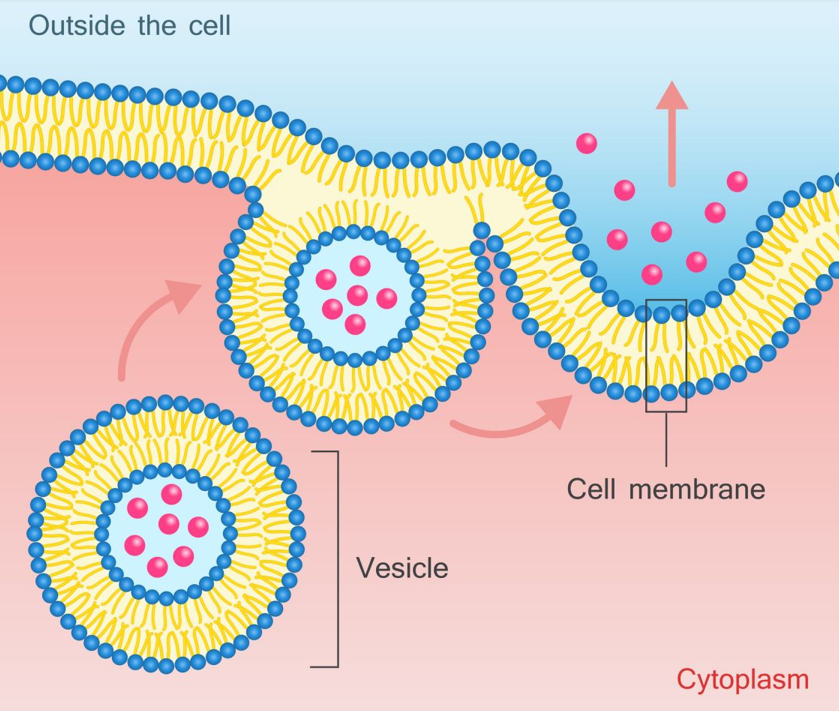
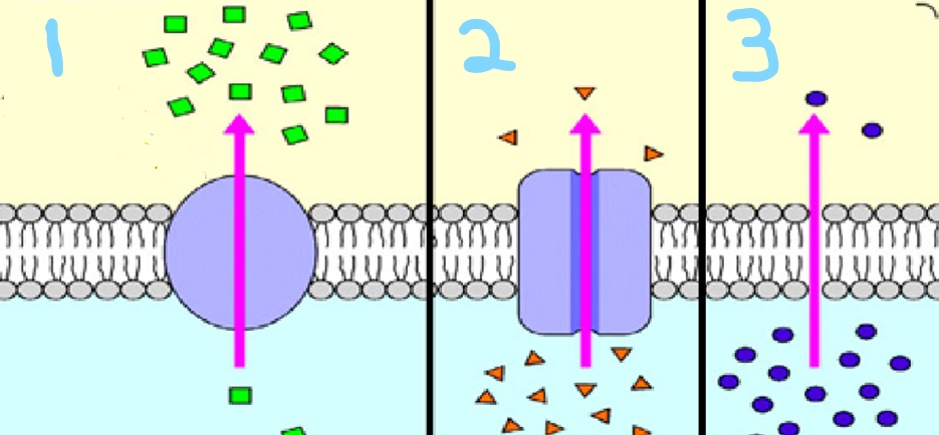
Match the following terms to the correct pictures

Draggable emnearrow_right_altKorresponderende emne

Protein Pump

arrow_right_alt

Endocytosis

arrow_right_alt

Osmosis

arrow_right_alt

Exocytosis

arrow_right_alt

Diffusion

arrow_right_alt

Facillitated diffusion

arrow_right_alt

Spørgsmål 3
3.

Select ALL that applies for Passive Transport (3 Items)

Spørgsmål 4
4.

PASSIVE TRANSPORT

No Energy

Match the vocabulary with the definitions.

Draggable emnearrow_right_altKorresponderende emne

Facillitated Diffusion

arrow_right_alt

Any molecule moving from a high to a low concentration

Diffusion

arrow_right_alt

Water molecules molecule moving from a high to a low concentration across a membrane

Osmosis

arrow_right_alt

Any molecule moving from a high to a low concentration through a protein channel

Spørgsmål 5
5.

Select ALL that applies for Active Transport (3 Items)

Spørgsmål 6
6.

ACTIVE TRANSPORT

Needs Energy

Match the vocabulary with the definitions.

Draggable emnearrow_right_altKorresponderende emne

Endocytosis

arrow_right_alt

A protein that pumps molecules across a membrane from a LOW concentration to a HIGH concentration

Exocytosis

arrow_right_alt

Taking bulky/solid materials INTO to the cell

Protein Pump

arrow_right_alt

Taking bulky/solid materials OUT of the cell

Spørgsmål 7
7.

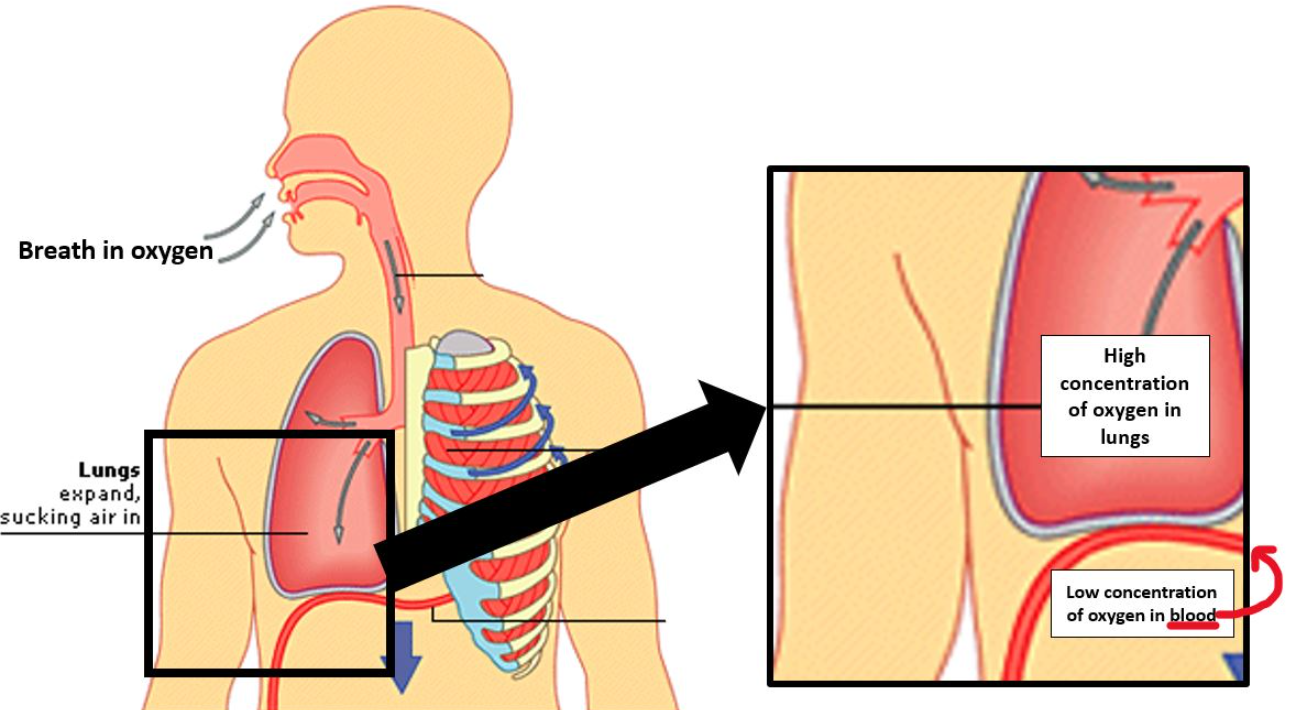
The lungs exchange gas with our blood to maintain homeostasis. When we breathe in, there is a high concentration of oxygen in our lungs and a low concentration of oxygen in our blood. Because of this, the oxygen molecules move from the lungs into the blood. This movement of oxygen from a high to low concentration is an example of what type of cell transport?

Spørgsmål 8
8.

Which section(s) represent Passive Cell Transport? (SELECT ALL THAT APPLY!)

Spørgsmål 9
9.

Which section(s) represent Active Cell Transport? (SELECT ALL THAT APPLY!)

Spørgsmål 10
10.

Which section(s) represent the use of a PROTEIN PUMP? (SELECT ALL THAT APPLY!)

Spørgsmål 11
11.

Which section(s) represent the use of a PROTEIN CHANNEL? (SELECT ALL THAT APPLY!)

Spørgsmål 12
12.

Sort each item on the left into the correct category on the right.

YOU WILL USE EACH ITEM ONLY 1 TIME!!!

  • High to Low Concentration

  • Low to High Concentration

  • Requires Energy

  • No Energy Required

  • Passive Transport (2 items)

  • Active Transport (2 items)

Spørgsmål 13
13.

Sort each item on the left into the correct category on the right.

YOU WILL USE EACH ITEM ONLY 1 TIME!!!

  • Osmosis

  • Facilitated Diffusion

  • Protein Pump

  • Diffusion

  • Exocytosis

  • Endocytosis

  • Passive Transport (3 items)

  • Active Transport (3 items)

Spørgsmål 14
14.

As a result of Passive Transport, the concentration of many types of substances…

Spørgsmål 15
15.

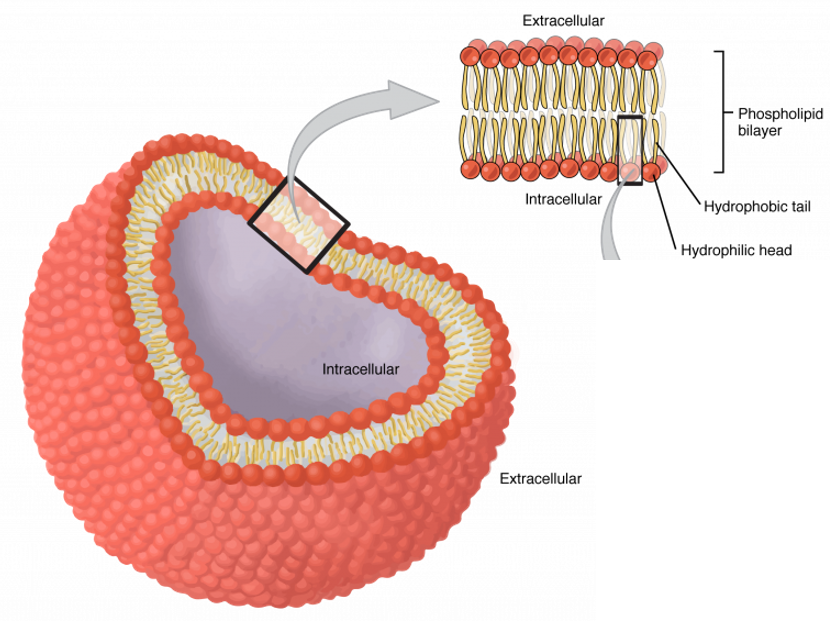
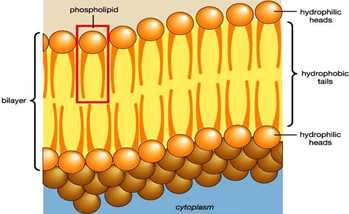
As shown in the picture, the cell membrane is made of two layers of fat molecules. The main function of this organelle is to control what molecules enter and leave the cell so that the cell can maintain homeostasis.

Based on this information, which biomolecule is important for keeping a cell’s internal balance?

Spørgsmål 16
16.

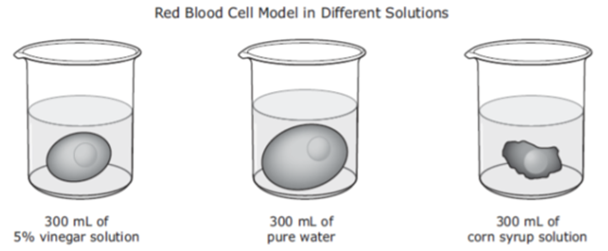
Students used vinegar in order to dissolve away the shells of three eggs and used these eggs as models of human red blood cells. The students observed the changes in the eggs when they were placed in different solutions.

Which statement best describes the role of the cell membrane in this model?

Spørgsmål 17
17.

Students used vinegar in order to dissolve away the shells of three eggs and used these eggs as models of human red blood cells. The students observed the changes in the eggs when they were placed in different solutions.

Which statement best explains why the egg in corn syrup lost mass (got smaller)?

Spørgsmål 18
18.

The lungs exchange gas with our blood to maintain homeostasis. When we breathe in, there is a high concentration of oxygen in our lungs and a low concentration of oxygen in our blood. Because of this, the oxygen molecules move from the lungs into the blood.

This movement of oxygen molecules from a high to low concentration is an example of what type of cell transport?

Spørgsmål 19
19.

The cellular process known as the sodium-potassium pump was discovered in the 1950's by Jens Christian Skou, a Danish scientist. This process is a form of active transport that moves three sodium ions to the outside of a cell for every two potassium ions that it moves into the cell.

Which of these best explains why energy is needed for active transport?

Spørgsmål 20
20.

Edit the background in order to illustrate what is happening in the scenario.

YOU MUST LABEL THESE 5 THINGS:

  • Percentage of WATER inside the mesquite tree leaf. (80%)

  • Percentage of WATER outside the mesquite tree leaf. (20%)

  • Put an H where the high concentration of water is.

  • Put an L where the low concentration of water is.

  • Draw an arrow to show the direction that the WATER molecules would move.

Spørgsmål 21
21.

Based on your illustration in Question 3, which way will the WATER molecules move?

Spørgsmål 22
22.

If the mesquite tree leaf was left overnight in the cup, what would happen to the size of the leaf cells?