Twa kɔ nsɛm atitiriw so
Log in
Sign up for FREE
arrow_back
Laabri

Tuesday 04/20 - Viruses Practice

star
star
star
star
star
Last updated about 2 hours ago
9 Nsɛmmisa
1
1
1
1
1
1
1
1
1
Asemmisa {{asɛmmisaAhyɛnsode}}
1.

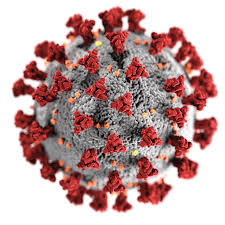
Below is a picture of SARS-CoV-2, the virus that causes COVID-19.
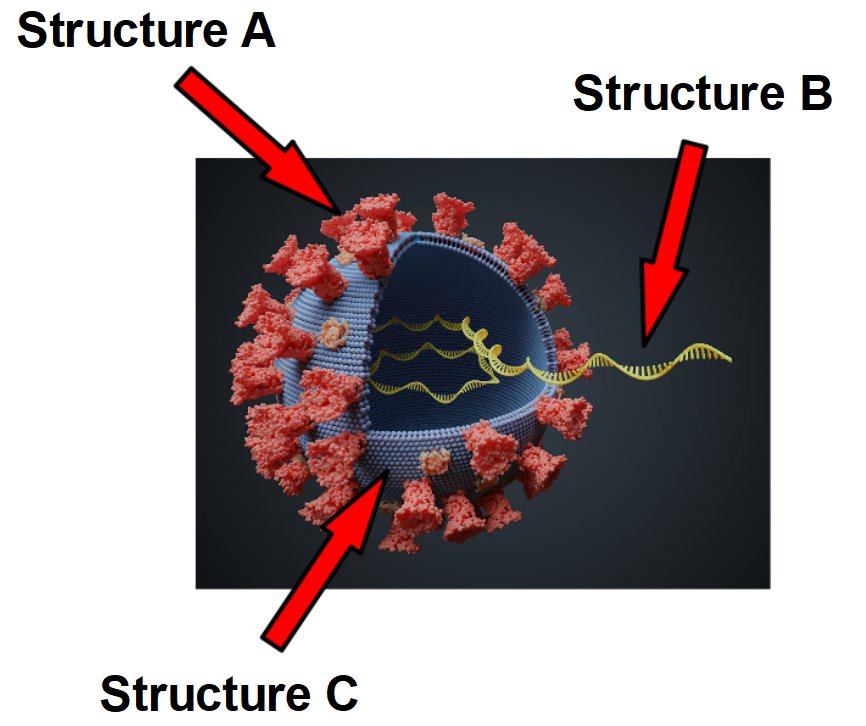
Match each structure to its name.

Draggable itemarrow_right_altCorresponding Item

Protein Capsid

arrow_right_alt

Structure A

Glycoprotein Markers

arrow_right_alt

Structure B

Genetic Material (DNA/RNA)

arrow_right_alt

Structure C

Asemmisa {{asɛmmisaAhyɛnsode}}
2.

Below is a picture of SARS-CoV-2, the virus that causes COVID-19.

Match each structure with its function (job).

Draggable itemarrow_right_altCorresponding Item

Information for making viral proteins

arrow_right_alt

Structure A

Protects the genetic material

arrow_right_alt

Structure B

Attachment and entry into host cell

arrow_right_alt

Structure C

Asemmisa {{asɛmmisaAhyɛnsode}}
3.

A typical virus consists of glycoproteins on the outside (keys) that match receptor proteins (locks) on host cells.

The role of these glycoproteins is to…

Asemmisa {{asɛmmisaAhyɛnsode}}
4.

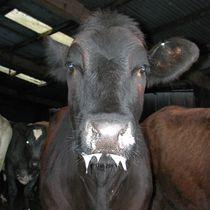
In 1898, Friedrich Loeffler and Paul Frosch found evidence that the cause of the highly contagious "hoof-and-mouth" disease in livestock was a microscopic infectious particle. It was discovered that this particle requires a host cell to reproduce.

Which pathogen is most likely responsible for causing "hoof-and-mouth" disease in livestock?

Asemmisa {{asɛmmisaAhyɛnsode}}
5.

Which of these describes a difference between viruses and cells?

Asemmisa {{asɛmmisaAhyɛnsode}}
6.

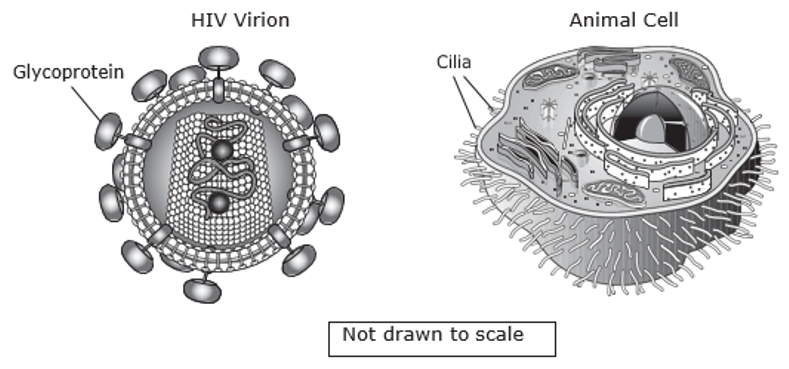
Models of the human immunodeficiency virus (HIV) and an animal cell are shown below.

What is the difference in function of the glycoprotein structures of an HIV virus and the cilia (hairs) of an animal cell?

Asemmisa {{asɛmmisaAhyɛnsode}}
7.

COVID-19 is an illness caused by the coronavirus "SARS-CoV-2". Symptoms include: high fever, dry cough, loss of taste and smell, shortness of breath, fatigue, headaches, and body aches. These symptoms typically occur within two to seven days after infection by the virus.

This information suggests that SARS-CoV-2 reproduces by the…

Asemmisa {{asɛmmisaAhyɛnsode}}
8.

A person infected with HIV may not have any symptoms for an extended period of time, sometimes up to 10 years after initial exposure to the virus. However, a person with the Ebola virus shows symptoms within days after exposure to the virus.

What can you conclude about the life cycles of these two viruses?

Asemmisa {{asɛmmisaAhyɛnsode}}
9.

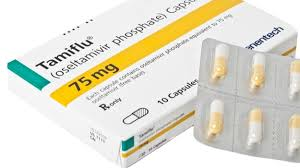
Tamiflu is often prescribed to patients that have been diagnosed with the flu within 48 hours of their first symptoms. Tamiflu works by slowing down viral replication by preventing the flu virus from entering the host cell.

Based on this information, which of the following would best explain how Tamiflu works?