Below is a picture of SARS-CoV-2, the virus that causes COVID-19.
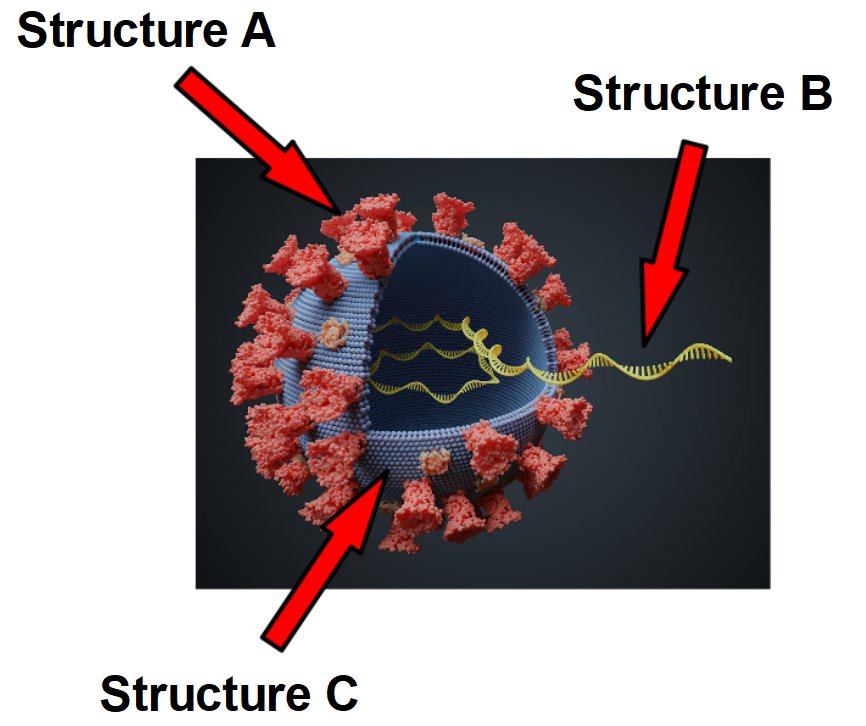
Match each structure to its name.
| Draggable item | arrow_right_alt | Corresponding Item |
|---|---|---|
Genetic Material (DNA/RNA) | arrow_right_alt | Structure A |
Protein Capsid | arrow_right_alt | Structure B |
Glycoprotein Markers | arrow_right_alt | Structure C |
Below is a picture of SARS-CoV-2, the virus that causes COVID-19.
Match each structure with its function (job).
| Draggable item | arrow_right_alt | Corresponding Item |
|---|---|---|
Information for making viral proteins | arrow_right_alt | Structure A |
Protects the genetic material | arrow_right_alt | Structure B |
Attachment and entry into host cell | arrow_right_alt | Structure C |

What is the main function of the surface proteins on the surface of a virus?
Vaccines can be used to prevent viral infection by:
Which of these describes a difference between viruses and cells?
Select the correct answer for each row.
Lytic | Lysogenic | |
|---|---|---|
Long cycle | ||
Short cycle | ||
Symptoms of infection show within days of contracting the virus | ||
Symptoms are delayed due to a dormant phase of viral reproduction |
A person infected with HIV may not have any symptoms for an extended period of time, sometimes up to 10 years after initial exposure to the virus. However, a person with the Ebola virus shows symptoms within days after exposure to the virus.
What can you conclude about the life cycles of these two viruses?
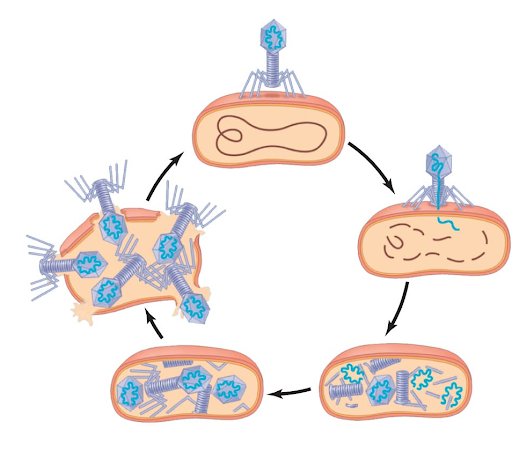
Drag and drop the name of each stage in the correct position.

You can use antibiotics to kill viruses.
An illness caused by a certain virus includes fever, rash, joint pain, red eyes, and headache. The virus is transmitted to people by infected mosquitoes. Symptoms quickly occur within three to twelve days after contracting the virus. There is no vaccine for this virus. Which description best explains the reproductive cycle of this virus?
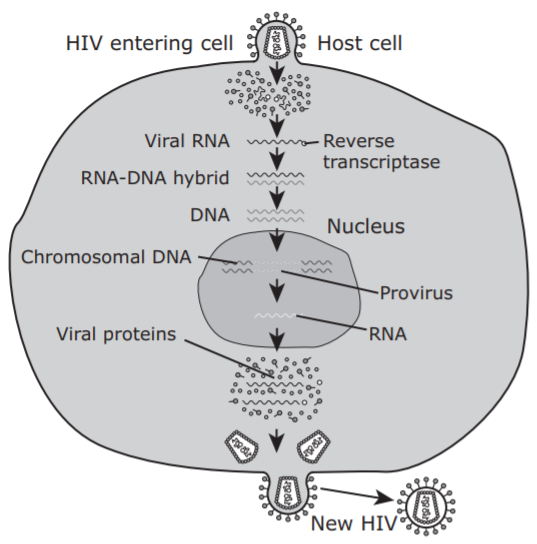
A diagram of an HIV infection is shown.
Which conclusion about the HIV infection of a host cell is best supported by the diagram?
Which of these describes a difference between viruses and cells?
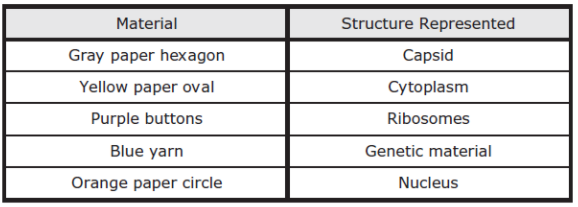
Materials are provided to students to build models of a prokaryotic cell, an eukaryotic cell, and a virus. The materials and the structure they represent are listed in the table shown.
Which material will students use in all three models?
(2021)
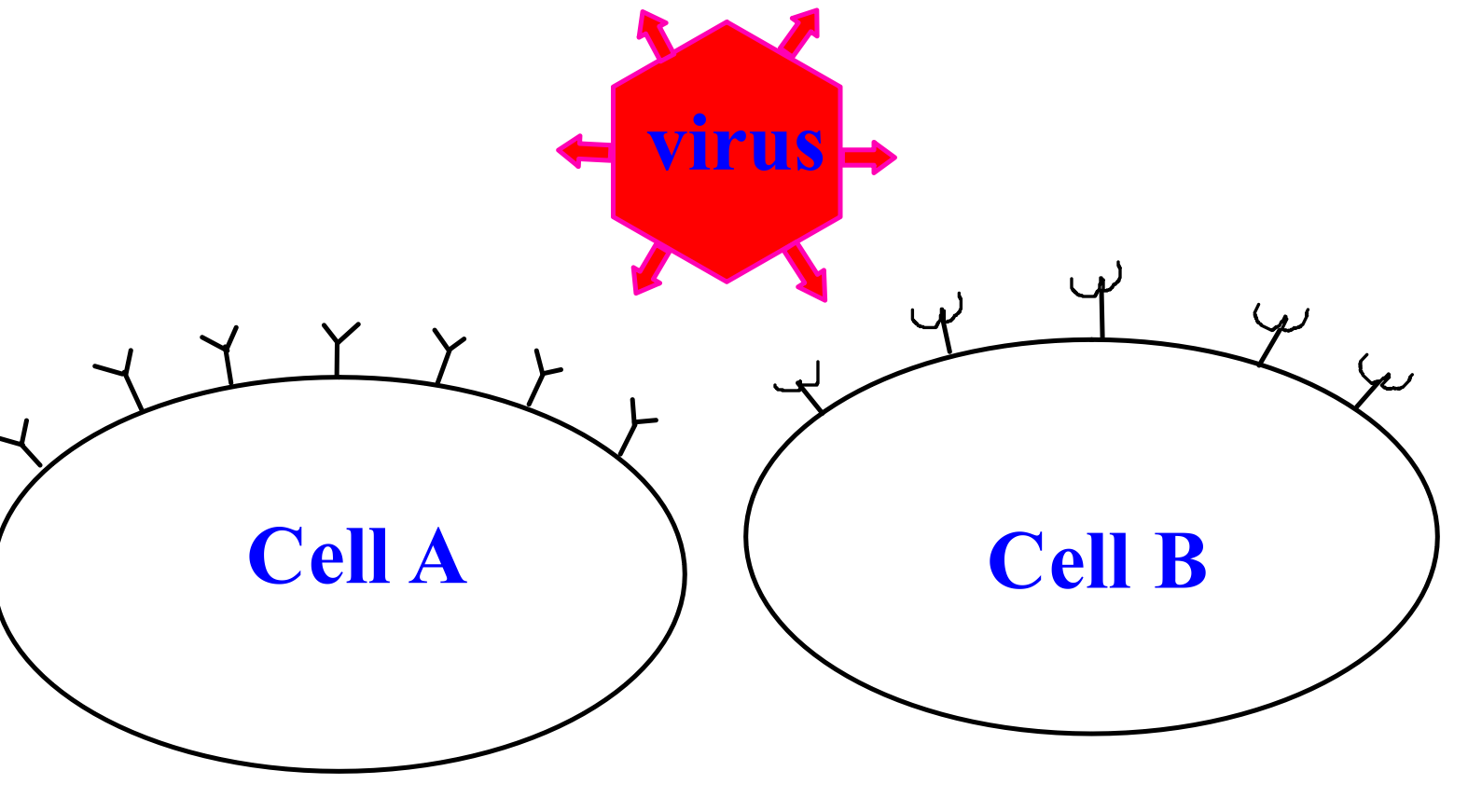
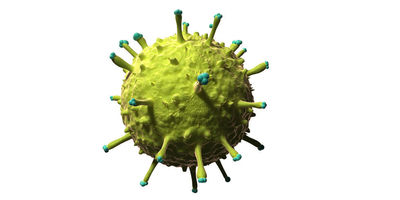
Which cell would this virus be able to infect? (Hint: Look at the shape)
In 1898, Friedrich Loeffler and Paul Frosch found evidence that the cause of the highly contagious "hoof-and-mouth" disease in livestock was a microscopic infectious particle.
It was discovered that this particle requires a host cell to reproduce.
Which pathogen is most likely responsible for causing "hoof-and-mouth" disease in livestock?