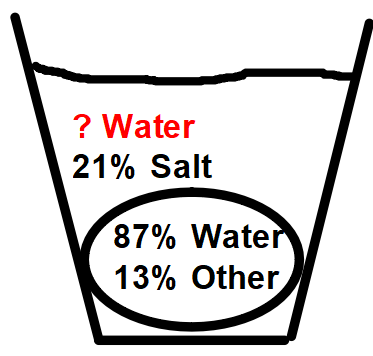
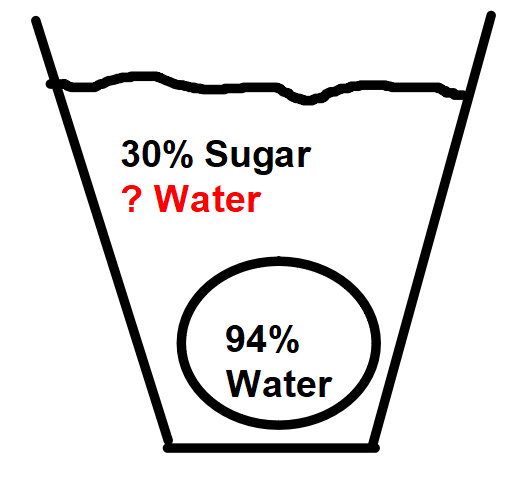
Based on this information, what is the concentration of WATER inside the animal cell?
Based on this information, what is the concentration of WATER outside the animal cell
Edit the background in order to illustrate what is happening in the scenario.
YOU MUST LABEL THESE 5 THINGS:
Percentage of WATER inside the animal cell.
Percentage of WATER outside the animal cell.
Put an H where the high concentration of water is.
Put an L where the low concentration of water is.
Draw an arrow to show the direction that the WATER molecules would move.
Based on your illustration in Question 3, which way will the WATER molecules move?
What will happen to the size of the animal cell and why?
Based on this information, what is the concentration of WATER inside the watermelon?
Based on this information, what is the concentration of WATER outside the watermelon?
Edit the background in order to illustrate what is happening in the scenario.
YOU MUST LABEL THESE 5 THINGS:
Percentage of WATER inside the watermelon.
Percentage of WATER outside the watermelon.
Put an H where the high concentration of water is.
Put an L where the low concentration of water is.
Draw an arrow to show the direction that the WATER molecules would move.
Based on your illustration in Question 8, which way will the WATER molecules move?
What will happen to the size of the watermelon and why?
Based on this information, what is the concentration of WATER inside the cucumber?
Based on this information, what is the concentration of WATER outside the cucumber?
Edit the background in order to illustrate what is happening in the scenario.
YOU MUST LABEL THESE 5 THINGS:
Percentage of WATER inside the cucumber.
Percentage of WATER outside the cucumber.
Put an H where the high concentration of water is.
Put an L where the low concentration of water is.
Draw an arrow to show the direction that the WATER molecules would move.
Based on your illustration in Question 13, which way will the WATER molecules move?
What will happen to the size of the cucumber and why?
Based on this information, what is the concentration of WATER inside the red blood cell?
Based on this information, what is the concentration of WATER outside the red blood cell?
Edit the background in order to illustrate what is happening in the scenario.
YOU MUST LABEL THESE 5 THINGS:
Percentage of WATER inside the red blood cell.
Percentage of WATER outside the red blood cell.
Put an H where the high concentration of water is.
Put an L where the low concentration of water is.
Draw an arrow to show the direction that the WATER molecules would move.
Based on your illustration in Question 18, which way will the WATER molecules move?
What will happen to the size of the red blood cell and why?