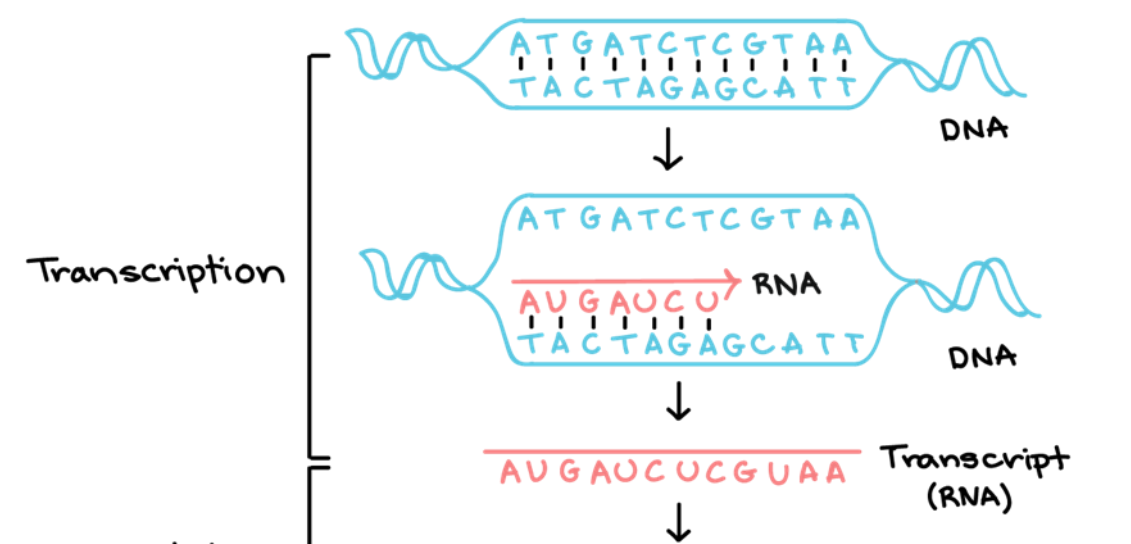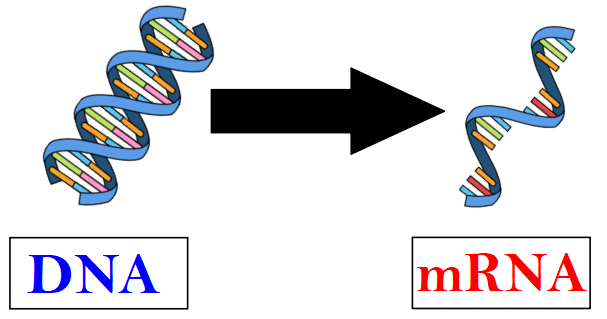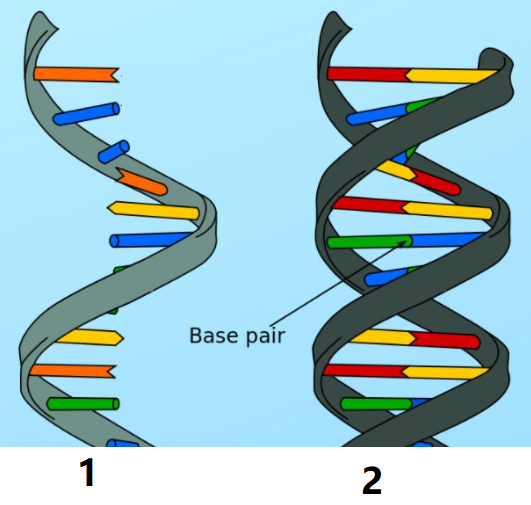
Which molecule represents RNA?
Which molecule represents RNA?
Which molecule represents RNA?
Match the statements to the correct molecule.
(Use each item only 1 time)
Deoxyribose Sugar
Can leave the nucleus
Has Thymine
Double Stranded
Ribose Sugar
Single Stranded
Has Uracil
Cannot leave the nucleus
DNA
(4 items)
RNA
(4 items)
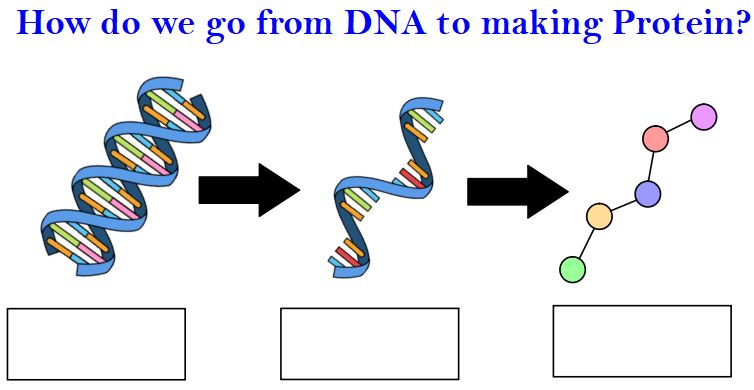
How do we go from DNA to making Protein?
Type the complementary DNA strand to:
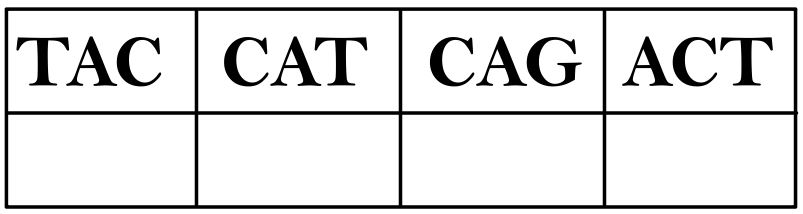
Type the complementary RNA strand to:
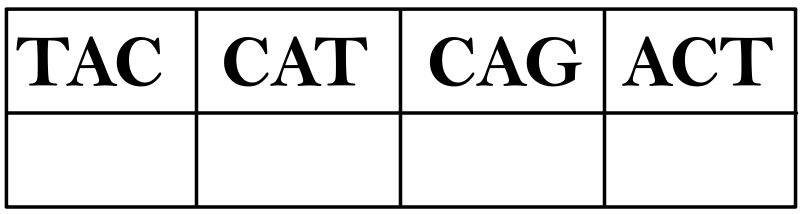
Protein Synthesis is broken down into 2 parts.
The first part is called . DNA is used to make .
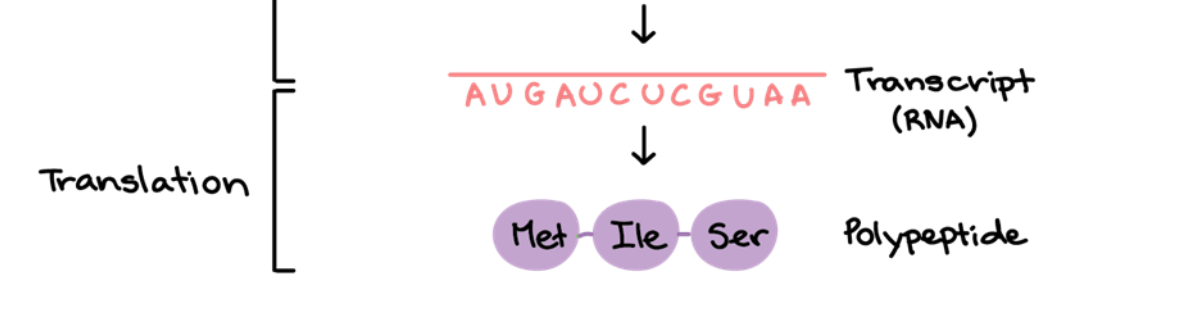
The second part of Protein Synthesis is called . mRNA is used to make .
What is the name of this process and where does it take place?
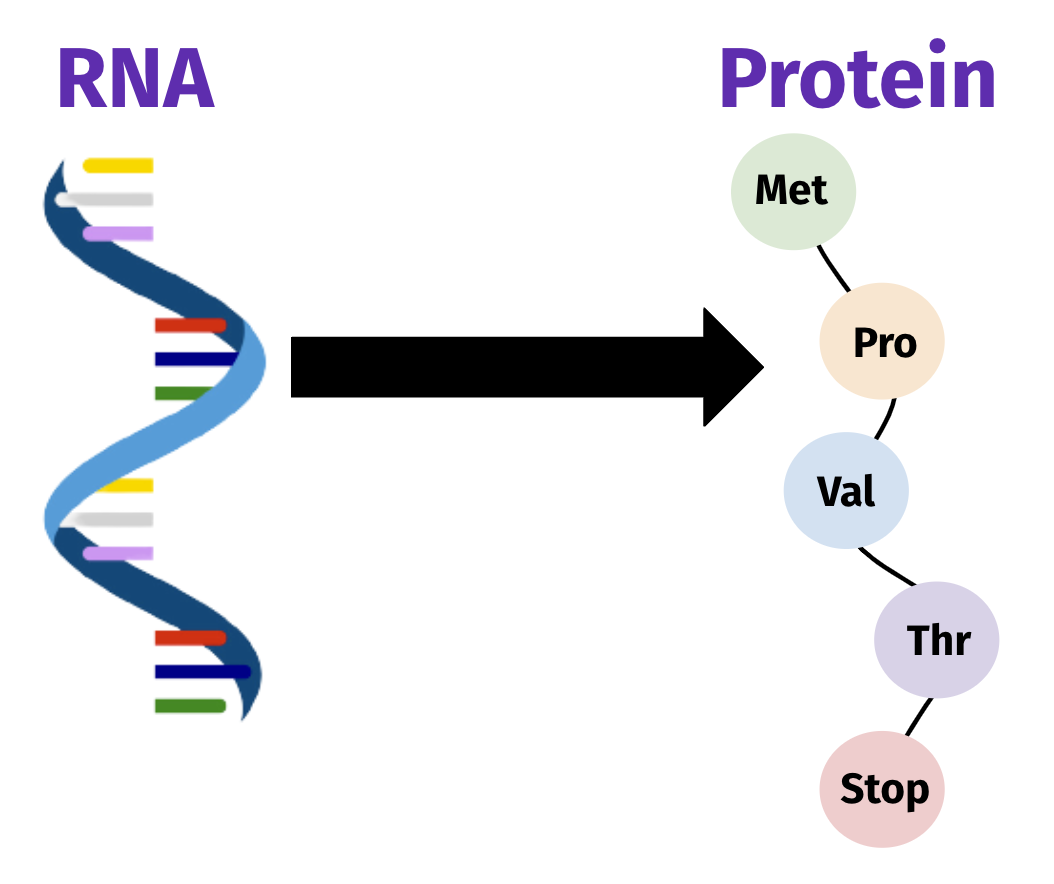
Translation is the process of using to create an amino acid () sequence.
These are also called chains!
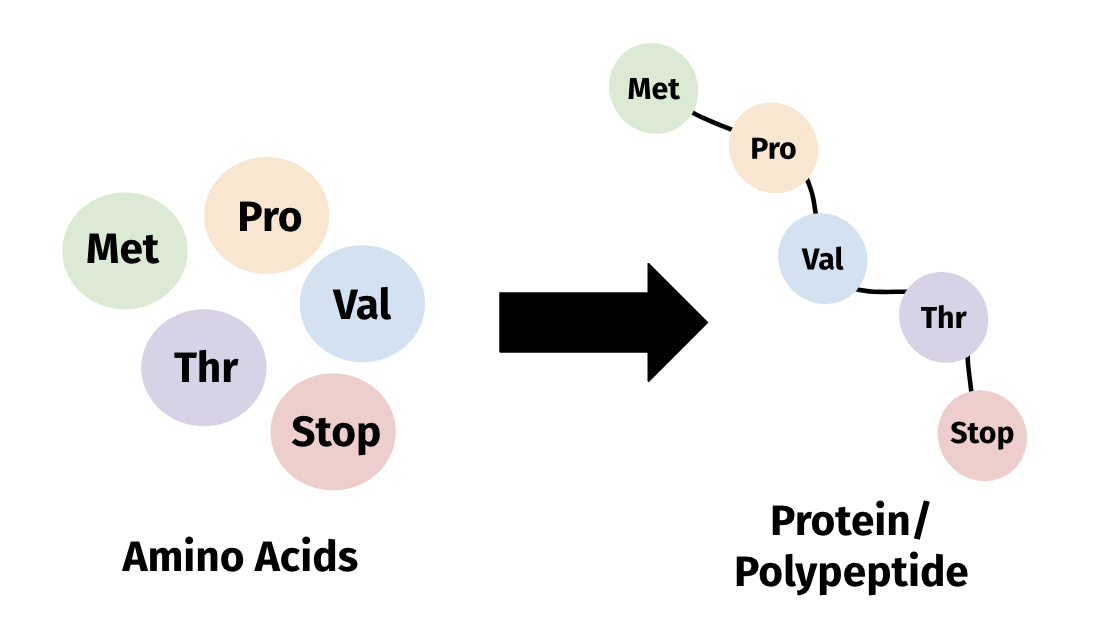
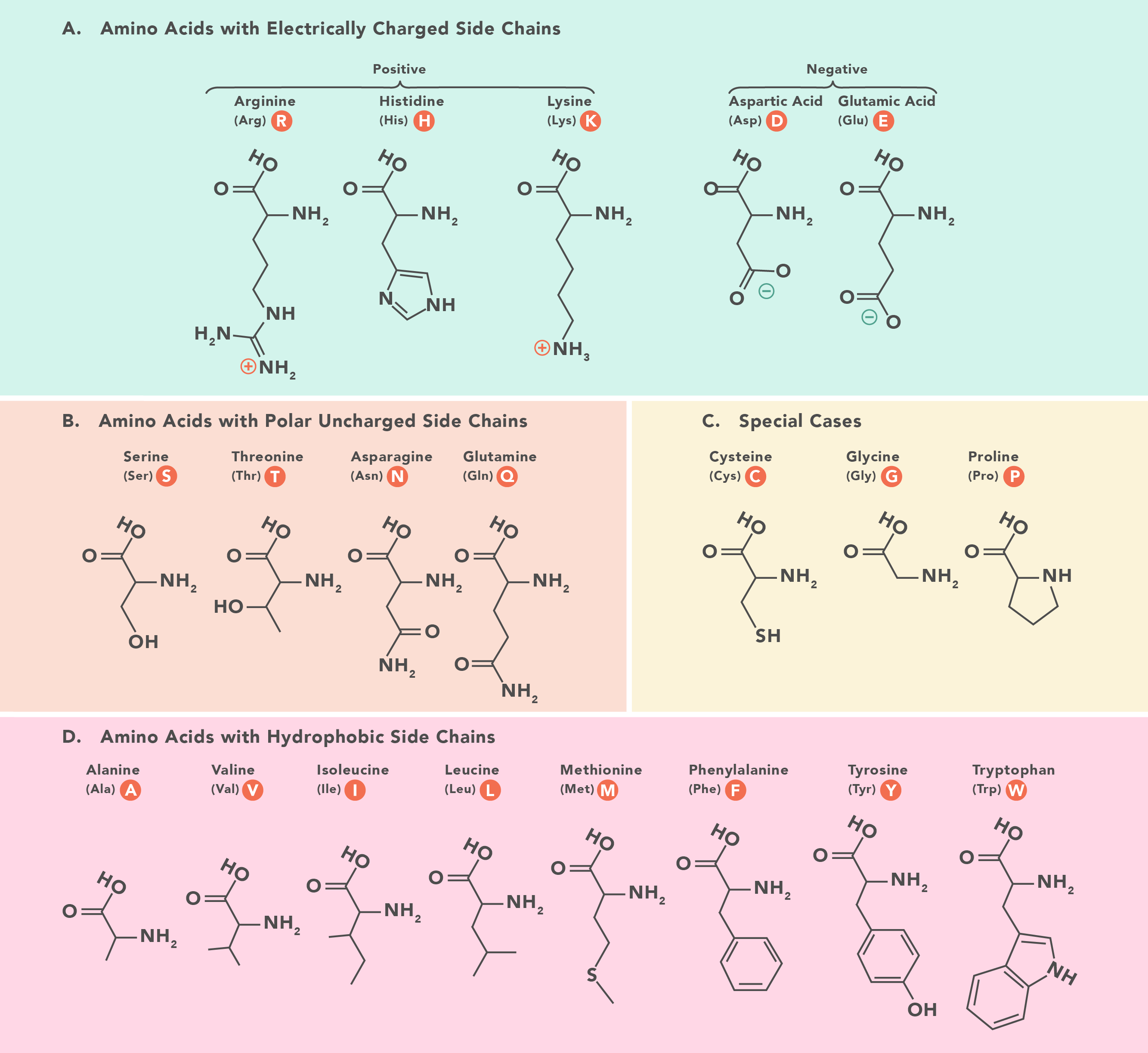
Proteins/polypeptides are composed of long chains of...
Place the steps of translation in order.
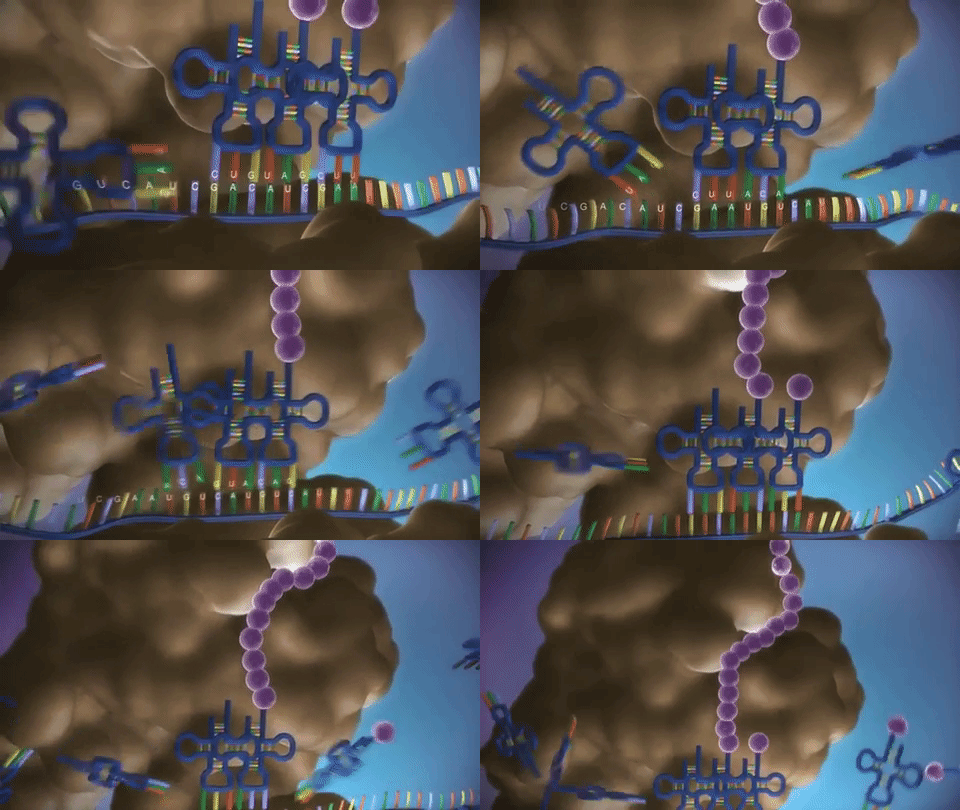
mRNA attaches to ribosome.
Amino acids are brought to ribosome by transfer RNA (tRNA).
Amino acids bind together to form a polypeptide.
Why do proteins make different traits?
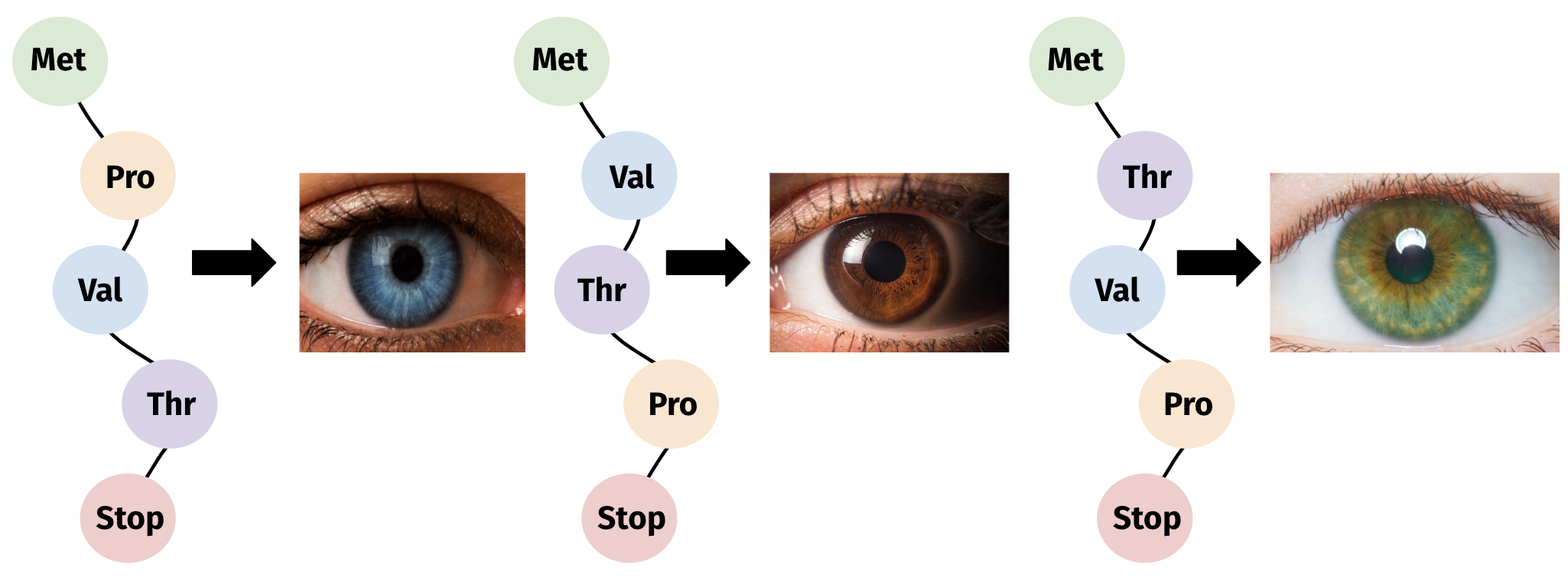
Each amino acid is coded for by in mRNA, known as a .
How many codons are in the mRNA sequence below?
How many amino acids will be made from the mRNA sequence?
There are different amino acids, with a total of codon combinations.
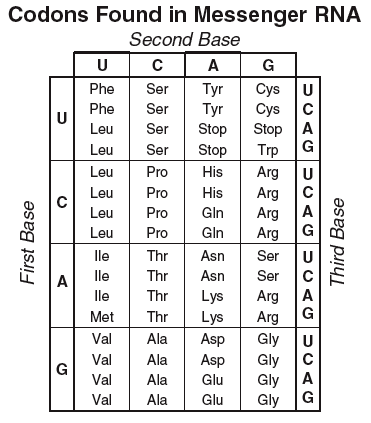
What amino acids are coded for by the mRNA?
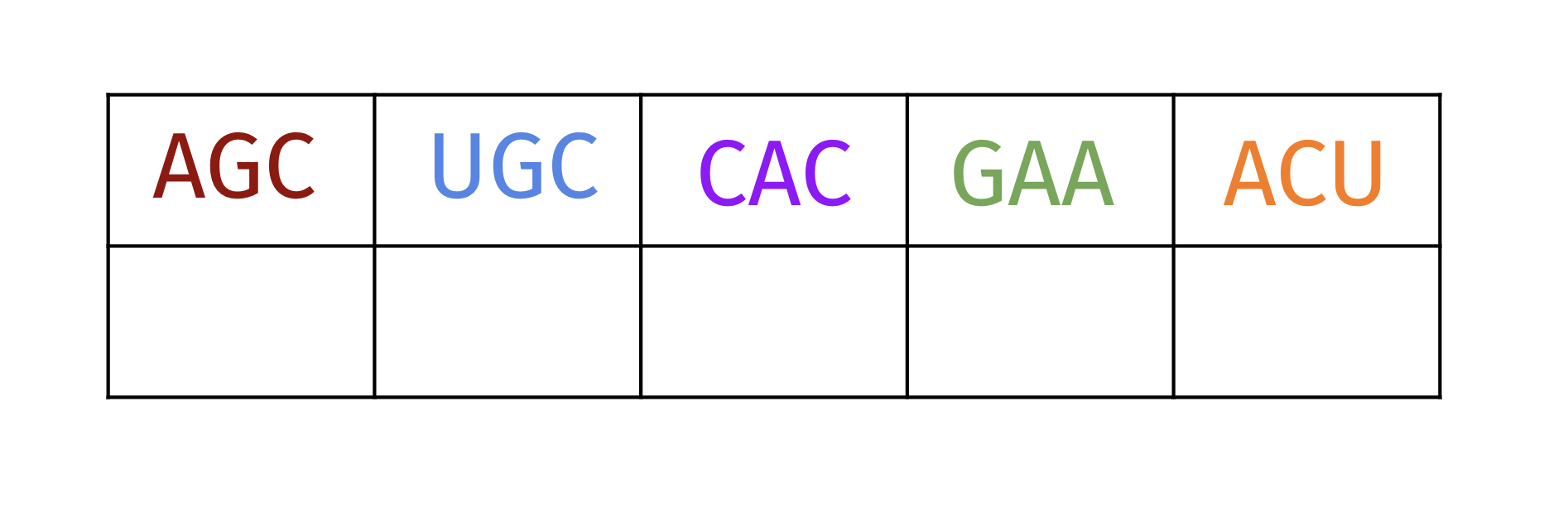
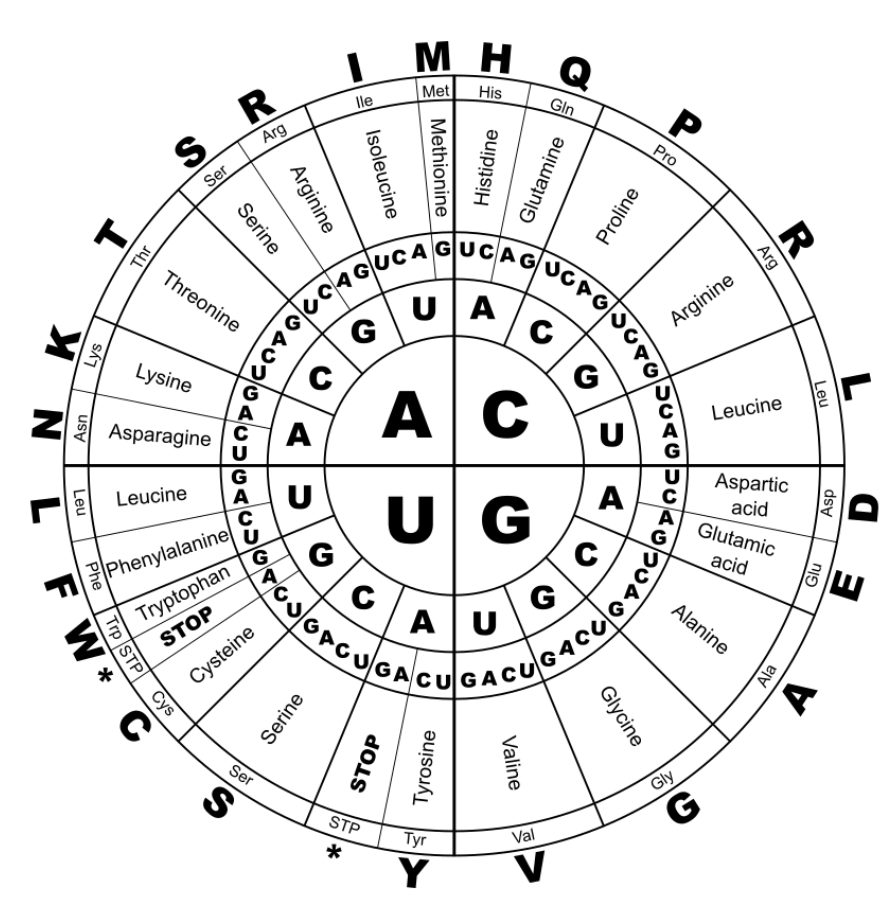
What is the amino acid for CAC?
What is the amino acid for AGA?
What is the amino acid for CGU?
The ribosome only starts translating a protein at...
Translation continues until the ribosome reaches the three STOP codons:
Label the diagram of translation below.
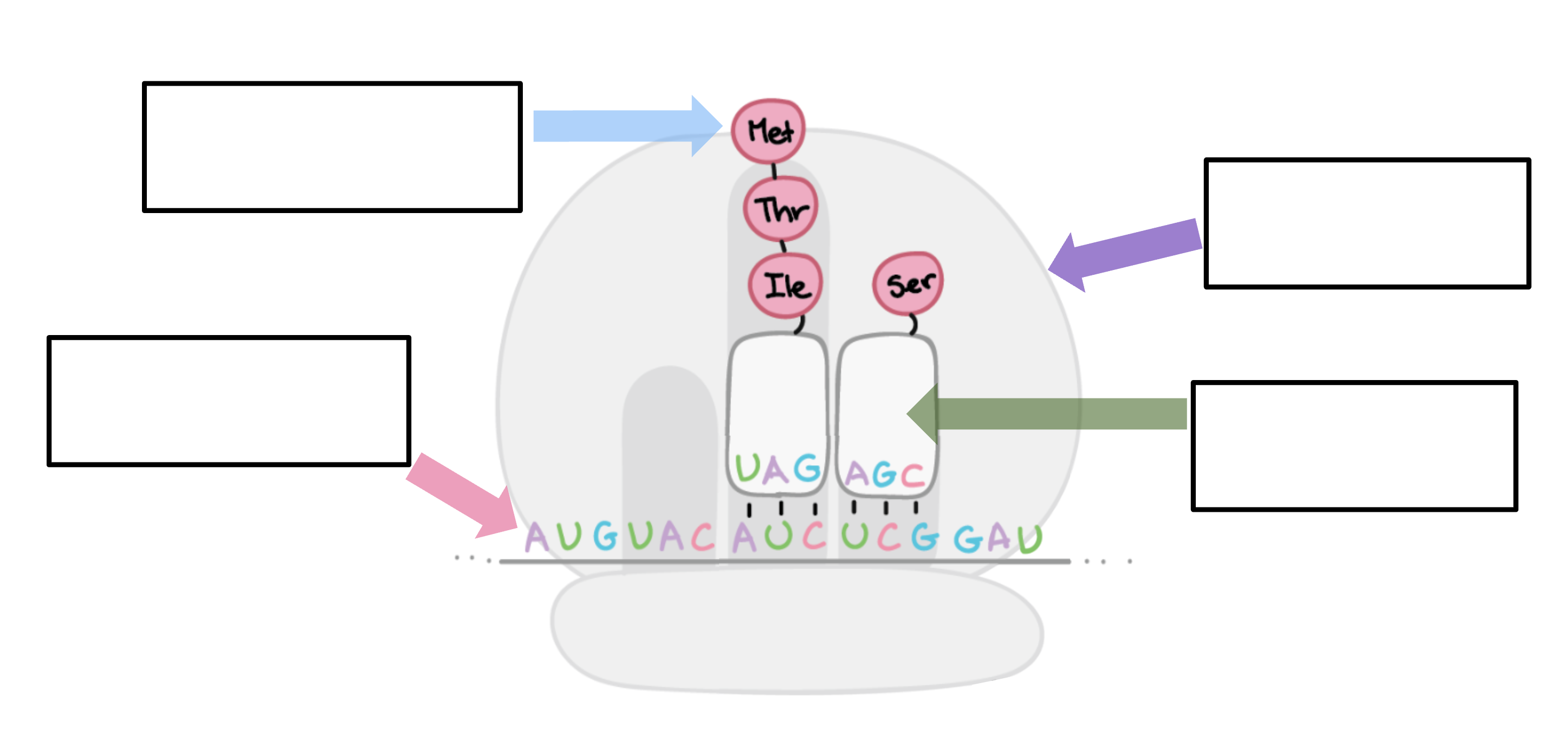
What are the three types of RNA?
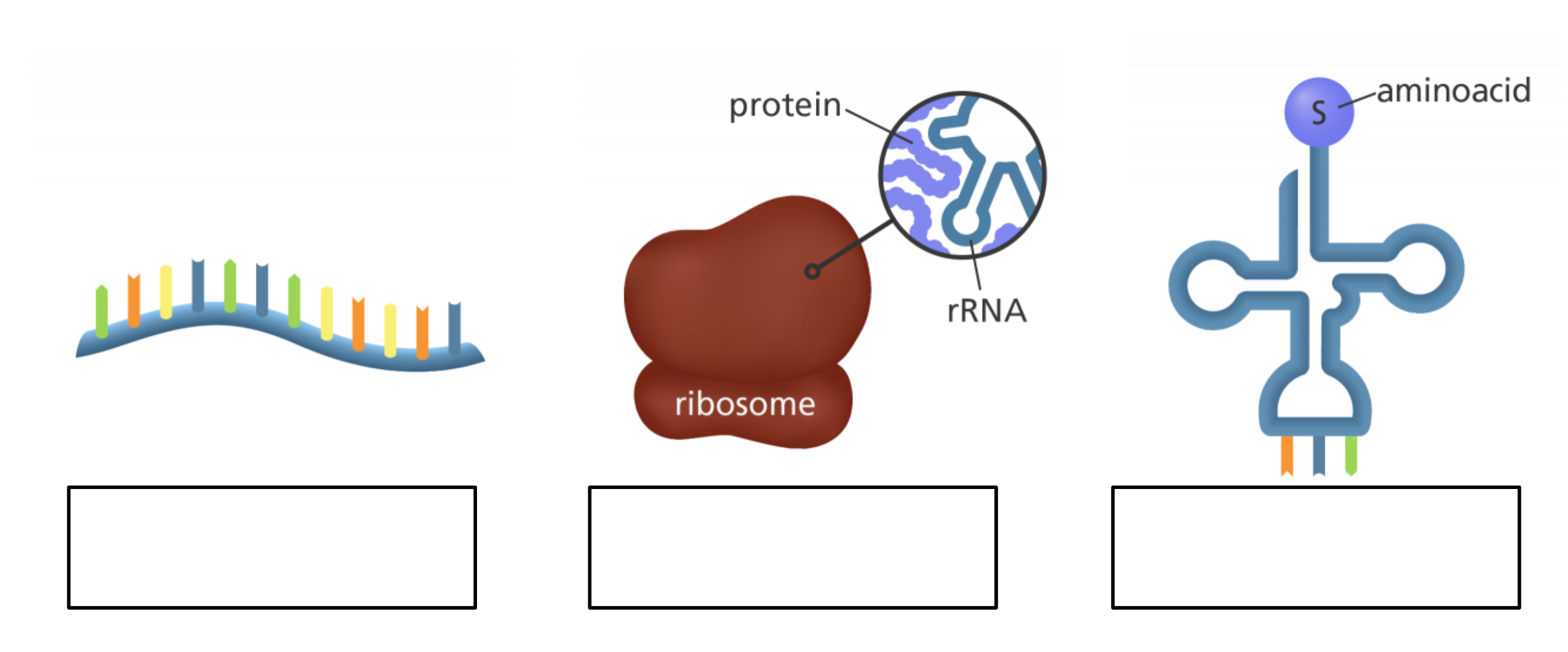
Ribosomal RNA (rRNA)
Transfer RNA (tRNA)
Messenger RNA (mRNA)
Label the two steps of Protein Synthesis:
Not all answers will be used.
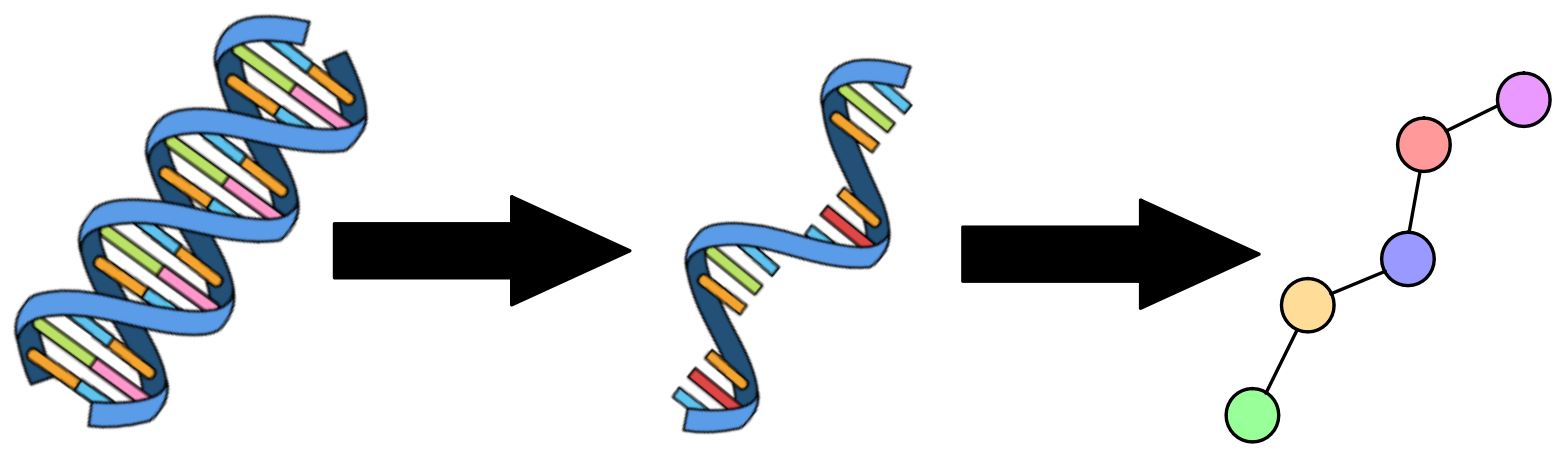
The diagram below represents the entire process of PROTEIN SYNTHESIS.
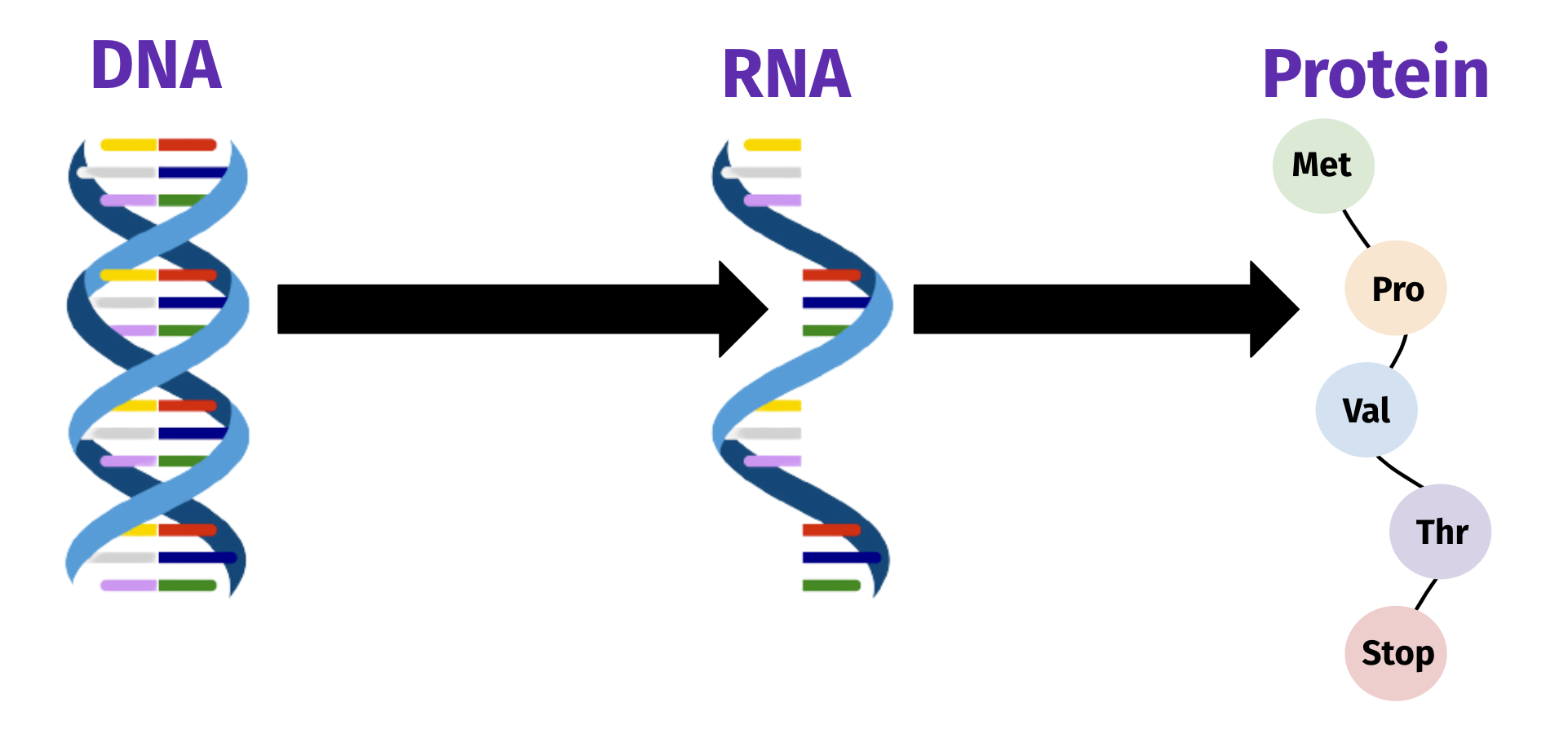
During the step of TRANSLATION, what is happening?
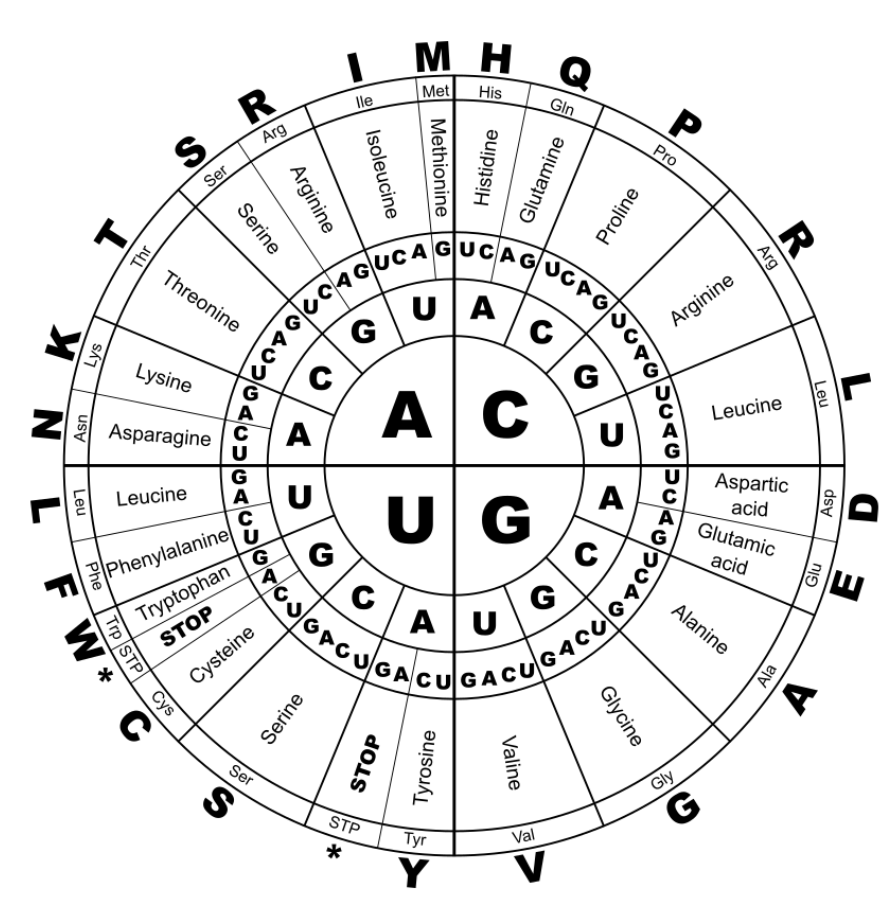
What is the amino acid for AUG?
What is the amino acid for UGC?
What is the amino acid for CCC?
What is the amino acid for GCU?
What is the amino acid sequence produced by the following strand of DNA?
HINT:
1.) Split your DNA strand into CODONS (set of 3 nitrogen bases).
2.) Transcribe DNA into mRNA (remember U replaces T).
3.) Using a codon chart to identify the amino acids.