Twa kɔ nsɛm atitiriw so
Log in
Sign up for FREE
arrow_back
Laabri

Copy of Thursday (02/23) - Unit 6 Test Review (Evolution) (1/29/2025)

star
star
star
star
star
Last updated about 3 hours ago
56 Nsɛmmisa

Natural Selection

Ɛhia
1
Ɛhia
1
Ɛhia
1
Ɛhia
1
Ɛhia
1
Ɛhia
1
Ɛhia
1
Ɛhia
1
Ɛhia
1
Ɛhia
1
Ɛhia
1
Ɛhia
1
Ɛhia
1
Ɛhia
1
Ɛhia
1
Ɛhia
1
Ɛhia
1
Ɛhia
1
Ɛhia
1
Ɛhia
1
Ɛhia
1
Ɛhia
1
Ɛhia
1
Ɛhia
1

Evidences of Evolution

Ɛhia
1
Ɛhia
1
Ɛhia
1
Ɛhia
1
Ɛhia
1
Ɛhia
1
Ɛhia
1
Ɛhia
1
Ɛhia
1
Ɛhia
1
Ɛhia
1
Ɛhia
1
Ɛhia
1
Ɛhia
1
Ɛhia
1
Ɛhia
1
Ɛhia
1
Ɛhia
1
Ɛhia
1
Ɛhia
1
Ɛhia
1
Ɛhia
1
Ɛhia
1
Ɛhia
1
Ɛhia
1
Ɛhia
1

Genetic Drift

Watch This Video:

Ɛhia
1
Ɛhia
1
Ɛhia
1
Ɛhia
1
Ɛhia
1
Ɛhia
1

YOU ARE AWESOME!!!

Asemmisa {{asɛmmisaAhyɛnsode}}
1.

Natural selection is about ___________ of the ___________.

Asemmisa {{asɛmmisaAhyɛnsode}}
2.

In order to be considered "fit" in terms of evolution, an organism must be able to...

(select all that apply)

Asemmisa {{asɛmmisaAhyɛnsode}}
3.

Read the statements below and place them in order of how they would occur in order for a trait to be favored (selected for), and therefore increase, within a population.

(Hint: Start with "The environment that the organisms live in changes."

  1. The environment that the organisms live in changes.

  2. The organisms that survive, reproduce and pass on their genes to their offspring (babies).

  3. Some organisms have traits that help them to survive better (are fit), and some organisms do not have these traits (are not fit).

  4. Based on the environment, the organisms who are fit will survive, and the organisms that are unfit die off.

  5. The overall number of organisms that have the adaptation increases within the population.

Asemmisa {{asɛmmisaAhyɛnsode}}
4.

Match the vocabulary term to its correct definiton.

Draggable itemarrow_right_altCorresponding Item

Variation

arrow_right_alt

A gradual change in the heritable traits within a population over a long period of time.

Adaptation

arrow_right_alt

The process by which organisms who are better adapted to their environment tend to survive and reproduce more offspring (babies) than the organisms who are unfit for their environment.

Fitness

arrow_right_alt

The differences in the physical traits that exist between individuals within a population.

Natural Selection

arrow_right_alt

An organism's ability to survive long enough to successfully reproduce.

Evolution

arrow_right_alt

A heritable trait that an organism has that helps it to survive and reproduce better in a particular environment.

Asemmisa {{asɛmmisaAhyɛnsode}}
5.

Natural selection is based on the idea that adaptations will increase the fitness of an organism.

Which of the following would BEST describes what it means to be “fit”?

Asemmisa {{asɛmmisaAhyɛnsode}}
6.

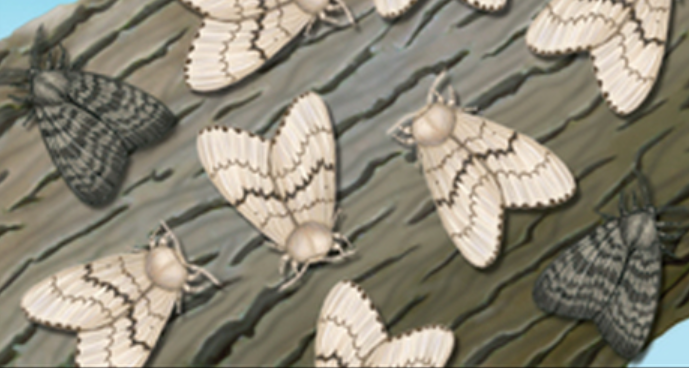
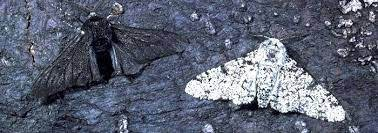
The image below shows moths on a tree trunk. The dark colored moths blend into the color of the tree trunk while the light colored moths are highly visible.

In this scenario, what is the variation?

Asemmisa {{asɛmmisaAhyɛnsode}}
7.

The image below shows moths on a tree trunk. The dark colored moths blend into the color of the tree trunk while the light colored moths are highly visible.

In this scenario, what is the adaptation?

Asemmisa {{asɛmmisaAhyɛnsode}}
8.

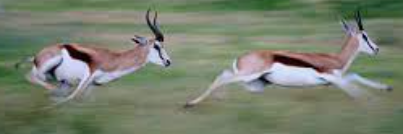
The gazelle can run in short bursts of high speeds reaching 60 miles per hour.

In which environment would this be considered an adaptation?

Asemmisa {{asɛmmisaAhyɛnsode}}
9.

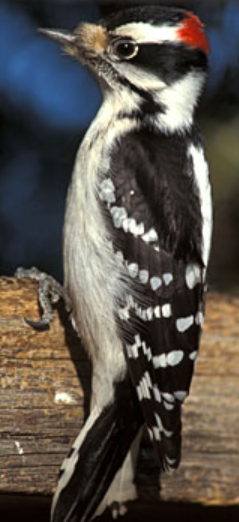
The woodpecker has a specialized beak which is small and pointy. They use their beak to drill holes into the wood on trees in search for insects.

In which environment would this be considered an adaptation?

Asemmisa {{asɛmmisaAhyɛnsode}}
10.

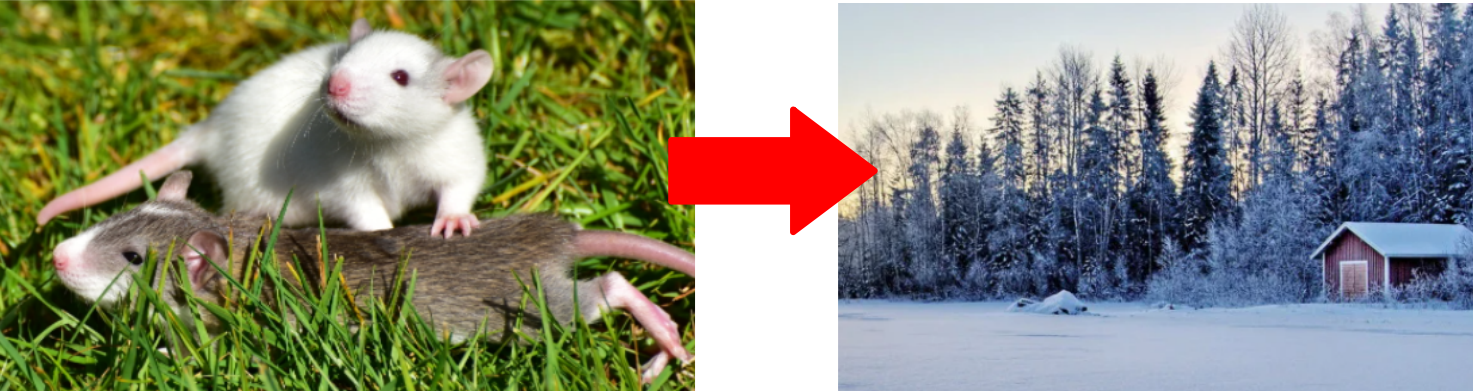
If you had dark mice and white mice that lived in an area that was covered in snow, which population would INCREASE over time and why?

Asemmisa {{asɛmmisaAhyɛnsode}}
11.

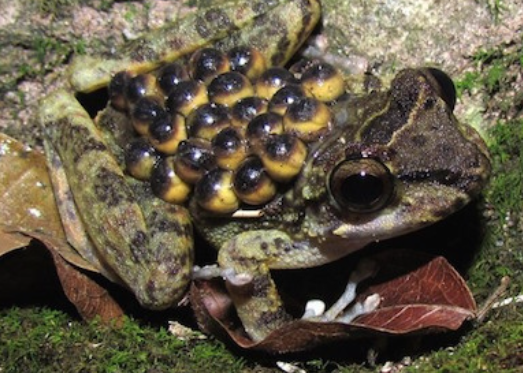
Frogs such as the Cryptobatarchus boulengeri carry their offpring on their backs as shown below:

This species of frog lays between 250 and 500 offspring each time they reproduce. This is an example of...

Asemmisa {{asɛmmisaAhyɛnsode}}
12.

What is over-reproduction?

Asemmisa {{asɛmmisaAhyɛnsode}}
13.

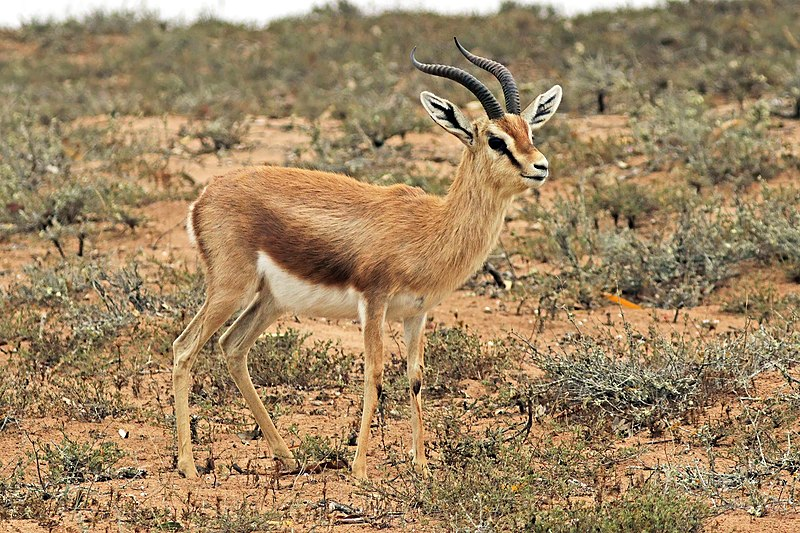
The Dorcas Gazelle is a desert animal that does not urinate (pee). It can take in water from the plants it eats and removes all the water from its urine so that the urine comes out as a solid instead of a liquid.

Which selective pressure most likely resulted in the development of the Dorcas Gazelle's adaptation?

Asemmisa {{asɛmmisaAhyɛnsode}}
14.

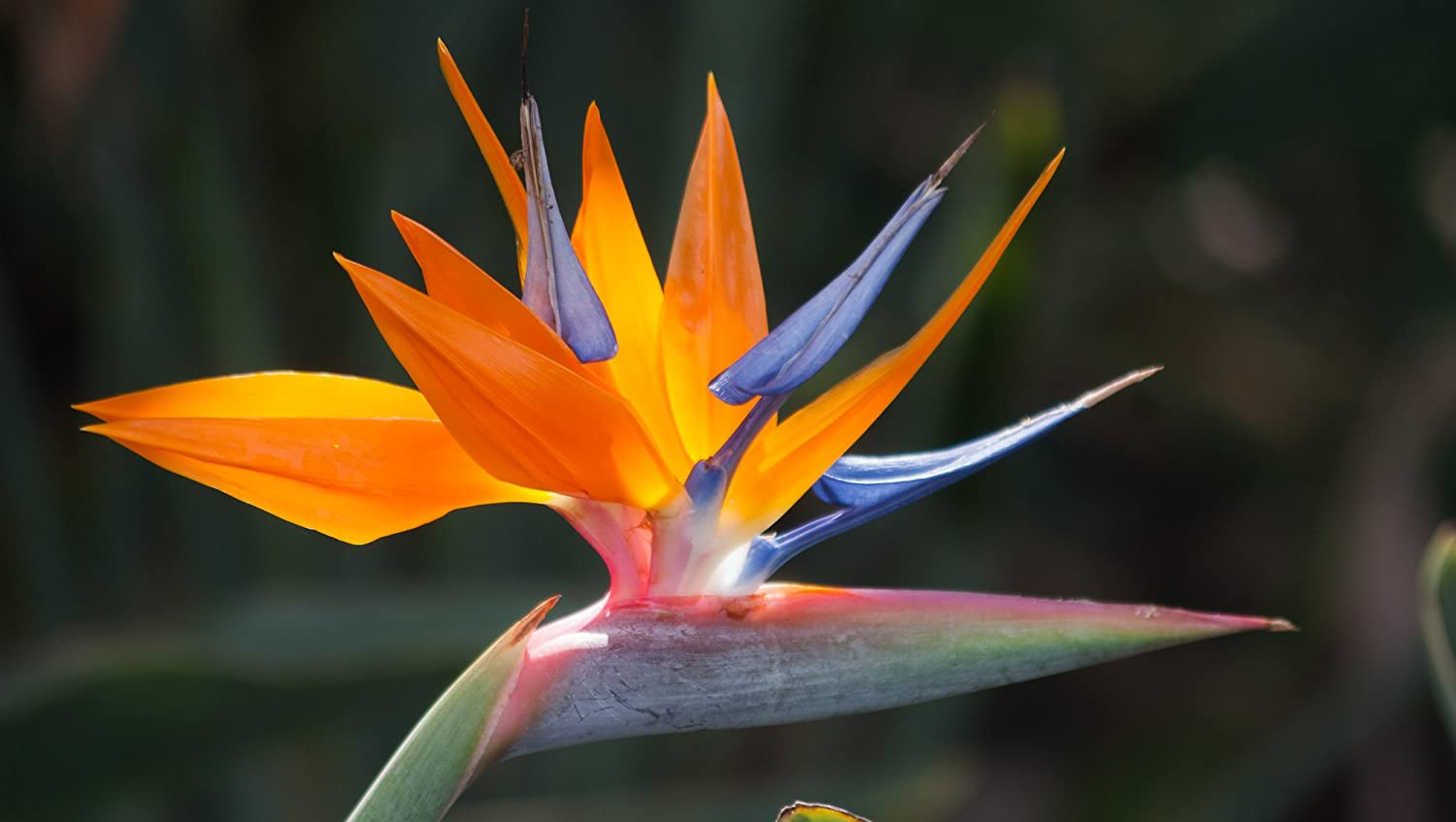
The Bird of Paradise is a plant that originated from the subtropical coastal areas of southern Africa. It resembles a crane in flight. Its leaves and flowers are midly toxic. Eating this plant can cause nausea, vomiting, or drowsiness (sicknesses)in humans and animals. This helps to prevent organisms from eating it before it can reproduce.

Which selective pressure most likely resulted in the development of the Bird of Paradise's adaptation?

Asemmisa {{asɛmmisaAhyɛnsode}}
15.

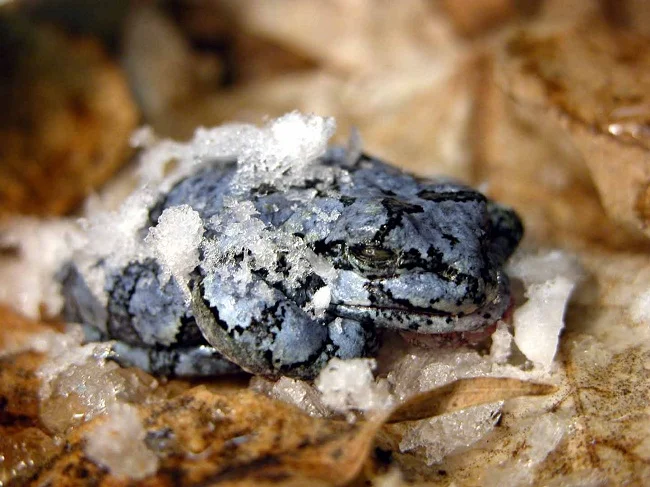
Alaskan Wood Frogs are a type of frog native to Alaska. In the winter, temperatures drop below 0, and these frogs are able to freeze their bodies solid. Their hearts stop beating and they stop breathing. In the Spring, they thaw and come back to life. Due to climate change, the winter temperatures have been colder than ever before.

What will happen to this frog population over time as temperatures get colder?

Asemmisa {{asɛmmisaAhyɛnsode}}
16.

In this area, animals have many mechanisms of defense. Some use camouflage to hide, others signal their dangerous nature with bright colors, some secrete toxins and others have develop protective layers on the outside of their bodies.

What is the reason for these adaptations?

Asemmisa {{asɛmmisaAhyɛnsode}}
17.

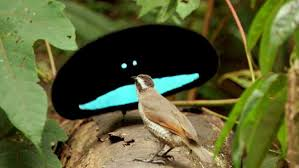
In some species of birds, the male birds have brightly colored feathers to impress the females.

Male birds having bright and elaborate feathers is an adaptation to help increase...

Asemmisa {{asɛmmisaAhyɛnsode}}
18.

The animals here tend to have thicker and warmer feathers and fur. Many of them have larger bodies and shorter arms, legs and tails which helps them retain their heat better and prevent heat loss.

What is the reason for this adaptation?

Asemmisa {{asɛmmisaAhyɛnsode}}
19.

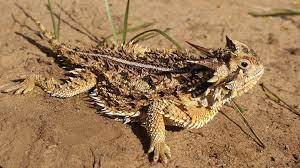
The horned lizard has developed skin that can absorb water (soak up water). The scales on the body are structured to collect dew (water) and channel it down to the corners of the mouth, where the lizard drinks it.

What is the reason for this adaptation?

Asemmisa {{asɛmmisaAhyɛnsode}}
20.

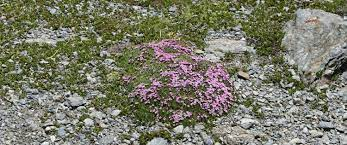
Plants grow close together, low to the ground, and they remain small. Many plants in this area have a fuzzy, hairy coating on them, which helps the plant to retain heat and protects the plant seeds to allow for reproduction.

What is the reason for this adaptation?

Asemmisa {{asɛmmisaAhyɛnsode}}
21.

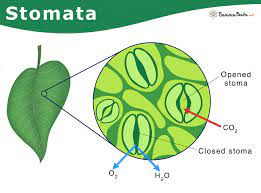
Plants in this area have small leaves with very few stomata. Stomata are the openings on the bottoms of the leaves that allow for gas exchange, but they are also responsible for water loss.

What is the reason for this adaptation?

Asemmisa {{asɛmmisaAhyɛnsode}}
22.

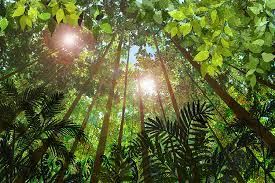
Trees grow to great heights (very tall) in this area. Most of the branches are up at the top of the trees with only smooth bark and flowers appearing on the body of the tree.

What is the reason for this adaptation?

Asemmisa {{asɛmmisaAhyɛnsode}}
23.

In hospitals, a bacteria known as methicilin-resistant Staphylococcus aureus can cause serious health problems for individuals with weakened immune systems. This bacteria is dangerous because it is able to survive against many different kinds of antibiotics.

A doctor has developed a new antibiotic that kills 90% of the bacteria, but some of the bacteria survives. What will happen to the bacteria population over time?

Asemmisa {{asɛmmisaAhyɛnsode}}
24.

In hospitals, a bacteria known as methicilin-resistant Staphylococcus aureus can cause serious health problems for individuals with weakened immune systems. This bacteria is dangerous because it is able to survive against many different kinds of antibiotics.

A doctor has developed a new antibiotic that kills 90% of the bacteria, but some of the bacteria survives. Why was some of the bacteria able to survive against the antibiotic?

Asemmisa {{asɛmmisaAhyɛnsode}}
25.

Match the following terms to their definition.

Draggable itemarrow_right_altCorresponding Item

Fossil

arrow_right_alt

Structures that are built the same, but have a different function

Vestigial Structure

arrow_right_alt

Preserved remains of any once living thing from the past which can be found in the layers of the earth

Homologous Structure

arrow_right_alt

Structures an organism has but no longer needs or uses

Asemmisa {{asɛmmisaAhyɛnsode}}
26.

Match the following terms to their definition:

Draggable itemarrow_right_altCorresponding Item

Extinct

arrow_right_alt

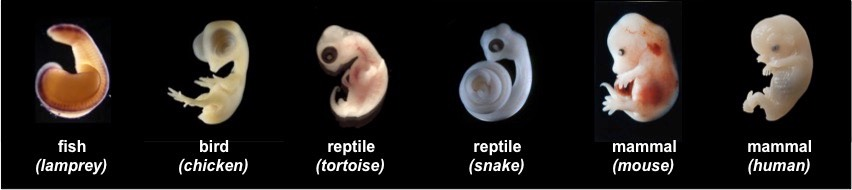
Comparing the early stages of development (unborn babies) to predict common ancestry

Biochemical Similarities

arrow_right_alt

When a species no longer exists (has died out)

Embryological Similarities

arrow_right_alt

Comparing the genetic code (DNA) of organisms to determine common ancestry

Asemmisa {{asɛmmisaAhyɛnsode}}
27.

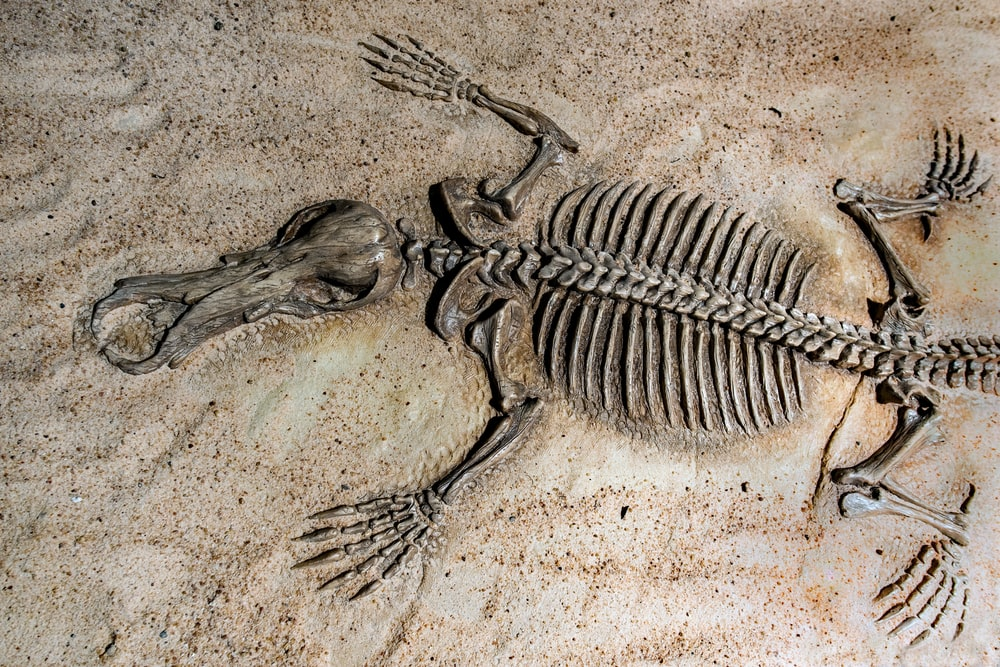
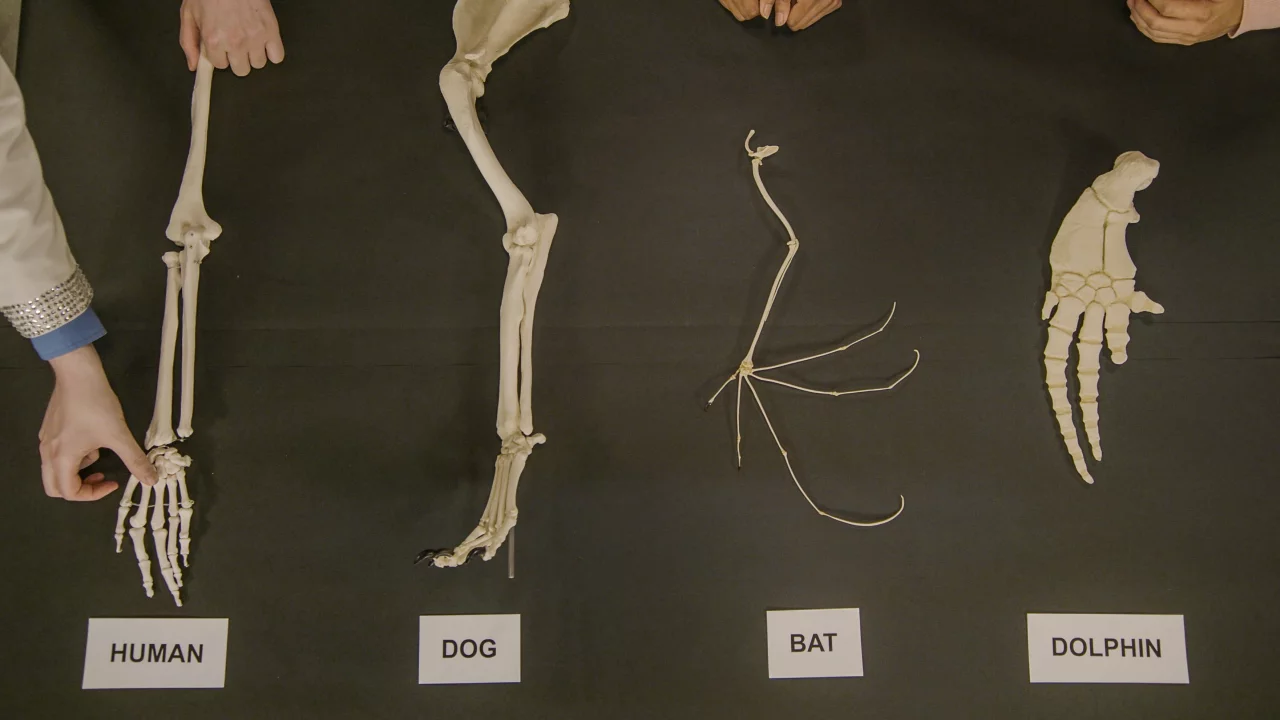
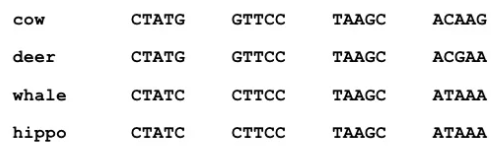
Match the example to the type of Evidence of Evolution.

Draggable itemarrow_right_altCorresponding Item

Biochemical Similarities

arrow_right_alt

Fossils

arrow_right_alt

Embryology

arrow_right_alt

Comparative Anatomy

arrow_right_alt

Asemmisa {{asɛmmisaAhyɛnsode}}
28.

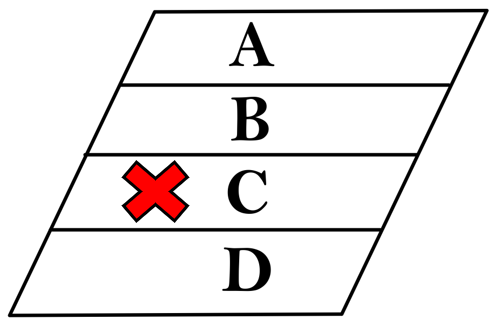
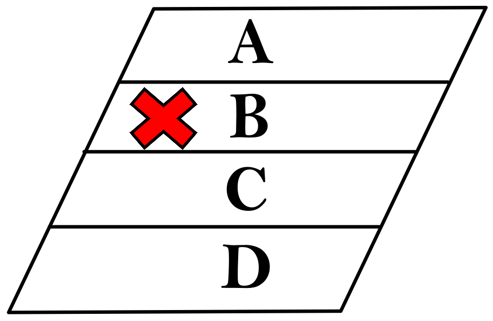
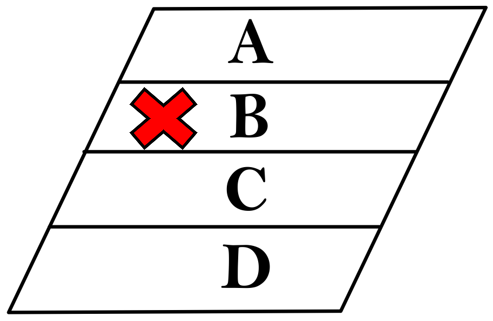
If the red "X" represents the location of a fossil, which layer(s) would contain younger fossil samples?

Asemmisa {{asɛmmisaAhyɛnsode}}
29.

If the red "X" represents the location of a fossil, which layer(s) would contain older fossil samples?

Asemmisa {{asɛmmisaAhyɛnsode}}
30.

If the red "X" represents the location of a fossil, in which layer(s) would you find their ancestors?

Asemmisa {{asɛmmisaAhyɛnsode}}
31.

If the red "X" represents the location of a fossil, which layer would you find their most recent common ancestor?

Asemmisa {{asɛmmisaAhyɛnsode}}
32.

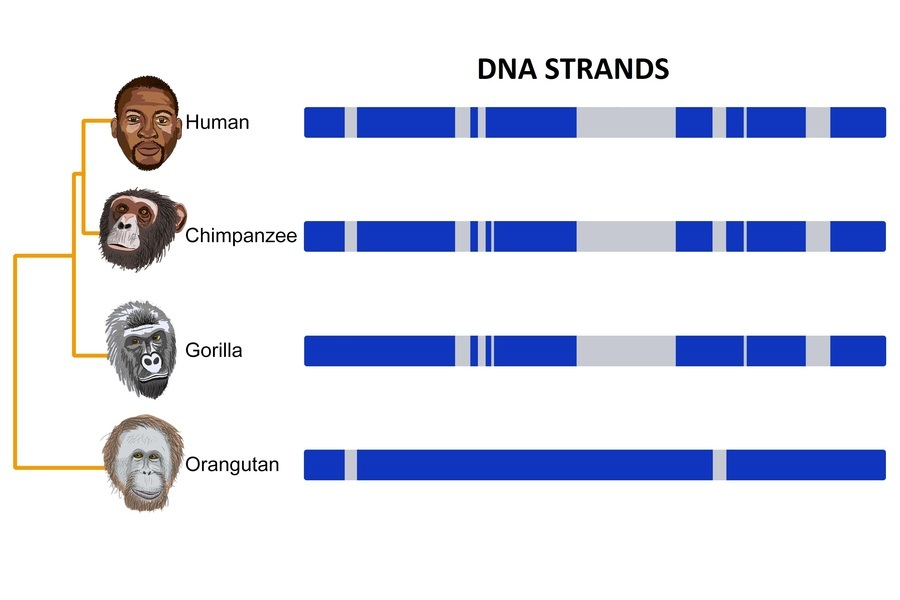
Two organisms that are closely related would have________________________.

Asemmisa {{asɛmmisaAhyɛnsode}}
33.

What type of evidence is shown in the image above?

Asemmisa {{asɛmmisaAhyɛnsode}}
34.

Recently, scientists have been able to use ___________to find common proteins and amino acids to determine how closely related species are.

Asemmisa {{asɛmmisaAhyɛnsode}}
35.

If species A and B have very similar genes and proteins, what is probably TRUE?

Asemmisa {{asɛmmisaAhyɛnsode}}
36.

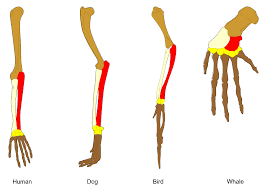
Some organisms that share a common ancestor have features that have different functions, but similar structures.  These are known as_________________________.

Asemmisa {{asɛmmisaAhyɛnsode}}
37.

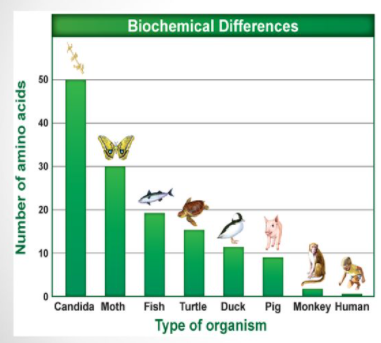
The table below shows the biochemical differences between 8 organisms.

Hint: The MORE differences organisms have, the LEAST related organisms are

The LESS differences organims have, the MOST related organisms are

Which organism is most closely related to the human?

Asemmisa {{asɛmmisaAhyɛnsode}}
38.

The table below shows the biochemical differences between 8 organisms.

Hint: The MORE differences organisms have, the LEAST related organisms are

The LESS differences organims have, the MOST related organisms are

Which organism is least related to the human?

Asemmisa {{asɛmmisaAhyɛnsode}}
39.

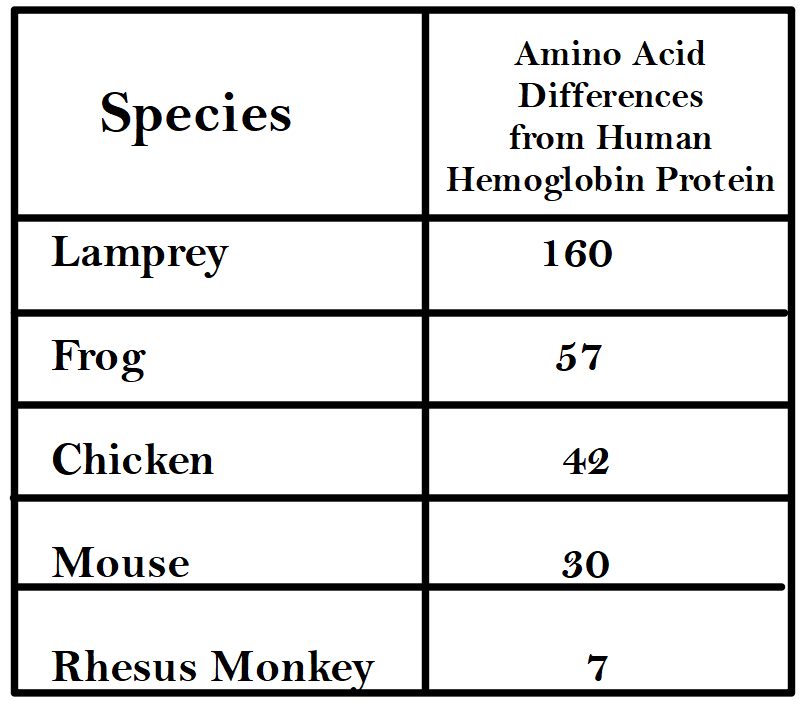
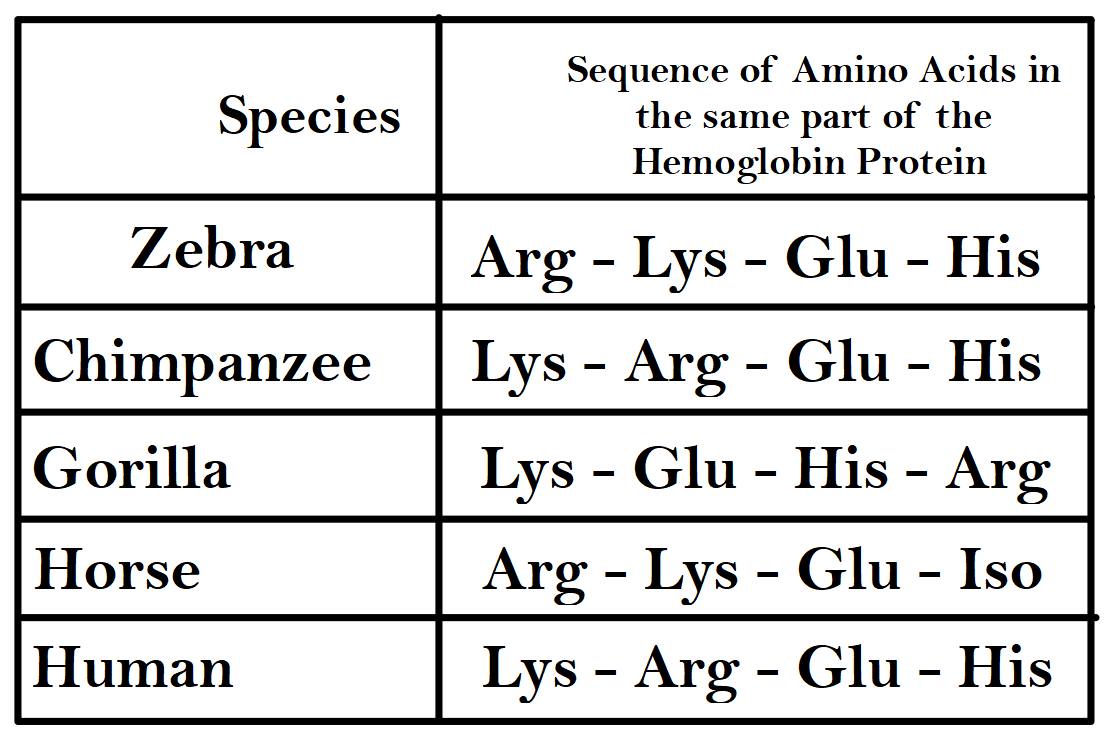
All living things contain similar biochemical compounds. Scientists compare Amino Acid sequences of a similar human hemoglobin protein to determine which organisms are related. The table below shows the Amino Acid differences between Human Hemoglobin protein and that that of 5 organisms.

Based on the diagram above which organism is MOST related to a human?

Asemmisa {{asɛmmisaAhyɛnsode}}
40.

All living things contain similar biochemical compounds. Scientists compare Amino Acid sequences of a similar human hemoglobin protein to determine which organisms are related. The table below shows the Amino Acid differences between Human Hemoglobin protein and that that of 5 organisms.

Based on the diagram above which organism is LEAST related to a human?

Asemmisa {{asɛmmisaAhyɛnsode}}
41.

Which two organisms are MORE closely related?

Asemmisa {{asɛmmisaAhyɛnsode}}
42.

Which two organisms are LEAST closely related?

Asemmisa {{asɛmmisaAhyɛnsode}}
43.

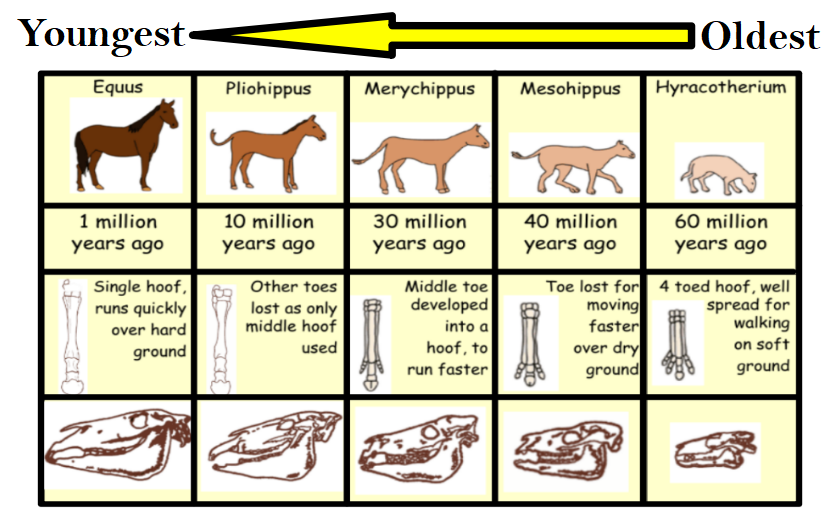
The table below shows how the horse gradually evolved over 60 million years ago.

Which of the following statements is NOT true?

Asemmisa {{asɛmmisaAhyɛnsode}}
44.

The table below shows how the horse gradually evolved over 60 million years ago.

Which horse was the first to have a single-toed hoof with all other toes being lost?

Asemmisa {{asɛmmisaAhyɛnsode}}
45.

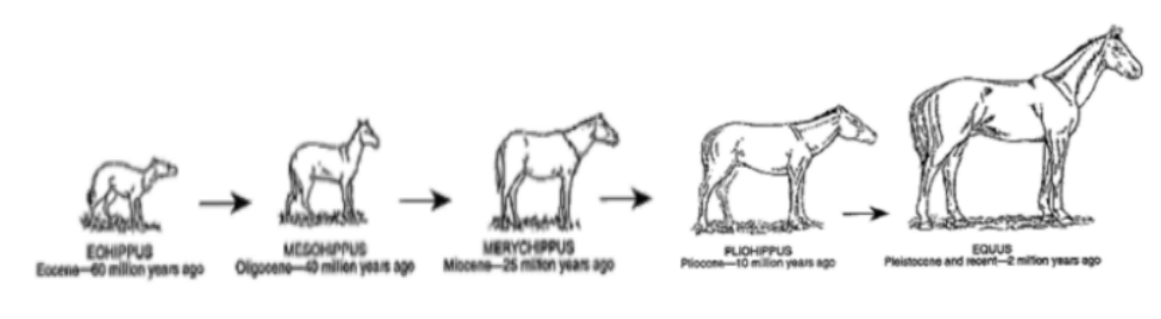
The diagram below shows the gradual change over time in the anatomy of the horse.

Which concept best illustrates the physical variation in the horse as its body size and structure changes over time?

Asemmisa {{asɛmmisaAhyɛnsode}}
46.

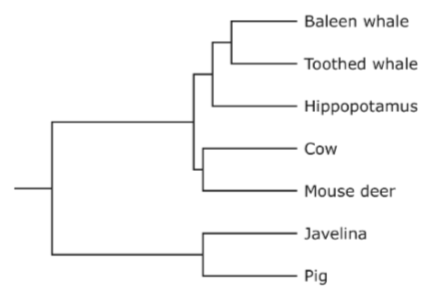
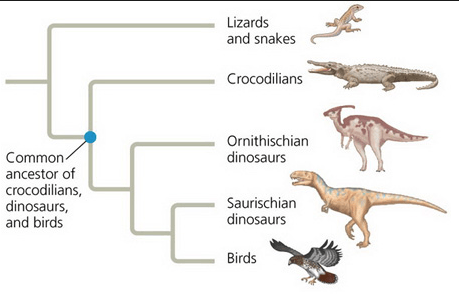
This cladogram shows the evolutionary relationships among some mammals based on homologous structures.

Which statement is supported by this cladogram?

Asemmisa {{asɛmmisaAhyɛnsode}}
47.

Which group of animals on this tree are least closely related to birds?

Asemmisa {{asɛmmisaAhyɛnsode}}
48.

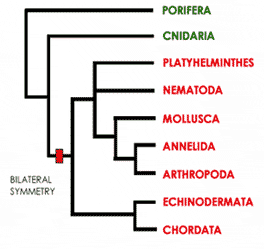
According to this tree, which of these animal phyla is most closely related to the phylum Mollusca?

Asemmisa {{asɛmmisaAhyɛnsode}}
49.

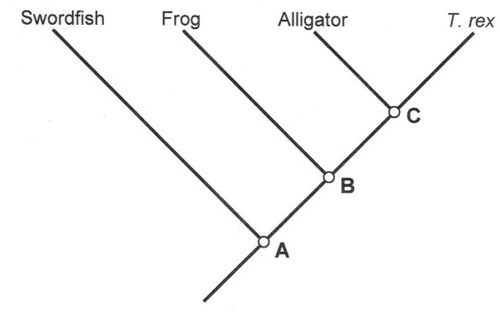
Where is the alligator and T. rex's closest common ancestor?

Asemmisa {{asɛmmisaAhyɛnsode}}
50.

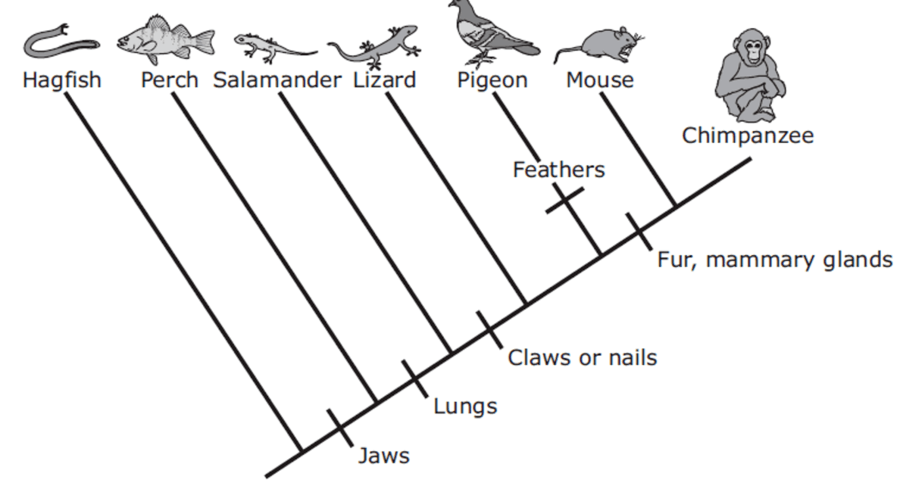
All the animals to the right of the hagfish would have the common characteristic of -

Asemmisa {{asɛmmisaAhyɛnsode}}
51.

Match the vocabulary term to its correct definiton.

Draggable itemarrow_right_altCorresponding Item

Natural Selection

arrow_right_alt

A gradual change in the heritable traits within a population over time.

Genetic Drift

arrow_right_alt

A change in the frequency (number) of a trait that is related to the fitness of the trait.

Bottleneck Effect

arrow_right_alt

A change in the frequency (number) of a trait that is unrelated to the fitness of the trait.

Evolution

arrow_right_alt

A decrease in variation related to a small population being established away from a much larger, more diverse mother population.

Founder Effect

arrow_right_alt

A sharp reduction in the population that leads to a decrease in variation in a population due to chance environmental events.

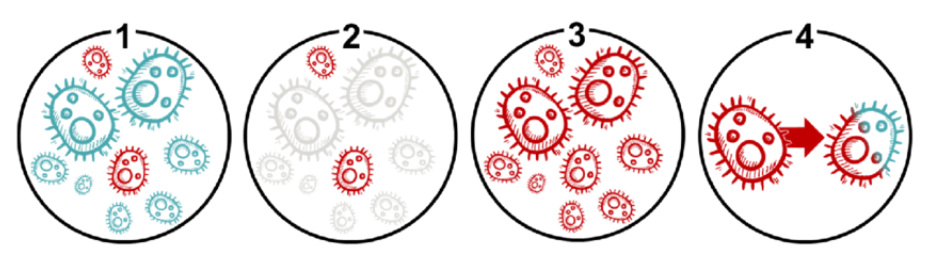
Instructions: Read each scenario below and decide whether it is Natural Selection or Genetic Drift.

Natural Selection - A change in the frequency (number) of a trait that is related to the fitness of the trait.

Genetic Drift - A change in the frequency (number) of a trait that is unrelated to the fitness of the trait.

Asemmisa {{asɛmmisaAhyɛnsode}}
52.

Before the Industrial Revolution, 98% of the peppered moth population was light in color, while only 2% were dark. The light-colored peppered moths were harder to be seen by predatory birds due to the light-colored bark on the trees. Throughout the Industrial Revolution, black smoke from the burning of coal turned the bark on the trees dark. Over time, the population of moths changed to 95% dark and only 5% light.

Asemmisa {{asɛmmisaAhyɛnsode}}
53.

A town by the name of "Darwinville" consists of a population of humans where 75% are right-handed, while 25% are left-handed. One day, a group of 10 individuals from this town, 2 right-handed and 8 left-handed, boarded a ship and set sail for the Galapagos Islands off the coast of South America. Their ship wrecked as they reached the islands and they were unable to return home. Now, the majority of the human population on these islands is left-handed, while very few are right-handed.

Asemmisa {{asɛmmisaAhyɛnsode}}
54.

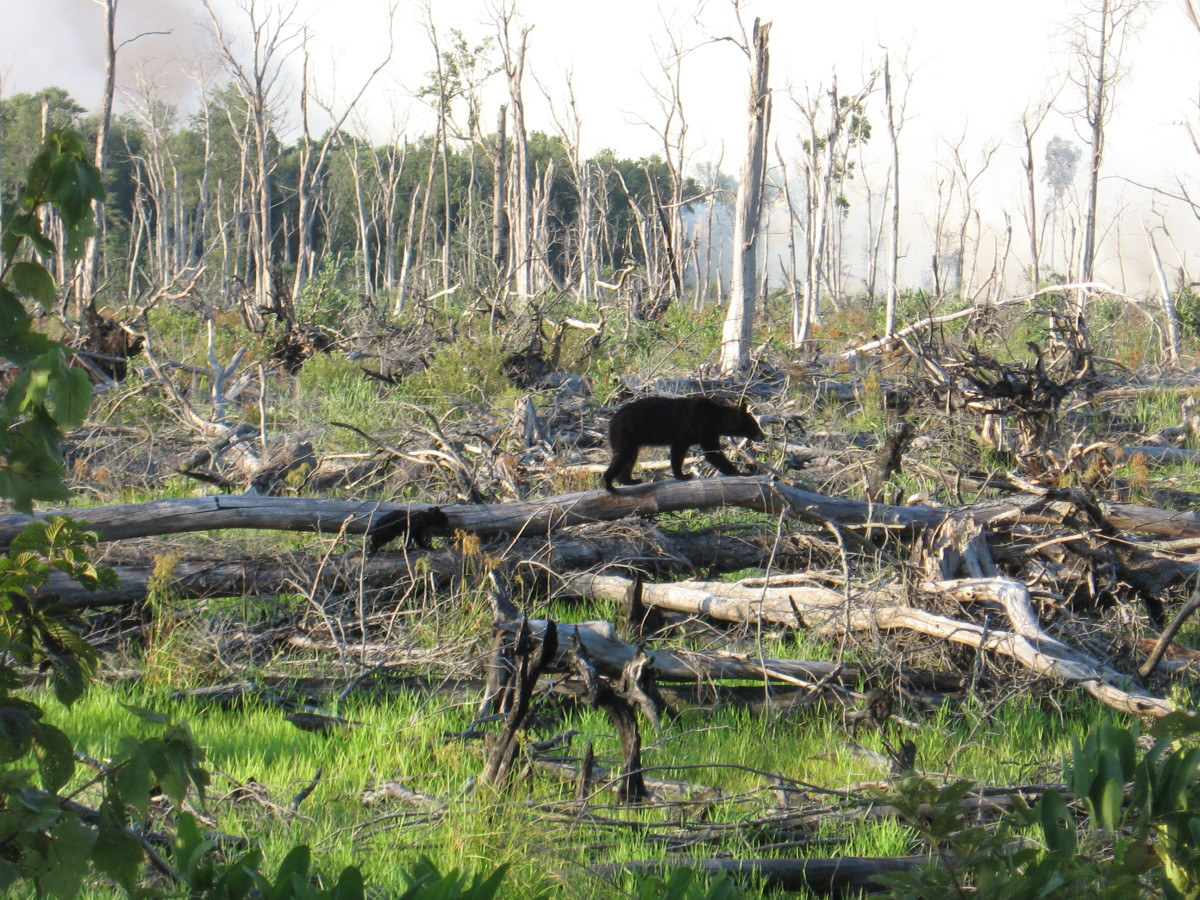
The frequency within the bear population in Northern California was 50% black bears and 50% brown bears. A forest fire decimated (killed a lot of) the bear population. By chance, the fire affected a greater percentage of the brown bear population than the black bear population. Now, the frequency within the bear population is 90% black bears and 10% brown bears.

Asemmisa {{asɛmmisaAhyɛnsode}}
55.

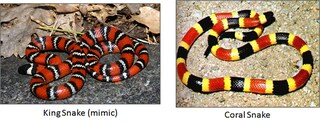
"Scarlet Kingsnakes", as shown in the picture, are NONVENOMOUS snakes found in the Southeastern United States. They have a distinct red, black, yellow banding pattern that mimics (looks like) the banding pattern of the VENOMOUS "Coral Snake". Although the "Scarlet Kingsnake" is HARMLESS, having this color pattern offers it some protection from predators, as predators tend to avoid any animal with that particular color pattern. Scarlet Kingsnakes with this variation in color pattern have increased in the population over time due to their increased fitness.

Asemmisa {{asɛmmisaAhyɛnsode}}
56.

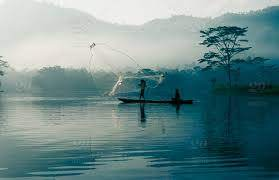
In a pond, there are both small mouth bass and large mouth bass. The frequency of both types of bass are equal within the bass population. That is, 50% of the bass have a small mouth and 50% of the bass have a large mouth. A fisherman, who is unable to see below the pond's surface, casts a large net into the pond in attempt to catch as many bass as he can in one catch. Of the 150 bass that he caught, 135 had a large mouth, while only 15 had a small mouth. Over time, small mouth bass became more prevalent that large mouth bass.