Twa kɔ nsɛm atitiriw so
Log in
Sign up for FREE
arrow_back
Laabri

Copy of Thursday (02/13) - Natural Selection Quiz Review 2025 (2/3/2026)

star
star
star
star
star
Last updated about 4 hours ago
20 Nsɛmmisa
Ɛhia
1
Ɛhia
1
B.C.7E
1
Ɛhia
1
B.C.7D
Ɛhia
1
Ɛhia
1
1
BIO.7.D
Ɛhia
2
Ɛhia
1
Ɛhia
1
Ɛhia
1
Ɛhia
1
Ɛhia
1
Ɛhia
1
Ɛhia
1
Ɛhia
1
Ɛhia
1
Ɛhia
1
Ɛhia
1
Ɛhia
1
Asemmisa {{asɛmmisaAhyɛnsode}}
1.

Match the term to the correct description

Draggable itemarrow_right_altCorresponding Item

Fitness

arrow_right_alt

Differences of traits within a population

Variation

arrow_right_alt

A beneficial trait that helps an organism survive and reproduce in a particular environment

Adaptation

arrow_right_alt

Surviving long enough to produce offspring

Asemmisa {{asɛmmisaAhyɛnsode}}
2.

Which of the following best describes natural selection?

Asemmisa {{asɛmmisaAhyɛnsode}}
3.

During the industrial revolution in England, factories produced black ash that covered the trucks and branches of the white aspen trees. At the same time, the number of white moths that lived on the trees decreased.
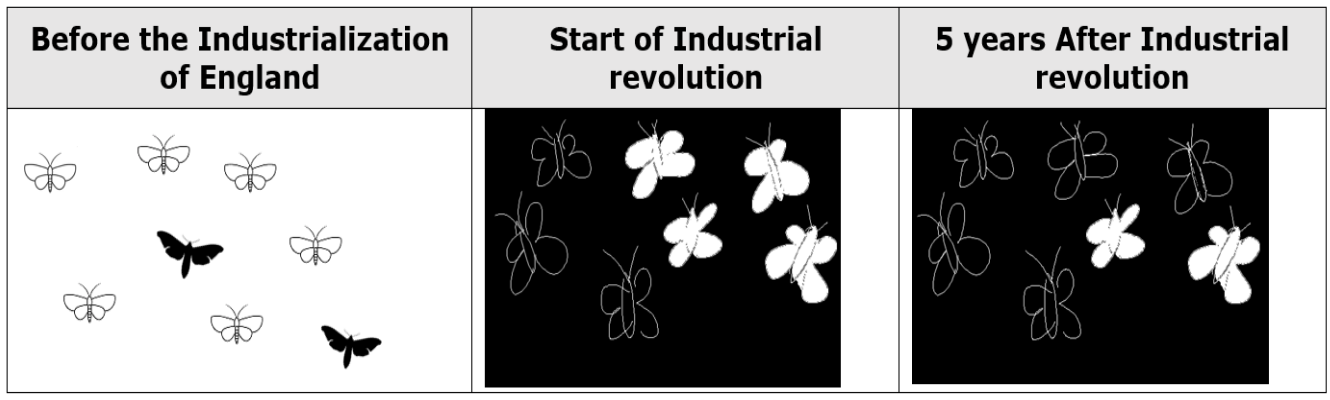
Based on the moth example above, which statement is true?
Asemmisa {{asɛmmisaAhyɛnsode}}
4.

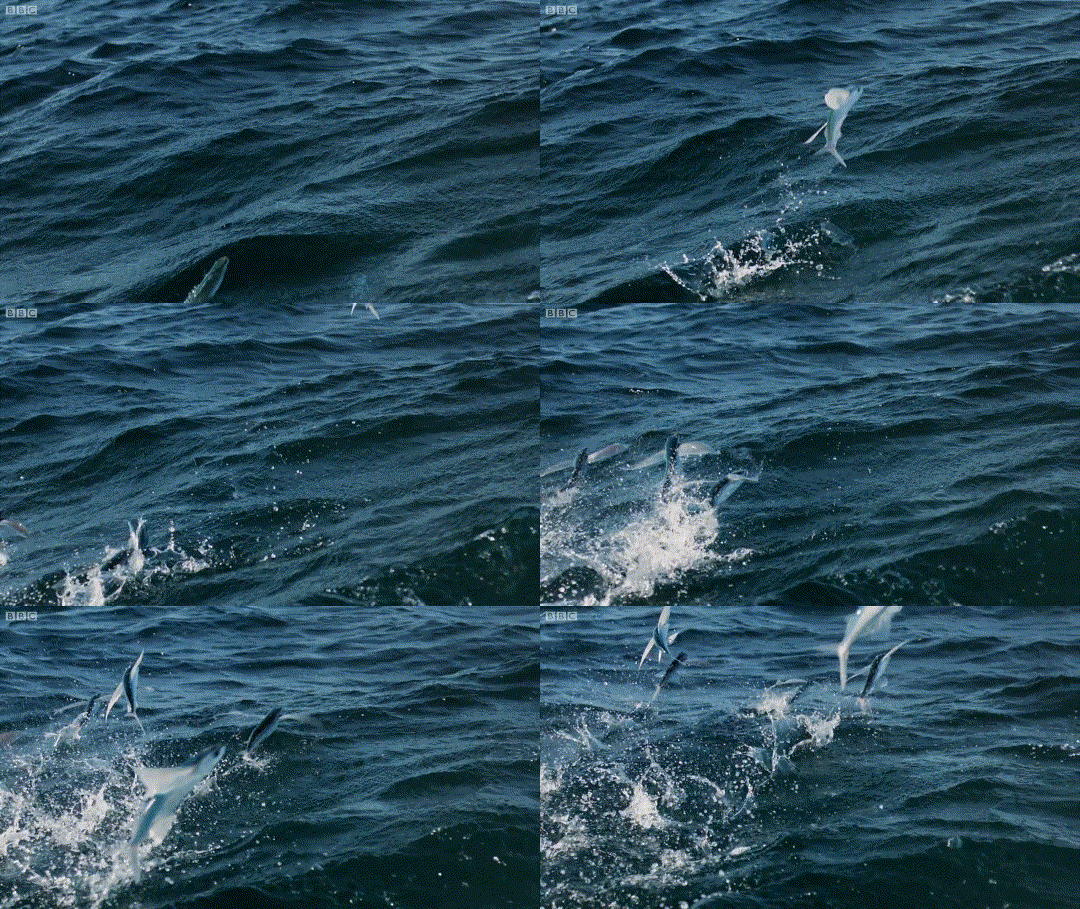
Blue flying fish live in the upper layers of the ocean. Blue flying fish have enlarged pectoral fins that enable them to glide for 400 meters above the ocean surface and appear to fly.

Which statement best describes how natural selection led to enlarged pectoral fins in blue flying fish?

Asemmisa {{asɛmmisaAhyɛnsode}}
5.

A population of Escherichia coli (E. coli) bacteria is exposed to a new antibiotic. Most of the bacteria are killed by the antibiotic, but a few survive. After examining the survivors, scientists discover that a random change in the DNA of one bacterium has enabled it to resist the effects of the antibiotic. This bacterium reproduces, and over several generations, more and more bacteria in the population show resistance to the antibiotic.

The ability for E. coli to resist antibiotics is due toin the population.

Asemmisa {{asɛmmisaAhyɛnsode}}
6.

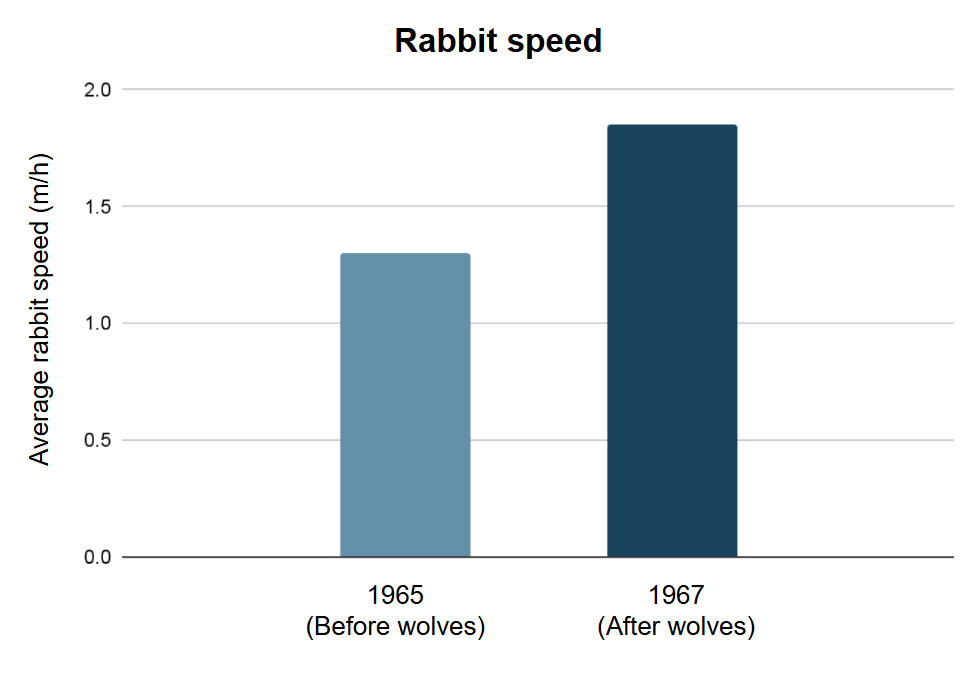
The graph below shows the average speed of rabbits. The data was collected between 1965 and 1967, after wolves were introduced back into the area.

What is the change in the phenotypic distribution?

Asemmisa {{asɛmmisaAhyɛnsode}}
7.

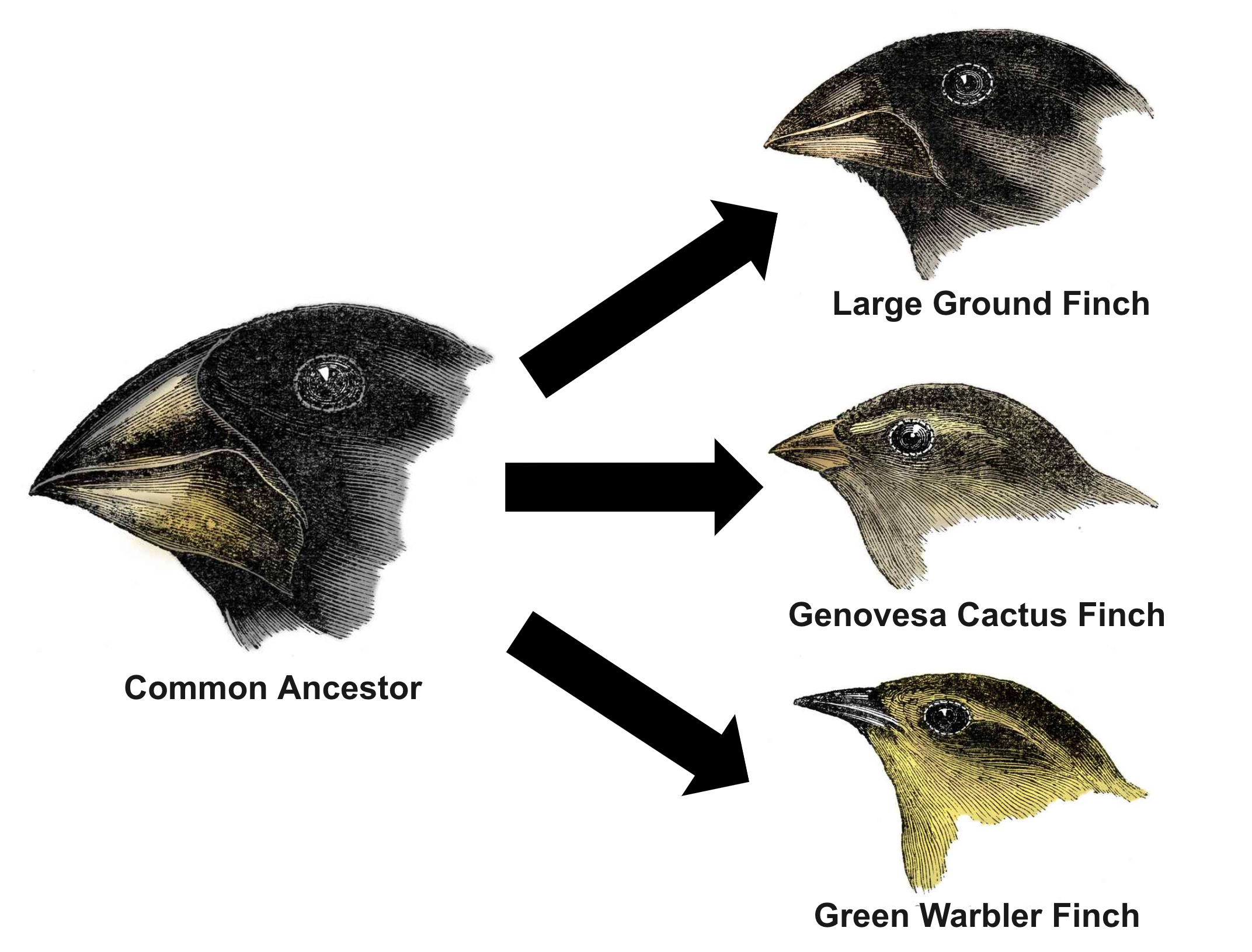
The diagram below shows different beak shapes of finches. In the ancestral species of finches, beak size was much larger than in three living species of finches.

Which question would BEST help determine whether the change beak size and shape of these finches was influenced by natural selection?

Asemmisa {{asɛmmisaAhyɛnsode}}
8.

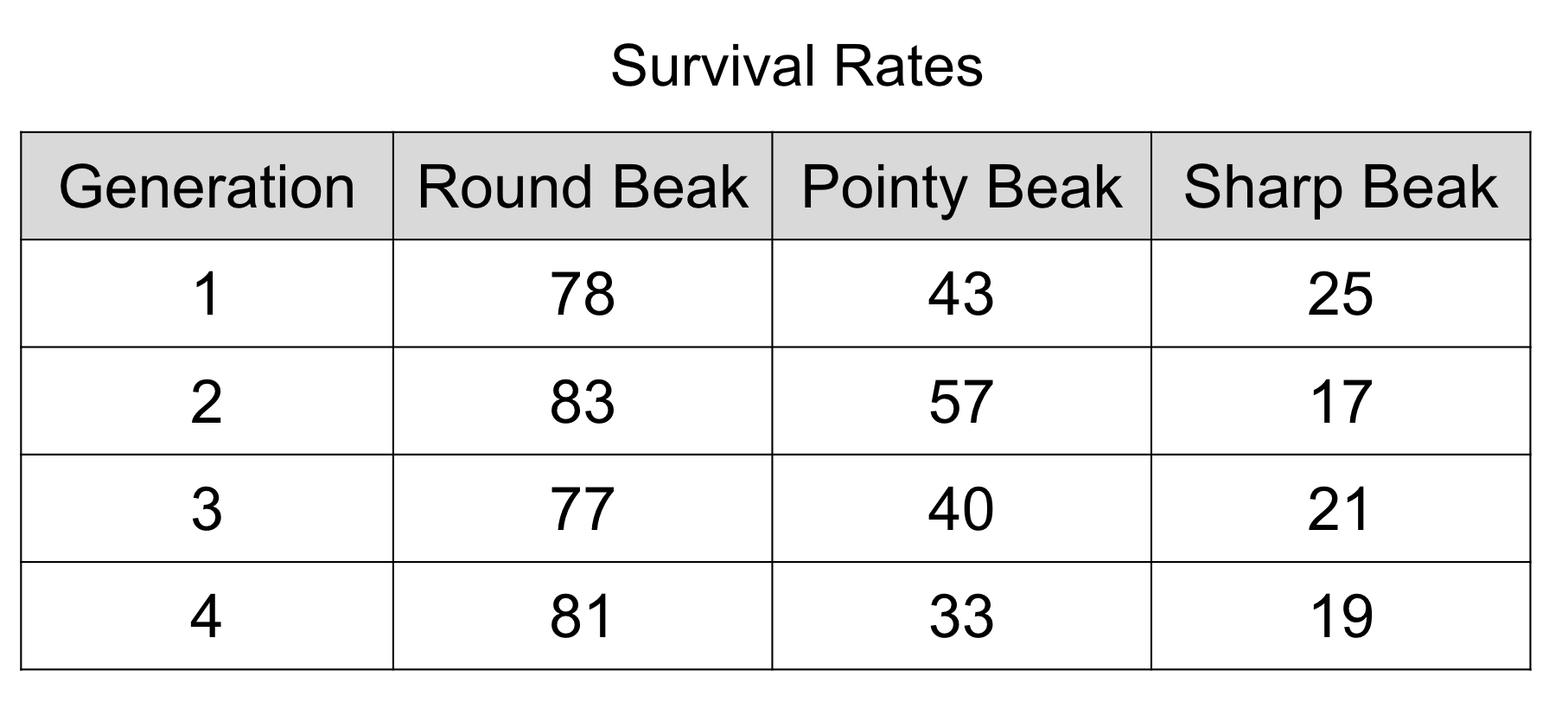
The data table below shows the survival rates of three populations of finches over four generations.

Which beak has the highest fitness, and how do you know?

Asemmisa {{asɛmmisaAhyɛnsode}}
9.

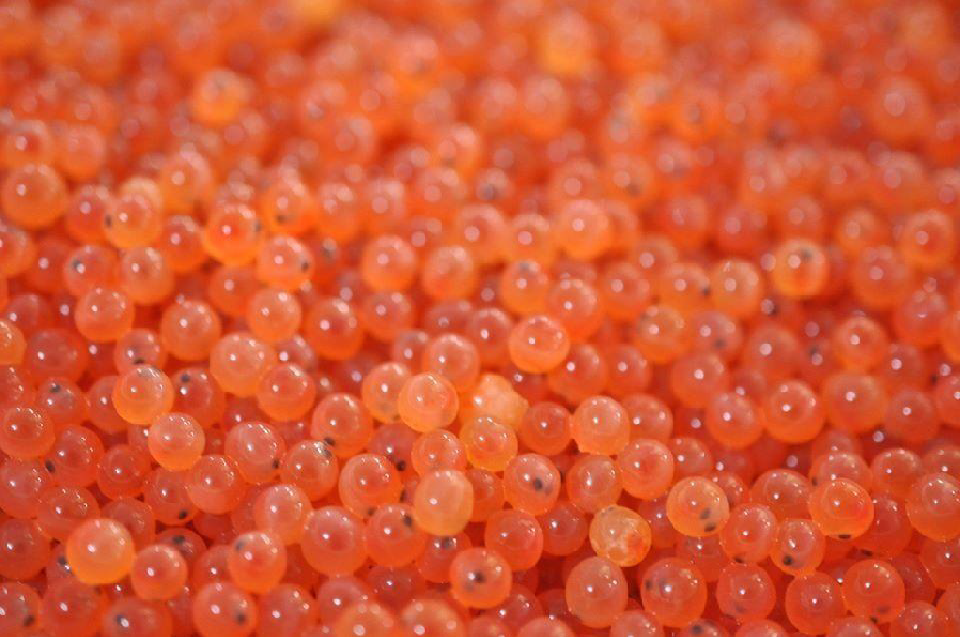
The rainbow trout is a freshwater fish that lives in the rivers of Minnesota. A 5 pound trout is capable of laying up to 6,000 eggs at once.

Many of these embryos will be eaten by predators or will freeze in the arctic water before they can reach adulthood. Only 3% of the eggs will actually hatch and reach adulthood.

Why does the rainbow trout use energy to lay up to 6,000 eggs if most of them will not survive?

Asemmisa {{asɛmmisaAhyɛnsode}}
10.

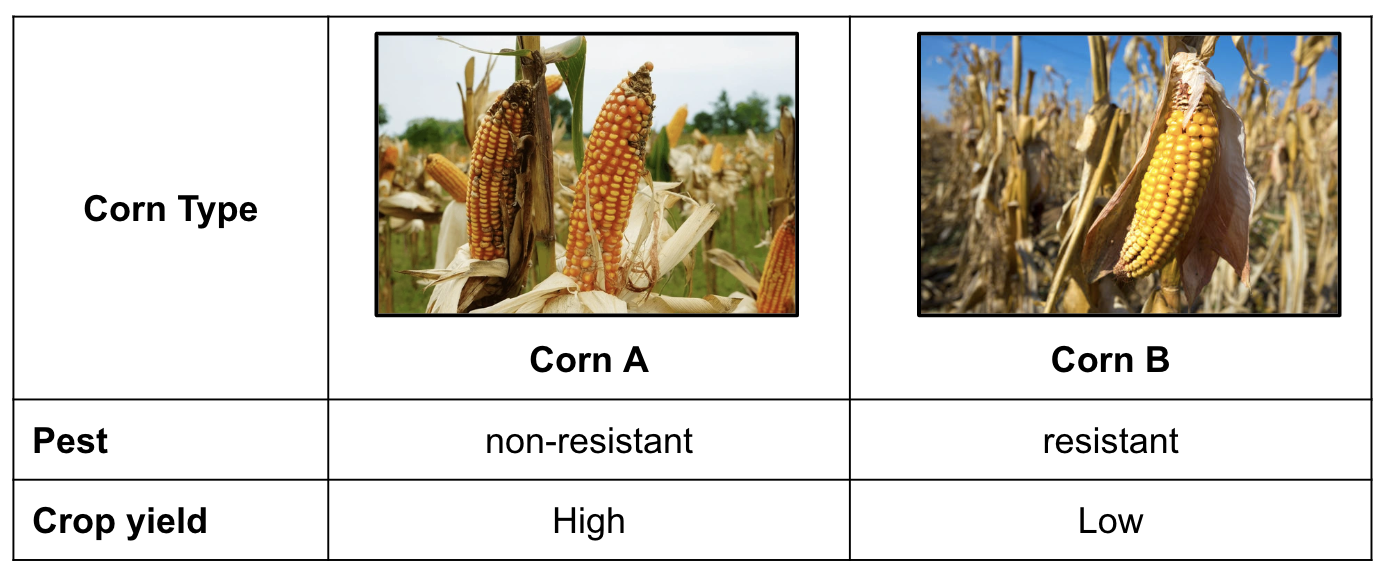
Consider the breeding of two types of corn: one that has high yield but is non-resistant to a certain pest, and another that is resistant to that pest but has a lower yield.

During the process of pollination (reproduction), the pollen from one corn plant fertilizes the ovule of another. The resulting hybrid plants will have both high yield and pest resistance.

The evolution mechanism that BEST supports creating a new hybrid plant is .

Asemmisa {{asɛmmisaAhyɛnsode}}
11.

Which scenario best describes gene flow?

Asemmisa {{asɛmmisaAhyɛnsode}}
12.

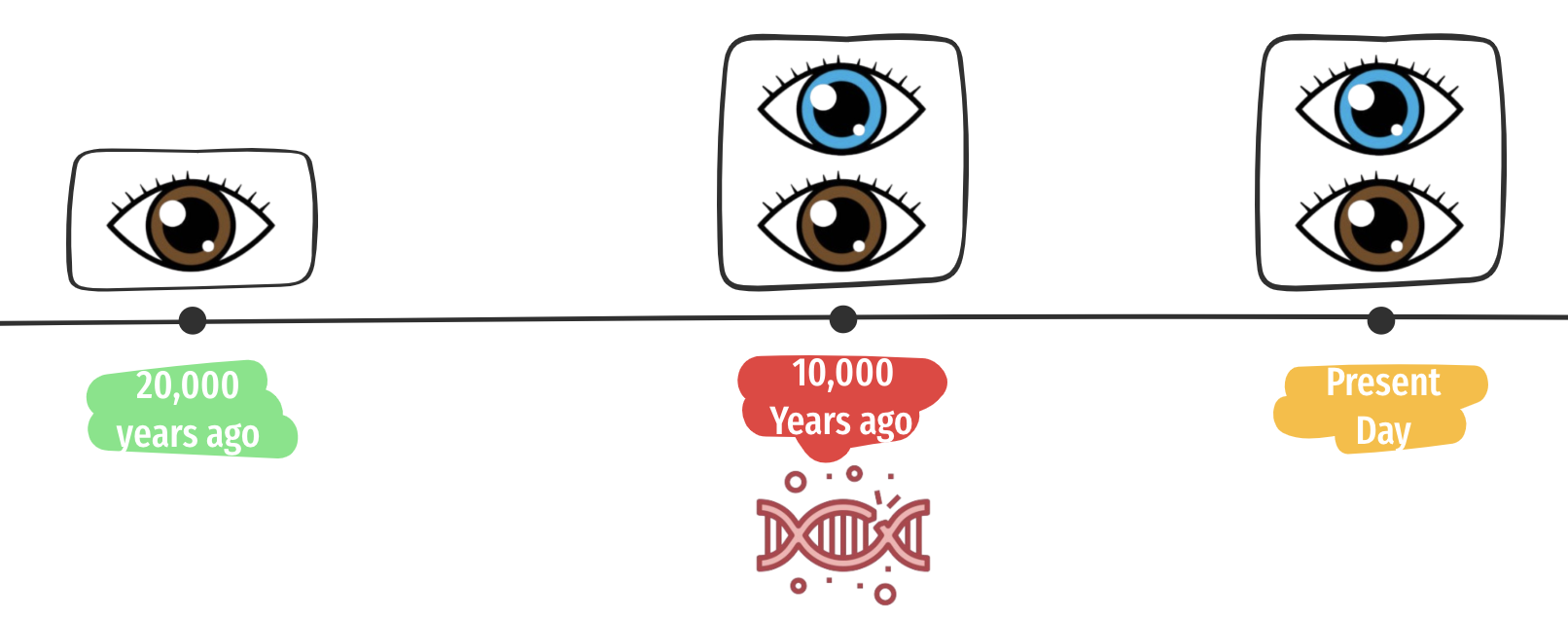
Scientists studying the evolution of eye color in humans have discovered evidence suggesting that a random change in the DNA sequence coding for eye color introduced blue eyes to humans 10,000 years ago. As a result of this event both blue and brown eyes was observed in the human population.

The change in allele frequencies after this random change in the DNA sequence is an example of...

Asemmisa {{asɛmmisaAhyɛnsode}}
13.

Why is gene flow important?

Asemmisa {{asɛmmisaAhyɛnsode}}
14.

A population of insects is exposed to a pesticide. Some insects survive because they inherit a combination of genes from their parents that allows them to detoxify the pesticide. Over several generations, more insects survive and reproduce, passing on this beneficial genetic mix. How might this change the makeup of the population over time?

The combination of genes is due to over time.

Asemmisa {{asɛmmisaAhyɛnsode}}
15.

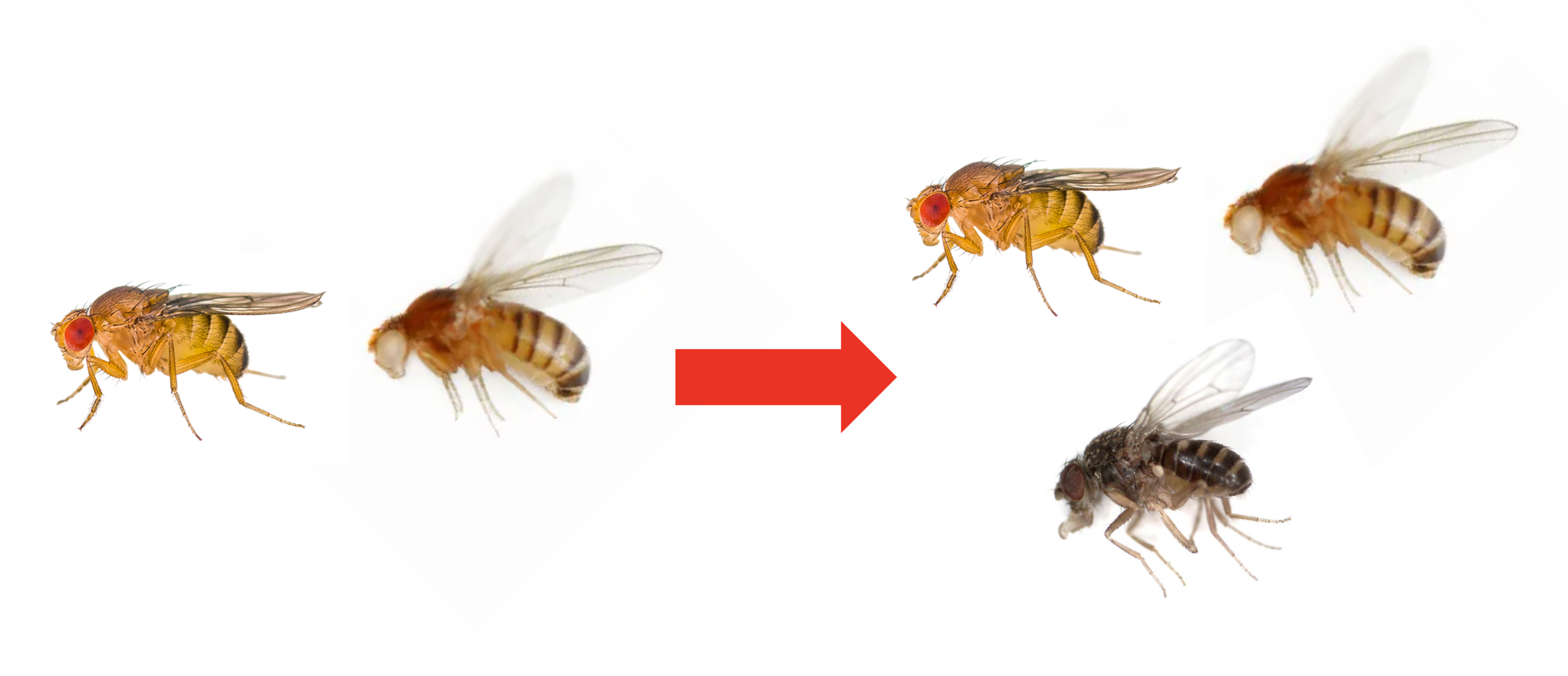
In the original population of flies, some have red eyes and some have white eyes. After 5 generations, some have red eyes, some have white eyes, and some have brown eyes.

This is an example of as a result.

Asemmisa {{asɛmmisaAhyɛnsode}}
16.

A flash flood rushes through the Sam Houston State Forest and kills many members of a population of pigmy rattlesnakes. A limited amount of rattlesnakes from the original population survive.

The change in allele frequency after the flash flood is an example of .

Asemmisa {{asɛmmisaAhyɛnsode}}
17.

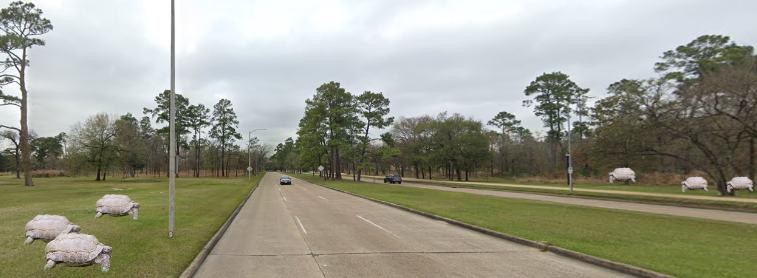
A road is built through a field which separates a population of Texas tortises.

The separation/isolation .

Asemmisa {{asɛmmisaAhyɛnsode}}
18.

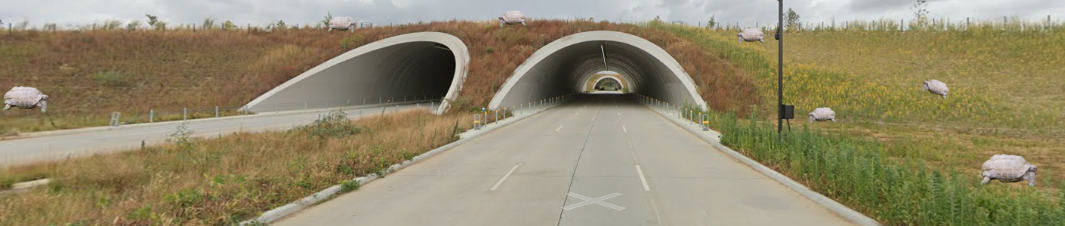
A land bridge is built over the same road to allow for the tortoise populations to mix again.

In constructing the land bridge, .

Asemmisa {{asɛmmisaAhyɛnsode}}
19.

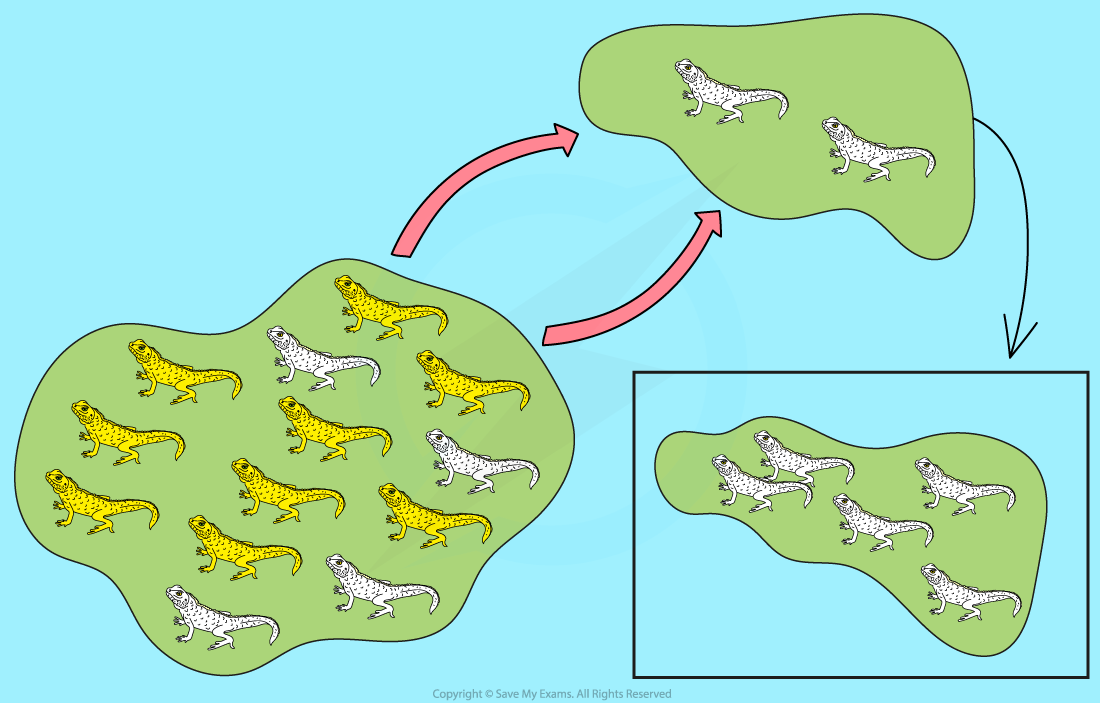
A group of lizards from a mainland have yellow and white phenotypes. A few individuals from the mainland get swept away to a nearby island in which they start a new colony.

The example described in the scenario above is than the original group from the mainland.

Asemmisa {{asɛmmisaAhyɛnsode}}
20.

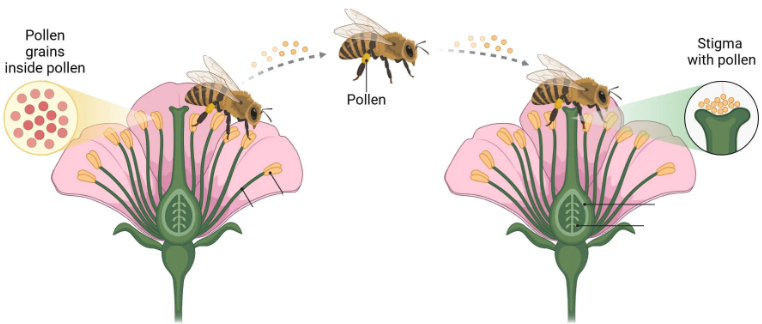
Cross-pollination occurs when pollinators (such as the common honey bee) transfers pollen from one flower to another.

The cross-pollination of flowers from different populations of the same species will most likely result in...