Spørgsmål 1
1.
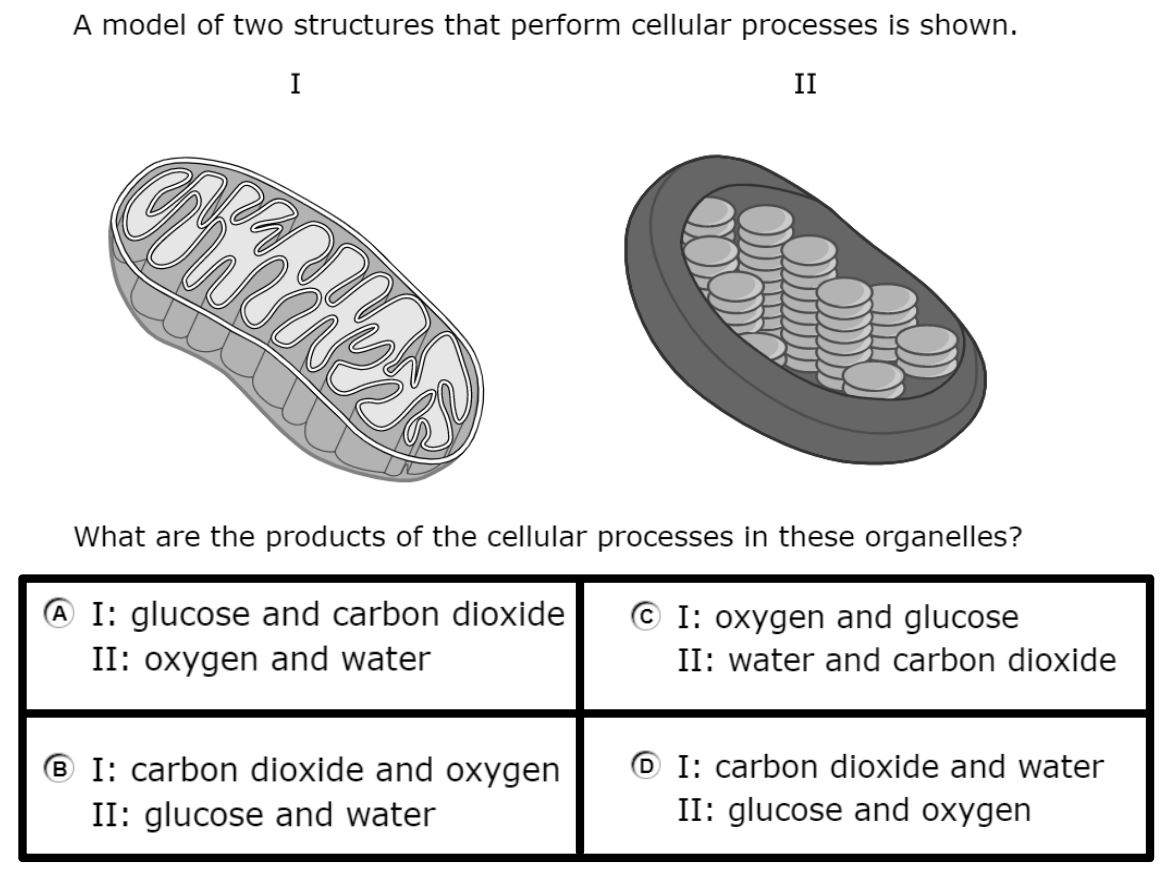
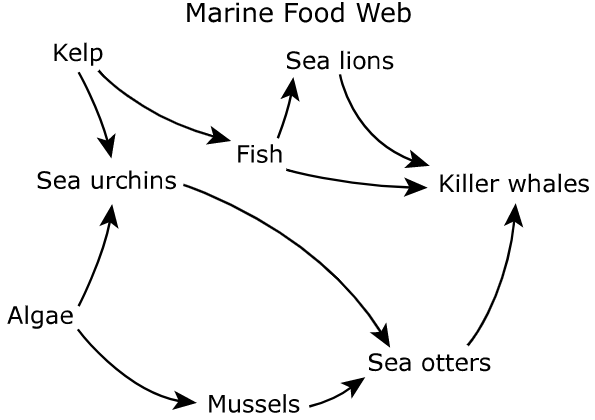
Oil spills in the ocean affect marine food webs. Animals that are initially affected by oil spills include sea otters, seabirds, and other organisms that spend most of their time on the ocean surface.
Based on the food web, how would a significant decrease in the sea otter population due to an oil spill most likely affect this ecosystem?
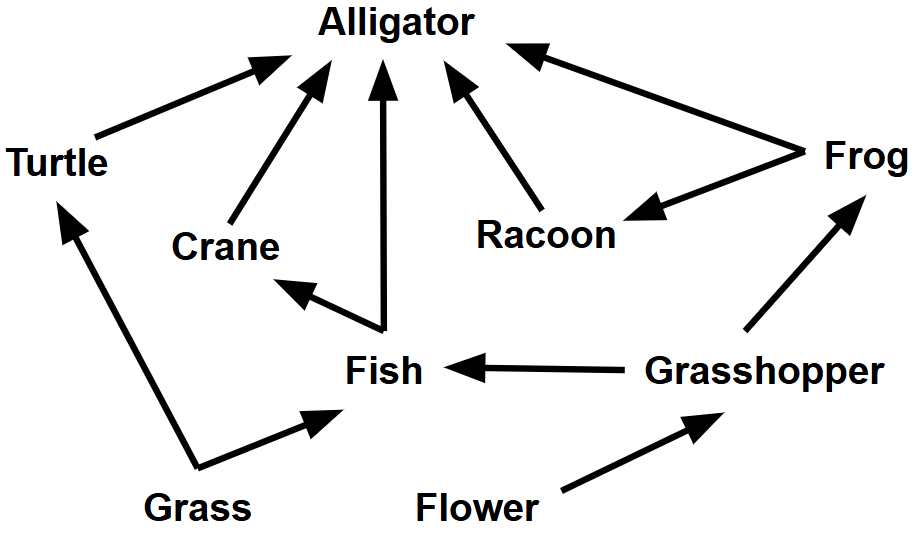
A diagram of a swamp ecosystem is shown below. Analyze the diagram and answer the questions that follow.
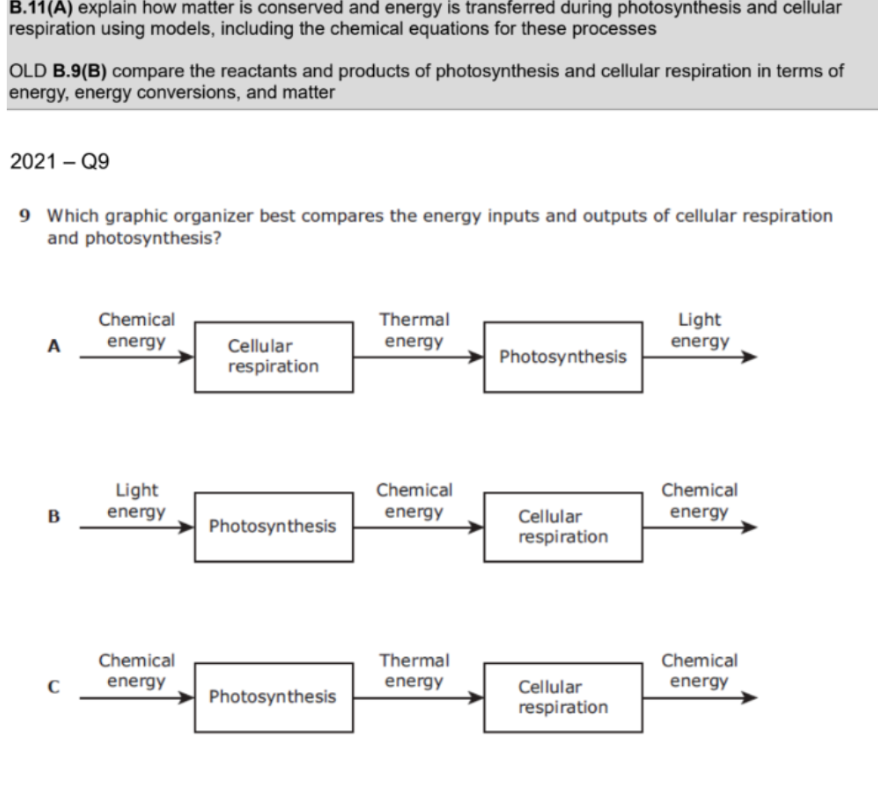
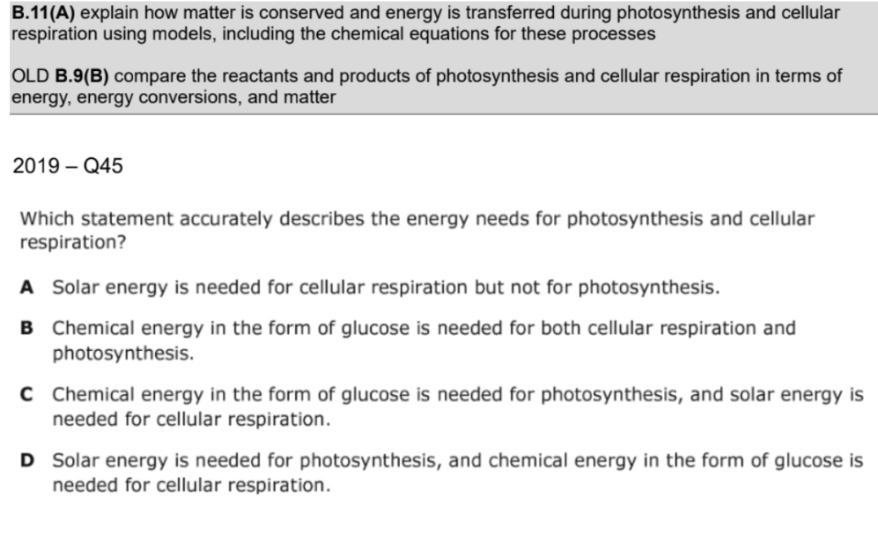
Which of the following best illustrates the flow of energy through trophic levels of the swamp ecosystem in the diagram?
The red-cocked woodpecker is a territorial, non-migratory bird species that lives in mature pine forests in the southern United States. Following more than a century of habitat loss due to deforestation, the red-cocked woodpecker's range dwindled from over half the United States to just a few states by the 1960s.
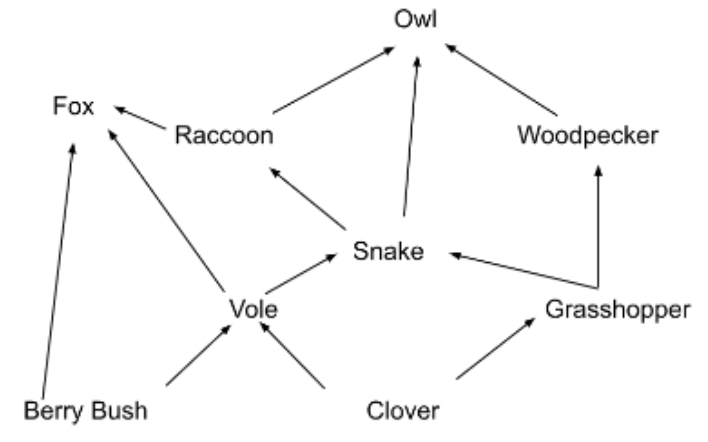
The food web of the red-cocked woodpecker is shown below.
According to the food web, which of the following will most likely occur if deforestation continues to affect the red-cocked woodpecker population?
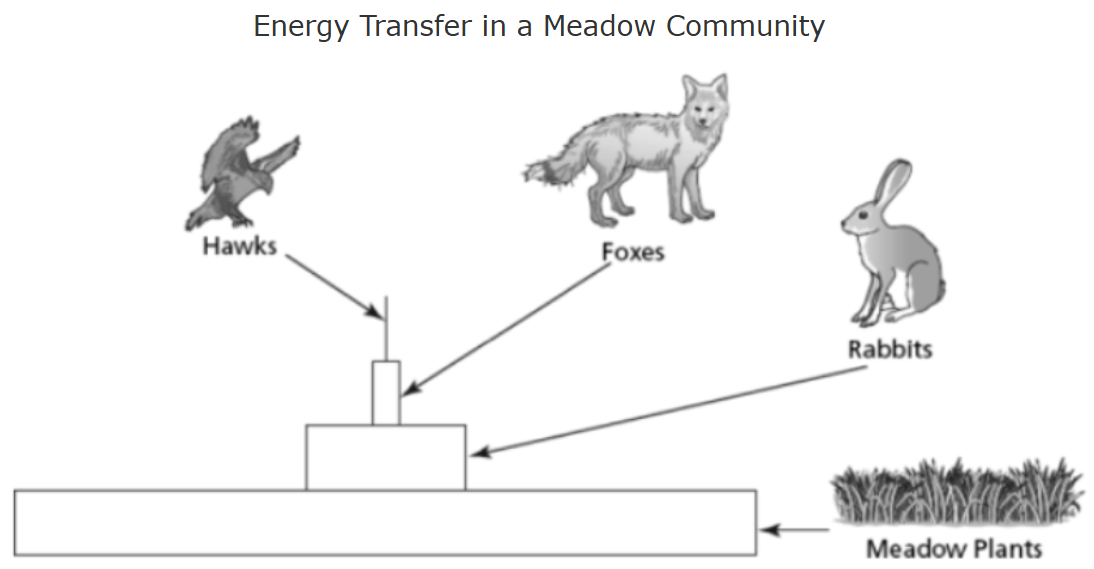
The picture below shows the energy flow through a meadow community.
Which statement best describes what will happen if the population of herbivores in the community decreases?
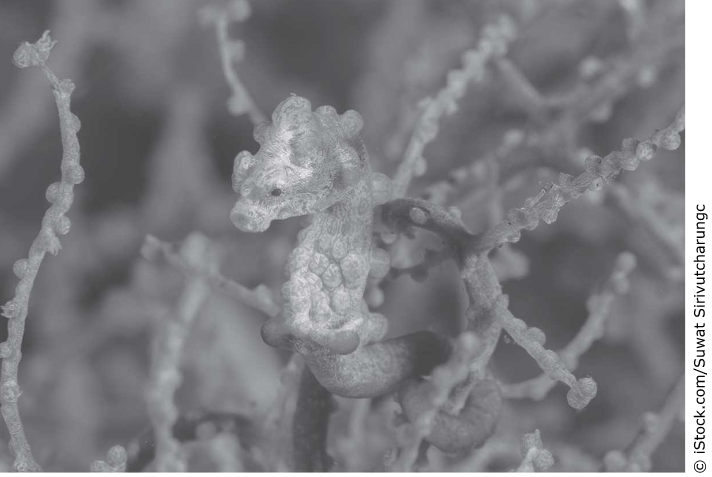
In some coral reefs, a symbiotic relationship exists between pygmy seahorses and sea fans. The pygmy seahorse can wrap its tail around the branches of the sea fan. This allows the pygmy seahorse to be camouflaged within the sea fan, protecting it from predators. The pygmy seahorse does not harm or benefit the sea fan while it grasps the branches with its tail.
What is the correct classification of this symbiotic relationship?
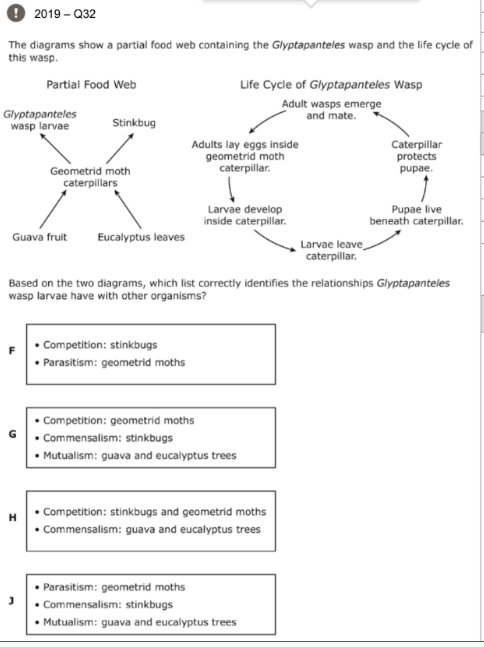
The ocean sunfish (Mola mola) is a large, flat fish that spends most of its time in deep water feeding mainly on jellyfish. Sunfish often have many species of copepods, small crustaceans, that bury their heads into the soft tissue of the sunfish. Sunfish will swim to the surface of the water and lie sideways, allowing seabirds to eat the copepods from their skin.
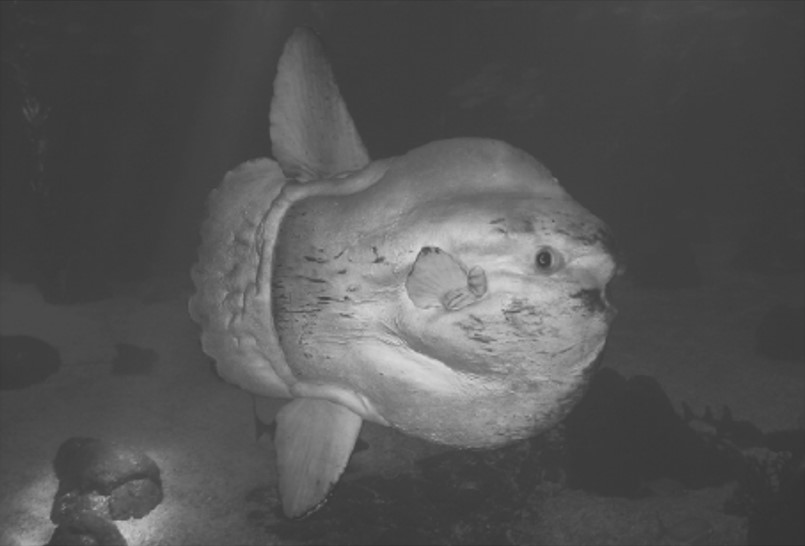
Which list describes the types of relationships the sunfish has with other marine organisms?
The California two-spot octopus is a carnivorous predator that lives in a marine ecosystem where it feeds on a variety of fish and crustaceans. How would the removal of the California two-spot octopus impact the marine ecosystem?
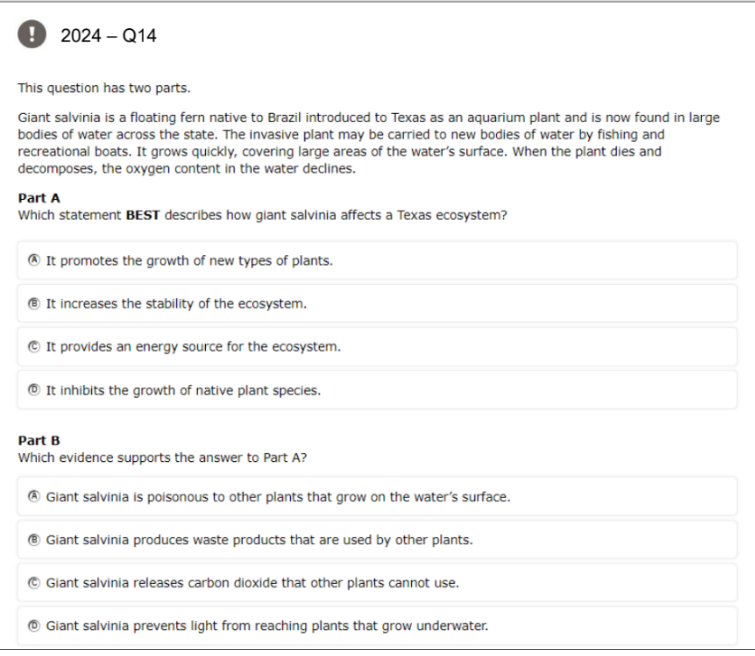
In a grassland ecosystem, wolves are a top predator that help control deer and rabbit populations. Over the past decade, hunting and habitat destruction have dramatically reduced the wolf population. Since then, scientists have observed a sharp increase in deer and rabbit numbers, leading to overgrazing of plants and shrubs.
Which outcome is most likely to occur as a result of this environmental change?
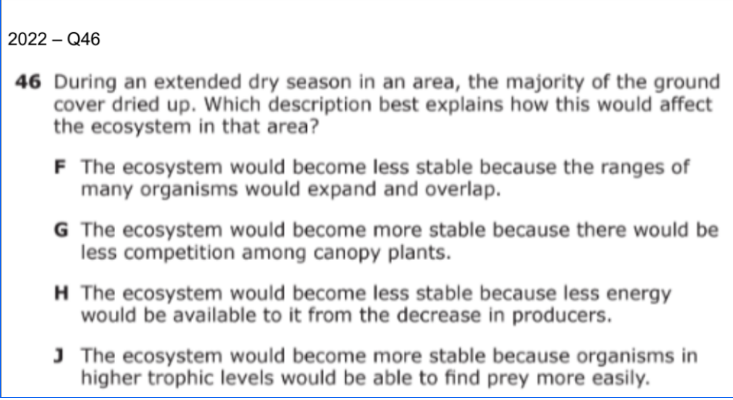
Sea stars are important predators in rocky shoreline ecosystems, feeding on mussels that would otherwise dominate the habitat. A mysterious disease spreads through the sea star population, causing their numbers to drop dramatically.
What is the most likely effect of this decline on the ecosystem?
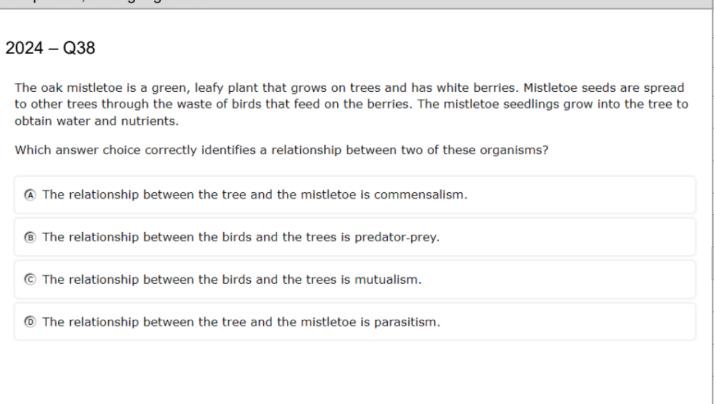
A river ecosystem is home to beavers, which build dams that create slow-moving ponds. These ponds provide habitat for fish, amphibians, and aquatic plants. One year, a new species of freshwater snail, introduced by humans, spreads rapidly in the river, consuming large amounts of algae and plant life.
Which statement best describes the difference between the beavers and the snails in this scenario?
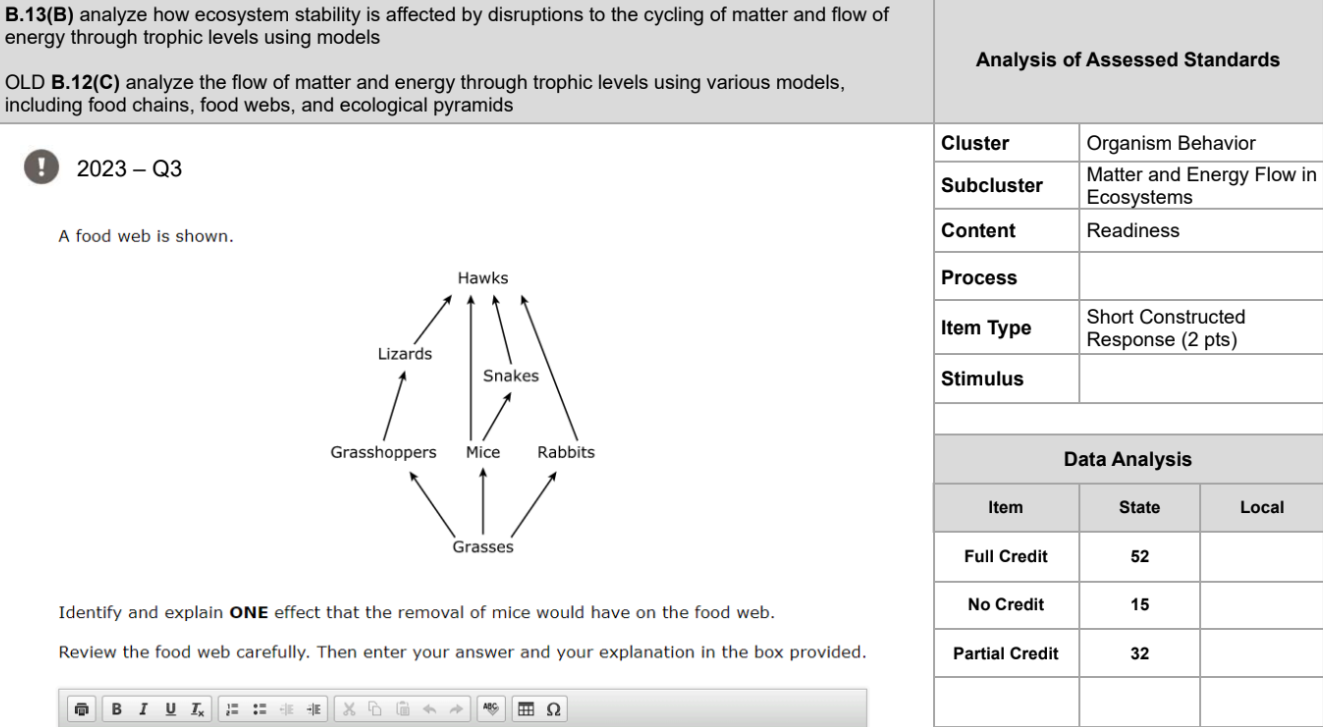
Based on the diagram of the swamp ecosystem, which statement below is true?