Select the correct answer in each row.
Prokaryote | Eukaryote | |
|---|---|---|
Lacks a nuclear membrane | ||
Genetic material is enclosed in a nuclear membrane | ||
Small simple cells | ||
Large complex cells |
Students use a microscope to look for structures present in four different cells. The students placed and X for each structure that was viewed for each cell on the table shown.
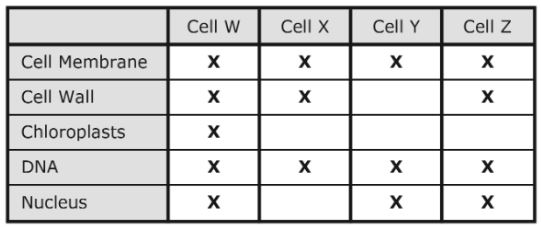
Which cell that was viewed is most likely a prokaryote?
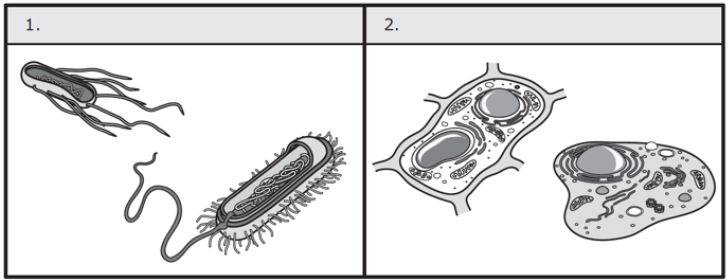
A student groups different types of cells as shown.
Which table headings should the student use for the two groups?
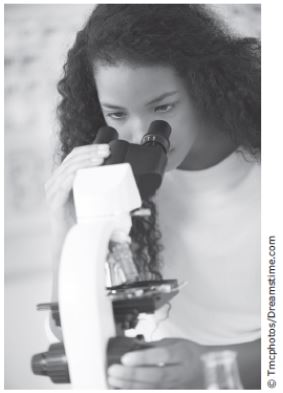
The picure shows a student using a microscope to study a prepared slide of a single-celled organism.
A single-celled organism can be classified as a prokaryote based on the absence of -
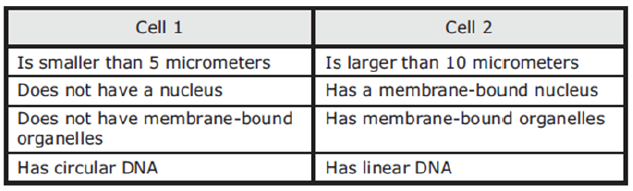
Some students used information they gathered from lab investigations to prepare a table. They entered the table in their lab notebooks.
Which of these correctly identifies the two cells described in the table above?
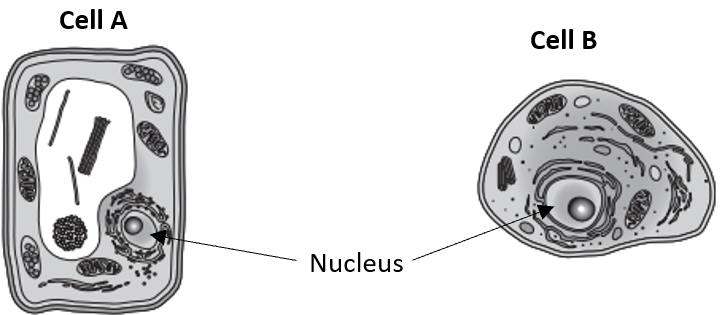
What is the DIFFERENCE between Cell A and Cell B?
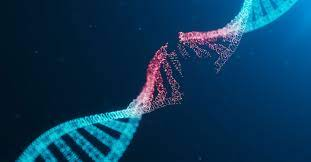
A scientist has discovered a new toxin to use in biological warfare. This newly synthesized poison, attacks the cell by breaking down its genetic material (DNA); thus, stopping all cellular activity and killing the cell.
Based on this information, the new toxin could be used to kill which type of cell?
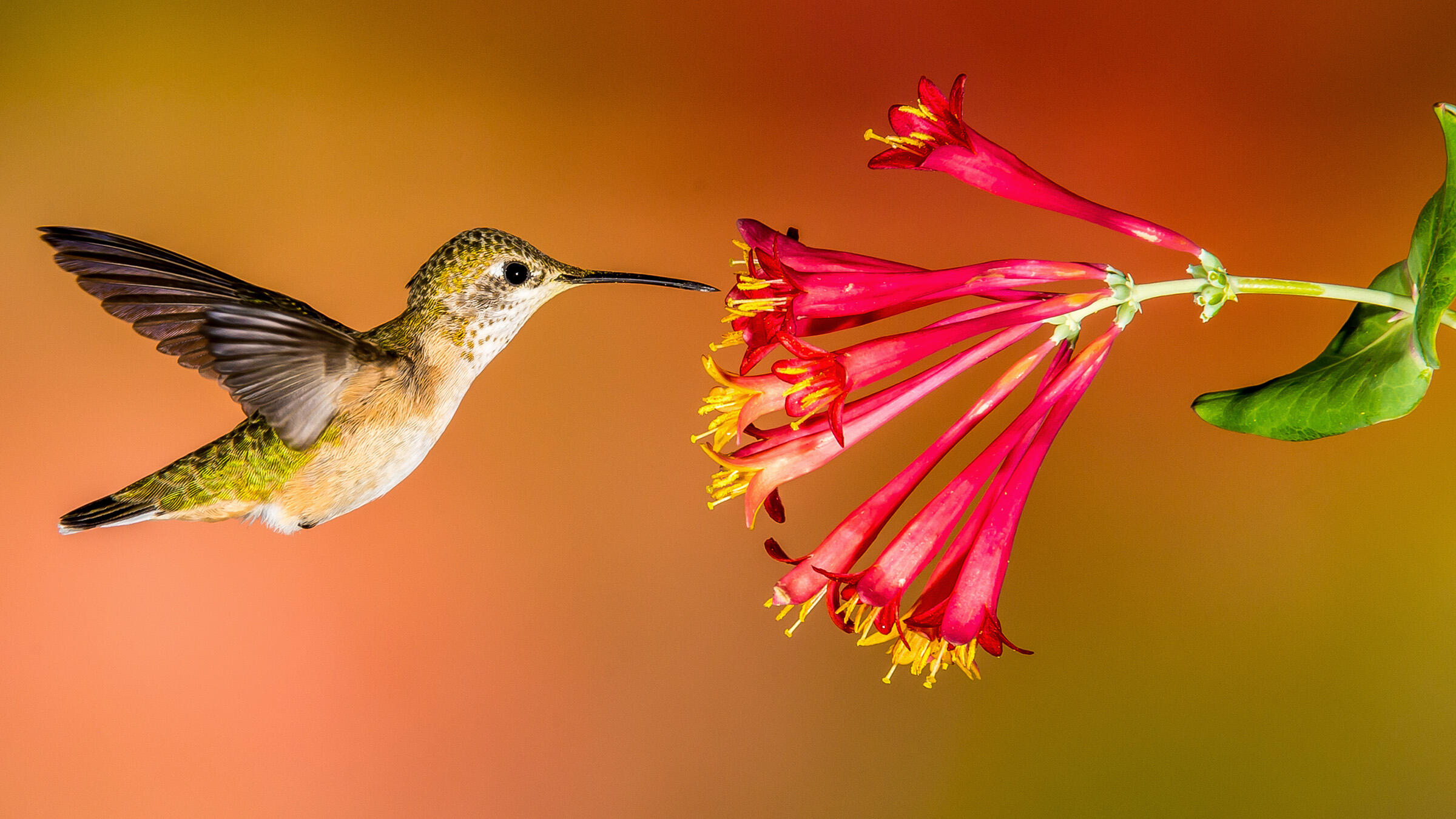
Hummingbirds must eat almost continuously to maintain their high energy needs. For example, their wings beat more than 3,000 times per minute.
Therefore, hummingbird muscle cells must have a large number of which organelle in order to provide them with the energy they need?