Twa kɔ nsɛm atitiriw so
Log in
Sign up for FREE
arrow_back
Laabri

Copy of Friday (10/24) - Disruptions Warm Up (5/2/2026)

star
star
star
star
star
Last updated about 3 hours ago
10 Nsɛmmisa
1
Ɛhia
2
2
Ɛhia
2
1
1
Ɛhia
1
Ɛhia
1
Ɛhia
1
Ɛhia
1
Asemmisa {{asɛmmisaAhyɛnsode}}
1.

Mutations to DNA occur during which part of the cell cycle?

Asemmisa {{asɛmmisaAhyɛnsode}}
2.

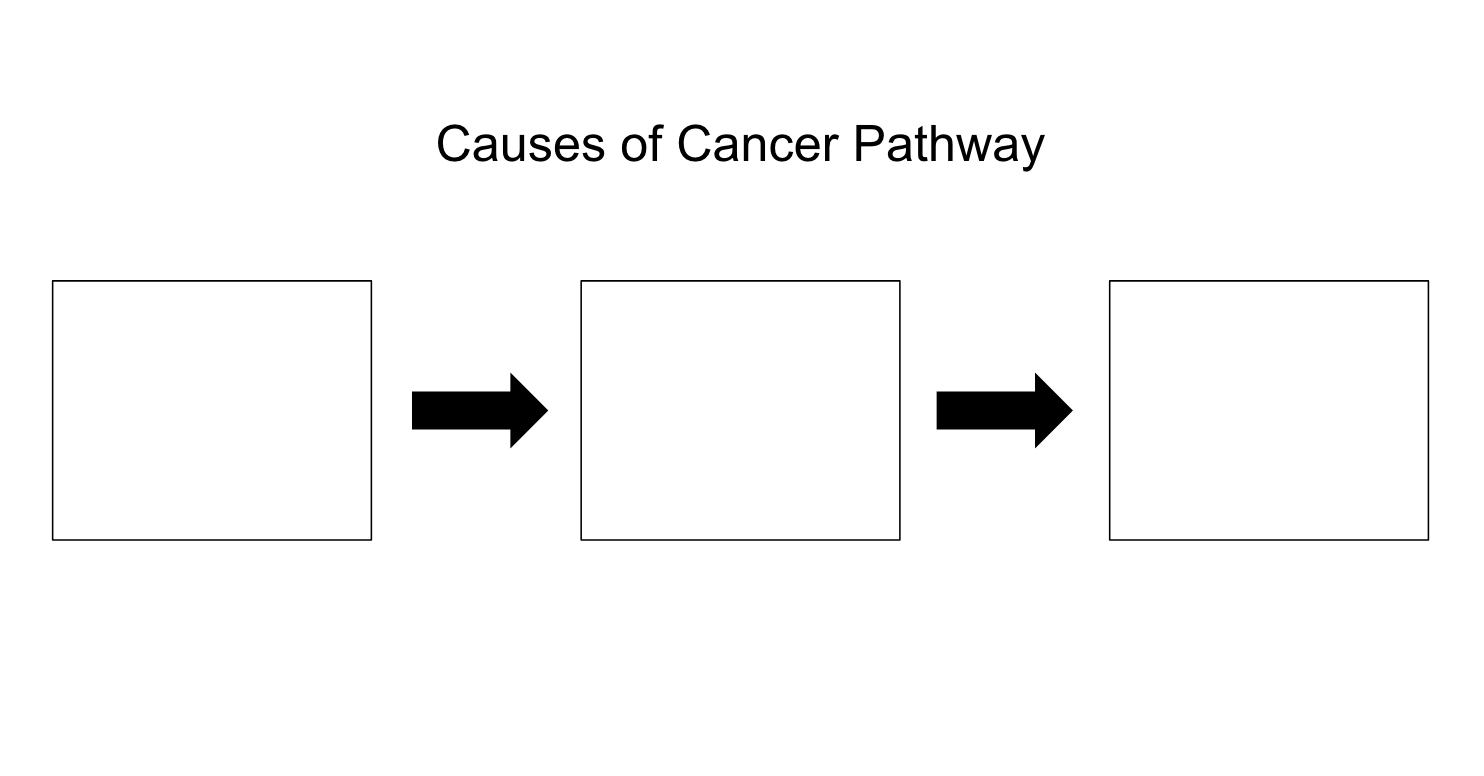
Complete the flowchart below in order to explain how some cancers can form.
Mmuae Afoforo a Wobɛpaw:

Unregulated mutations within cells

Exposure to carcinogens (smoking, UV radiation)

Regulated division of healthy daughter cells

Formation of cancer/tumor
Asemmisa {{asɛmmisaAhyɛnsode}}
3.

Which of the following are caused by disruptions to the cell cycle?

Select three correct answers.

Asemmisa {{asɛmmisaAhyɛnsode}}
4.

Apoptosis is .

If apoptosis is unregulated (too much or too little apoptosis), this can lead to

Asemmisa {{asɛmmisaAhyɛnsode}}
6.

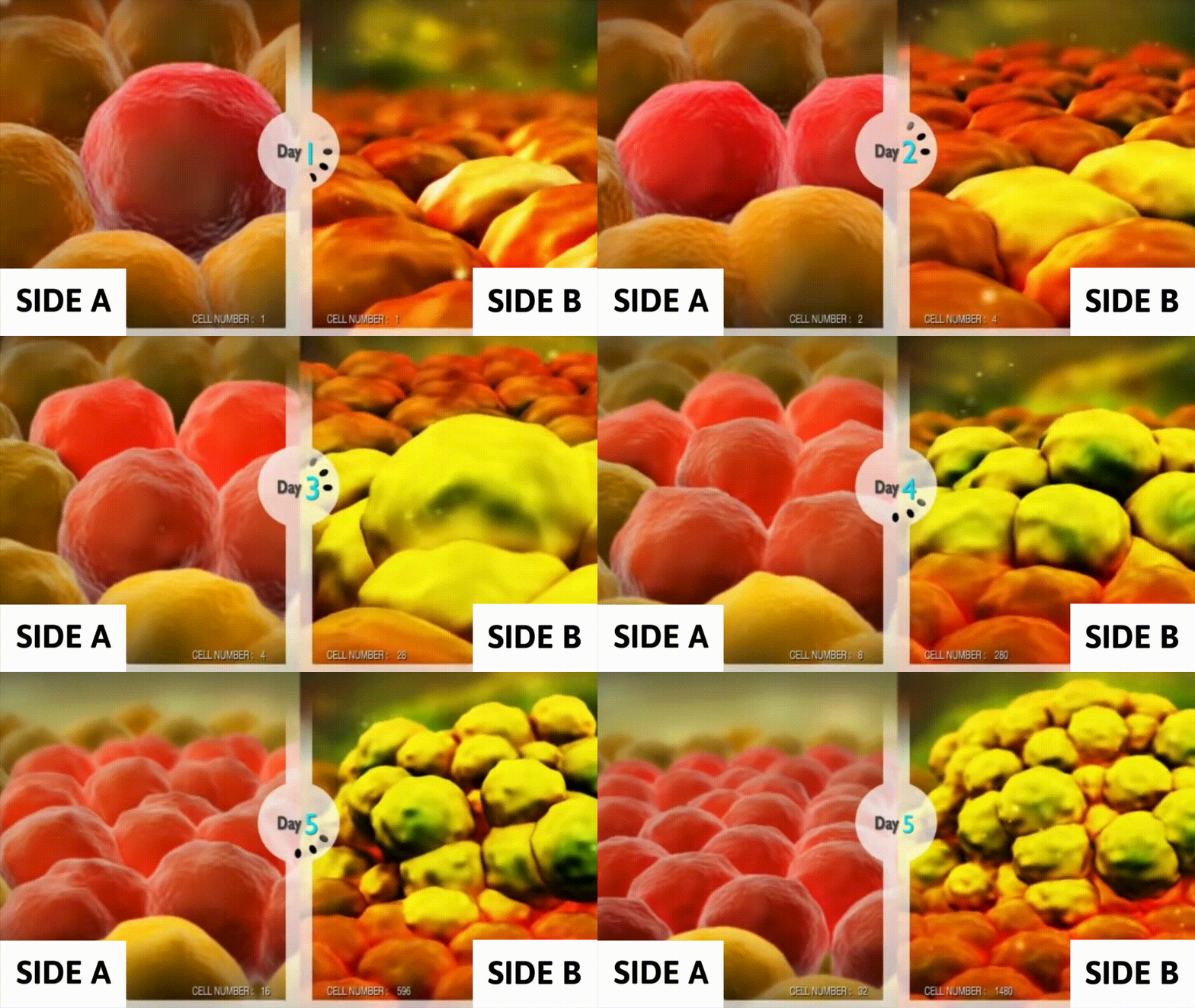
Which side represents cancerous cells?

Asemmisa {{asɛmmisaAhyɛnsode}}
7.

What reason would cells start replicating quickly on side B?

Asemmisa {{asɛmmisaAhyɛnsode}}
8.

Which of the following best describes cancer?

Asemmisa {{asɛmmisaAhyɛnsode}}
9.

Why is it important to keep the cell cycle regulated (controlled)?

Asemmisa {{asɛmmisaAhyɛnsode}}
10.

The cell cycle and apoptosis are regulated processes. Below, match the result for when apoptosis in regulated or unregulated.

Draggable itemarrow_right_altCorresponding Item

Too much apoptosis

arrow_right_alt

Cells do not die and can form tumors

Regulated apoptosis

arrow_right_alt

Healthy cells die and cause diseases

Too little apoptosis

arrow_right_alt

Removes old, damaged, or mutated cells