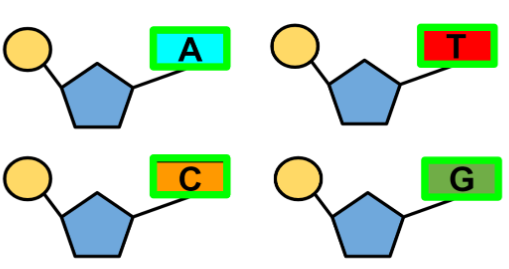
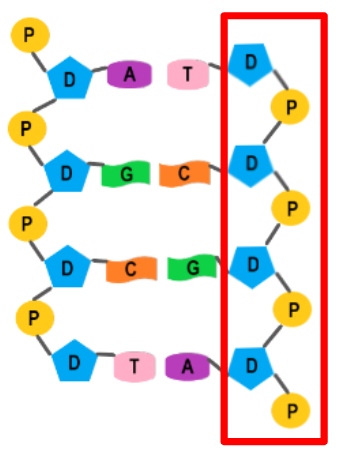
Which shows the correct complementary base pairing for DNA?
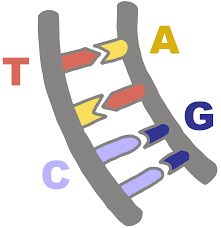
Which shows the correct complementary base pairing for DNA?
Which organelle is DNA usually found in?
Which shows the correct complementary base pairing for DNA?
What are the 4 nitrogen bases letters?
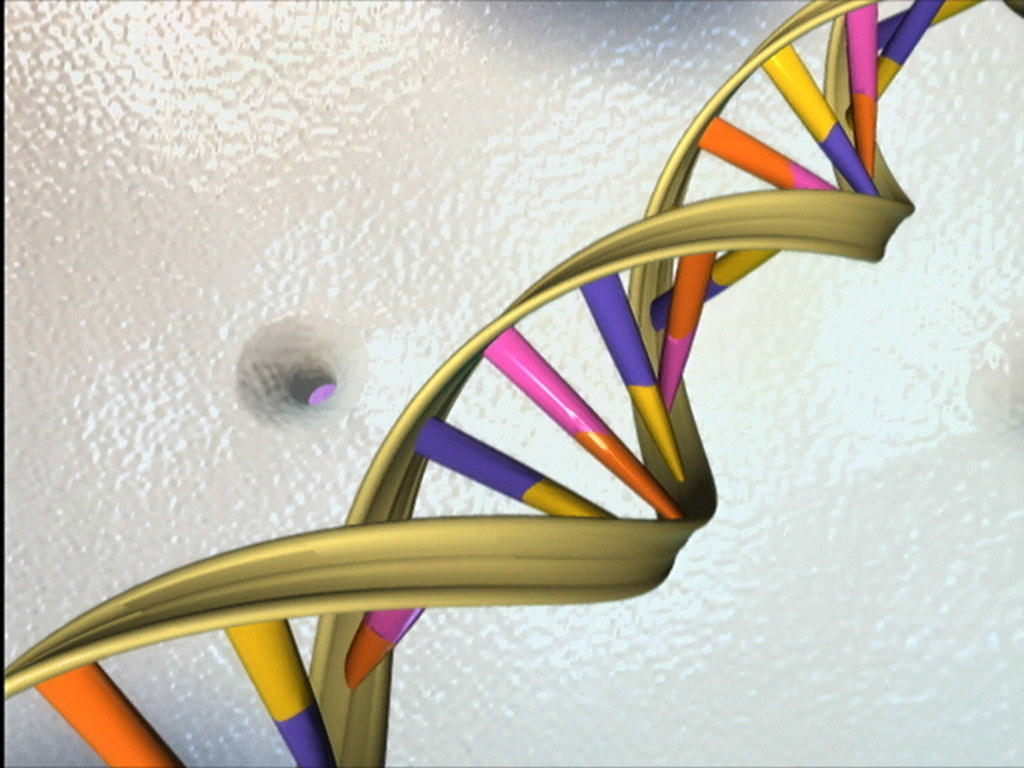
The "twisted ladder" structure of DNA is called .
Which of the following contain DNA?
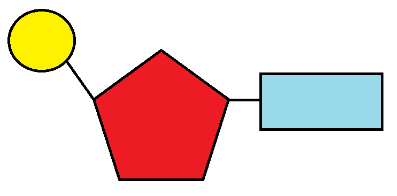
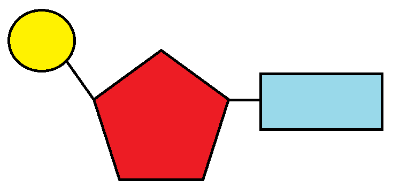
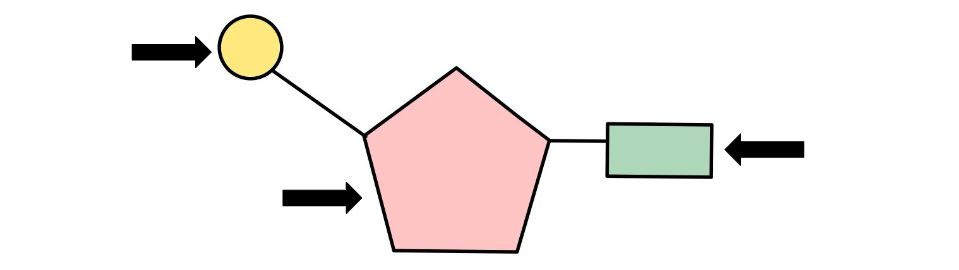
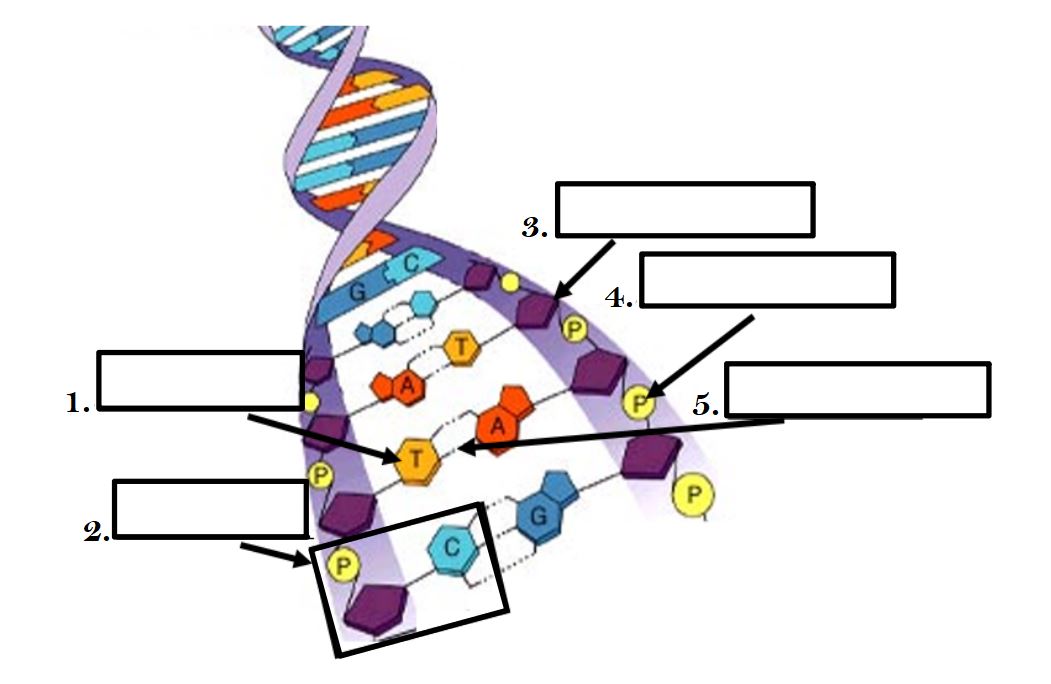
Label the structures of a nucleotide:
DNA stands for Acid .
The building blocks of DNA are called .
What are the 3 components of a nucleotide?
Select THREE correct answers.
Four different nucleotides are used as building blocks of DNA.
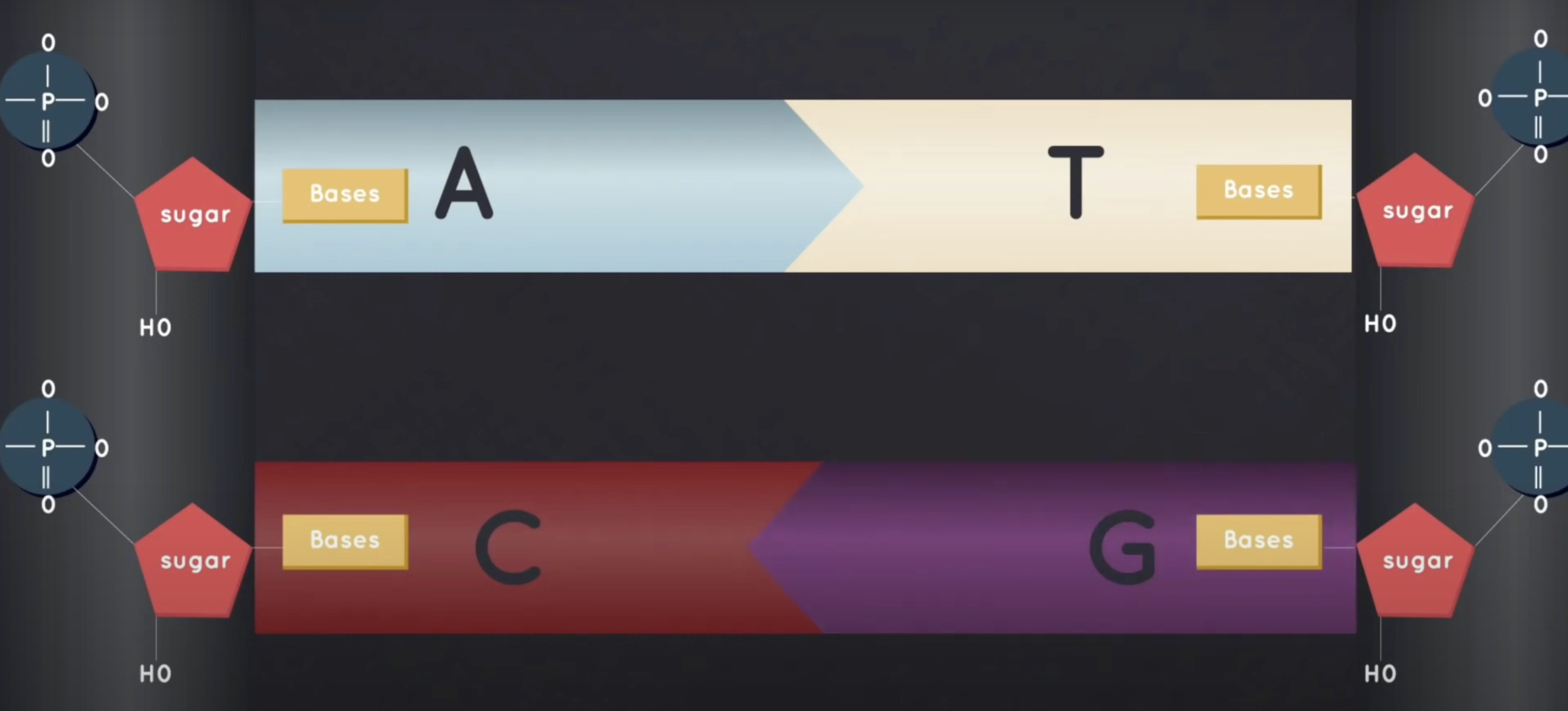
Which of the following can be used to distinguish one nucleotide from another?
The four nitrogen bases are ___________, ____________, ______________ and ____________.
What is the correct complementary base pairing for DNA?
| Draggable item | arrow_right_alt | Corresponding Item |
|---|---|---|
C | arrow_right_alt | T |
A | arrow_right_alt | G |
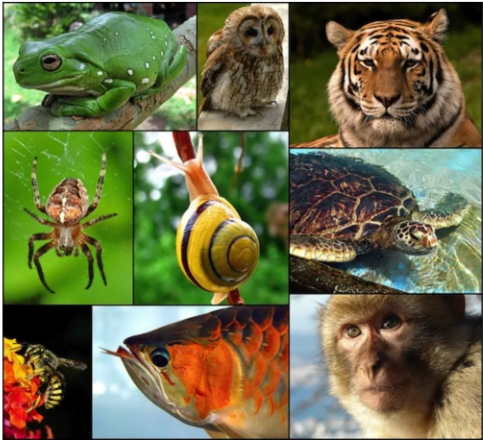
DNA is universal, which means ALL living things have ______, ______, ______, and ______.
The outside of DNA is made up of alternating ______________ and ______________.
Below is a diagram of the structure of DNA.
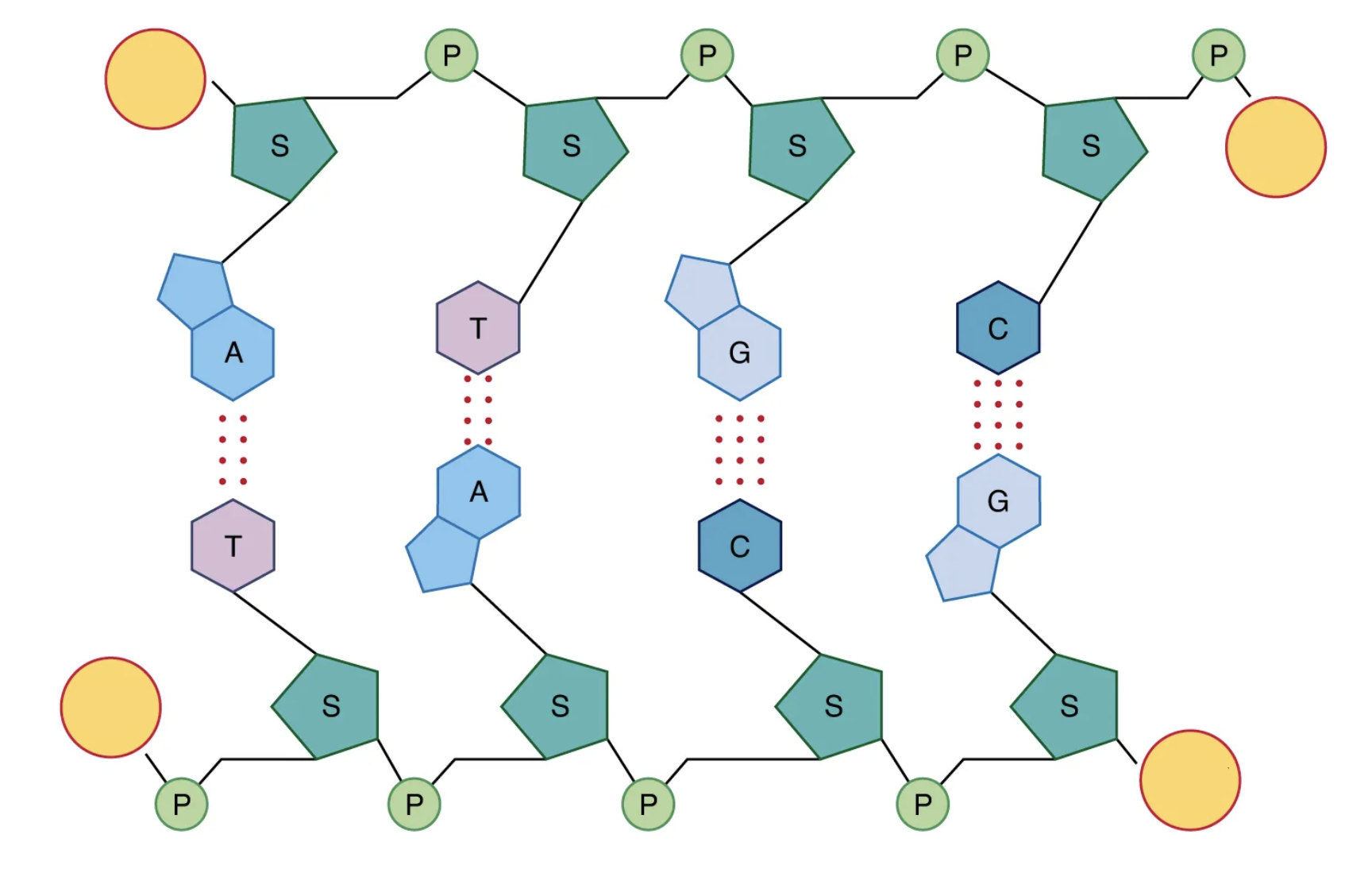
What is the function of phosphate and sugar in DNA?
Below is a diagram of the structure of DNA.
What is the function of the nitrogen bases in DNA?
Below is a diagram of the structure of DNA.
What is the function of the hydrogen bonds in DNA?
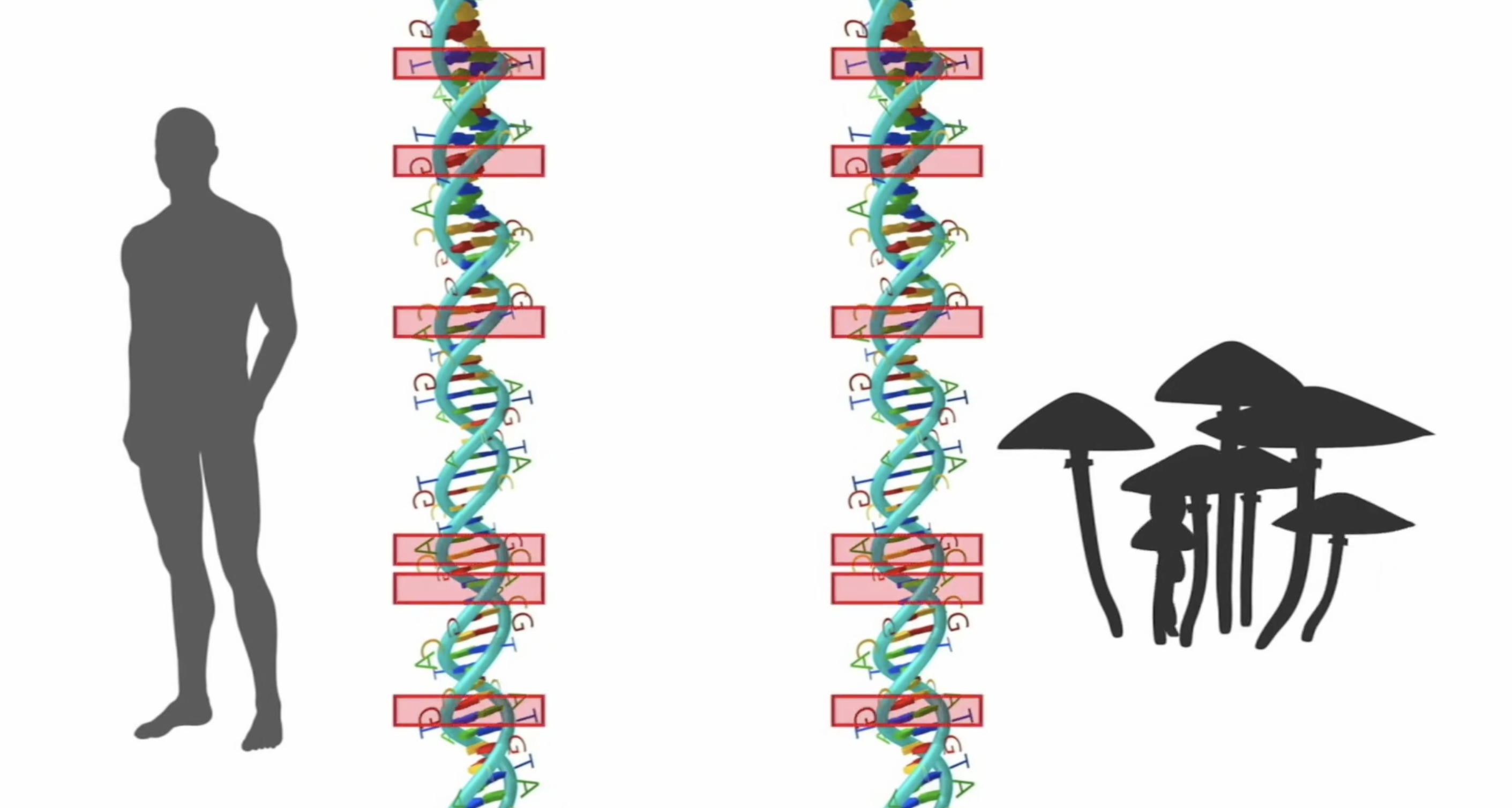
The order and sequence of the ______________ is what makes the difference between one gene and another.
Label the structure of DNA below.
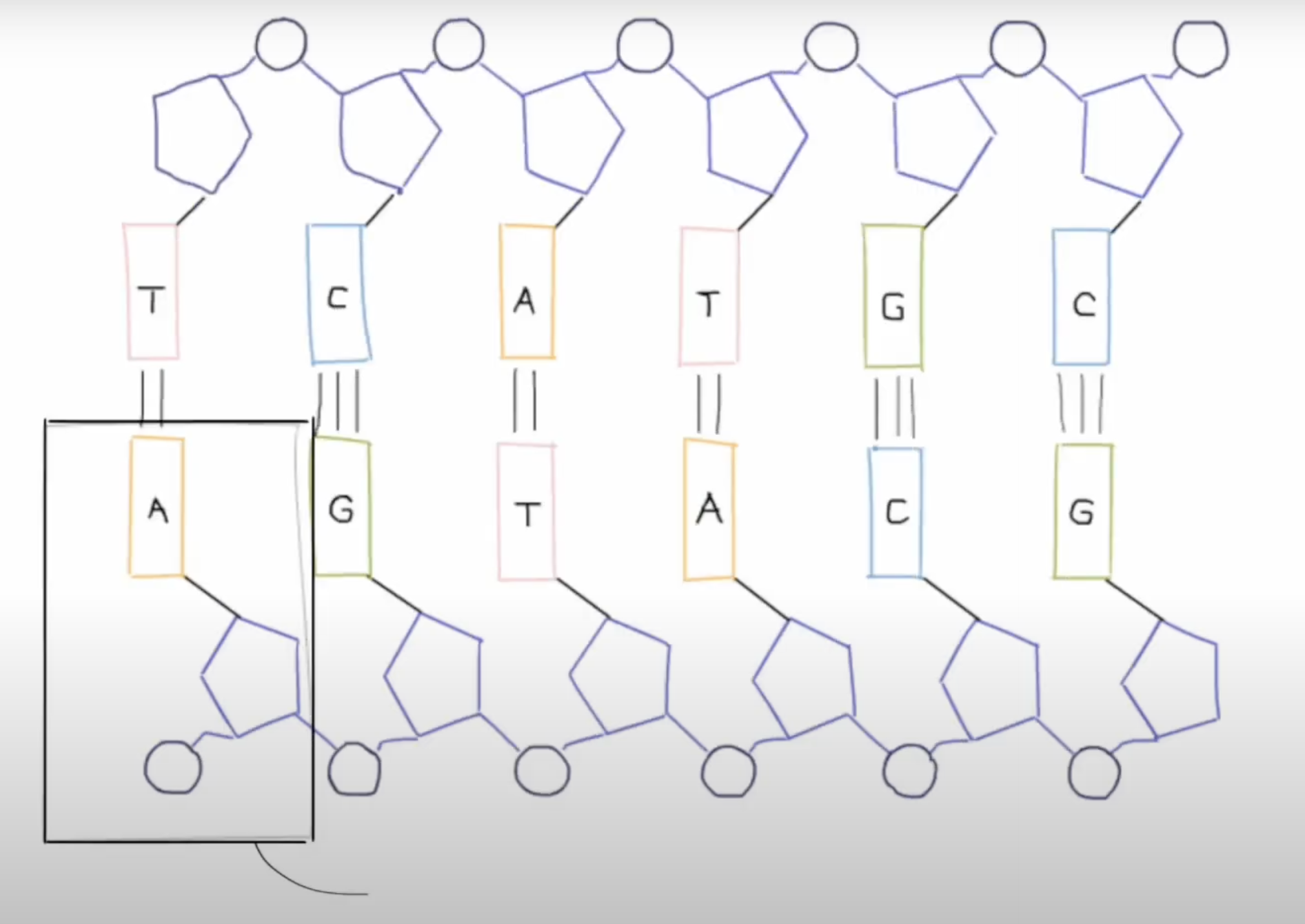
Label the following DNA strand.
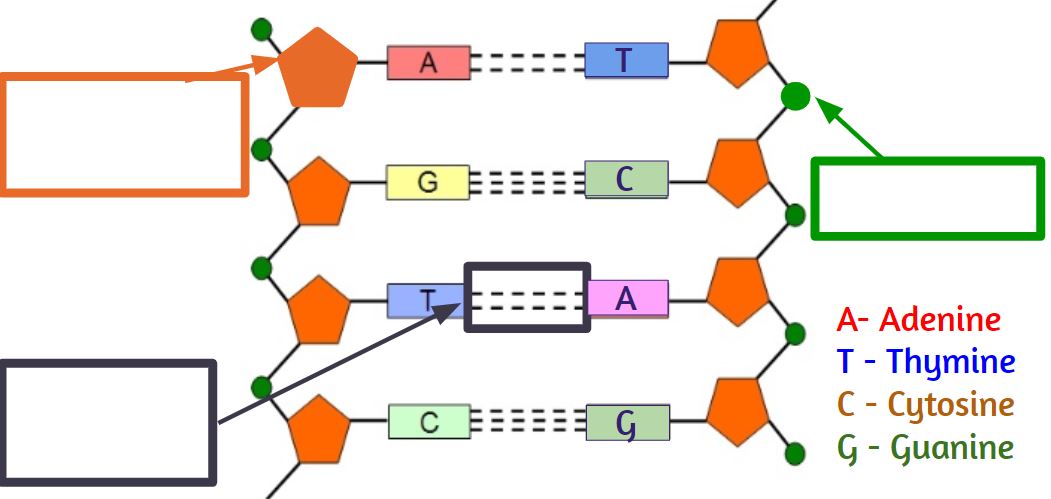
Label the following DNA structure diagram.
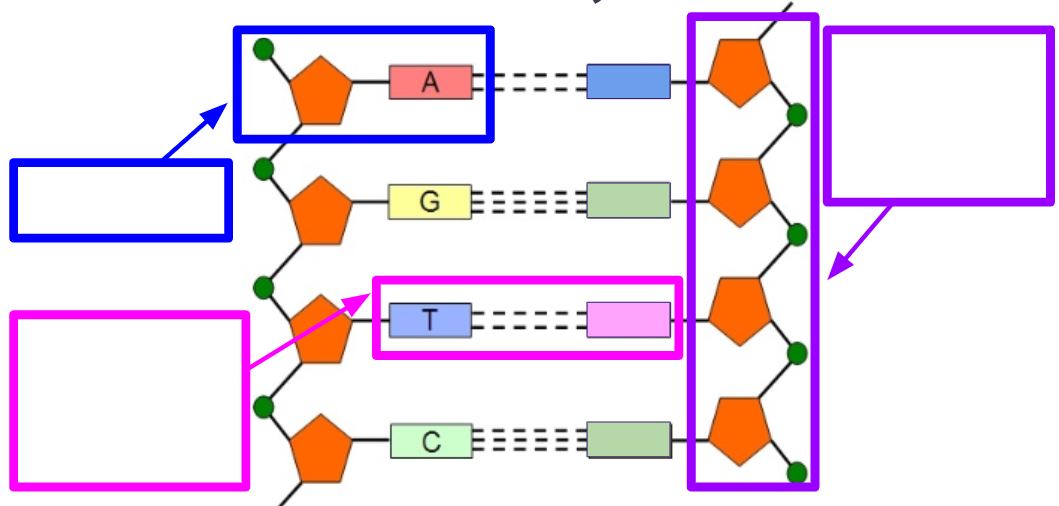
Label the structure of DNA below.
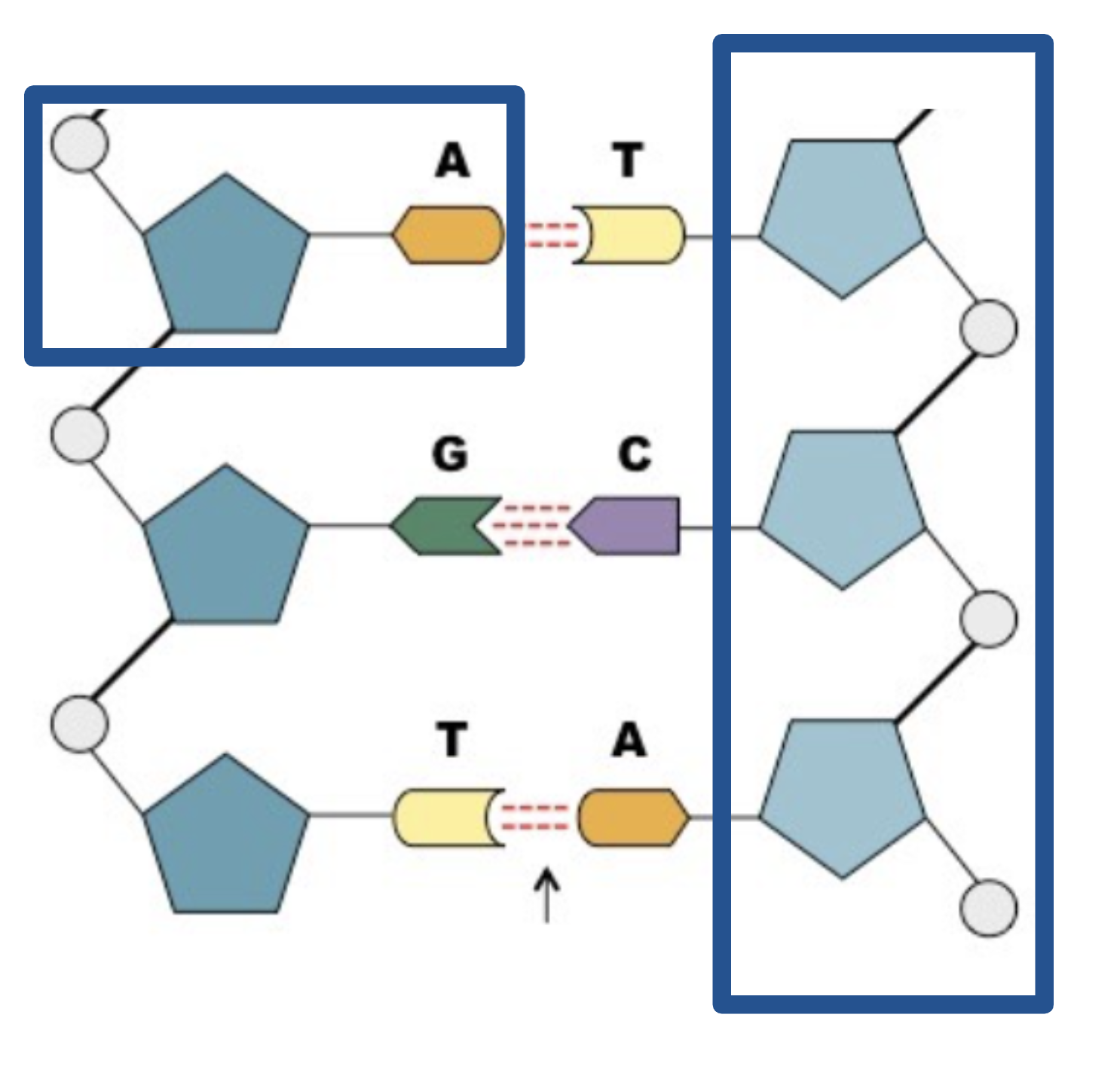
Label the structure of DNA below.
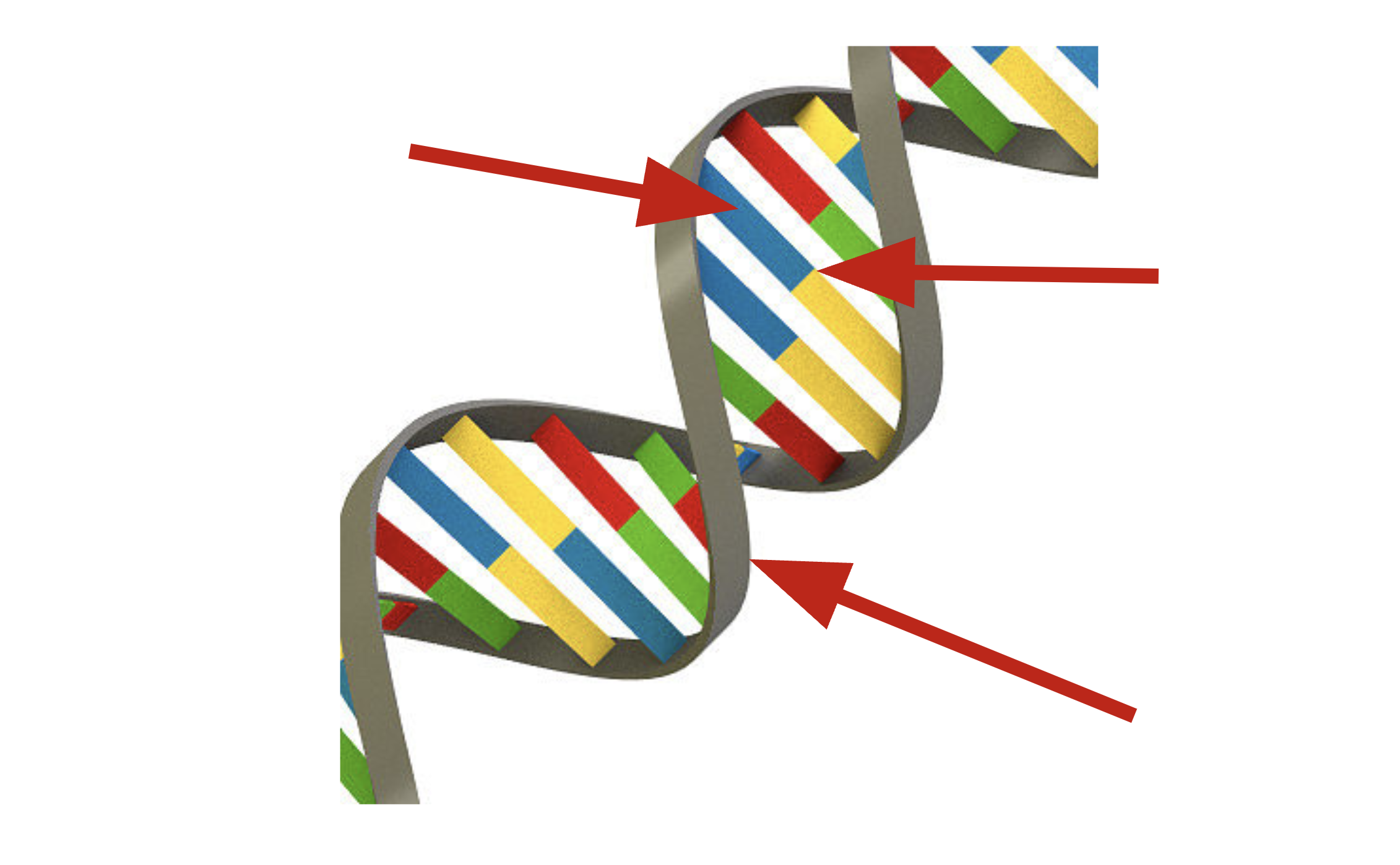
Watch the animation below, then put the steps of DNA replication in order.
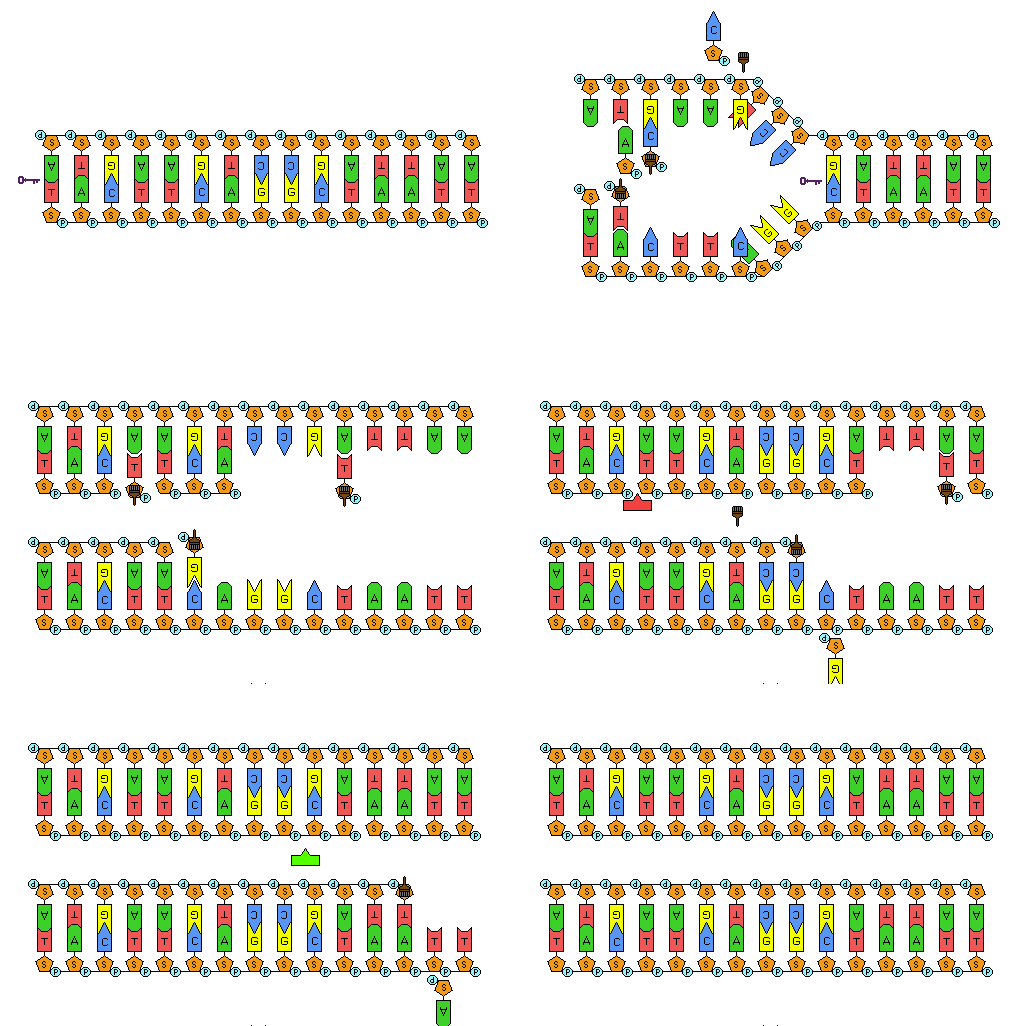
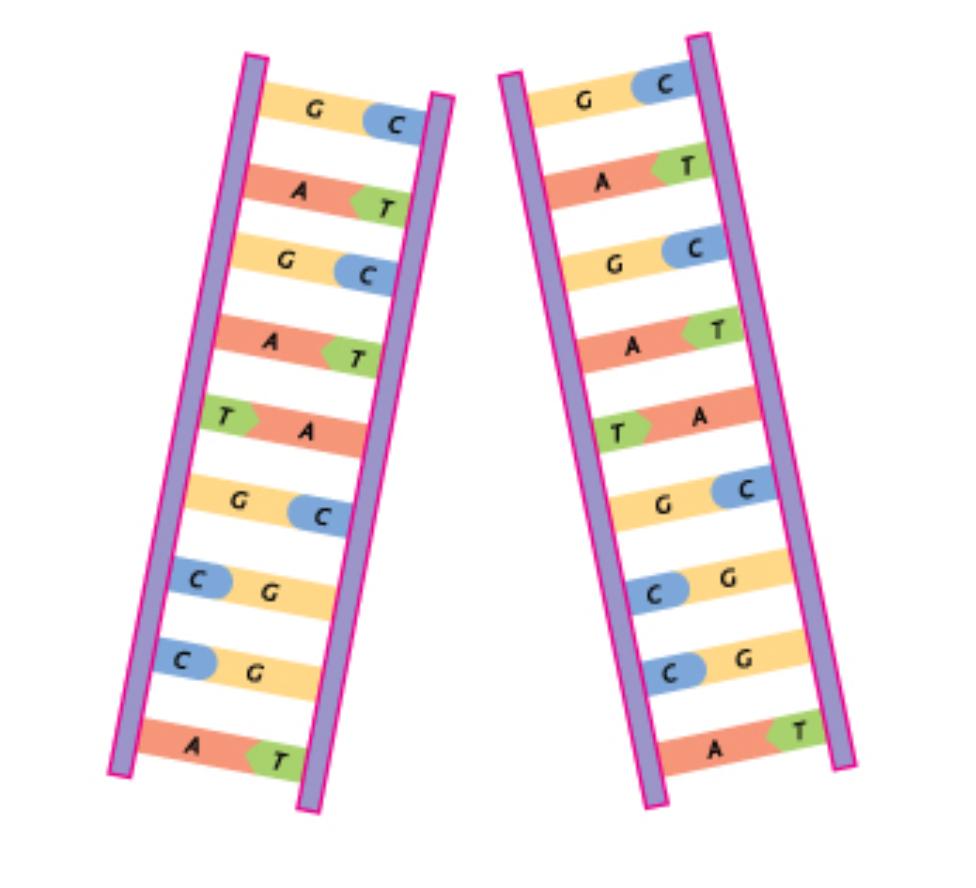
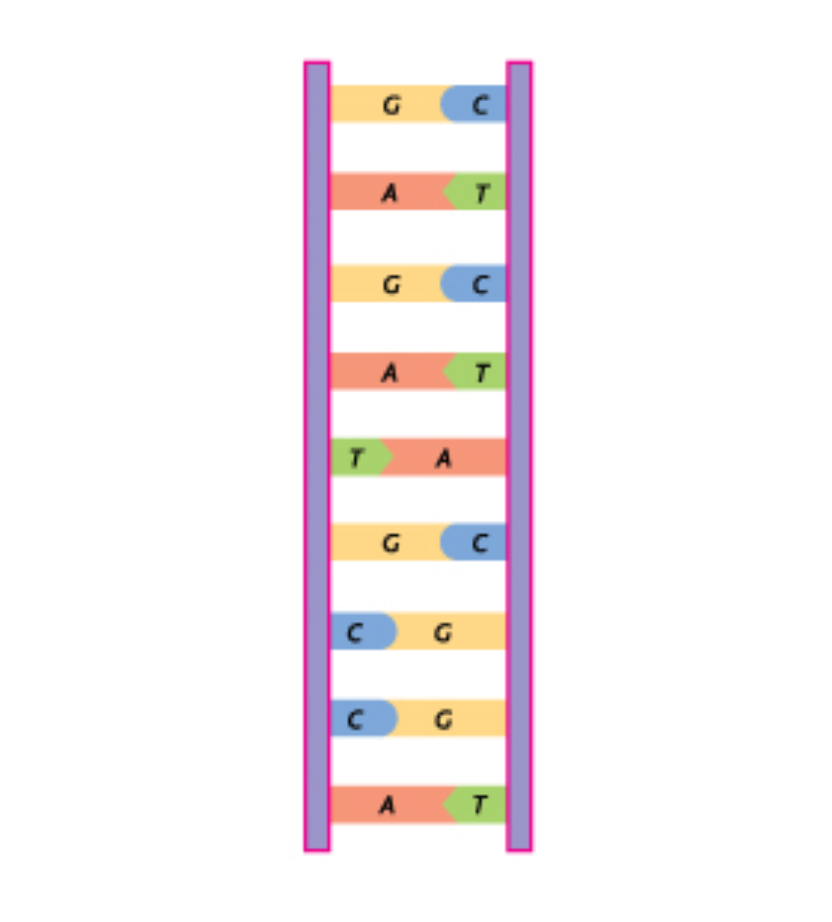
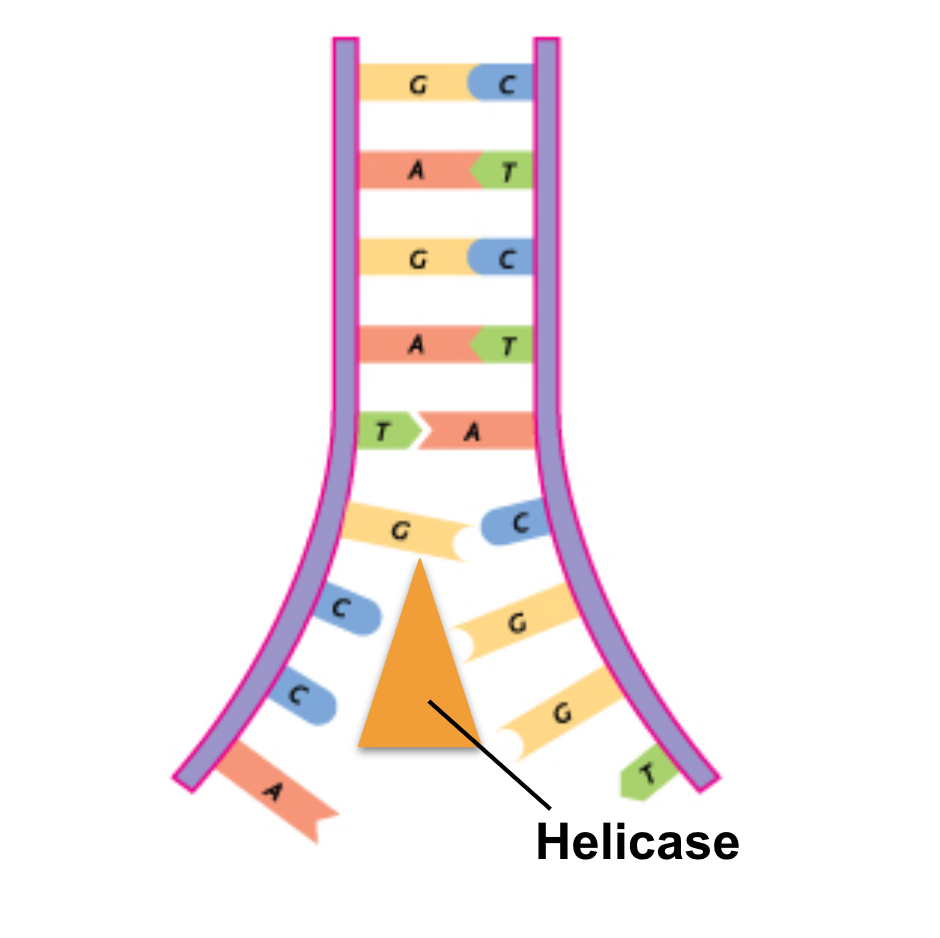
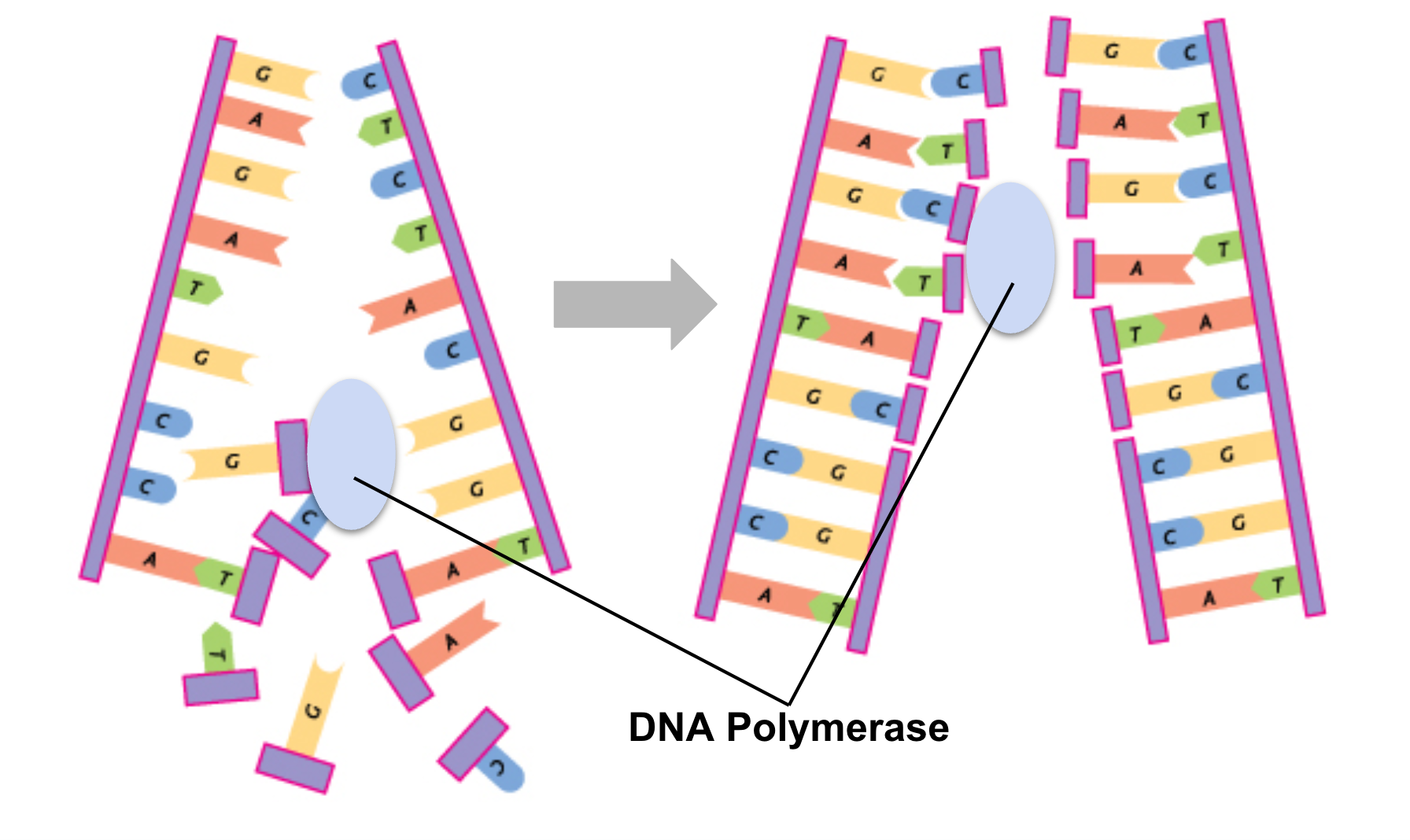
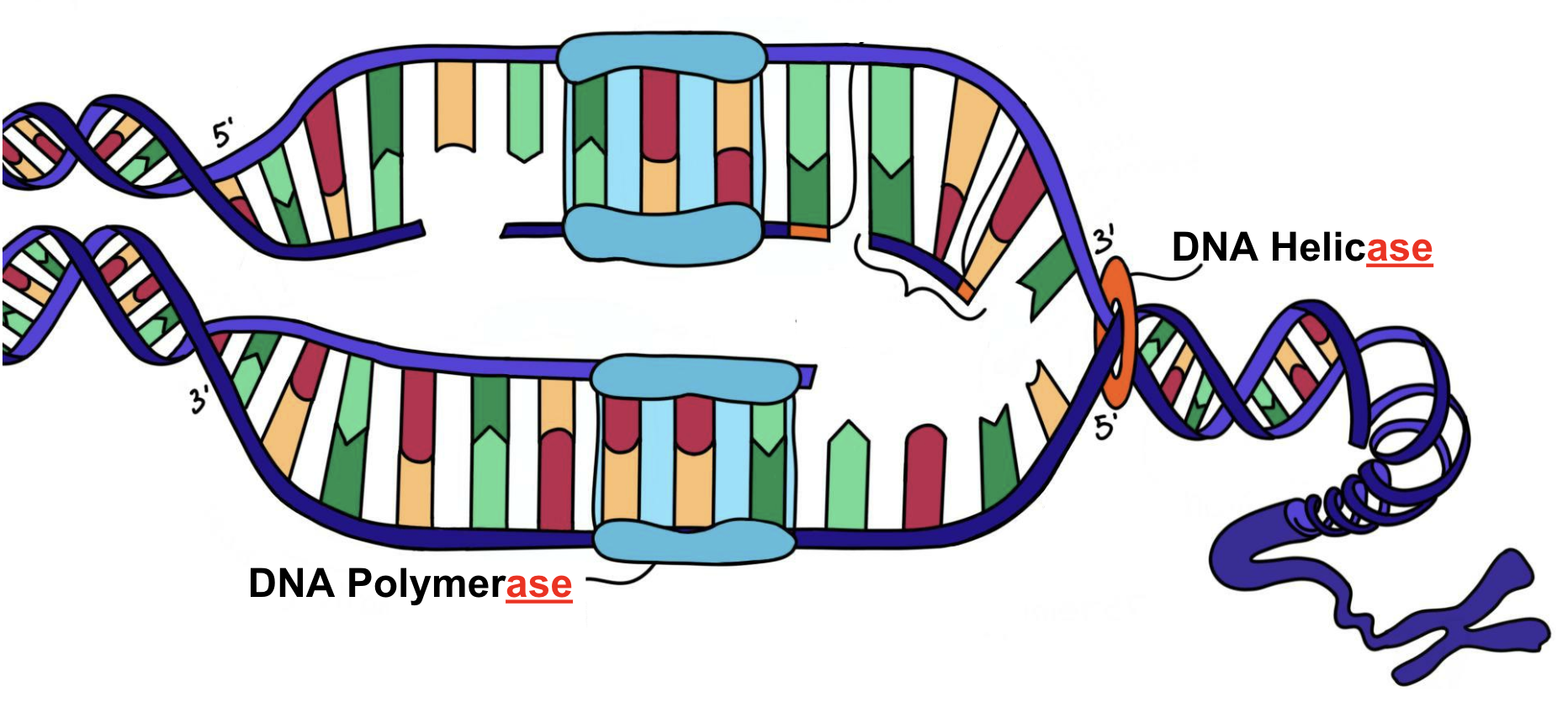
DNA replication creates strands of DNA during of the cell cycle with the help of the DNA polymerase and DNA helicase.
Which of the following components would be found in DNA?
(SELECT ALL THAT APPLY!!!)
A segment of a DNA strand is show below.
Which of these is the correct complementary DNA strand for the segment shown?
In a sample of DNA, the percentage of Thymine (T) is 70%. Based on this information, which of the following would be true?
The sequence (order) of nitrogen bases in DNA varies widely.
The sequence (order) of the bases in DNA is most important for which of the following?