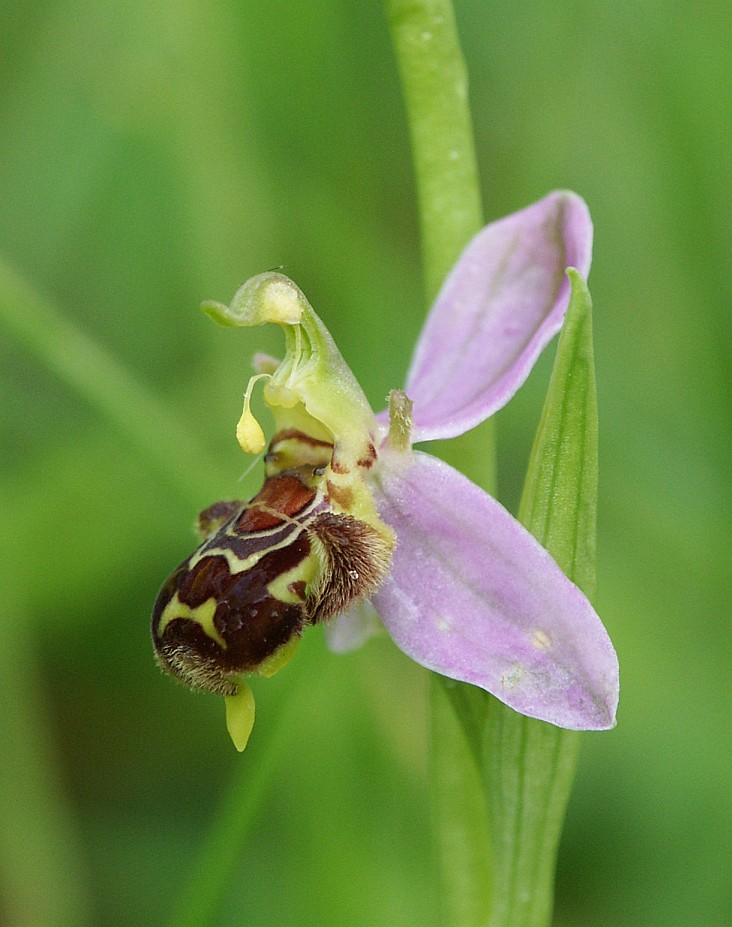
Use the diagram below to answer the questions.
Nødvendig
1
Nødvendig
1
Nødvendig
1
Nødvendig
1
What is self-pollination?
What is cross-pollination?
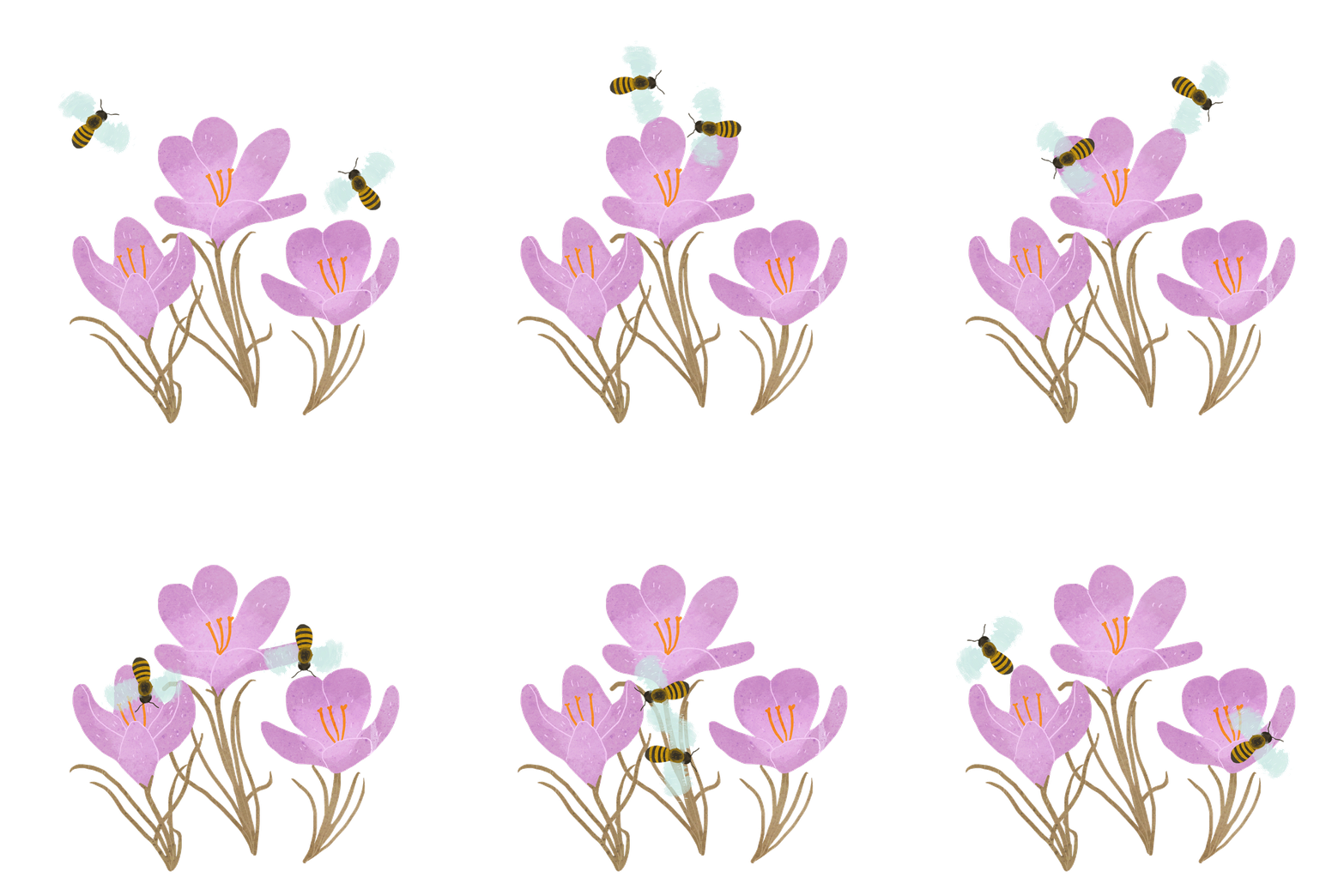
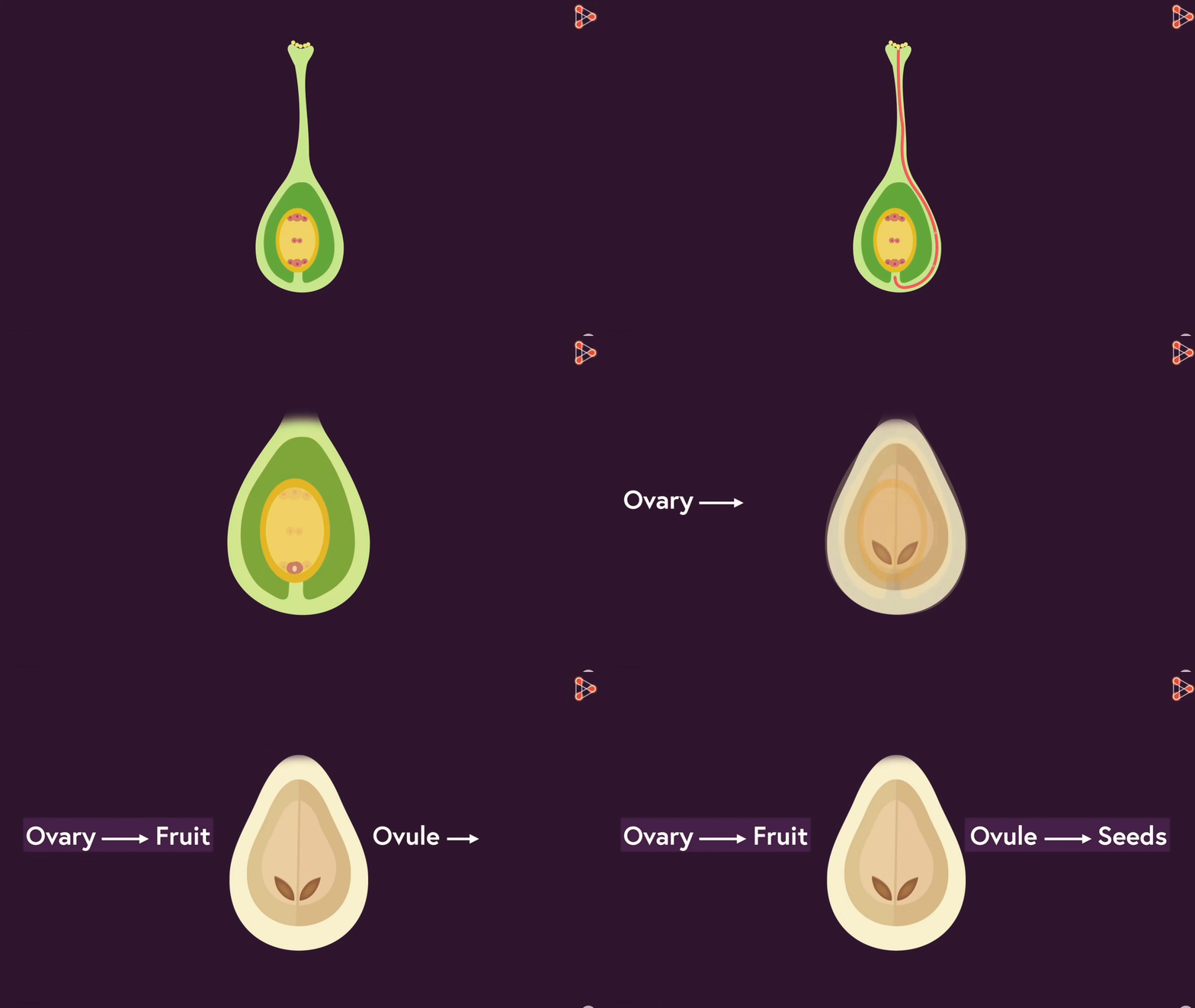
For a plant to be fertilized, from the anther must be transferred to the "sticky". The pollen then travels down the into the ovary.
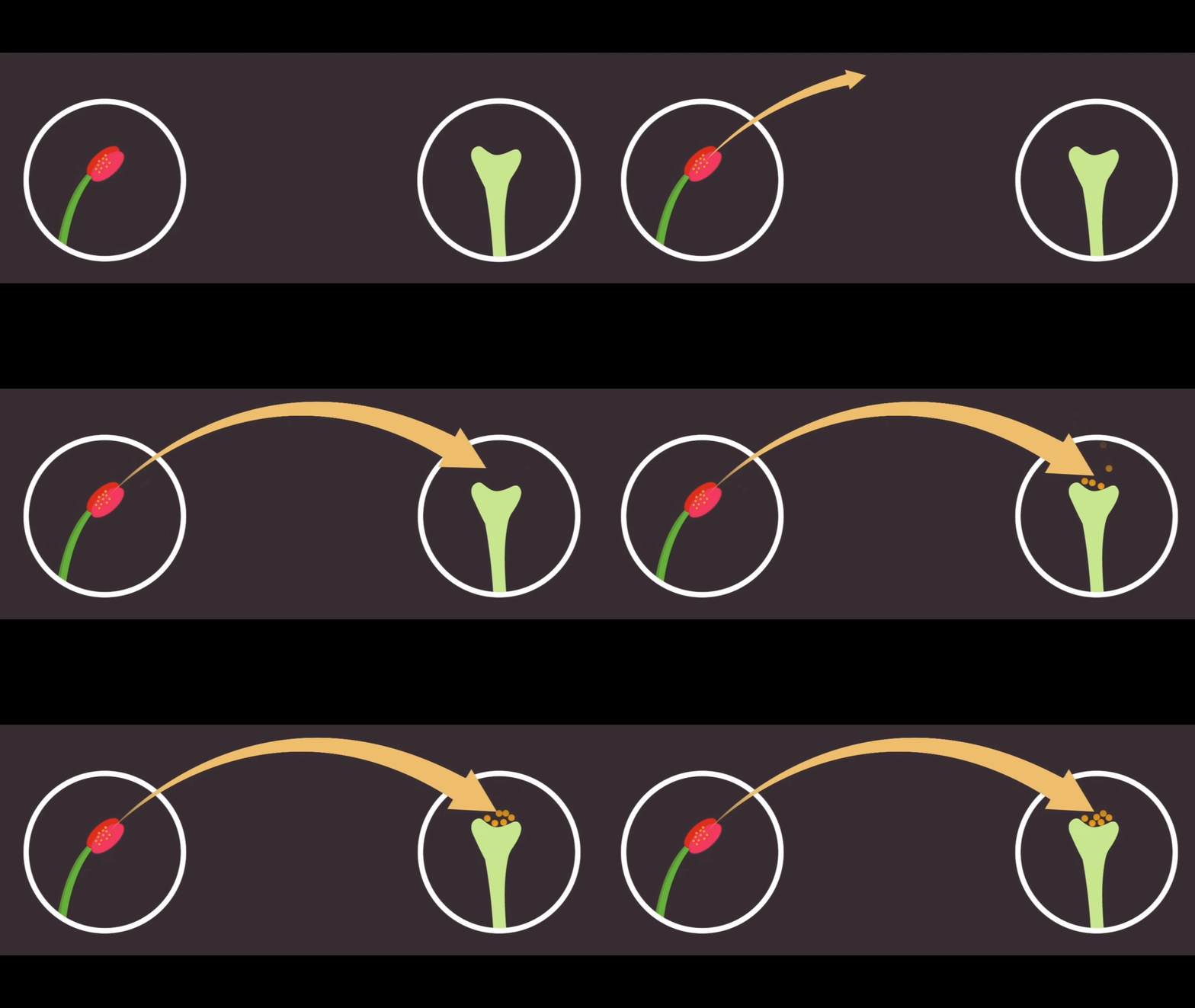
When cross-pollination has occurred, from the anther of will fuse with inside the ovary.
In flowering plants, fertilization leads to the development of fruit. Which of the following best describes this process?
Frogs often encounter predators in their environment. To escape danger, frogs can rapidly jump away using their powerful hind legs.
Which statement best describes the interaction between body systems that allows frogs to escape predators?
Chameleons can rapidly change the color of their skin in response to environmental changes or threats. This ability helps them communicate or camouflage to avoid predators.
Which statement best describes the interaction between body systems that allows chameleons to change color?
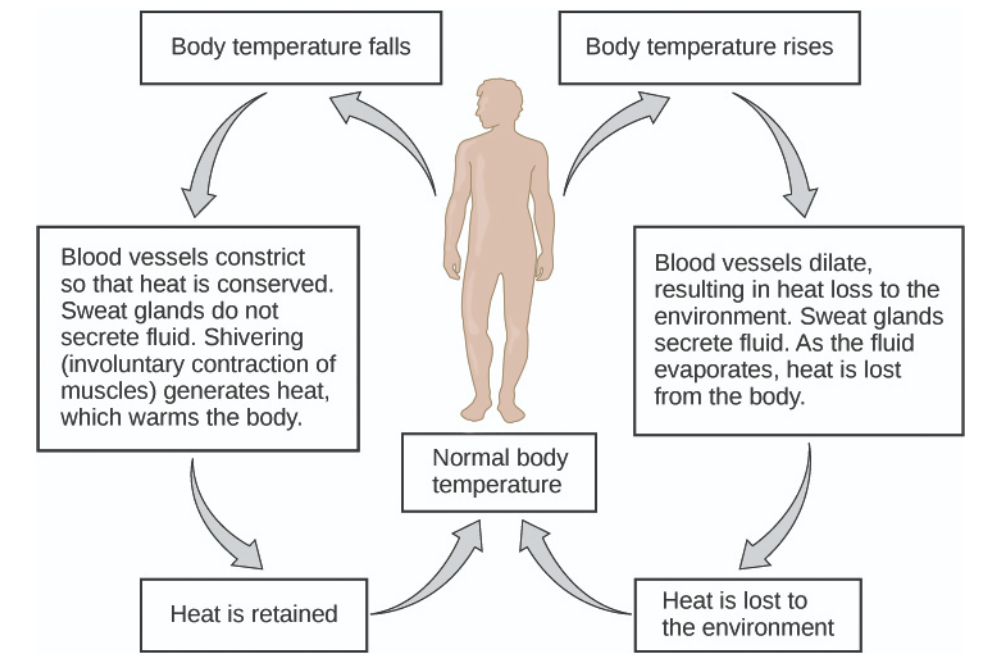
A feedback mechanism in the human body is shown
Based on the diagram, which two systems interact to maintain homeostasis?
Which sequence best describes an interaction between the respiratory and circulatory systems that helps maintain homeostasis?
Part A:
Based on this information, which two body systems are MOST DIRECTLY regulating the regular sleep schedule?
When blood sugar levels rise after eating, the pancreas releases the hormone insulin. Insulin signals cells in the liver and muscles to absorb glucose from the bloodstream, reducing blood sugar levels to maintain homeostasis.
This process involves the interaction of which organ systems?
Estrogen is a hormone released from the ovaries during puberty in females. From around ages 8 to 13, estrogen levels begin to increase, leading to several physical and physiological changes.
For females, increasing estrogen levels lead to:
Development of breasts
Widening of hips (pelvic bone)
Start of the menstrual cycle
Growth of pubic and underarm hair
What body systems are triggered as a result of increased estrogen levels during female puberty?
Select THREE correct answers.
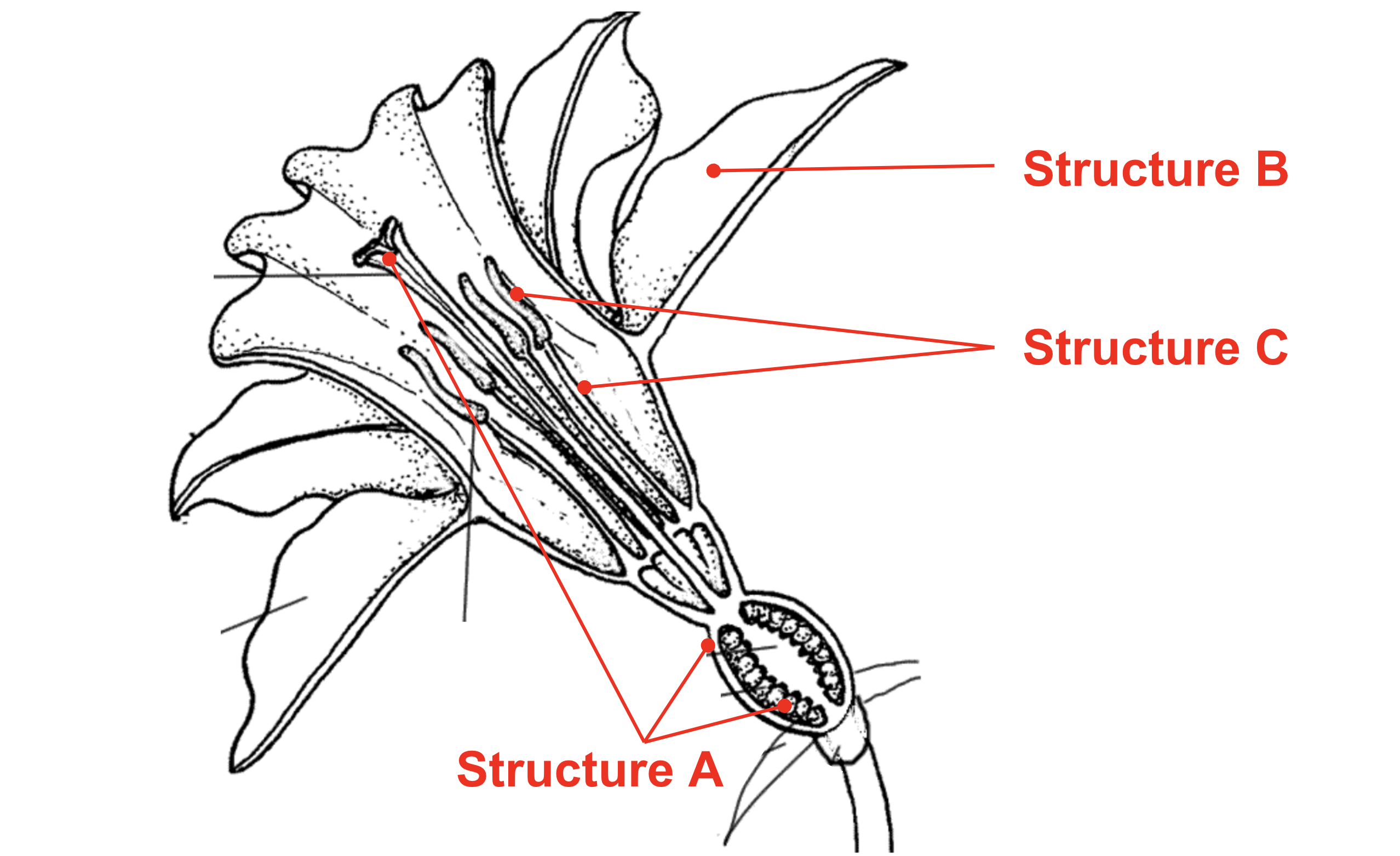
What portions of the flower are included under Structure A?
What portions of the flower are included under Structure B?
What portions of the flower are included under Structure C?
Which of these best describes the functions of Structures A, B, and C?
Part B
Which statement BEST supports the answer to Part A?