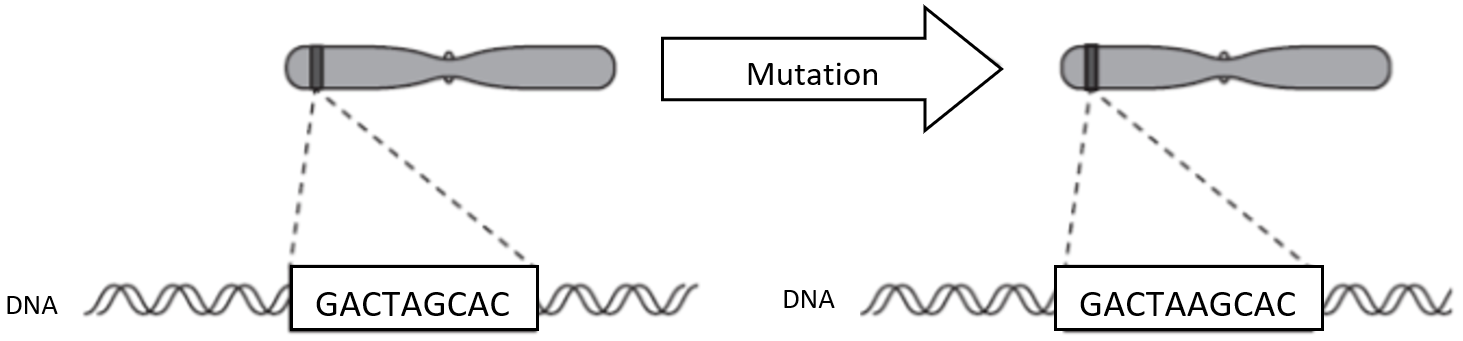
The diagram below shows three types of mutations. Determine which type of mutation is shown in each box. Move ONE correct answer to each box. Not all answers will be used.
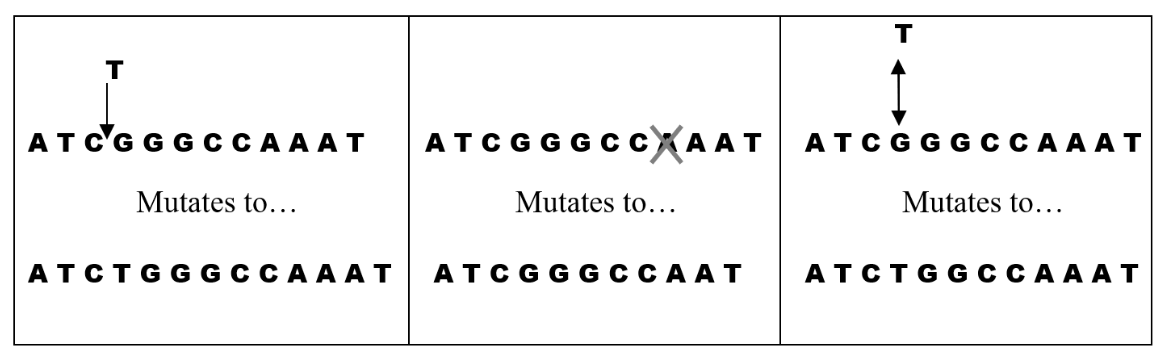
Mmuae Afoforo a Wobɛpaw:
Translocation
Insertion
Deletion
Substitution
Mutations are a permanent change in the of DNA which most often occurs during .
The diagram below shows three types of mutations. Determine which type of mutation is shown in each box. Move ONE correct answer to each box. Not all answers will be used.
Translocation
Insertion
Deletion
Substitution
Different types of mutations can occur in DNA. The diagram represents a type of mutation:
Which statement describes the mutation in the diagram?
Sickle-shaped red blood cells result from a mutation in the gene that codes for hemoglobin. This mutation results in sickle-cell anemia. A partial sequence of bases from a normal hemoglobin gene and a sequence that results in sickle-cell anemia are shown below.
What type of mutation is depicted in this sequence?
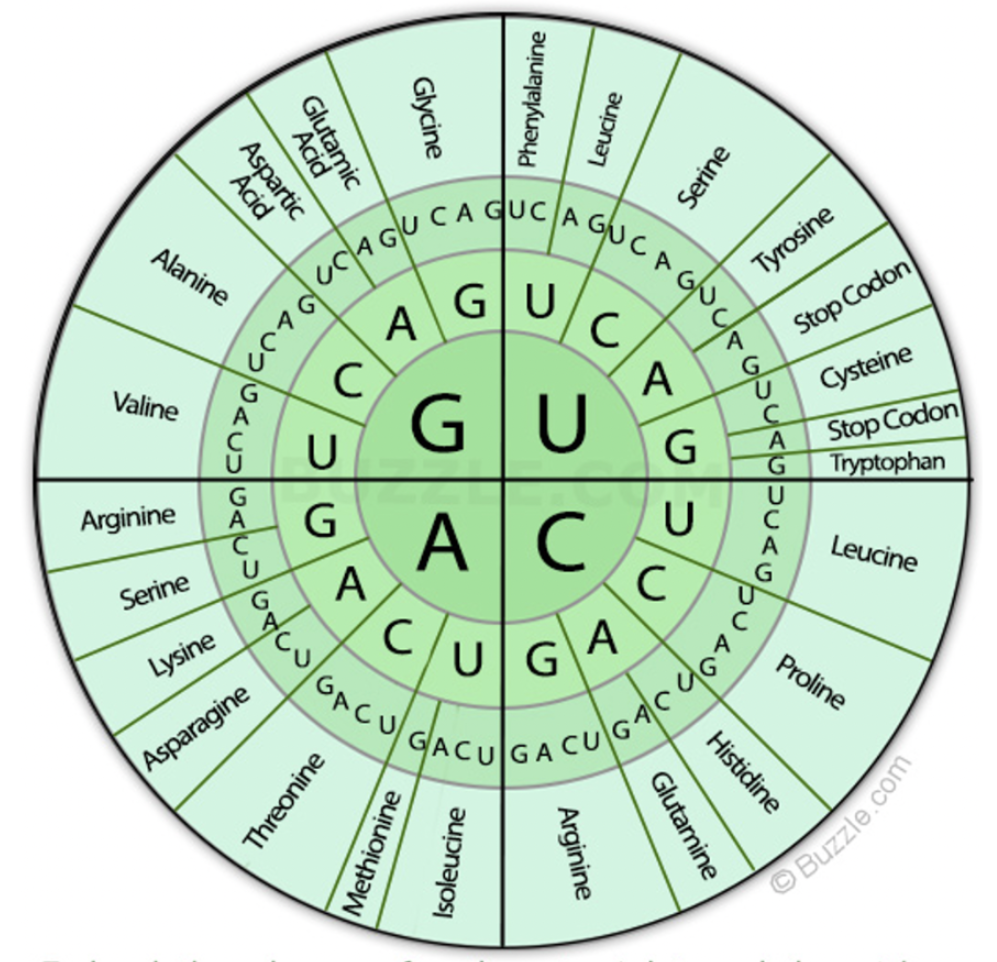
Below is an mRNA codon chart.
Use the Codon Chart and your knowledge to answer the following questions.
What is the amino acid for CGA?
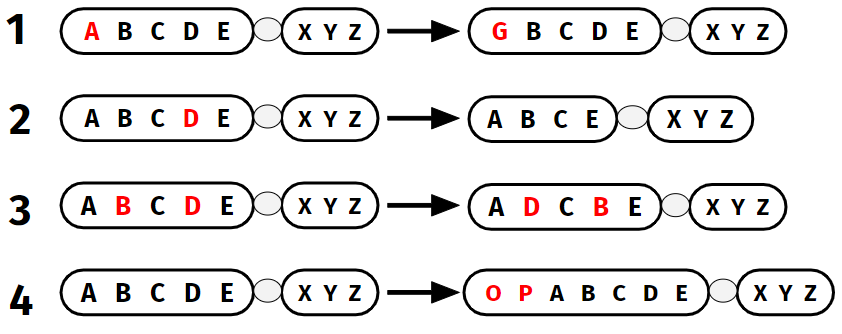
Observe the mutations in the diagram below.
Which mutations would cause a frameshift? Select TWO mutations.
A mutation is shown in the diagram below.
Based on the diagram, what kind of mutation has occurred?
Due to excessive amounts of ultraviolet (UV) radiation, a mutation has occurred in the gene of a skin cell causing a Cytosine (C) to pair with Thymine (T). This gene is then transcribed incorrectly into mRNA and translated into a polypeptide (protein). However, the resulting protein shows no errors in its amino acid sequence.
Based on this information, what conclusion can be made?
Tay-Sachs disease is a genetic disorder in which the body does not produce the necessary enzymes to break down certain fatty acids. The buildup of these fatty acids eventually leads to failure of the nervous system. Researchers have discovered that this disease is caused by a substitution mutation.
Which of the following statement explains why a single nucleotide switch can result in a disease like Tay-Sachs?
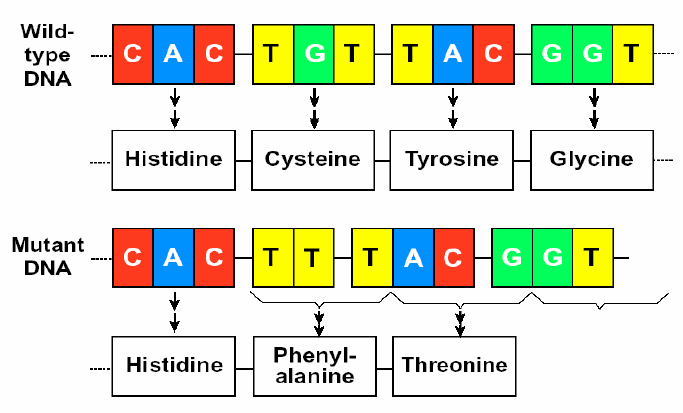
A student in biology is comparing strands showing mutations to DNA.
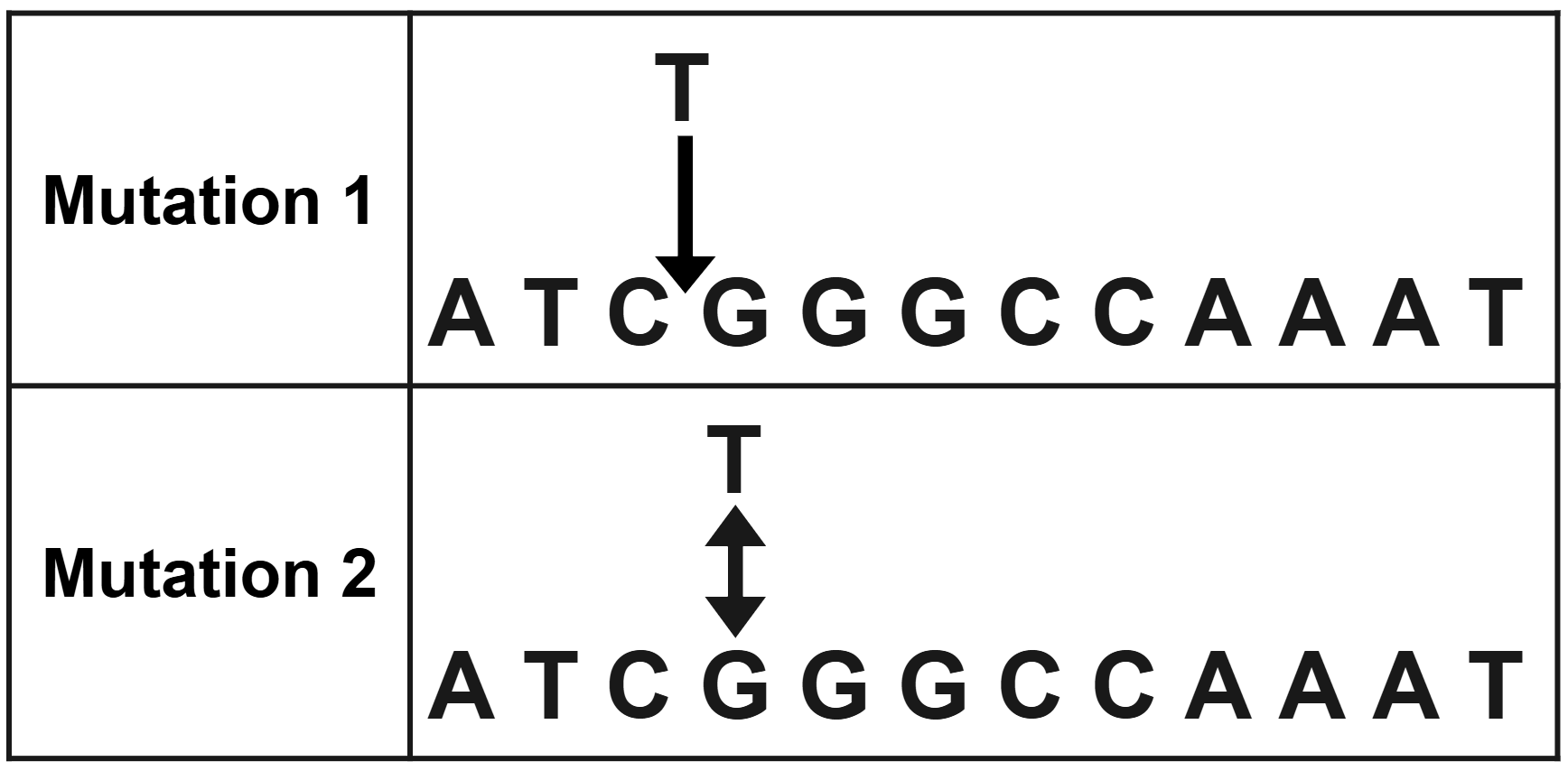
The student claims that Mutation 1 will cause more of an impact on the DNA sequence than Mutation 2.
Is the claim made by the student correct?
Explain why or why not
From the codons provided in the answer choices below, which mutation to the mRNA codon CGA will affect the protein produced?
Which statement below most accurately explains why mutations can be silent (no change in the protein)?