Spring til hovedindhold
Log ind
Sign up for FREE
arrow_back
Bibliotek

Unit 2 Extension: Life in Space? (2024)

star
star
star
star
star
Sidst opdateret 20 days ago
32 Spørgsmål
Life in Space Intro
Nødvendig
1

The results left scientists confused. If Astrum primus needs oxygen to survive, how has it been able to survive in space? Scientists went back to investigate the asteroid sample.

Further Investigation
Nødvendig
1
How is Survival in Space Possible?
Nødvendig
1
Nødvendig
1
Nødvendig
1
A happy ending... or is it?

The following passage is true.

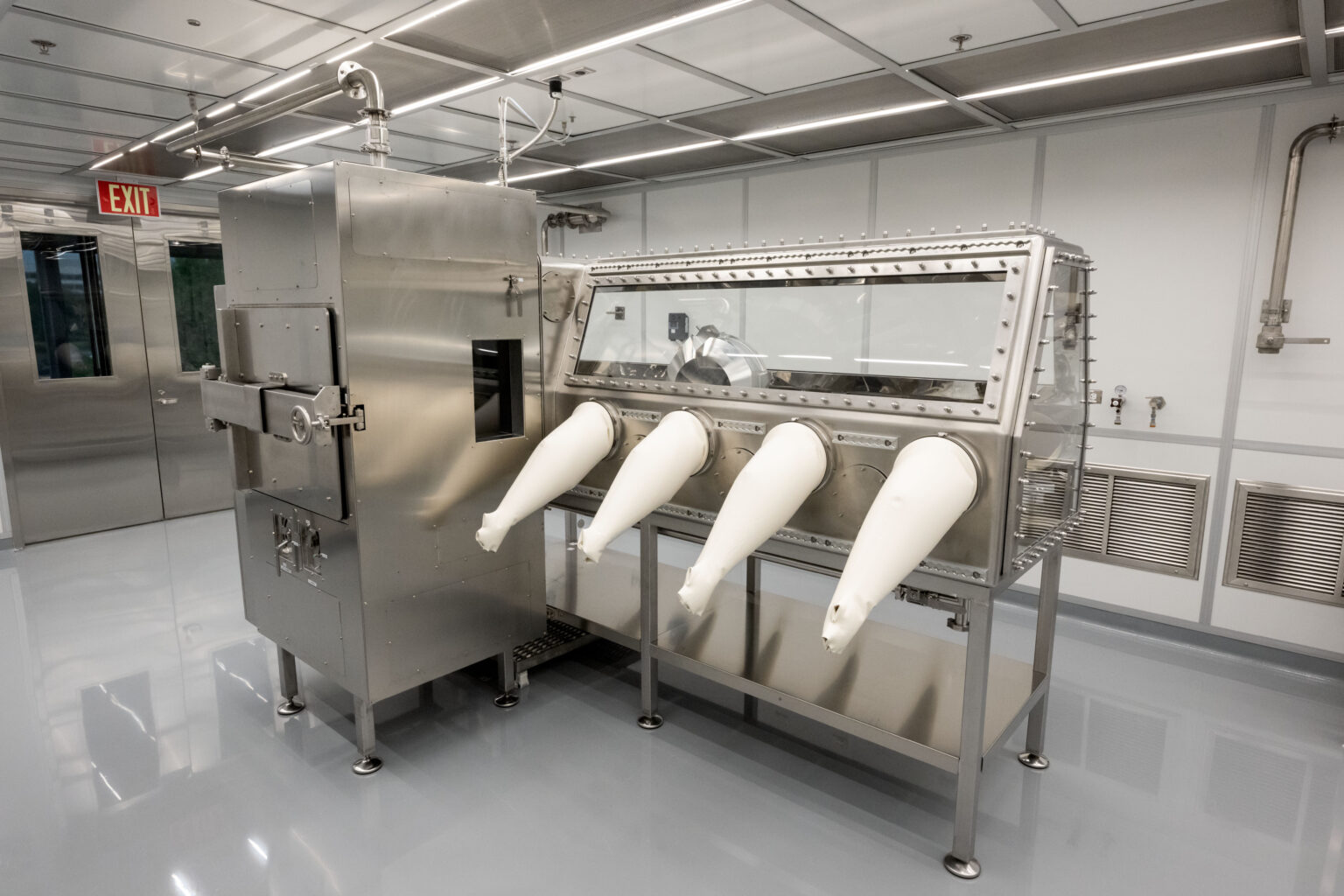
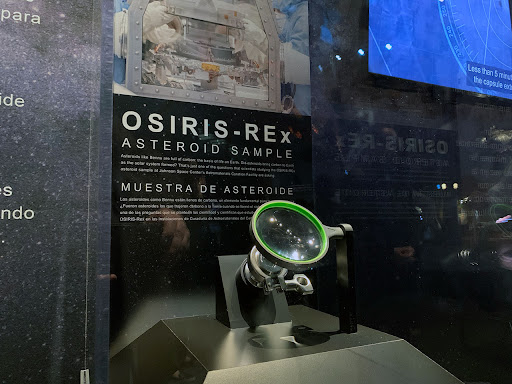
On September 24th, 2023, NASA's OSIRIS-REx spacecraft returned to Earth with samples from the asteroid Bennu. The spacecraft was then transported to the Johnson Space Center (right here) in Houston, Texas on September 25th.
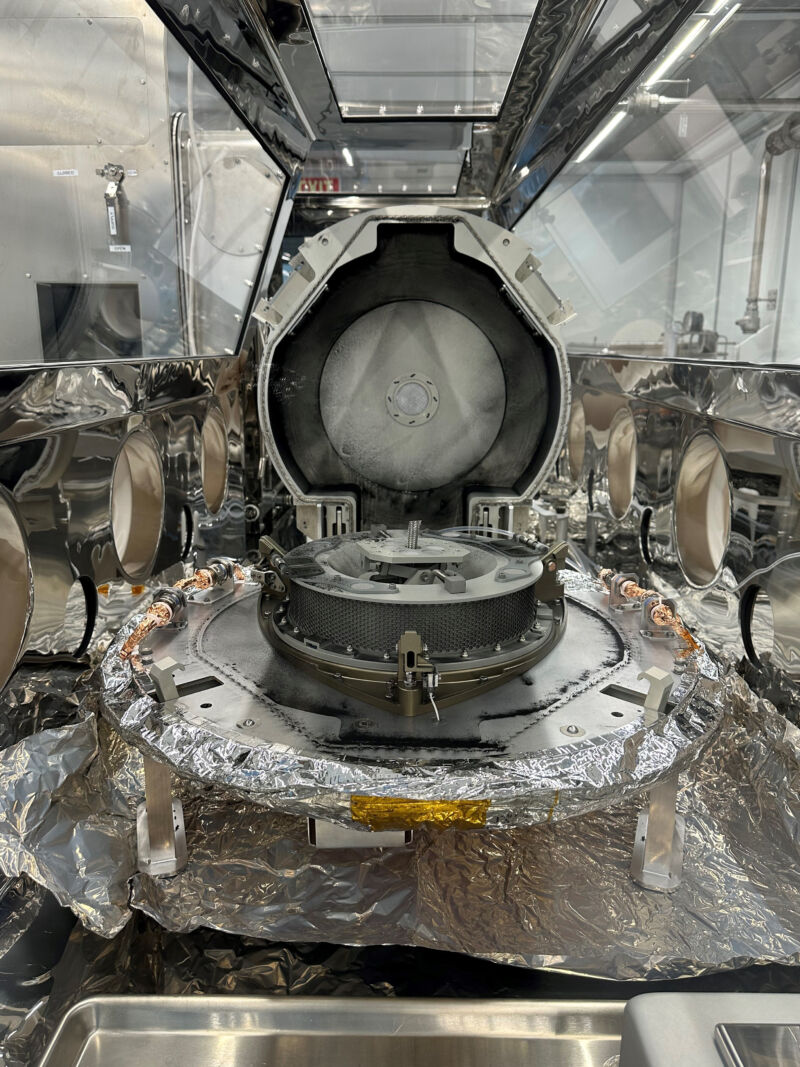
Scientists will now study the dust, chemicals, and minerals from the asteroid sample to gain new insight into how the solar system formed and learn more about the early building blocks of life which may have contributed to life on Earth.

Nødvendig
1
Spørgsmål 1
1.

What is the name of the spacecraft carrying samples from Bennu?

Nødvendig
1
Nødvendig
1
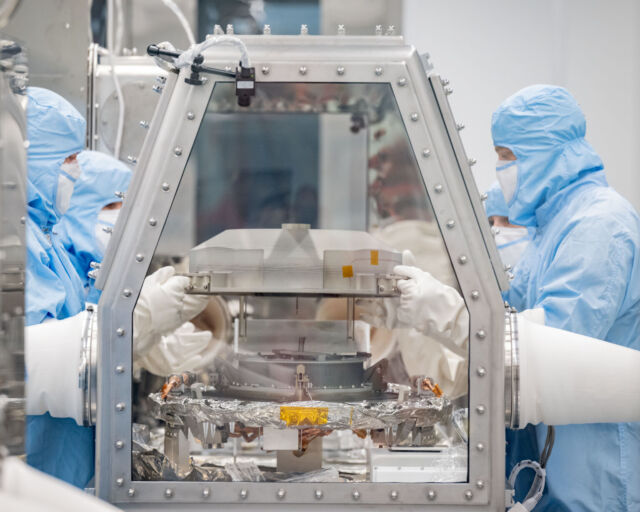
The following passages are hypothetical (NOT true). As of September 28th, scientists have NOT actually found any organisms in the asteroid sample.

Scientists studying the samples from Bennu have identified an unknown organism living inside of the asteroid pieces. Under the microscope, the organism appears to have genetic material inside a nucleus.

They have decided to call this unknown organism "Astrum primus" because it is the first organism we have found in outer space.

Nødvendig
1
Spørgsmål 4
4.

What kind of organism do you think the scientists found?

Nødvendig
1
Spørgsmål 5
5.

What is your reasoning for #4? (How did you determine what kind of organism it is?)

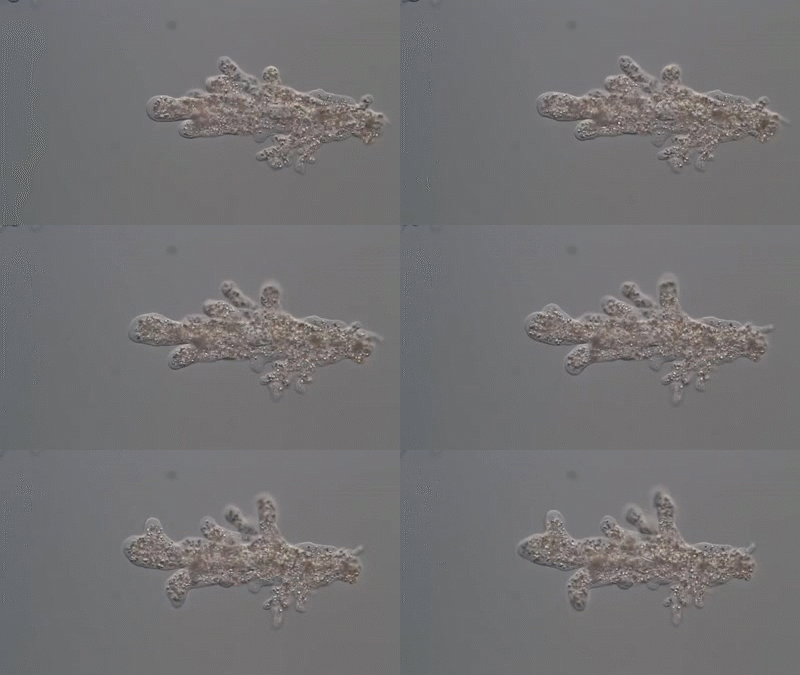
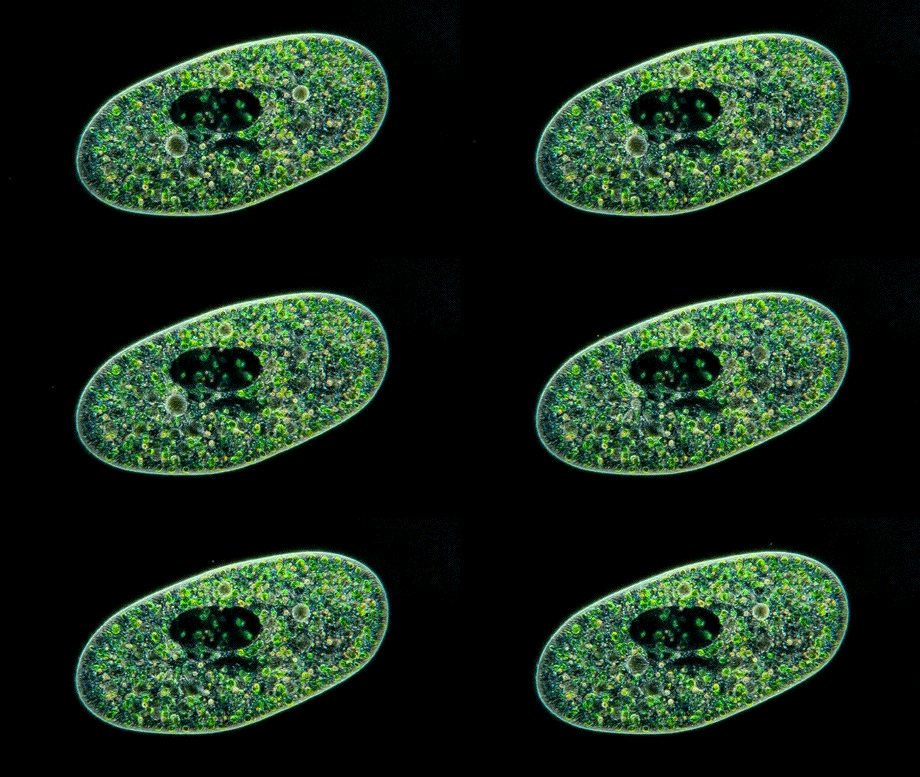
The animation below shows what Astrum primus looks like under the microscope.

Scientists have noted a few other characteristics about A. primus:

-It has many small structures that hold food and water for it.

-The entire organism has a phospholipid bilayer around it, which it uses to transport molecules in and out.

-The organism can move around to eat food

-The organism is capable of synthesizing its own proteins.

-The organism appears to be able to make energy by breaking down other minerals.

Nødvendig
1
Nødvendig
1
Nødvendig
1
Nødvendig
1
Spørgsmål 10
10.

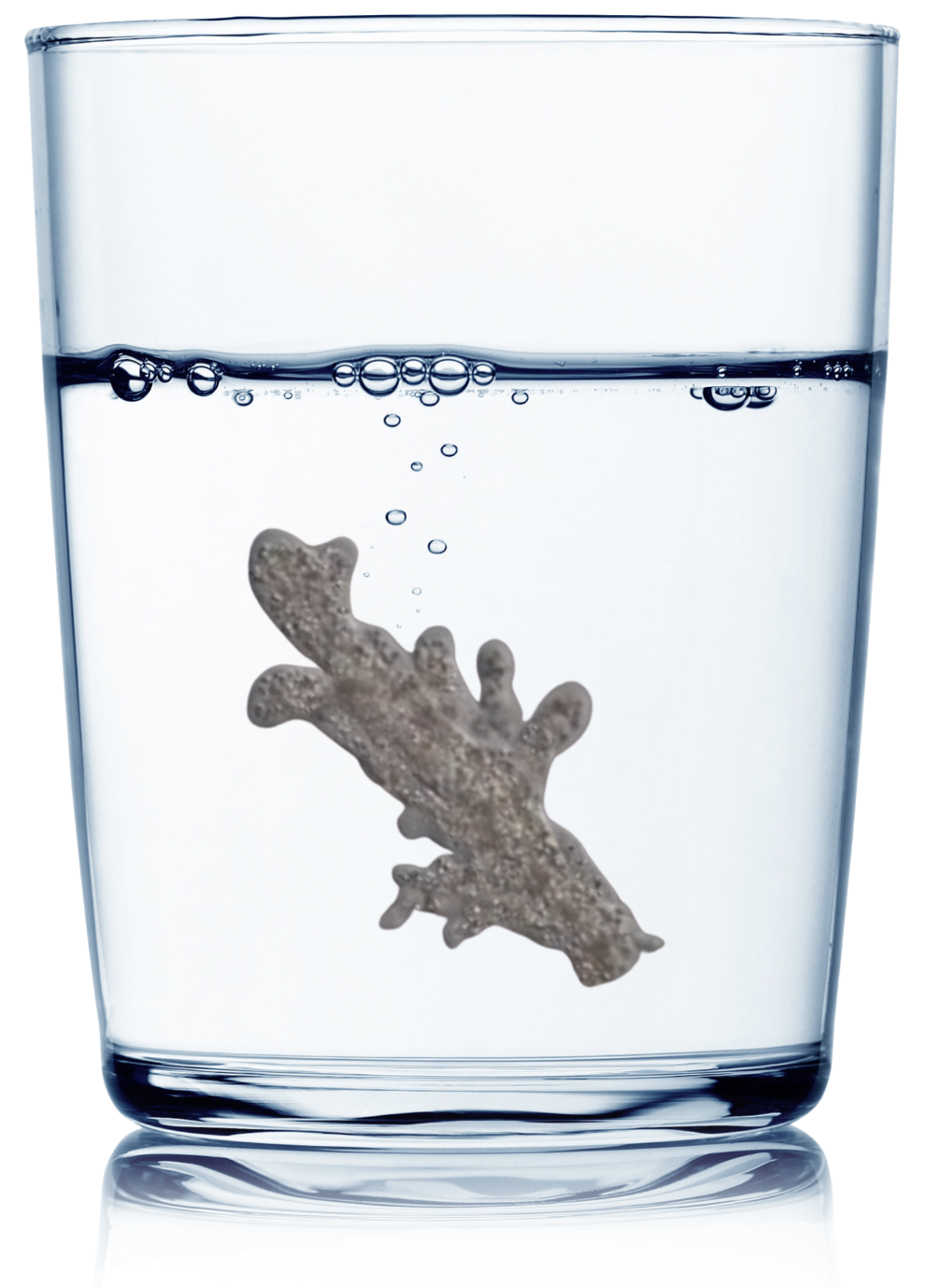
After analyzing Astrum primus, scientists have determined that the organism is made of 70% water.

If A. primus was placed into a saline solution of 30% salt, then the cell would water.

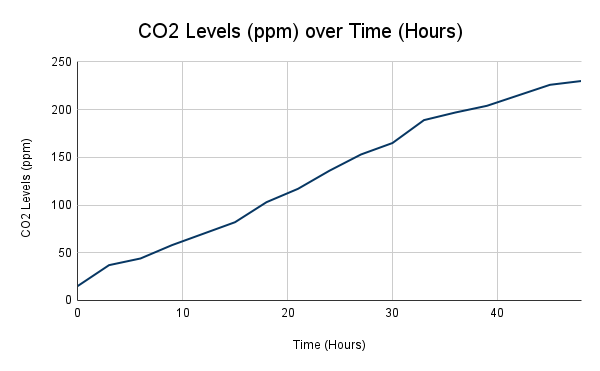
In order to get a better understanding of Astrum primus, scientists set up a chamber that could measure the amount of carbon dioxide and oxygen it produces.

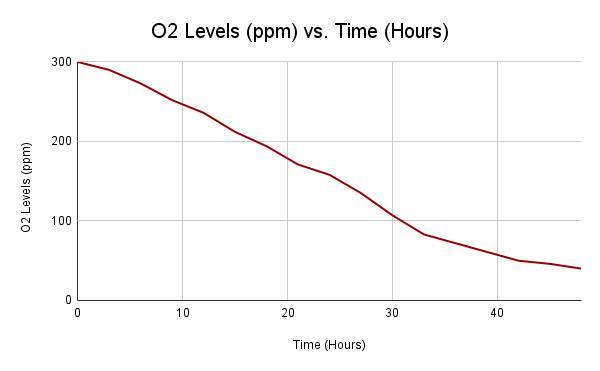
The graphs below represent how much carbon dioxide (blue line) and oxygen (red line) were measured over 48 hours (two days). Scientists observed that after 3 days, Astrum primus was no longer alive.

Carbon Dioxide:

Oxygen:

1
Spørgsmål 11
11.

What happens to the amount of carbon dioxide in the chamber over time?

1
Spørgsmål 12
12.

What happens to the amount of oxygen in the chamber over time?

Nødvendig
1
Spørgsmål 13
13.

What would cause Astrum primus to die after 3 days in the chamber?

Considering that there is no oxygen in outer space, scientists did not understand how Astrum primus was able to continue carrying out its metabolic processes without an oxygen supply.

Upon further investigation, scientists discovered a second organism living in the rock sample that they have named Astrum chlorophyta.

The animation below shows what Astrum chlorophyta looks like under the microscope.

Scientists have noted a few other characteristics about A. chlorophyta:

-It has one large structure that holds water for it.

-The entire organism has a thick outer covering made of cellulose which provides support and protection.

-The organism is capable of absorbing light energy to make glucose.

-The organism is capable of synthesizing its own proteins.

-The organism has genetic material inside a nucleus.

Nødvendig
1
Nødvendig
1
Nødvendig
1
Nødvendig
1
Spørgsmål 18
18.

After analyzing Astrum chlorophyta, scientists have determined that the organism is made of 65% water.

If A. chlorophyta was placed into a solution of pure water, then the cell would water.

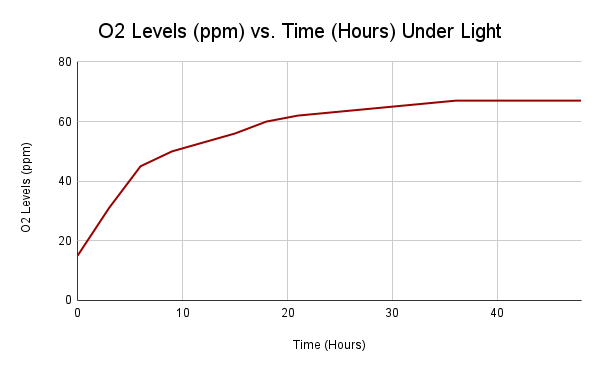
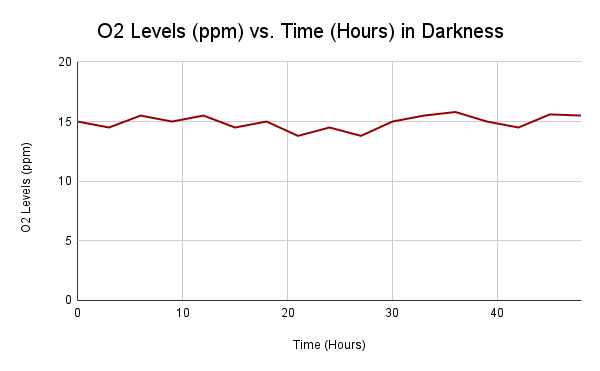
The graphs below represent how much oxygen was measured over 48 hours (two days) in both a light environment and dark environment.

Light Environment:

Dark Environment:

1
Spørgsmål 19
19.

What happens to the amount of oxygen in the light environment over time?

1
Spørgsmål 20
20.

What happens to the amount of oxygen in the dark environment over time?

1
Spørgsmål 22
22.

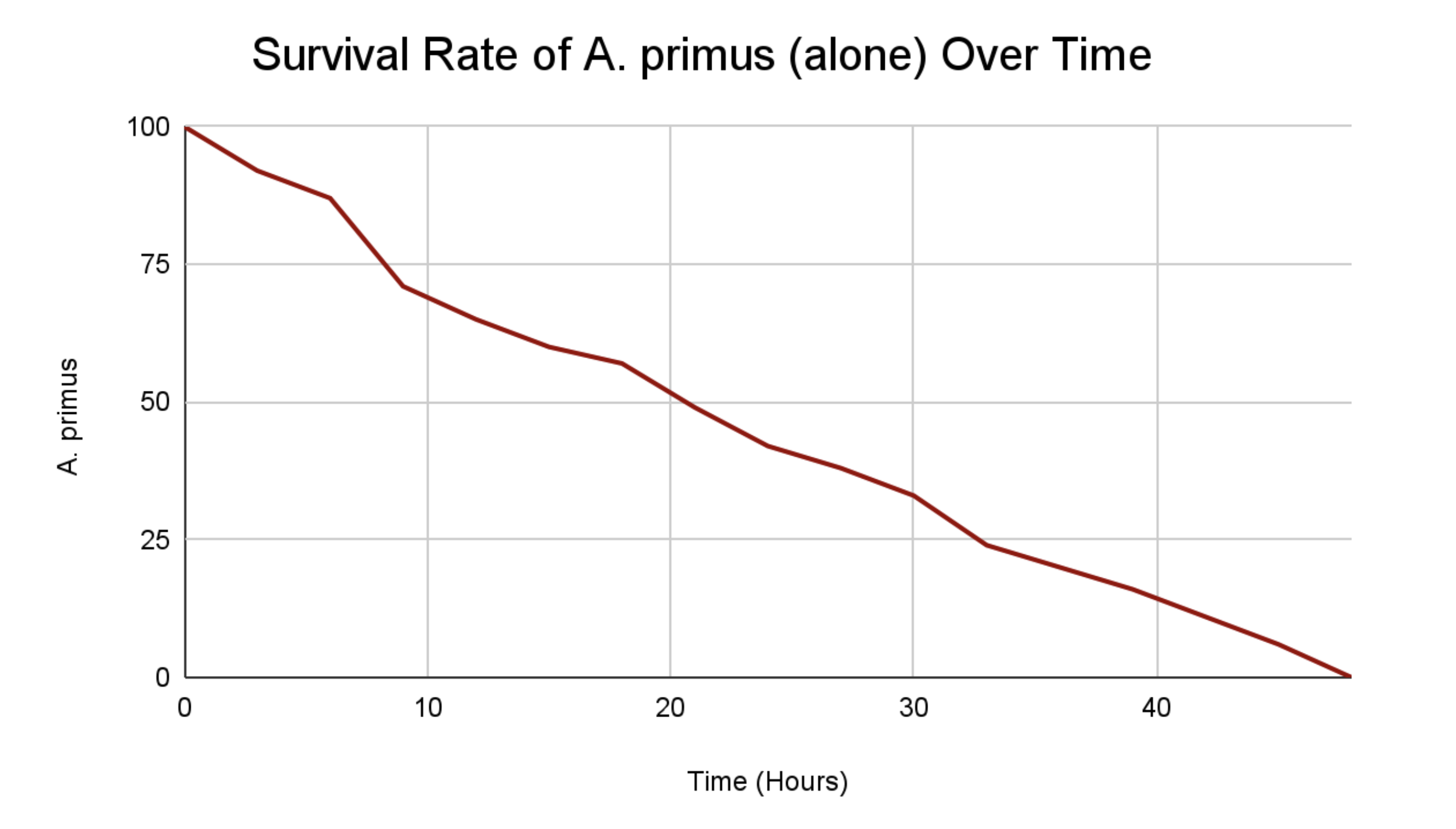
NASA scientists were curious to see survival patterns between the two new organisms and measured their survival rates. The graph below shows the survival rate of A. primus.

What happens to A. primus over time?

Spørgsmål 23
23.

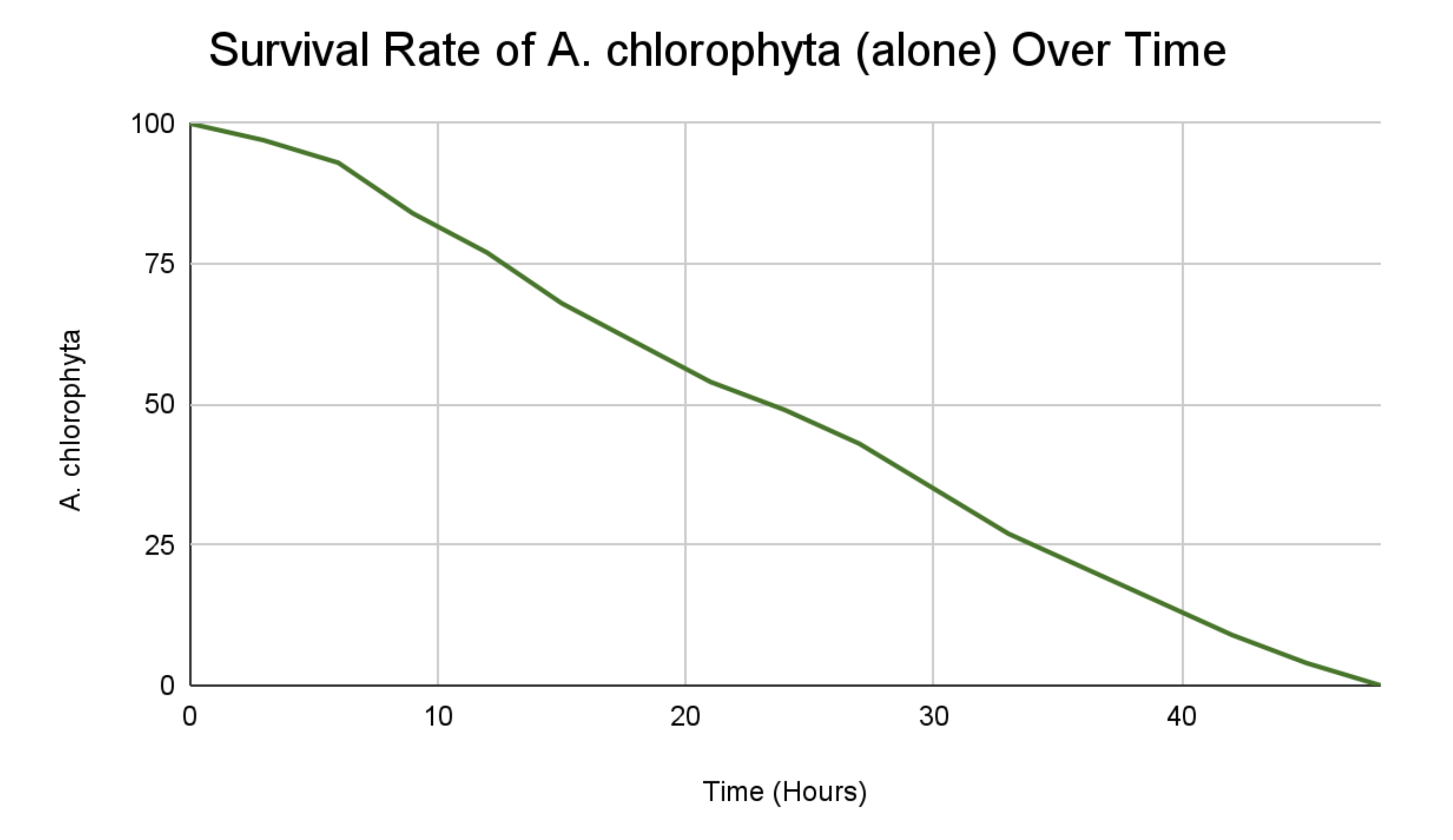
NASA scientists were curious to see survival patterns between the two new organisms and measured their survival rates. The graph below shows the survival rate of A. chlorophyta.

What happens to A. chlorophyta over time?

Spørgsmål 24
24.

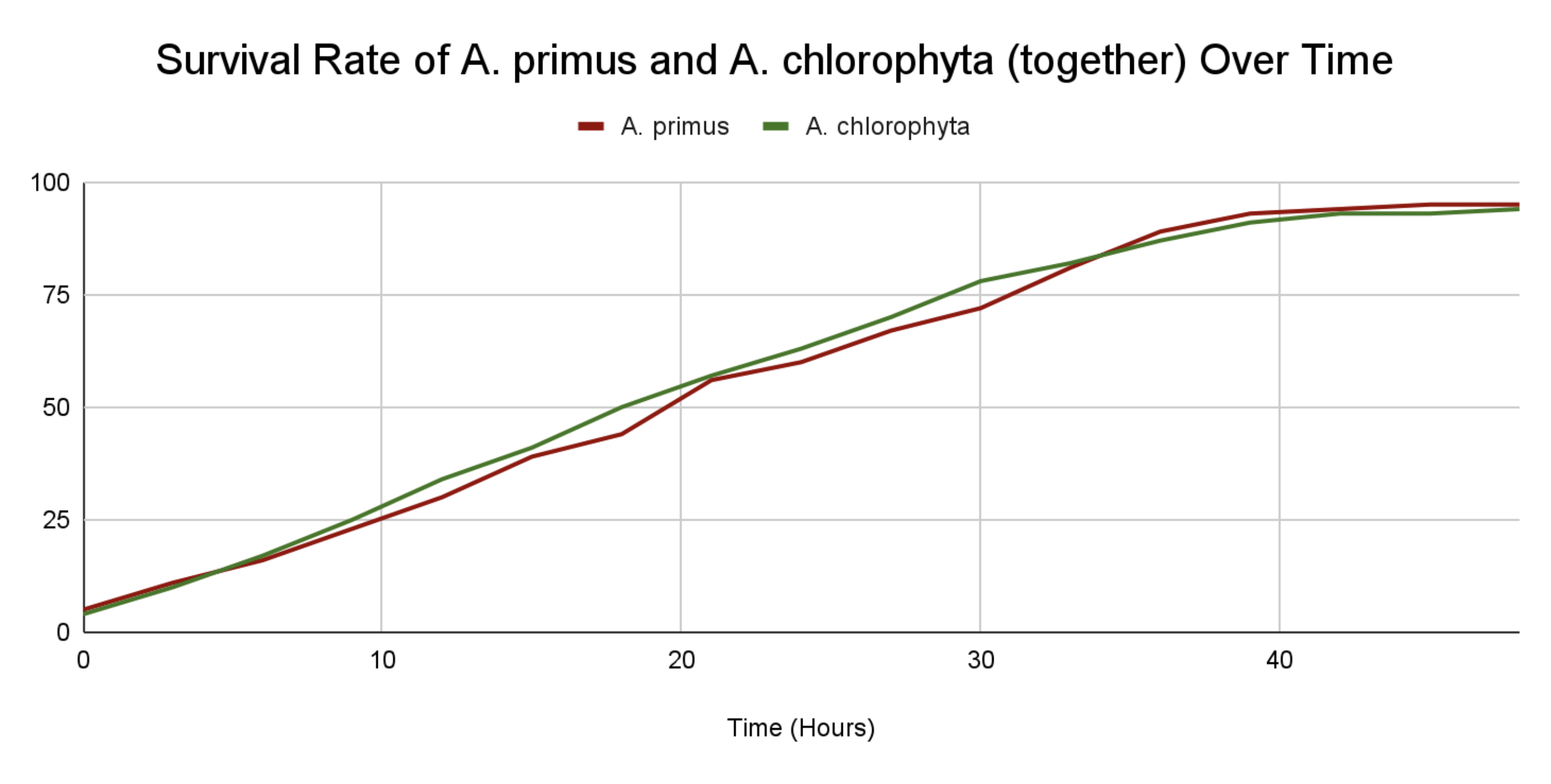
NASA scientists were curious to see survival patterns between the two new organisms and measured their survival rates. The graph below shows the survival rate of A. primus and

A. chlorophyta together.

What can you conclude about A. primus and A. chlorophyta?

Is something like this truly possible? Can two organisms survive that long on their own without any other outside help?

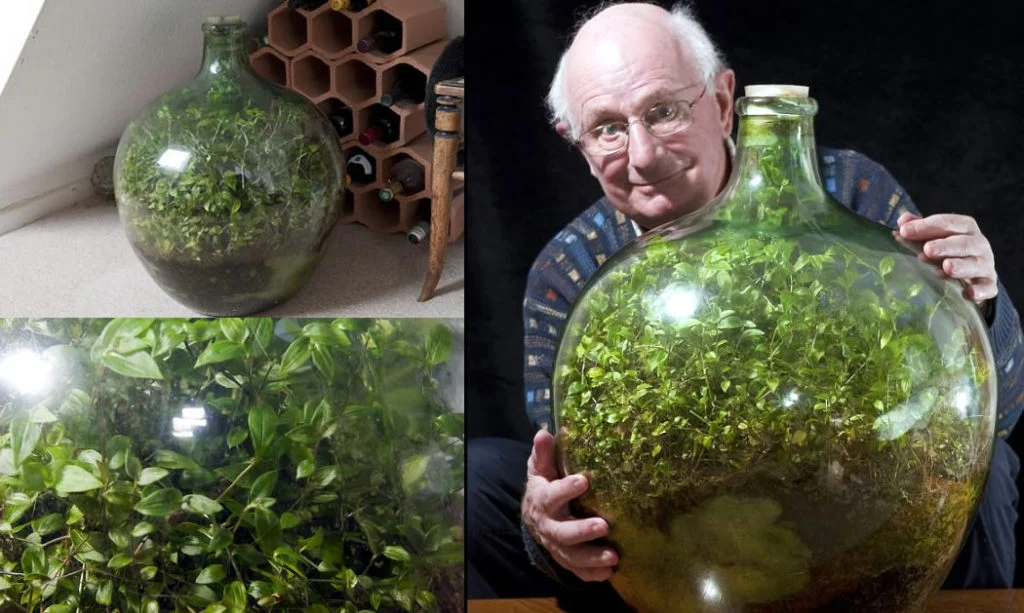
A man by the name of David Latimer has proven just that. In 1972, Latimer watered a plant inside a bottle for the last time, then sealed it shut for good. 51 years later, his plant is still alive and growing!

This sealed bottle is known as a terrarium, or a self-sustaining ecosystem. It does not require any extra oxygen, water, or nutrients because all of the materials are recycled inside the sealed bottle.

Nødvendig
1
Spørgsmål 25
25.

What is a terrarium?

Nødvendig
1

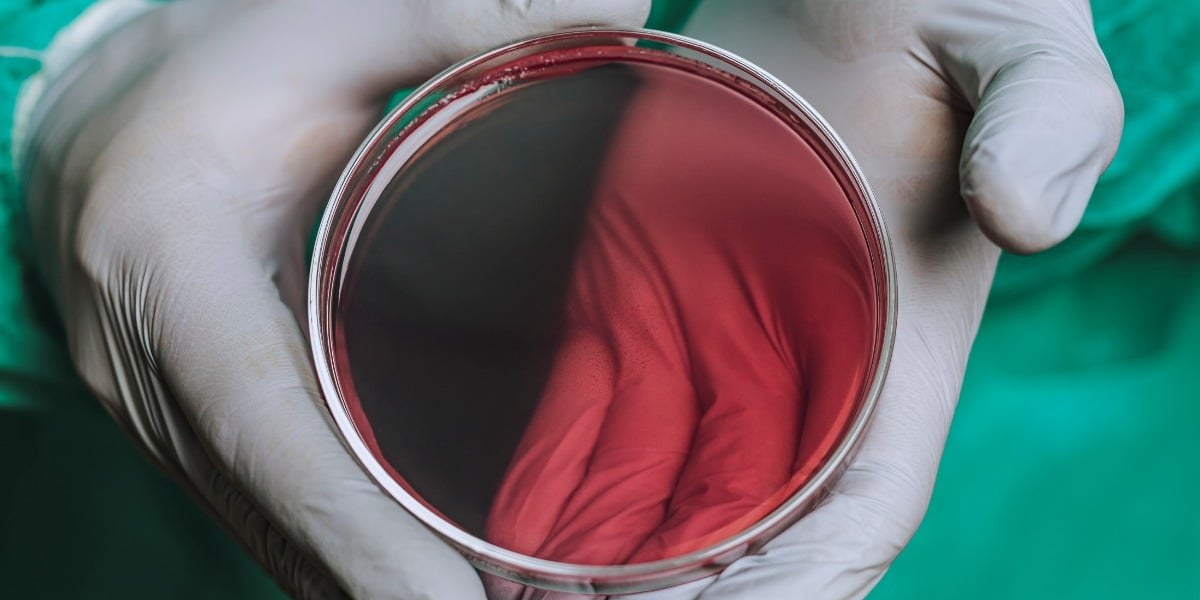
2 days after the scientists studied the asteroid sample, their skin started to take on a green tint. They also became developed a fever, a bad cough, and nausea/vomiting.

A medical doctor took some samples and decided to run a cell culture. The results are shown below.

She noticed that while the pathogen seemed to be replicating quickly in their bodies, nothing grew at all on the agar plate.

Nødvendig
1
Spørgsmål 27
27.

Based on the results of the cell culture, what is making the scientists sick?

Nødvendig
1
Nødvendig
1
After some additional studies, the medical doctor realized that all of the scientists who got sick were the ones who came into direct contact with the asteroid sample.

However, anyone who did not touch the asteroid sample was completely healthy.

Nødvendig
1
Spørgsmål 30
30.

Which of these best explains why the scientists who did not touch the sample stayed healthy?

Nødvendig
1
Nødvendig
1
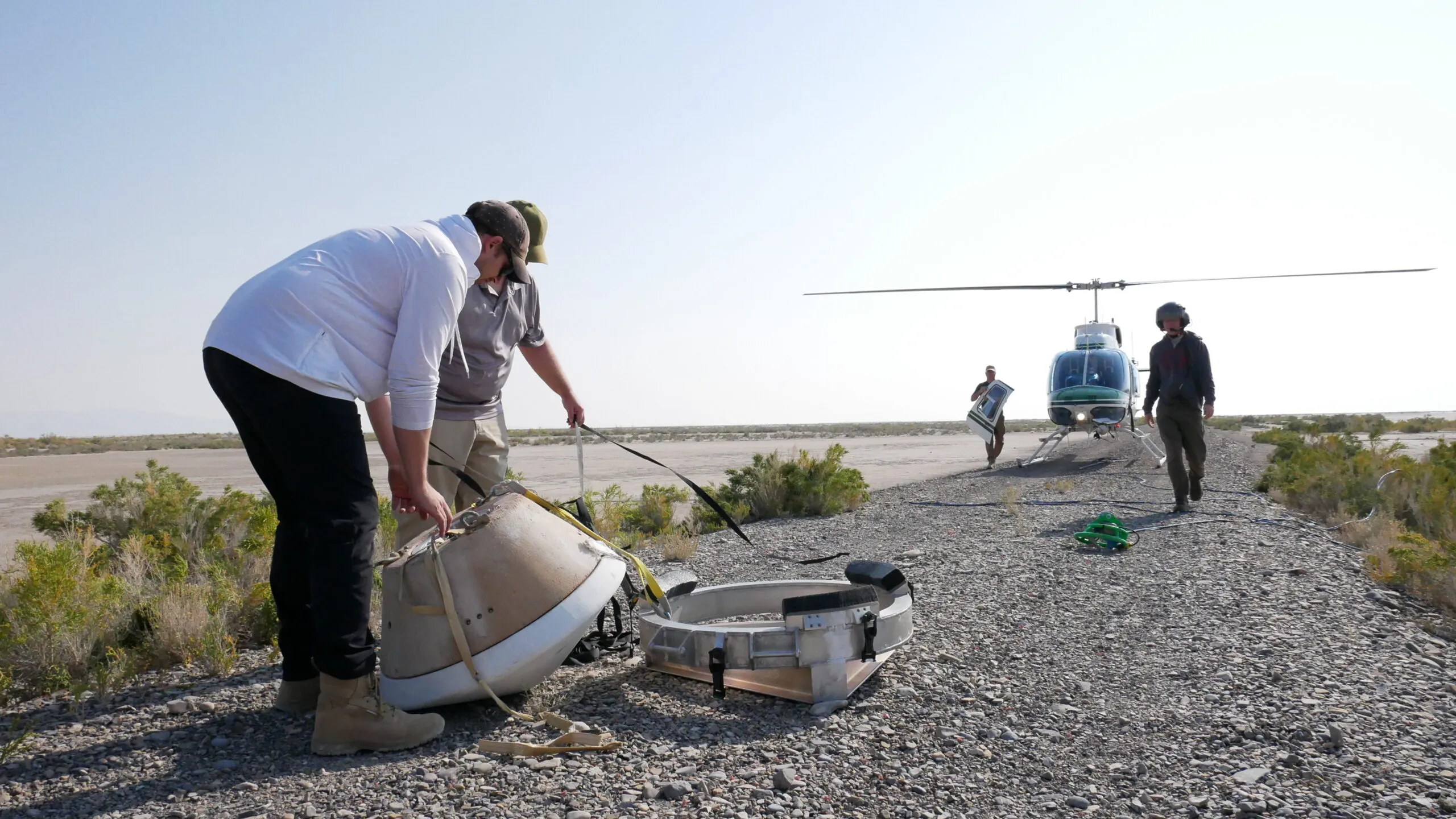
Curious to learn more about NASA's actual OSIRIS-REx mission? Click here to check it out on their website!

You can also see a sample from this asteroid on display right here at NASA's Space Center Houston!

Spørgsmål 2
2.

Where will these studies of the asteroid samples take place?

Spørgsmål 3
3.

What are scientists hoping to study?

Spørgsmål 6
6.

What kind of organism is Astrum primus most similar to?

Spørgsmål 7
7.

What is the phospholipid bilayer around A. primus?

Spørgsmål 8
8.

What organelle does A. primus have if it can synthesize its own proteins?

Spørgsmål 9
9.

What organelle would allow A. primus to make energy?

Spørgsmål 14
14.

What kind of organism is Astrum chlorophyta?

Spørgsmål 15
15.

What kind of organism is A. chlorophyta most similar to?

Spørgsmål 16
16.

What is the thick outer covering made of cellulose that provides support and protection for A. chlorophyta?

Spørgsmål 17
17.

What organelle would allow A. chlorophyta to absorb light energy?

Spørgsmål 21
21.

What is the best explanation for the results observed in the two graphs?

Spørgsmål 26
26.

Why is a terrarium also called a self-sustaining ecosystem?

Spørgsmål 28
28.

Which of these best explains the results of the cell culture?

Spørgsmål 29
29.

What should the doctor create to prevent others from contracting the illness?

Spørgsmål 31
31.

Which of these best explains the results of the cell culture?

Spørgsmål 32
32.

After further studies, the doctor determined that only humans can contract the disease, while A. primus and A. chlorophyta showed no signs of illness.

Which of these best explains why humans got sick, but not the other microorganisms that were on the asteroid sample?