Twa kɔ nsɛm atitiriw so
Log in
Sign up for FREE
arrow_back
Laabri

Intro to Cell Specialization

star
star
star
star
star
Last updated about 2 hours ago
17 Nsɛmmisa
Cell Specialization Reading
1
1
1
Exit Ticket
2

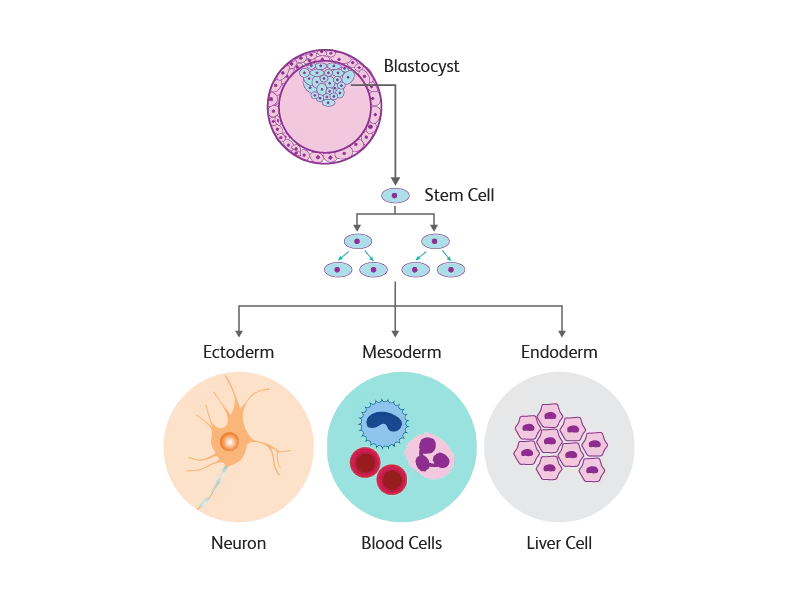
Cells are the building blocks of all living organisms. At the very beginning of life, a sperm cell fuses with an egg cell, which then divides and forms many identical cells, which are called stem cells.

Stem cells are unique because they have the potential to develop into any type of cell in the body.

This process, where a single type of cell transforms into different specialized cells, is called cell differentiation.

Through differentiation, cells acquire specific functions that help them contribute to different tissues and organs.

Asemmisa {{asɛmmisaAhyɛnsode}}
1.

What are stem cells?

Asemmisa {{asɛmmisaAhyɛnsode}}
2.

Why are stem cells considered unique?

Asemmisa {{asɛmmisaAhyɛnsode}}
3.

What is the term for the process in which a stem cell becomes a specialized cell?

Differentiation starts with a stem cell receiving signals from its environment. These signals can come from chemicals called hormones, physical contact with other cells, or external factors like temperature and light.

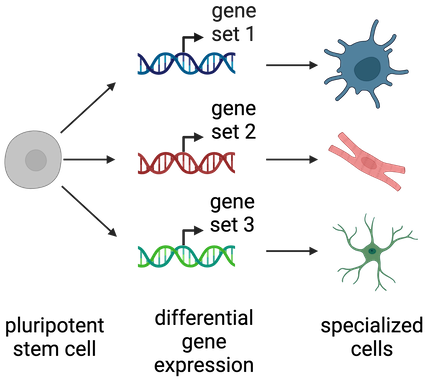
When a cell receives these signals, certain genes within its DNA are turned on or off. This selective gene expression leads to changes in the cell’s structure and function.

For example, a cell in the bone marrow might turn on specific genes that make it become a red blood cell, responsible for carrying oxygen in the blood.

1
Asemmisa {{asɛmmisaAhyɛnsode}}
4.

What triggers a stem cell to start differentiating?

2
1
1

As differentiation progresses, the structure of the cell starts changing to suit its new role. For instance, muscle cells produce many more mitochondria that help generate energy for movement.

Nerve cells grow extensions called axons and dendrites, allowing them to send and receive messages throughout the body.

Even though all these cells originate from the same stem cell and contain the same DNA, their appearances and functions become highly specialized through the activation and expression of different genes at different times.

1
Asemmisa {{asɛmmisaAhyɛnsode}}
8.

How do muscle cells change to perform their function?

1
1

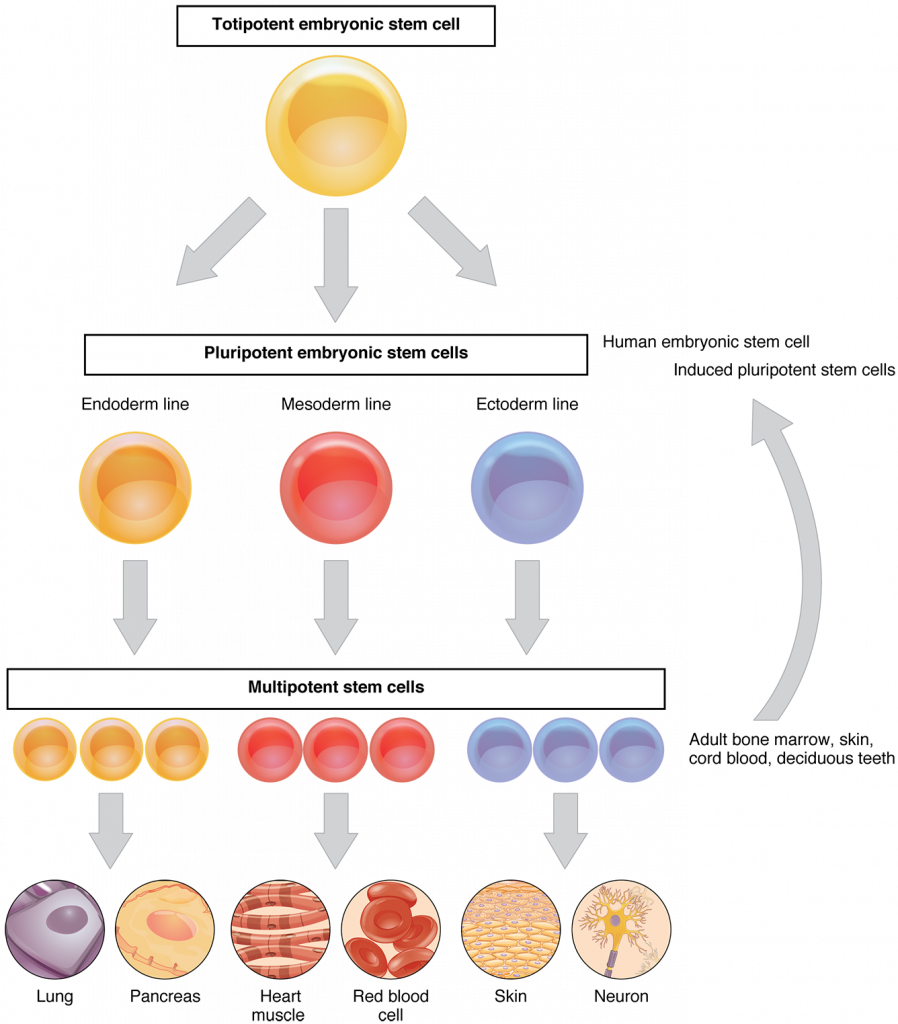
Stem cells can differentiate into three main types of cells: totipotent, pluripotent, and multipotent cells.

Totipotent cells can become any type of cell in the body, including those needed for embryonic development.

Pluripotent cells can form almost any cell type but not all, while multipotent cells are more limited and can only produce specific cell types, such as blood cells or skin cells.

Once a cell specializes, it can no longer become a different cell type.

2
1
Asemmisa {{asɛmmisaAhyɛnsode}}
12.

Which type of stem cell can develop into all cell types, including those for embryonic structures?

1
1

Differentiation is crucial for the development and maintenance of the human body. It allows a single fertilized egg to become a complex organism with muscles, organs, and a nervous system.

Without this process, the body would not be able to grow, repair itself, or respond to its environment.

Scientists study cell differentiation not only to understand how life develops but also to harness stem cells for medical purposes. By learning how to control stem cell differentiation, researchers hope to regenerate damaged tissues and treat various diseases, including Parkinson’s and heart disease.

1
Asemmisa {{asɛmmisaAhyɛnsode}}
15.

Why is cell differentiation important for the human body?

1
Asemmisa {{asɛmmisaAhyɛnsode}}
17.

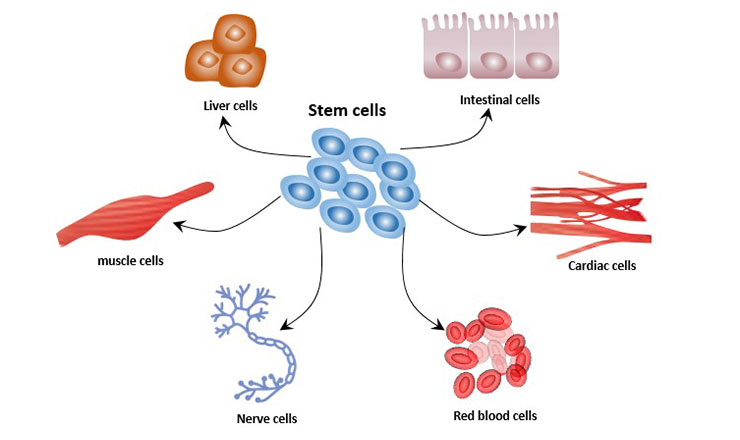
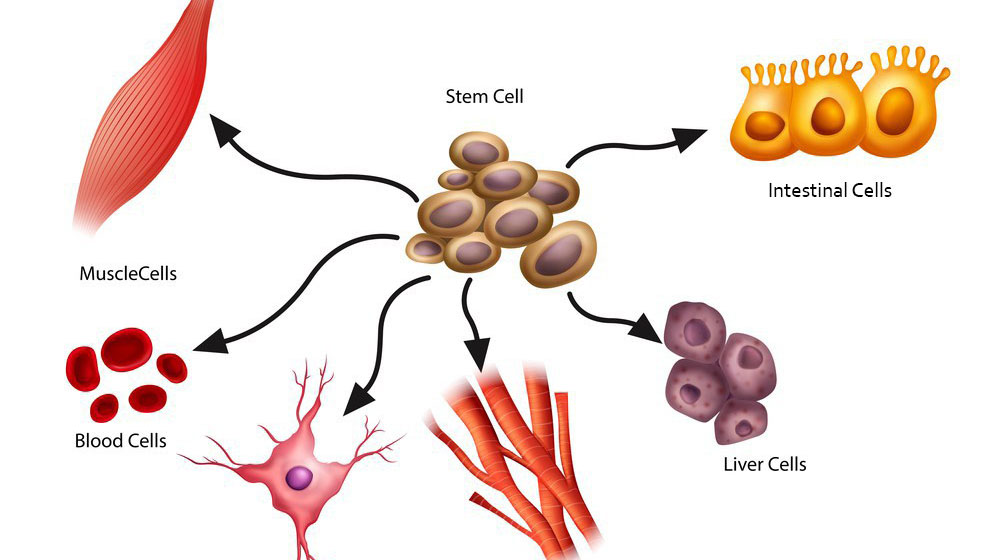
The diagram below shows different types of specialized cells in the human body.

Explain where these cells originated (came) from, AND how they specialize to perform different functions, even though they have the same DNA.

Hint: Think about the graph activity you did at the start of class. What was different about the cell types?

Asemmisa {{asɛmmisaAhyɛnsode}}
5.

What factors might send signals for cells to specialize?

Asemmisa {{asɛmmisaAhyɛnsode}}
6.

How do cells decide which genes to express during differentiation?

Asemmisa {{asɛmmisaAhyɛnsode}}
7.

What type of cell might a bone marrow stem cell become?

Asemmisa {{asɛmmisaAhyɛnsode}}
9.

What special structures do nerve cells develop?

Asemmisa {{asɛmmisaAhyɛnsode}}
10.

Why do cells that come from the same original stem cell look and act differently?

Asemmisa {{asɛmmisaAhyɛnsode}}
11.

What are the three main types of cells stem cells can differentiate into?

Asemmisa {{asɛmmisaAhyɛnsode}}
13.

How are pluripotent cells different from multipotent cells?

Asemmisa {{asɛmmisaAhyɛnsode}}
14.

Specialized cells can become other cell types after they have deactivated specific genes.

Asemmisa {{asɛmmisaAhyɛnsode}}
16.

How could studying cell differentiation benefit medicine?