Twa kɔ nsɛm atitiriw so
Log in
Sign up for FREE
arrow_back
Laabri

Tuesday (02/05) - Biotechnology Reading

star
star
star
star
star
Last updated about 4 hours ago
14 Nsɛmmisa
What is Biotechnology?
1
Gel Electrophoresis Exit Ticket
1
1
1
1

What is biotechnology?

Biotechnology is a branch of science that uses living organisms, cells, and biological systems to develop products and solve problems. Scientists use biotechnology to improve crops, create medicines, and address environmental challenges.

1
Asemmisa {{asɛmmisaAhyɛnsode}}
1.

What is the primary focus of biotechnology?

One of the most impactful developments to come from biotechnology is the production of genetically modified organisms (GMOs).

While this may sound like a way for a mad scientist to make a 2-headed fish, GMOs may not be what you think they are.
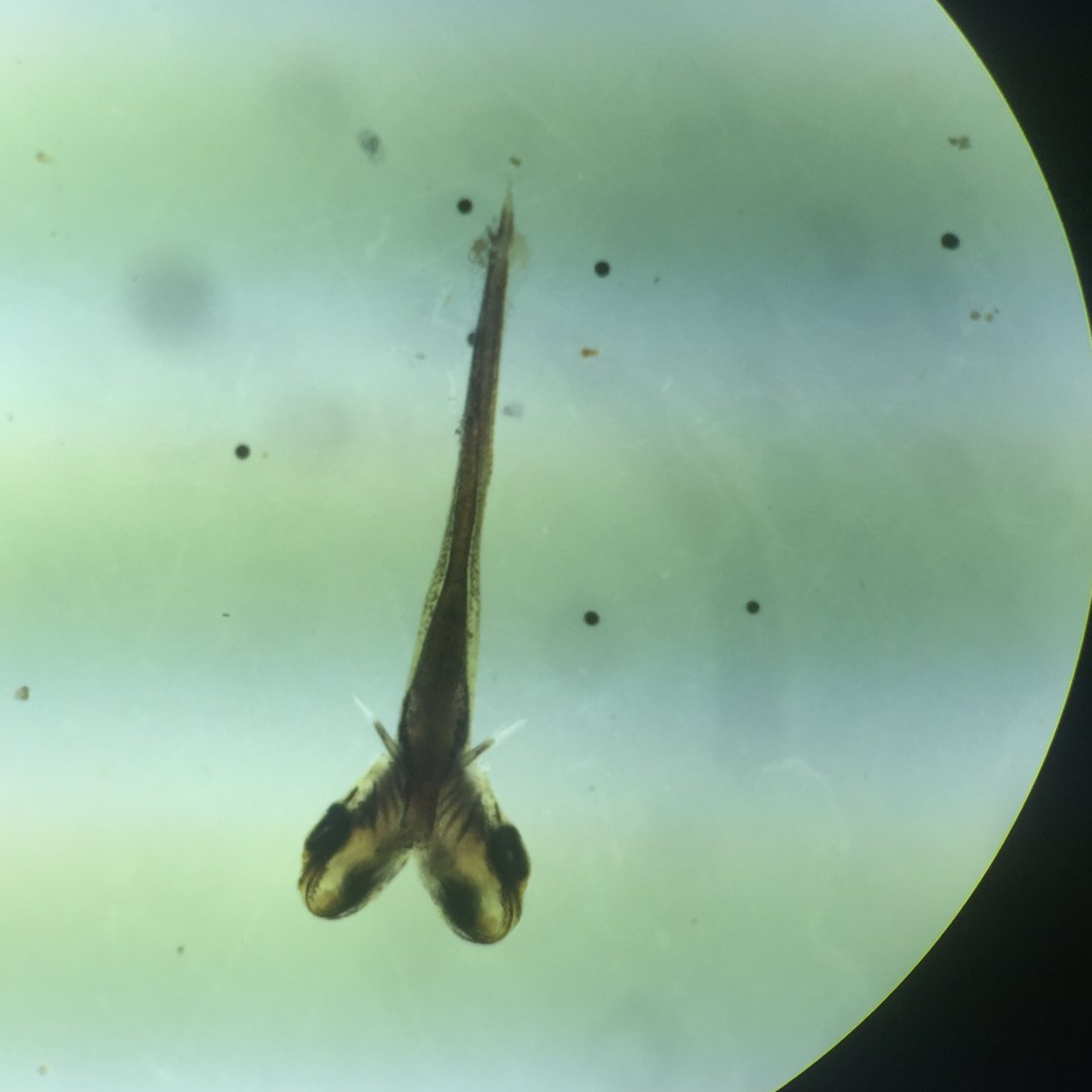
GMOs are plants, animals, or other microorganisms that have had their DNA altered in order to improve their growth, resistance to disease, or nutritional content. Many GMOs are found in your every day life. It is estimated that up to 80% of the packaged food you eat come from GMOs. For example, over 92% of corn products in the US contain genetically modified corn.

1
Asemmisa {{asɛmmisaAhyɛnsode}}
2.

What does GMO stand for?

1

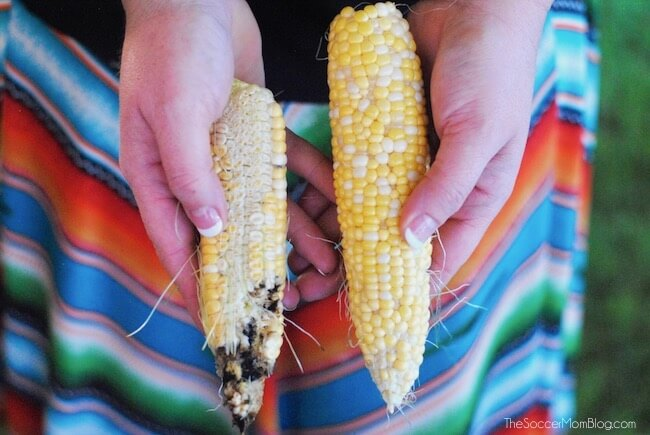
Why are scientists genetically modifying corn to begin with?

Remember that the corn products we buy at the store (tortillas, corn starch, vegetable oil) all started out as a crop.

With the earth in a climate crisis, scientists saw a problem: crops were failing due to droughts, harsh temperatures, and pest outbreaks. Any crops that did grow were producing less corn with each harvest.

As a result, scientists found a way to genetically modify our crops: engineered to grow in areas prone to drought, to resist insects and bacteria without the need for chemical pesticides, and to grow larger and faster. Thus, biotechnology was used to bring about these genetically modified organisms.

1
Asemmisa {{asɛmmisaAhyɛnsode}}
4.

What problem were scientists trying to solve by creating GMOs?

1

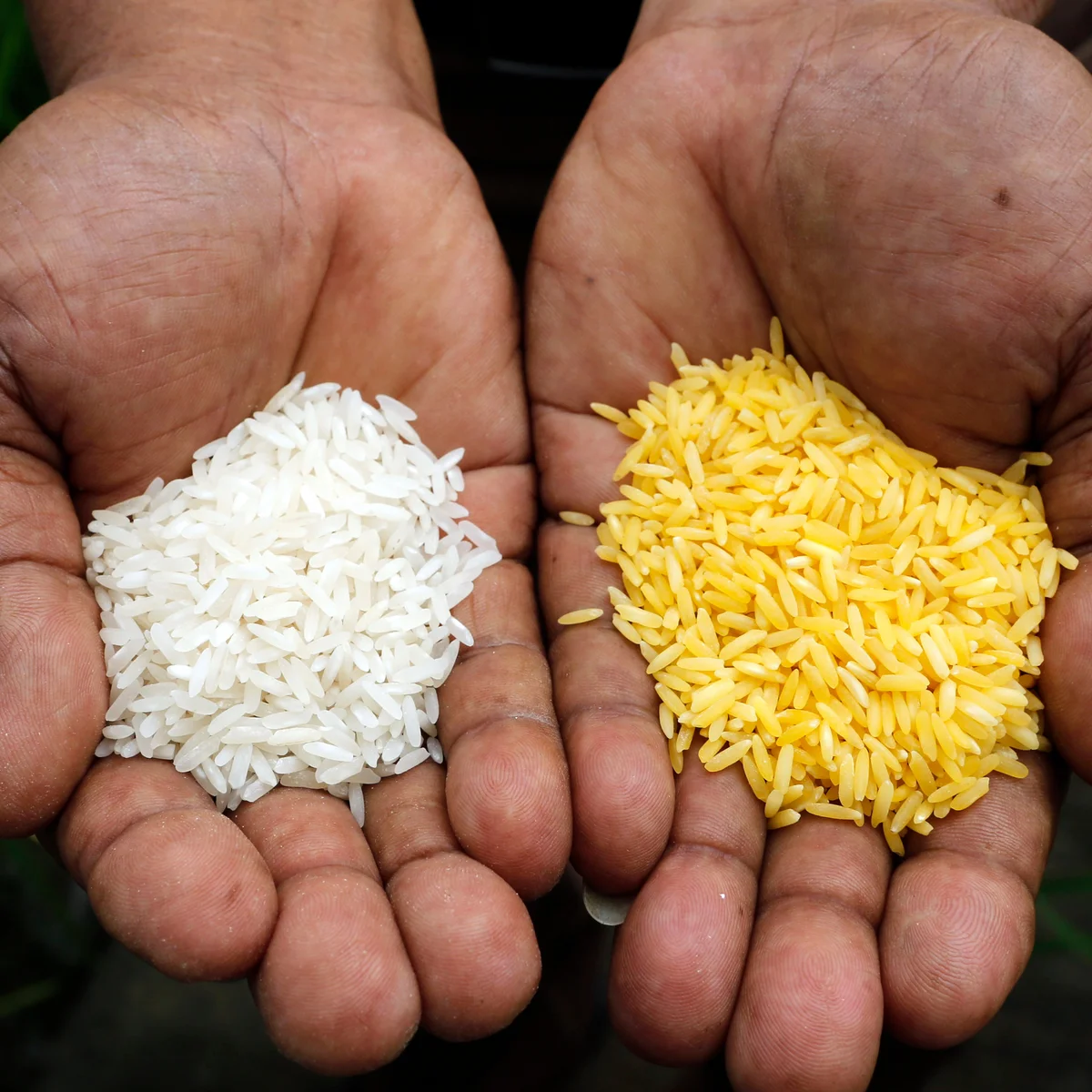
Supporters of GMOs argue that they are essential for feeding a growing global population. They point to the increased crop yields, reduced need for chemical pesticides, and the ability to grow food in challenging environments as key benefits. GMOs have also been used to enhance the nutritional value of food, such as "golden rice" enhanced with vitamin A to prevent malnutrition in developing countries.

1
Asemmisa {{asɛmmisaAhyɛnsode}}
6.

Which of the following are benefits of using genetically modified organisms?

Select THREE correct answers.

However, some people are skeptical of the use of GMOs and search for products that are USDA certified Non-GMO only. You may have seen this label on products at the grocery store:

One risk of GMOs is the potential for an allergic reaction in people who have allergies. GMOs may also increase the risk of cancer, cause immune problems, or lead to infertility. Another unexpected effect of genetic modification is that the altered genes may give the appearance of healthy products, while the disease is hidden by the modifications.

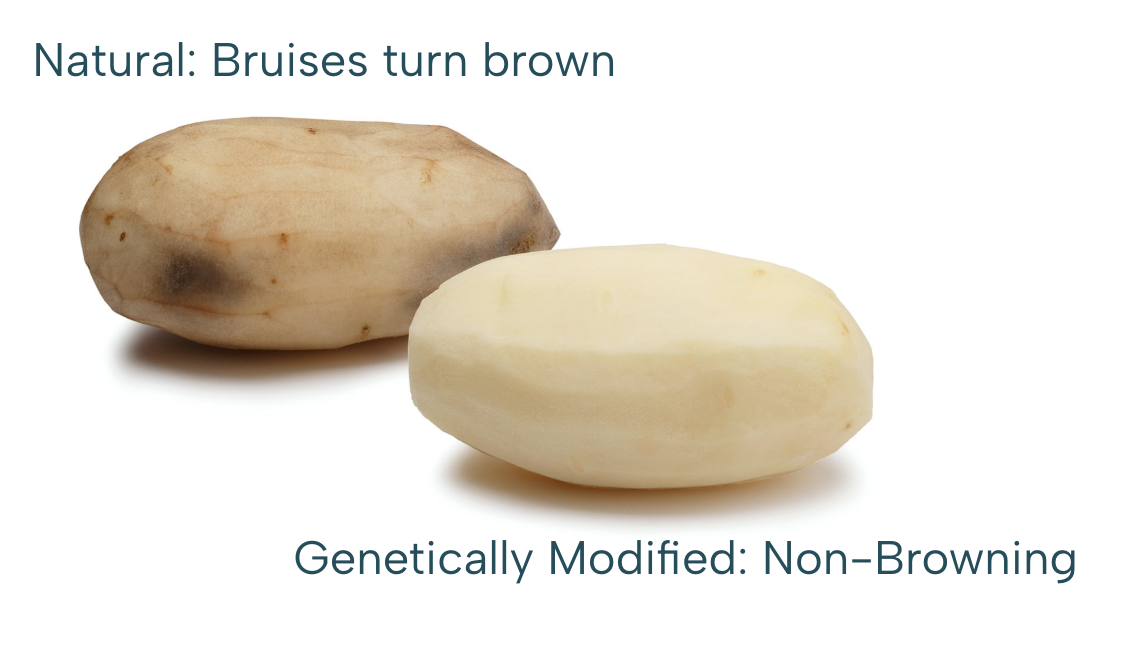
In genetically modified potatoes, they do not turn brown when damaged. This means that unhealthy potatoes are not removed before reaching stores. Non-browning potato bruises contain elevated levels of the amino acid tyramine, which can cause hypertension (high blood pressure), headaches and visual disturbances in people who cannot metabolize it (break it down).

1
Asemmisa {{asɛmmisaAhyɛnsode}}
7.

What risks might we face by using GMOs?

Select THREE correct answers.

Lastly, many look to the economic advantages and disadvantages of using GMOs in crops.

GMOs help farmers increase their crop yields by producing more food with fewer resources. GMO seeds grow with less water and are naturally resistant to pests, so production costs are lower for farmers and lead to cheaper food prices for consumers. Many GMOs also have longer shelf lives and look fresher for longer, reducing food waste.

However, many GMO seeds are owned by large corporations that patent their genetic modifications. This means they "own" that specific GMO's upgrades and enhancements. Farmers must purchase new seeds each season from those corporations and are not allowed to save or re-plant the new seeds from their crops. This is especially harder for small organic (non-GMO) farmers who must compete with large industrial farms that can afford expensive GMO technologies.

1
Asemmisa {{asɛmmisaAhyɛnsode}}
8.

What is one economic advantage of using GMOs?

1
Asemmisa {{asɛmmisaAhyɛnsode}}
9.

What is one economic DISadvantage of using GMOs?

Asemmisa {{asɛmmisaAhyɛnsode}}
10.

Take a stance: based on the passages you read above, do you believe genetically modified organisms (GMOs) are a positive development for society or a negative development for society? Be sure to support your opinion with specific examples from the reading. You may also research additional sources online.

Asemmisa {{asɛmmisaAhyɛnsode}}
11.

After using a micropipette to collect samples, the next step is usually to load (dispense) them into the wells of an agarose gel for a gel electrophoresis. With a gel electrophoresis, an electrical current passes through DNA in order to separate genes and analyze what sequences are in the DNA sample.

Based on what you remember about gel electrophoresis, how does the gel electrophoresis separate DNA segments?

Asemmisa {{asɛmmisaAhyɛnsode}}
12.

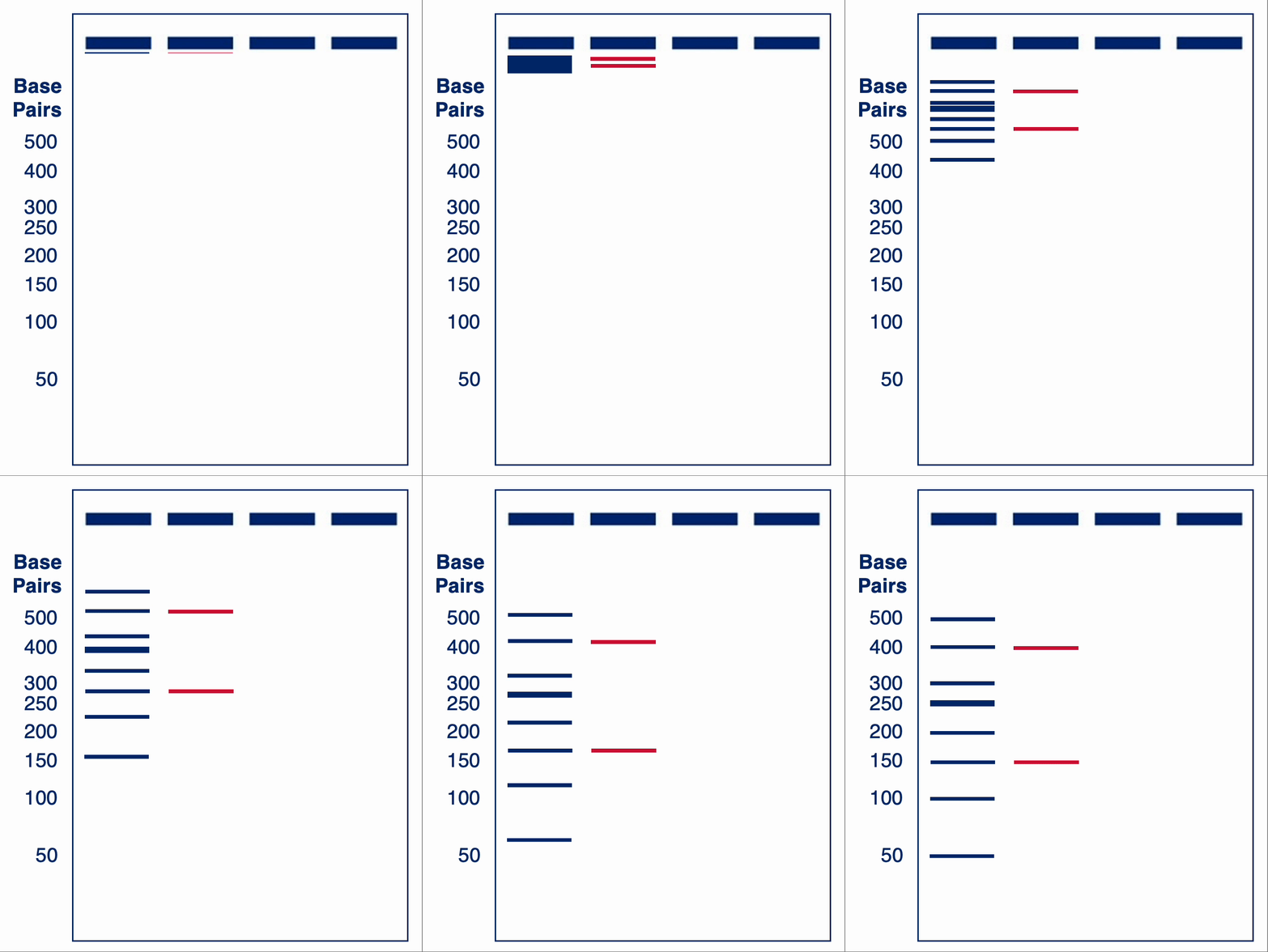
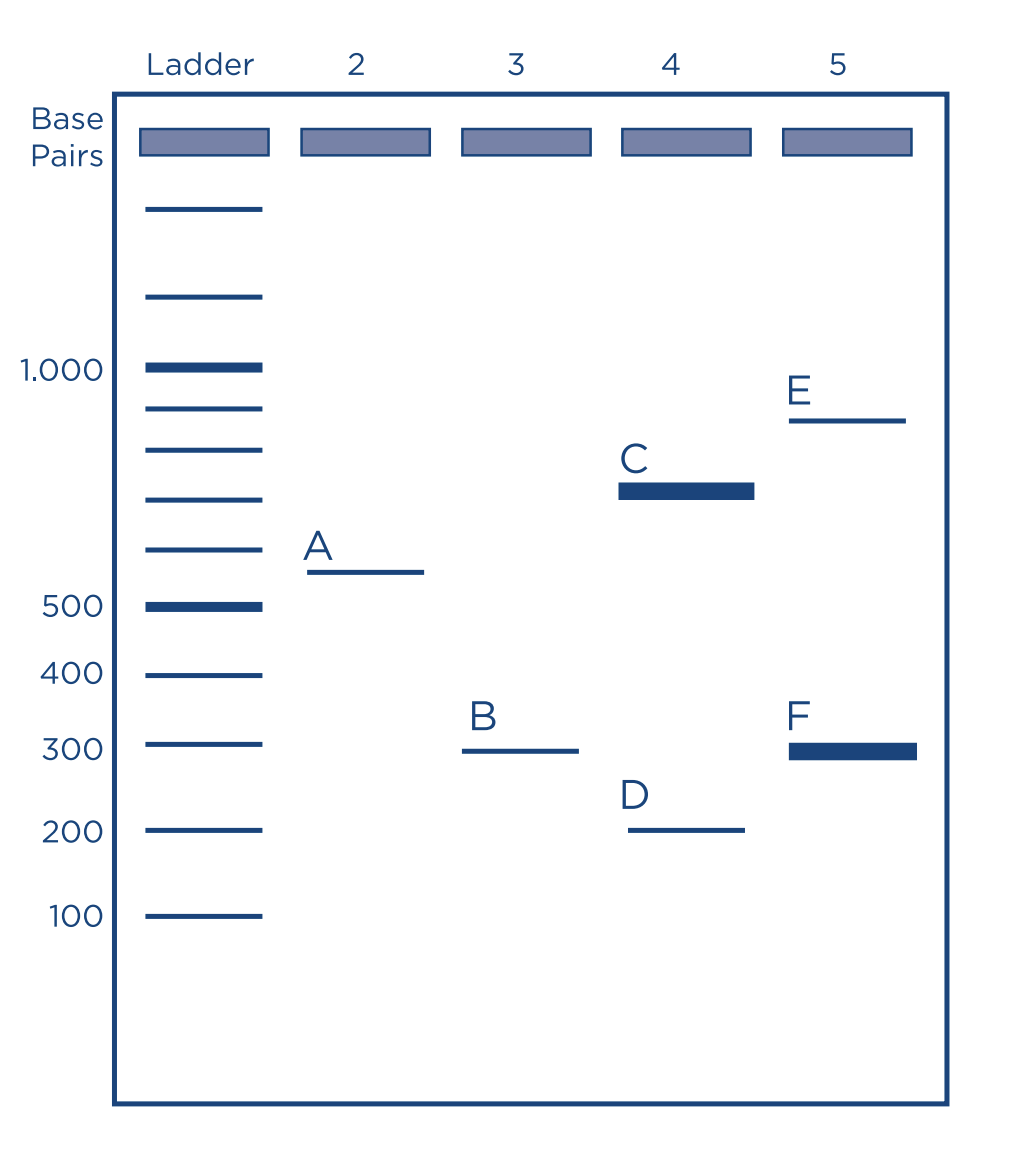
The gel results below show a DNA ladder in lane 1. This is used to help measure the size of the DNA samples in each lane. The next for lanes contain DNA samples 2-5. The DNA has been separated into fragments, labeled A-F.

Based on this gel, which statement is true?

Asemmisa {{asɛmmisaAhyɛnsode}}
13.

A student in the lab collected samples to run through gel electrophoresis. They loaded the ladder for comparison in lane 1 and samples from individuals in lane 2 through lane 5.

Based on the results shown on the gel above, which lanes have DNA fragments of similar base pair lengths?

Asemmisa {{asɛmmisaAhyɛnsode}}
14.

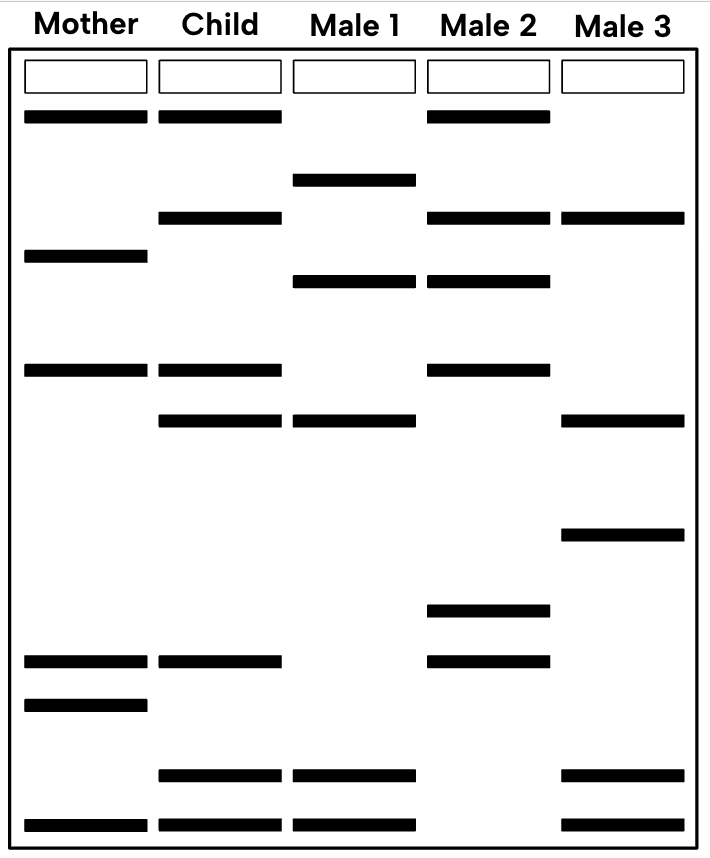
The technique of gel electrophoresis has been used to determine paternity in cases where a father was disputing the legitimacy of the child. One gel electrophoresis is shown below.

Based on the results of this gel, which male is the father?

Asemmisa {{asɛmmisaAhyɛnsode}}
3.

Which of the following is an example of a GMO?

Asemmisa {{asɛmmisaAhyɛnsode}}
5.

How did GMOs affect agriculture (production of crops)?