What reaction occurs in this organelle?
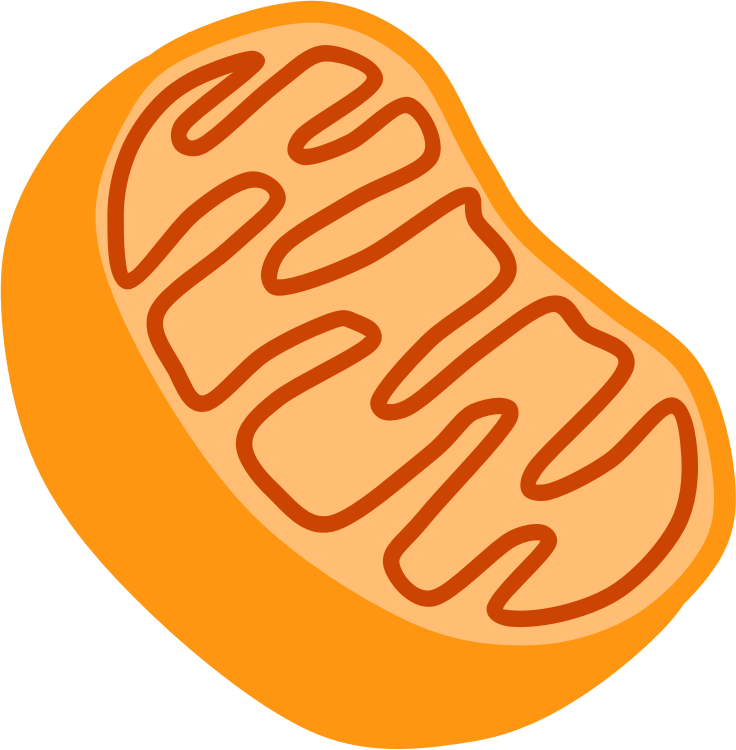
What reaction occurs in this organelle?
Occurs in the chloroplast
Purpose: to store light energy as carbon compounds
Occurs in the mitochondria
Purpose: to release carbon compounds as chemical energy
Photosynthesis
Cellular Respiration
Which diagram correctly shows cellular respiration?
Complete the sentence by selecting the correct answers from the drop-down menus.
energy is needed for photosynthesis and energy/glucose is needed for cellular respiration.
Which statement is an example of how carbon dioxide and oxygen are involved in photosynthesis and cellular respiration?
Which process removes carbon dioxide (CO2) from the atmosphere?
What reaction occurs in this organelle?
Match the term with the description of the symbiotic relationship.
| Draggable emne | arrow_right_alt | Korresponderende emne |
|---|---|---|
Commensalism | arrow_right_alt | Both Species benefit (+,+) |
Competition | arrow_right_alt | One species benefits, the other is neither helped nor harmed (+, 0) |
Mutualism | arrow_right_alt | One species benefits, the other is harmed by the relationship (+, -) |
Parasitism | arrow_right_alt | One species kills and consumes (eats) the other (+, x ) |
Predation | arrow_right_alt | Two species fight over limited resources |
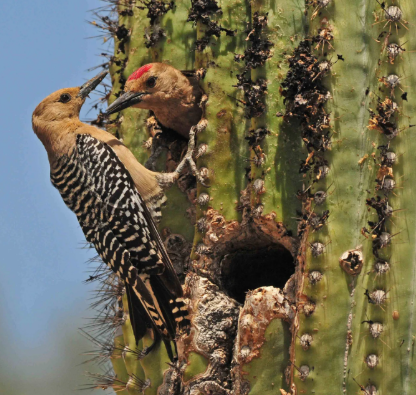
A desert flicker bird has made its nest in the cactus by picking through some living tissue. Overall this does not damage the cactus.
Flicker bird:
Cactus:
Relationship:
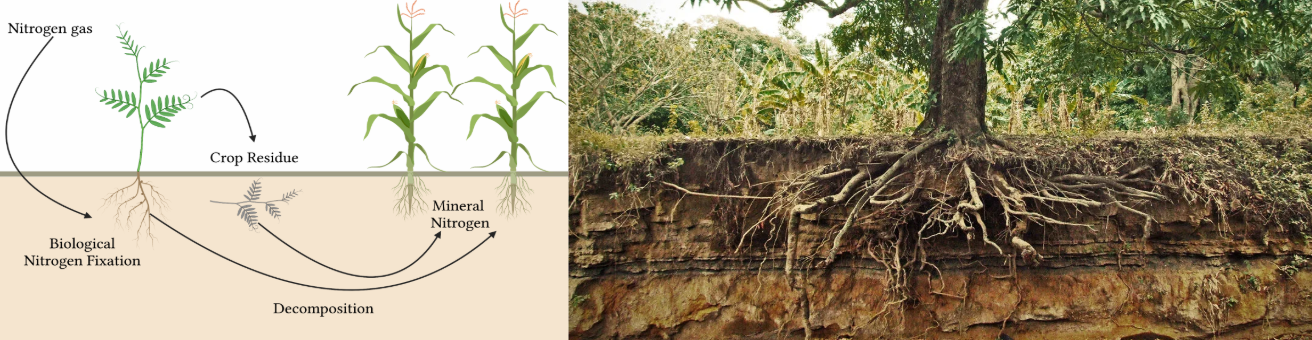
Nitrogen is a major component of chlorophyll, the compound plants utilize for photosynthesis. Trees and bushes both rely on the soil for nitrogen and nutrients, drawing from the same limited supply. Since this resource is very limited, each plant must secure enough to support its growth and survival. Without enough nitrogen, trees and bushes become weak, do not grow as quickly, and lose leaves.
Trees:
Bushes:
Relationship:
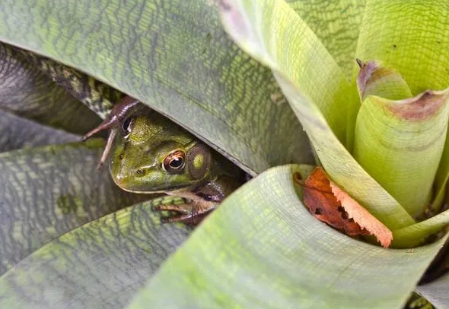
Birds and snakes prey upon frogs in tropical rainforests. To avoid predators, frogs will hide between the leaves of plants. The plants are not affected nor harmed by the presence of the frogs.
Tapeworm and animals: Tapeworms attach themselves to the insides of the intestines of animals such as cows, pigs, and humans. Tapeworms get food from the host (animal) and the animal loses nutrients and becomes sick.
This symbiotic relationship is an example of __________________.
Scorpions and mice: Scorpions have a venomous stinger that is on their tail. They use this stinger to catch and kill their prey, an example being mice. After they kill their prey, they eat them for their nutrients.
What symbiotic relationship is present between these organisms?
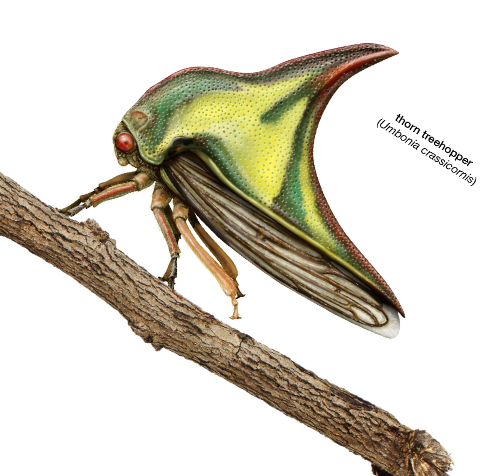
Treehoppers are bugs that chew holes in live oak tree branches in order to suck out sap (sugar-rich juices) from the phloem of the tree.
Oak trees need this sap in order to produce buds for growth.
Tree hopper bug:
Oak Tree:
Relationship:
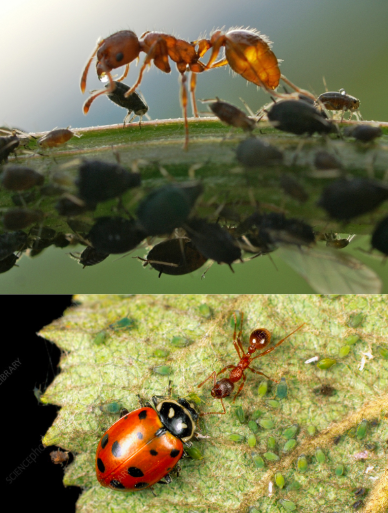
Aphids are small insects that produce honeydew (a sugar-rich liquid).
Ants eat honeydew produced by aphids and in return the ants protect the small aphids from predators such as ladybugs.
Aphids:
Ant:
Relationship:
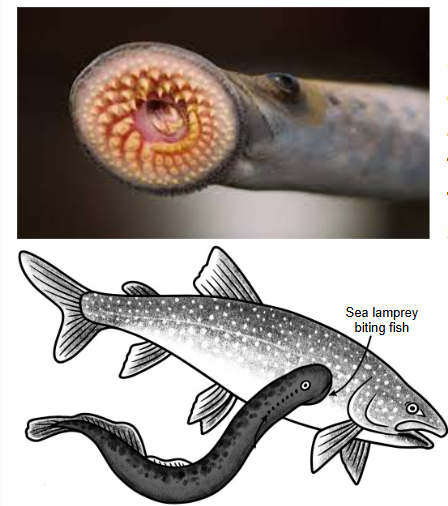
Sea lamprey have suction cup mouths they use to attach onto a fish.
They dig their teeth into the flesh of the fish for grip, remove their scales, and consume nourishment (nutrients) from the fish. The fish does not die from this but gradually weakens over time.
Sea lamprey:
Fish:
Relationship:
Three common relationships between organisms are listed below. Use the descriptions to classify each relationship. Choose the correct answer from the drop-down menus to complete the statement. Some answers will be used once, more than once, or not at all.
What is happening in Relationship 1?
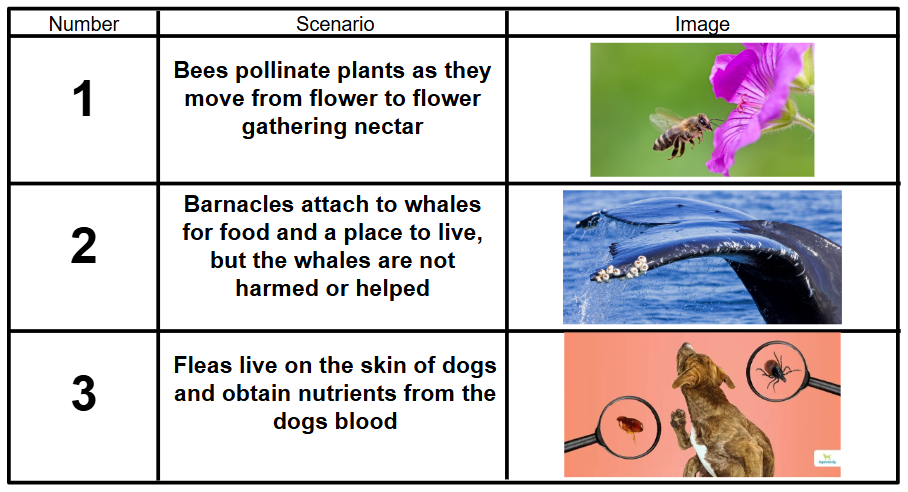
Relationship 1: Bees pollinate plants as they move from flower to flower gathering nectar. This is an example of
What is happening in Relationship 2?
Relationship 2: Barnacles attach to whales for food and a place to live, but the whales are not harmed or helped.
What is happening in Relationship 3?
Relationship 3: Fleas live on the skin of dogs and obtain nutrients from the dog's blood.
What is the main difference between relationship 2 and relationship 3?
Include scientific term used to define each of the relationships.