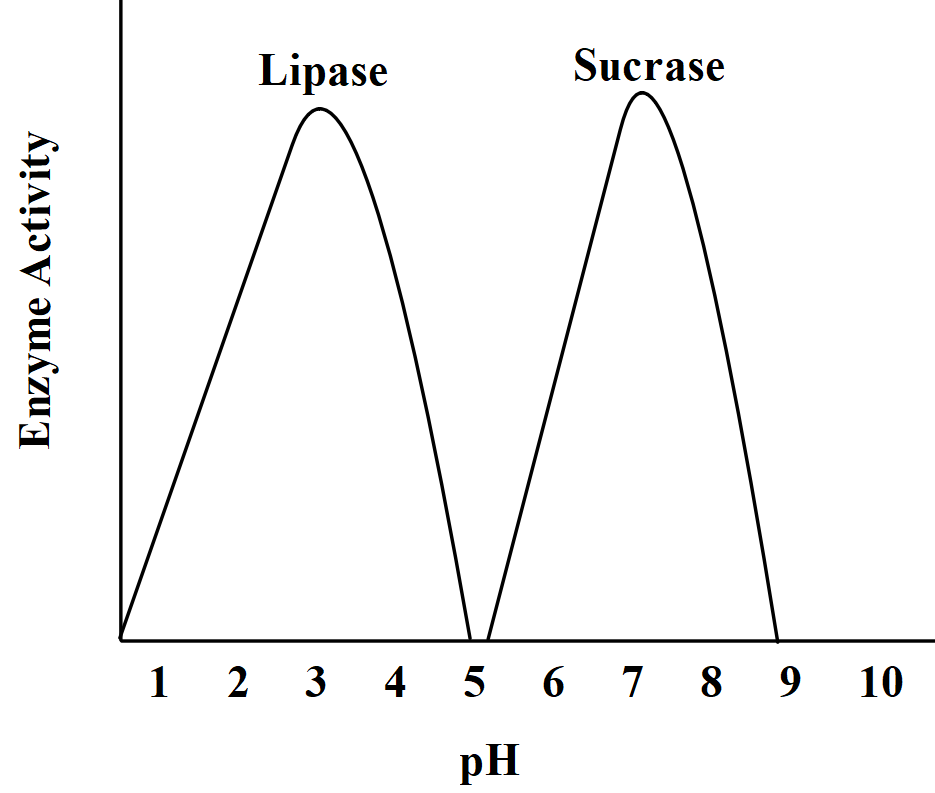
The enzyme Lipase works optimally at a pH of . This pH would mean the enzyme Lipase is found in the .
Andre svarmuligheder:
stomach
intestines
3
7
The enzyme Lipase works optimally at a pH of . This pH would mean the enzyme Lipase is found in the .
The enzyme Sucrase works optimally at a pH of . This pH would mean the enzyme Sucrase is found in the .
Categorize the functions to the correct biomolecule
Make up the majority of the cell membrane
Help move molecules across the cell membrane
Provide structure to the body, an example being muscles
Provide structure to plant cell walls as cellulose
Quick/short term source of energy
Helps catalyze (speed up) reactions
long term energy storage
Stores genetic information
An example is DNA or RNA
Make up enzymes
Insulation
Carbohydrate (2 answers)
Lipid (3 answers)
Protein (4 answers)
Nucleic Acid (2 answers)
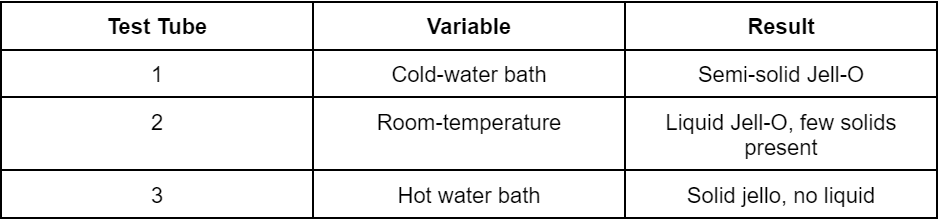
Meat tenderizer has an enzyme called papain, which breaks down long chains of proteins, like the ones found in Jell-O. Papain was added to three different test tubes with Jell-O. Each test tube was then placed in a water bath for ten minutes. The data collected during the experiment is shown below.
Which statement best explains the results of test tube 3?
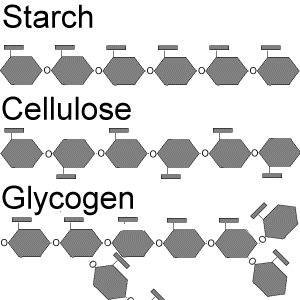
The complex carbohydrates pictured below are made by linking molecules of glucose. In all three complex carbohydrates, the subunits of glucose are bonded together differently. Because they have different structures, they most likely:
The terms listed below describe functions and examples of carbohydrates and lipids. Select whether each statement applies to carbohydrates, lipids, or both.
Carbohydrates | Lipids | Both | |
|---|---|---|---|
An example is cellulose or chitin | |||
Provides energy | |||
Makes up the cell membrane | |||
Gives insulation |
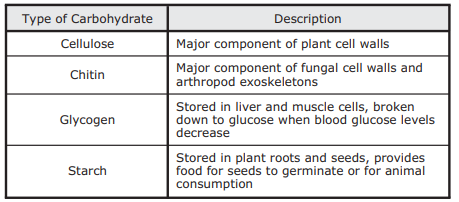
A table of four types of carbohydrates is shown.
Which list correctly matches the functions to the types of carbohydrates?
Place the biomolecule with the correct description in the table below.
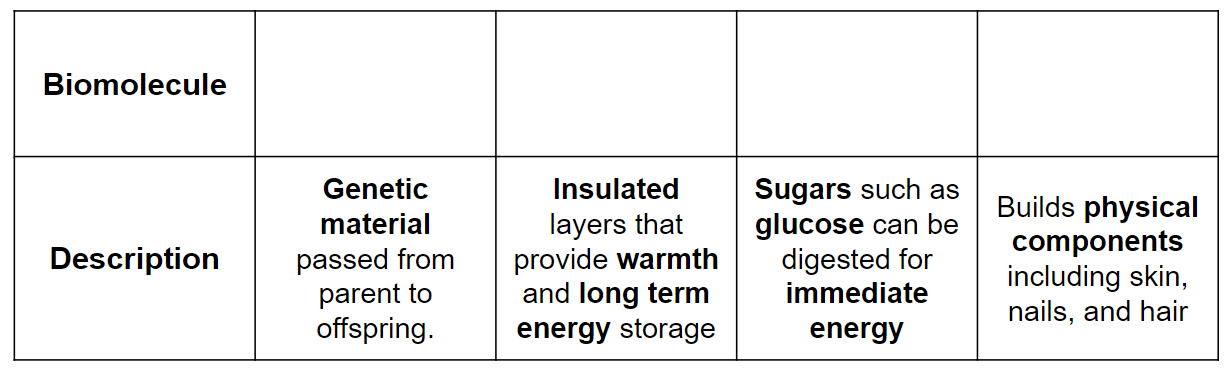
Nucleic Acids
Carbohydrates
Proteins
Lipids
Various carbohydrates and their uses are listed below.
Determine whether each carbohydrate is used for energy or for structural support.
Cellulose (makes up plant cells walls)
Chitin (makes cell walls of fungi)
Glycogen (modified form of glucose and is stored in liver cells until needed)
Starch (stored in plant seeds for food)
Carbohydrates used for Energy (2 items)
Carbohydrates used for Structural Support (2 items)
What is the purpose of an enzyme?
Complete the sentence below.
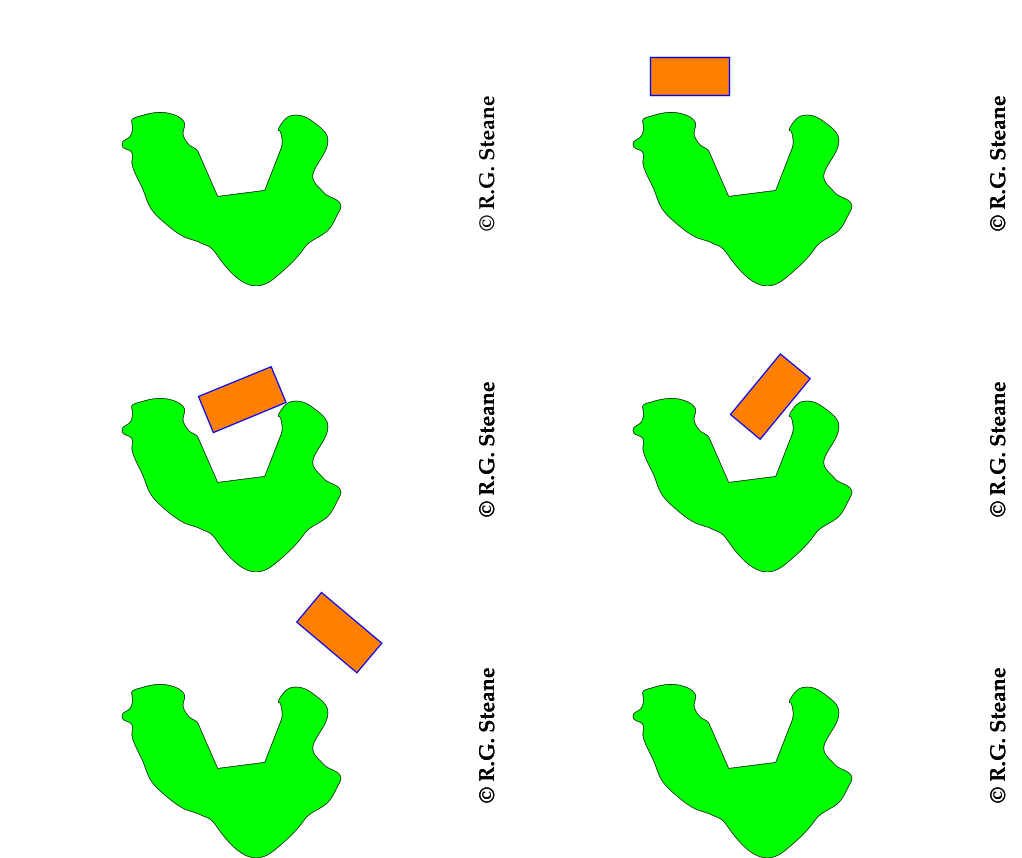
A change in can cause the enzyme to change shape and denature, so it .
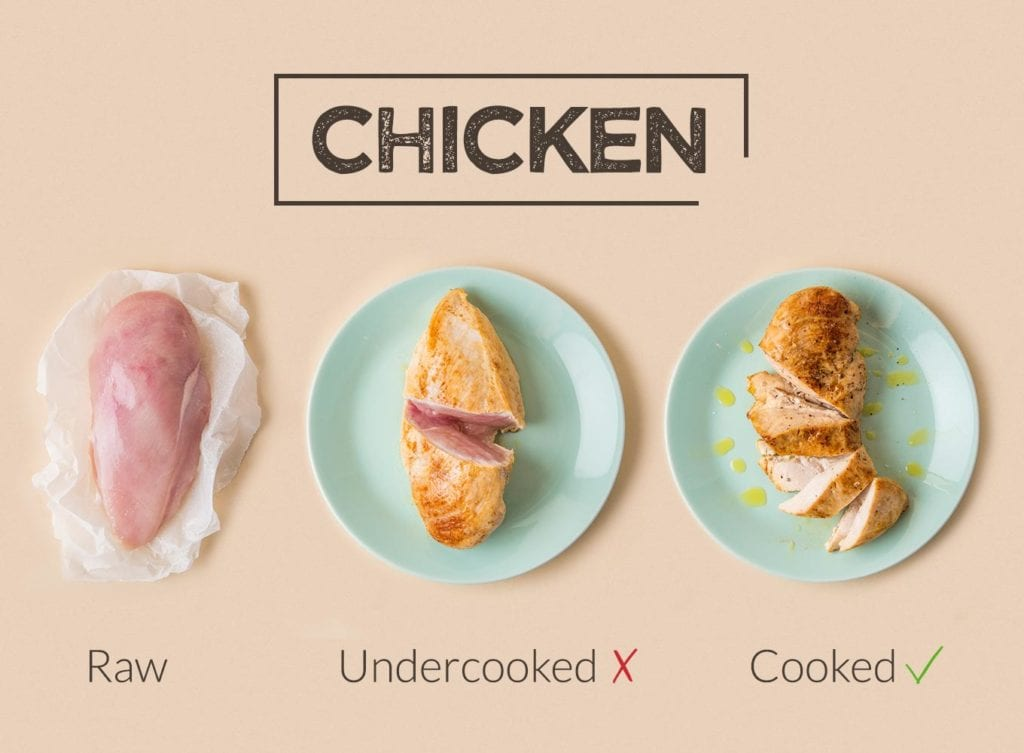
When people eat undercooked chicken, they are at risk for contracting salmonella poisoning, a disease caused by the Salmonella bacteria. Symptoms include diarrhea, fever, stomach cramps, nausea, vomiting, chills, headache, and blood in stool. The CDC advises cooking chicken to the proper internal temperature to kill the bacteria inside of the food and avoid getting sick.
Why does heating your chicken to the proper temperature kill the Salmonella bacteria?
Catecholase is an enzyme found in fruits such as apples, bananas, and avocados. When exposed to oxygen in the air, catecholase breaks down catechol and results in brown spots forming on the surface of fruits.
In an experiment, avocado was added into a test tube by itself, with water, and with lemon juice. The results of the experiment are shown below.
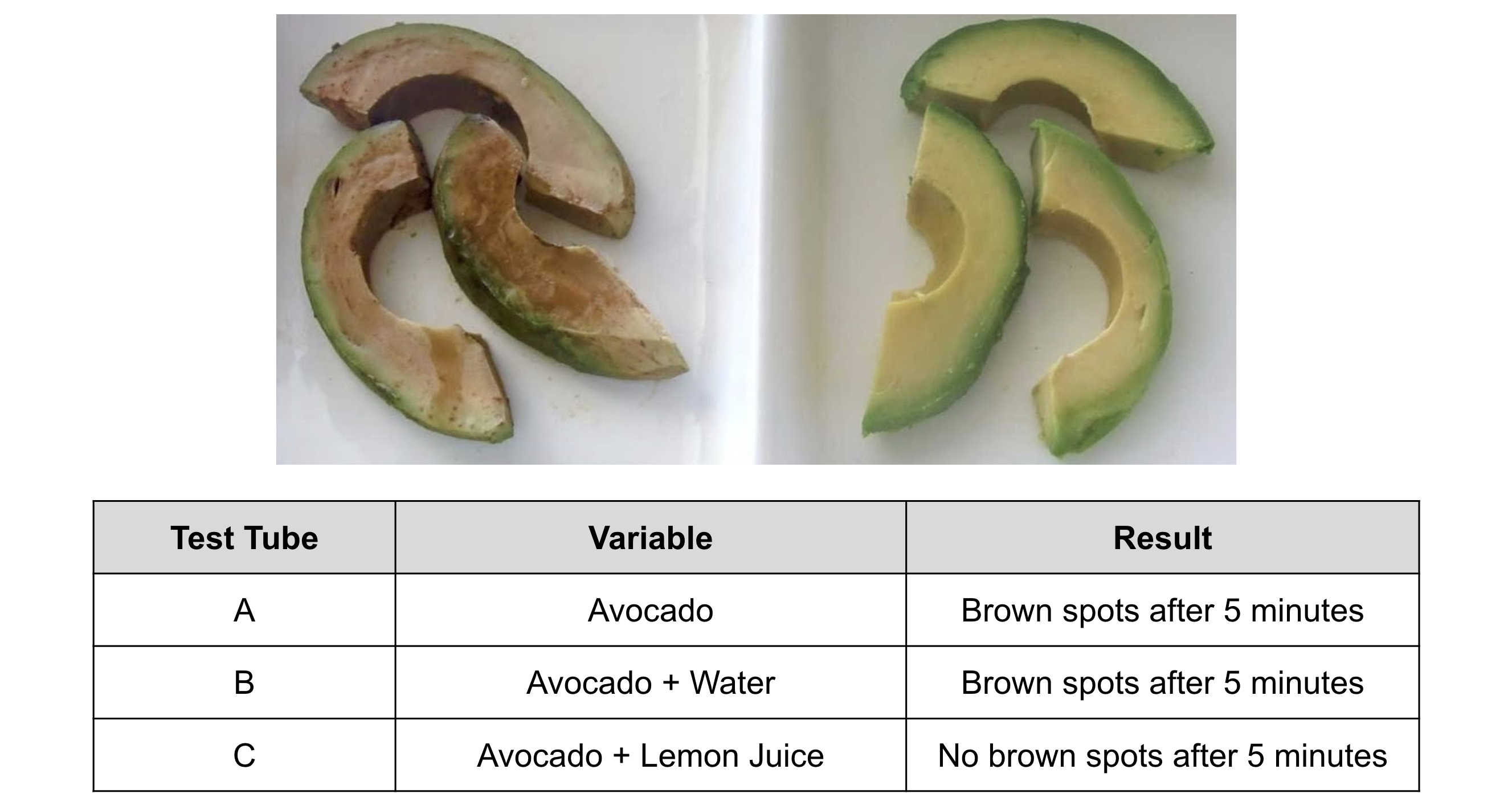
Test Tube C did not show any brown spots because the lemon juice , resulting in .
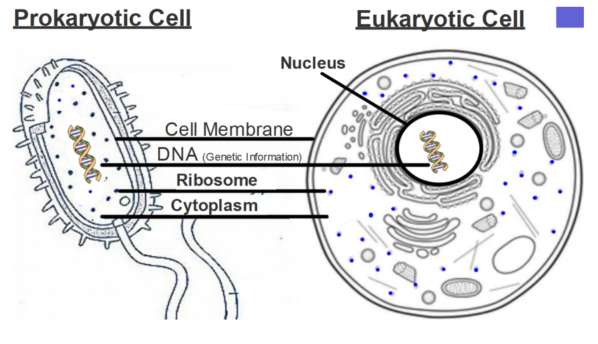
Students created note cards comparing characteristics of eukaryotic and prokaryotic cells.
Which set of note cards most accurately compares these cells?
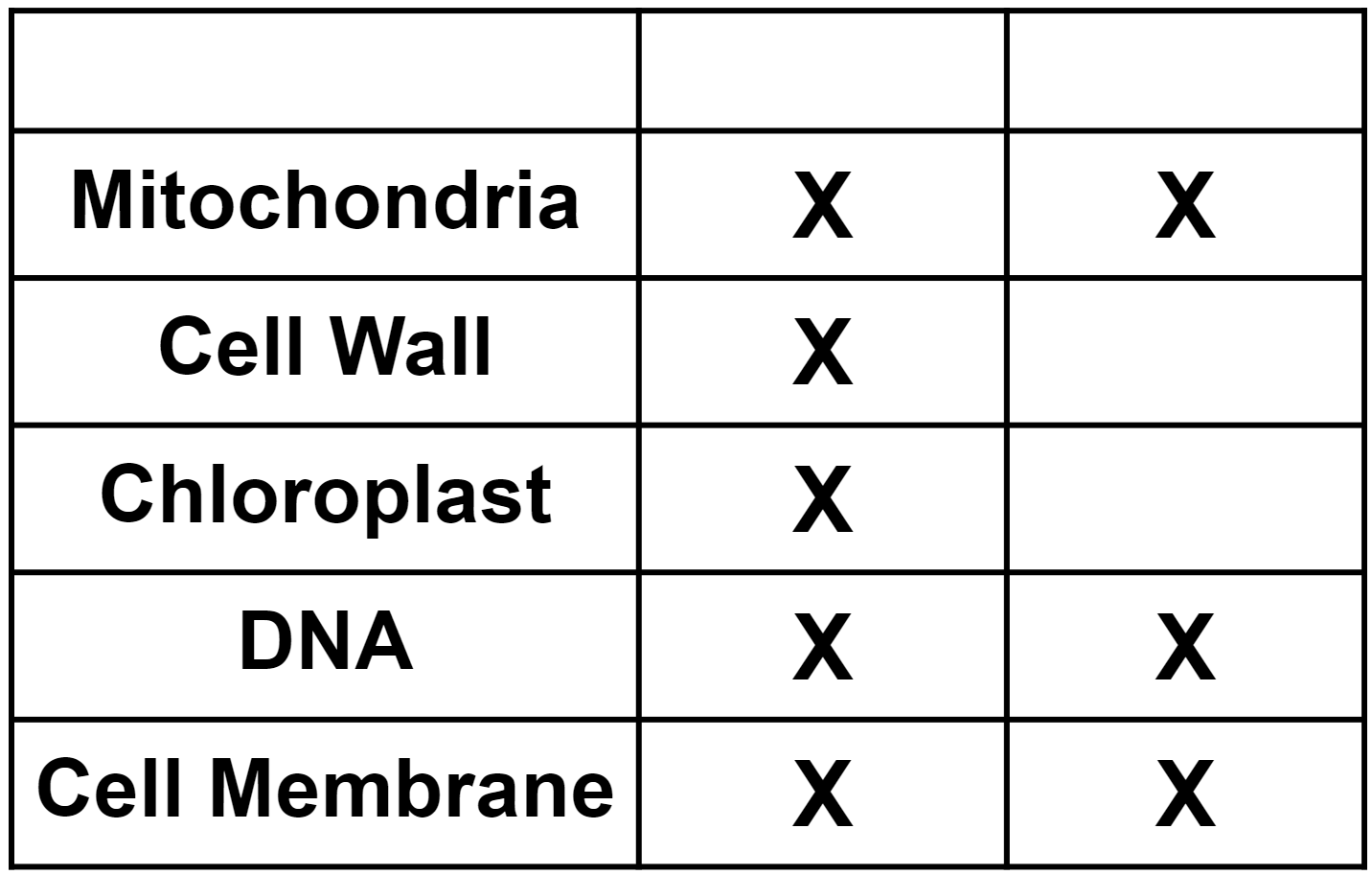
The table below indicates which structures are present in two cells. The X indicates structures that are present in each cell.
Identify the cells below based on their structures.
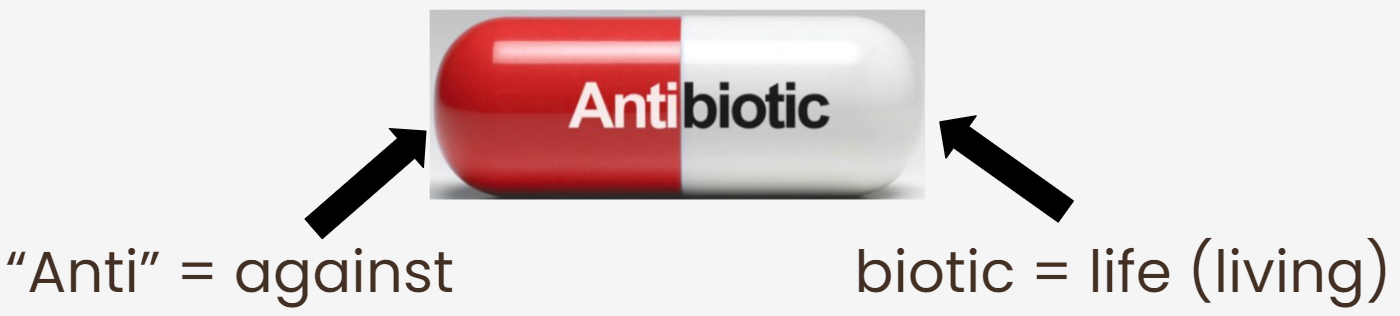
Viruses can not be cured with antibiotic since antibiotics .
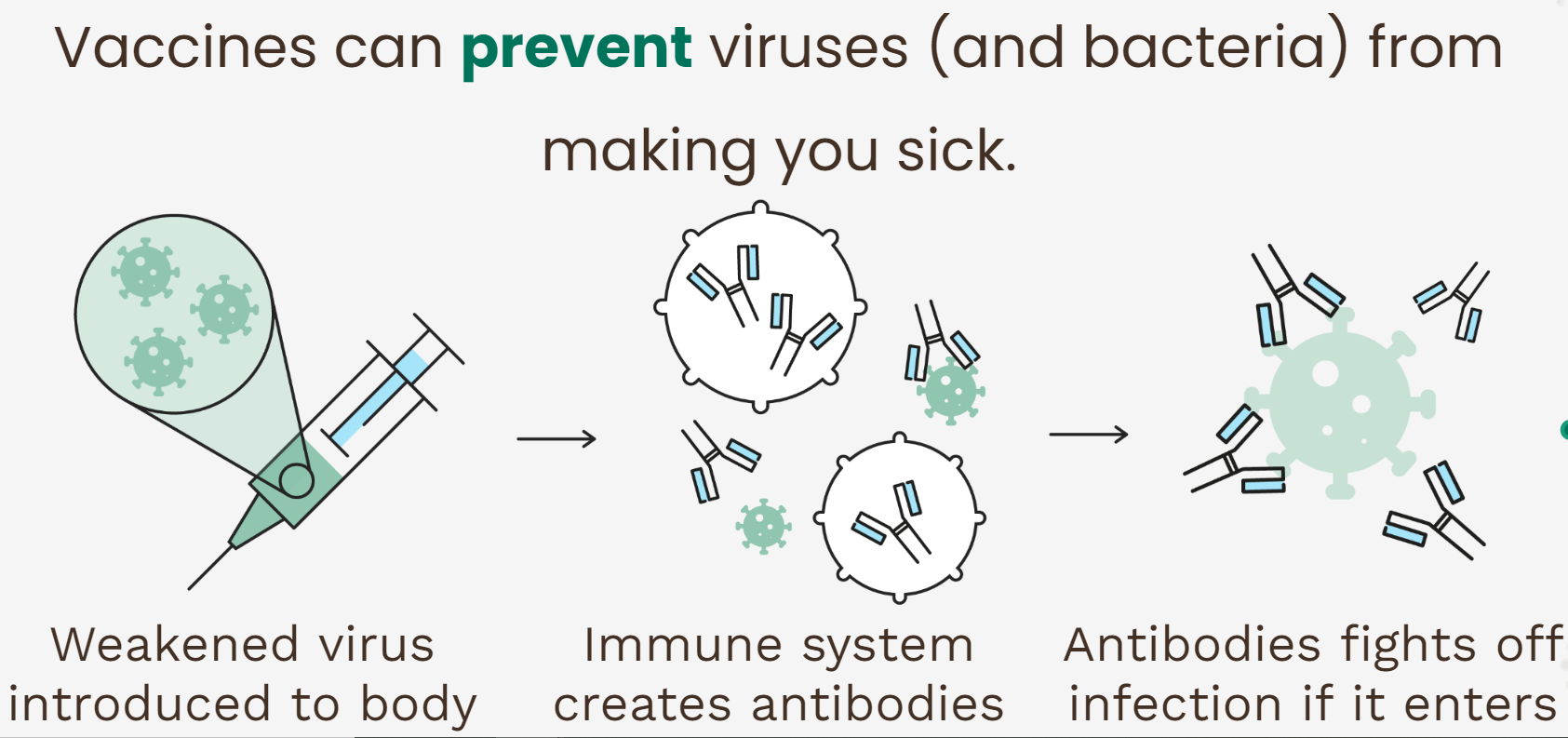
Viruses are treated with . The way they work is that
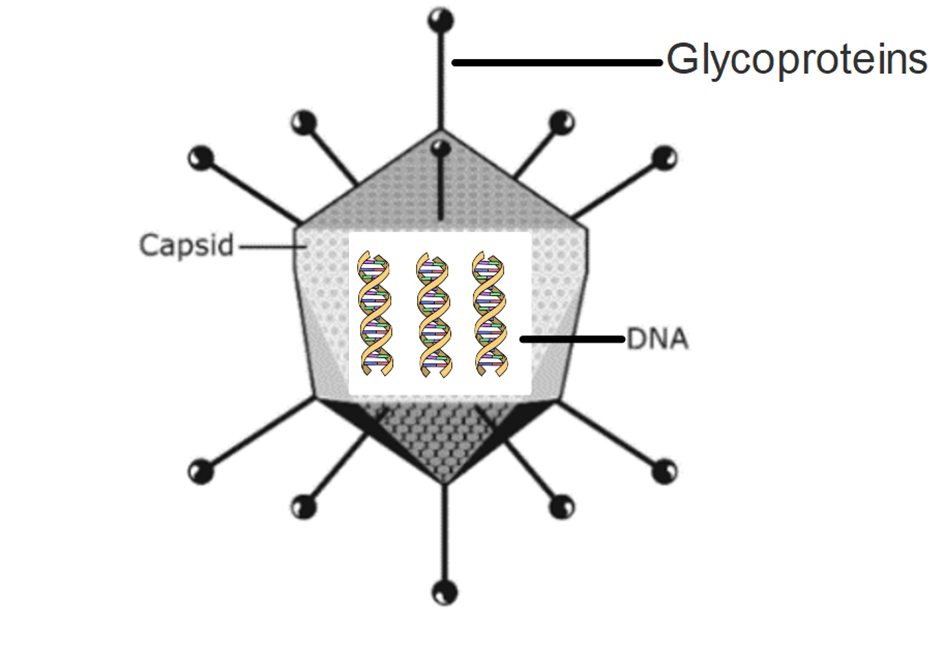
Which statement is true of both viruses and cells?
What does a virus need from the host cell in order to reproduce?
Select TWO correct answers.