7(A) identify components of DNA, explain how the nucleotide sequence specifies some traits of an organism, and examine scientific explanations for the origin of DNA;
identify components
nucleotide sequence
explanations for the origin
Identify components
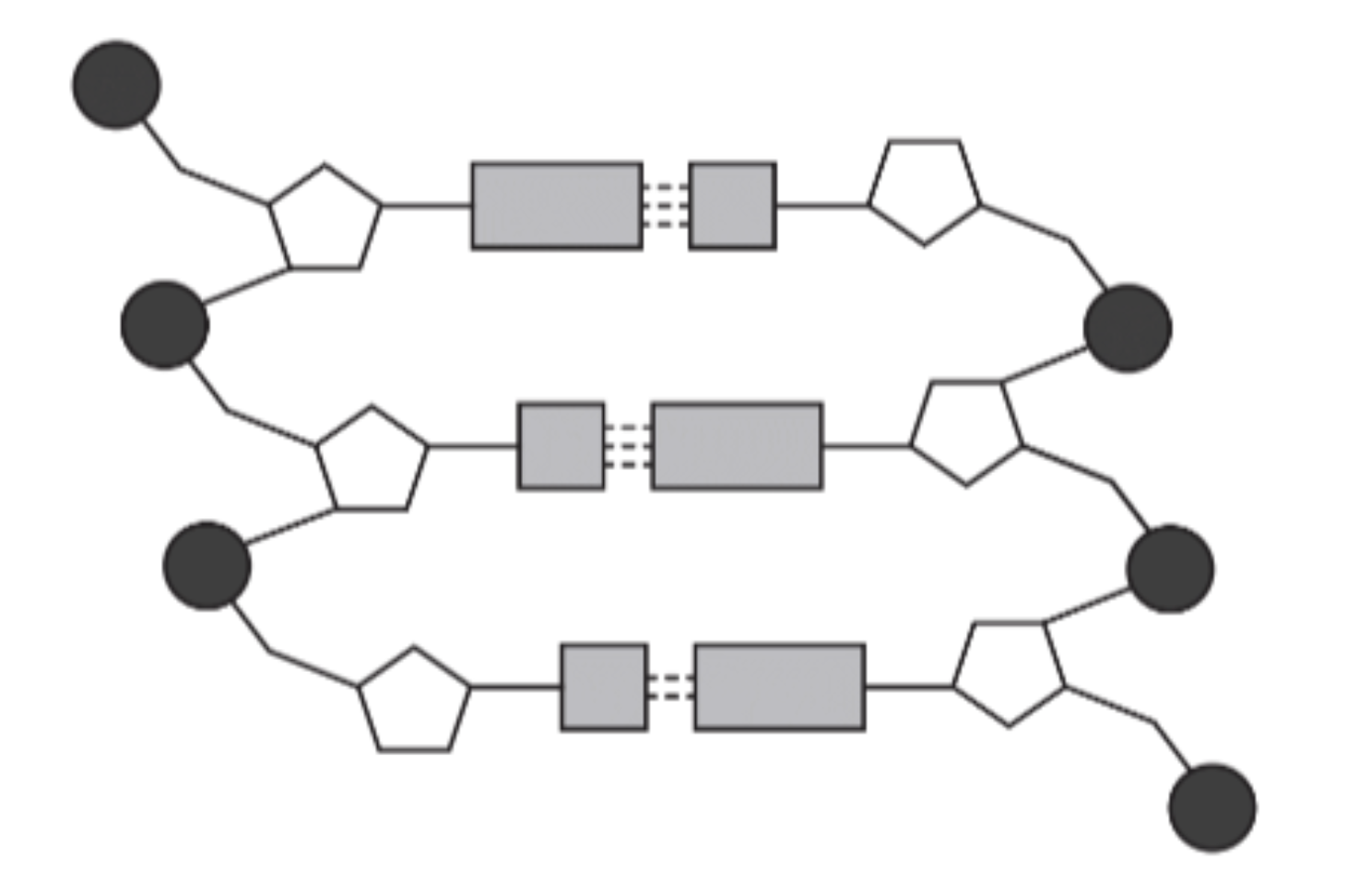
A model of DNA is shown.
Which part of the DNA model is most directly associated with the coding of genetic information?
Identify components
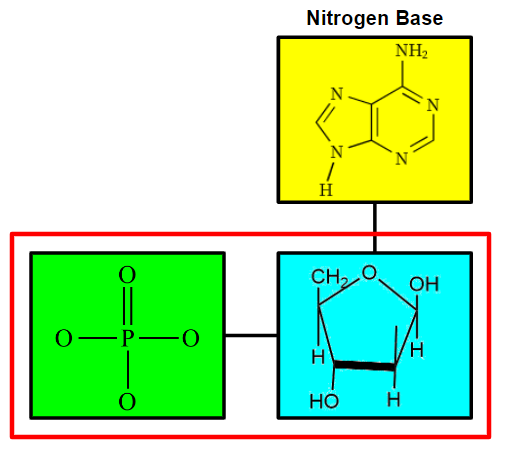
A part of a DNA nucleotide is shown.
What portion of DNA structure does the red boxed portion of this molecule represent?
How do hydrogen bonds contribute to the double helix structure of DNA?
Identify components
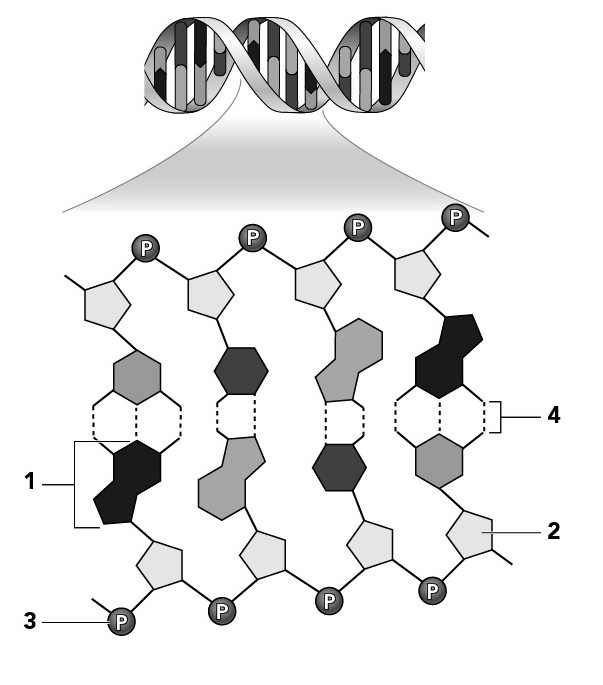
A model of DNA structure is shown.
Select the option that correctly labels the diagram, in order from 1–4.
Identify components / sequence
The base sequence of a segment of DNA is shown below.
DNA Template: 3' A - G - G - T - C - A 5'
Missing Sequence: 5' ____________________ 3'
Which option correctly shows the missing complimentary DNA sequence?
Sequence
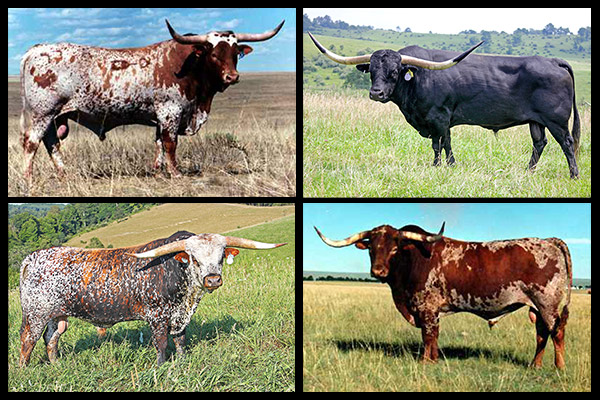
In Texas Longhorn cattle, coat coloration is an inherited trait.
What is the genetic basis of coat-color variation (differences) in Texas Longhorn cattle?
Sequence
The pancreas secretes insulin, a small globular protein, that allows the body to regulate levels of sugar in the blood. What factor most directly determines the amino acids that are combined to create insulin?
Explanations for the origin
Scientists have long theorized about the origins of the DNA molecule. Where do scientists think that DNA originated from?
6(A) explain the importance of the cell cycle to the growth of organisms, including an overview of the stages of the cell cycle and deoxyribonucleic acid (DNA) replication models;
importance of the cell cycle
overview of the stages
deoxyribonucleic acid (DNA) replication
Importance
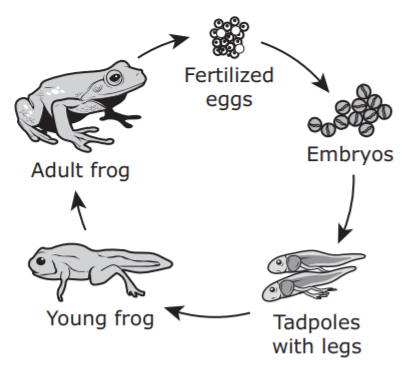
The life cycle of a frog is illustrated in the diagram.
Which statement best explains how the cell cycle is important to the life cycle of the frog?
Importance
A group of students places information about the stages of the cell cycle into a table.
Which information should be added to the table?
Importance
Cells pass through a G2 checkpoint before entering mitosis. Ideally, if DNA damage is detected, the cells do not enter mitosis until the damage is repaired.
Why is DNA damage repaired before cells enter mitosis?
Overview
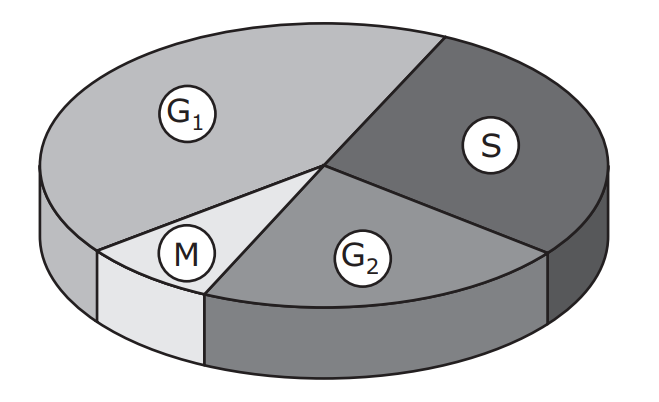
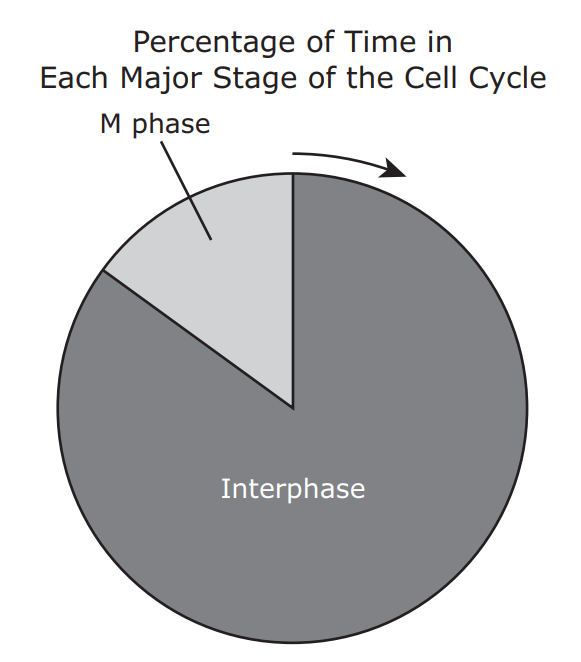
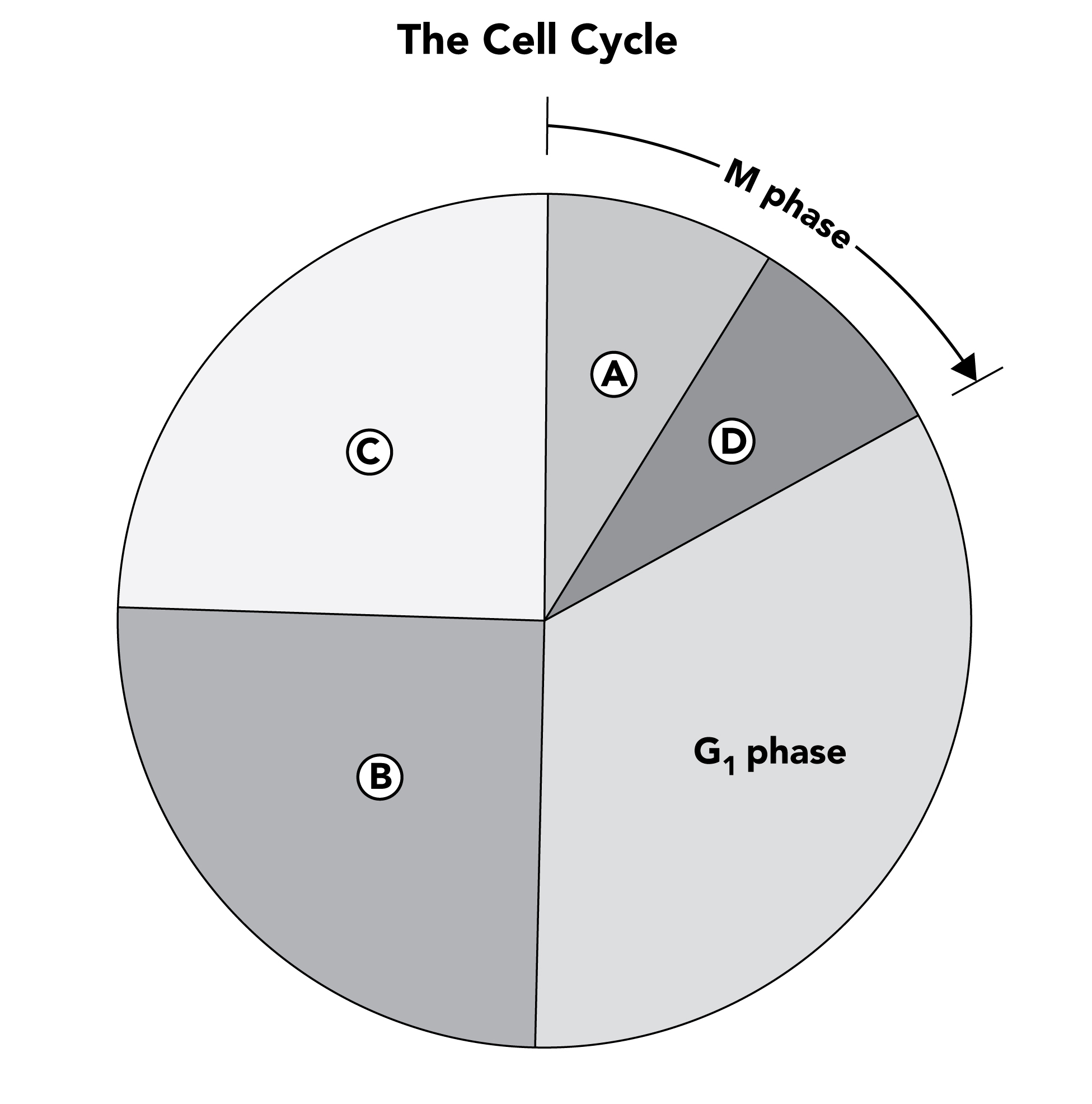
The diagram shows the major stages of the cell cycle and the percentage of time spent in each phase.
Which statement best describes why a cell spends the majority of its time in interphase?
Overview
Which table best compares the events that occur during different stages of the cell cycle?
Overview
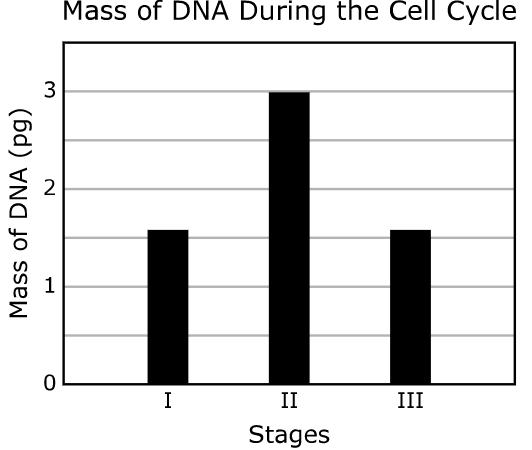
Scientists determine the total mass of DNA from a sample of animal cells. The masses of equal numbers of cells were taken during three different stages of the cell cycle. Stage I contains cells massed during G1 of the cell cycle.
Which statement best describes the cells during Stage II?
Overview
A student observed a human cheek cell under a light microscope and made these observations:
The chromatin is condensed.
There is no visible nucleolus.
The spindle fibers are visible.
The nuclear membrane looks like it is disappearing.
Which phase of the cell cycle is the student MOST LIKELY observing?
Replication
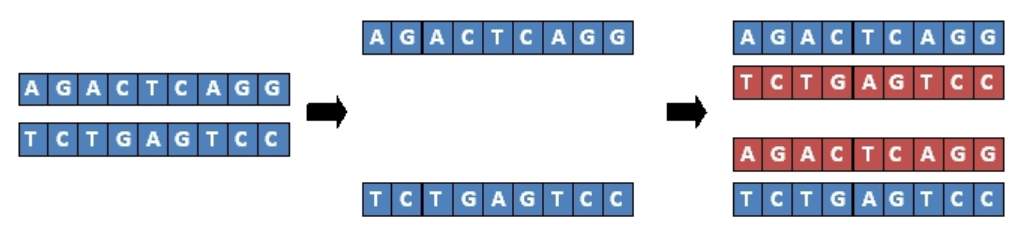
Which table shows two steps of DNA replication?
DNA replication
Make hotspot in SchoolCity
Dogs have 39 pairs of chromosomes in their somatic cells. In which part of the cell are these chromosomes replicated during the cell cycle?
Select ONE correct answer.
Replication
The diagram below illustrates the steps of DNA Replication.
What is the purpose of DNA Replication?
6A and 6C
Throughout the cell cycle, the cell performs checkpoints to ensure that each phase is proceeding as normal. However, sometimes checkpoints are missed or fail.
During what stage of the cell cycle do mutations occur AND what is the result of mutations if the checkpoint is skipped or fails?
During the cell cycle, proteins called cyclins bind to enzymes that send signals for the cell to progress through stages of cell replication. At the end of this cycle, the cyclins degrade to prevent further signaling for the cell to divide.
Uncontrolled production of cyclins will most likely result in —
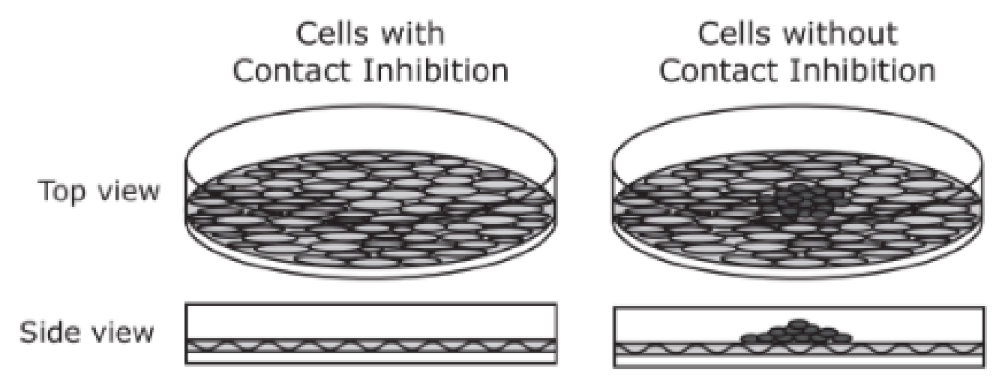
Normal cells have a contact inhibition feedback mechanism that prevents the cells from replicating when other cells are touched.
A diagram of cells with contact inhibition and cells without contact inhibition is shown.
Which statement best describes what will happen to the cells in an organism that lacks contact inhibition?
A student produced a model to demonstrate the cell cycle and its importance in the development of cancer cells.
Exposure to radiation at which location on the model may cause cancer cells to develop due to mutations?
Biomolecules / Cell Transport (technically)
Used already on Unit 2 test
Cells USE
AAC
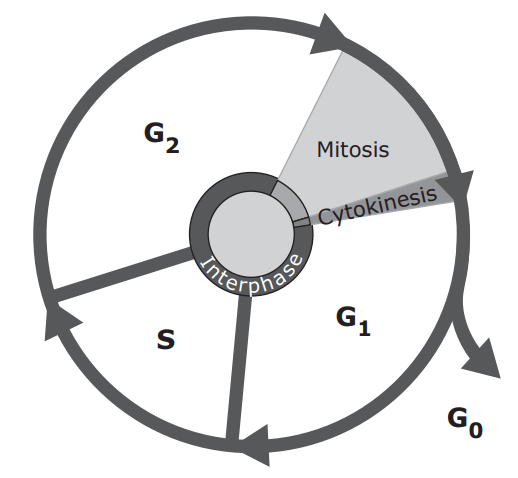
The diagram below represents the cell cycle.
When cells leave the cell cycle, they exit during G1 phase and then enter G0 phase, a resting period. Most normal cells can leave G0 phase and reenter the cell cycle at G1 phase before entering S phase.
Cancer cells are different because they cannot enter G0 phase and are likely to do which of the following?
![]()
AAC
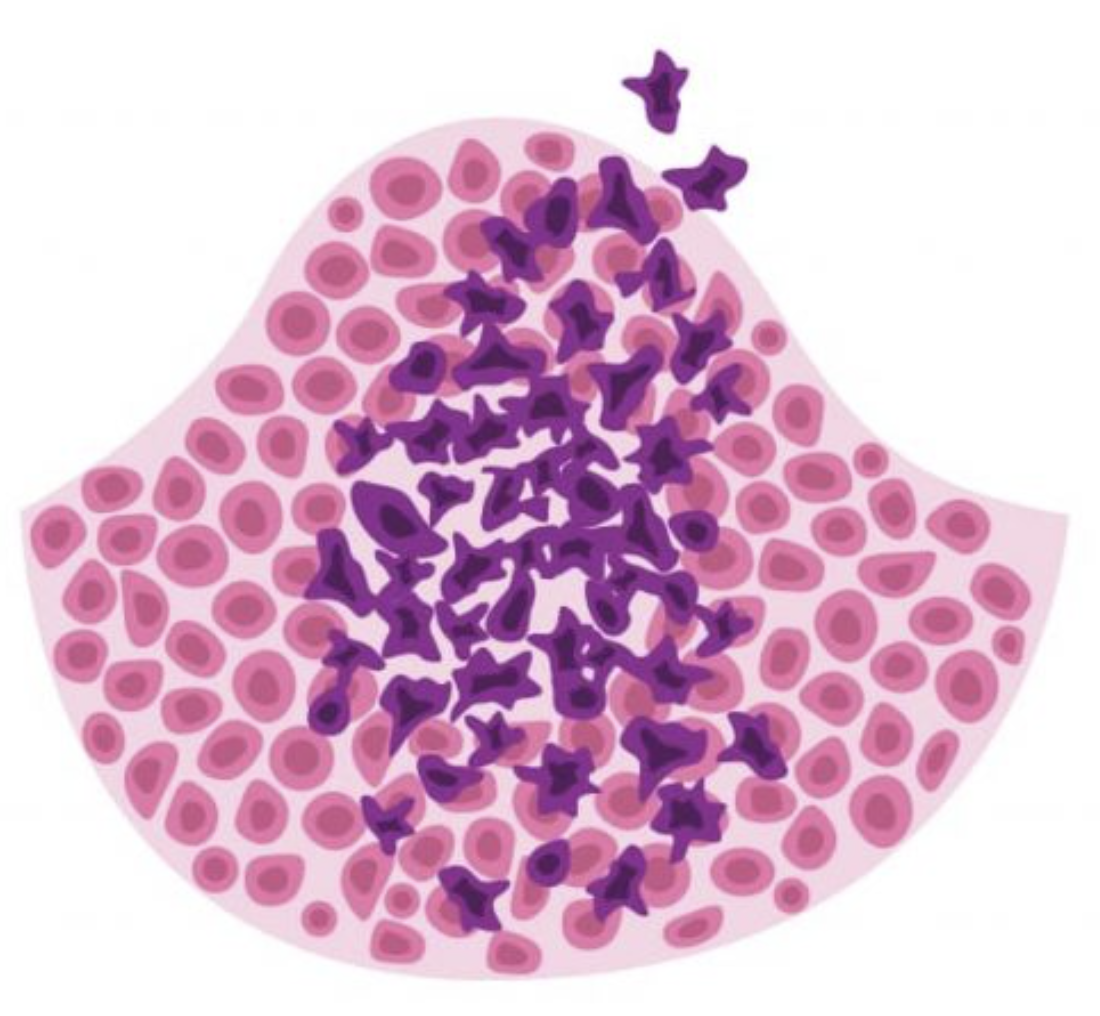
After her passing, a medical examiner found that the cancerous cells in Henrietta Lacks' cervix had spread throughout her body.
This means the tumor she had was .
AAC
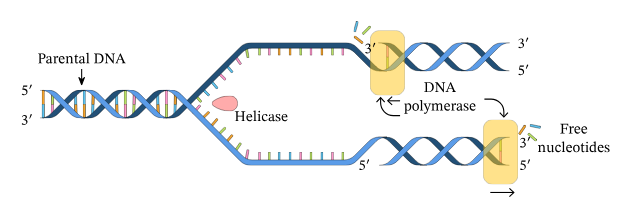
What role do the enzymes DNA helicase and DNA polymerase play in DNA replication?
AAC
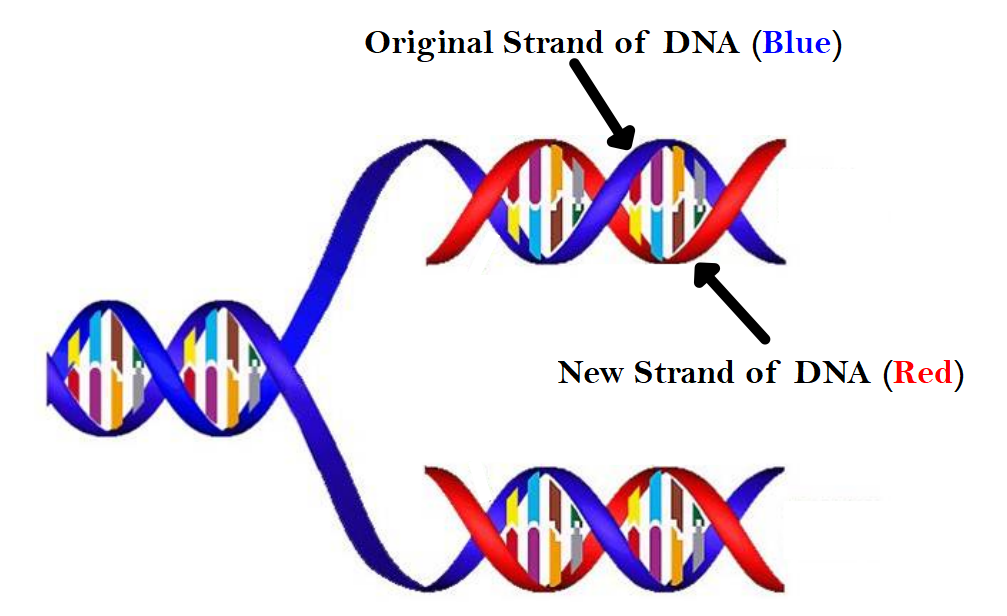
What process is being shown in the figure below?
AAC
Telophase is a stage of a cellular process that begins after the chromosomes have moved to opposite poles (ends) of the cell. During which cellular process does telophase occur?
AAC
Exposure to toxins and UV rays can interfere with the process of DNA replication. When this occurs, it can cause the enzymes within the cell to incorrectly match the nitrogen base pairs of a nucleotide. If this were to happen, what would this error produce?