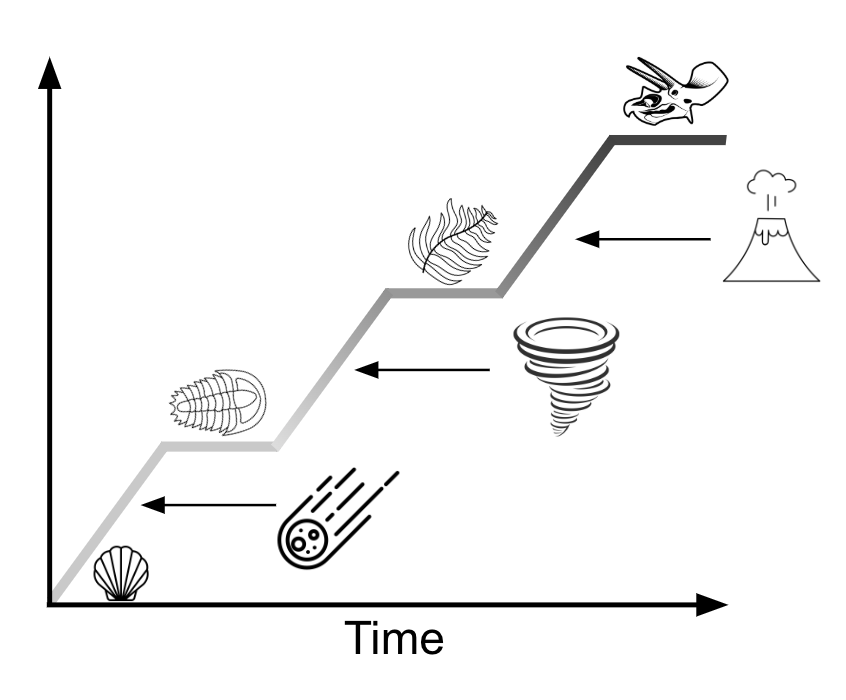
The type of evolution shown above is because there is environmental changes followed by a period of stasis resulting in the of biodiversity.
A fossil record shows long periods of little change in a species followed by abrupt changes.
Due to the experience of a stable environment interrupted by episodes of abrupt change describes the theory of . This environment would have a biodiversity because of the disruptions.
The type of evolution shown above is because there is environmental changes followed by a period of stasis resulting in the of biodiversity.
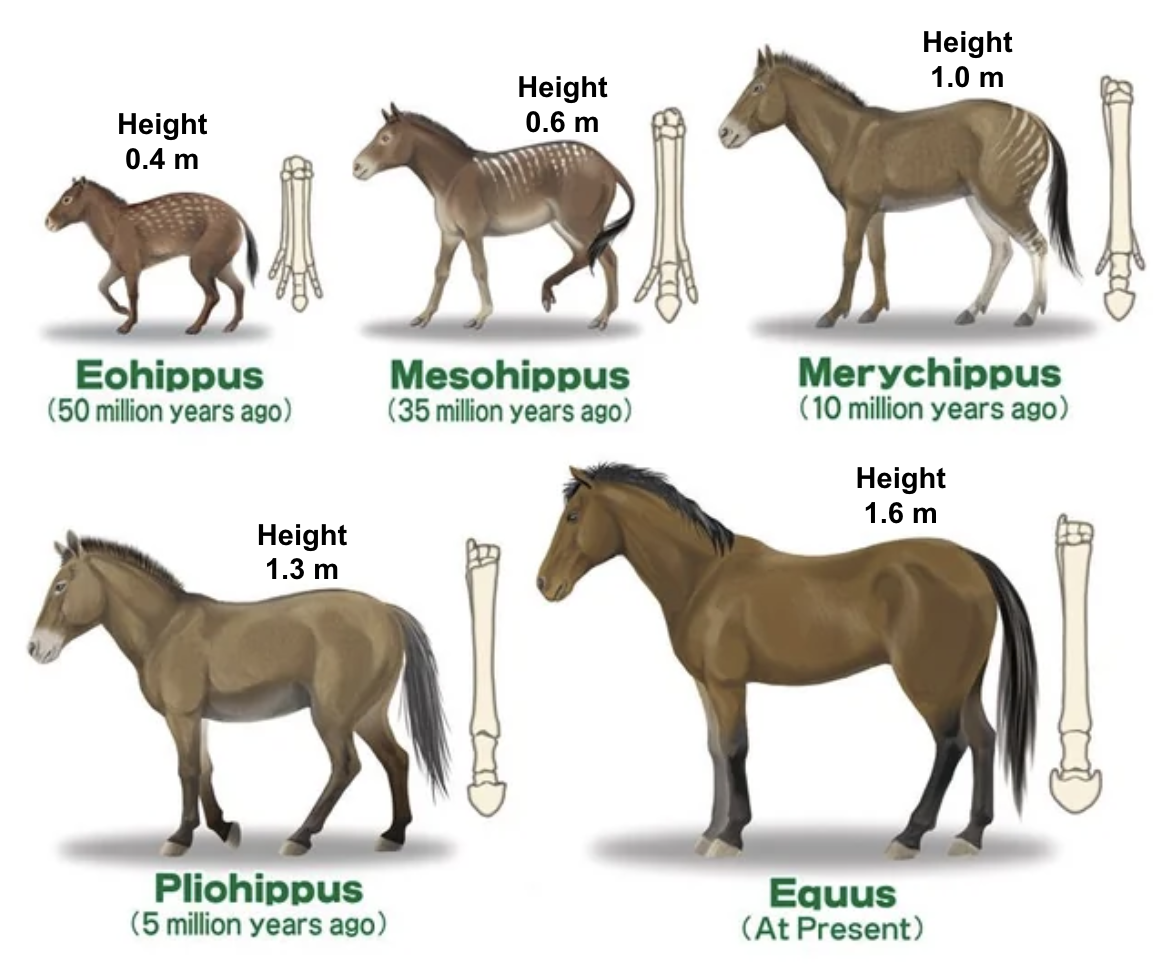
Below is the evolution of the modern-day horse. The earliest known species, Eohippus, lived 50 million years ago and stood at a height of 0.4 meters, whereas Equus reaches a height of 1.6 meters. Scientists observed that horse bone structure has remained largely unchanged for 50 million years.
The image below compares structures found in mouse embryos and human embryos in early stages of development.
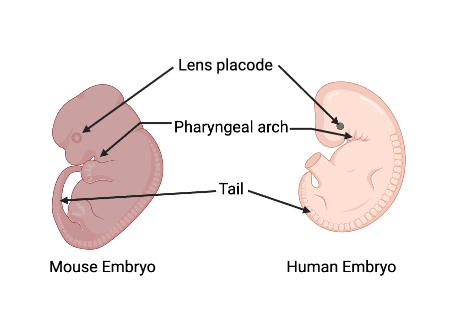
Based on the embryological evidence, select TWO true statements:
In early stages of development, humans have a tail. As development continues, this structure does not develop fully into a tail and only a small tail bone is present by birth.
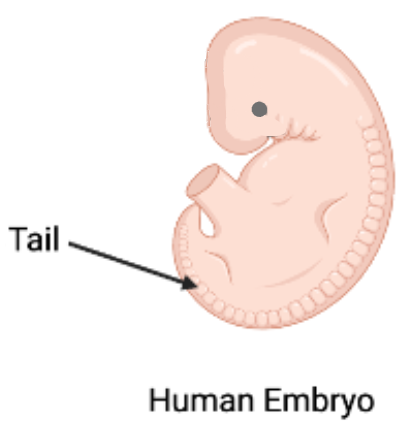
The tail bone is an example of a because .
The presence of this structure indicates .
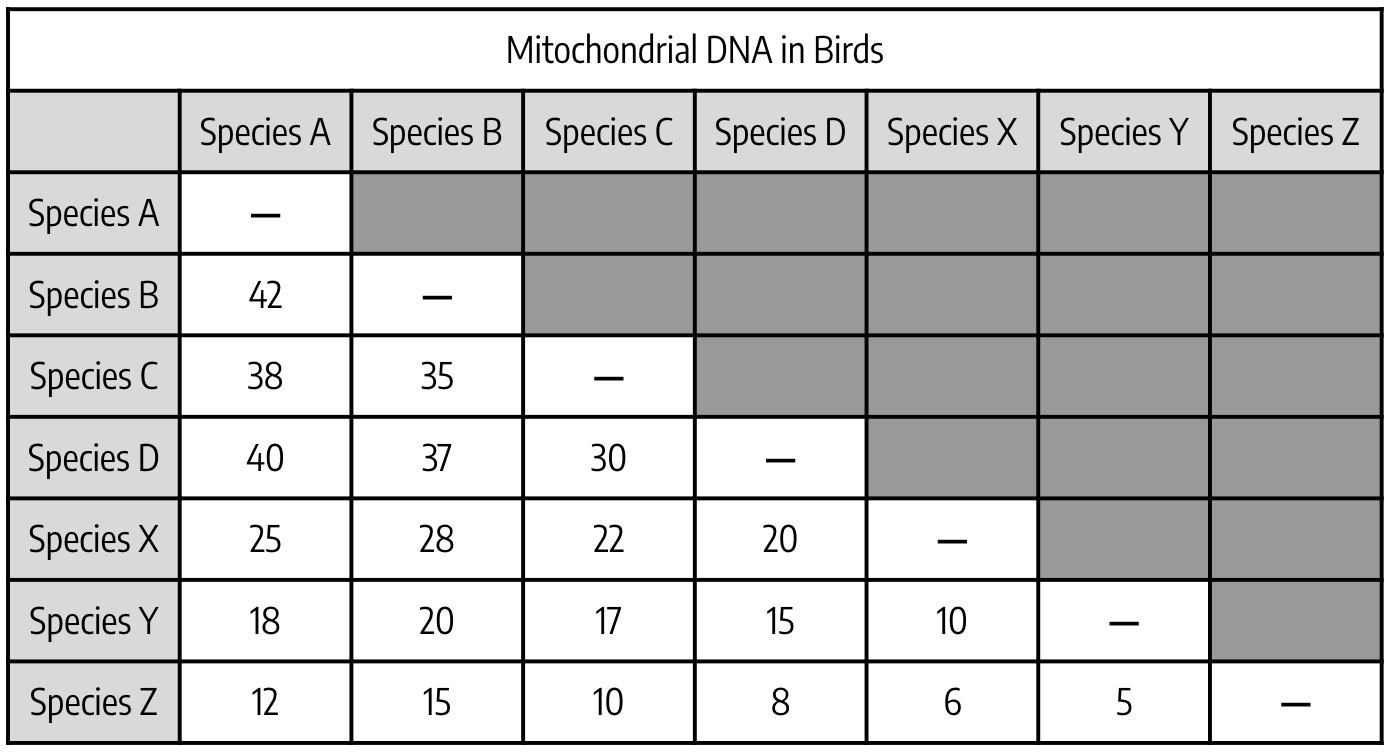
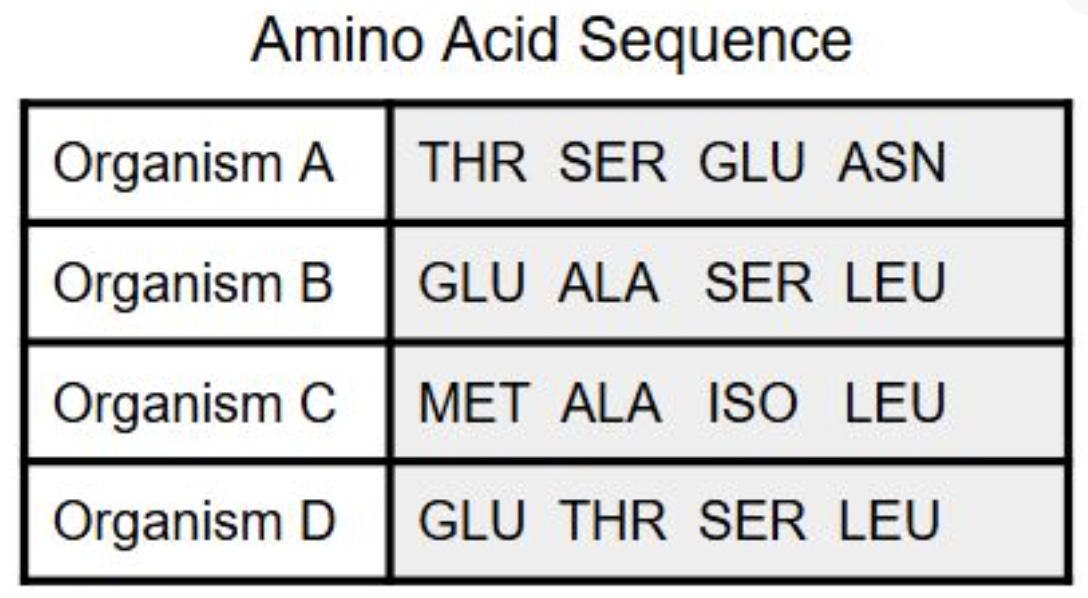
The table below show a sequence of amino acids from several species.
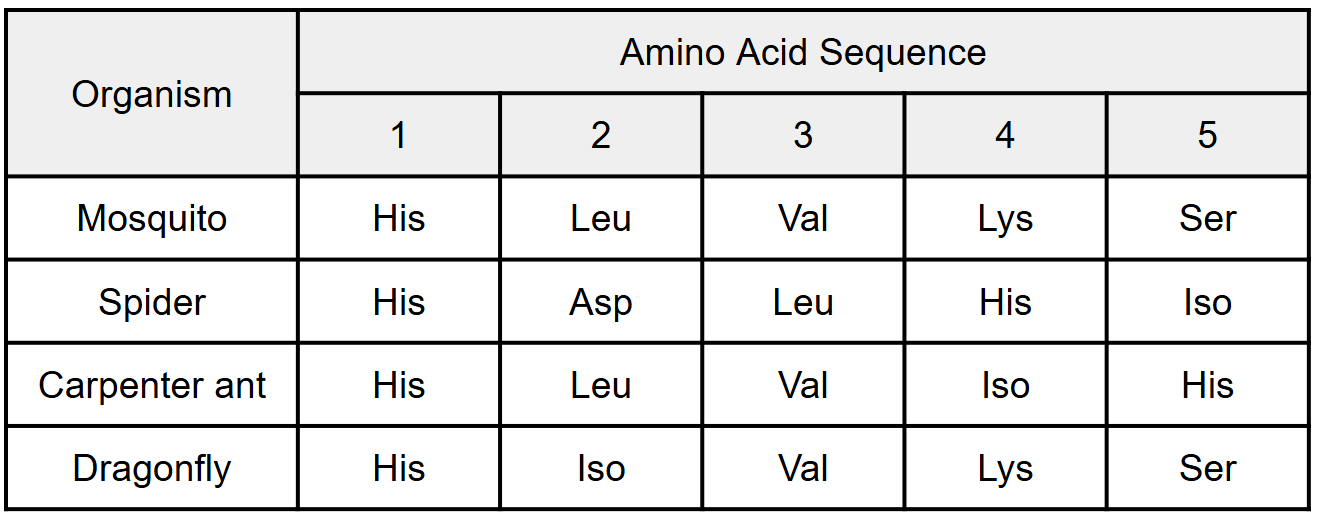
Identify the organism that is THE LEAST related to the mosquito AND explain your reasoning by using evidence from the table.
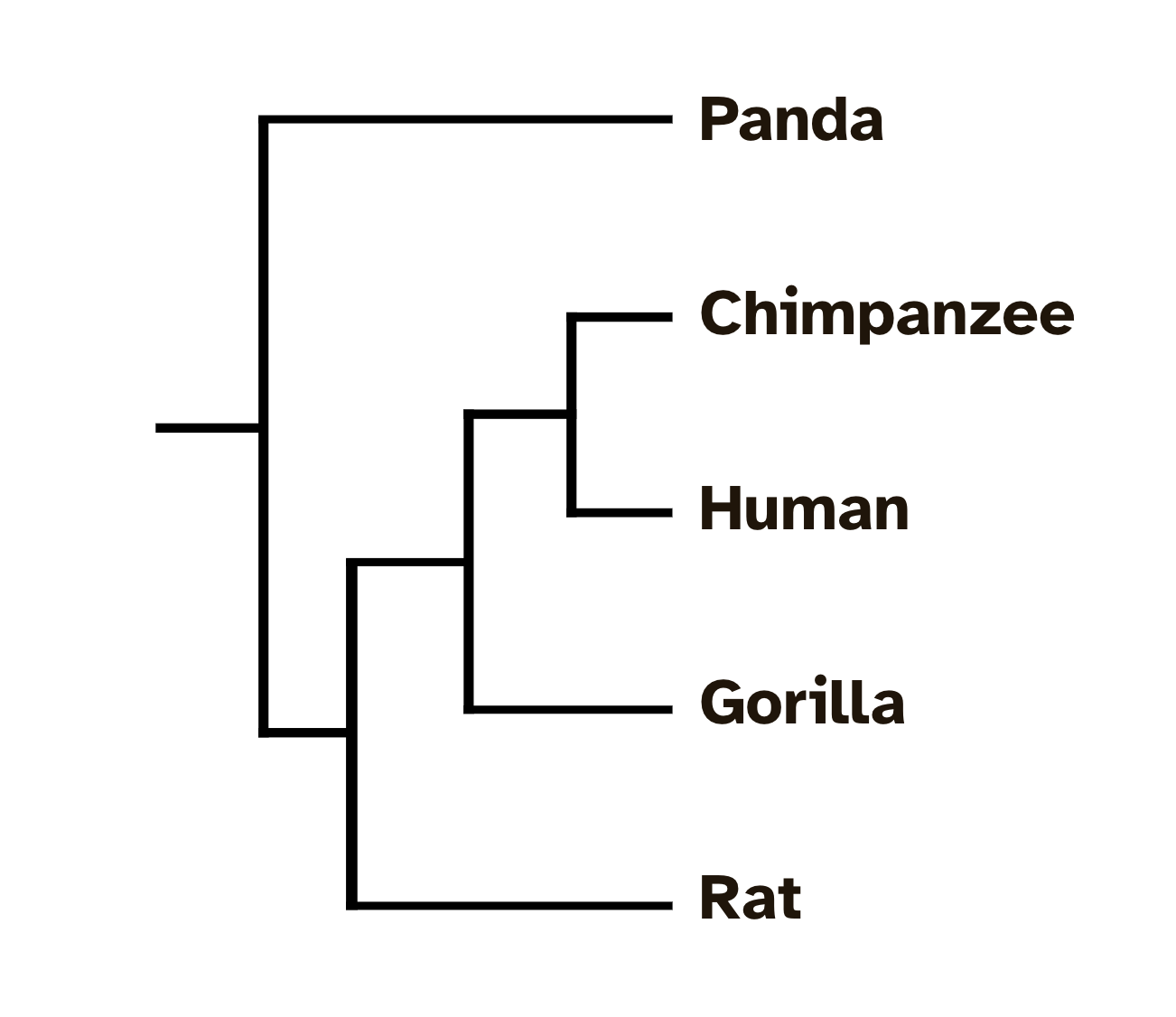
is least closely related to Organism B and is most closely related to Organism B.
Question on the board.
Gradualism vs punctuated given images
Punctuated Equilibrium
Gradualism
stable / slow changes
interruptions in stability
higher biodiversity
lower biodiversity
Image A
Image B