Twa kɔ nsɛm atitiriw so
Log in
Sign up for FREE
arrow_back
Laabri

Tuesday (10/15) - Intro to DNA 2024

star
star
star
star
star
Last updated about 2 hours ago
27 Nsɛmmisa
Section 1: Warm Up
Ɛhia
1
Ɛhia
1
Ɛhia
1
Ɛhia
1
1
Section 2: DNA Stations Activity
Ɛhia
1
Ɛhia
1

STATION 3: BUILD-A-BEAR

Ɛhia
1
Ɛhia
1
Exit Ticket
Ɛhia
1
1
Ɛhia
1
Ɛhia
1
Ɛhia
1
Asemmisa {{asɛmmisaAhyɛnsode}}
1.

What kind of biomolecule is DNA?

Asemmisa {{asɛmmisaAhyɛnsode}}
2.

Which of the following have DNA?

Asemmisa {{asɛmmisaAhyɛnsode}}
3.

What does DNA do?

Asemmisa {{asɛmmisaAhyɛnsode}}
4.

Which of the following have DNA?

Asemmisa {{asɛmmisaAhyɛnsode}}
5.

When is DNA copied during the cell cycle?

DNA replication occurs during in eukaryotes.

STATION 1: COMPARING DNA

The drawings below show a very small section of the DNA double helix from three very different organisms: a plant, a mammal, and a bacterium.
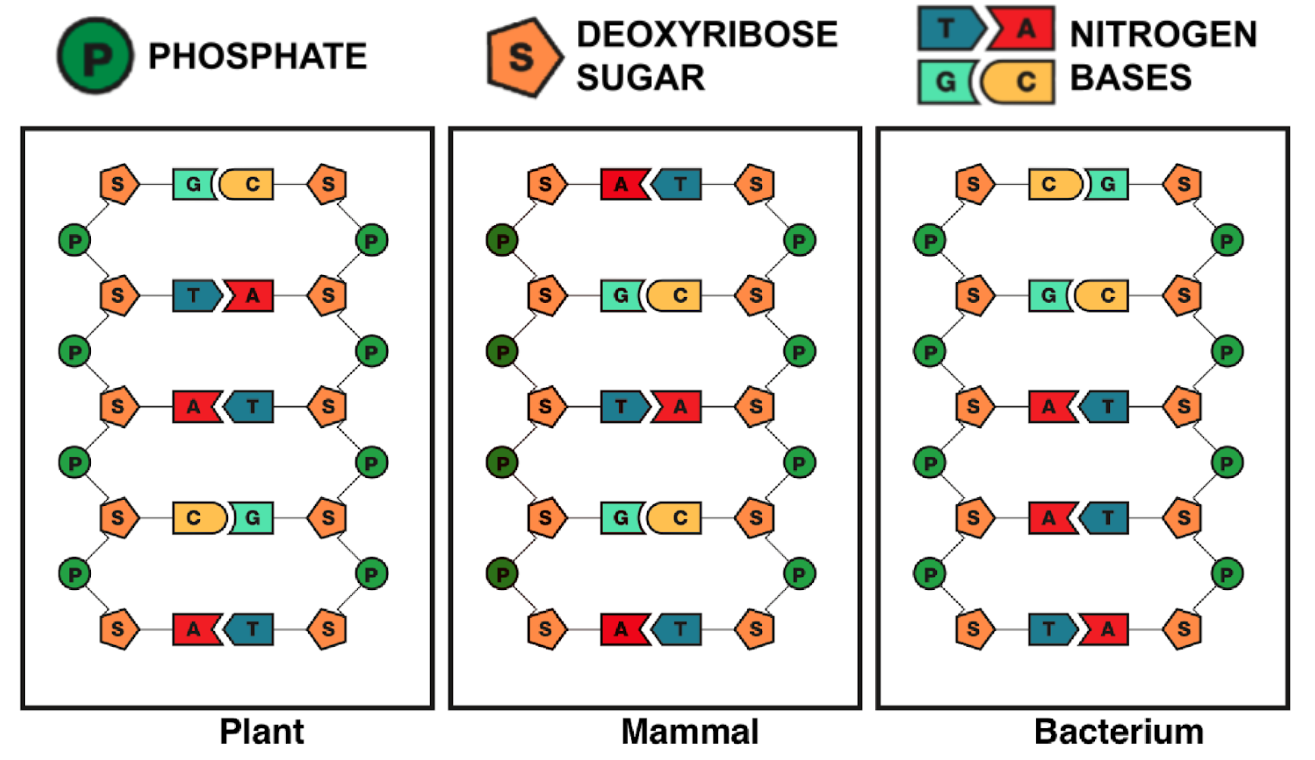
Each strand of DNA shown contains five nucleotides. Each nucleotide has:

S = sugar molecule called deoxyribose P = phosphate group and one of the four bases: A = adenine, C = cytosine, G = guanine, or T = thymine

Ɛhia
1
Asemmisa {{asɛmmisaAhyɛnsode}}
6.

In the backbone of each strand in the DNA double helix molecule, the sugar of one nucleotide is bonded to the of the nucleotides in each strand of DNA extend toward each other in the center of the DNA double helix molecule.

Ɛhia
1
Asemmisa {{asɛmmisaAhyɛnsode}}
8.

THE SUPER MOST IMPORTANT BASE PAIRING RULE!!!!

A in one strand always pairs with in the other strand.
Asemmisa {{asɛmmisaAhyɛnsode}}
9.

In the table below, select the statements that apply to each organism.

Plant

Mammal

Bacteria

Has backbone made of sugar and phosphate.

Has DNA bases made of A, T, C, and G.

Has the same order of bases.

Follows the base-pairing rule (see #8)

Asemmisa {{asɛmmisaAhyɛnsode}}
10.

If DNA has the same structure in all living organisms, what determines different genes? Based on your table above, which characteristic determines the difference in genes between plants, mammals, and bacteria?

STATION 2: NUCLEOTIDE STRUCTURE PUZZLE

Directions:

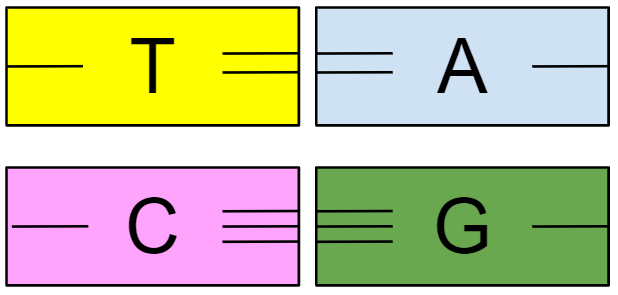
1.) Create a strand of DNA by attaching nitrogen bases (the letters on colored paper) to each side of the sugar phosphate backbone (on the white paper).

Note: Pay attention to the lines on each nitrogen base to determine the correct pairing of nitrogen bases! The lines should match up!!!!

2.) Call your teacher over when you are finished.

Ɛhia
1
Ɛhia
1
Ɛhia
1
Ɛhia
1
Ɛhia
1
Asemmisa {{asɛmmisaAhyɛnsode}}
16.

What does Bear #1 look like?

Asemmisa {{asɛmmisaAhyɛnsode}}
17.

What does Bear #2 look like?

STATION 4: DNA REPLICATION PROCESS

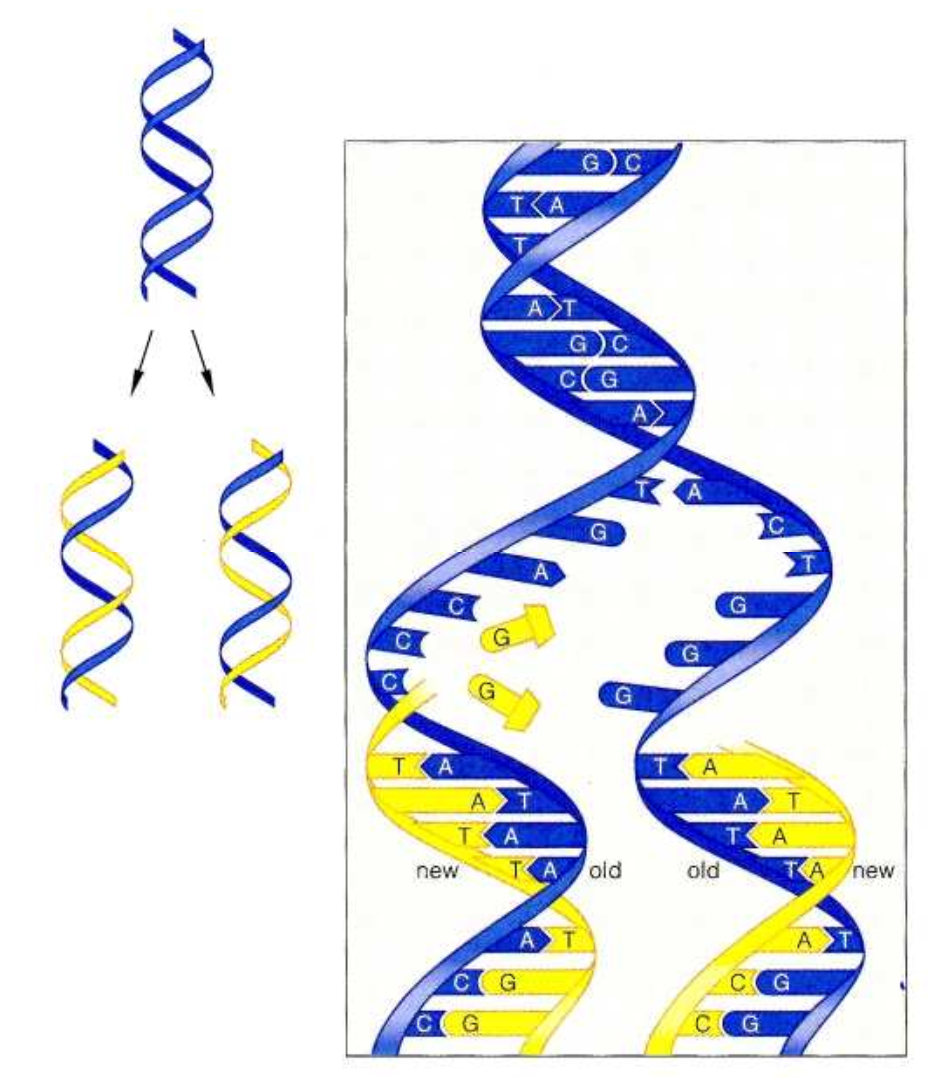
During DNA replication in S phase, the two sides of the DNA helix are separated, then each side is used to provide instructions for making a new complementary (matching) strand.

The nucleotides in the new strand are added one at a time. Each new nucleotide is matched to a nucleotide in the old strand using the base-pairing rules.

DNA replication results in two new DNA molecules that are identical to the original DNA molecule. Thus, each of the new DNA molecules has the same genetic information as the original DNA molecule.

Ɛhia
1
Ɛhia
1
Ɛhia
1
Ɛhia
1
Ɛhia
1
Asemmisa {{asɛmmisaAhyɛnsode}}
23.

When does DNA replication occur?

Asemmisa {{asɛmmisaAhyɛnsode}}
24.

In the structure of DNA, the super mega most important base pair rule is that A always goes with .

Asemmisa {{asɛmmisaAhyɛnsode}}
25.

Since all living things have DNA, and all DNA is made of A, T, C, and G, what is responsible for the changes in traits and genes in the DNA?

Asemmisa {{asɛmmisaAhyɛnsode}}
26.

What is the complementary (matching) strand?

(What is the other side?)

A C C T T G

Asemmisa {{asɛmmisaAhyɛnsode}}
27.

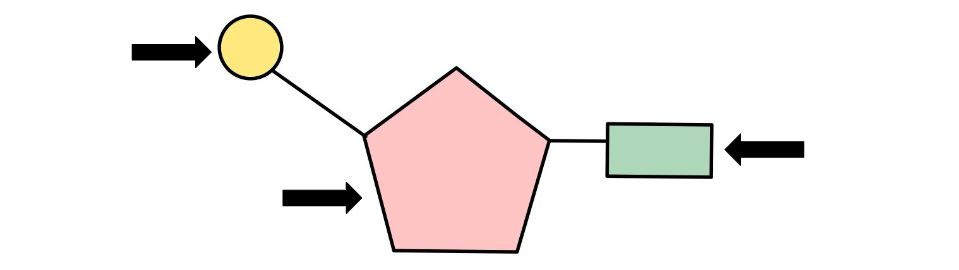
Label the structures of a nucleotide:

Mmuae Afoforo a Wobɛpaw:
Phosphate
Nitrogen Base
Sugar
Asemmisa {{asɛmmisaAhyɛnsode}}
11.

Based on your model, what do you notice about how the nitrogen bases pair together?

Draggable itemarrow_right_altCorresponding Item

G

arrow_right_alt

T

A

arrow_right_alt

C

Asemmisa {{asɛmmisaAhyɛnsode}}
12.

What things were you able to manipulate (change) as you built the DNA strand?

Asemmisa {{asɛmmisaAhyɛnsode}}
13.

How many sugar phosphate backbones are present in your strand of DNA?

Asemmisa {{asɛmmisaAhyɛnsode}}
14.

Based on your model, what always goes on the inside of DNA strand?

Asemmisa {{asɛmmisaAhyɛnsode}}
15.

Based on your model, what makes up the outside of DNA strand?

Asemmisa {{asɛmmisaAhyɛnsode}}
18.

Compare the original DNA strand to the strand that you created. What do you notice?

Asemmisa {{asɛmmisaAhyɛnsode}}
19.

Compare the two DNA strands you created to each other. What do you notice?

Asemmisa {{asɛmmisaAhyɛnsode}}
20.

At the end of DNA replication, we produce...

Asemmisa {{asɛmmisaAhyɛnsode}}
21.

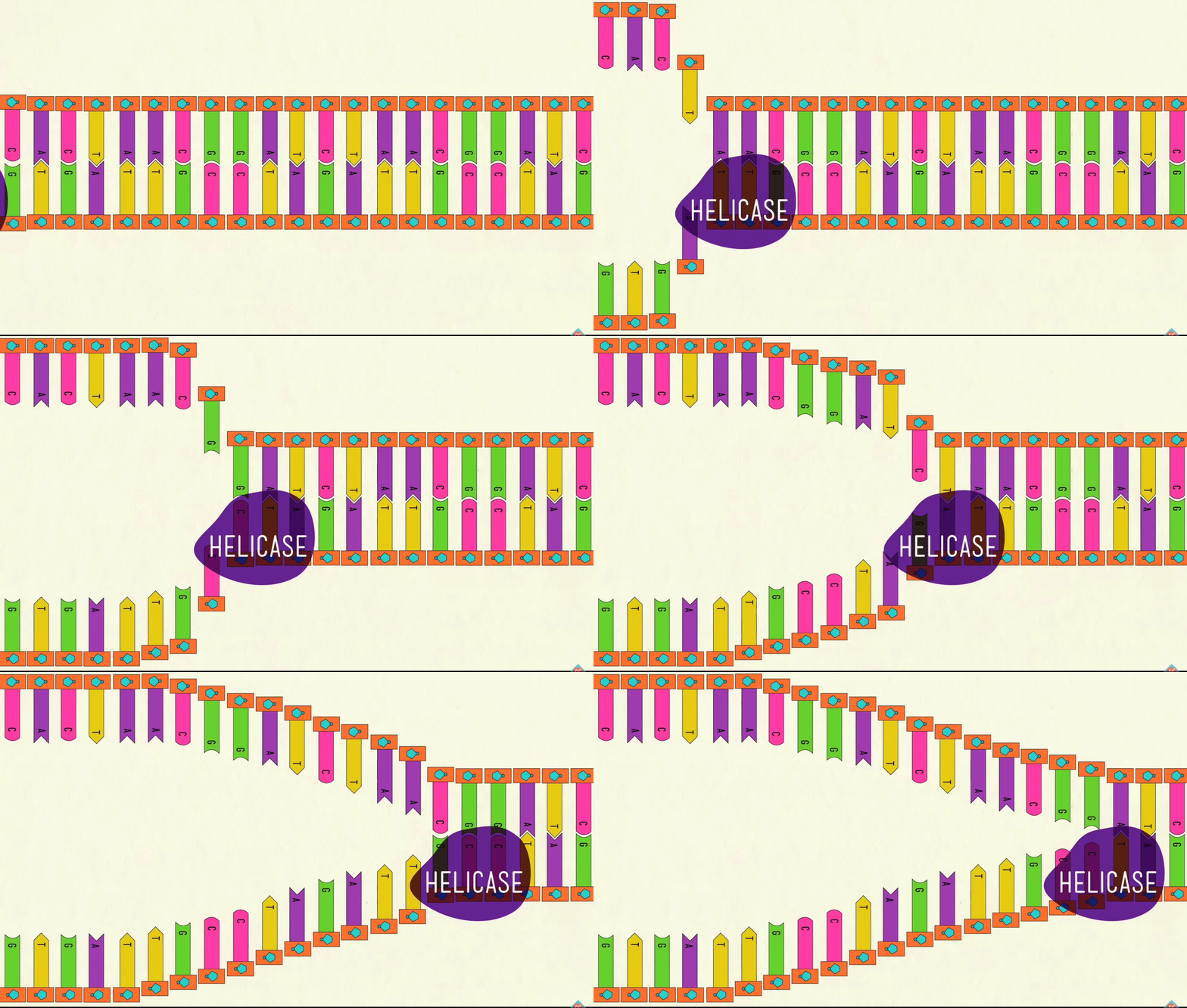
The diagram below shows an enzyme helicase during DNA replication.

What is the function of helicase?

Asemmisa {{asɛmmisaAhyɛnsode}}
22.

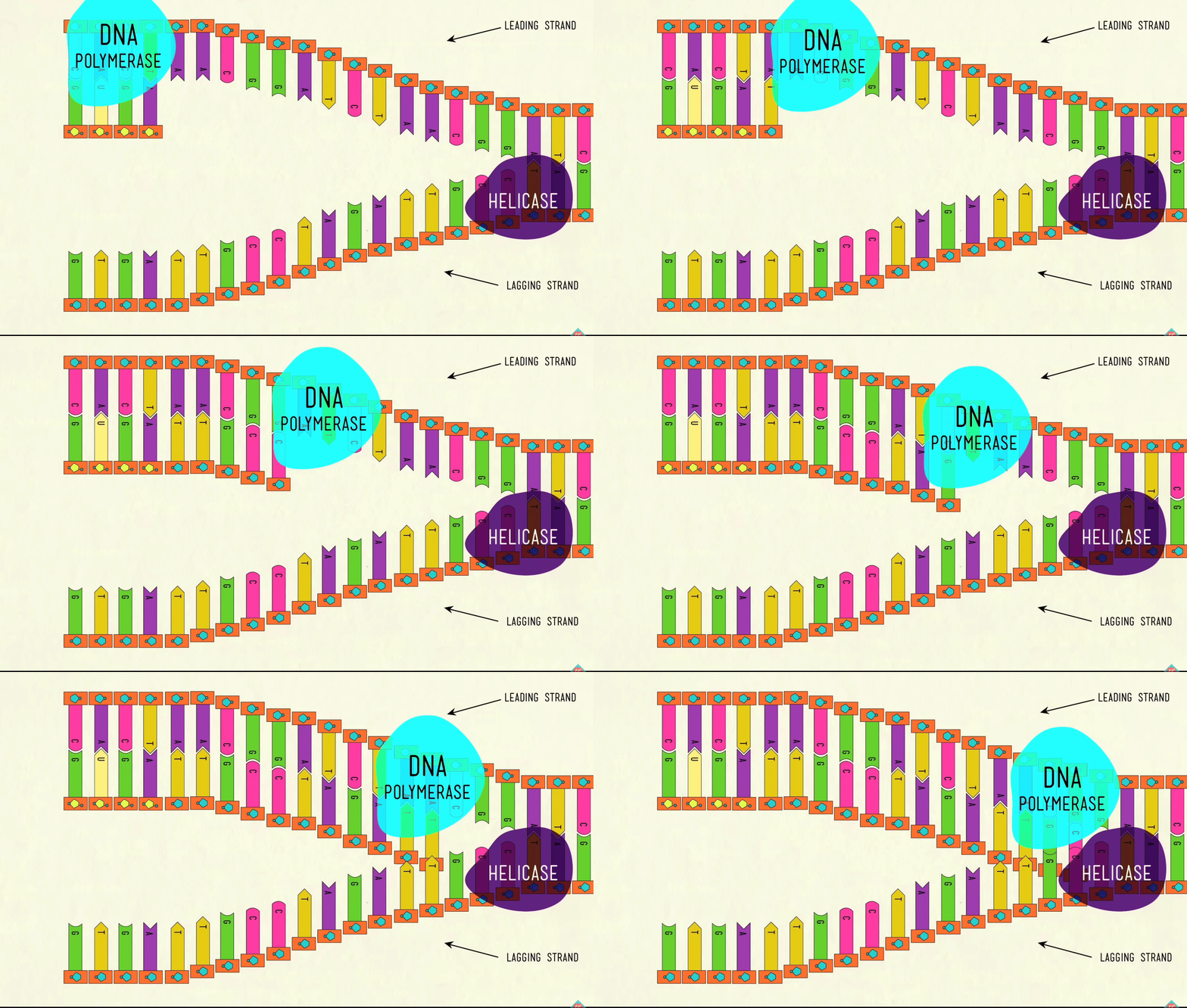
The diagram below shows an enzyme DNA polymerase during DNA replication.

What is the function of DNA polymerase?