Twa kɔ nsɛm atitiriw so
Log in
Sign up for FREE
arrow_back
Laabri

Copy of Unit 7 Retest 25-26 (5/2/2026)

star
star
star
star
star
Last updated about 2 hours ago
13 Nsɛmmisa
Ɛhia
1
BIO.10.B
Ɛhia
1
BIO.10.C
Ɛhia
1
BIO.10.C
Ɛhia
2
BIO.10.A
Ɛhia
1
BIO.9.B
Ɛhia
1
B.C.7A
BIO.9.A
Ɛhia
1
BIO.10.B

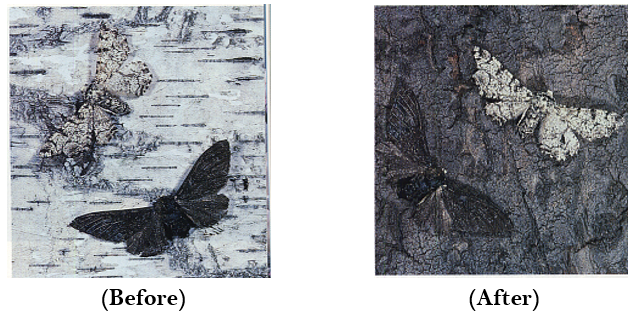
The picture (below) shows what the environment was like both before and after the Industrial Revolution. Industrialization in England produced black soot (powder) that covered many tree trunks and branches. At about the same time, the number of light-colored moths in this part of the country began to decrease over time.

Ɛhia
1
Asemmisa {{asɛmmisaAhyɛnsode}}
1a.

Over time, Natural Selection caused a change in the moth population mentioned in the question above.

Which of the following most likely occurred as the result of Natural Selection?

B.C.7E
BIO.10.B
Ɛhia
1
B.C.7E
BIO.10.B
Asemmisa {{asɛmmisaAhyɛnsode}}
2.

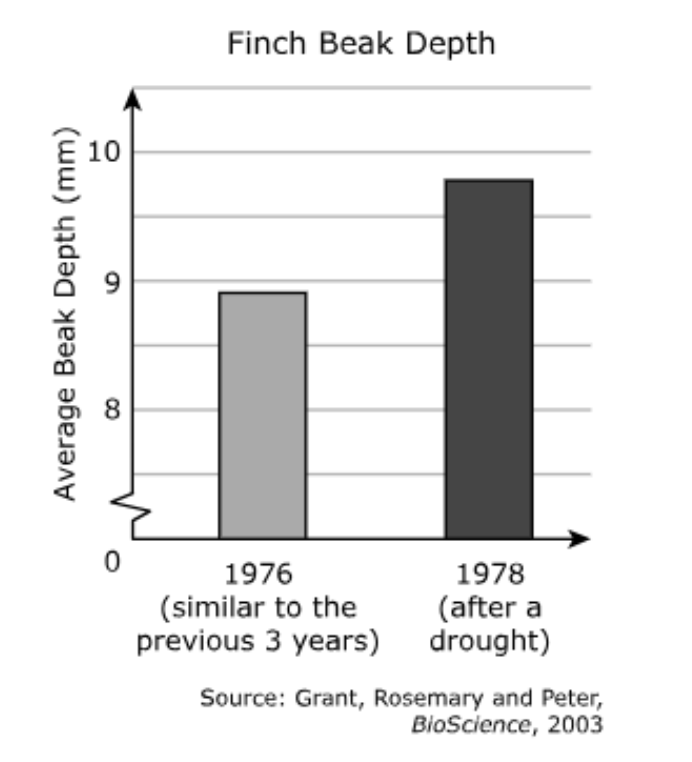
The bar graph shows the average beak depth (distance from the top of the beak to the bottom) of a population of finches. The data were collected in 1976 and 1978, after a drought occurred in 1977 in the area.

Which factor BEST describes the change in this population of finches?

Asemmisa {{asɛmmisaAhyɛnsode}}
3.

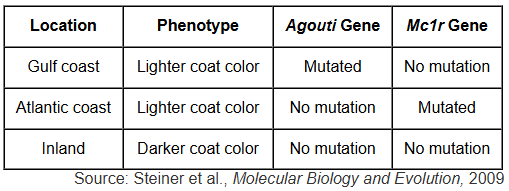
Peromyscus polionotus is a species of mouse found in inland fields as well as on the Gulf and Atlantic coasts of the southeastern United States. Coastal populations of this species have lighter fur than inland populations, and coastal populations blend into a beach environment more easily than the field mice do. Scientists investigated changes in two genes, Agouti and Mc1r, that are involved in fur coloration in this species. The table shows data from this investigation.

Which evidence would BEST support the claim that the phenotypes of these populations of mice are a result of natural selection?

Asemmisa {{asɛmmisaAhyɛnsode}}
4.

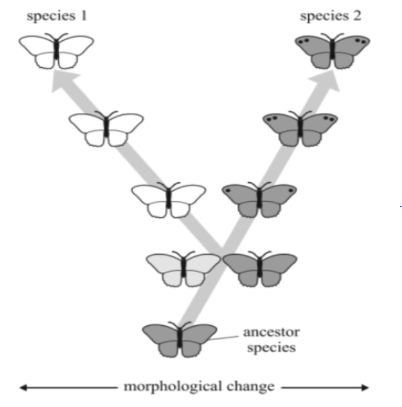
The illustration shows the morphological change in two species.

Which statement explains why species 1 and species 2 are different?

Asemmisa {{asɛmmisaAhyɛnsode}}
5.

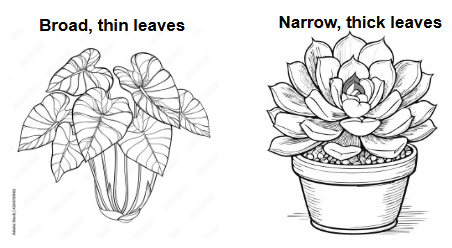
In a sunny meadow, a species of wildflower has two variations: broad, thin leaves and narrow, thick leaves. In normal conditions with plenty of rain, the broad-leafed plants grow faster and produce more seeds.

Complete the following statement to describe what will most likely happen to the plant population over time if conditions are dry with higher temperatures:

There will be in the new environment.

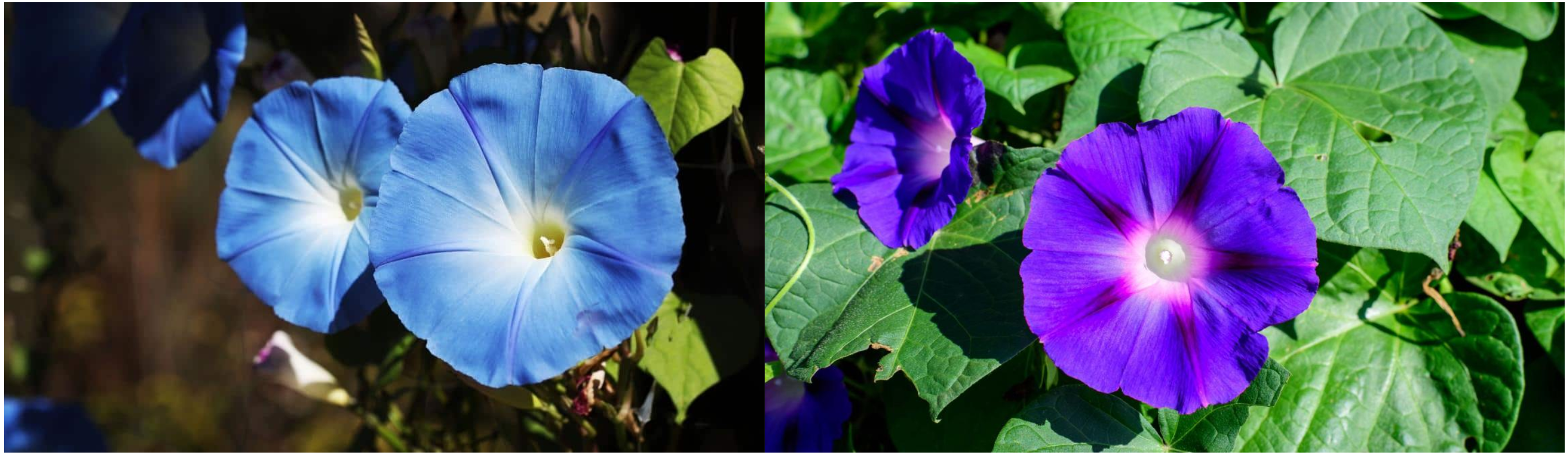
In the San Diego, there are two populations of Anacapa island morning glories: Light blue Morning Glories in the Botanical Garden, and Purple Morning Glories in Balboa Park.

Ɛhia
1
Asemmisa {{asɛmmisaAhyɛnsode}}
6a.

When the cross-pollination of these flowers contributes to the gene pool of the population, which of these most likely increases?

B.C.7F
BIO.10.D
Ɛhia
1
B.C.7F
BIO.10.D

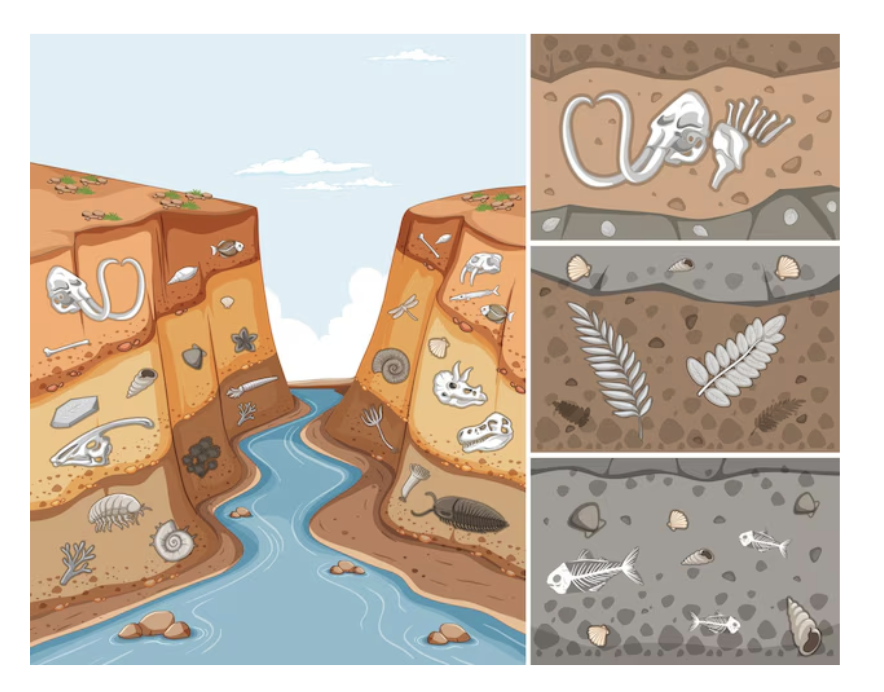
A paleontologist was studying how different environmental factors of an area in a canyon affected evolution by examining the fossil record. One of his samples is shown below.

Ɛhia
1
Asemmisa {{asɛmmisaAhyɛnsode}}
7a.

Part A

The fossil record would be BEST illustrates the theory of --

BIO.9.B
Ɛhia
1
BIO.9.B
Asemmisa {{asɛmmisaAhyɛnsode}}
8.

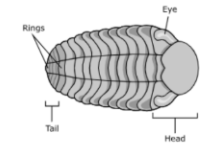
Scientists studied the evolution of ancient organisms known as trilobites. An image of a trilobite is shown, and some of its body structures are labeled.

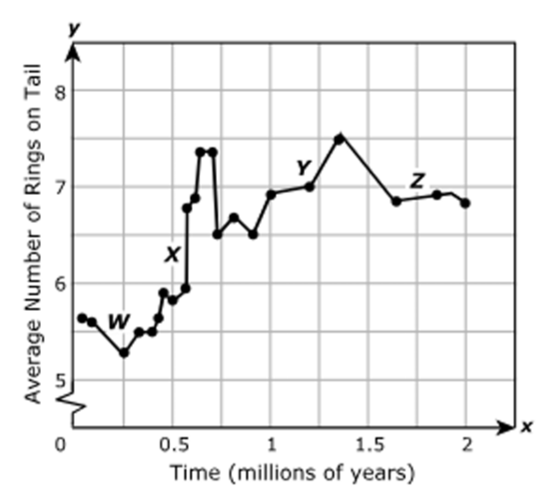
Scientists collected fossils of one species of trilobite that determined to have lived during a 2 million year span. The scientists observed that, over time, the number of rings in the trilobites' tails have changed. The graph shows the results of this investigation.

Which labeled section of the graph represents a time when the environment where trilobites lived was changing rapidly?

Asemmisa {{asɛmmisaAhyɛnsode}}
9.

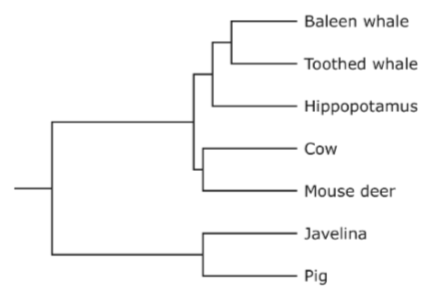
This cladogram shows the evolutionary relationships among some mammals based on homologous structures.

Which statement is supported by this cladogram?

Asemmisa {{asɛmmisaAhyɛnsode}}
10.

The salamanders of the genus Ambystoma in northeastern North America are an entirely female population that reproduces asexually through the process of cloning.

However, they have developed a way of inserting DNA from other species of salamanders into their own DNA.

How has DNA from other salamander species helped these Ambystoma salamanders survive environmental changes over the past 6 million years?

Asemmisa {{asɛmmisaAhyɛnsode}}
1b.

Why did the light colored moth population decrease over time?

Asemmisa {{asɛmmisaAhyɛnsode}}
6b.

The cross-pollination of flowers from the two different populations by bees will most likely result in-

Asemmisa {{asɛmmisaAhyɛnsode}}
7b.

Part B

What evidence BEST supports the theory from Part A?