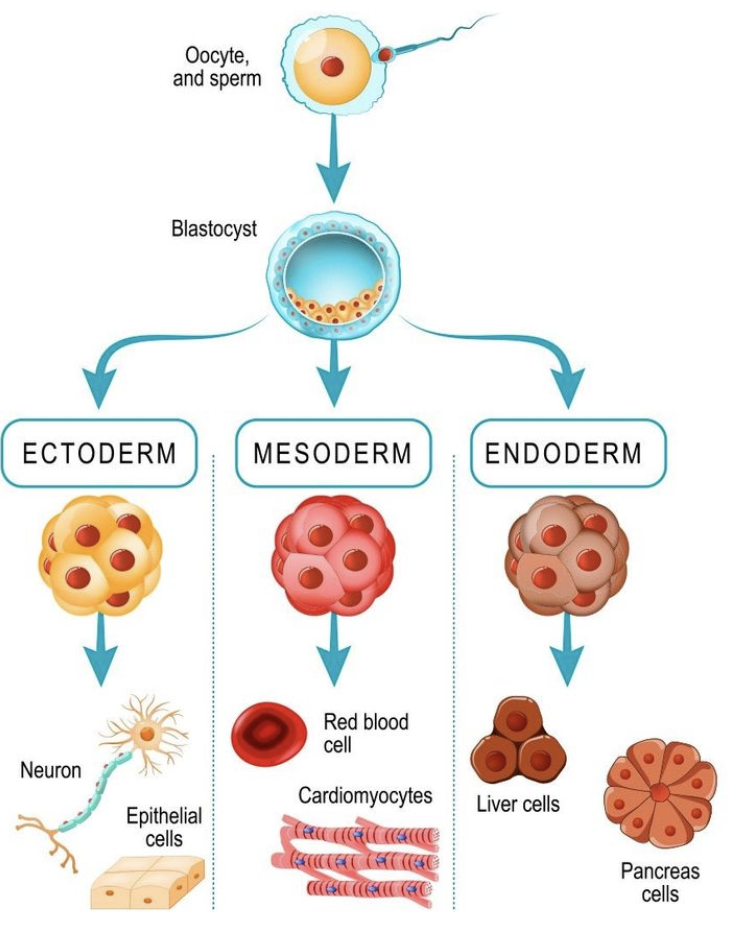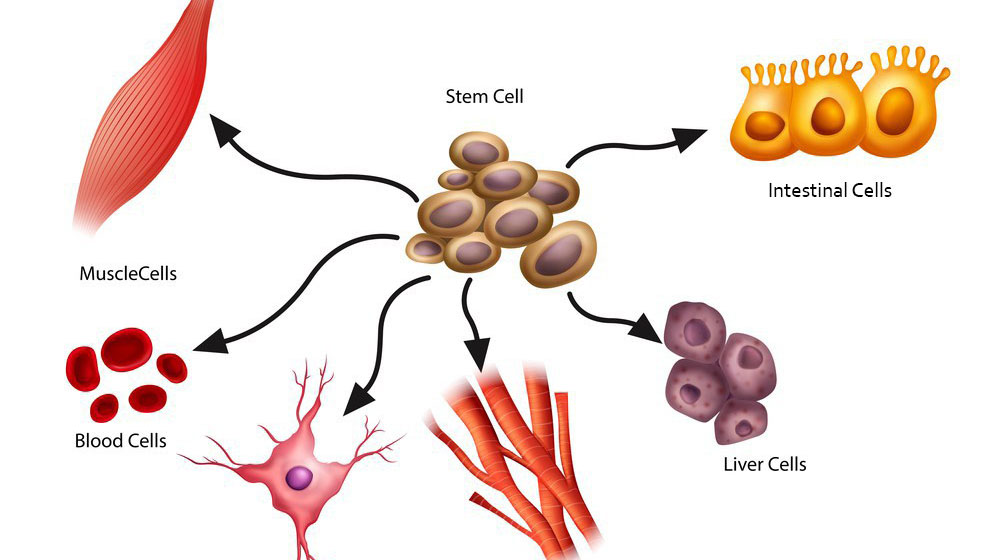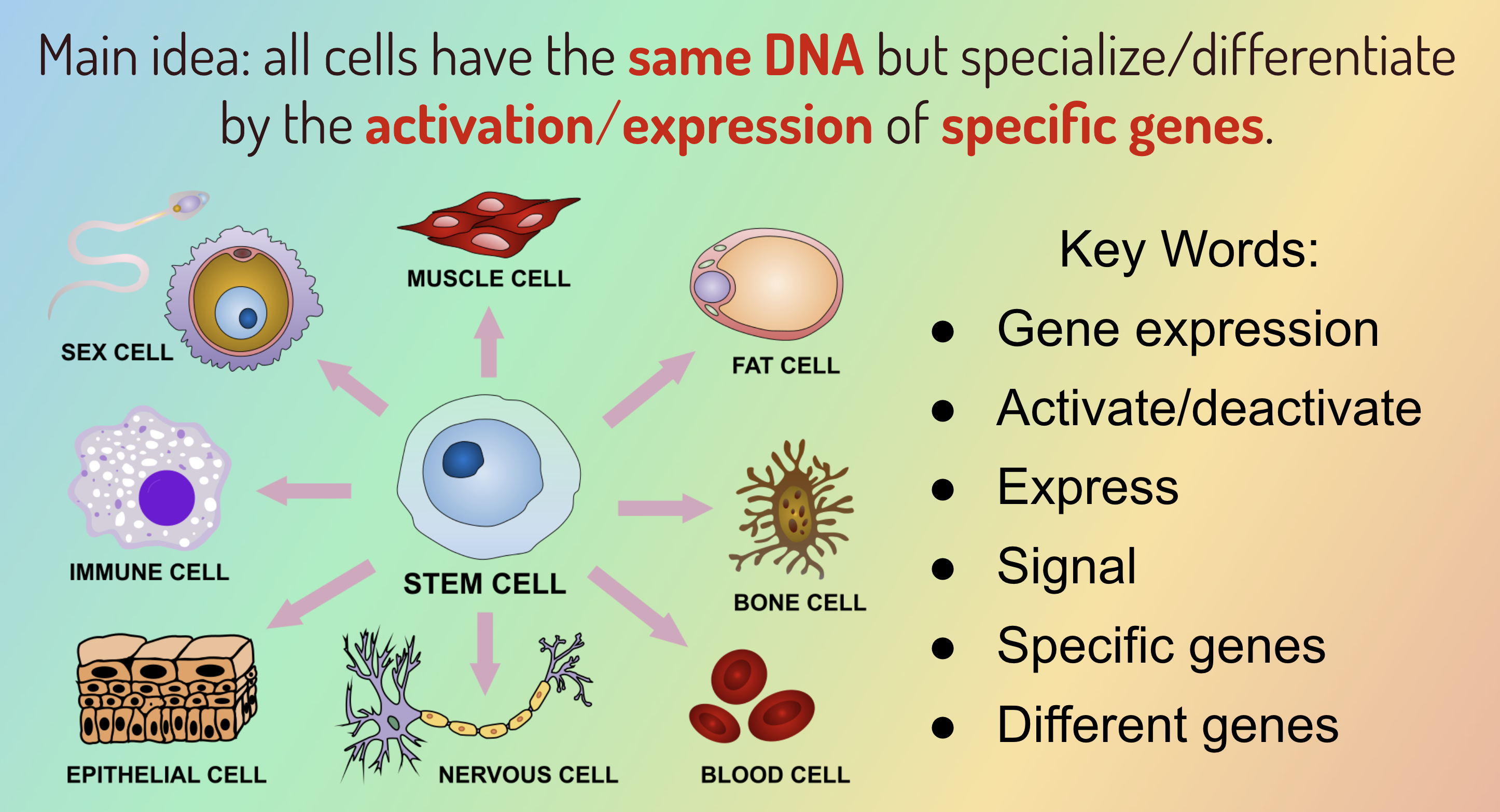
All cells in your body have but specialize due to .
In an experiment, scientists expose developing frog embryos to different temperatures. They find that embryos kept at a cooler temperature develop into males, while those at a warmer temperature develop into females.
How does temperature impact the developing frog embryos?
In an experiment, a group of developing cells is exposed to different concentrations of a hormone. The cells exposed to a higher concentration start to form liver tissue, while those exposed to a lower concentration become skin cells.
Which of these best explains how hormones contribute to cell differentiation?
When a stem cell divides, it produces two daughter cells. One daughter cell will remain a stem cell, while the other daughter cell will differentiate into a specialized cell.
Which factor will most likely determine what type of specialized cell will be produced?
In humans, cell specialization involves various hormone signaling as all cells originate from the single zygote formed when an egg and sperm cell join. Similarily, plants emerge from one cell in the form of a seed. In plants, the hormone auxin is involved in the development of specialized cells including root fibers, stems, leaves, and flowers.
Based on the description given, which statement below is true?
A group of plant seedlings is exposed to different amounts of light. The seedlings under sufficient light develop chloroplasts and begin photosynthesis, while those kept in darkness remain pale and fail to develop chloroplasts.
What does this observation suggest about the role of light in cell specialization?
The diagram below shows different types of specialized cells in the human body.
Explain where these cells originated (came) from, AND how they specialize to perform different functions, even though they have the same DNA.
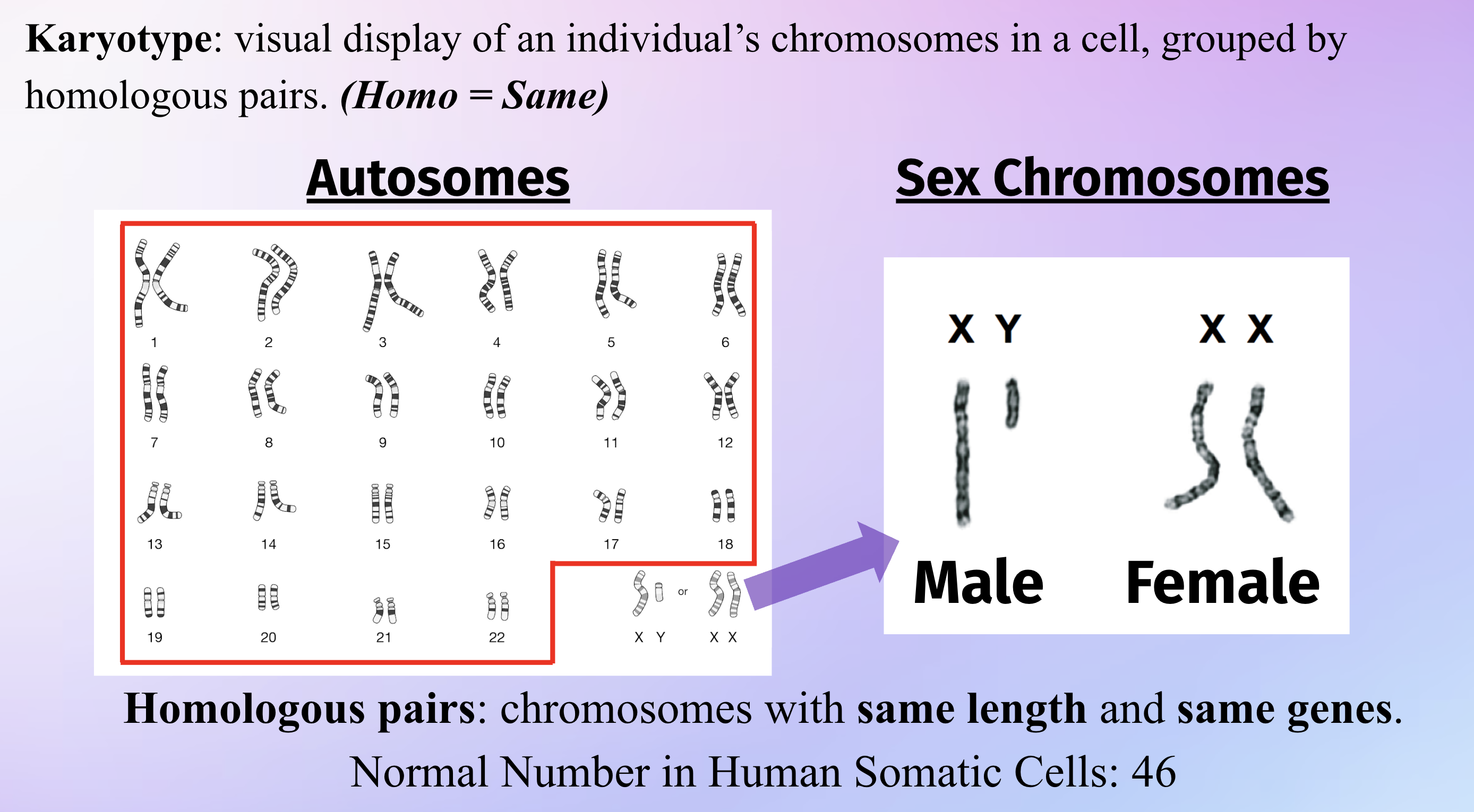
If you were looking at your own karyotype, where do your chromosomes come from?
Chromosomes are arranged in homologous pairs in the nucleus of eukaryotic cells. What is meant by the term homologous pairs?
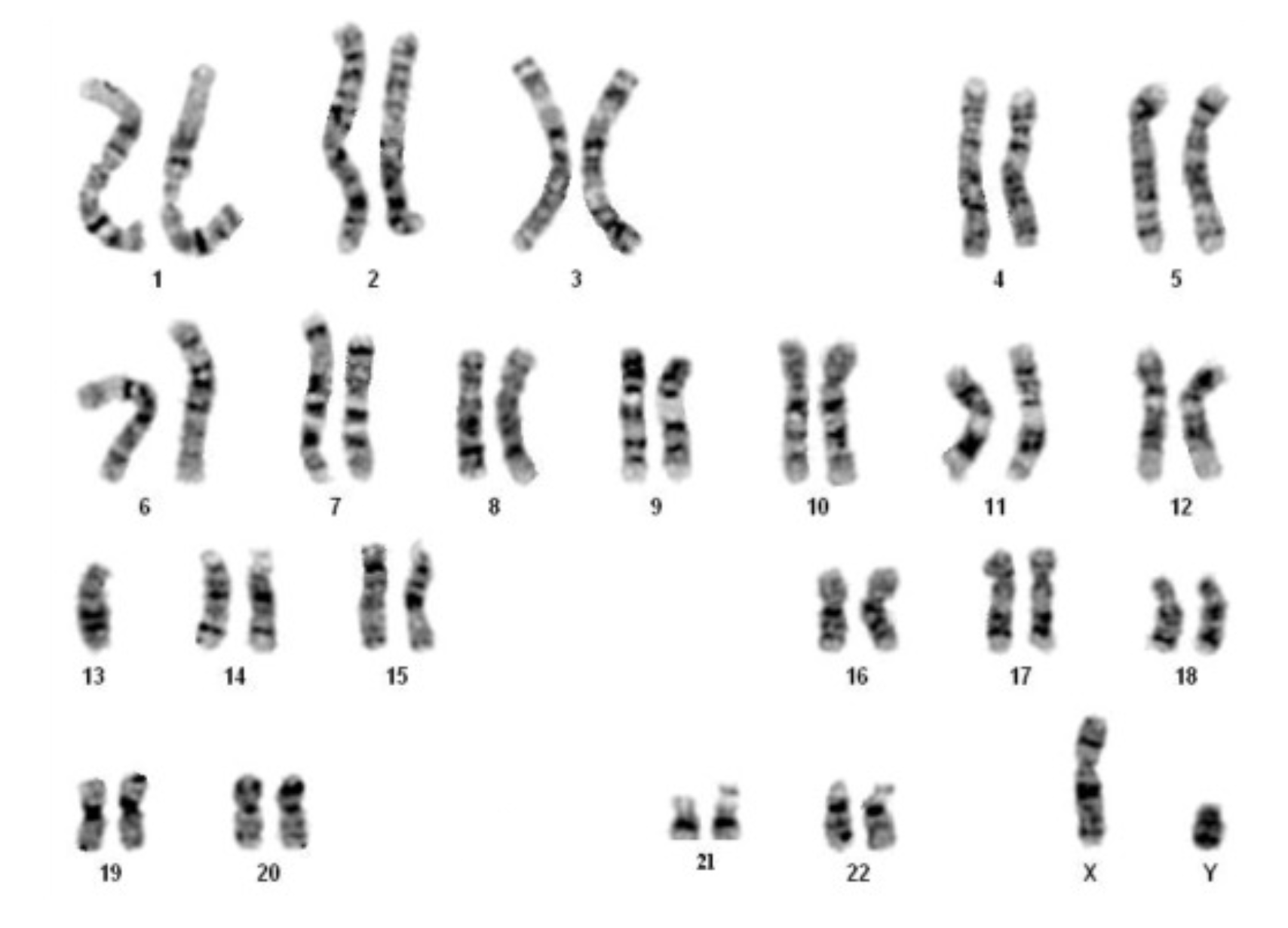
Based on the information in the karyotype, this person is a...
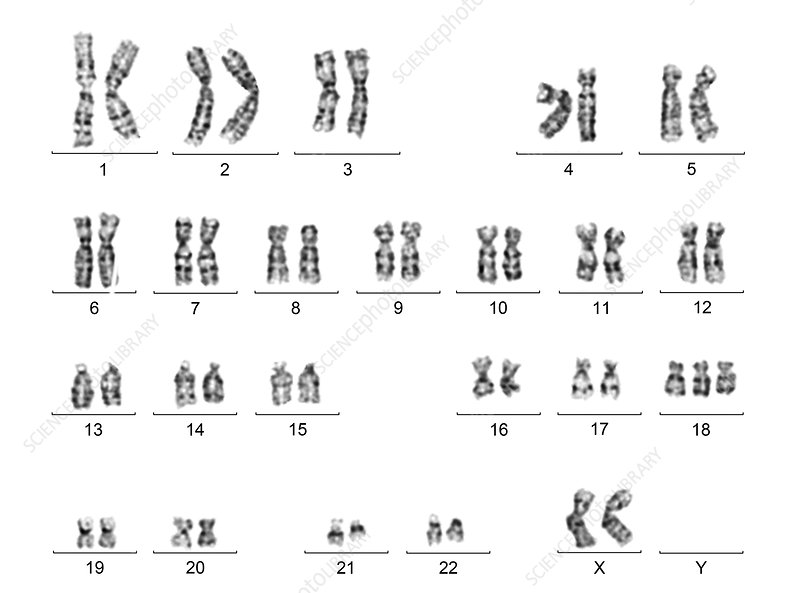
This karyotype shows...
Break it down! Respond to the first part of the question.
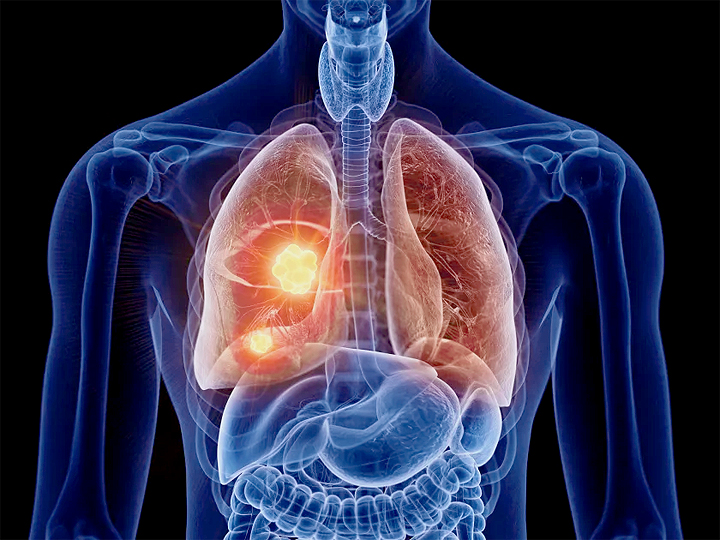
If he has a child, will his child be born with lung cancer?
Respond in a complete sentence. USE THE SENTENCE STEM IN THE QUESTION!
Break it down! Respond to the second part of the question.
Explain why or why not.
Hint: Are lung cells somatic cells or gametes?
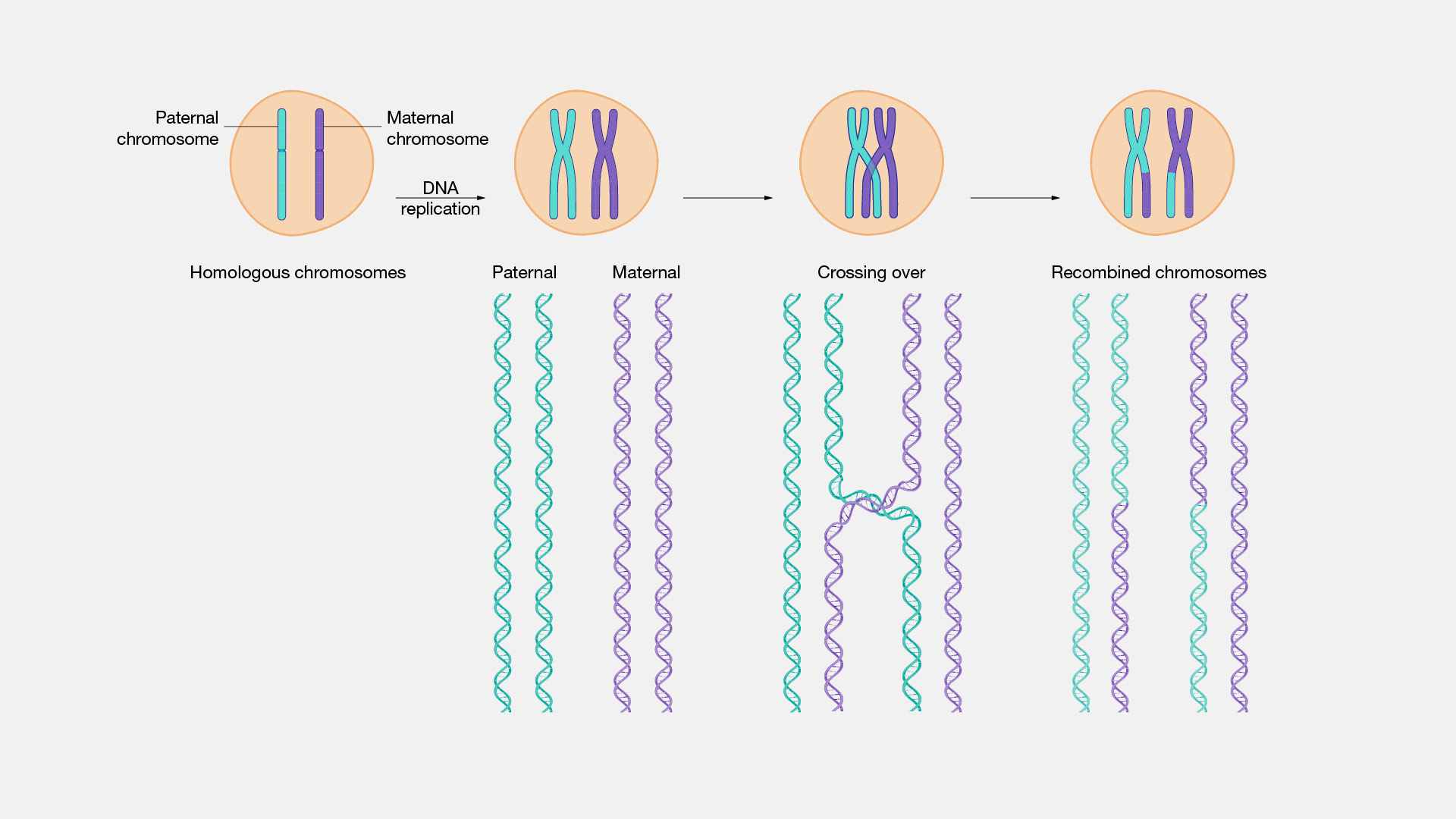
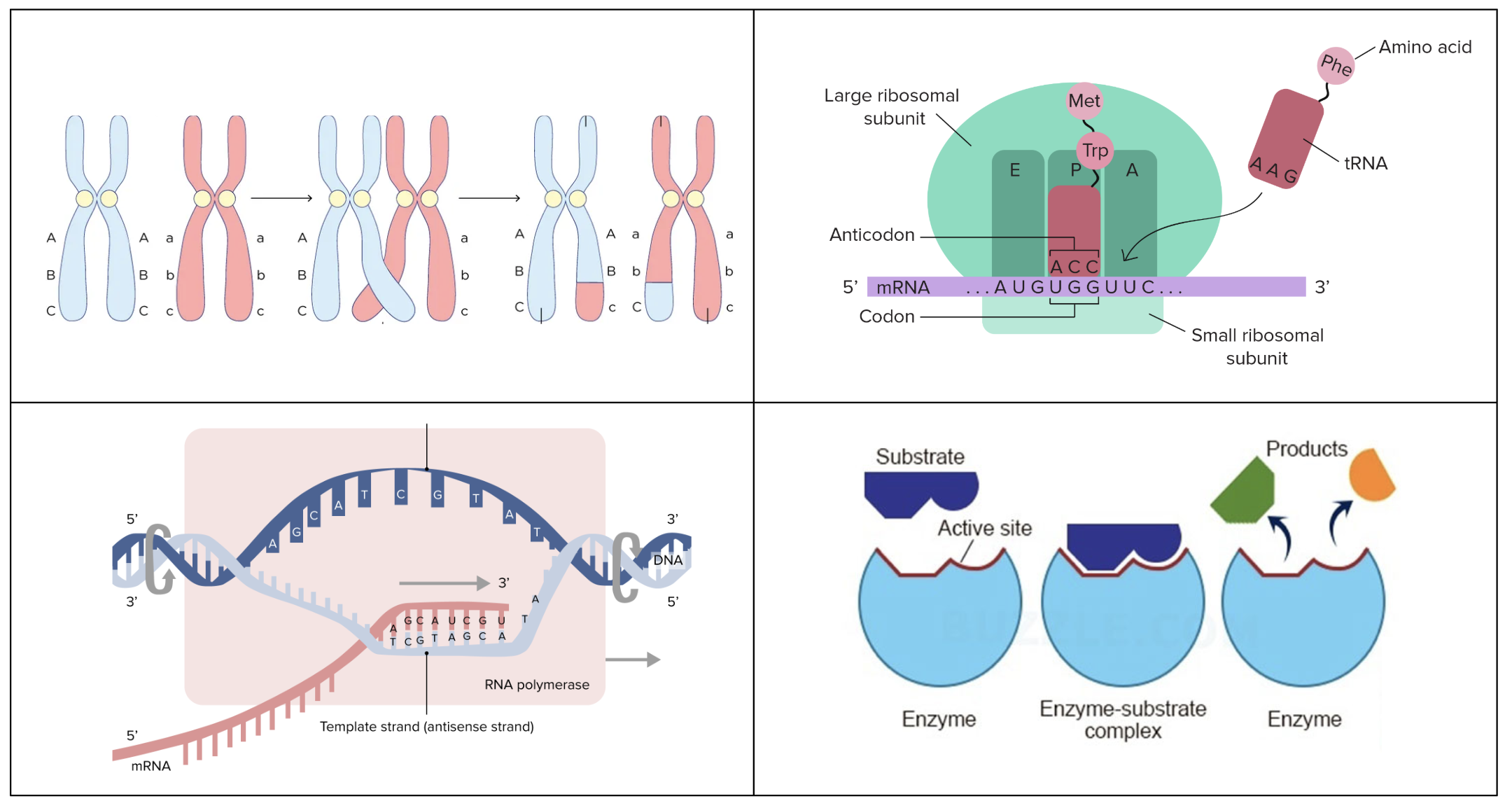
Which of the following best describes the outcome of genetic recombination?
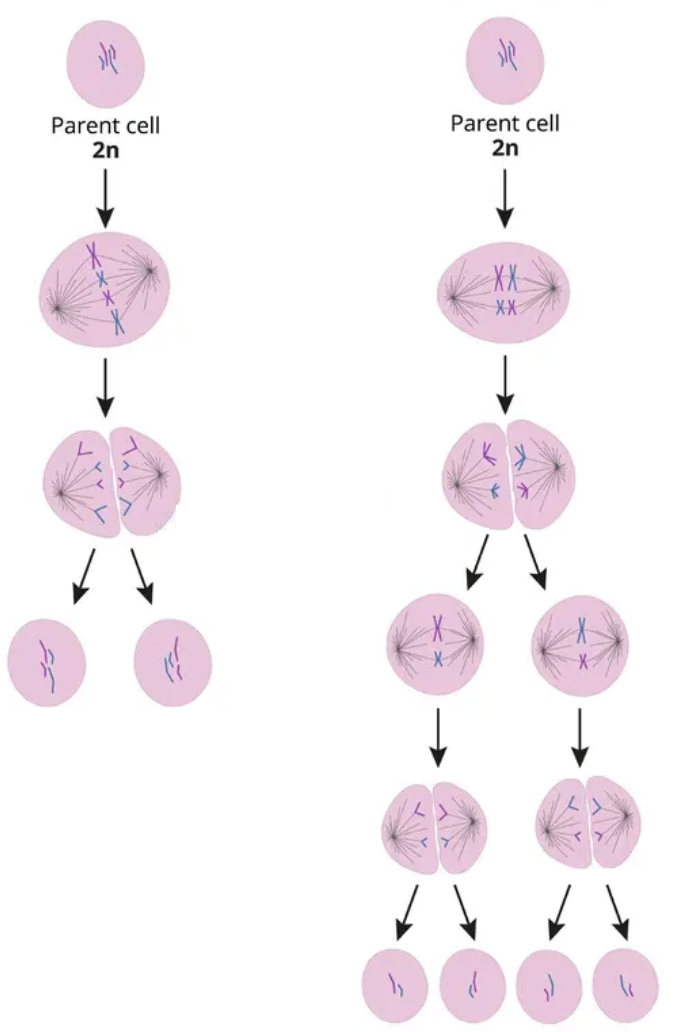
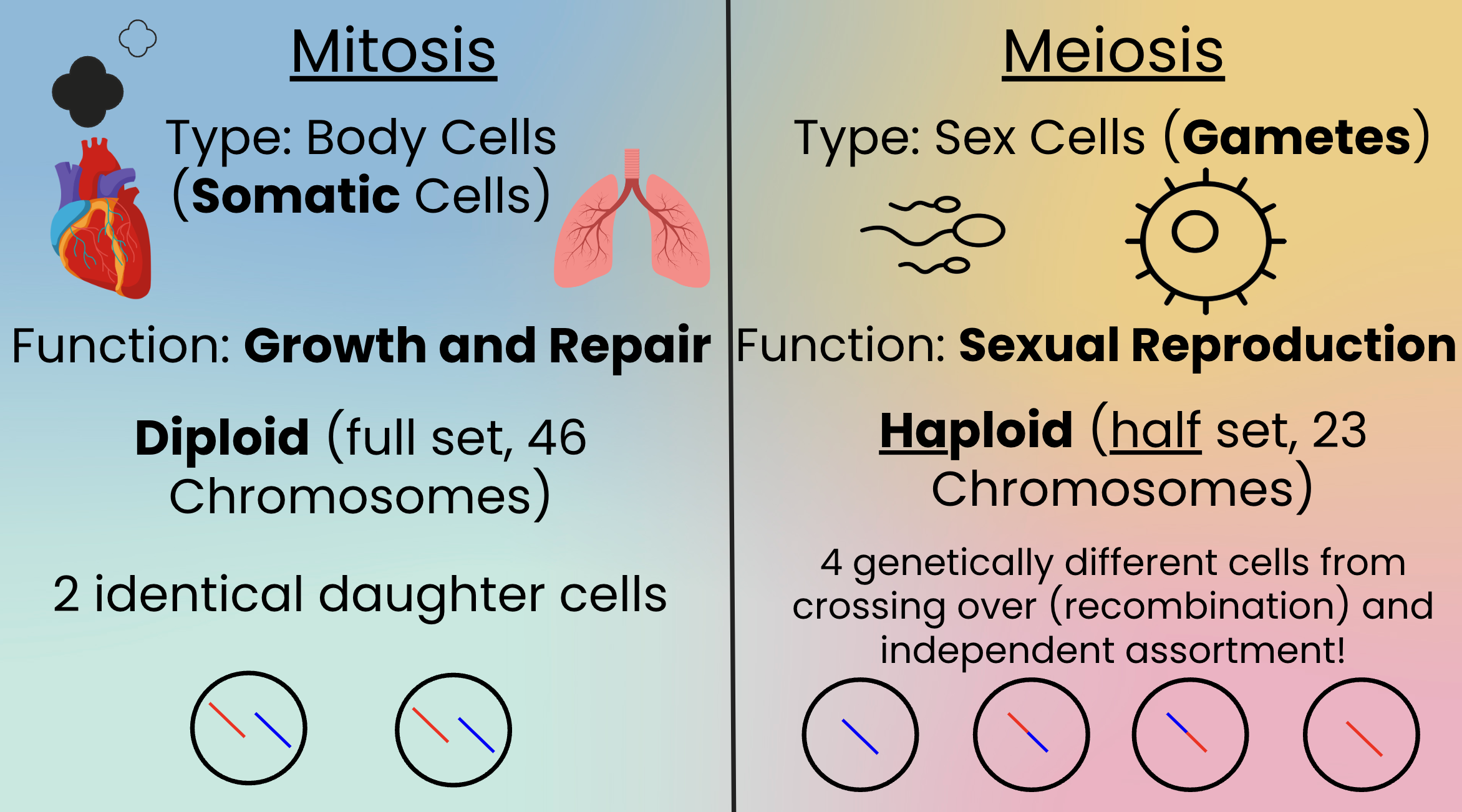
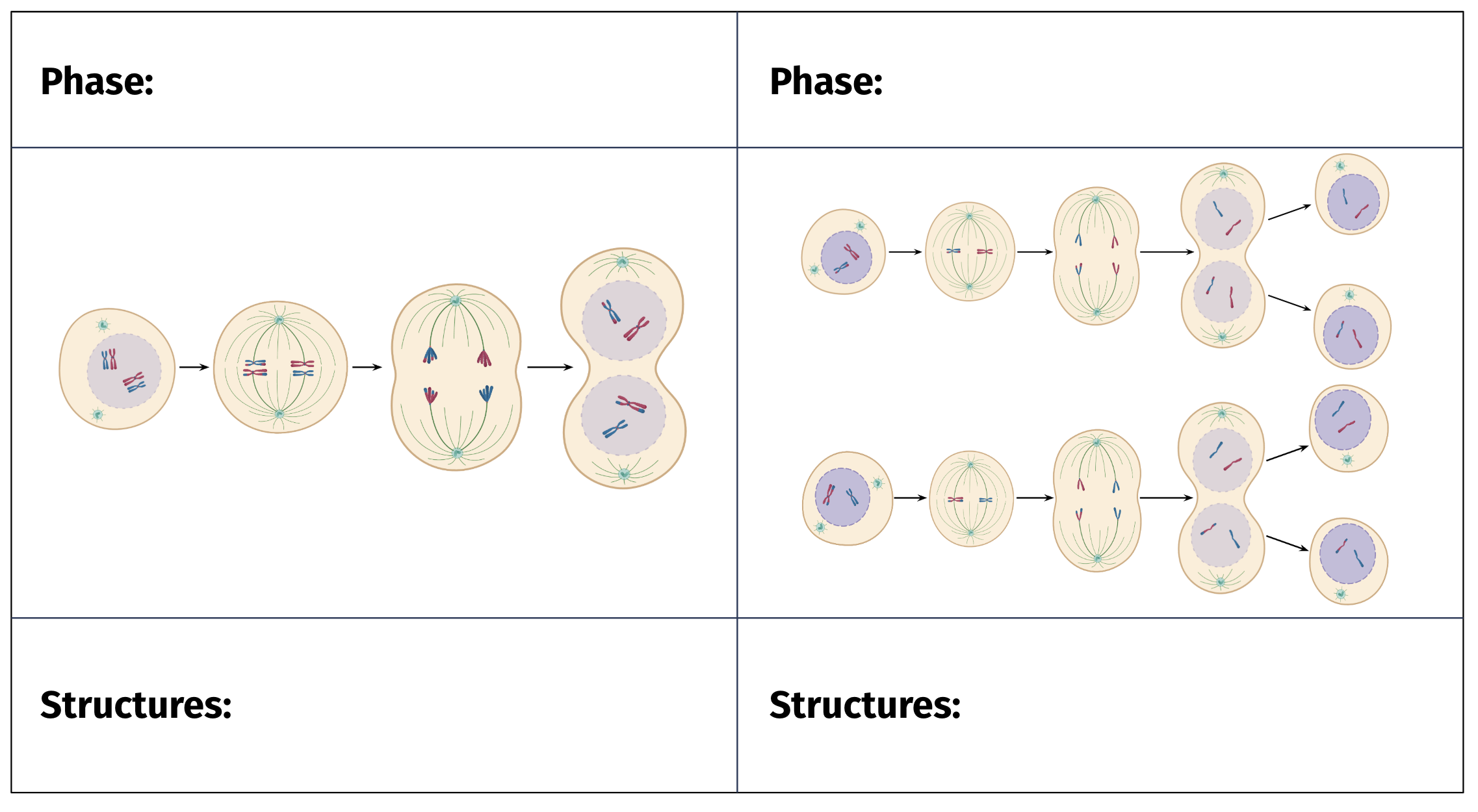
The model below shows the processes of mitosis and meiosis.
Which of the following explains a key difference between these two cellular processes?
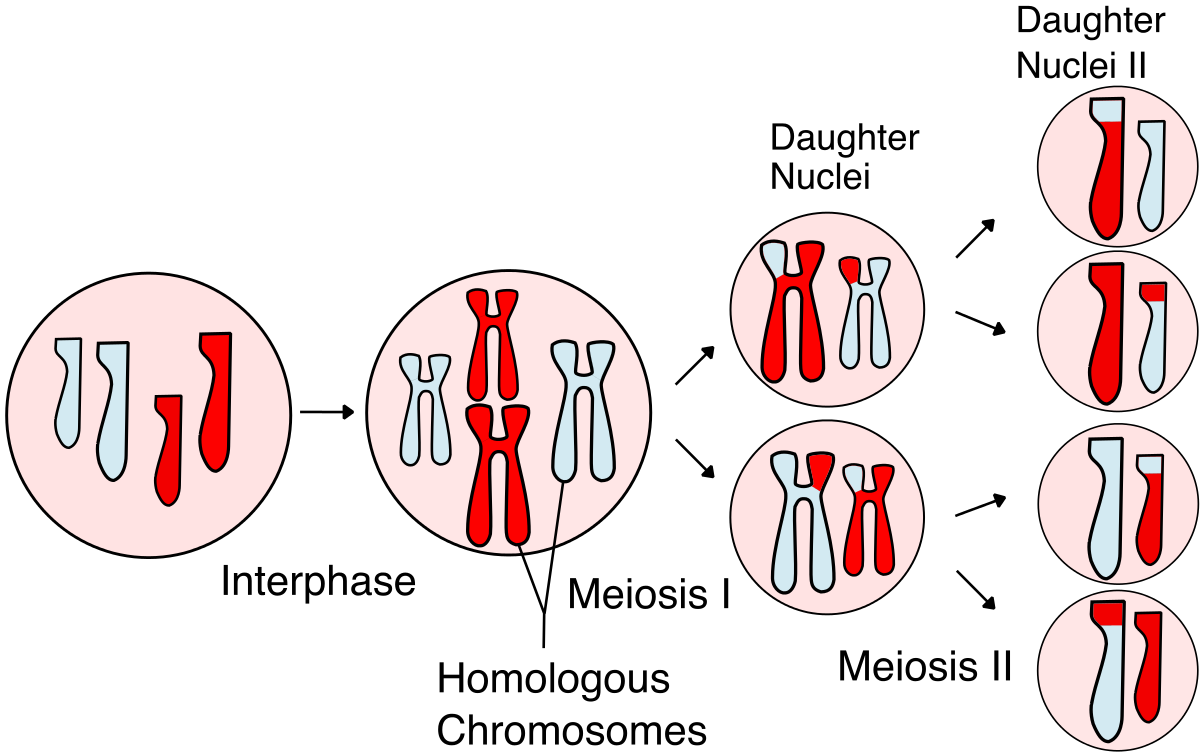
Crossing-over between homologous chromosomes during meiosis is significant in heredity. This process most likely leads to an increase in which of the following?
A diagram of a biological process is shown below.
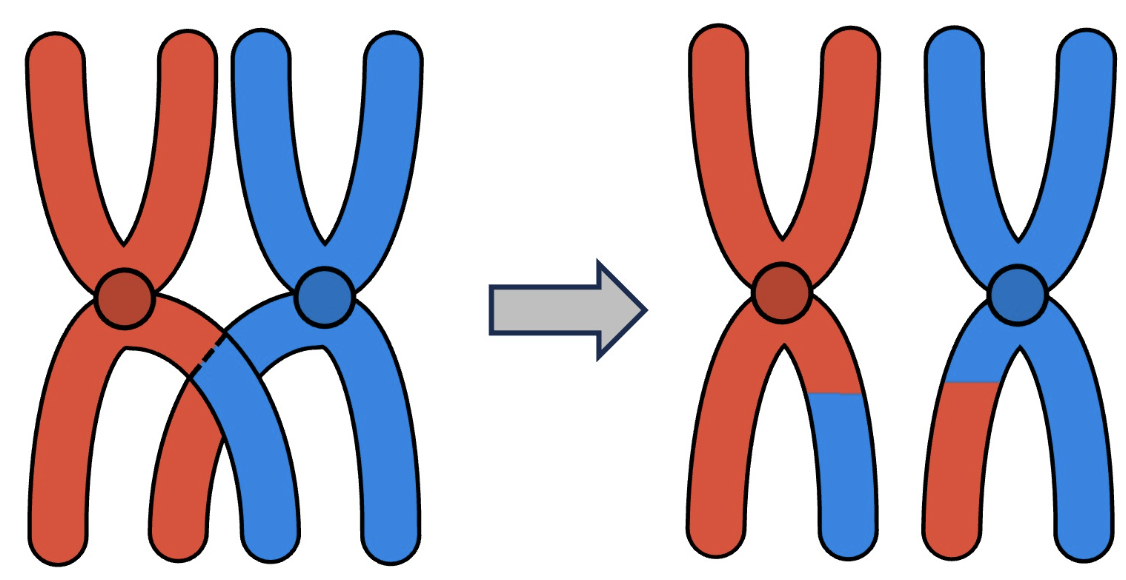
This diagram represents . This process is significant because .
The gametes produced during meiosis are...
The picture below shows Chris and Liam Hemsworth, two famous actors who share the same parents.
If the brothers have the same parents, why do they look different?
Which processes created the genetic diversity seen in the brothers?
Which of the following best explains why siblings do not look the same, even though they share the same parents?

What is one benefit of independent assortment in sexually reproducing organisms?
Which statement best explains why gametes must go through chromosome reduction to be haploid instead of diploid?
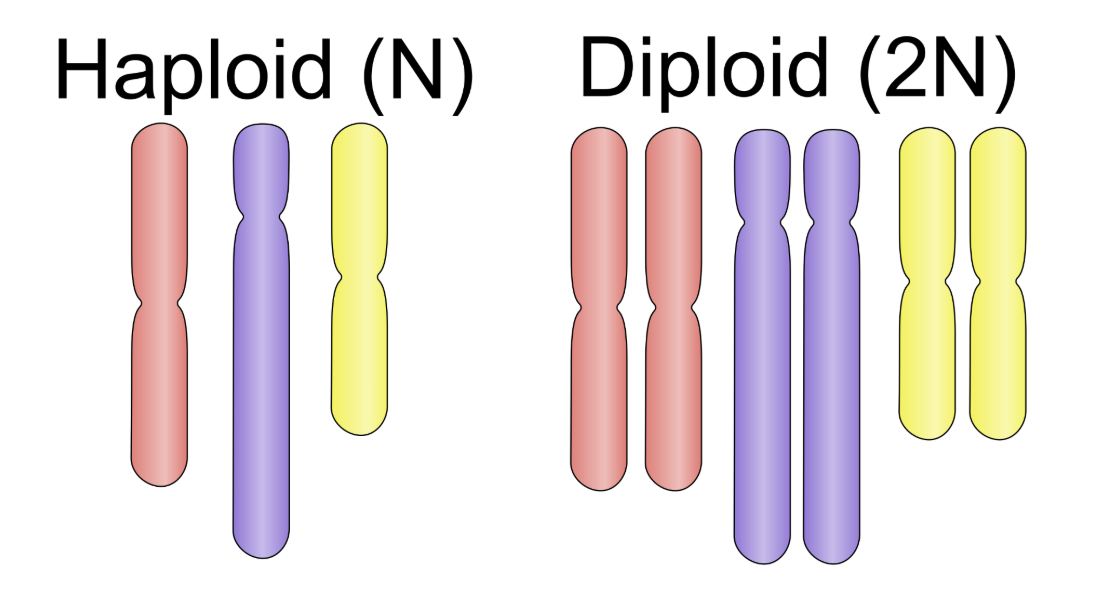
At the end of MEIOSIS, the cells contain of the genetic information because .
The daughter cells at the end of meiosis are because of the processes of . This process is important because it results in .
Which processes during Meiosis lead to genetic diversity in the gametes produced?
Select THREE correct answers.
If an adult fruit fly has 60 chromosomes in its gametes, how many chromosome would you find in its somatic cells?
If a dinosaur has 200 chromosomes in its somatic cells (body cells), how many chromosomes would you find in its gametes (sex cells)?
Complete the diagram below.
Four biological processes are shown below. Which process explains the variation seen in gametes due to crossing over?
What is the importance of recombination and independent assortment during Meiosis I?
What is the primary purpose of meiosis in sexually reproducing organisms?
Which of these explains a key difference between Meiosis I and Meiosis II?