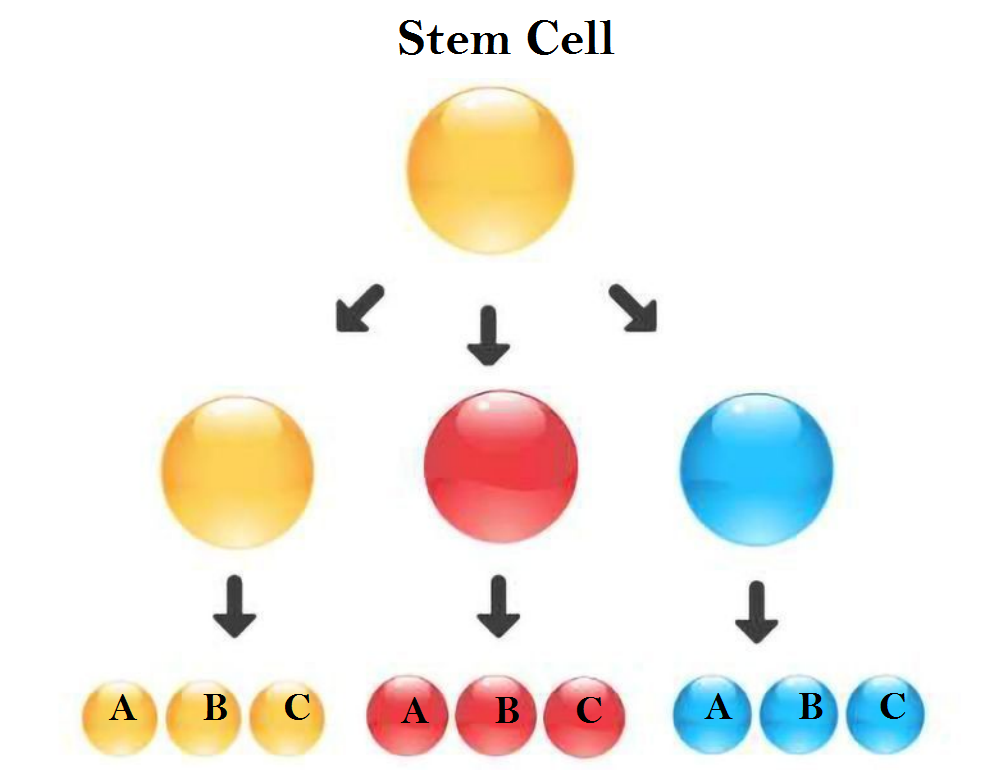
What is the primary characteristic of stem cells that makes them unique?
What is the primary characteristic of stem cells that makes them unique?
Match the following to their correct definitions
| Draggable emne | arrow_right_alt | Korresponderende emne |
|---|---|---|
Crossing over | arrow_right_alt | The process during meiosis results in the random distribution of chromosomes to gametes. |
Chromosome reduction | arrow_right_alt | The process that lead to genetic diversity and it ensures the survival of a species. |
Independent assortment | arrow_right_alt | The process which the chromosome number is reduced to ensure that each child receives a complete set of chromosomes. |
Identify whether the following statements belong to Meiosis I or Meiosis II.
The separation of homologous pairs occurs
Separation of sister chromatids occurs
Crossing over/Recombination
Nuclei forms in preparation of 4 haploid cells
Independent Assortment
Meiosis I (3 Items)
Meiosis II (2 Items)
Determine the most accurate explanation of meiosis and clarify how this process guarantees that the resulting gametes contain haploid(half) number of chromosome.
The primary purpose of gene regulation in cells is to . Different cells in the body look and function differently if they all contain the same DNA because
Which process describes how cells can produce different proteins despite having identical DNA?
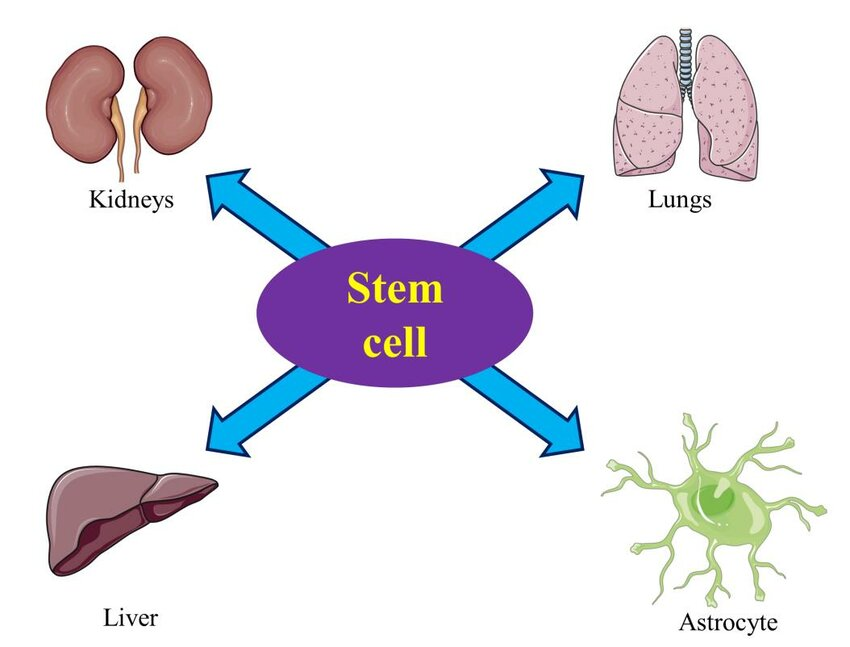
What is the primary characteristic of stem cells that makes them unique?
Two daughter cells are created at the end of each stem cell division. One of these daughter cells will continue to function as a stem cell, while the other will develop into a specialized type of cell.
What will most likely influence the kind of specialized cell that will be generated as they mature?
The diagram shows how specialized body cells develop.
Which of the following best explains why cells that contain the same genetic material do not develop into the same types of cells?
An adult dog has 50 chromosomes in its somatic cells. How many chromosomes will each daughter cell have after the final step of meiosis?
Enter your answer in the box. Your answer must be a whole number.
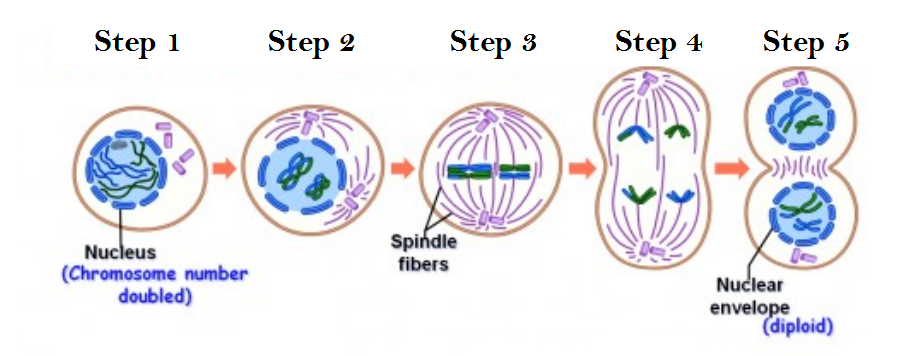
A diagram of Meiosis I is shown below.
The processing that is occurring in step 3 is . This process is significant because it lead to daughter cells .
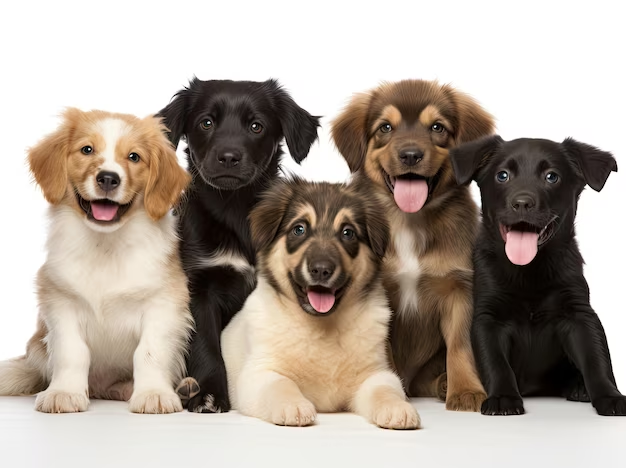
The following puppies share the same parents, but they look different. The genetic process that explains why they look different is caused by , and this process is significant because it leads to .
Select all that apply:
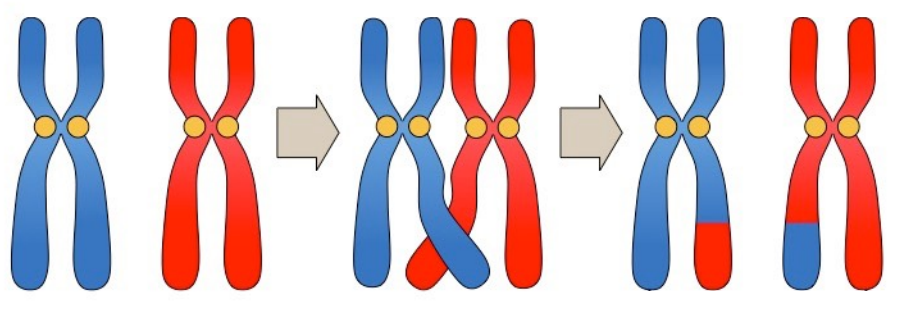
The process shown above is important because it creates -