Twa kɔ nsɛm atitiriw so
Log in
Sign up for FREE
arrow_back
Laabri

Copy of Wednesday (9/24) - Unit 2 Test Review: Cell Transport (5/2/2026)

star
star
star
star
star
Last updated about 3 hours ago
23 Nsɛmmisa
Unit 2 Test Review
1
Ɛhia
1
1
2
1
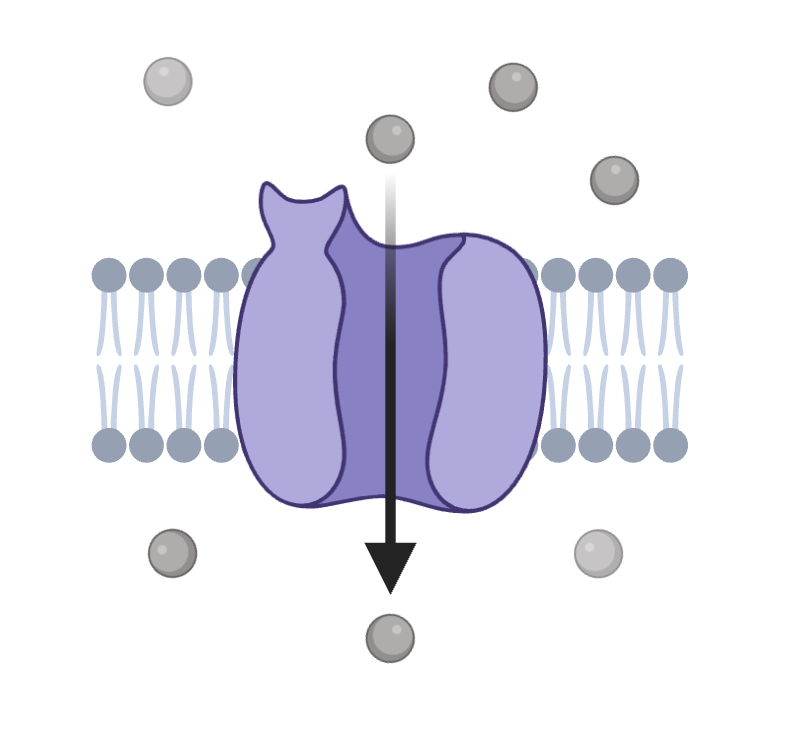
1
2
Ɛhia
1
Ɛhia
1
Ɛhia
1
Ɛhia
2
Ɛhia
2
Ɛhia
2
B.C.4B
1
B.C.4B
1
B.C.4B
2
1
Ɛhia
2
Ɛhia
2
Ɛhia
2
Ɛhia
2
2
1
Asemmisa {{asɛmmisaAhyɛnsode}}
1.

The structure most responsible for maintaining cell homeostasis is the

Asemmisa {{asɛmmisaAhyɛnsode}}
2.

The cell membrane plays an important role in maintaining homeostasis by controlling what goes in and out of the cell.
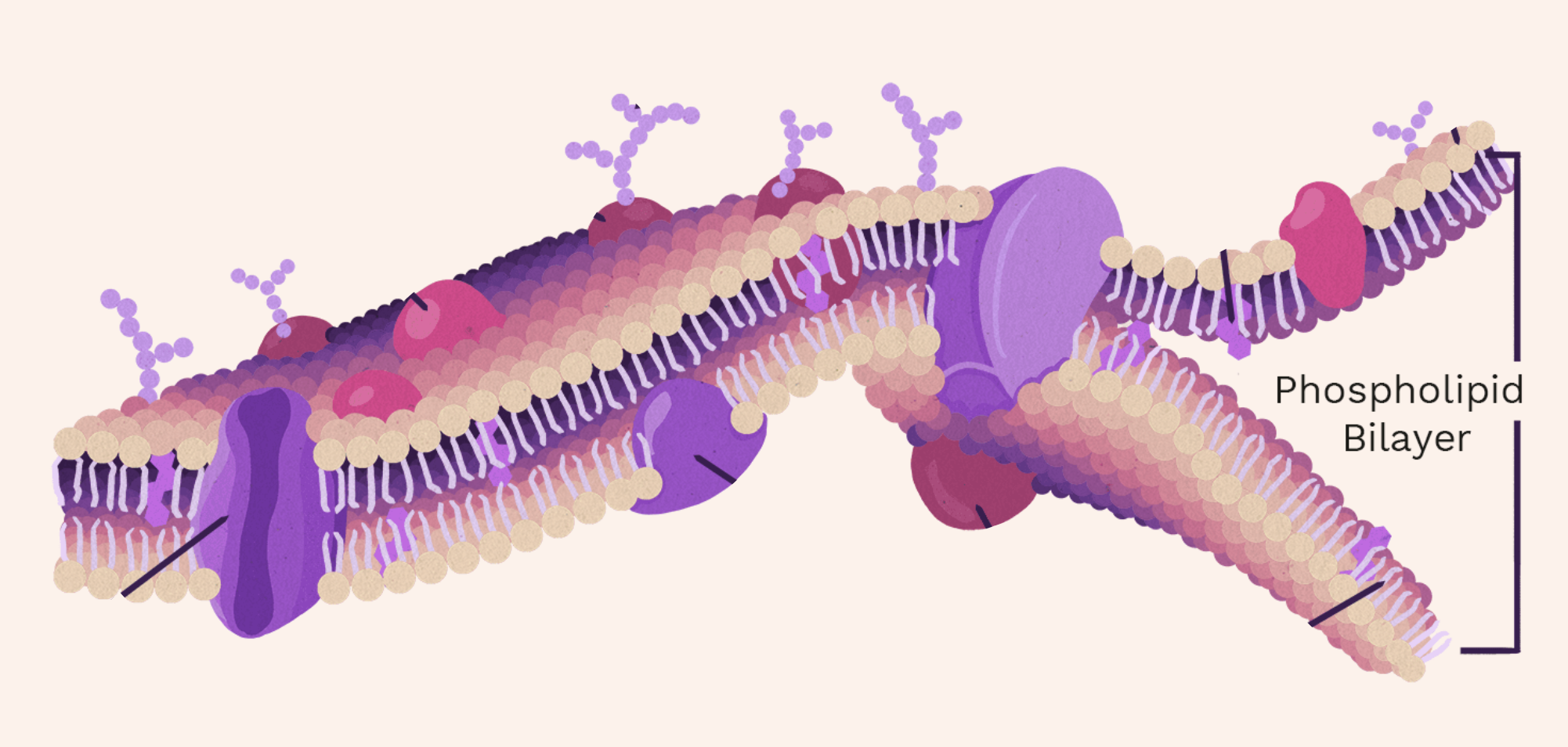
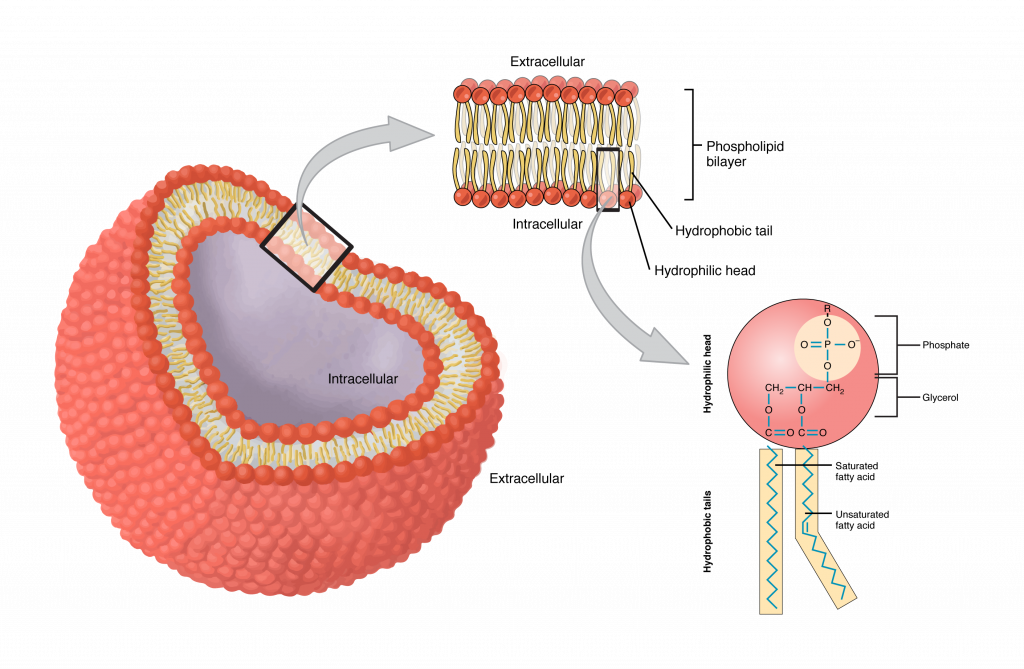
Which type of molecule makes up the MAJORITY (most) of the cell membrane?
Asemmisa {{asɛmmisaAhyɛnsode}}
3.

What is another name for the cell membrane?

Asemmisa {{asɛmmisaAhyɛnsode}}
4.

What are the functions of the cell membrane represented in this diagram?

Select TWO correct answers.

Asemmisa {{asɛmmisaAhyɛnsode}}
5.

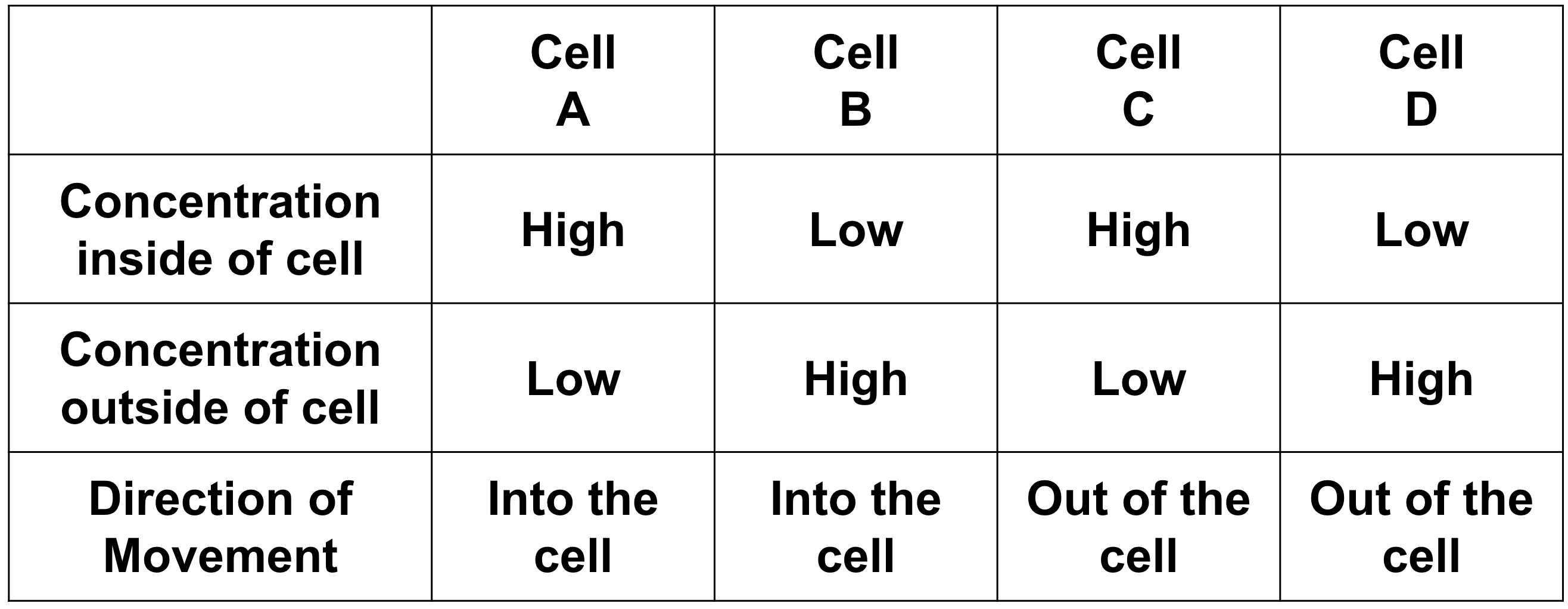
Which cells are moving molecules with the concentration gradient?

Select ALL the apply:

Asemmisa {{asɛmmisaAhyɛnsode}}
6.

Which cells are moving molecules against the concentration gradient?

Select ALL the apply:

Asemmisa {{asɛmmisaAhyɛnsode}}
7.

Match the word with the definition

Draggable itemarrow_right_altCorresponding Item

Passive Transport

arrow_right_alt

How molecules are brought in and out of cells

Active Transport

arrow_right_alt

When molecules move from a high concentration to a low concentration until balance is reached (with the gradient)- without energy

Cell transport

arrow_right_alt

When molecules are moved from a low concentration to a high concentration (against the gradient)- using energy

Asemmisa {{asɛmmisaAhyɛnsode}}
8.

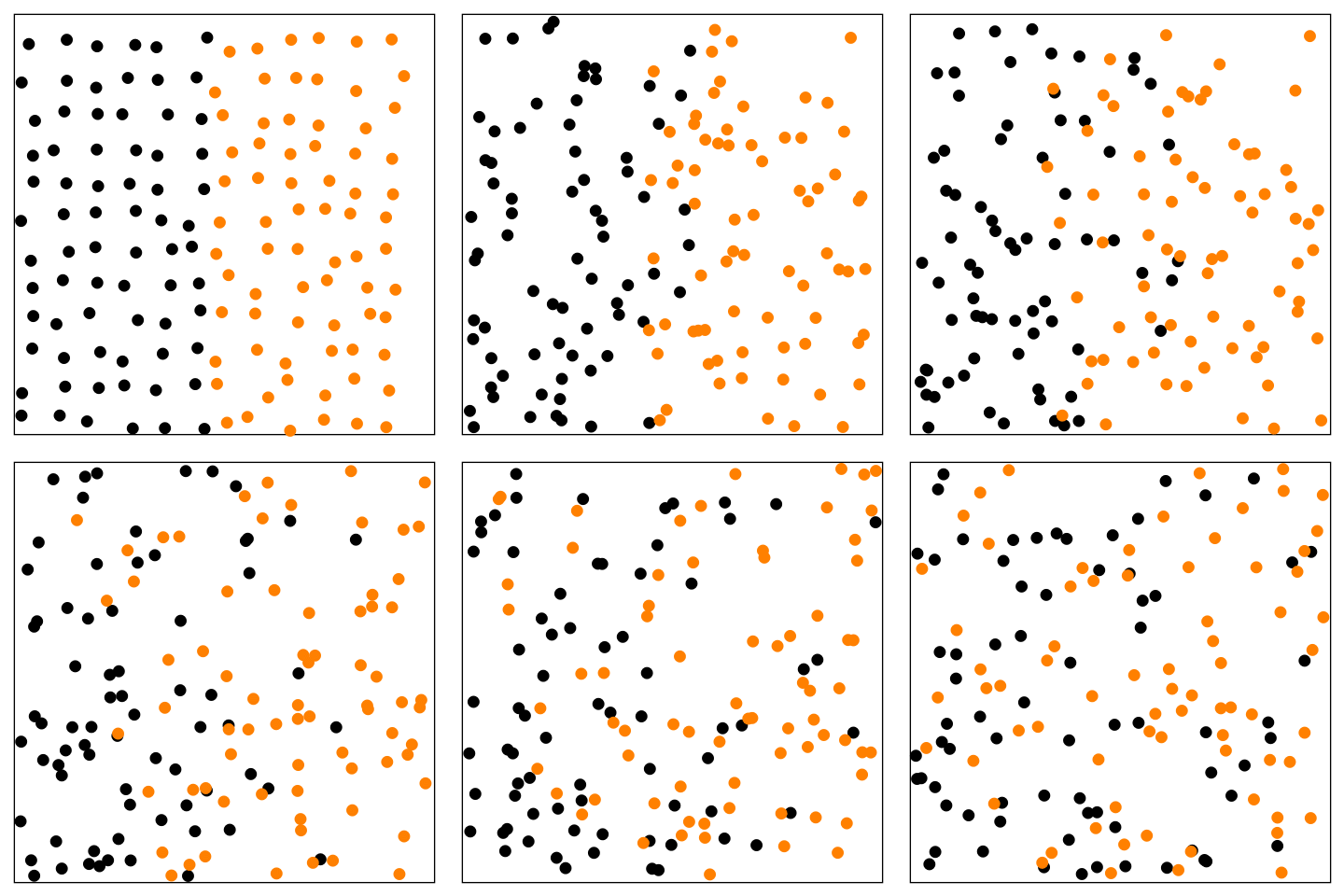
Which option below best describes the concentration of molecules after passive transport?

Asemmisa {{asɛmmisaAhyɛnsode}}
9.

As a result of diffusion, osmosis, and facilitated diffusion, the concentration of molecules...

Asemmisa {{asɛmmisaAhyɛnsode}}
10.

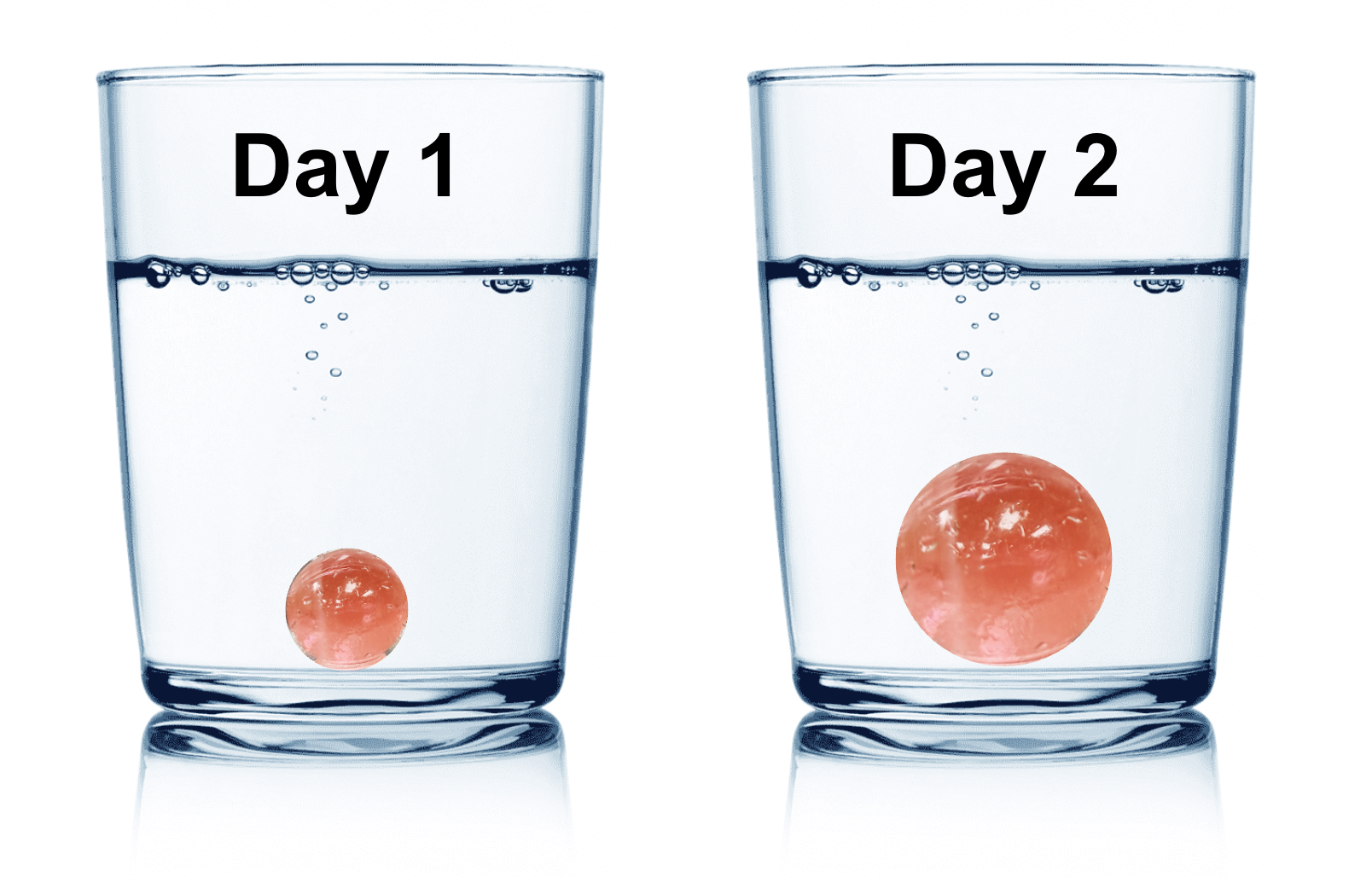
A student conducted an experiment with Orbeez. She placed her Orbeez in a cup of water overnight and observed the results the next day.

Which of these best explains the results shown?

Asemmisa {{asɛmmisaAhyɛnsode}}
11.

Osmosis occurs when the concentration gradient concentration.

These molecules will continue moving until

Protein Pump

Osmosis

Endo/Exocytosis

Asemmisa {{asɛmmisaAhyɛnsode}}
13.

Identify the concentrations observed in the diagram below.

Move ONE correct answer to each box. Not all answer choices will be used.

Mmuae Afoforo a Wobɛpaw:
Homeostasis
HIGH Concentration of Molecules
Equilibrium
LOW Concentration of Molecules
Asemmisa {{asɛmmisaAhyɛnsode}}
14.

Which table correctly identifies how the plasma membrane (cell membrane) contributes to the maintenance of cellular homeostasis?

Asemmisa {{asɛmmisaAhyɛnsode}}
15.

The tables below indicate the characteristics each type of transport has by using an "X".

Which of the following tables correctly identifies the characteristics of each type of cell transport?

Asemmisa {{asɛmmisaAhyɛnsode}}
16.

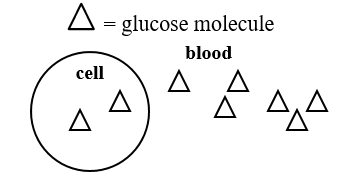
The triangle represents glucose molecules after digestion.

Based on the diagram above, the glucose molecules will move from because the molecules move transports the concentration gradient and then released into the cytopalsm.

Asemmisa {{asɛmmisaAhyɛnsode}}
18.

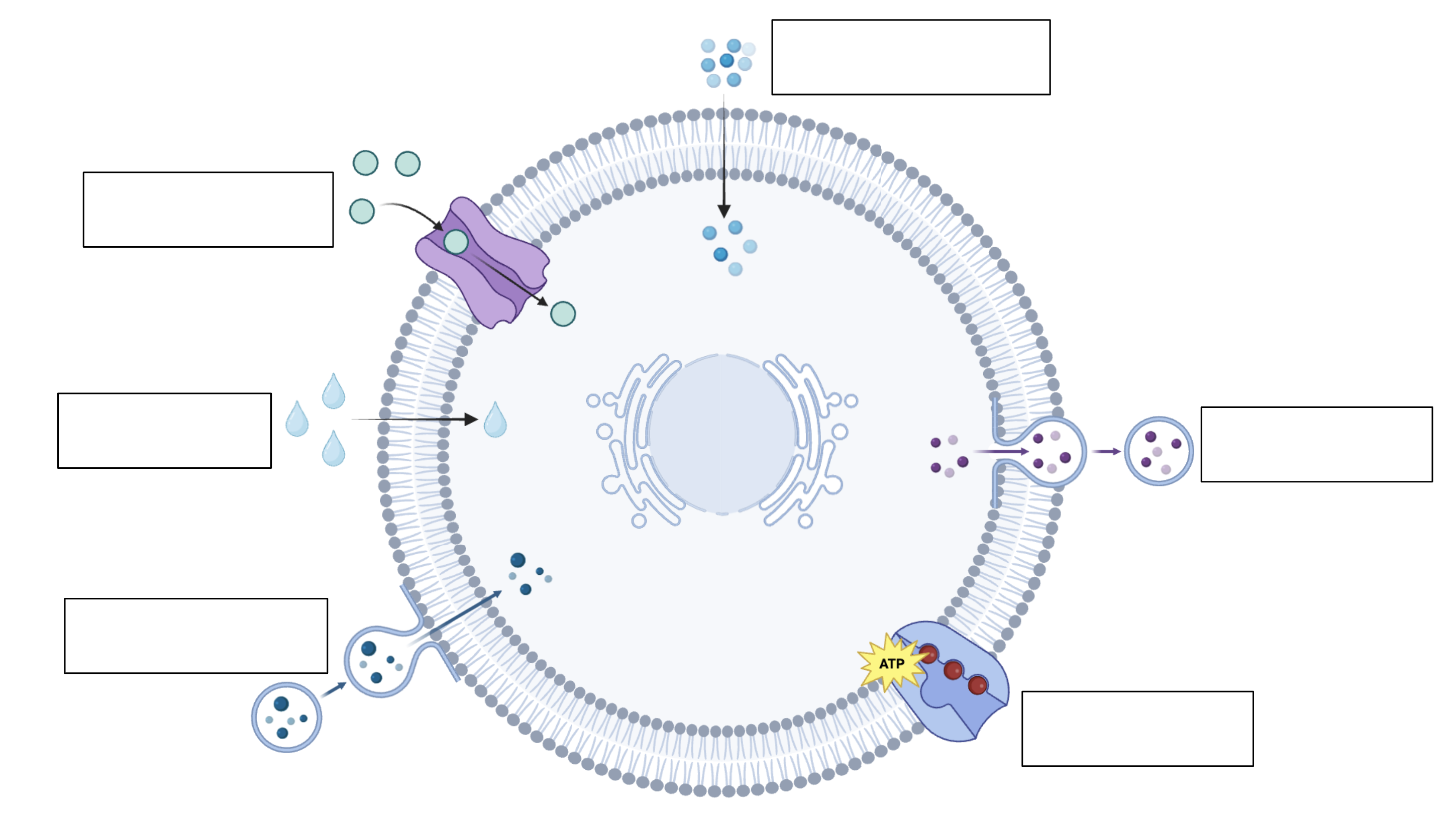
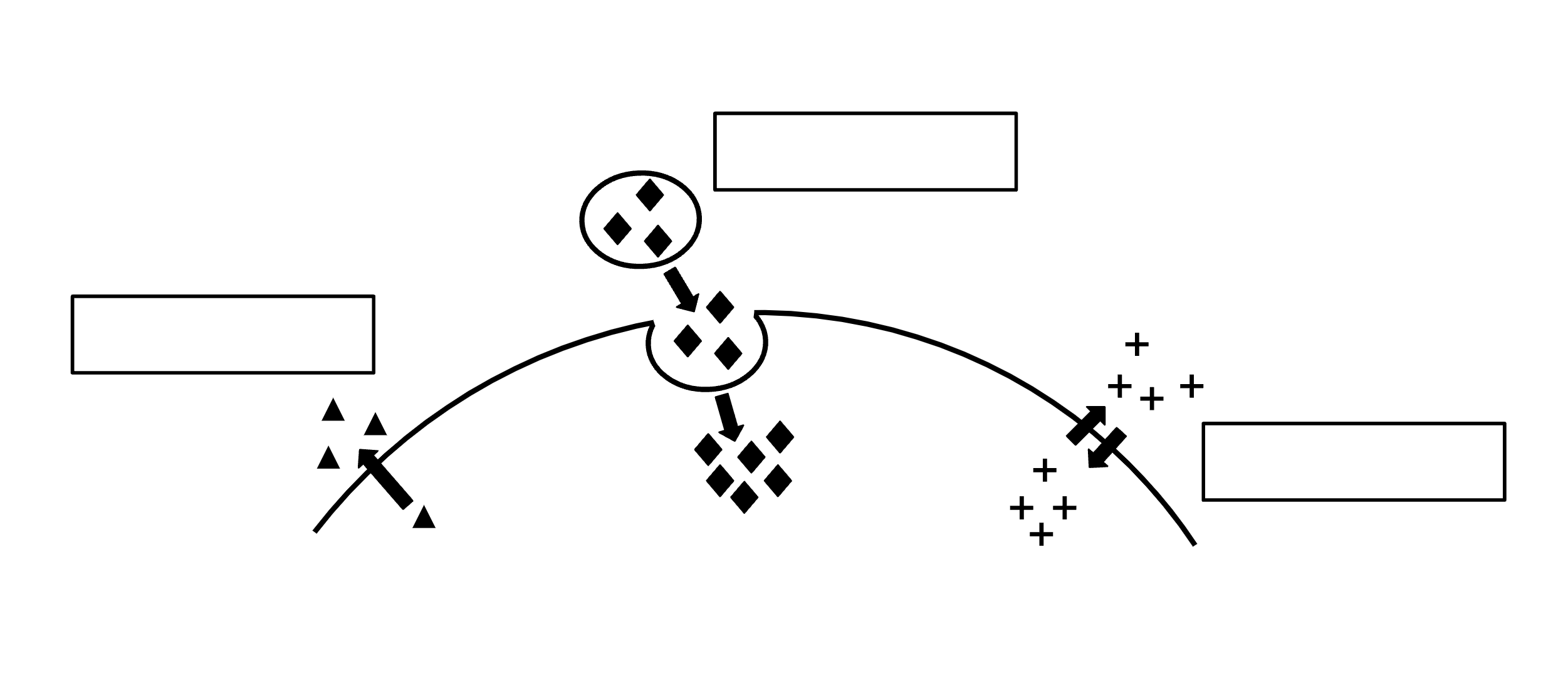
Label the various examples of active and passive transport below.

Mmuae Afoforo a Wobɛpaw:
EXOcytosis
Diffusion
ENDOcytosis
Osmosis
Facilitated Diffusion
Protein Pump
Asemmisa {{asɛmmisaAhyɛnsode}}
19.

A model of the cell membrane with various methods of transport is shown below. Identify each example as active or passive transport.

Mmuae Afoforo a Wobɛpaw:
Passive
Active
Asemmisa {{asɛmmisaAhyɛnsode}}
20.

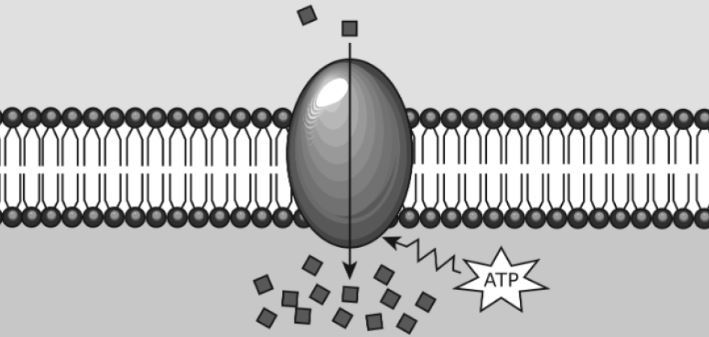
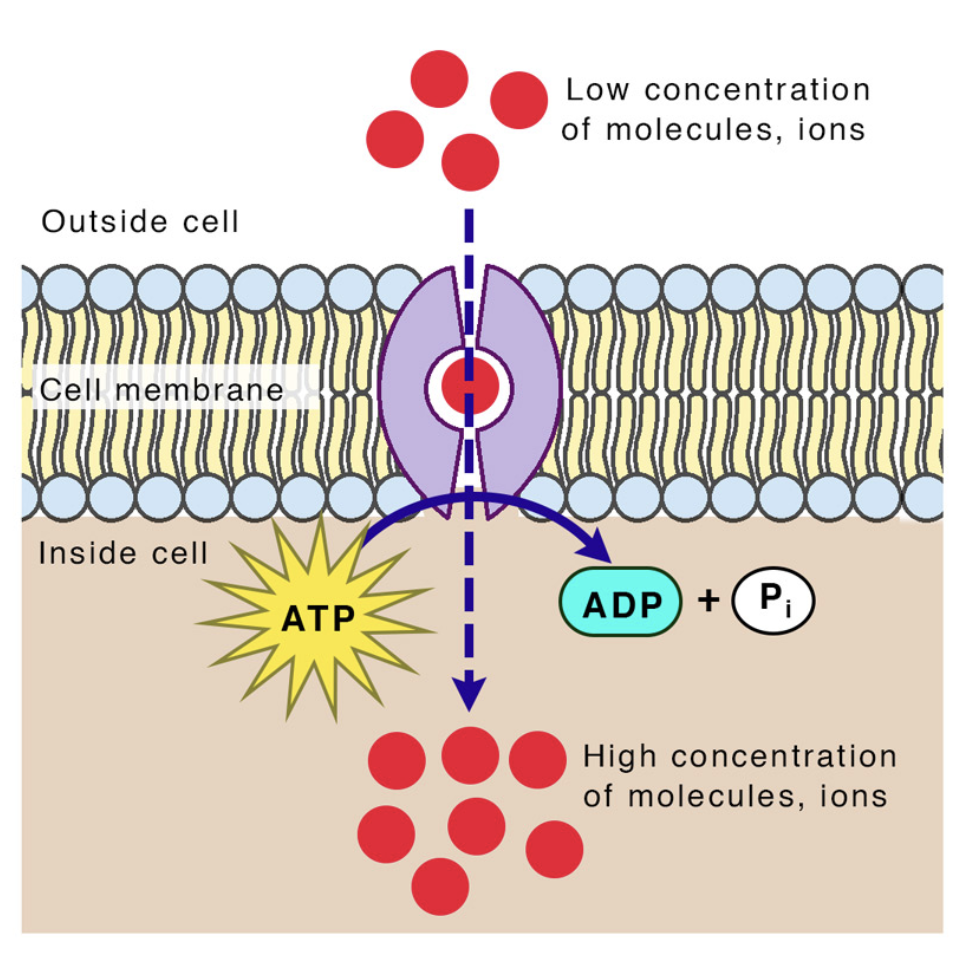
The type of transport used in this diagram is .

Asemmisa {{asɛmmisaAhyɛnsode}}
21.

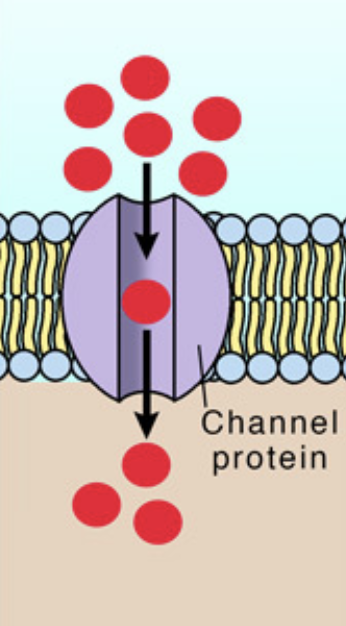
The type of transport used in this diagram is .

Asemmisa {{asɛmmisaAhyɛnsode}}
22.

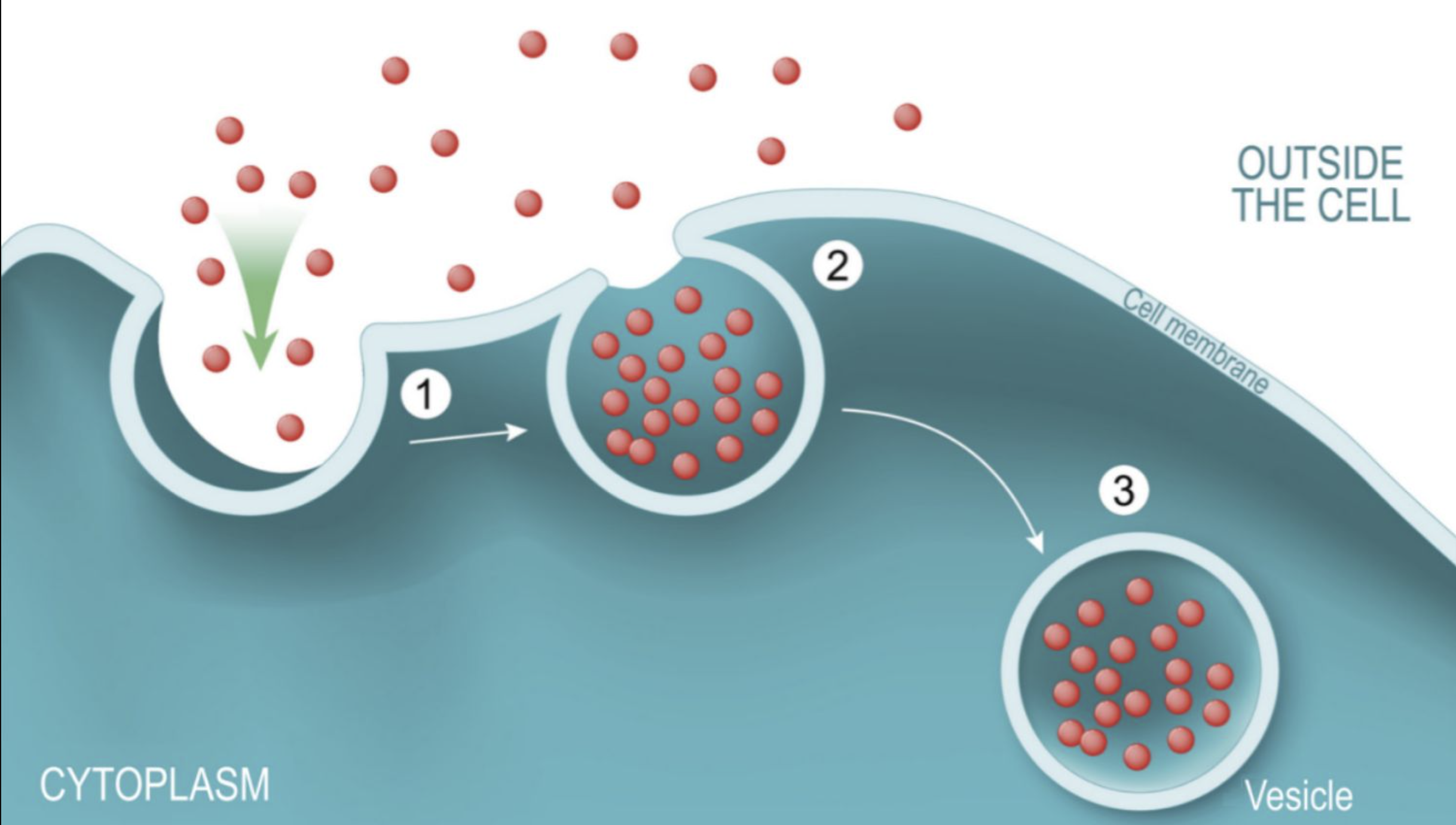
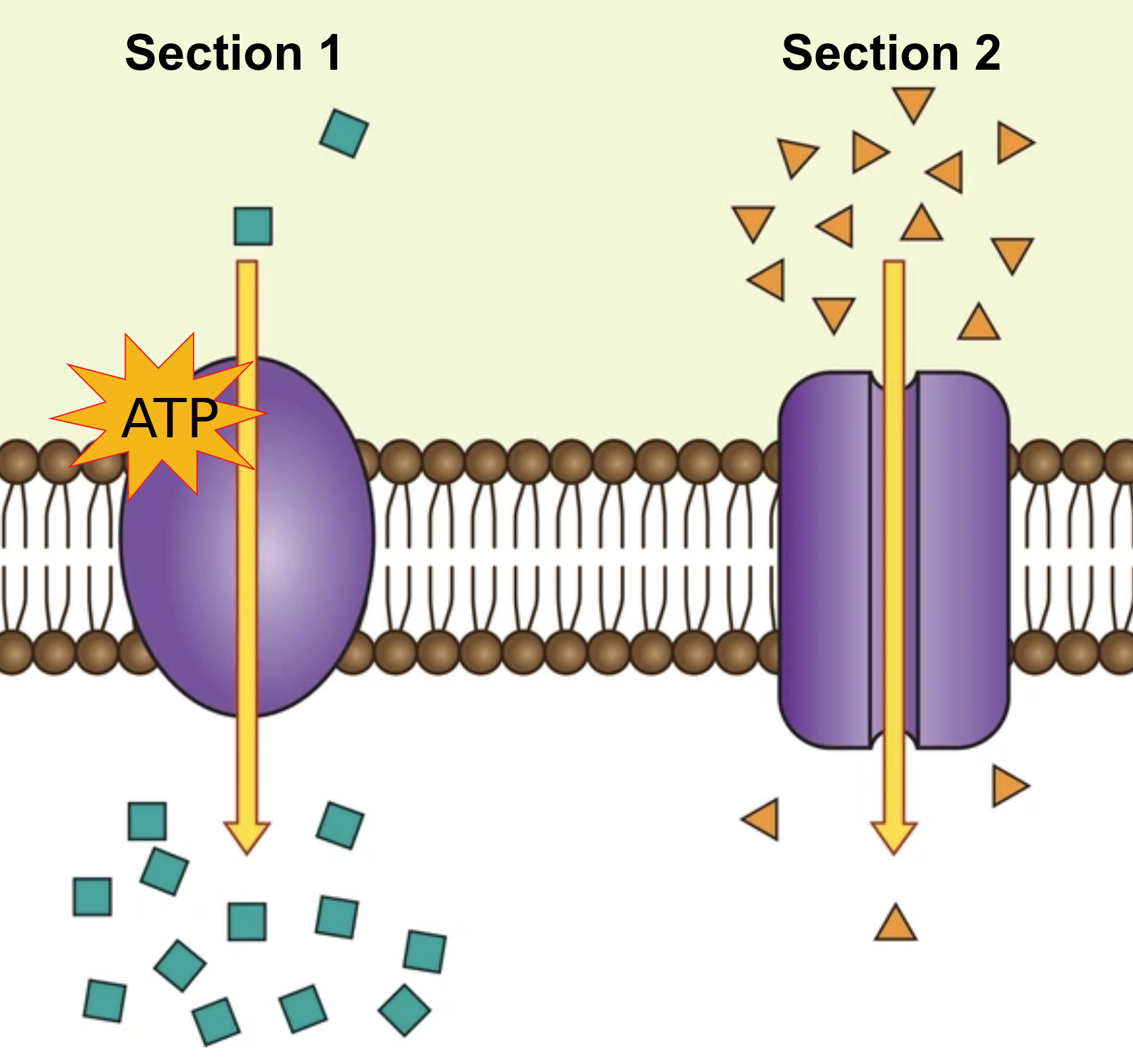
Section 1 represents .

Section 2 represents .

Asemmisa {{asɛmmisaAhyɛnsode}}
23.

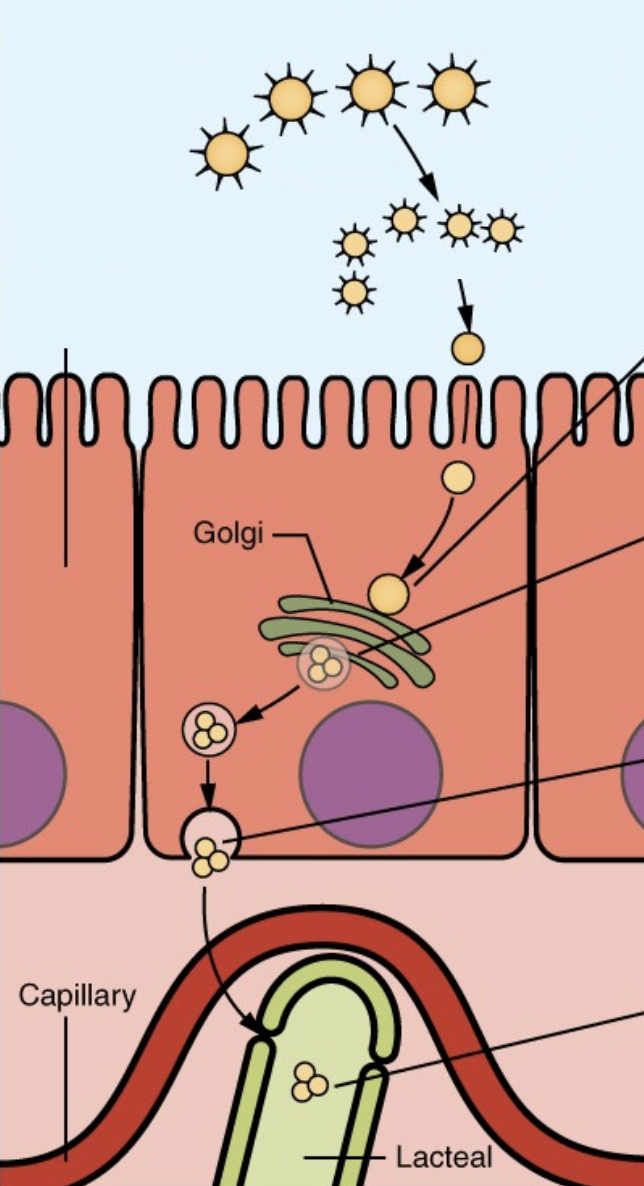
Human Intestines have specialized cells that function in nutrient absorption. These cells have tiny finger-like projections that take in as many nutrients from digested food as possible.

The diagram below shows a specialized cell taking in nutrients for further absorption, which are packaged into vesicles and transported into the cell using energy.

This is an example of the concentration gradient.