How we look – our weight, height and skin color – is determined by our genes and DNA. DNA contains the instructions for how our bodies grow and work. It is passed on from parents to children. A gene is a section of DNA that tells a specific part of the body how to work. Our genes can also change during our lives.
These genes sometimes go through mutations, or changes. These cause changes in how we look. Some mutations can lead to diseases or death. Others have no effect on us, or may even help us. Some mutations can be downright cute. Here are four cute features caused by gene mutations.
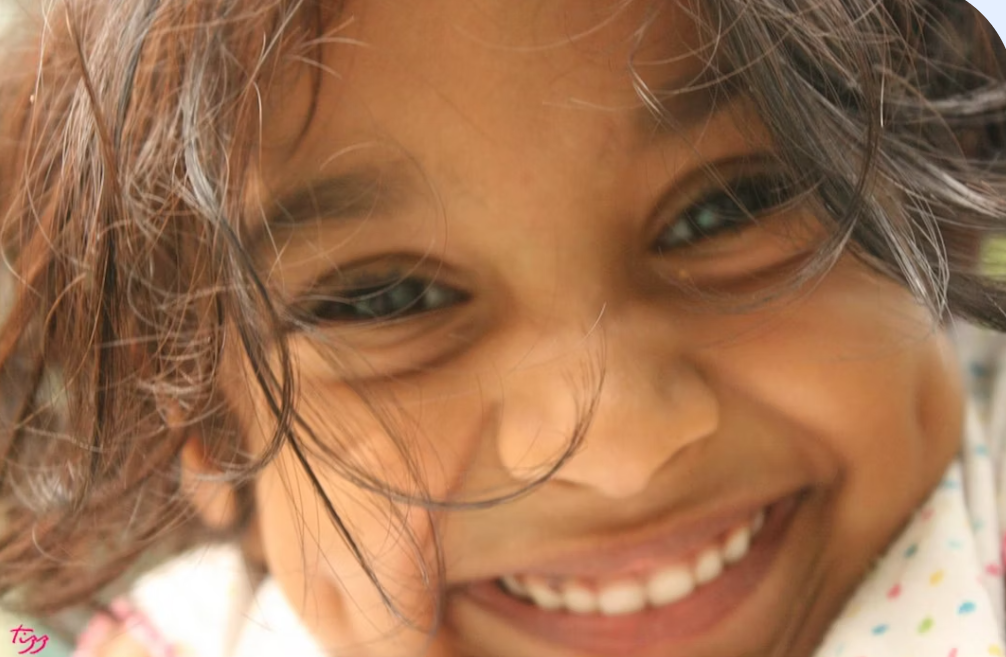
Dimples are small divots that show up in the skin and muscles. Dimples can be in one or both cheeks, and often show when a person smiles. Dimples are usually passed down from parents to their children. Each parent has the mutated genes that cause dimples. These genes are found in the parents' sex cells, or the male sperm and the female egg.
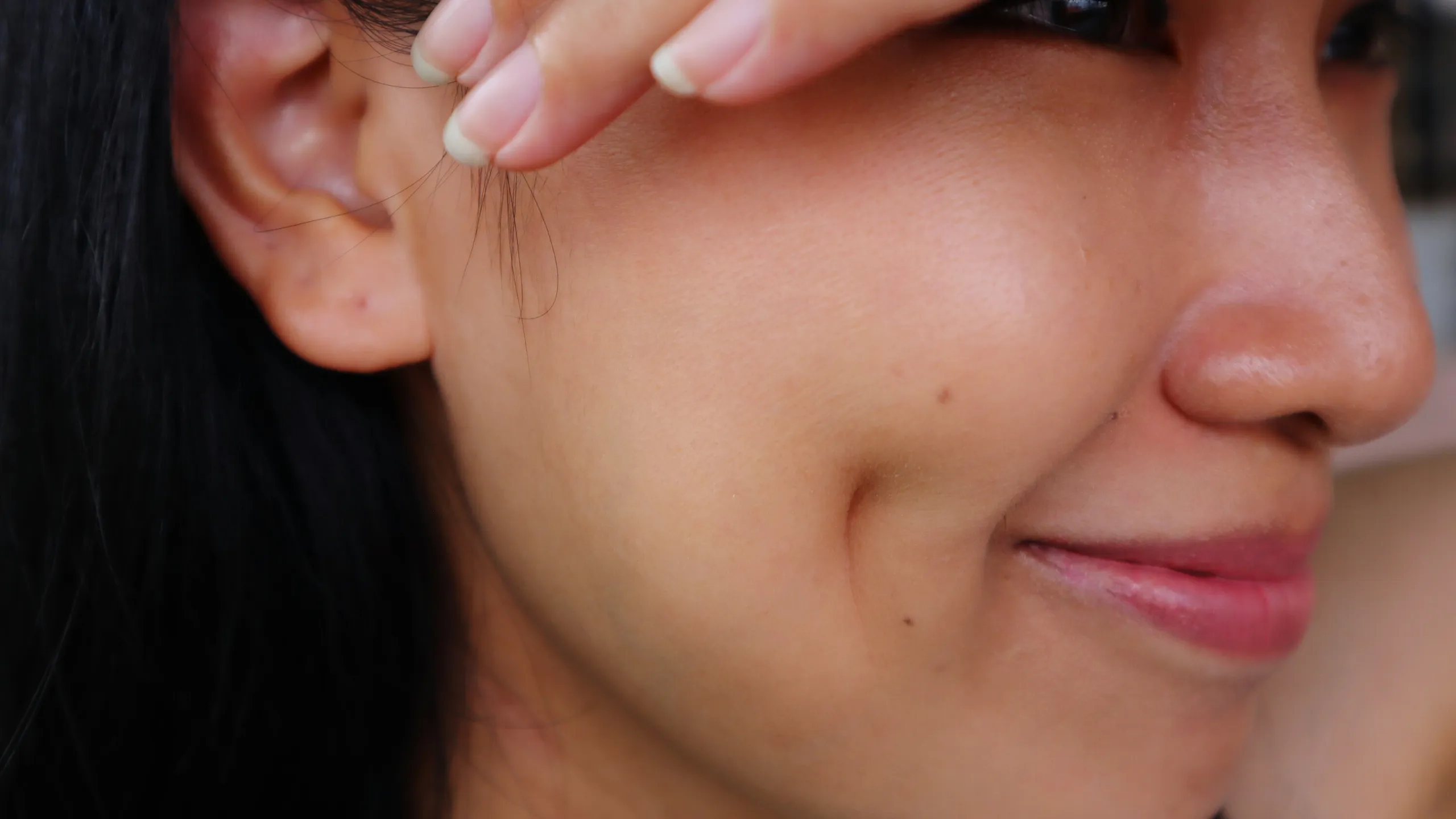
When these sex cells come together, the parents' genes are passed down to the children.
If both parents have dimples, it is likely their children will have them, too. If both parents don't have dimples, then their children are not likely to have them. It is possible for parents with dimples to have kids without dimples and parents without dimples to have children with dimples.
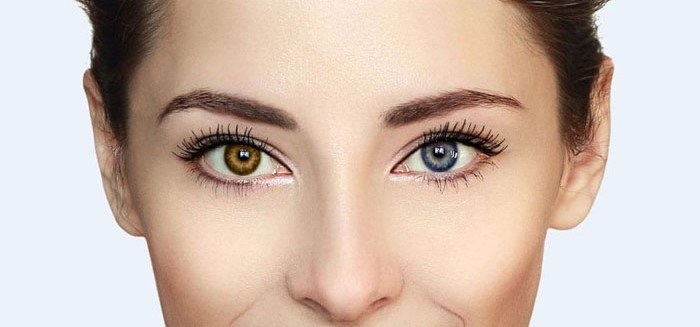
Some people have eyes with irises that are different colors. The iris is the colored part of the eye. This difference in colors between eyes is known as heterochromia.
Sometimes, one eye is a different color than the other eye. Or it may be that part of one iris is a different color than the rest of the iris. Other times, there is an inner ring around the pupil that is a different color than the rest of the iris. The pupil is the dark, center part of the eye.
Eye color is thought to be caused by up to 16 different genes. Eye color depends on melanin, a brown coloring material that a person has in the front part of the iris.
People who have heterochromia when they are born usually have healthy eyes and can see normally. Heterochromia may also develop later in life. People can develop heterochromia because of disease or after eye surgery.
What is heterochromia?
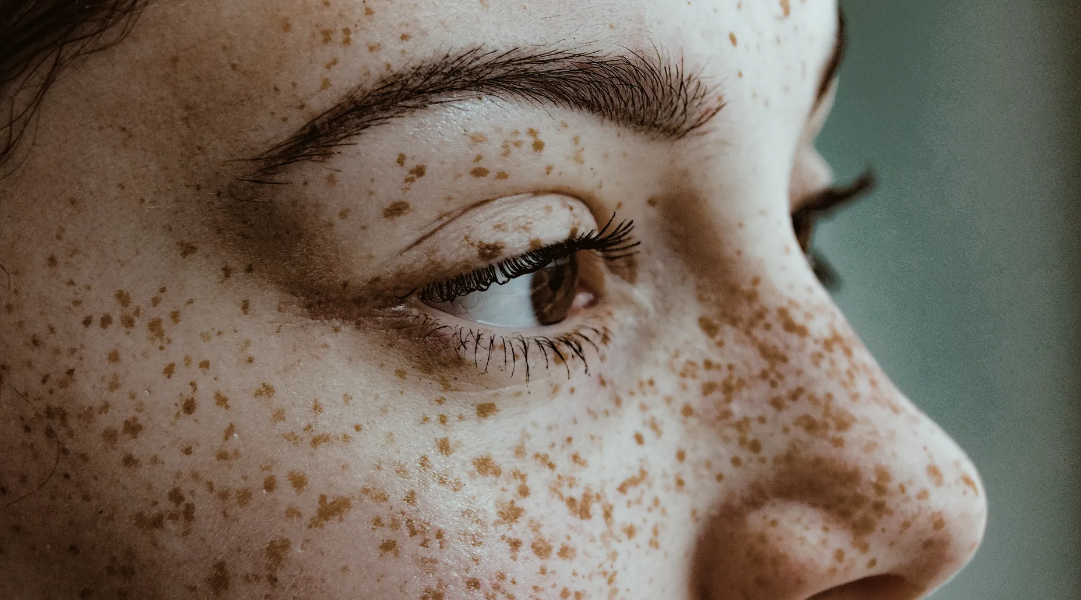
Freckles are caused by a mutation in skin cells. These skin cells are in the outer layer of the skin, and make melanin. Melanin gives the skin a brown hue. This dark skin helps to protect from a harmful part of sunlight called ultraviolet or UV rays. Too much sunlight can cause diseases, like skin cancer.
A mutation in melanin skin cells can cause them to gather in clumps. They make more melanin than normal, which causes brown or reddish spots to form on the skin.
Freckles can be caused by genes passed down from parents.
They can also come about when a person is exposed to UV rays. People with fair, light skin and blond or red hair have freckles more often. Freckles tend to appear most often on the cheeks and nose, arms and shoulders.
What causes freckles to form on the skin?
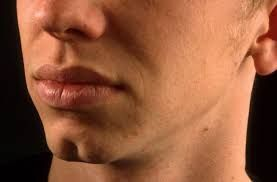
A cleft chin, or dimple chin, is also caused by a gene mutation. When a baby is forming in the mother's womb, or belly, they start out as a tiny embryo. This is the earliest stage of growing inside their mother. A dimple chin forms during this early stage. Bones or muscles in the lower jaw do not join together completely. This causes a small dimple in the chin.
Parents with cleft chins often pass this gene on to their children. But just because a child has the gene doesn't mean they will get a cleft chin. Something could happen in the environment when they are developing in the womb that makes them grow differently.
A cleft chin, also known as a dimple chin, is caused by what kind of genetic event?
Parkinson's Disease
Parkinson's disease (PD) is a progressive nervous system disorder that causes movement problems, mental health issues, and other health problems.
Symptoms
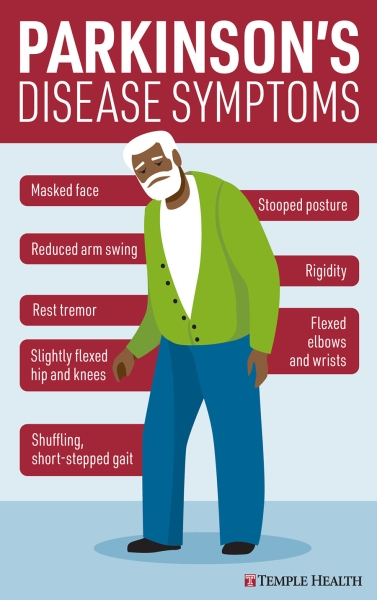
Symptoms generally develop slowly over years. The progression of symptoms is often a bit different from one person to another due to the diversity of the disease. People with PD may experience:
Tremors, mainly at rest and described as pill rolling tremor in hands; other forms of tremor are possible
Slowness and paucity of movement (called bradykinesia and hypokinesia)
Limb stiffness (rigidity)
Gait and balance problems (postural instability)
In addition to movement-related (“motor”) symptoms, Parkinson’s symptoms may be unrelated to movement (“non-motor”). People with PD are often more impacted by their non-motor symptoms than motor symptoms. Examples of non-motor symptoms include: depression, anxiety, apathy, hallucinations, constipation, orthostatic hypotension, sleep disorders, loss of sense of smell, and a variety of cognitive impairments.
https://www.parkinson.org/understanding-parkinsons/what-is-parkinsons
What is Parkinson's Disease predominantly known for impacting?
What determines our physical traits like weight, height and skin color?
What is a gene mutation?
What are the effects of gene mutations?
How are dimples inherited?
What is the function of melanin in eyes?
What is the name of the colored part of the eye?
Can heterochromia develop later in life?
Why people with fair, light skin and blonde or red hair often have more freckles?
Which part of sunlight is harmful and can cause skin diseases?
In which part of the body freckles appear most often?
At which stage does the formation of a cleft chin occur during embryonic development?
What causes a dimple in a cleft chin?
If a child has the gene for a cleft chin, will they definitely have a cleft chin?
Why do the progression and symptoms of Parkinson's Disease vary from person to person?
Which of the following is not a motor symptom of Parkinson's Disease?
Which of the following can be defined as a non-motor symptom in Parkinson's Disease?
What is Alzheimer's Disease?
Alzheimer's diseases come on gradually/slowly and no one is immune.
According to the video, what is the cause of the disease?
The hippocampus is the part of the brain where are formed.
Over many years and time, the plaques and tangles slowly destroy the hippocampus and it becomes hard to form new memories.
More tangles and plaques spread into different regions of the brain cells and compromising function wherever they go.
What are the symptoms of Alzheimer's disease?
The very last stage of Alzheimer's disease the disease affects the part of the brain that regulates breathing and the heart.