Twa kɔ nsɛm atitiriw so
Log in
Sign up for FREE
arrow_back
Laabri

11.4 Lesson 4: Identity Theft

star
star
star
star
star
Last updated about 2 hours ago
21 Nsɛmmisa
Hyɛ no nsow a efi ɔkyerɛwfo no hɔ:
Intro
1
Asemmisa {{asɛmmisaAhyɛnsode}}
1.

QUESTION OF THE DAY: How many minors have had their identity stolen?

Learn It
Do It
Learn It (pt. 2)
Exit Ticket
1
1
1

Learning Objectives

Students will be able to:

  • Identify different types of identity theft, how they can occur, and the impact they can have on someone’s life

  • Take measures to protect their personal information

  • Understand current trends about identity theft

  • Outline what steps to take if they are a victim of identity theft

National Standards for Personal Financial Education

 Spending

  • 8c: Investigate common types of consumer fraud and unfair or deceptive business practices, including online scams, phone solicitations, and redlining

  • 8d: Make recommendations for sources of help for consumers who have experienced fraud

 Managing Risk

  • 11a: Provide examples of how online behavior, e-mail and text-message scams, telemarketers, and other methods make consumers vulnerable to privacy infringement, identity theft, and fraud

  • 11b: Describe conditions under which individuals should and should not disclose their Social Security numbers, account numbers, or other sensitive information

  • 11c: Recommend strategies to reduce the risk of identity theft and financial fraud

  • 11d: Explain the steps an identity theft victim should take to limit losses and restore personal security

Learning Objectives

Students will be able to:

  • Identify different types of identity theft, how they can occur, and the impact they can have on someone’s life

  • Take measures to protect their personal information

  • Understand current trends about identity theft

  • Outline what steps to take if they are a victim of identity theft

National Standards for Personal Financial Education

 Spending

  • 8c: Investigate common types of consumer fraud and unfair or deceptive business practices, including online scams, phone solicitations, and redlining

  • 8d: Make recommendations for sources of help for consumers who have experienced fraud

 Managing Risk

  • 11a: Provide examples of how online behavior, e-mail and text-message scams, telemarketers, and other methods make consumers vulnerable to privacy infringement, identity theft, and fraud

  • 11b: Describe conditions under which individuals should and should not disclose their Social Security numbers, account numbers, or other sensitive information

  • 11c: Recommend strategies to reduce the risk of identity theft and financial fraud

  • 11d: Explain the steps an identity theft victim should take to limit losses and restore personal security

Hundreds of thousands of peoples’ personal information is compromised every year in the United States alone. So, what exactly is identity theft, and how can it impact you? Watch this video to find out. Then, answer the questions.

1
Asemmisa {{asɛmmisaAhyɛnsode}}
2a.

In a few sentences, explain how identity theft can impact a person’s life.

1
Asemmisa {{asɛmmisaAhyɛnsode}}
2b.

Provide one example that illustrates the non-monetary costs of ID theft.

1
Asemmisa {{asɛmmisaAhyɛnsode}}
2c.

What is one step you can take to protect your personal information?

Conduct research online to fill out the following information for each Type of Identity Theft

a. Description

b. How can this type of ID theft occur?

1
Asemmisa {{asɛmmisaAhyɛnsode}}
3a.

Social Security Identity Theft

1
Asemmisa {{asɛmmisaAhyɛnsode}}
3b.

Tax Identity Theft

1
Asemmisa {{asɛmmisaAhyɛnsode}}
3c.

Medical Identity Theft

1
Asemmisa {{asɛmmisaAhyɛnsode}}
3d.

Employment Identity Theft

1
1

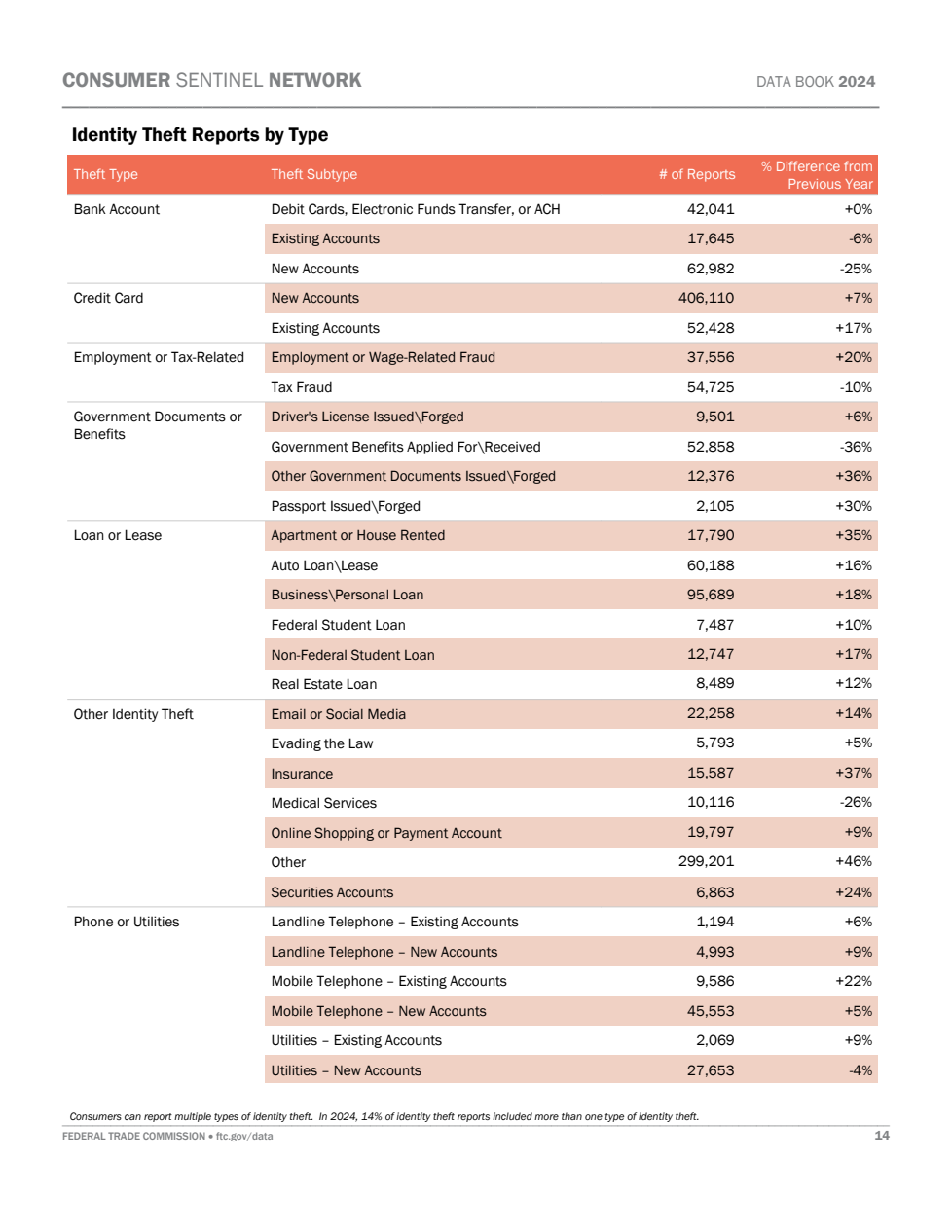
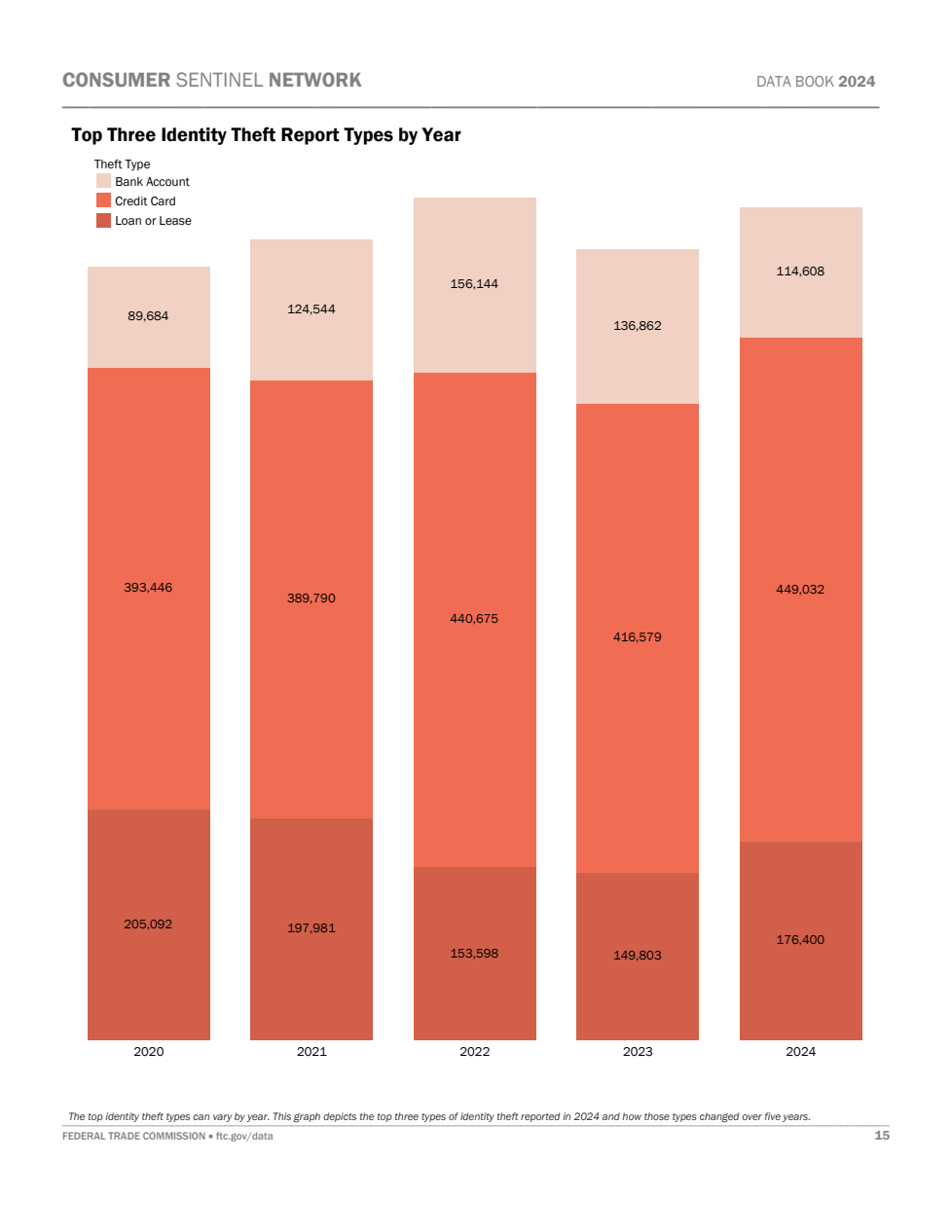
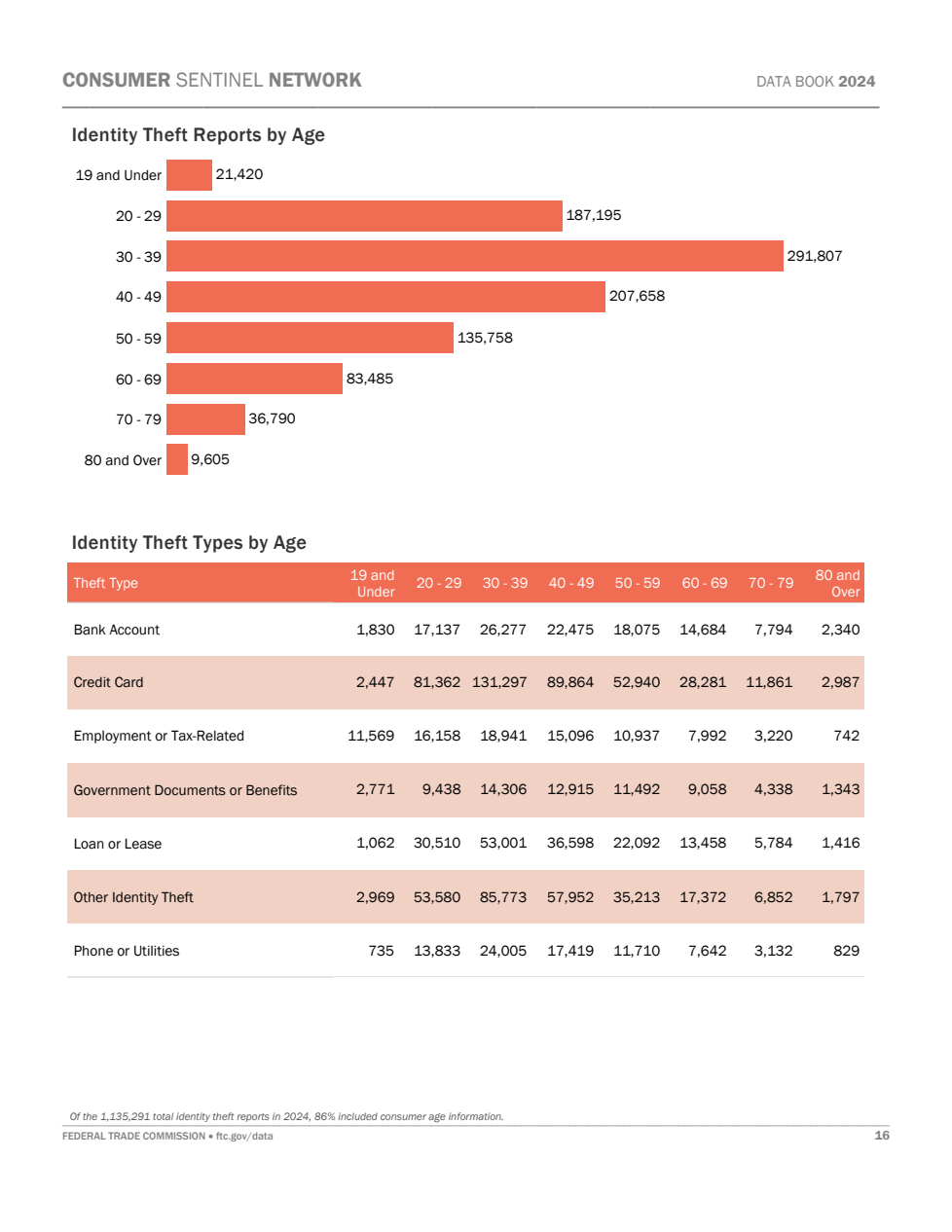
As we complete more of our transactions online, our personal information is increasingly subject to being stolen and used by identity thieves. Use this report to learn about the current trends on identity theft and answer the questions.


1
Asemmisa {{asɛmmisaAhyɛnsode}}
4a.

What is the #1 type of identity theft, based on # of reports? Think of at least one reason why this type of identity theft is so much more common than others.

1
Asemmisa {{asɛmmisaAhyɛnsode}}
4b.

Looking on page 14, what type of credit card fraud is the most common?

1
Asemmisa {{asɛmmisaAhyɛnsode}}
4c.

Take a look at the graph on page 15. How would you describe the trends for each of the top 3 types of ID theft?

1
1
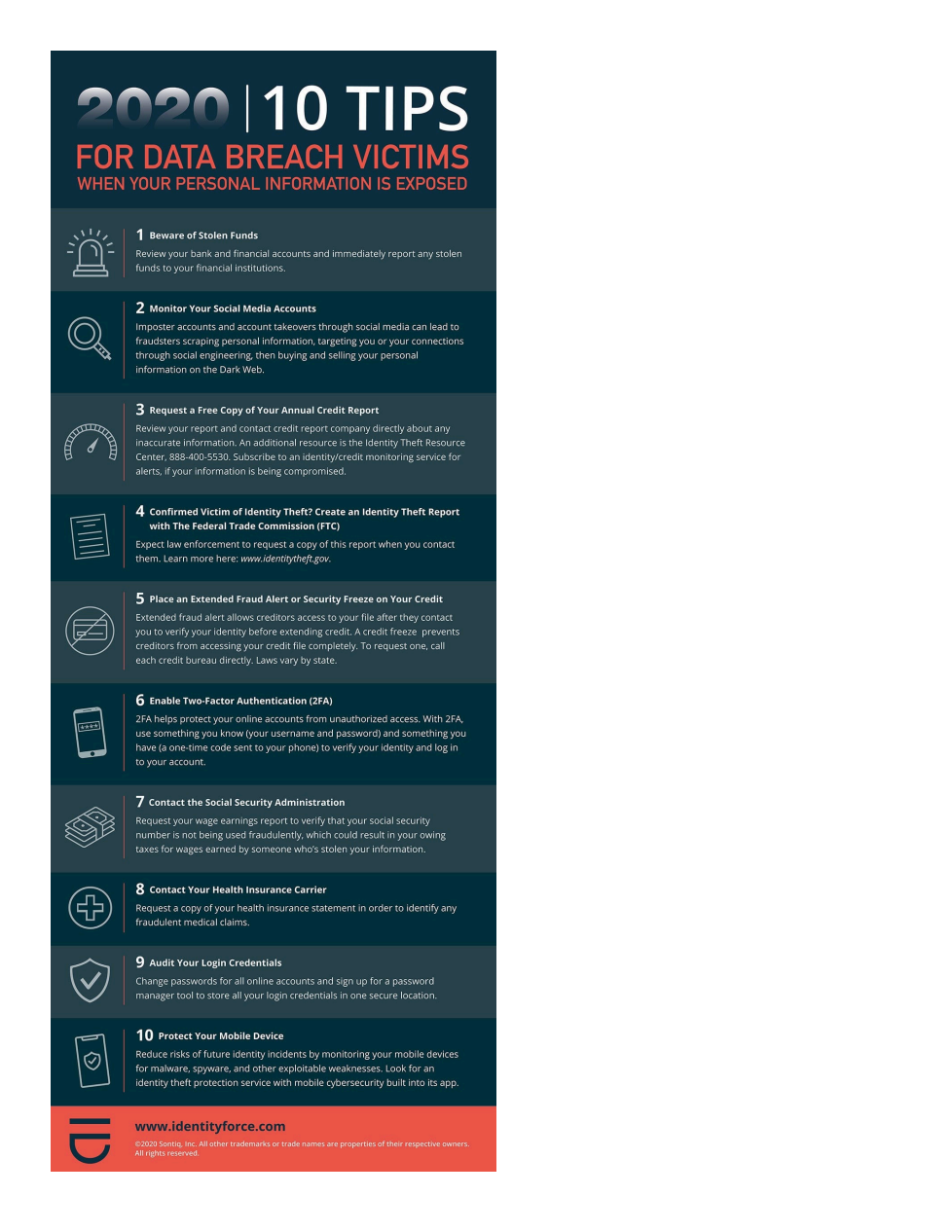
As you’ve learned throughout this lesson, you can’t guarantee that you will be safe from ID theft even if you take all of the preventative measures. Watch this video and investigate the infographic to find out what you should do if you find your personal information has been compromised. Then, answer the questions.

1
Asemmisa {{asɛmmisaAhyɛnsode}}
5a.

How can filing a report with the FTC assist you if you’ve been a victim of identity theft?

1
Asemmisa {{asɛmmisaAhyɛnsode}}
5b.

Besides filing a report with the FTC, write down the 3 steps you should take if you believe your identity has been compromised.

1
Asemmisa {{asɛmmisaAhyɛnsode}}
5c.

While some of these tips may not be applicable yet, what is one thing from the infographic list that a teen could consider doing today to help protect their personal information?

Asemmisa {{asɛmmisaAhyɛnsode}}
6.

All of these are practical ways to protect your personal financial information EXCEPT…

Asemmisa {{asɛmmisaAhyɛnsode}}
7.

Which of the following is TRUE about identity theft trends in the U.S.?

Asemmisa {{asɛmmisaAhyɛnsode}}
8.

Which of these is the BEST step to take after realizing your financial information may have been exposed while out shopping?

Asemmisa {{asɛmmisaAhyɛnsode}}
3e.

Child Identity Theft

Asemmisa {{asɛmmisaAhyɛnsode}}
3f.

Criminal Identity Theft

Asemmisa {{asɛmmisaAhyɛnsode}}
4d.

What type of ID theft occurs MOST often for people age 19 and under? How does this compare to the most common type of ID theft for the 20-29 and 30-39 age groups?

Asemmisa {{asɛmmisaAhyɛnsode}}
4e.

Identify one key takeaway you have from looking at the latest identity theft trends.