Learning Goals:
To understand what defines a eukaryotic cell.
To be able to identify the types of eukaryotic cells.
The be able to identify the function of the organelles of eukaryotic cells.
What are Eukaryotic Cells?
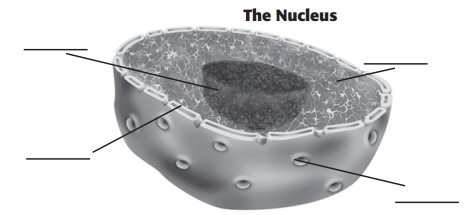
In general, eukaryotic cells are cells that have a higher degree of organization and specialization compared to prokaryotic cells. The primary two determining features of eukaryotic cells is the presence of the nucleus and the presence of membrane-bound organelles.
There are four different types of eukaryotic cells - animal cells, plant cells, fungal cells, and protist cells. Animal cells make up the bodies of animals and humans. Plant cells make up plants and fungal cells made up fungi (yeast, mushrooms, molds, etc.). These first three groups of eukaryotes are typically multi-celled organisms (made up of many cells). Protists are a highly diverse group of single-celled organisms that do not fit within the other three groups of eukaryotes. What unites all four of these groups of cell types is that they all have nuclei (some protists can have more than one) and membrane-bound organelles.
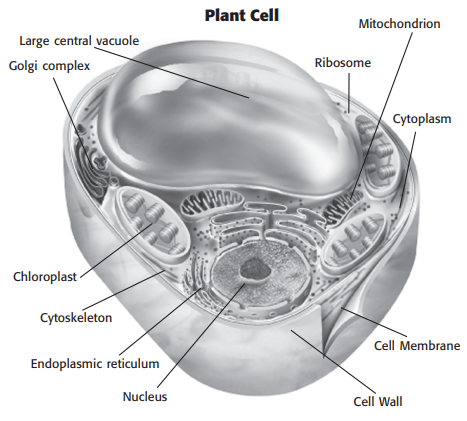
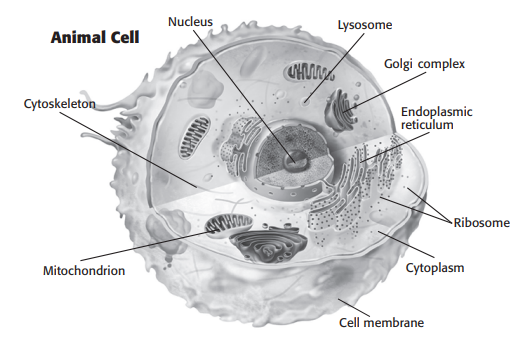
There are two primary features that define a eukaryotic cell. First, is the presence of a
There are multiple different types of eukaryotic cells - plant cells