Log in
Sign up for FREE
arrow_back
Library

Copy of Atoms and Isotopes (5/28/2026)

star
star
star
star
star
Last updated about 3 hours ago
20 questions
1
1
1
1
1
1
1
1
1
1
1
1
1
1
1
1
1
1
1
1
Please open the Periodic Table linked below and use it throughout class today.

https://sciencenotes.org/wp-content/uploads/2017/02/KidsPeriodicTable2017.pdf
Do now: Complete questions 1-4 below.
Question 1
1.

Question 2
2.

Draggable itemarrow_right_altCorresponding Item
arrow_right_alt
arrow_right_alt
arrow_right_alt
arrow_right_alt
arrow_right_alt
Question 3
3.

Question 4
4.

Classwork: Complete questions 5-20 below. We will discuss certain questions in class to ensure your understanding.
Question 5
5.

Question 6
6.

Question 7
7.

Question 8
8.
Question 9
9.

Question 10
10.

Question 11
11.

Question 12
12.

Question 13
13.

Question 14
14.

Question 15
15.

Question 16
16.

Question 17
17.

Question 18
18.

Question 19
19.

Question 20
20.

Complete the exit ticket at the link here: https://forms.gle/aDqsv9dabw8G7Fno8
Which subatomic particle determines the identity of an atom?
Proton
Neutron
Electron
Match each of the terms below with the correct description.
Atomic mass
The number of protons in an atom
Neutron
The number of protons and neutrons in an atom
Electron
Positively-charged particle in the nucleus; has a mass of 1 amu.
Proton
Particle in the nucleus with no charge; has a mass of 1 amu.
Atomic number
Negatively-charged particle outside the nucleus; has a mass of 0 amu.
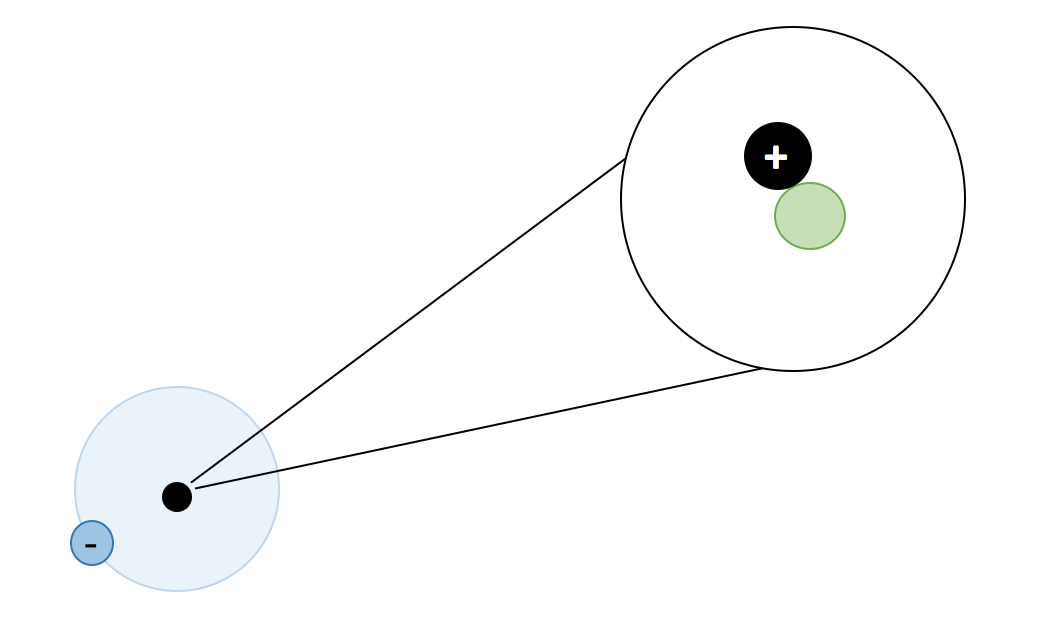
Which of the following statements best describes the principle of attraction used in Thomson's cathode ray experiment?
Particles with opposite charges attract
Particles with the same charges attract
Particles always attract to each other
Particles never attract to each other
The Periodic Table Square of Aluminum is shown below.
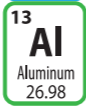

Which of the following best describes the number of protons, neutrons and electrons present in an aluminum atom?
13 protons, 14 neutrons, 13 electrons
14 protons, 13 neutrons, 13 electrons
14 protons, 13 neutrons, 14 electrons
27 protons, 13 neutrons, 27 electrons
13 protons, 13 neutrons, 13 electrons.
13 protons, 27 neutrons, 13 electrons
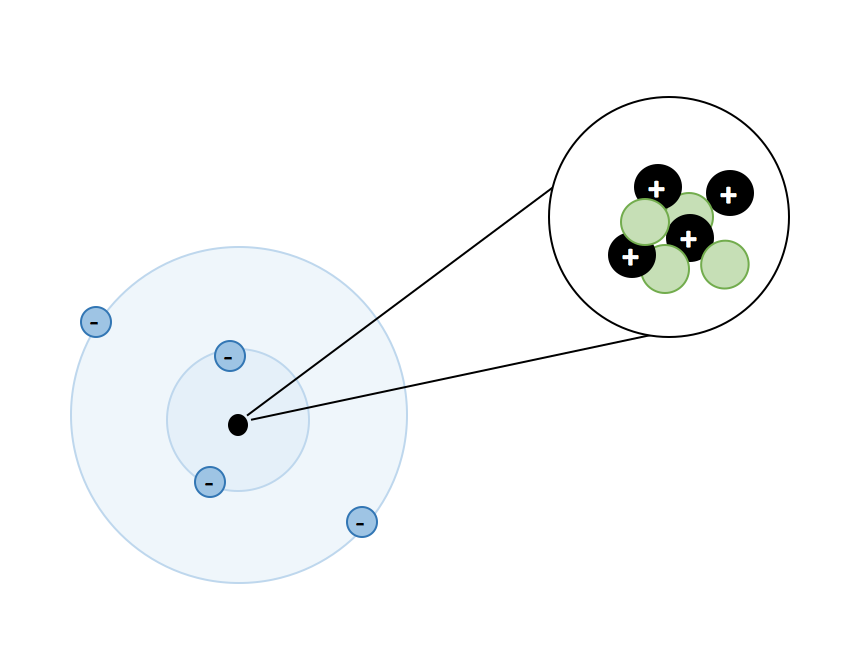
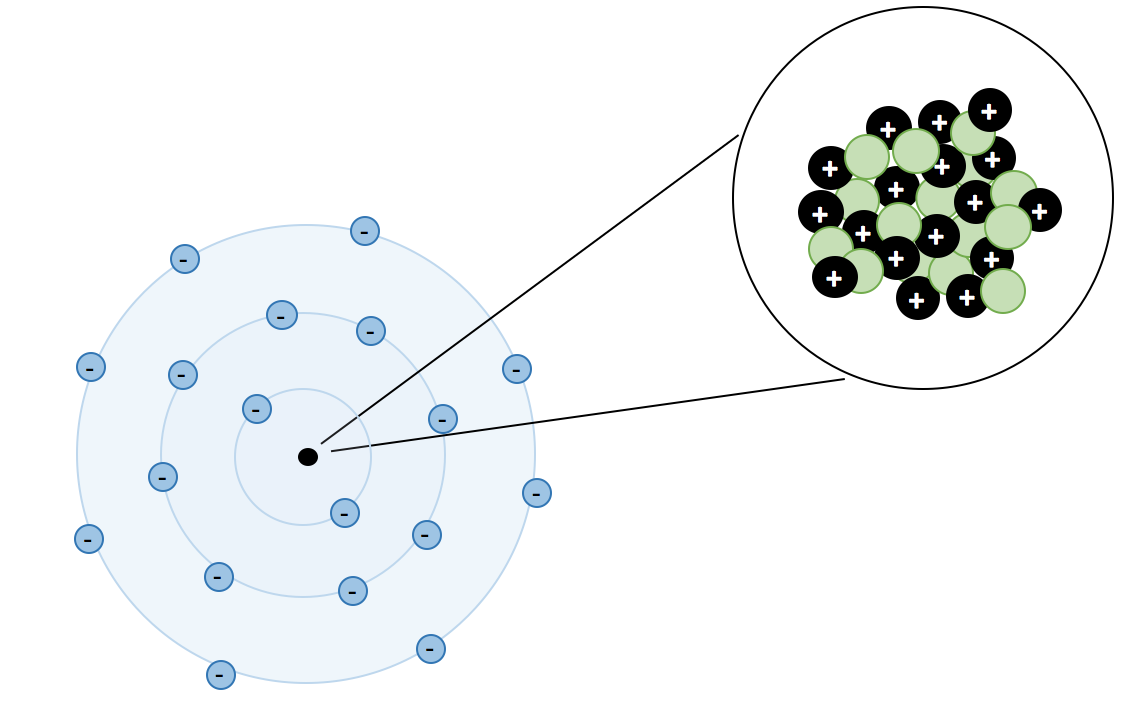
Identify the following element:

Oxygen (O)
Hydrogen (H)
Carbon (C)
Nitrogen (N)
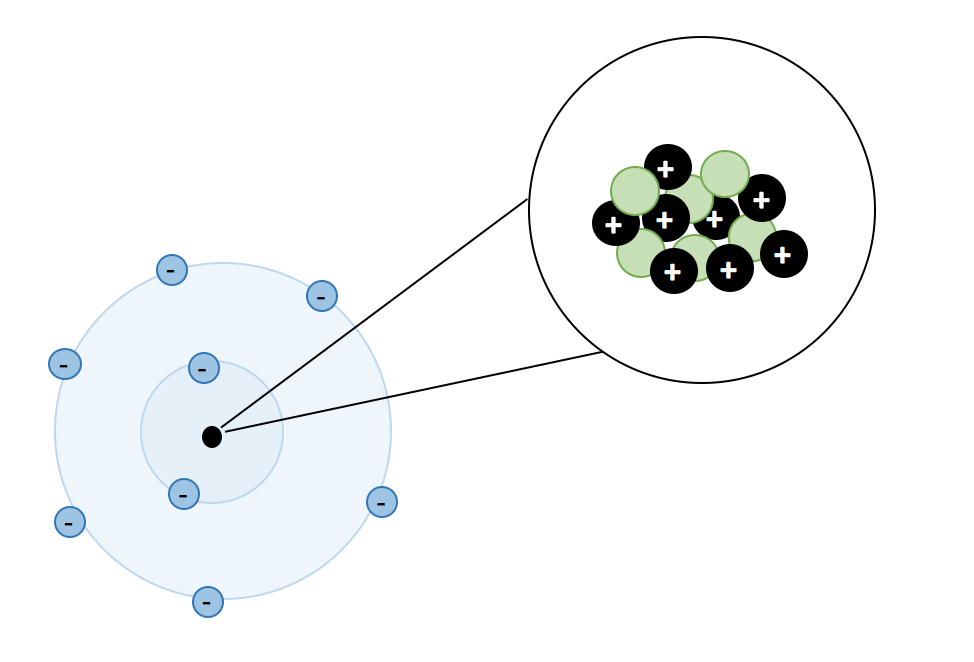
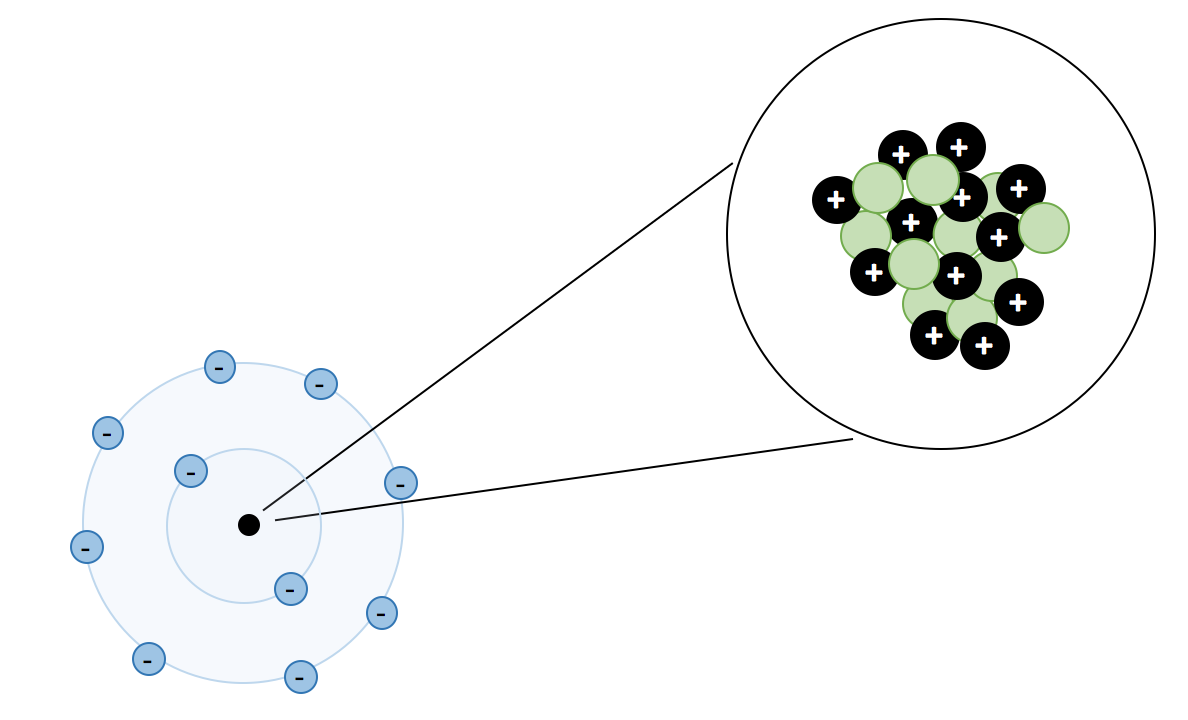
Identify the following element:


Nitrogen (N)
Hydrogen (H)
Beryllium (Be)
Nickel (Ni)
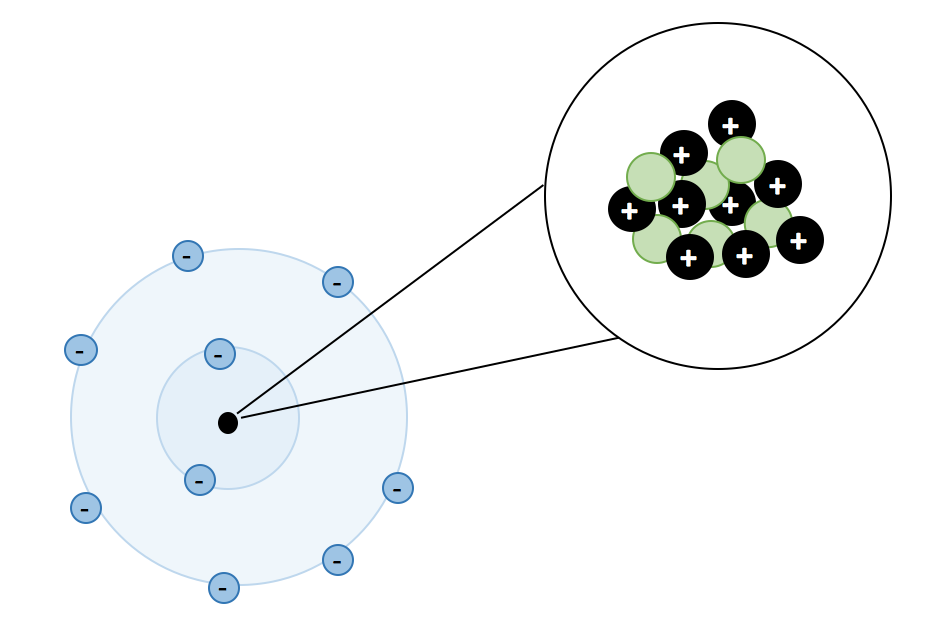
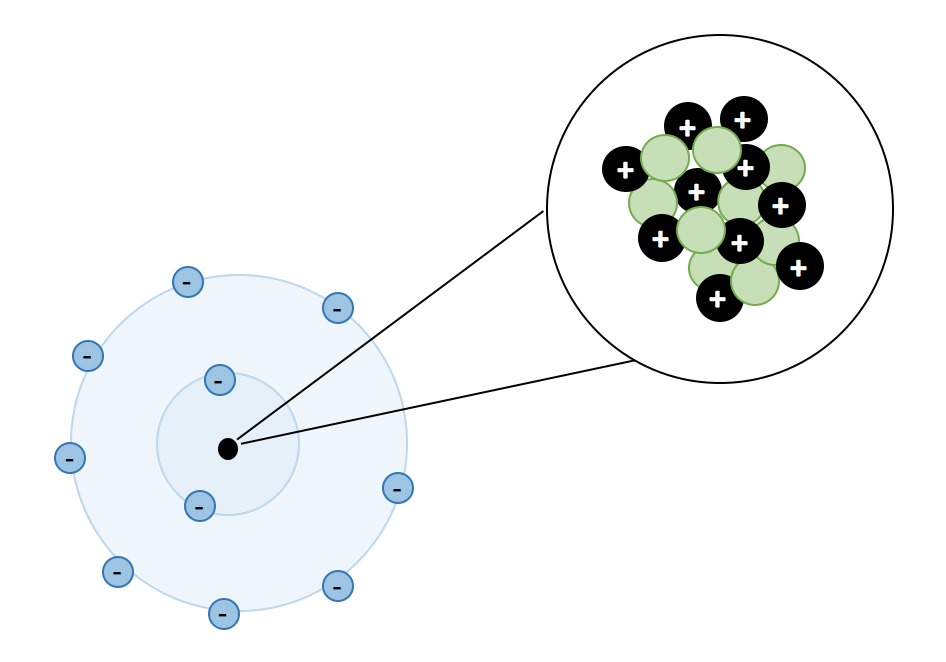
Identify the following element:

Oxygen (O)
Nickel (Ni)
Magnesium (Mg)
Potassium (K)
Silicon (Si)
Fluorine (F)
Magnesium
Chlorine
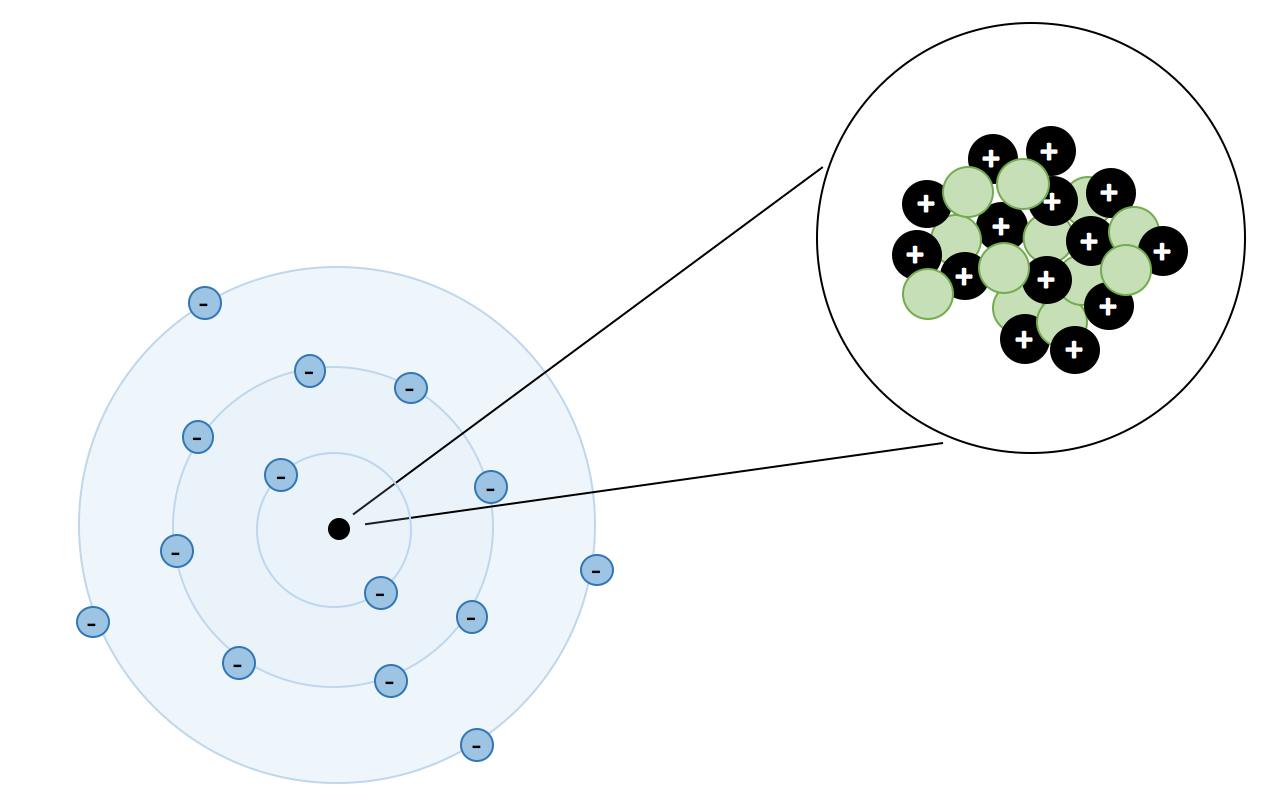
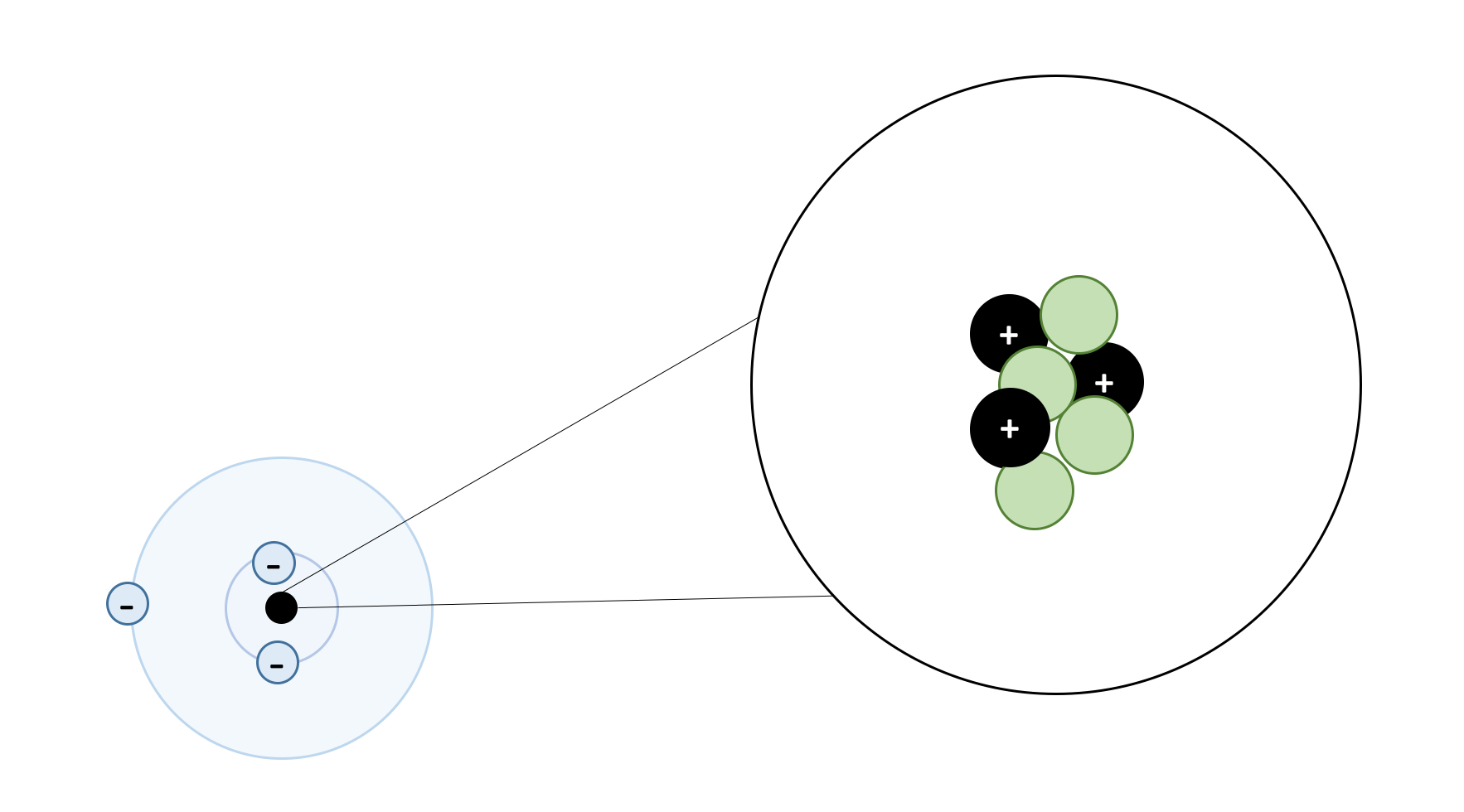
Select all which are true
The atom has 9 Neutrons
The atom is Ne
The atom has 10 Neutrons
The atom has 10 Protons
The atom has 5 Protons
Isotopes are _____________.
Atoms of different elements
Compounds
Atoms that have a charge
Atoms of the same element but with different mass
How do we calculate the mass number (atomic mass) of an isotope?
Subtract Electron - Neutrons
Subtract Neutron - Protons
Add Protons + Neutrons
Add Electrons + Protons
Select all which are true about atoms 1 and 2 below.

Both atoms have 6 Protons
Both atoms are isotopes of Carbon
Atom 1 has 6 Neutrons and Atom 2 has 8 Neutrons
Both atoms are identical
Atom 1 is Carbon-12
Atom 2 is Carbon- 12
Atom 1 has 6 Protons and Atom 2 has 8 Protons
Atom 1 is Carbon-14
Atom 2 is Carbon- 14
Atom 1 is Carbon and Atom 2 is Oxygen
Select all true for Carbon -15
It has 9 Neutrons
It has 15 Protons
Its mass number is 15
It has 6 Protons
It has 5 Neutrons
Select all true for Nitrogen -14
Its mass number is 14
Its mass number is 7
It has 7 Neutrons
It has 8 Neutrons
It has 14 Protons
It has 7 Protons
Select all true for Chromium -32
It has 24 Protons
Its mass number is 32
It has 8 Neutrons
It has 7 Neutrons
It has 52 Protons
Its mass number is 52
Select all true statements

The mass number is 6
The atom has 4 Neutrons
The atom is Lithium (Li)
Lithium - 6
The atom has 6 Electrons
The atom has 3 Protons
The atom has 3 Neutrons
The atom has 6 Protons
Lithium -3
The atom has 3 Electrons
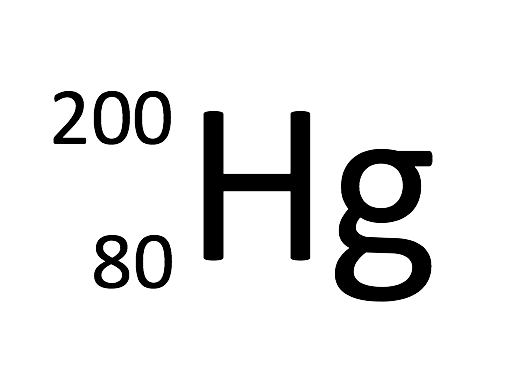
Select all which are true

The atom is liquid at room temperature
The atom has 80 Protons
The atom has 80 Neutrons
The atoms has 120 Protons
The mass number is 280
The mass number is 200
The atom has 120 Neutrons
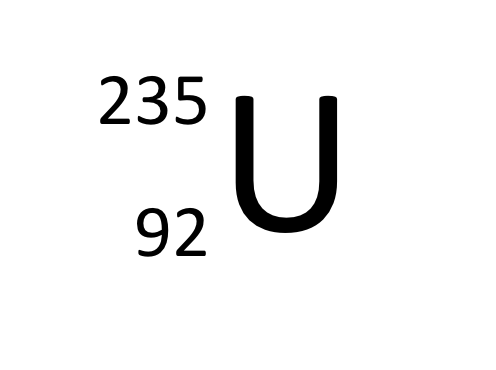
Select all which are true

The mass number is 327
The atom is radioactive
The atoms has 235 Protons
The mass number is 235
The atom has 92 Neutrons
The atom has 92 Protons
The atom has 143 Neutrons
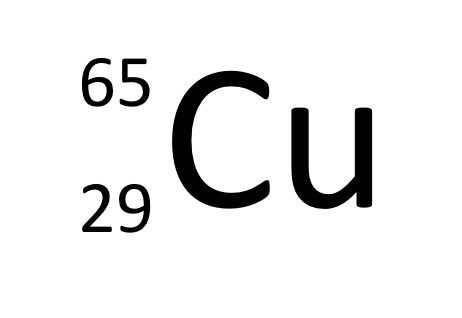
Select all which are true

The atoms has 65 Protons
The atom has 36 Neutrons
The atom has 29 Protons
The mass number is 94
The atom has 29 Neutrons
The mass number is 65
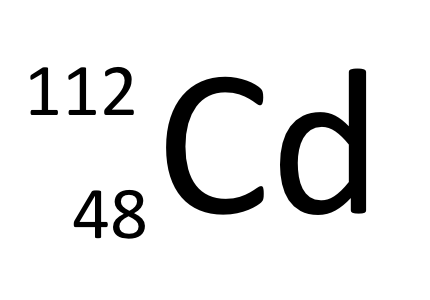
Select all which are true

The mass number is 112
The mass number is 160
The atom has 48 Protons
The atom has 64 Neutrons
The atoms has 112 Protons
The atom has 48 Neutrons