Copy of 09.11.20 (Sync) - Osteoporosis (5/28/2026)
star
star
star
star
star
Last updated 3 months ago
35 Nsɛmmisa
1


1
1
1

1
1
1
1
1
1
1
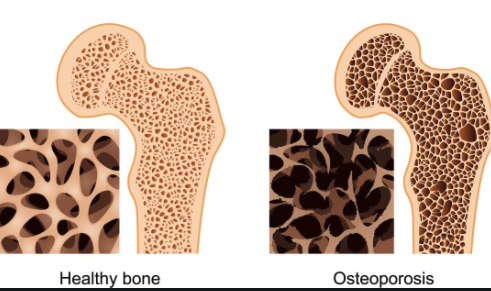
Objective: Students will analyze the factors that lead to, symptoms, and consequences of osteoporosis
Warm-Up: Compare and contrast osteoblasts and osteoclasts.
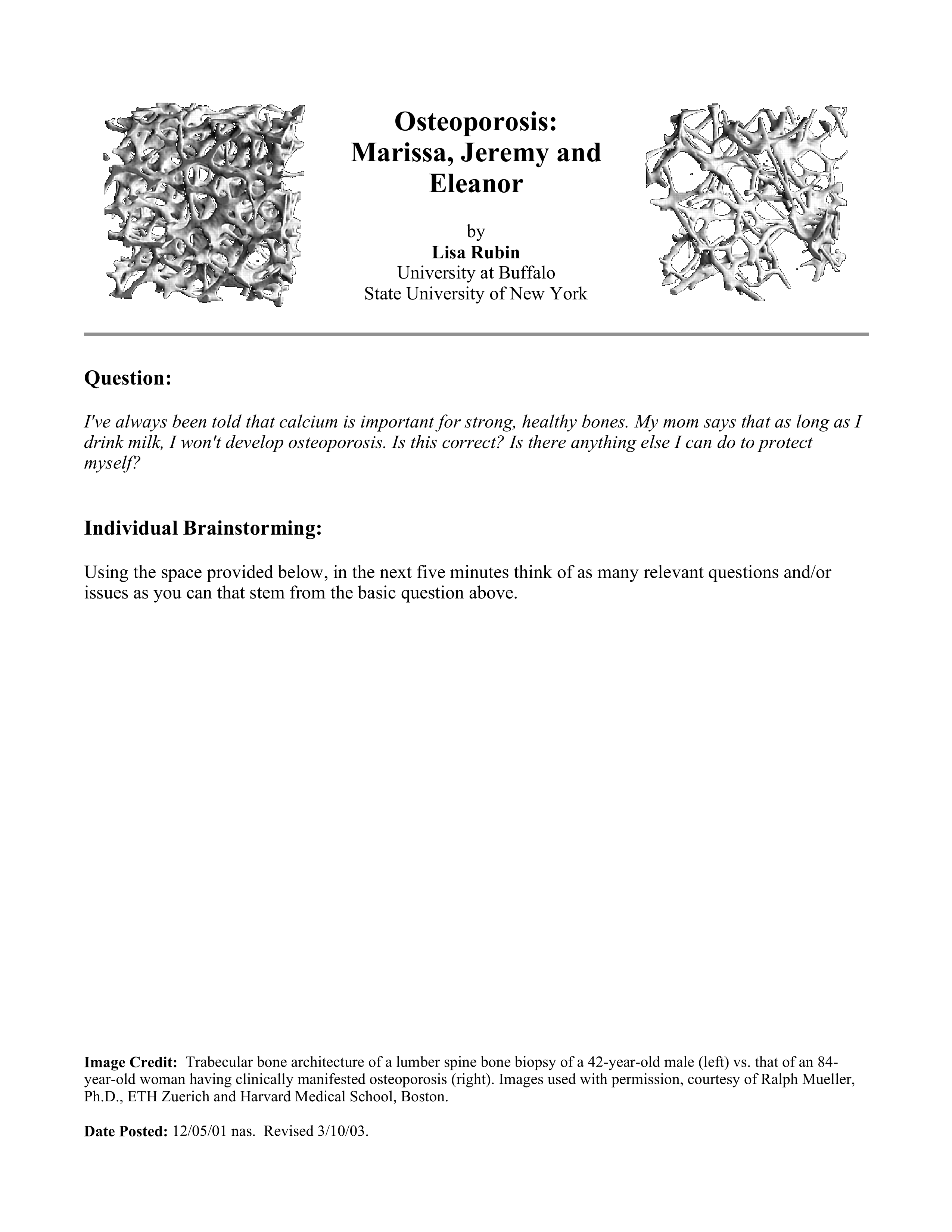
Record your brainstorming here!
With your small group, work through the case study that you were assigned. Decide amongst yourselves who will fill the following roles:
Reader - Reads the text out loud
Timekeeper - Ensures group returns to the Google Meet on time
Manager - Ensures that everyone's voice is heard and that all are working on the same question
Spokesperson - Shares out in the large group, if needed
You do NOT need to complete all of the scenarios! You will be in one group while working on the questions, then will share your findings in your usual group later on. You only need to answer the questions for your case study!!
Directions:
Read the prompt, then decide as a group how to divvy up the research. Answer the questions that go along with your case study:
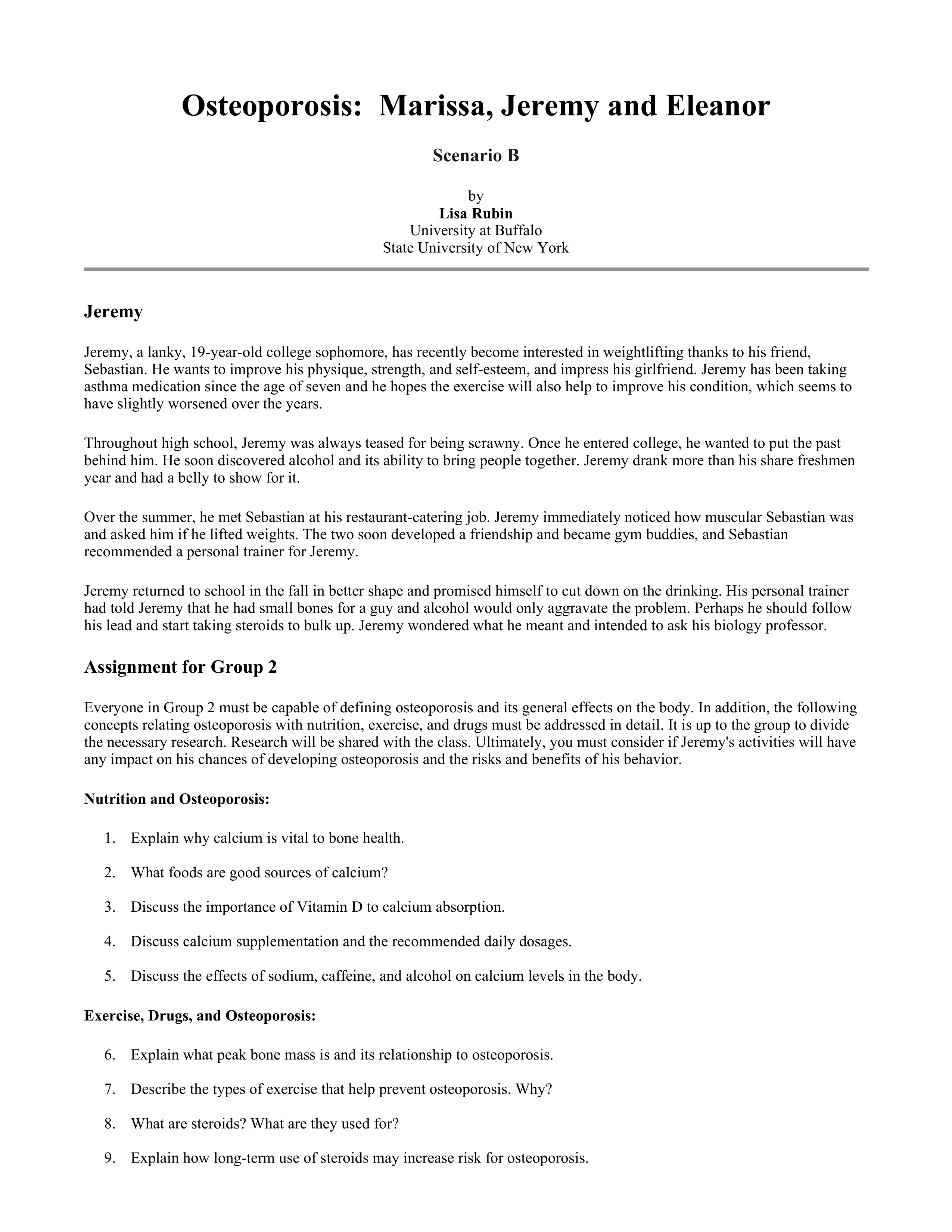
Groups A and B: Scenario A (Marissa), questions 3-9
Groups C and D: Scenario B (Jeremy), questions 10-18
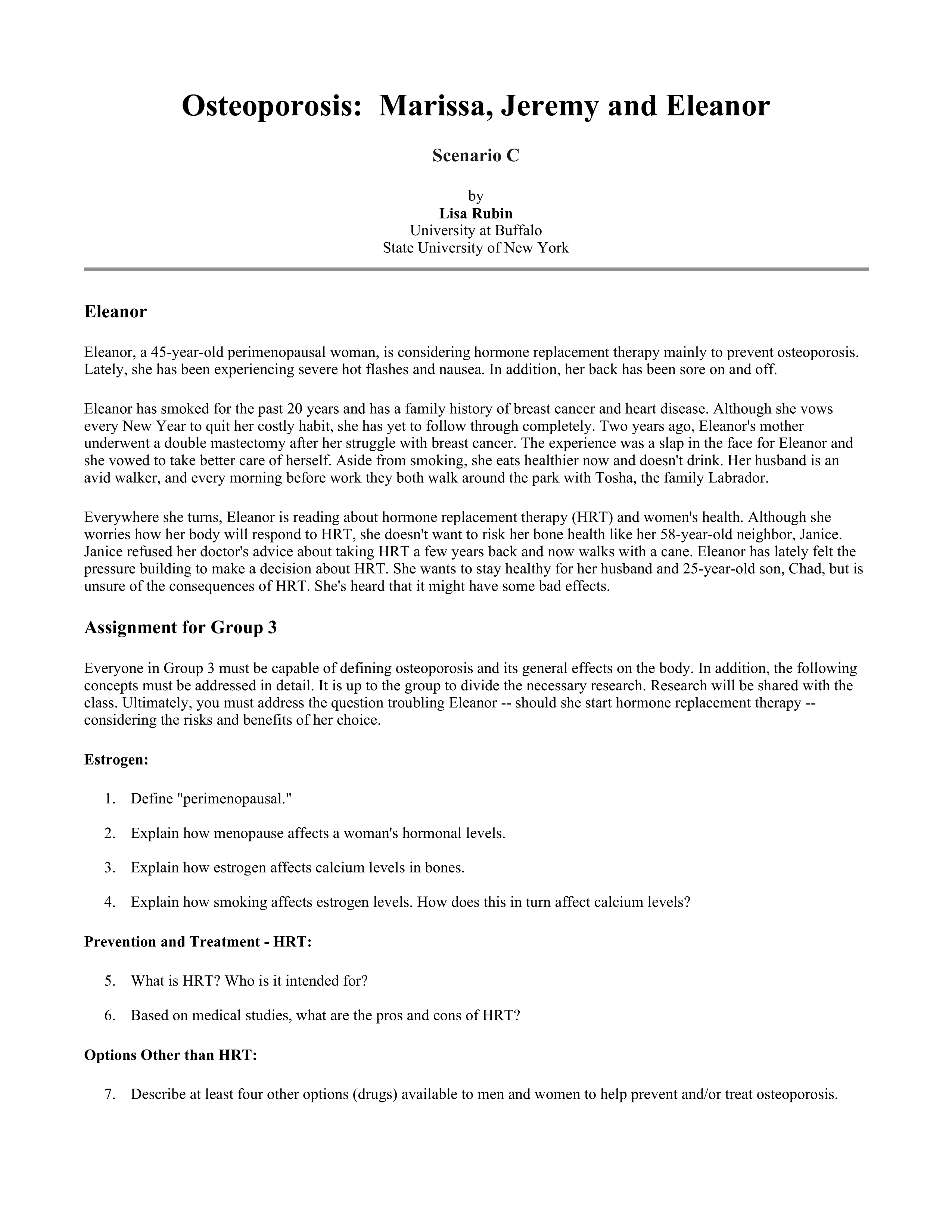
Groups E and F: Scenario C (Eleanor), questions 19-25

First: Brainstorm. DRAW a summary of the case study in the space below.
Next: Process. Write our a four sentence summary of your case study. Include the following in your summary:
Age of patient
Suspected cause of osteoporosis in the patient
Lifestyle changes that could be made by patient
Other therapies or treatments that could slow osteoporosis in patient
Finally, do some searching for an image that best sums up your case study. Think about what terms would be best to include in your search.
Take a screenshot or save your image, then post it in the space below:
Next, you will share with your "normal" group your findings from the case study.
Take turns reading your summaries to your group members. Share your pictures with your groups.
Start with Marissa, then Jeremy, then Eleanor.
Write a short summary of both the patients your group members taught you about.
Only old people can be diagnosed with osteoporosis
Only women can be diagnosed with osteoporosis
Examine the picture below, focusing on the roles of calcitonin, PTH, and Vitamin D
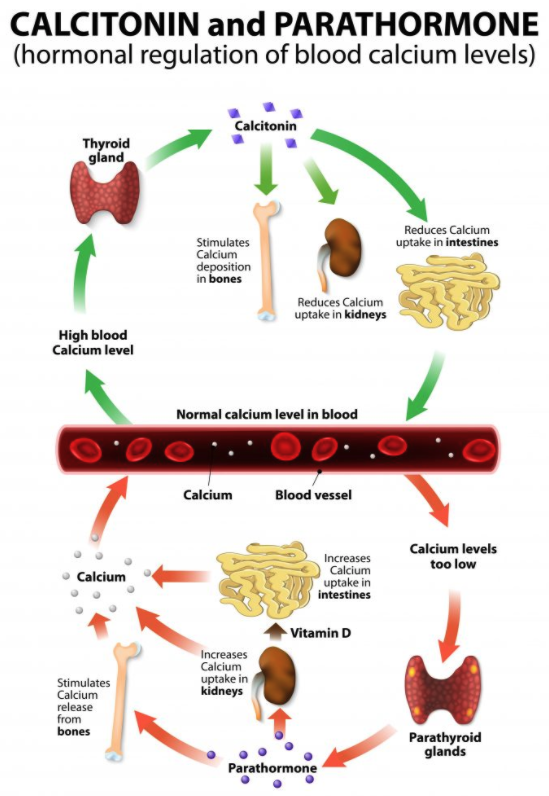
Use the diagram to answer questions 31-32
Which of the following best describes the relationship between calcium, calcitonin, and parathyroid hormone (aka Parathormone or PTH)?
What is the relationship between calcium, Vitamin D, and bone growth?
Which of the following best describes the relationship between menopause, estrogen, and bone growth?
What questions do you still have about osteoporosis?