Log in
Sign up for FREE
arrow_back
Library

Copy of Gas Laws Prac 1 (5/28/2026)

star
star
star
star
star
Last updated about 2 hours ago
11 questions
Note from the author:
2
1
2
2
2
2
2
2
2
2
1
Review the notes that we took in class (Note-Taking Sheet) and the examples that we performed (you were expected to record them on a sheet of paper) to assist you in solving the following questions.
C.5.1 Use the kinetic molecular theory with the combined and ideal gas laws to explain changes in volume, pressure, moles, and temperature of a gas.
C.5.2 Apply the ideal gas equation (PV = nRT) to calculate the change in one variable when another variable is changed and the others are held constant.

Learning Goals:
  • I can use the combined gas law to explain changes in volume, pressure, moles, and the temperature of a gas.
  • I can use the ideal gas law to explain changes in volume, pressure, moles, and the temperature of a gas.
  • I can calculate the pressure, volume, moles of gas, or temperature using the ideal gas equation when the other variables are held constant.
Question 1
1.
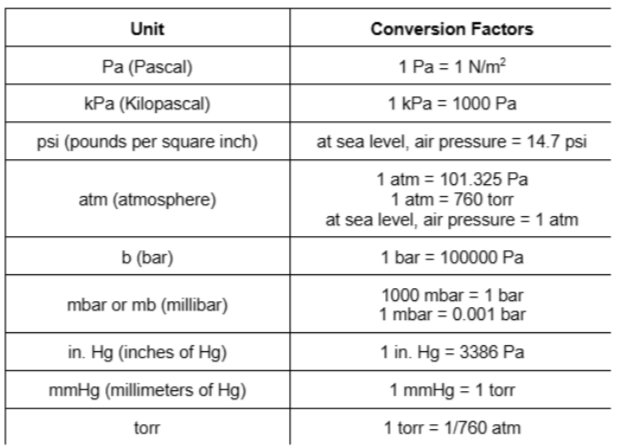
During the Viking landings on Mars, the atmospheric pressure was determined to be on the average about 6.50 millibars (1 bar = 0.987 atm). What is that pressure in torr and kPa?

Tips: mbar → bar → atm → torr
atm → kPa

Find the conversion factors on the pressure unit chart.


Pressure in torr: _______ torr

Pressure in kPa: _______ kPa
Question 2
2.

Explain how the volume of the bubbles exhausted by a scuba diver change as they rise to the surface, assuming that they remain intact. Tip - consider Boyle's law.

Question 3
3.
A syringe is filled with 30.0 mL of air and it is sealed by a pressure gauge reading the current pressure at 6.5 psi. Immediately, the syringe is placed under 39.0 psi. Identify which gas law you will need to use and use it to find the new volume of the syringe. Tip - consider which gas law explains the relationship between volume and temperature.

Gas Law used: _______

New Volume: _______ mL
Question 4
4.
A spray can is used until it is empty except for the propellant gas, which has a pressure of 1344 torr at 23 °C. If the can is thrown into a fire (T = 475 °C), what will be the pressure in the hot can (round to the nearest 10th)? Before you solve for this, identify the needed gas law.

Tips - can we use temp in Celsius, or does it need to be converted to something else (check the examples worked out in your notes)? Consider which gas law explains the relationship between temperature and pressure.

Gas law used: _______

Pressure = _______ torr
Question 5
5.
What is the temperature of an 11.2 L sample of carbon monoxide, CO, at 744 torr if it occupies 13.3 L at 55 °C and 744 torr? Before you solve for this, first identify the gas law that you will use to solve this.

Gas law used: _______

New temperature: _______ K
Question 6
6.
A 2.50 L volume of hydrogen measured at –196 °C is warmed to 100 °C. Calculate the volume of the gas at the higher temperature, assuming no change in pressure; also, identify the gas law that you will need to use.

Gas law used: _______

Volume = _______ L
Question 7
7.
A balloon inflated with three breaths of air has a volume of 1.7 L. At the same temperature and pressure, what is the volume of the balloon if five more same-sized breaths are added to the balloon? Also, identify the gas law that you will need to use.

Gas law used: _______

Volume = _______ L
Question 8
8.
A weather balloon contains 8.80 moles of helium at a pressure of 0.992 atm and a temperature of 25 °C at ground level. What is the volume of the balloon under these conditions? Identify the gas law that you need to use to solve this.

Gas law: _______

Volume = _______ L
Question 9
9.
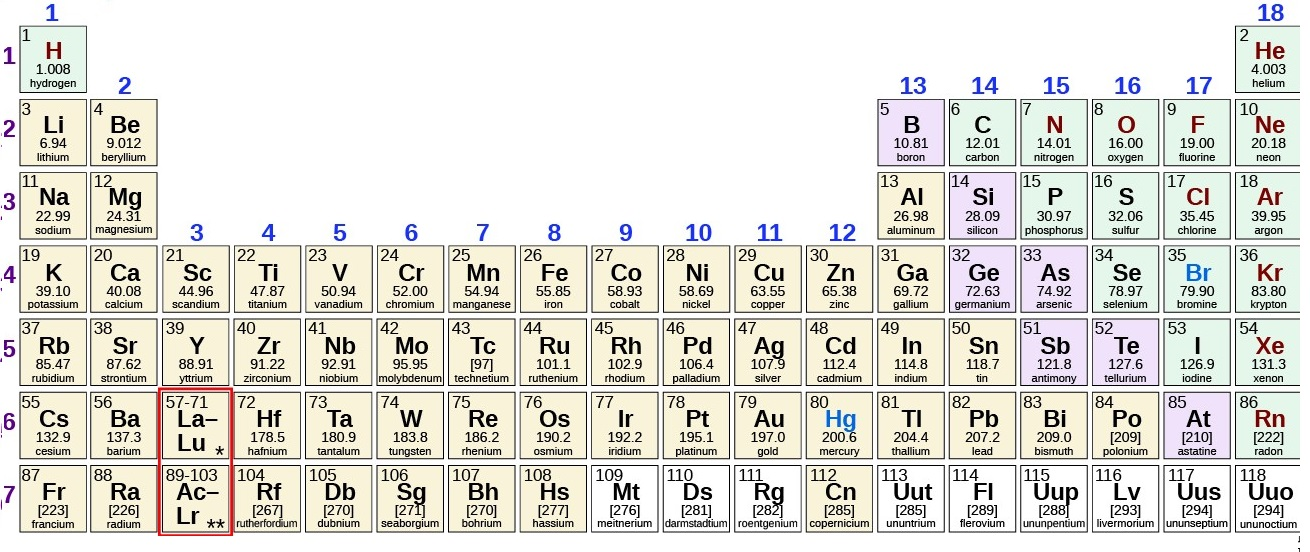
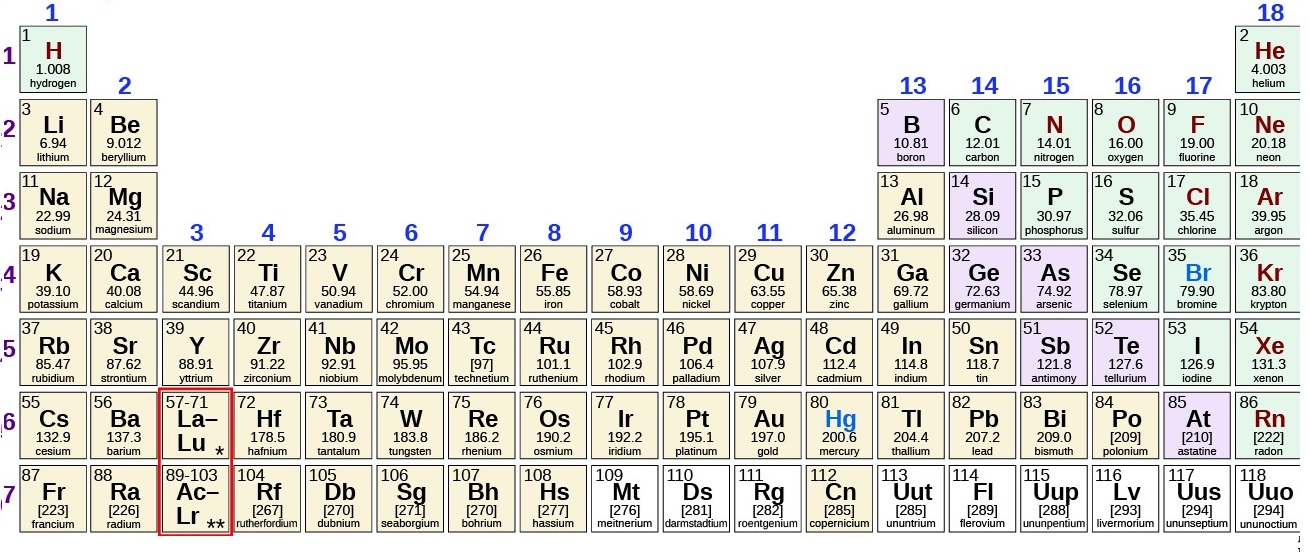
The volume of an automobile air bag was 66.8 L when inflated at 25 °C with 77.8 g of nitrogen gas. What was the pressure in the bag in kPa? Tip - calculate atm and convert to kPa. Use the ideal gas law, then use the conversion factor of atm → kPa to convert that solution to kPa.


_______ atm

_______ kPa
Question 10
10.
How many moles of gaseous boron trifluoride, BF3, are contained in a 4.3410 L bulb at 788.0 K if the pressure is 1.220 atm (round to the nearest 1000th)? Identify which gas law that you need to use to solve this.

Gas law: _______

_______ mol
Question 11
11.
Use the calculated number of moles from the prior question. How many grams of BF3 are there?
mass = _______ g