Copy of Musculoskeletal Sys: Articulations (bone-to-bone) (5/28/2026)
star
star
star
star
star
Last updated about 2 hours ago
10 questions
6
5
5
2
1
1
1
2
3
5
Question 8
8.
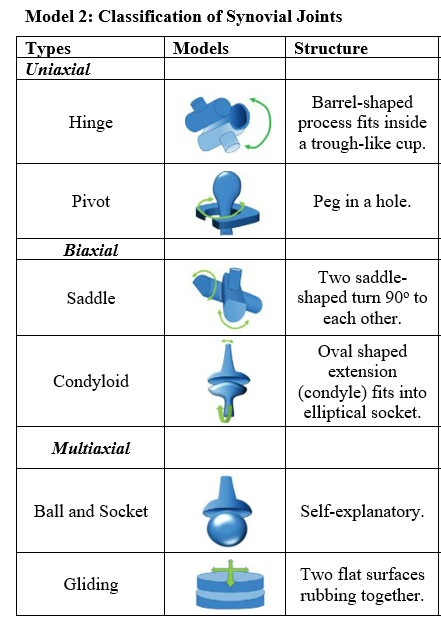
Read and examine the types, models, and structure of the synovial joints in model 2 (above). Then use the following clues attempt to find examples of each synovial joint.
Clue 1- Condyloid joints can move quite far in one plane, but only a small way in the opposite plain. Flex and extend your wrist (hold out your arm in from of you and point your fingers to the ceiling and then to the floor). Then point your arm strait out and move your hand right to left at the wrist. Does your wrist move as far side-to-side as it did up and down? Does this suggest that the wrist joint is condyloid or ball and socket? Where does 'wrist' fit? _______
Clue 2 - Move your shoulder around. What type of joint does this seem to match? Where does 'shoulder' fit? _______
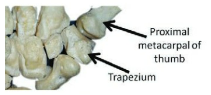
Clue 3 - Examine the picture of the joint between the 1st metacarpal of the thumb (supports the thumb, and is located at the base of the thumb, connecting it to the wrist) and the trapezium (one of many bones of the wrist). Does the trapezium resemble something that might be put on a horse? Where does 'thumb' fit? _______
Clue 4 - Flex your arm at the elbow (bring your wrist toward your shoulder). How many axes is your elbow able to move through? Where would 'elbow' fit? _______
Clue 5 - Look to your left; now look to your right. Look to the left again. What kind of joint is your head sitting on? Where does 'vertebrae' fit? _______
Clue 6 - The bones of your ankle are small and flat. Move your ankle through its entire range of motion. Based on the nature of the bones, the mobility of the ankle, and the fact there is only one example not yet complete, where would 'ankle' fit? _______
Question 9
9.
Question 10
10.
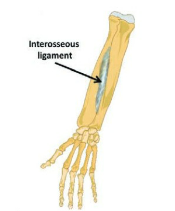
Lower Arm:
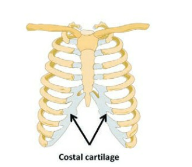
Thoracic Cage:
Question 1
1.
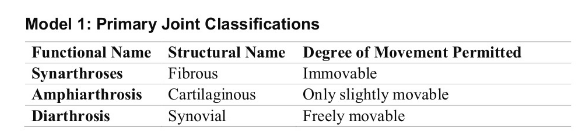
What are two ways that an immovable joint can be classified? _______ and _______
Question 2
2.
What tissue do you think forms the juncture between bones in an amphiarthrosis? _______
Question 3
3.
What is the range of movement permitted by a synovial joint? _______
Question 4
4.
What connective tissue is joining the radius and ulna in the model of the lower arm? _______
Question 5
5.
a.) How would you classify the joint between the ulna and radius structurally? _______
b.) Functionally, how would it be classified? _______
Question 6
6.
a.) What connective tissue is holding the ribs to the sternum (flat bone in the middle of the rib cage)? _______
b.) How would you classify this joint structurally? _______
c.) Functionally, how would it be classified? _______
Question 7
7.
Stand up and move around. Then come up with five joints that are freely moveable (they permit the bones they connect to move across a wide range of motion). List them here.
Try to list as many as you can, on your own. If you cannot think of five, you may look up some, but you must tell me that you looked it up (I'll know anyway, just be honest).
I must regrade this.
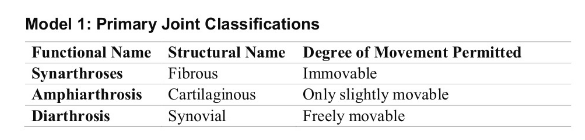
Use model 1 to classify each of the following functional name.
Hip _______
Knee _______
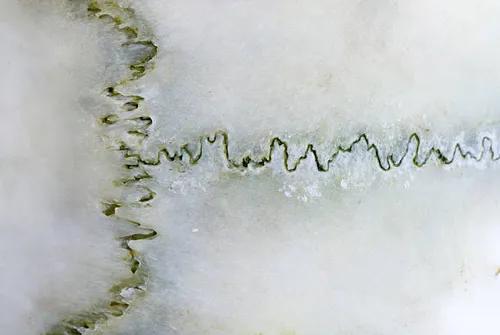
Cranial Sutures (the joints of the plates of the skull) _______
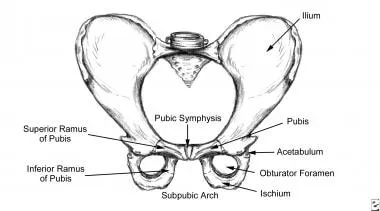
Pubic Symphysis _______
Phalangeal (fingers and toes) _______
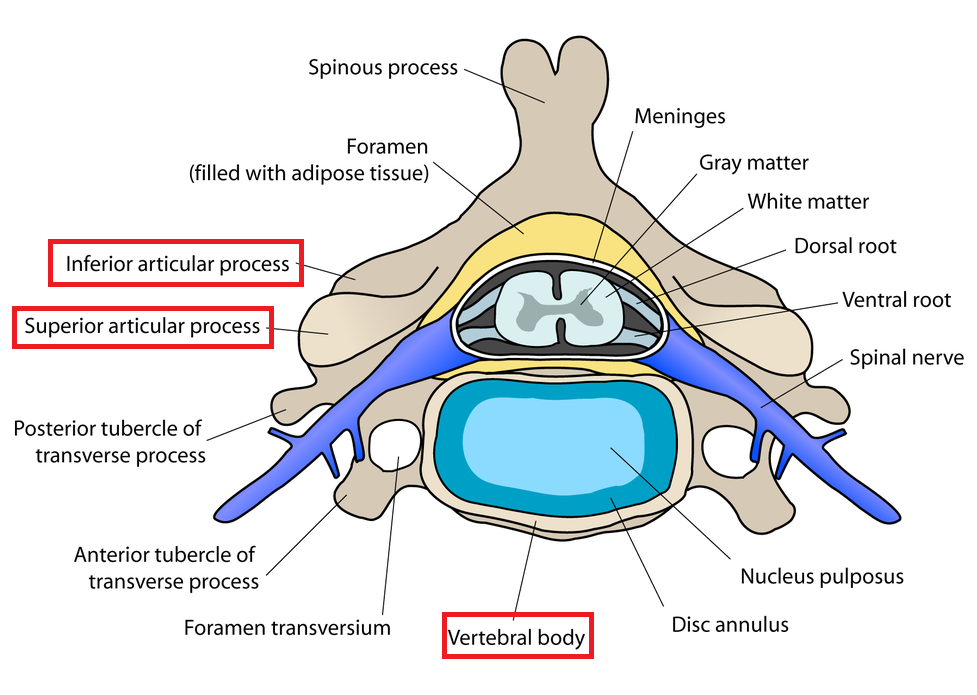
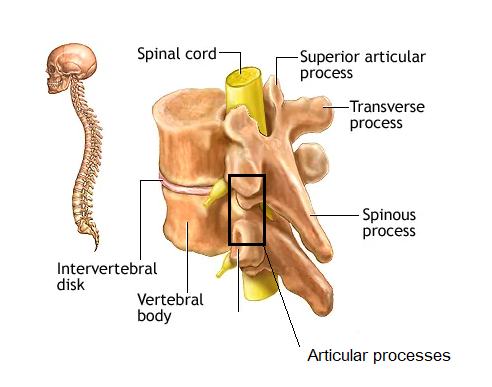
Vertebral (between the articular processes) _______
Vertebral (between the bodies) _______
Jaw _______
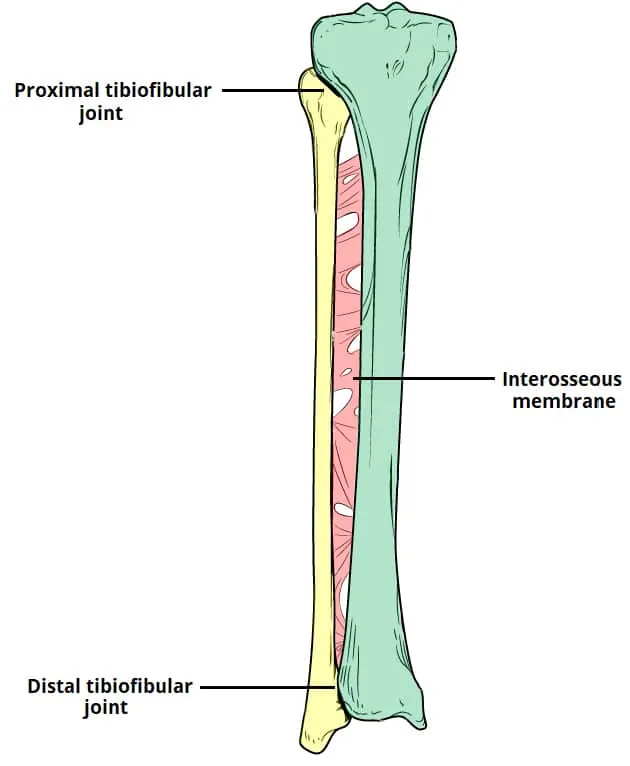
Tibio-fibular _______
Tooth-Jawbone _______
Classify the diarthrosis joints from question 9 in the categories below - if the joint was not diarthrosis, you will not use it.