Copy of Electron Config Mastery Practice (last one) (5/28/2026)
star
star
star
star
star
Last updated 3 months ago
15 Nsɛmmisa
Hyɛ no nsow a efi ɔkyerɛwfo no hɔ:
1
1
1
1
1
1
1
1
1
1
1
1
1
1
1
This assignment will not show you if you are correct or incorrect. After you submit it, it will tell you your overall score.
This is a mastery assignment, meaning that you must get an 80% or above in order to pass.
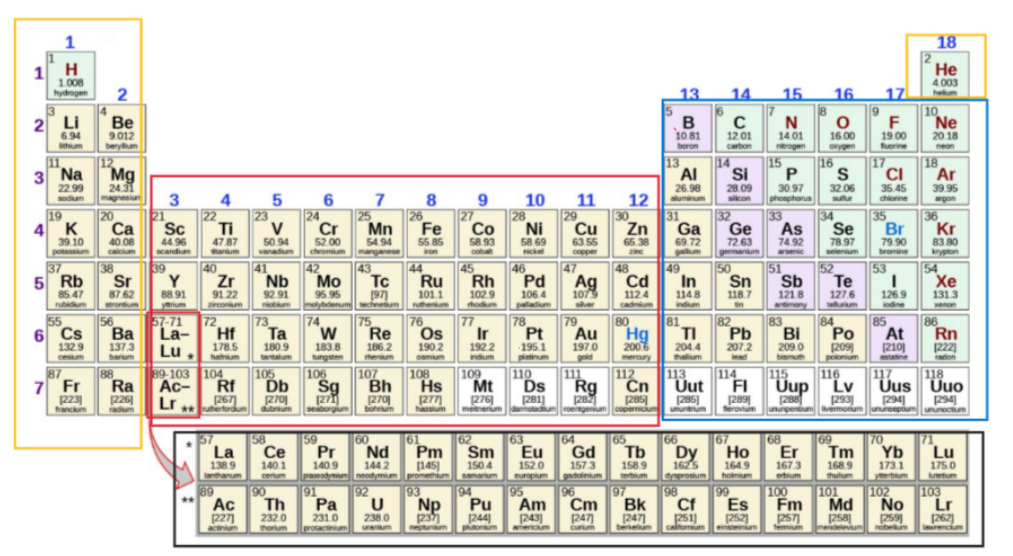
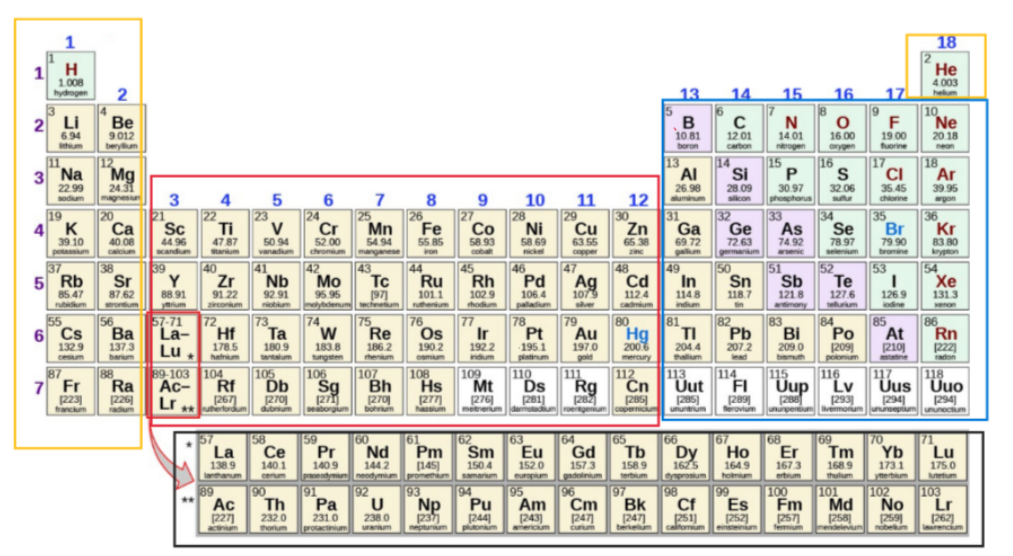
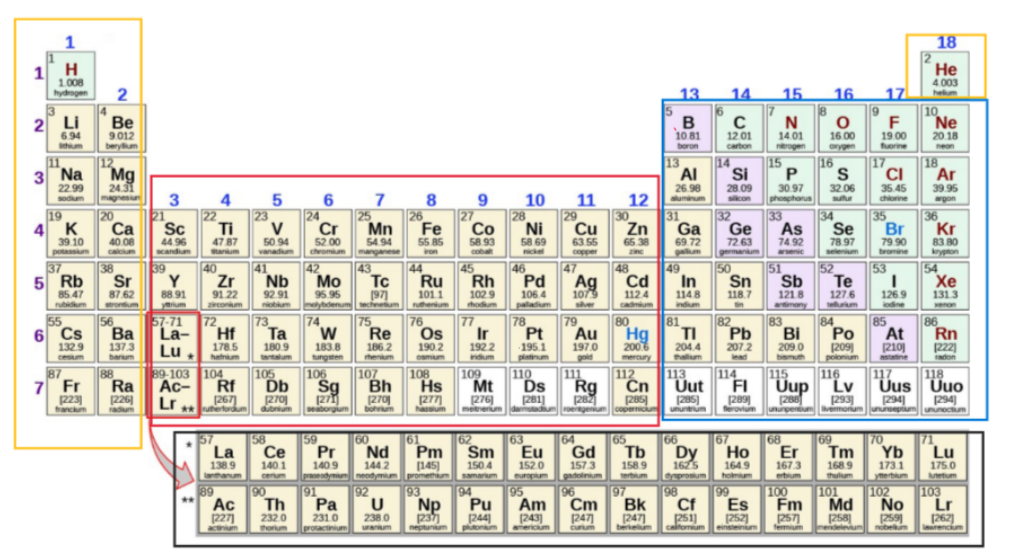
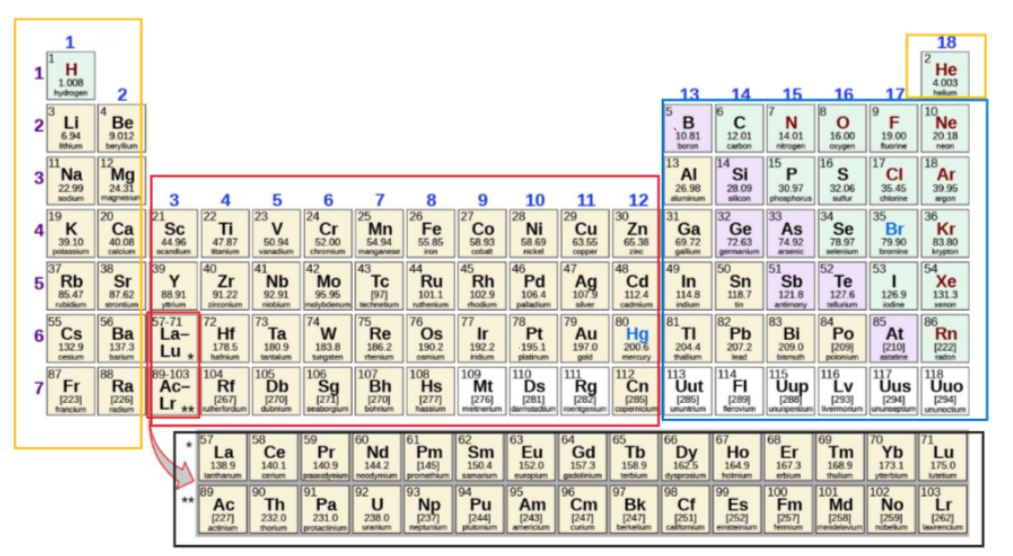
Use the information that you have been taught regarding electron configurations, energy levels, orbitals, ground state configurations, and electrons (numbers and orientation) to help you answer each of these.
If may take this as many times as needed, until Thursday @3:45 PM to pass this.
This assignment will not show you if you are correct or incorrect. After you submit it, it will tell you your overall score.
This is a mastery assignment, meaning that you must get an 80% or above in order to pass.
Use the information that you have been taught regarding electron configurations, energy levels, orbitals, ground state configurations, and electrons (numbers and orientation) to help you answer each of these.
If may take this as many times as needed, until Thursday @3:45 PM to pass this.
The number of electrons a d orbital can hold is:
How many d electron are held within the 2nd energy level?
The number of electrons in an s-orbital in a single oxygen atom is:
What is the total number of orbitals containing electrons in a nitrogen atom?
Of the orbitals shown, the one with the lowest energy is:
The maximum number of electrons that can be within a 3p sublevel is?
The electron configuration of an atom is 1s2 2s2 2p6 3s2 3p3. The atomic number of that atom is:
The electron configuration of an atom is 1s2 2s2 2p6 3s2 3p6. The number of unpaired electrons in this atom is:
The electron configuration of an atom is 1s2 2s2 2p6 3s2 3p6. The number of orbitals occupied by electrons is:
The maximum number of electrons in the 4d sublevel is:
a.) What is the electron configuration of atomic number 18?
b.) Noble Gas Config?
For manganese (Mn) what is the:
a.) Electron configuration:
b.) Noble Gas config:
[Ar] 4s23d2 is the noble gas configuration for:
[Kr]5s24d10 is the noble gas configuration for:
On a separate sheet of paper, create a ground state diagram for - carbon, calcium, phosphorus, and chlorine. Use it to help you answer the next question.
Which atom does not have an unpaired electron in its ground state diagram?