Copy of Ionic Bonding 2 (5/28/2026)
star
star
star
star
star
Last updated 3 months ago
7 Nsɛmmisa
2
2
2
2
2
5
5
The metal is written first, the nonmetal second.
The name of the nonmetal will be altered, the last syllable will be changed to end in 'ide'.
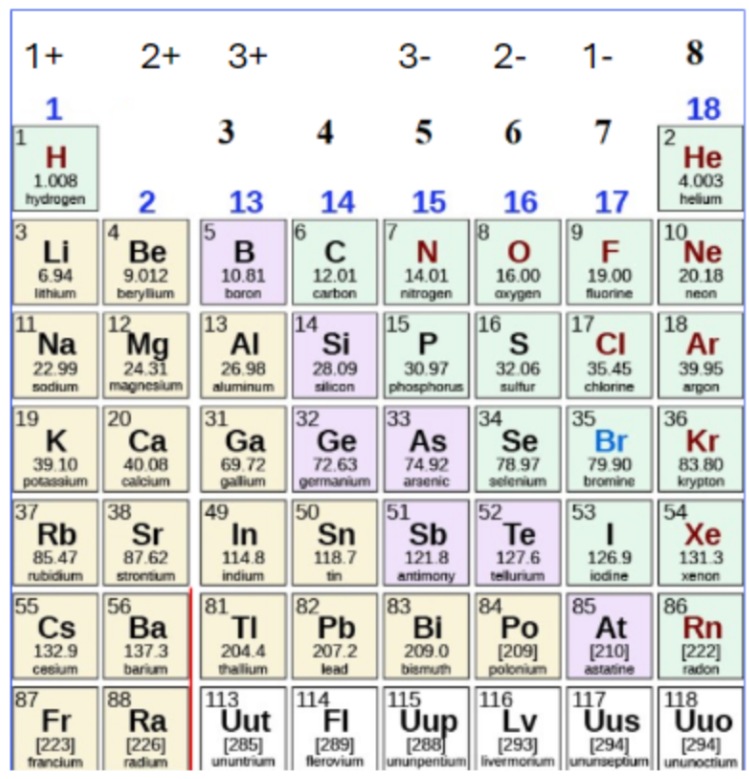
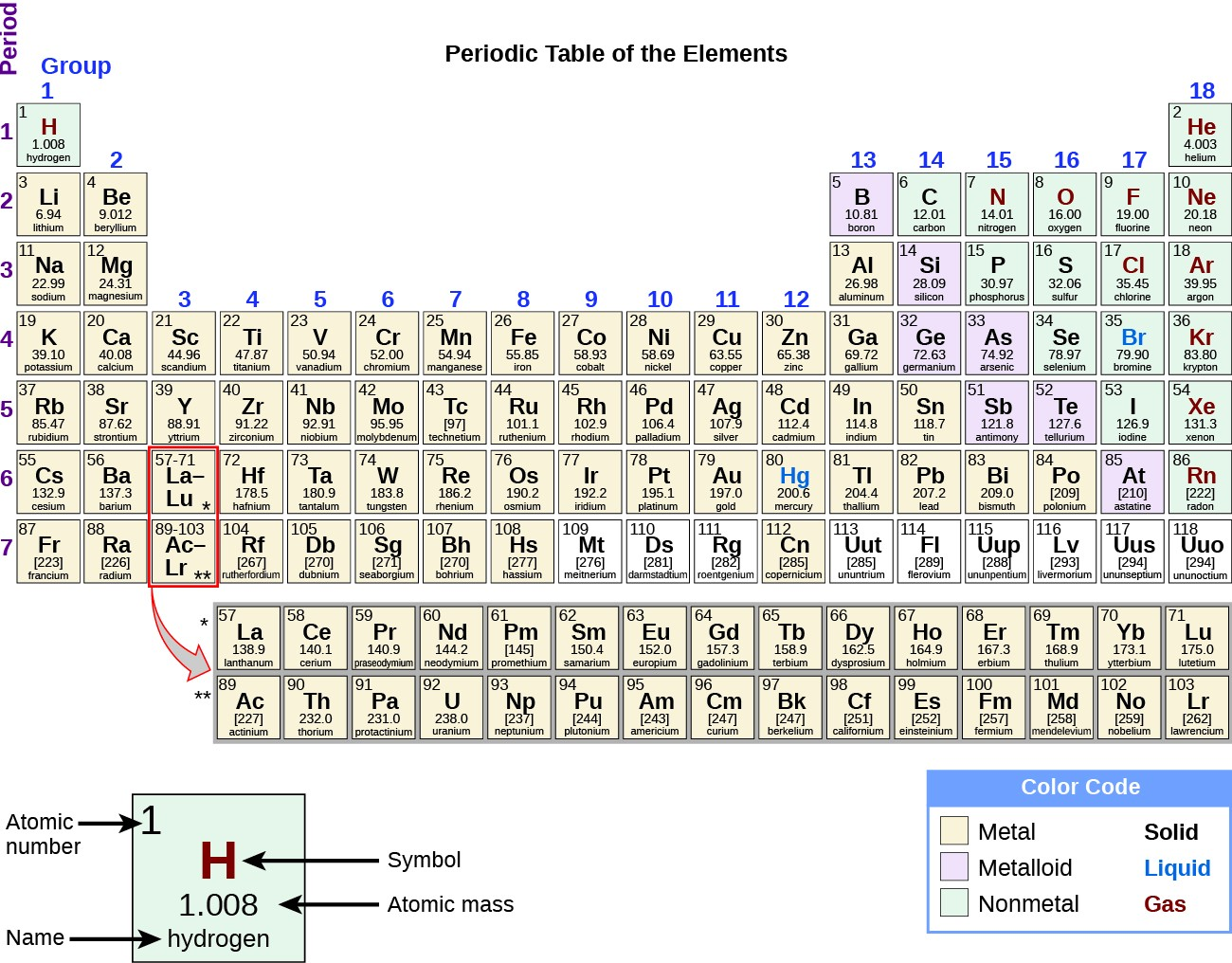
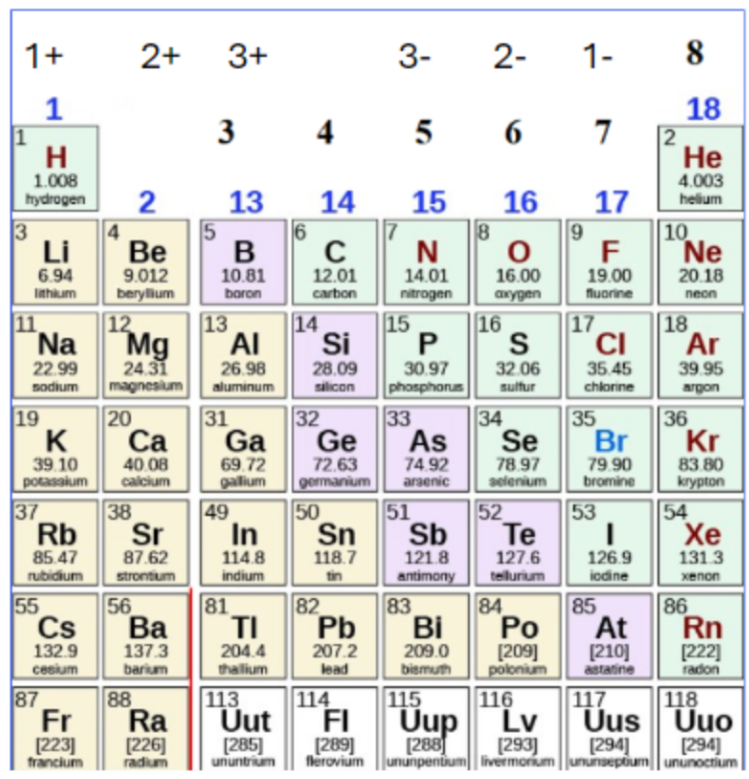
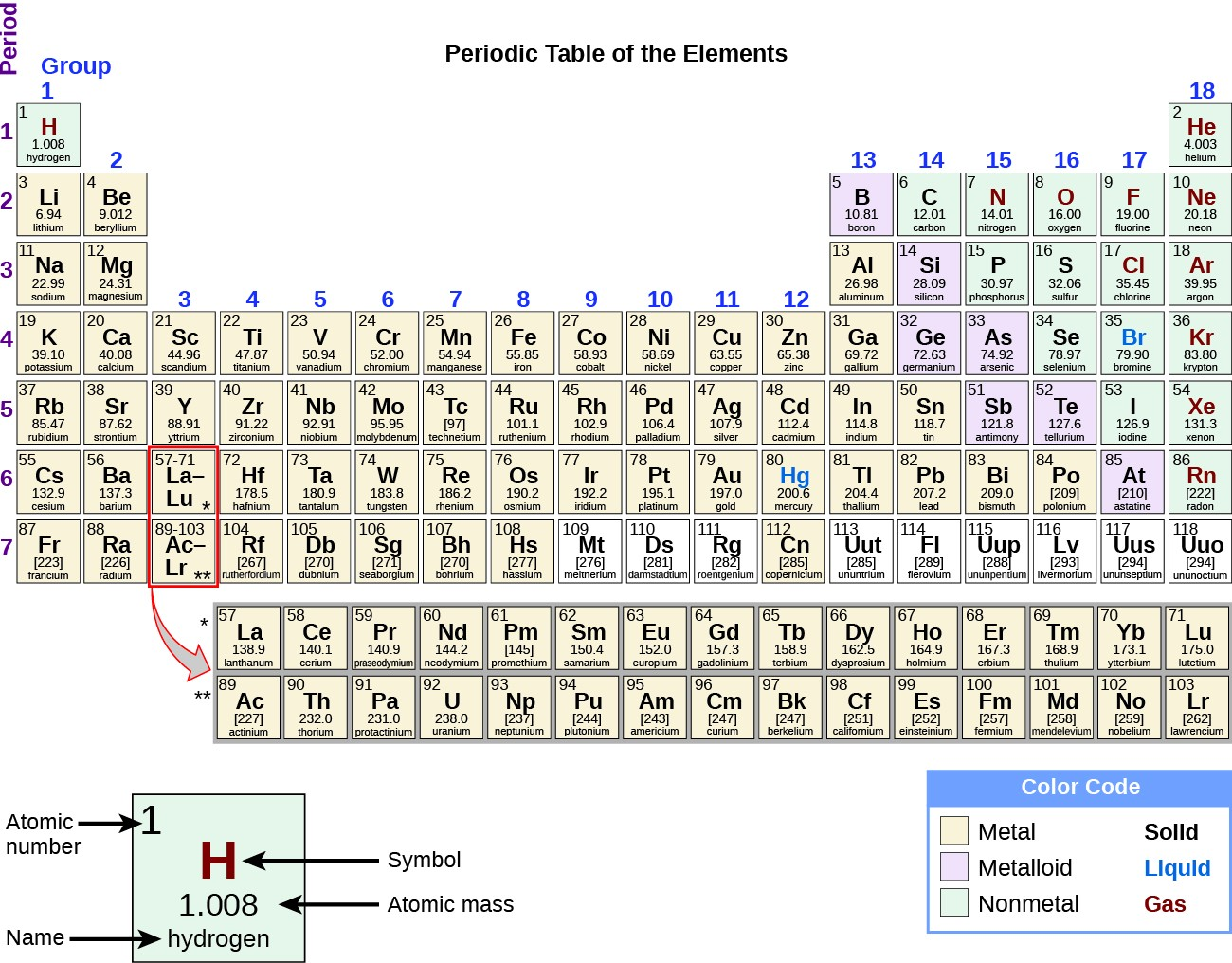
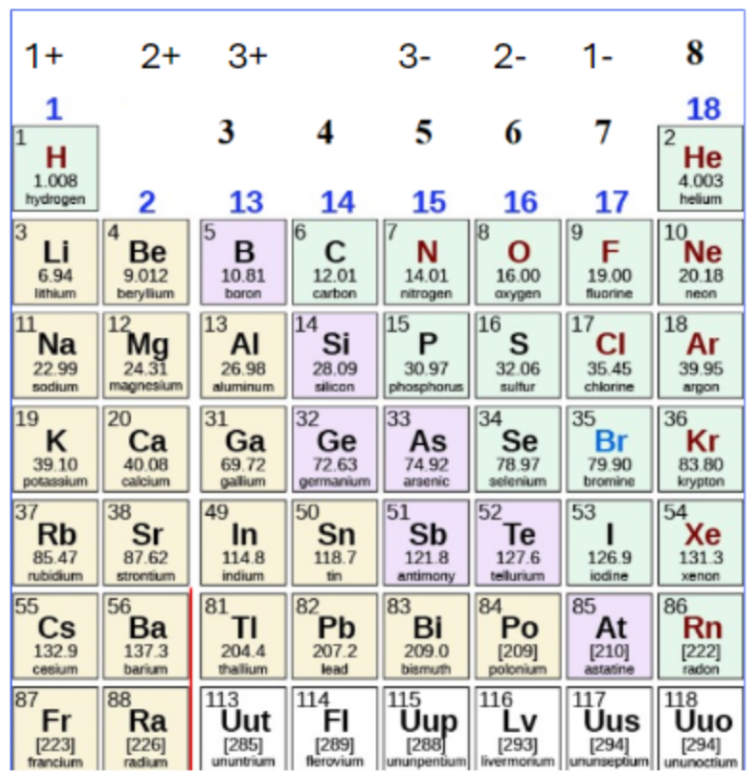
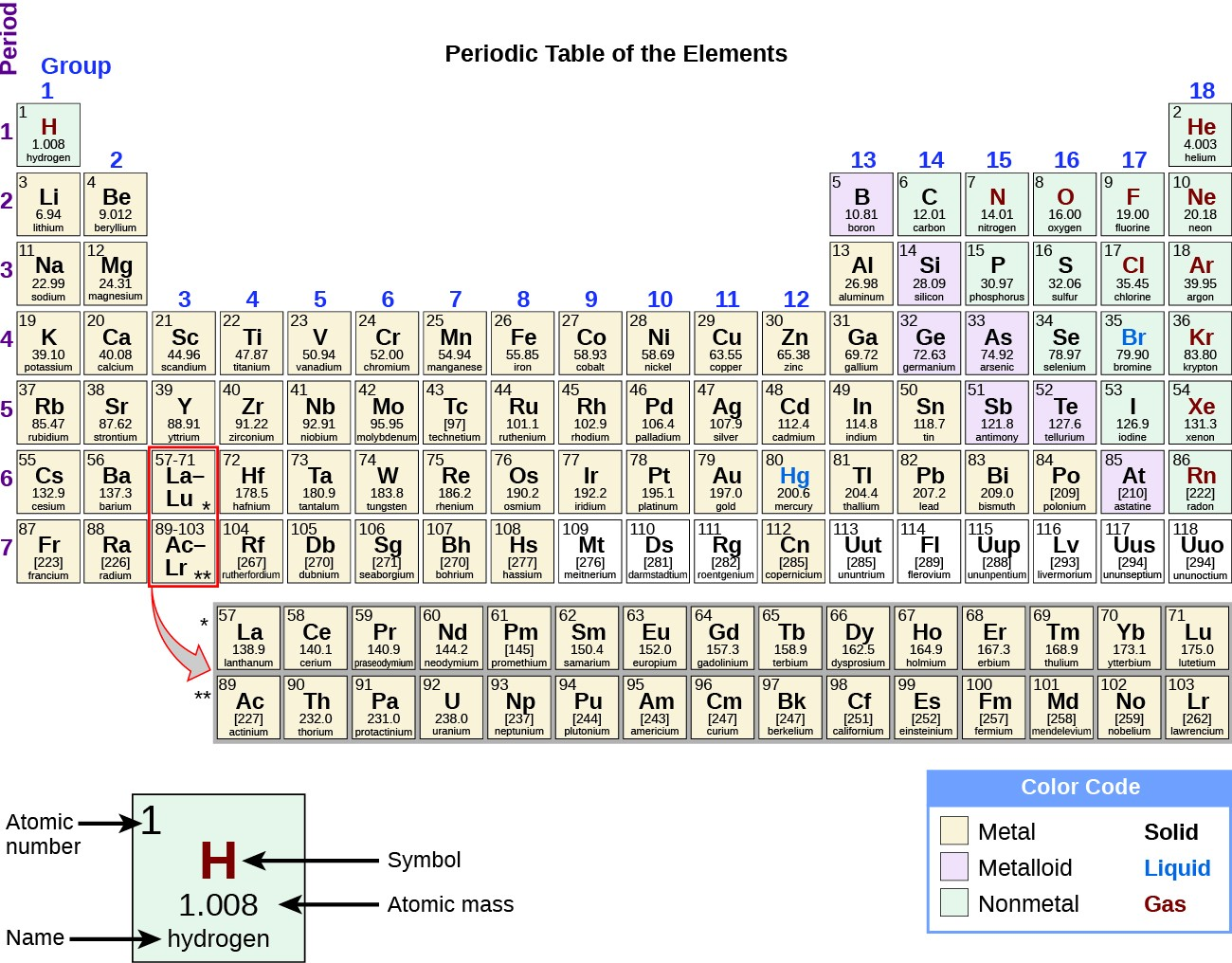
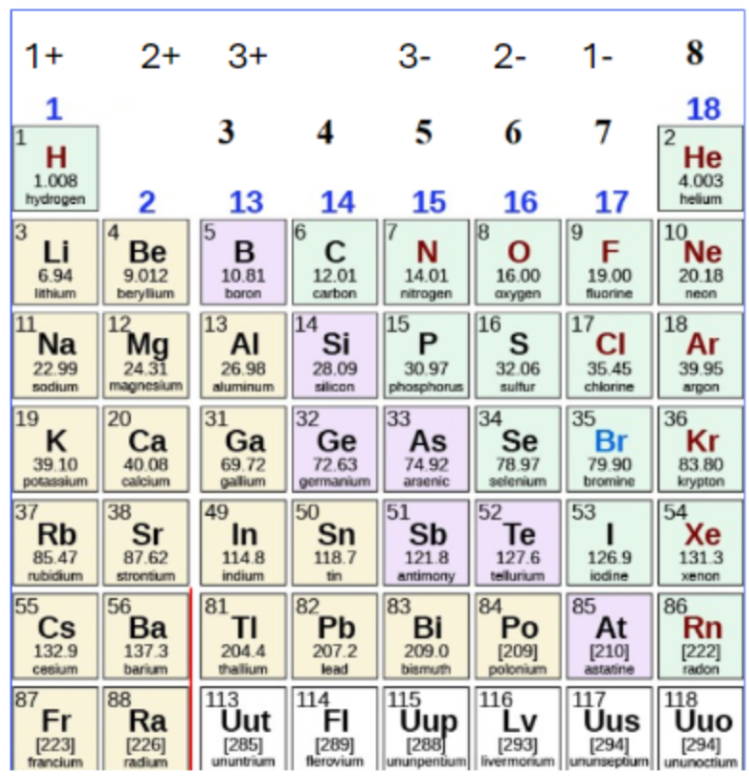
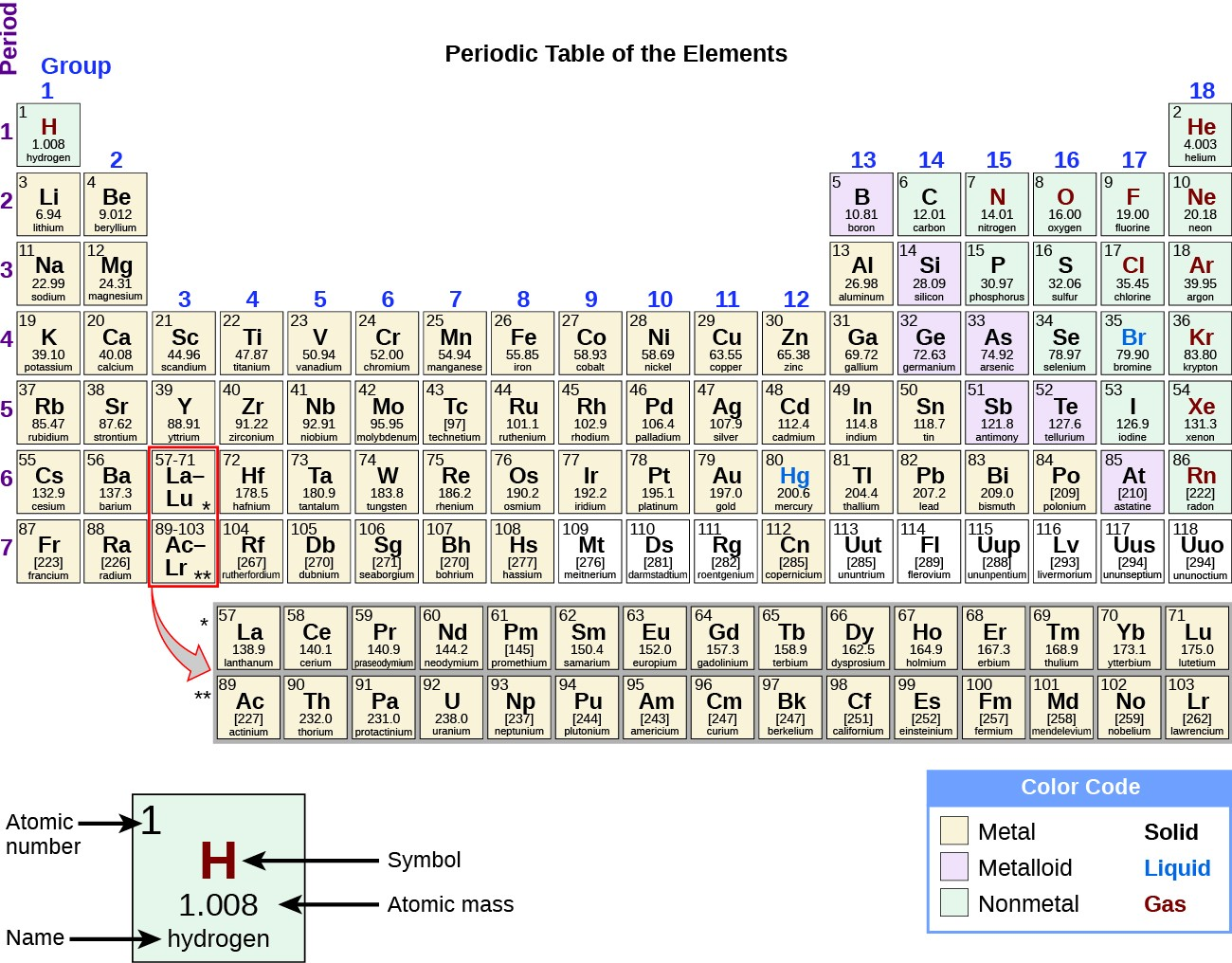
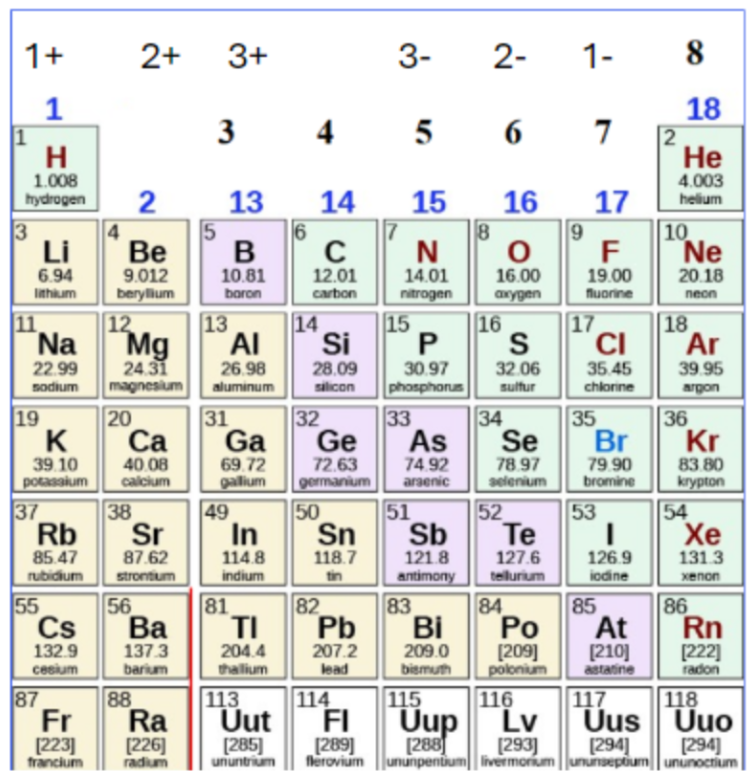
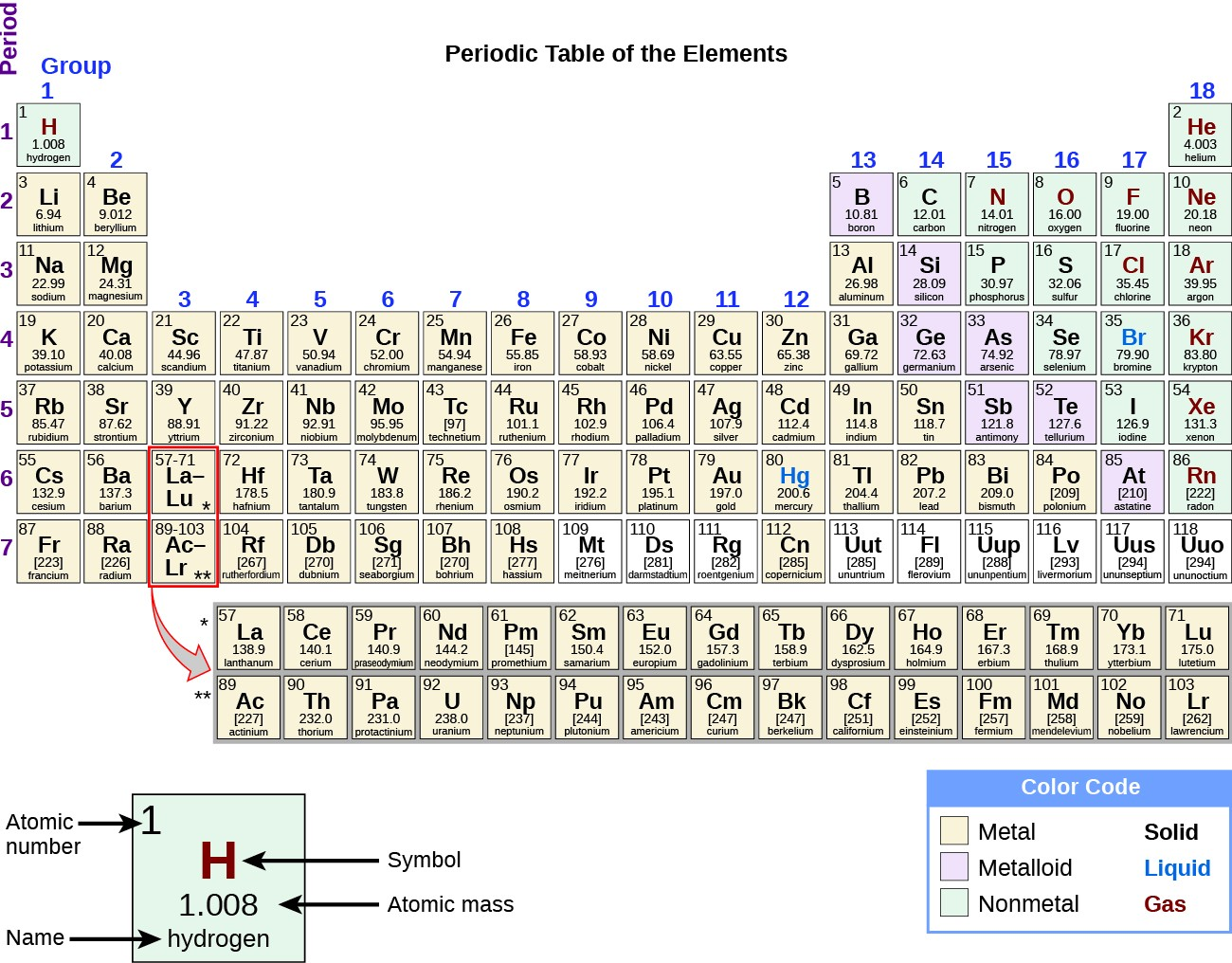
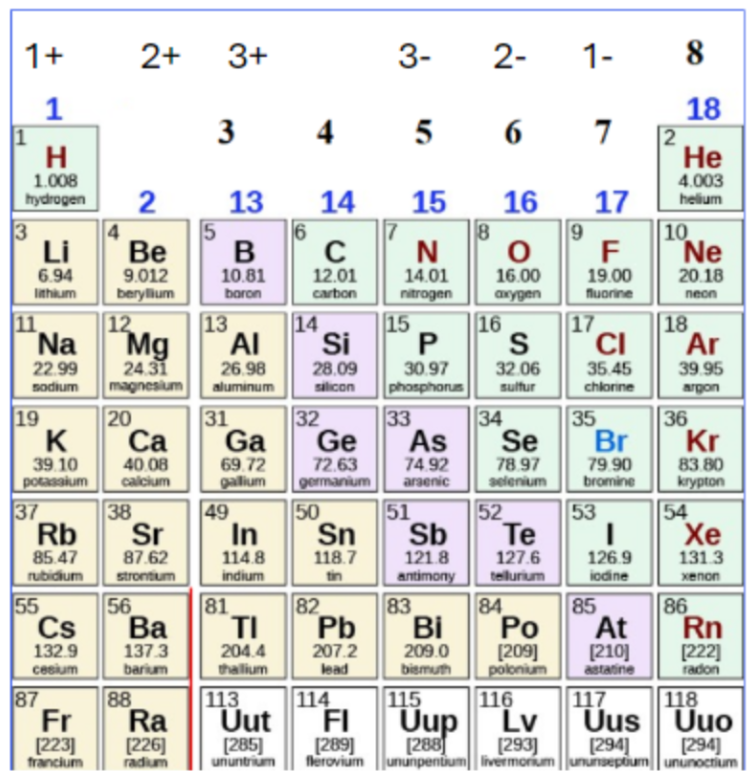
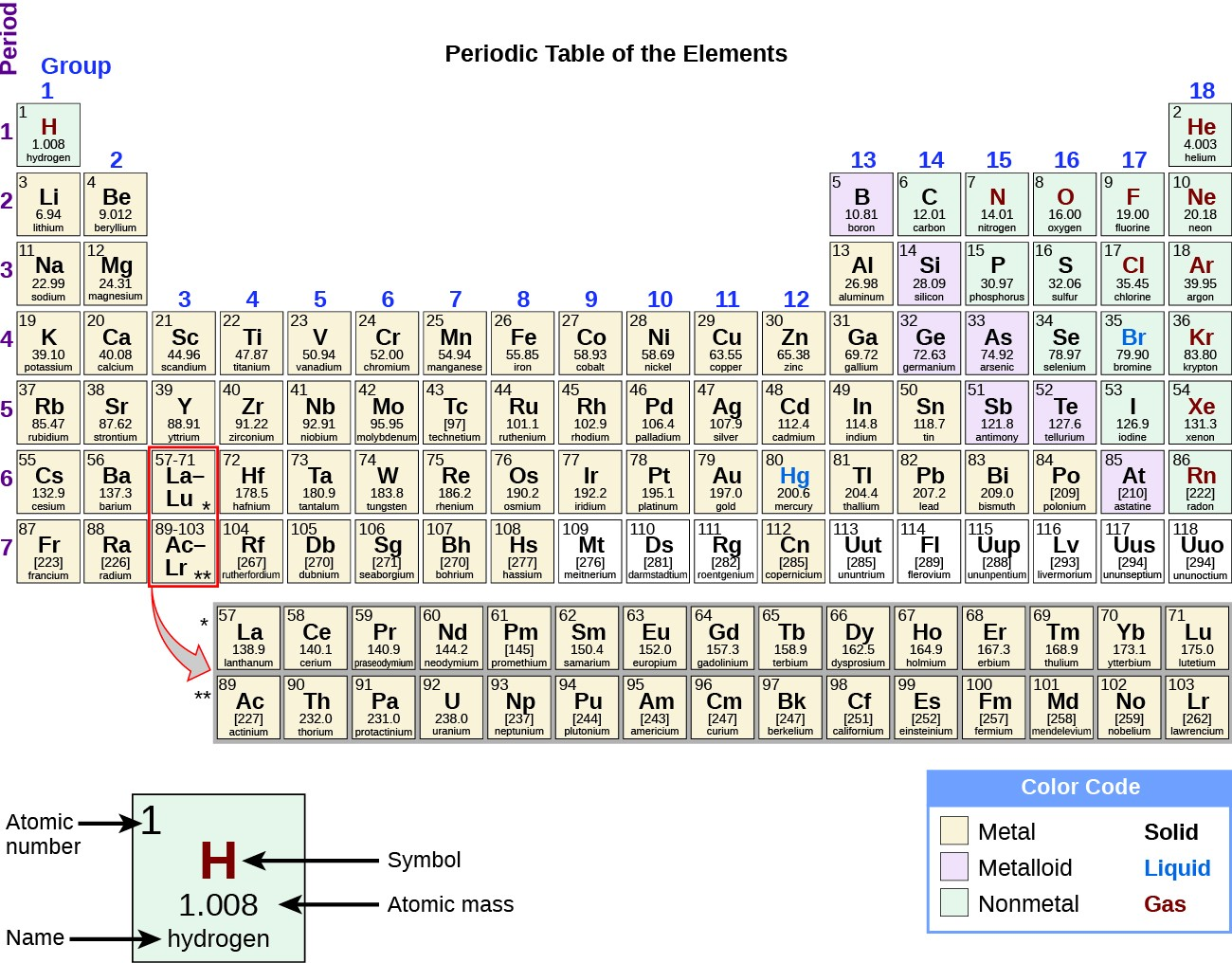
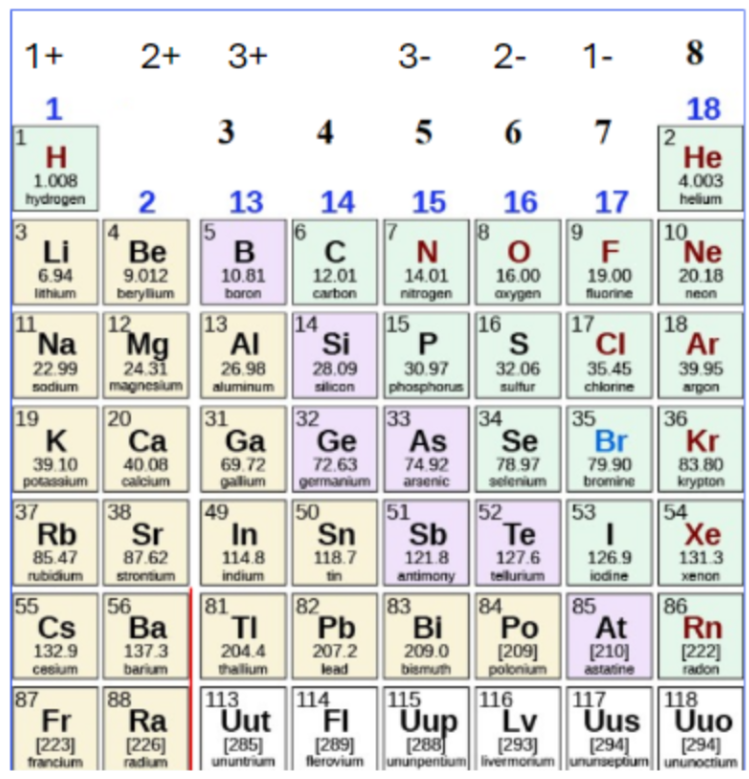
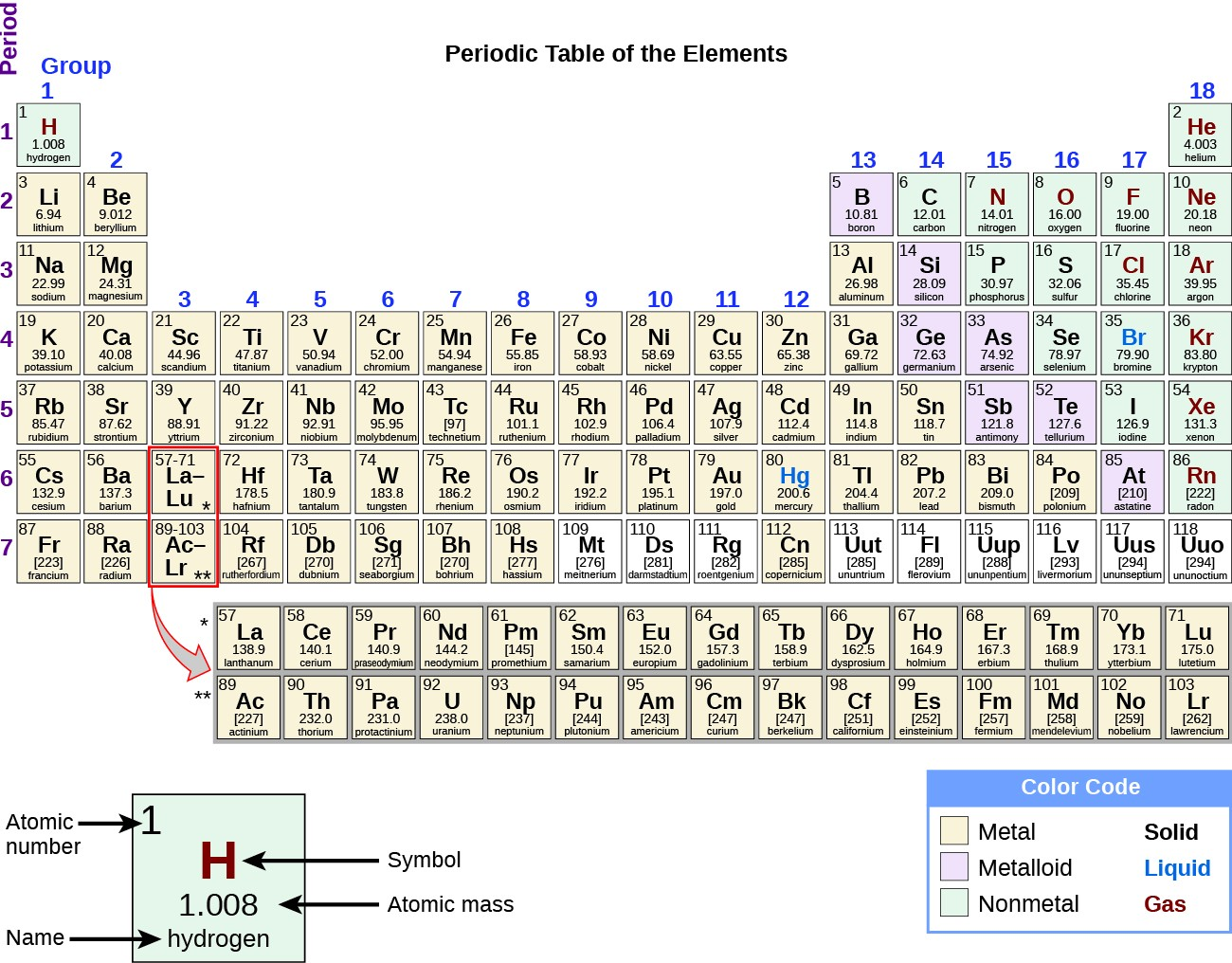
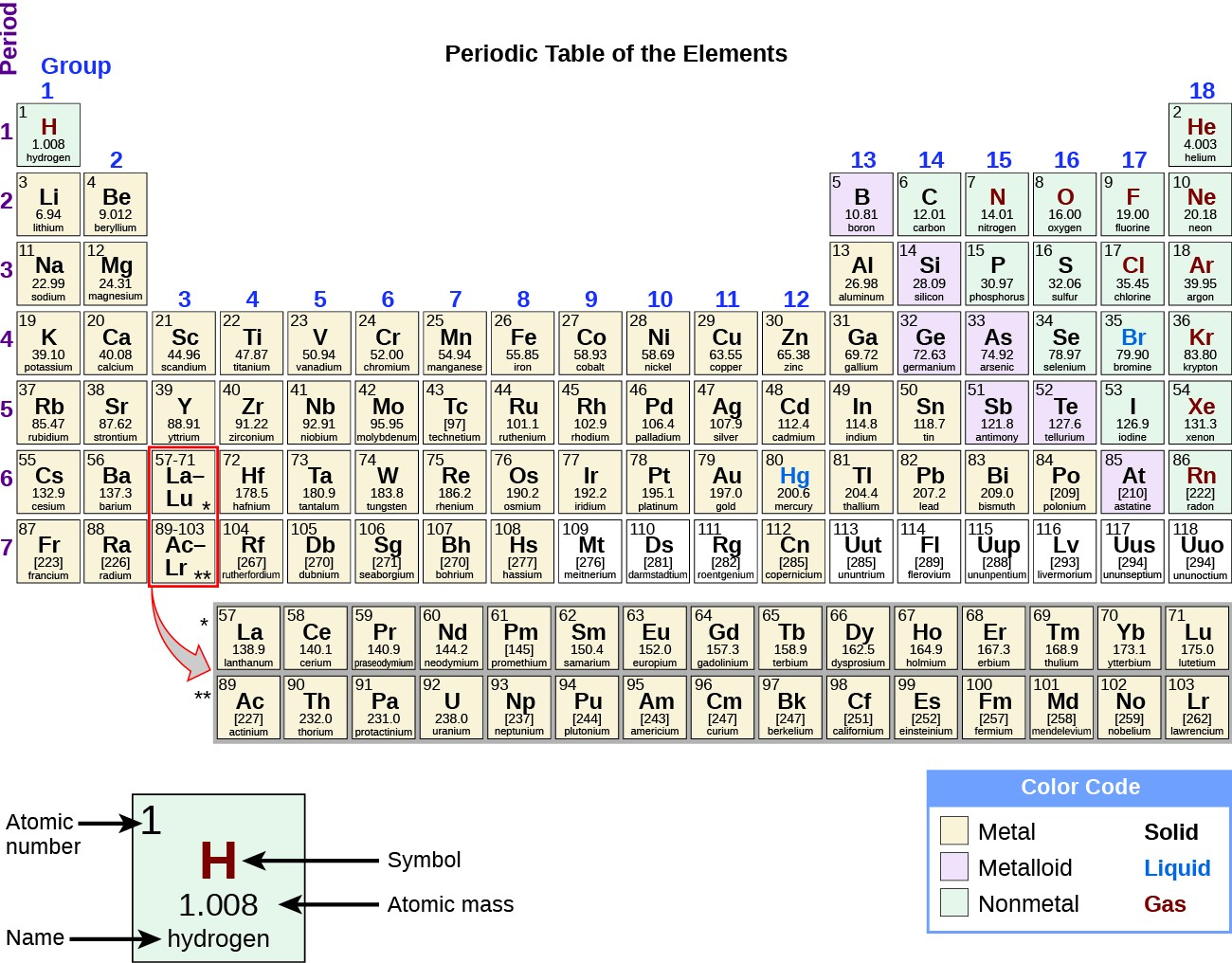
Writing the chemical formula of ionic compounds using atomic abbreviations from the periodic table.
Subscripts are used to denote how many of each atom is in the ionic compound.
Record the abbreviation of the metal, followed by the nonmetal.
Subscripts - determined by the charge of each ion - the overall charge of the compound must be neutral.
Subscripts go to the bottom-right of the atom they are assigned to.
Example :
Sodium + Nitrogen
Na + N → Na+ + N3- (need 3 Na+ to balance the charge on N3- ) → Na3N
Name: Sodium nitride
Gallium + Phosphorus
Ga + P → (ions)
Name:
Rubidium + Nitrogen
Rb + N → (ions)
Name:
Calcium + Bromine
Ca + Br → (ions)
Name:
Indium + Nitrogen
In + N → (ions)
Name:
This one is tricky.
Strontium + Phosphorus
Sr + P → (ions)
Name:
Write the name for the following ionic formulae:
a. TlBr3
b. NaBr
c. Cu2O
d. SnS2
e. Fe2O3
Record the formula for the following ionic compounds.
(hint: find the ionic charges and determine how many of each atom is needed in the compound)
a. Potassium nitride
b. Rubidium oxide
c. Barium sulfide
d. Potassium iodide
e. Sodium chloride