Copy of Two-Step Molar Conversion 1 (5/28/2026)
star
star
star
star
star
Last updated 3 months ago
19 Nsɛmmisa
Hyɛ no nsow a efi ɔkyerɛwfo no hɔ:
Untitled Section
1
1
1
1
2
1
1
1
Don't do these.
1
1
1
1
1
2
2
2
Untitled Section 4
4
2
2
C.4.4 Apply the mole concept to determine the mass, moles, number of particles, or volume of a gas at STP, in any given sample, for an element or compound.
Learning Goal:
I can use the mole concept to determine the mass, moles, and number of particles in any sample.
Need - paper, pencil, and a scientific calculator
Recommended Free Calculators - natural scientific calculator or Demos
C.4.4 Apply the mole concept to determine the mass, moles, number of particles, or volume of a gas at STP, in any given sample, for an element or compound.
Learning Goal:
I can use the mole concept to determine the mass, moles, and number of particles in any sample.
Need - paper, pencil, and a scientific calculator
Recommended Free Calculators - natural scientific calculator or Demos
SigFig Rules:
All non-zero digits are significant (211.8 has four sigfigs).
Zeros between non-zero digits are significant (20,007 has five sigfigs).
Leading zeros in a number are not significant (0.0085 has two sigfigs).
Trailing zeros in a decimal number are not significant unless there is a decimal in the number (0.0050 has two sigfigs; 4100.0 has five sigfigs).
Trailing zeros in a whole number without a decimal are not significant (1000 has one sigfig).
Rounding after solving a problem:
If the original number was 2.140 x 10⁷
Four sigfigs (2.140); therefore, the answer must also have four sigfigs.
If the product was 1.150672 x 10⁵, then it would need to be rounded to 1.151 x 10⁵.
How many atoms are there in a 591 g sample of gold (Au)?
Round to the nearest hundredth.
How many atoms are in 4.000 moles of carbon (C)?
Round to the nearest thousandth.
How many moles are in 68 g of carbon (C)?
Round to the nearest tenth.
How many moles are in 105 g of sulfur (S)?
Round to the nearest hundredth.
How many atoms are there in 0.802 g Hg?
Round to the nearest hundredth.
What is the molar mass of C2H8?
Round to the nearest thousandth.
How many molecules of C2H8 are there in 4.01x10⁵ g C2H8?
Hint - you calculated the molar mass in question 8.
Round to the nearest hundredth.
What is the mass (in grams) of 9.52 x 10⁶ molecules of C2H8?
Hint - you calculated the molar mass in number 8.
Round to the nearest hundredth.
Need - scientific calculator, paper, pencil.
Recommended Calculator for Cellphone - natural scientific calculator or Desmos for computer/Chromebook
This section is independent work - 5 questions.
Identify what you have (mass, moles, or particles).
Identify what the question wants you to convert it to.
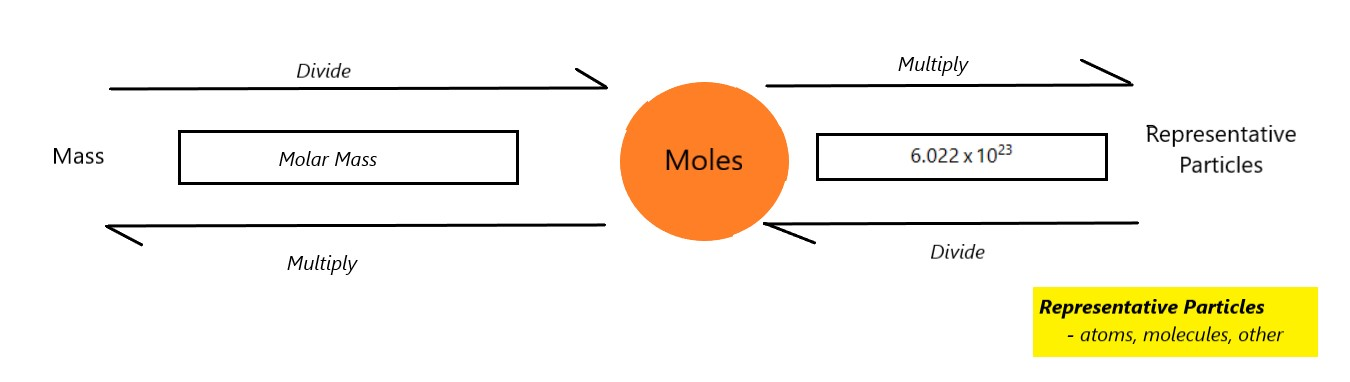
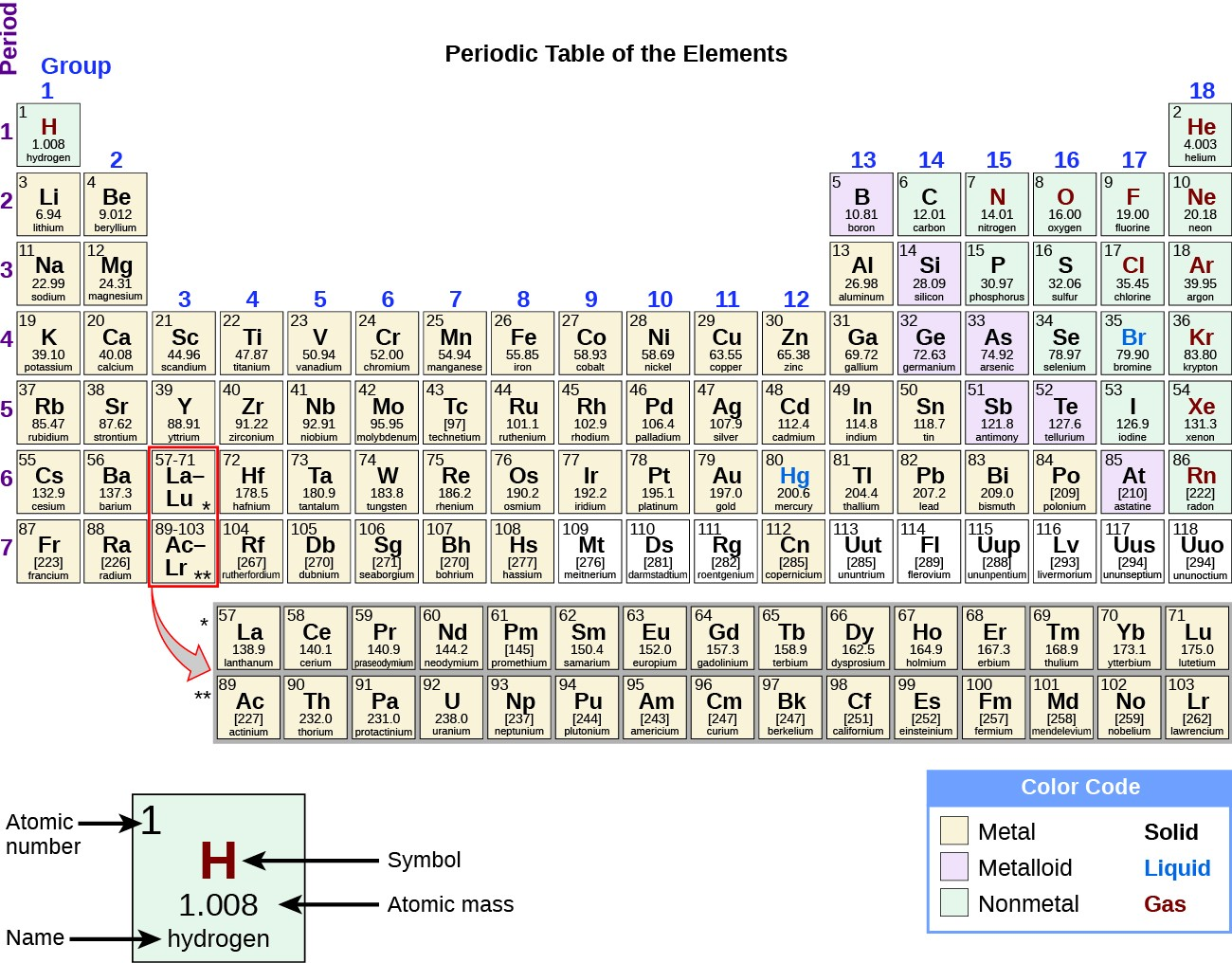
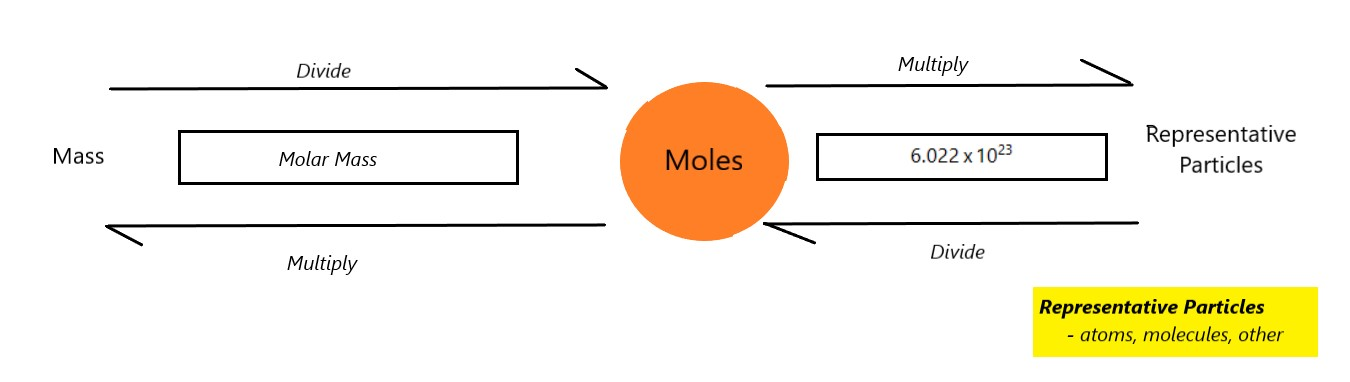
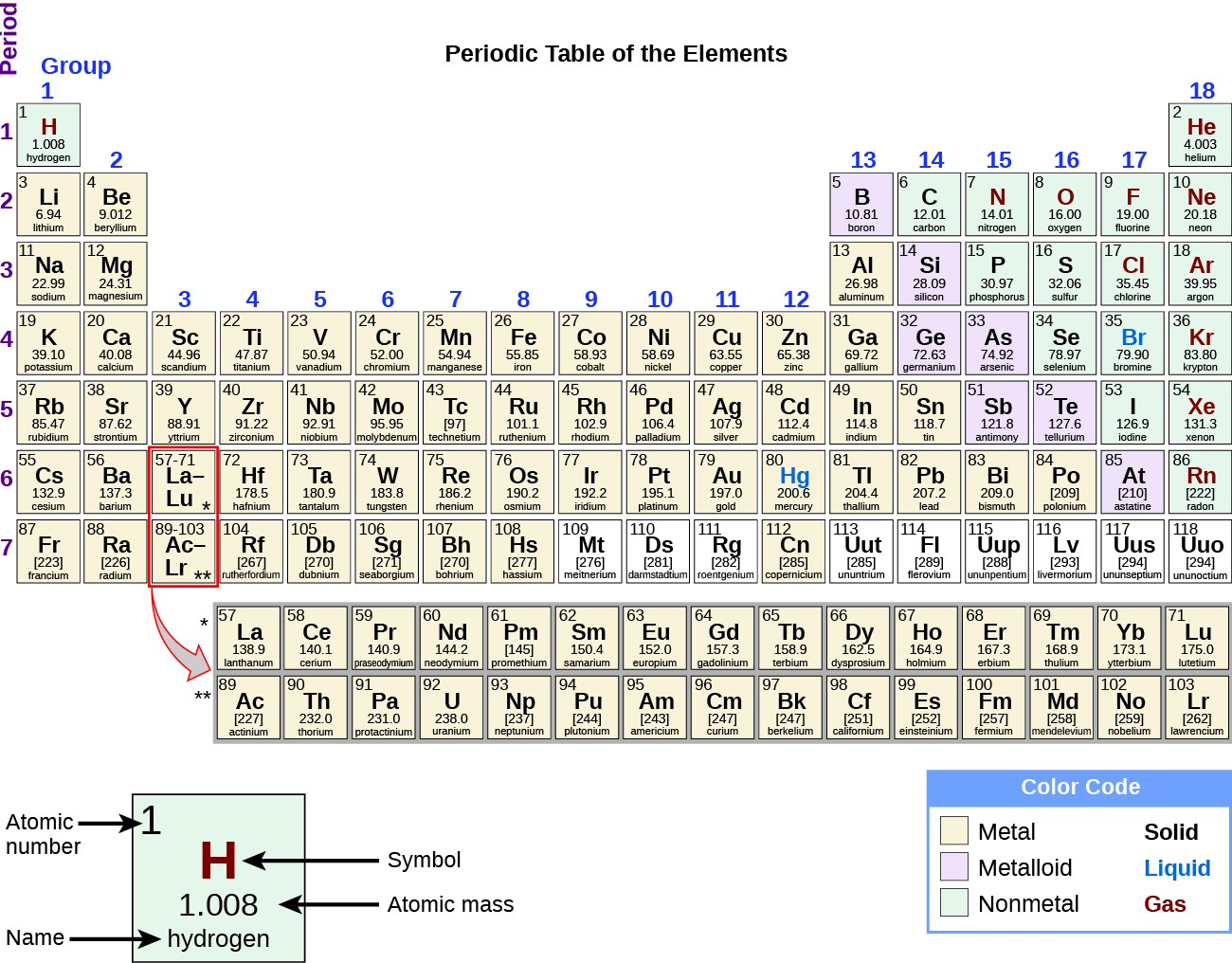
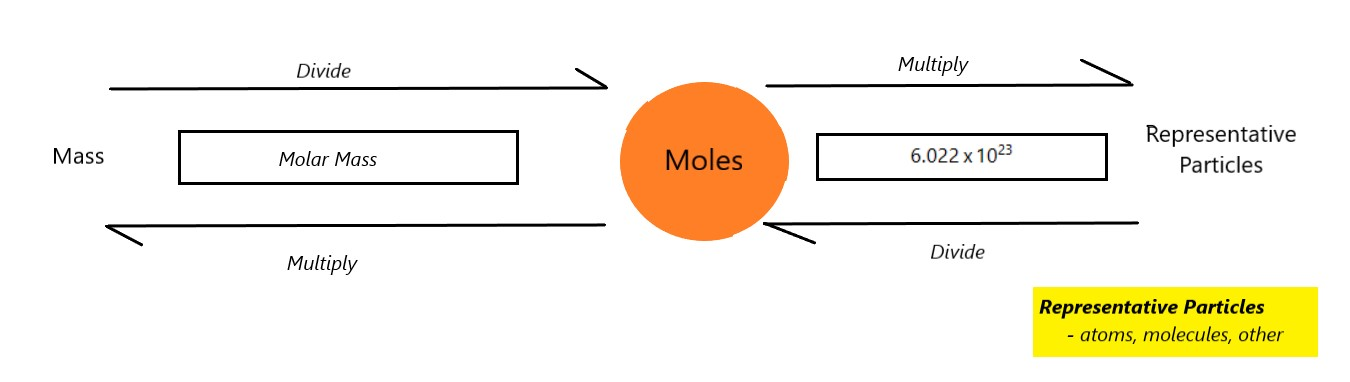
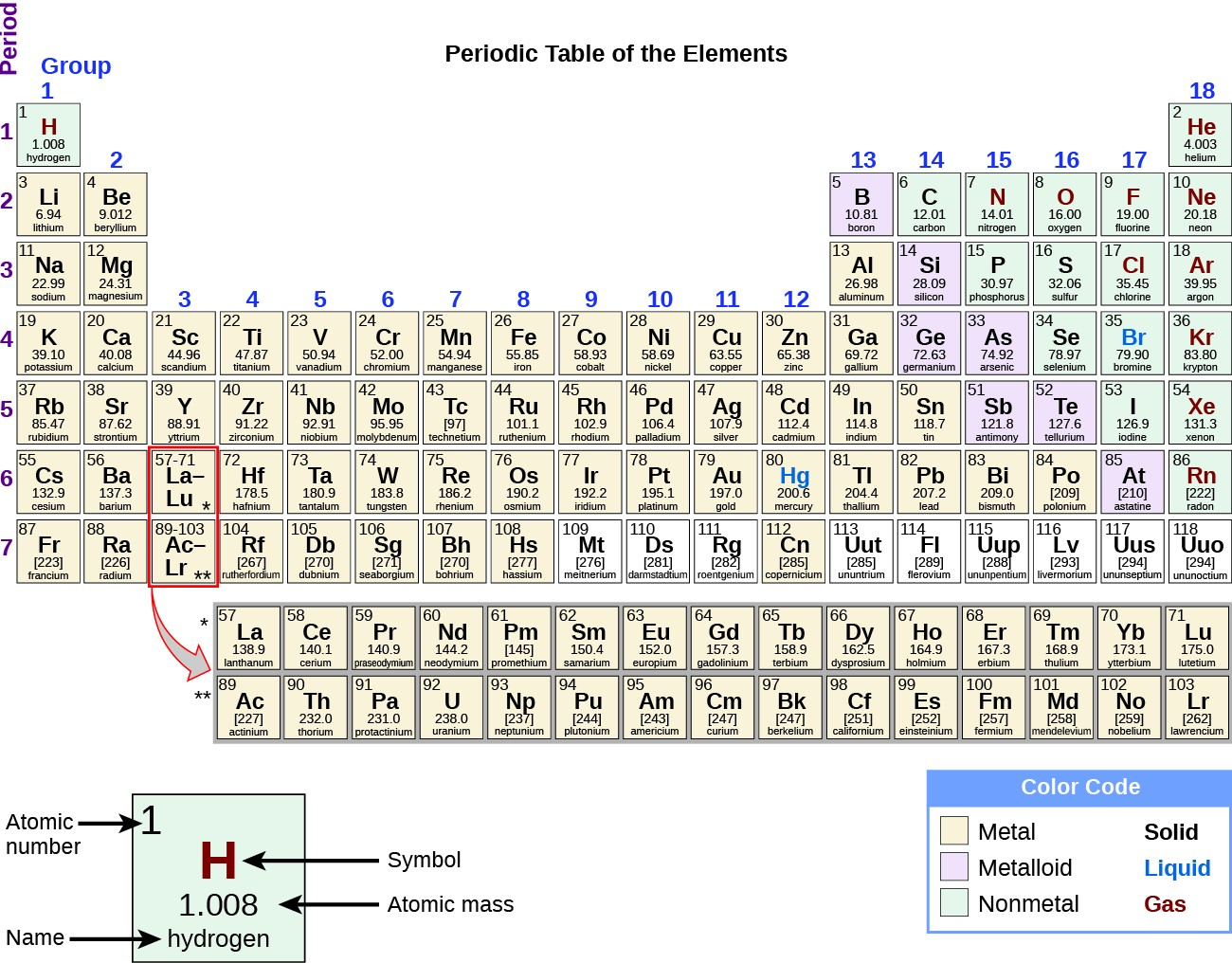
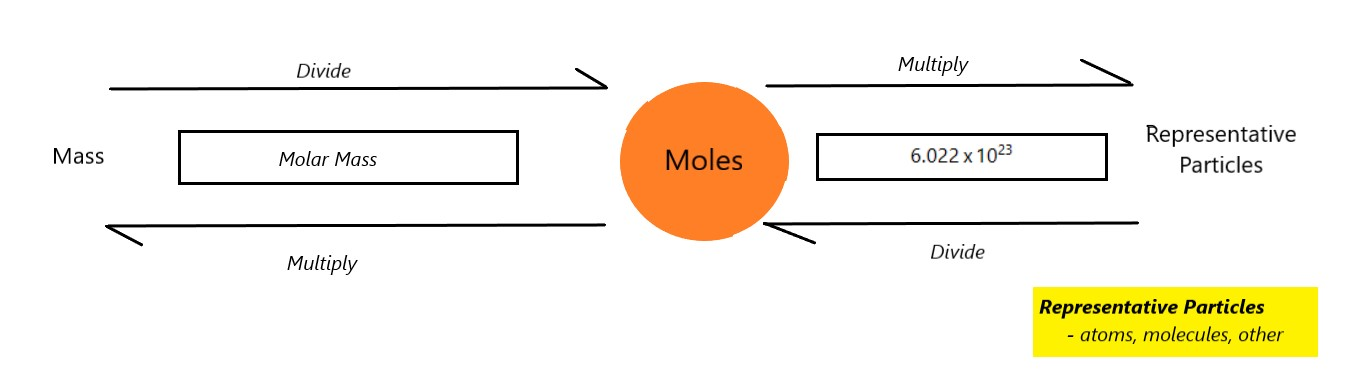
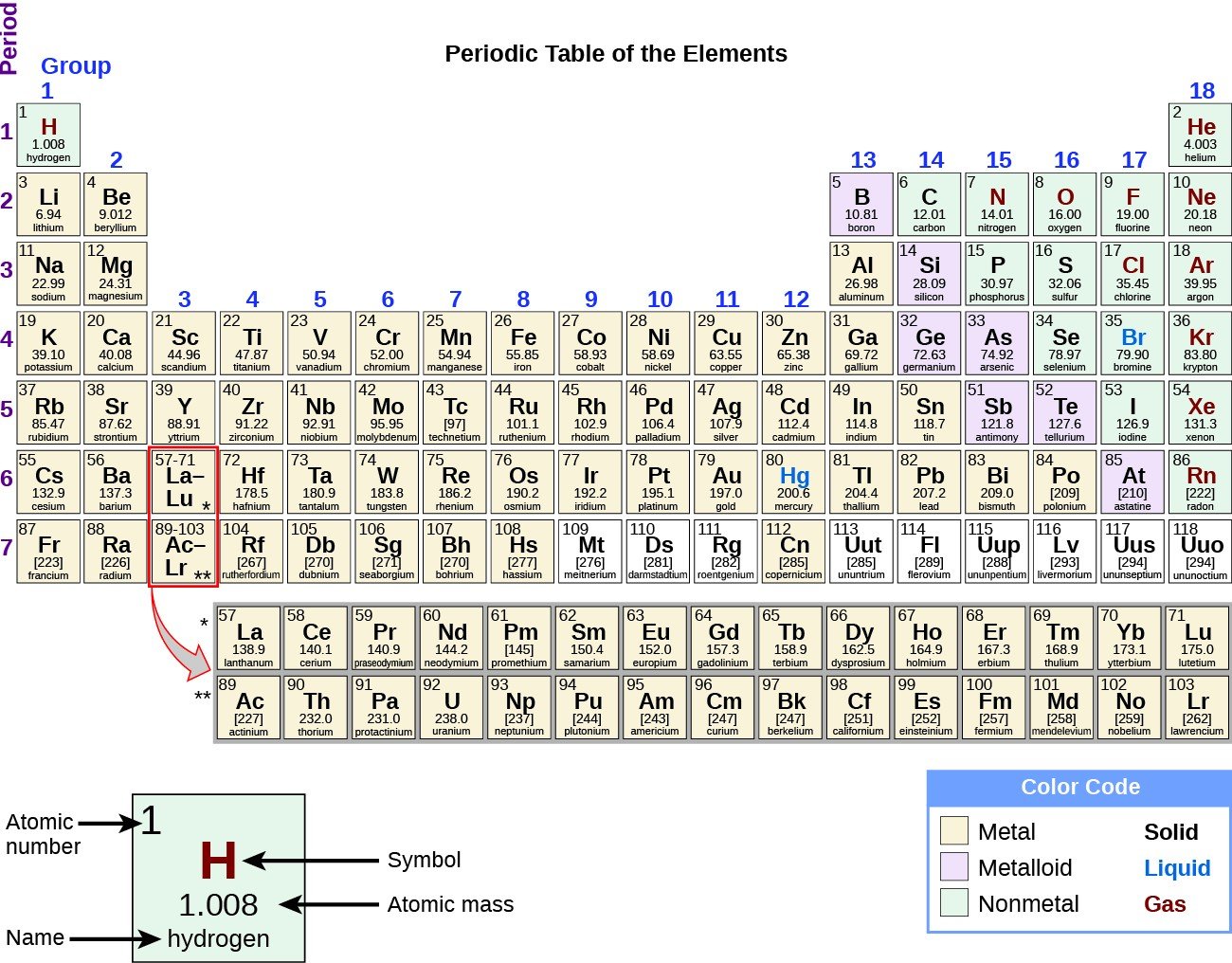
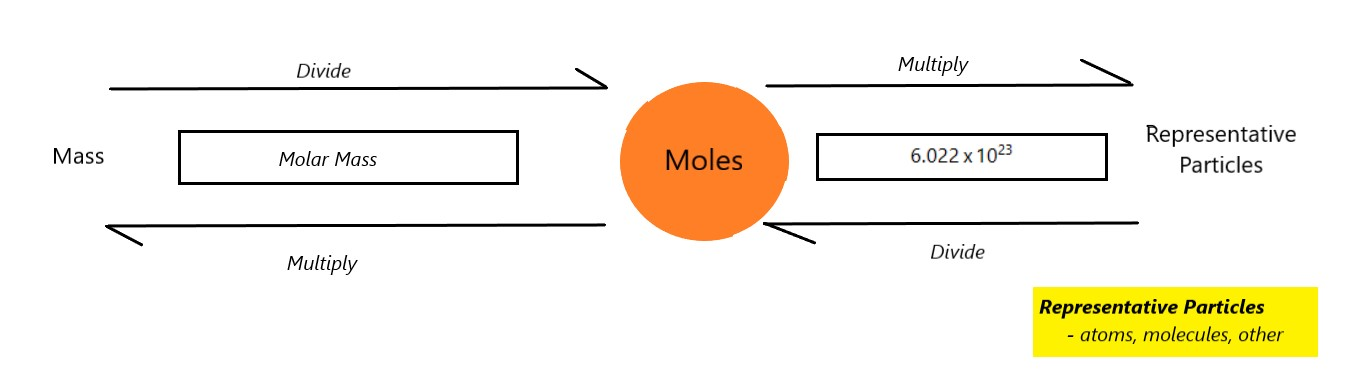
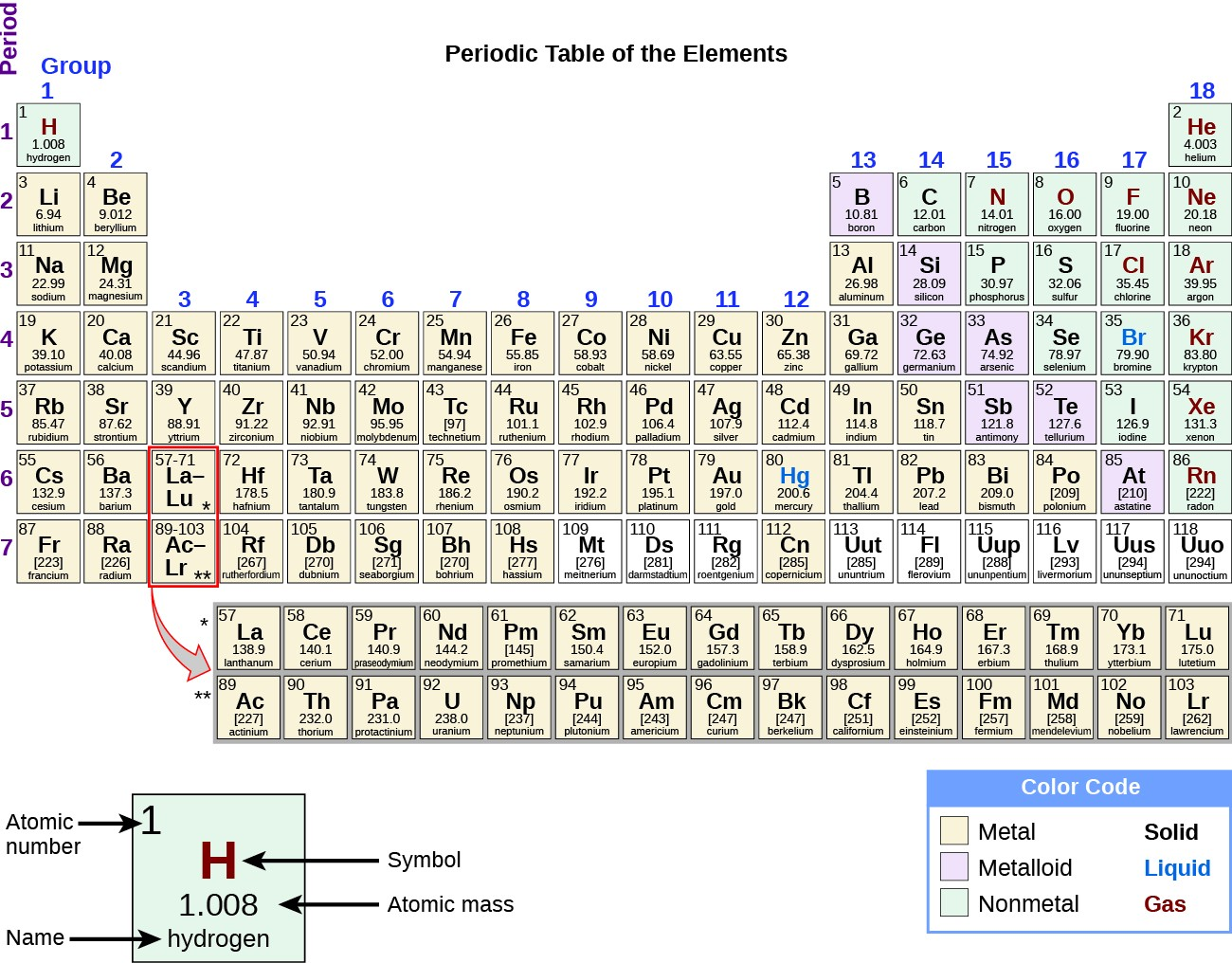
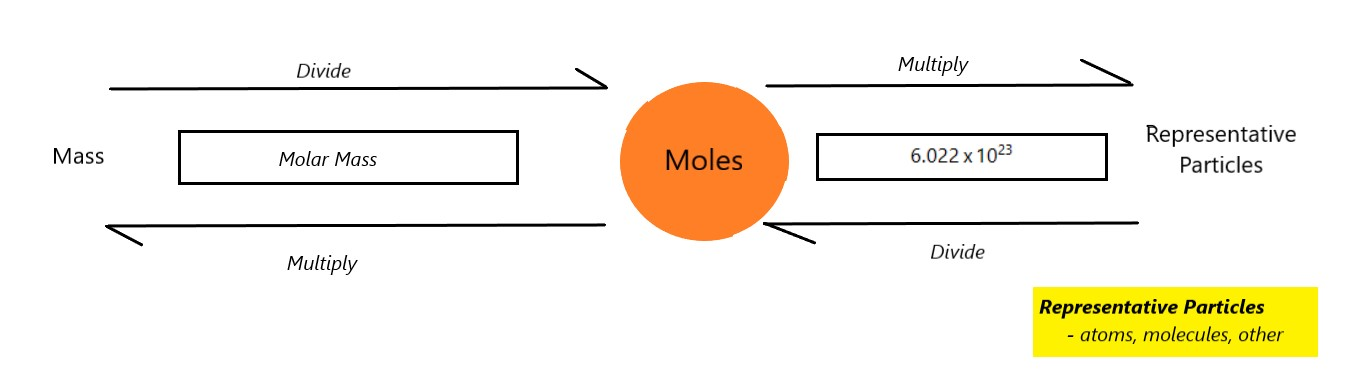
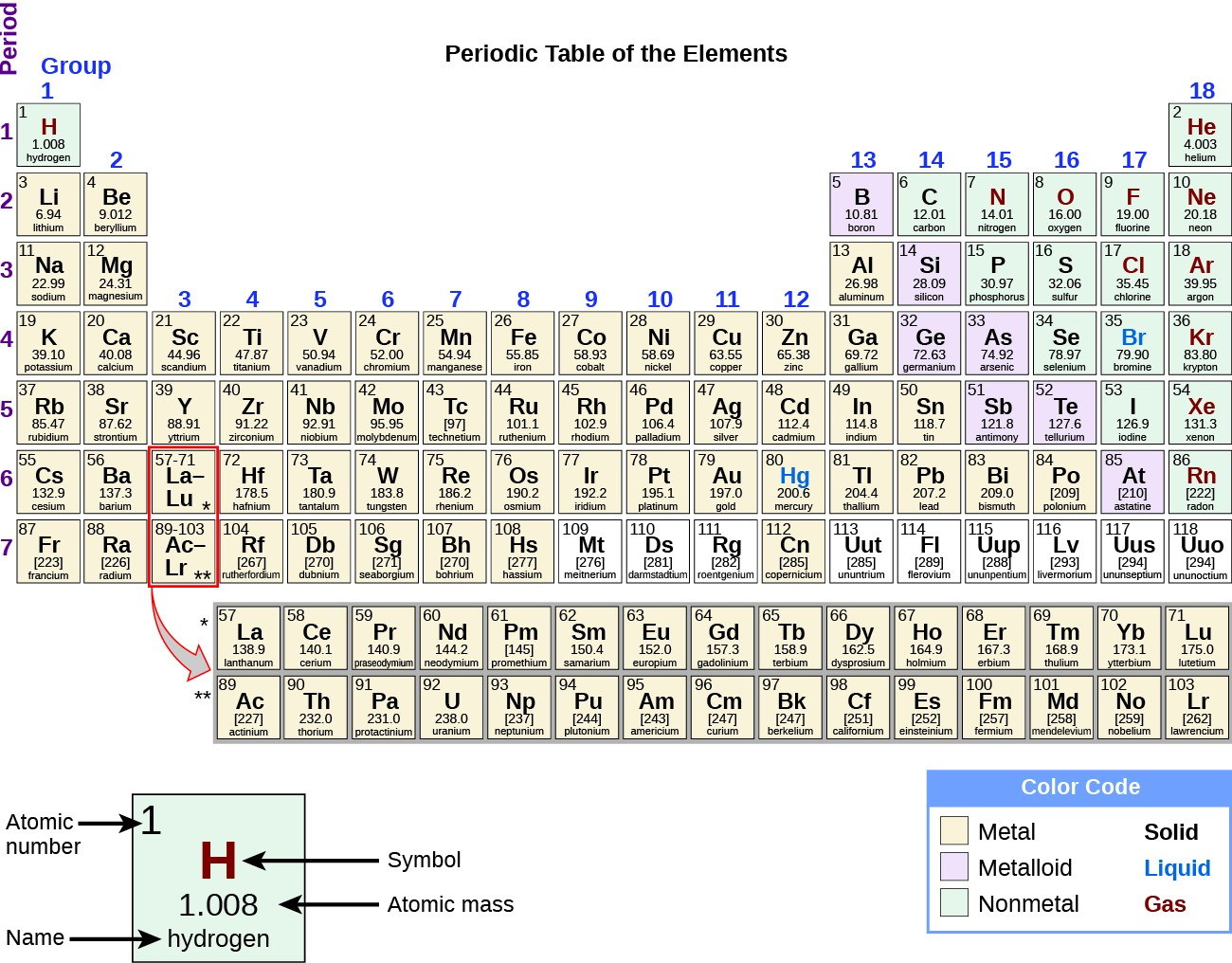
Look at the provided conversion chart and identify what conversion factor you need (molar mass or Avogadro's number).
Look at the arrows on the chart to identify if you are multiplying or dividing by that conversion factor.
SigFigs - identify how many significant figures the number in the question has (zeros by themselves to the left of the decimal are usually not significant; zeros to the right of the decimal usually are) and round your answer to ensure that it has the same number of significant figures.
I'm here to help; let me know if you are confused with any of this.
SigFig Rules:
All non-zero digits are significant (211.8 has four sigfigs).
Zeros between non-zero digits are significant (20,007 has five sigfigs).
Leading zeros in a number are not significant (0.0085 has two sigfigs).
Trailing zeros in a decimal number are significant unless they are before a decimal (0.0050 has two sigfigs; 4100.0 has four sigfigs).
Trailing zeros in a whole number are not significant (1000 has 1 sigfig).
What is the mass (in grams) of 4.25 x 10³ moles of N2?
Hint - convert your answer into scientific notation; you will move the decimal left, 5 places, which will determine the exponent over the 10.
Answer in scientific notation and round to the nearest hundredth.
How many molecules of N2 are there in 4.25 x 10³ moles of N2?
Round to the nearest hundredth.
How many grams are in 2.20 x 10⁻³ moles of tin (Sn)?
Round to the nearest thousandth.
How many moles are in 72.0 g of argon (Ar)?
Round to the nearest hundredth.
How many moles are in 10.0 grams of chromium (Cr)?
Round to the nearest thousandth.
How many molecules are in 1.24 mol dichloride gas (Cl2)?
Round to the nearest hundredth.
Convert the following using a two-step conversion: first from mass to moles and then from moles to the desired quantity of molecules.
How many molecules in 60.0 g of N2O?
Round to the nearest hundredth.
How many molecules are in 69.236 g of PbO?
Round to the nearest thousandth.
Need - scientific calculator, paper, pencil.
Recommended Calculator for Cellphone - natural scientific calculator or Desmos for computer/Chromebook
This section is independent work - 5 questions.
Identify what you have (mass, moles, or particles).
Identify what the question wants you to convert it to.
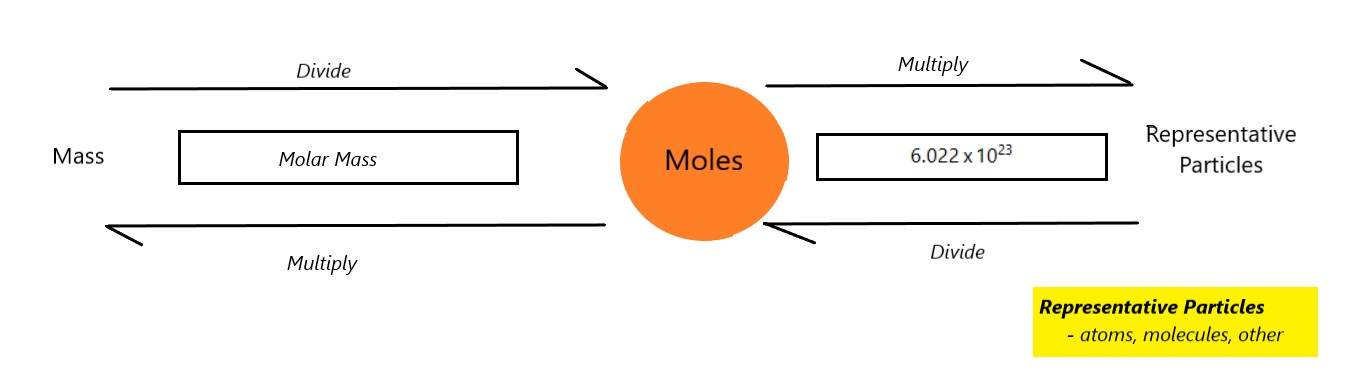
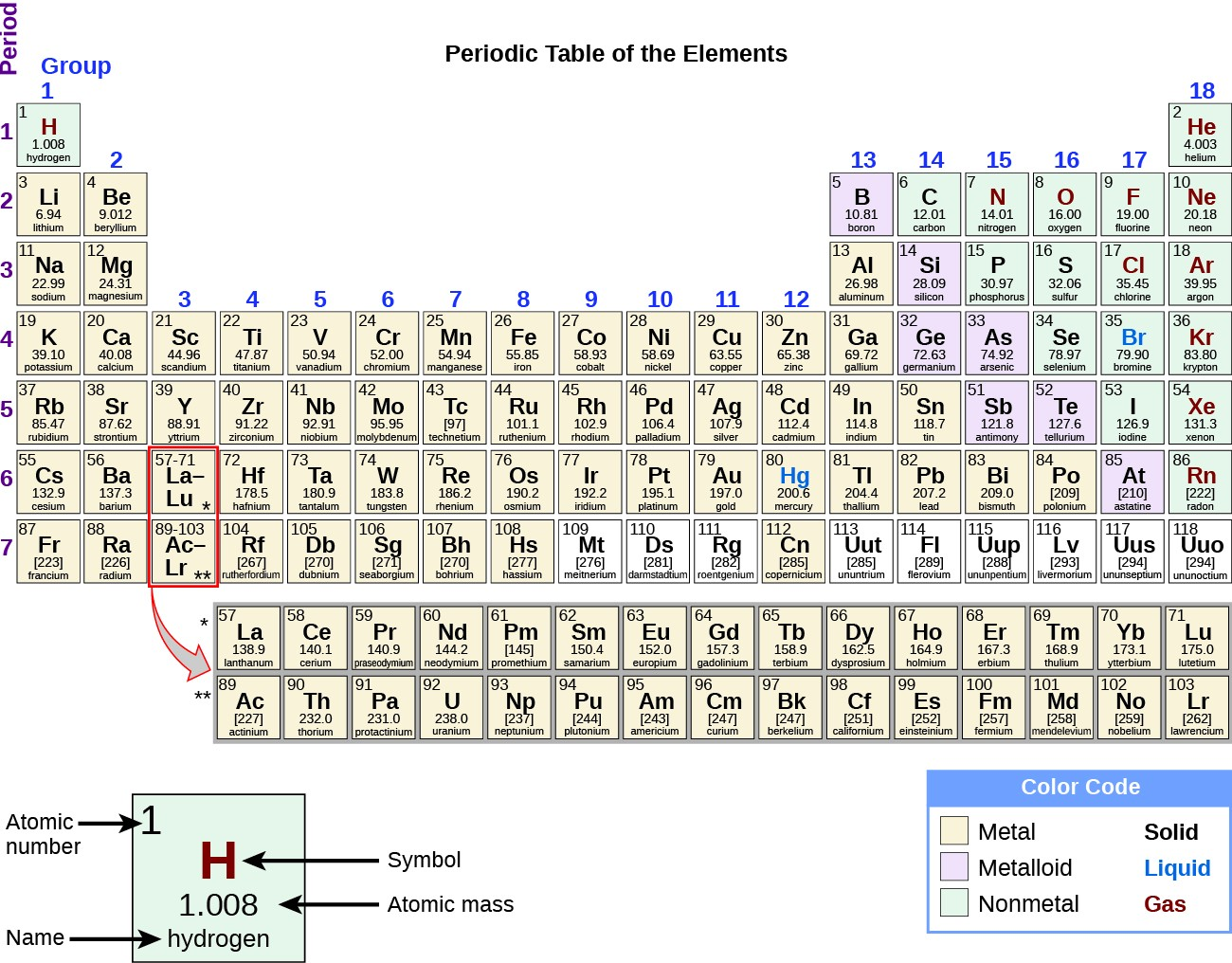
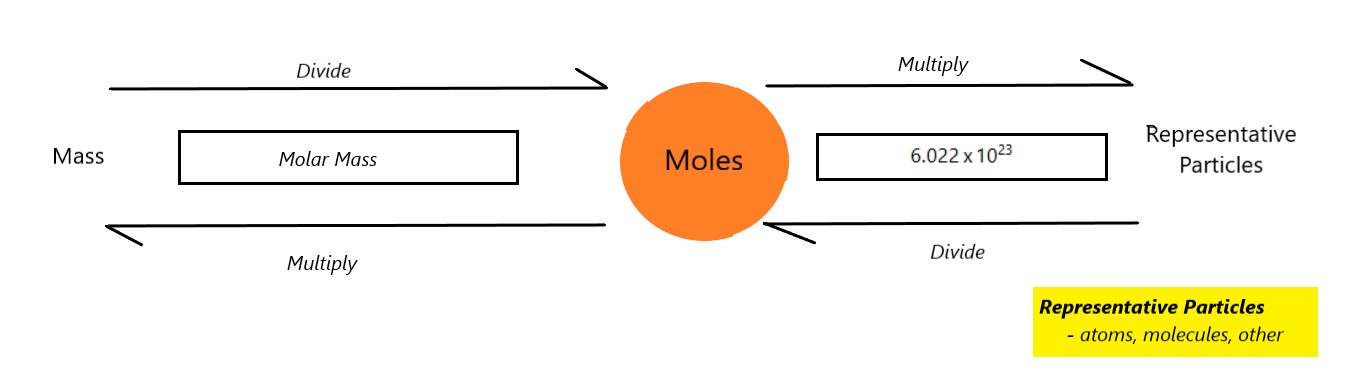
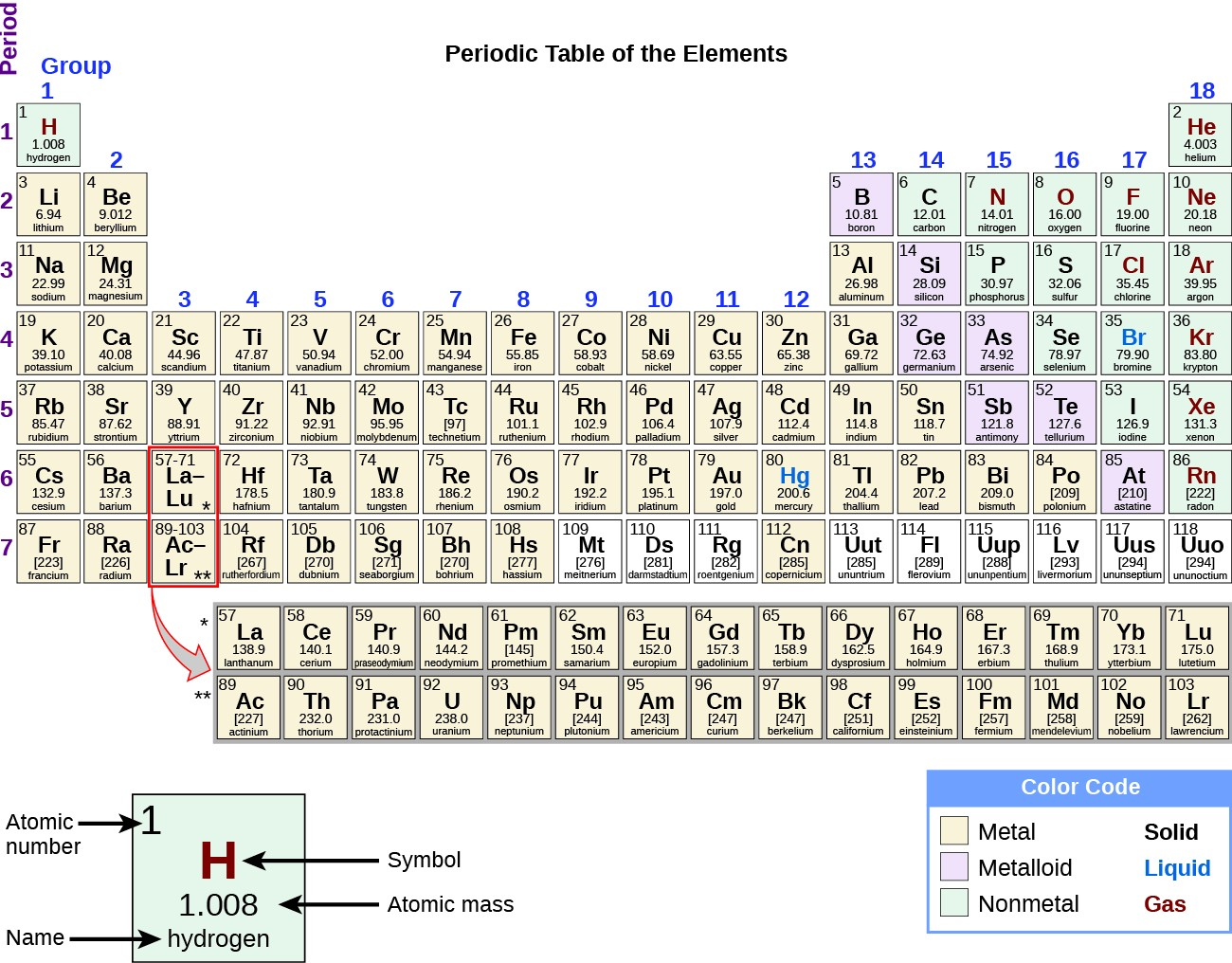
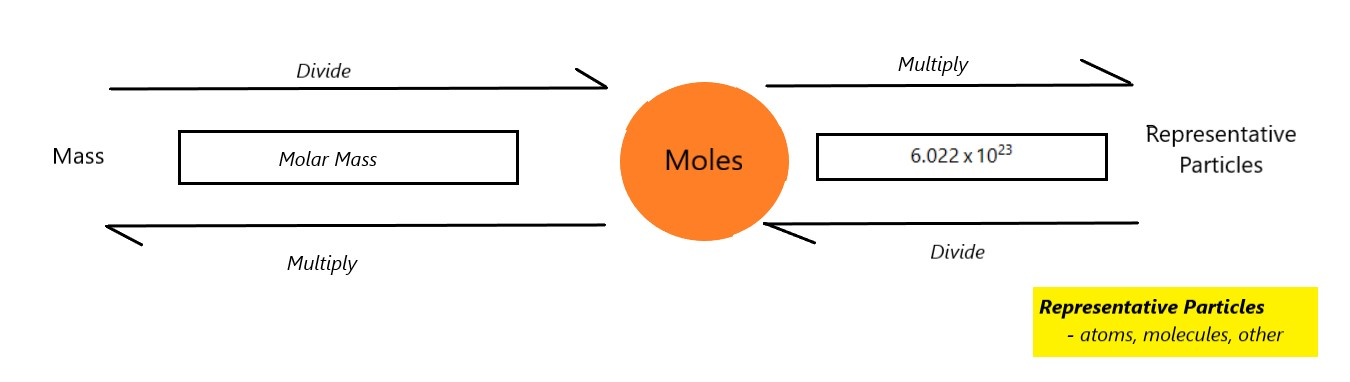
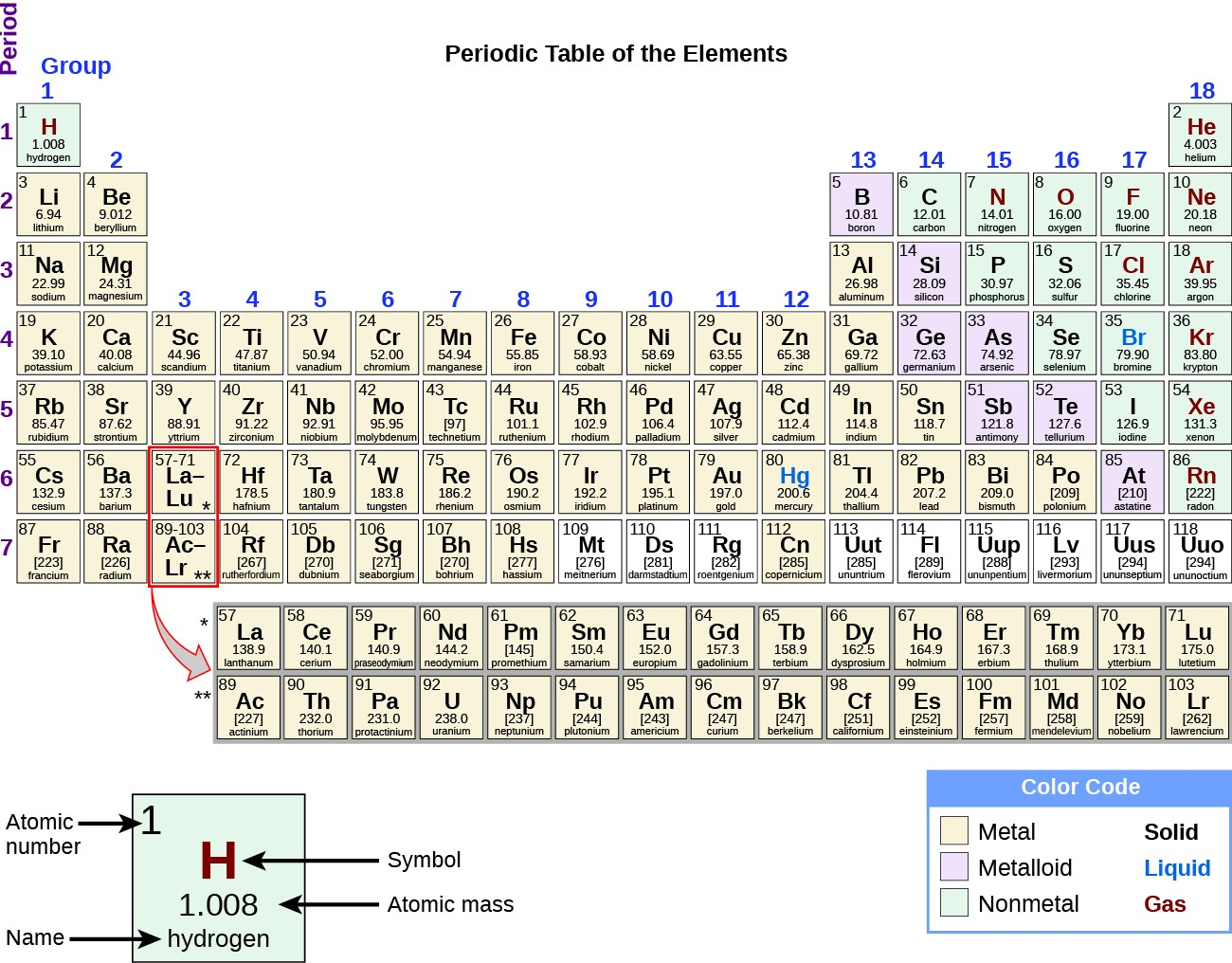
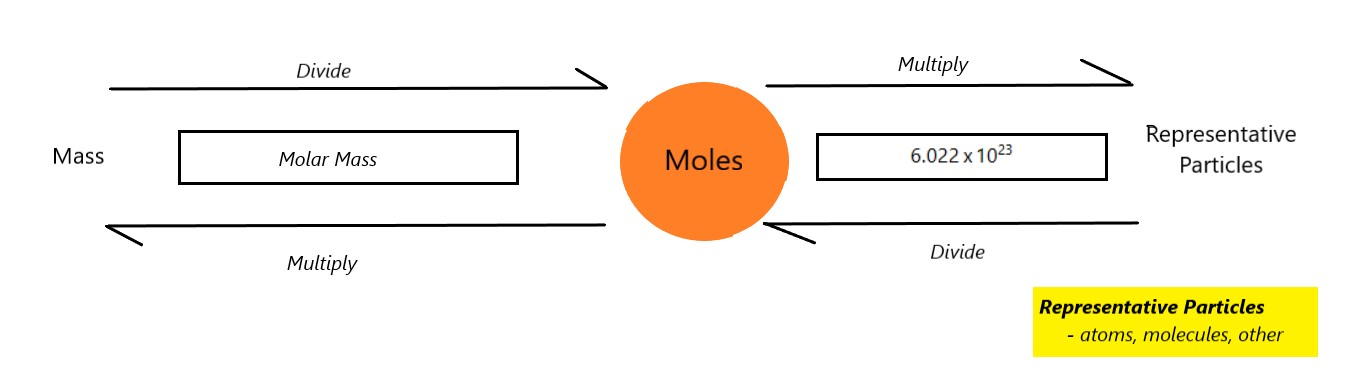
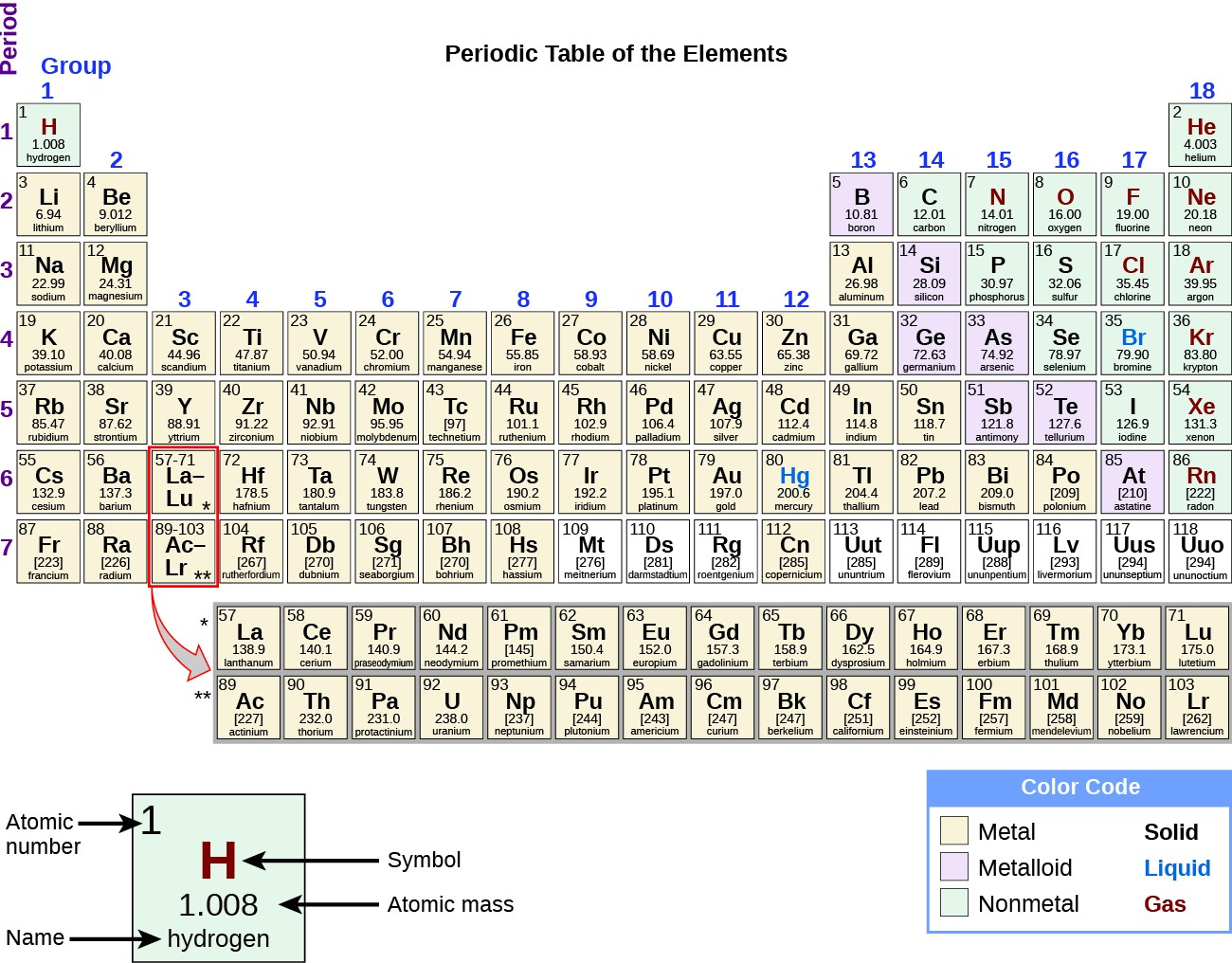
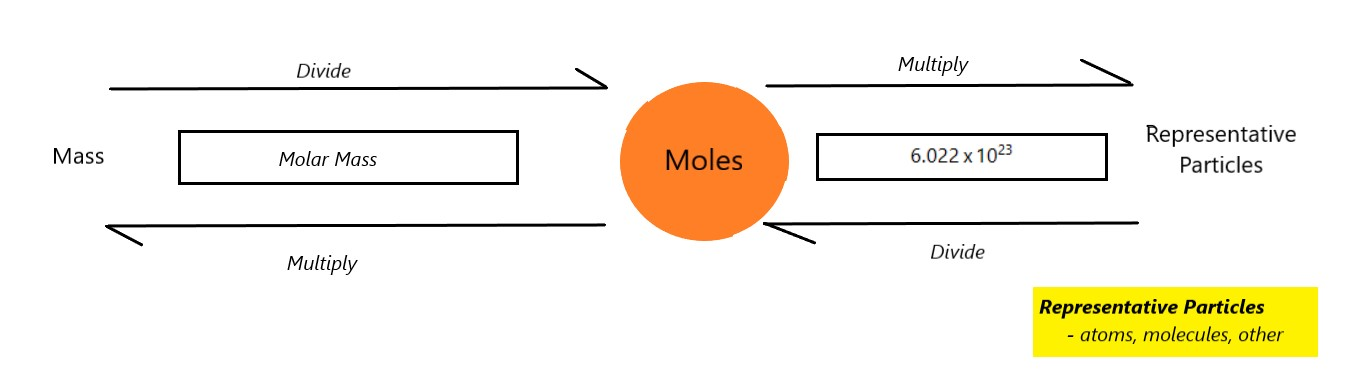
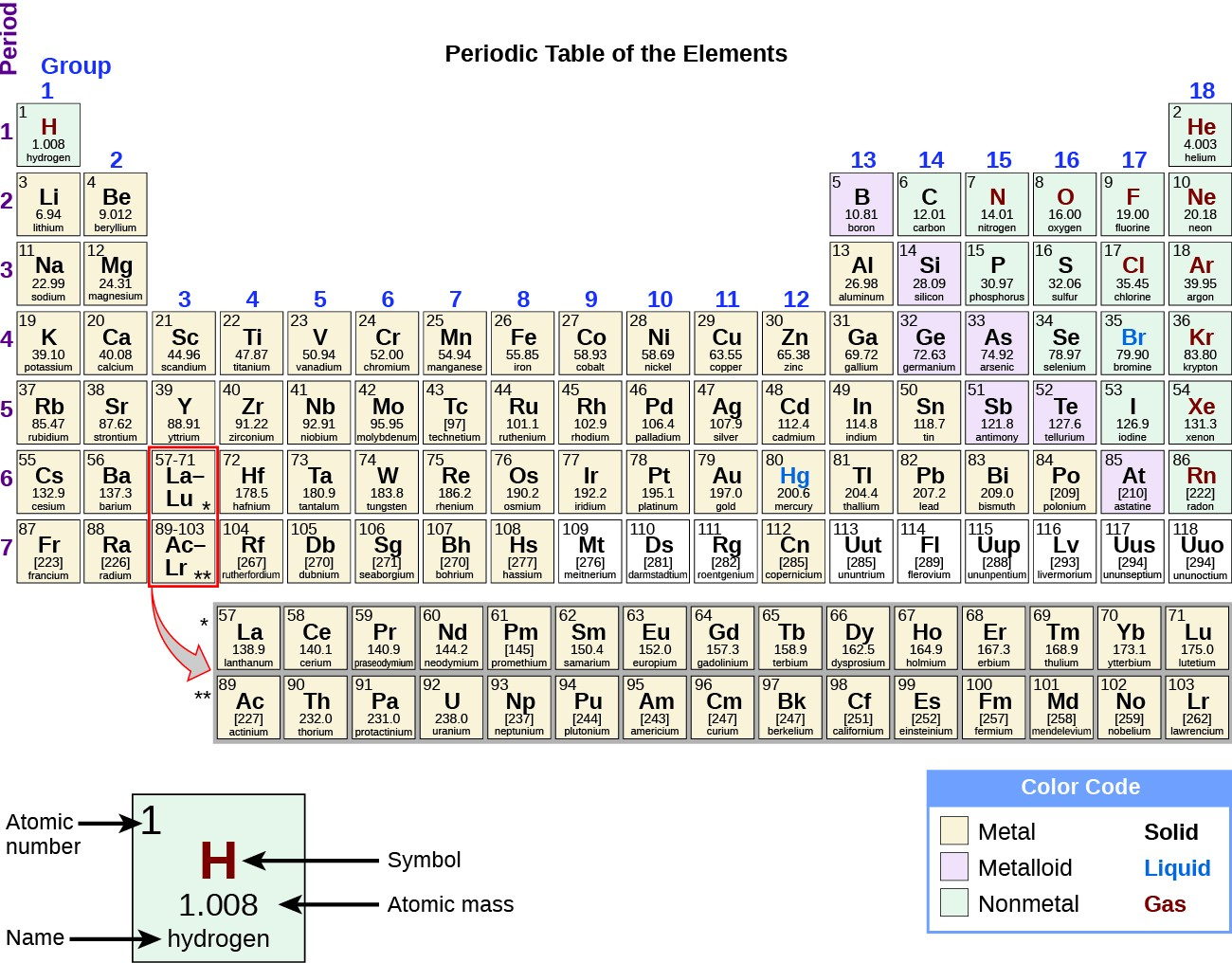
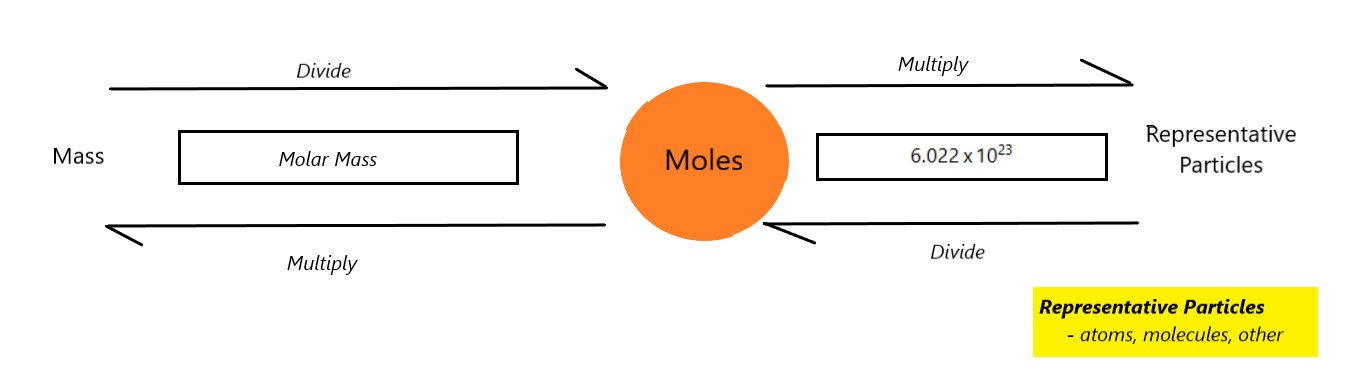
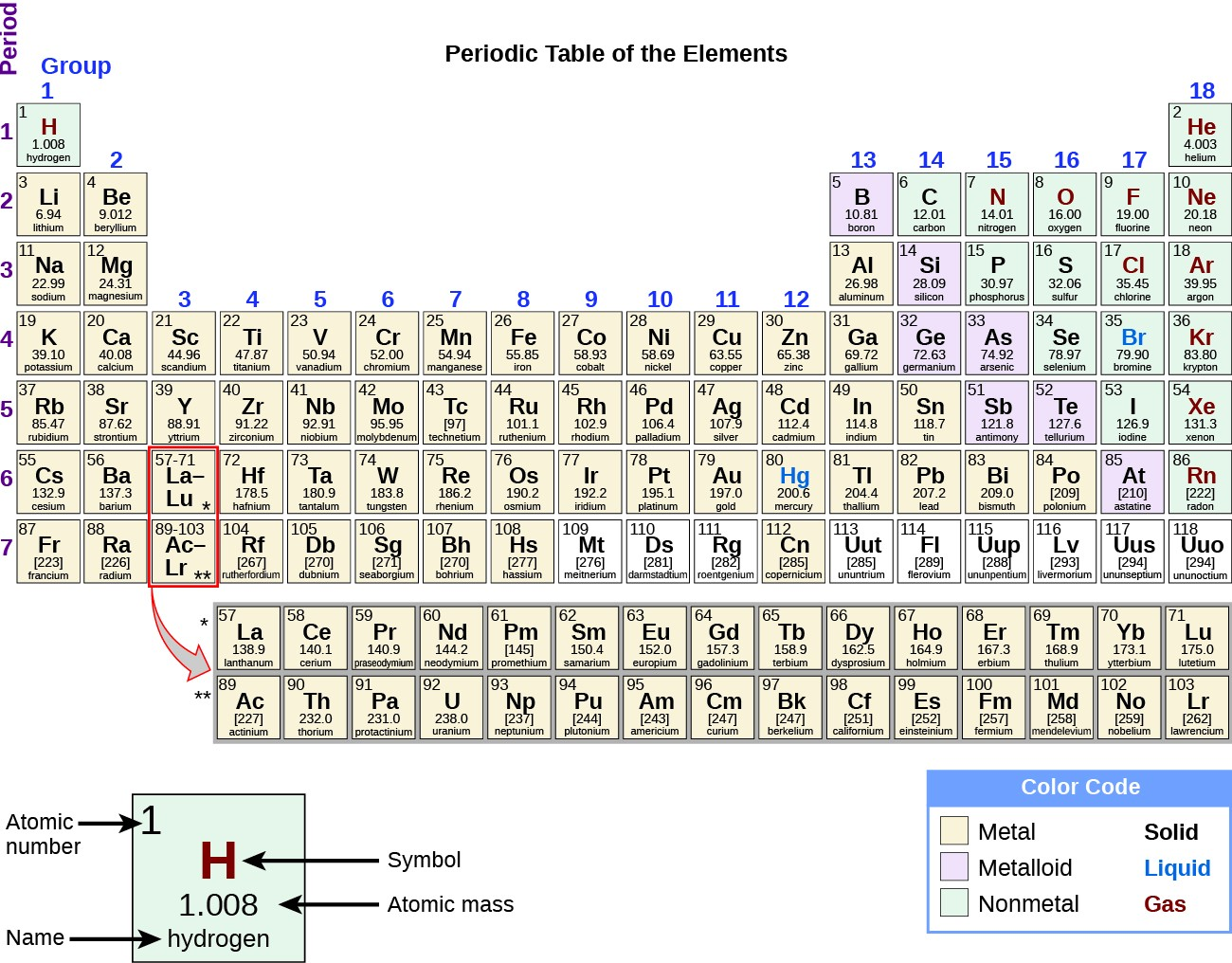
Look at the provided conversion chart and identify what conversion factor you need (molar mass or Avogadro's number).
Look at the arrows on the chart to identify if you are multiplying or dividing by that conversion factor.
SigFigs - identify how many significant figures the number in the question has (zeros by themselves to the left of the decimal are usually not significant; zeros to the right of the decimal usually are) and round your answer to ensure that it has the same number of significant figures.
I'm here to help; let me know if you are confused with any of this.
SigFig Rules:
All non-zero digits are significant (211.8 has four sigfigs).
Zeros between non-zero digits are significant (20,007 has five sigfigs).
Leading zeros in a number are not significant (0.0085 has two sigfigs).
Trailing zeros in a decimal number are significant unless they are before a decimal (0.0050 has two sigfigs; 4100.0 has four sigfigs).
Trailing zeros in a whole number are not significant (1000 has 1 sigfig).
a.) What is the molar mass of CH3CH2OH?
Round to the nearest thousandth.
b.) What is the mass 0.5623 mol of CH3CH2OH?
Round to the nearest hundredth.
c.) How many moles are in 100.0 g of CH3CH2OH?
Round to the nearest thousandth.
d.) How many molecules of CH3CH2OH are in 50.2 g of it?
Round to the nearest hundredth.
a.) How many moles of CO2 are in 254 g of it?
Round to the nearest hundredth.
b.) How many molecules are in 254 g CO2?
Round to the nearest hundredth.
a.) What is the molar mass of AgNO3?
Round to the nearest hundredth.
b.) How many molecules are in 50.245 g AgNO3?
Round to the nearest thousandth.