Twa kɔ nsɛm atitiriw so
Log in
Sign up for FREE
arrow_back
Laabri

Copy of Periodic Trends Questions (5/28/2026)

star
star
star
star
star
Last updated about 1 month ago
12 Nsɛmmisa
Hyɛ no nsow a efi ɔkyerɛwfo no hɔ:

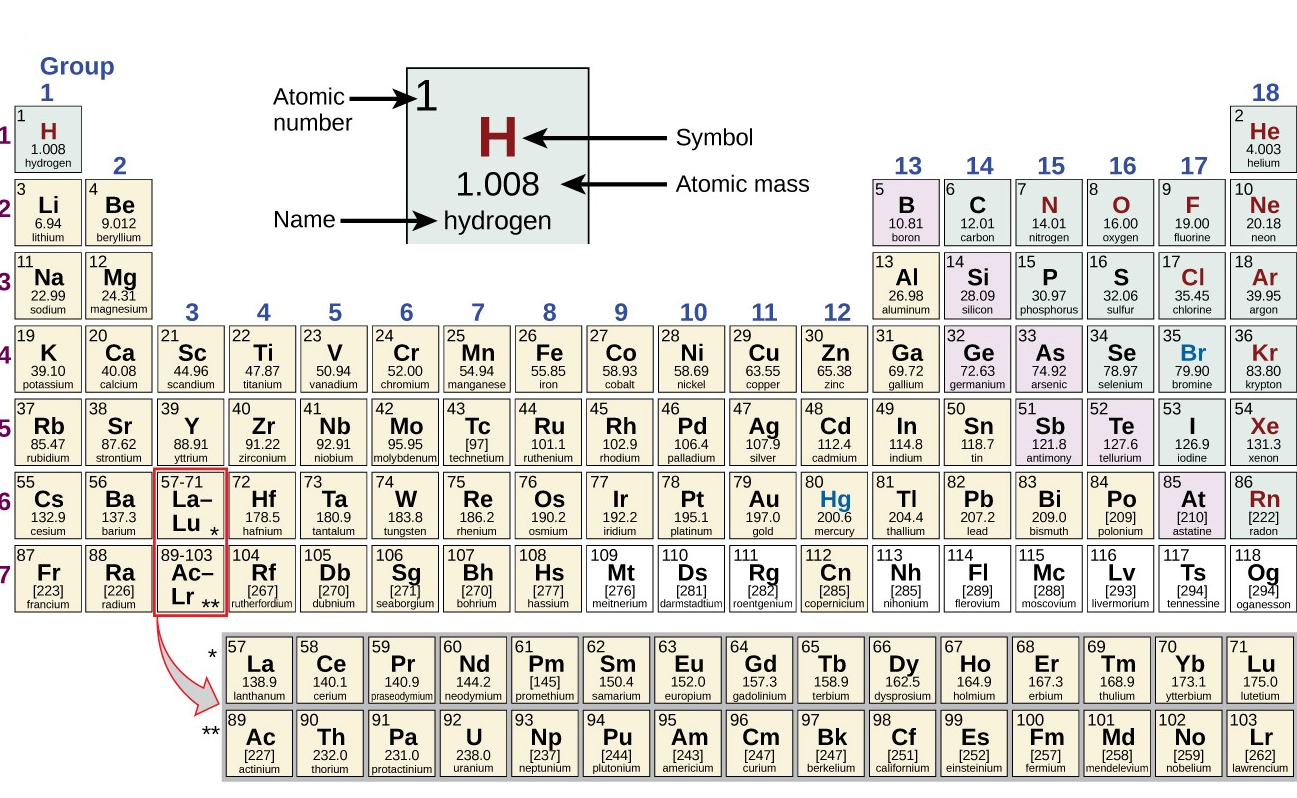
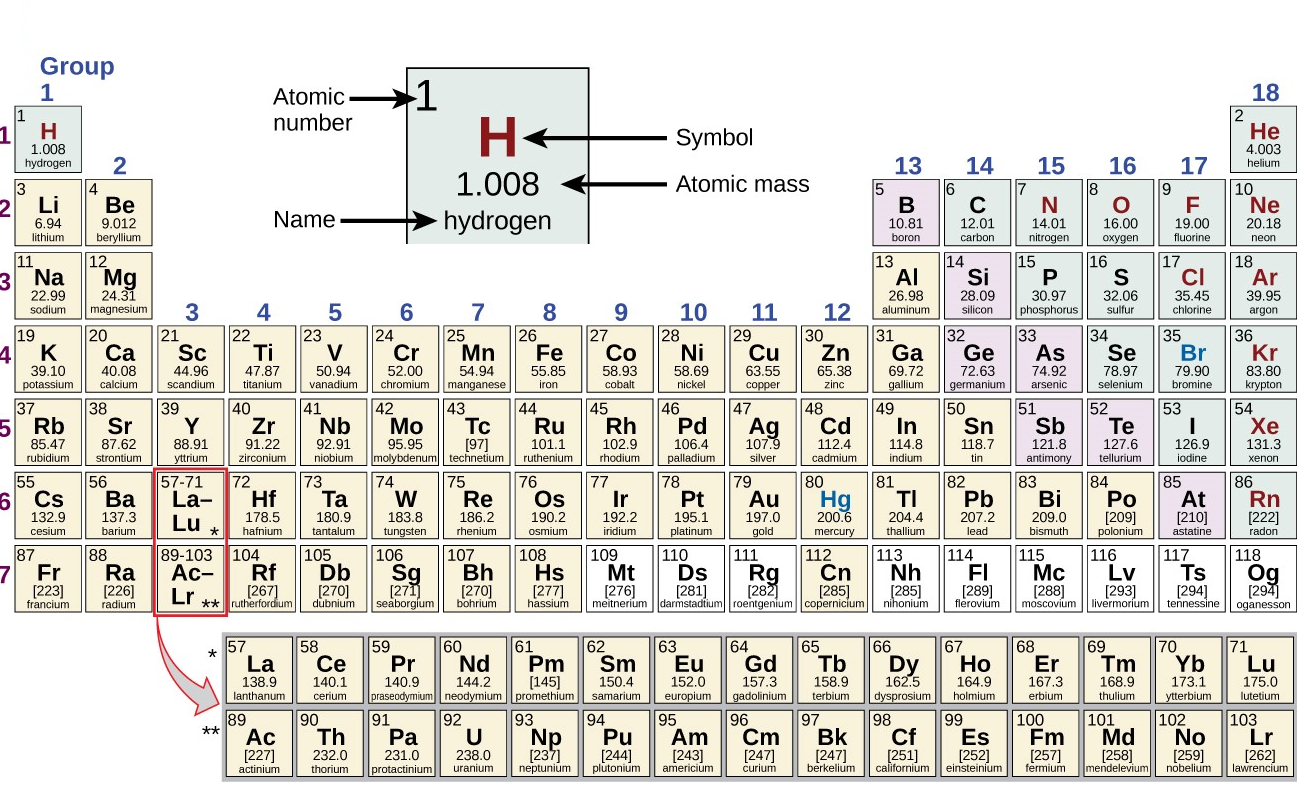
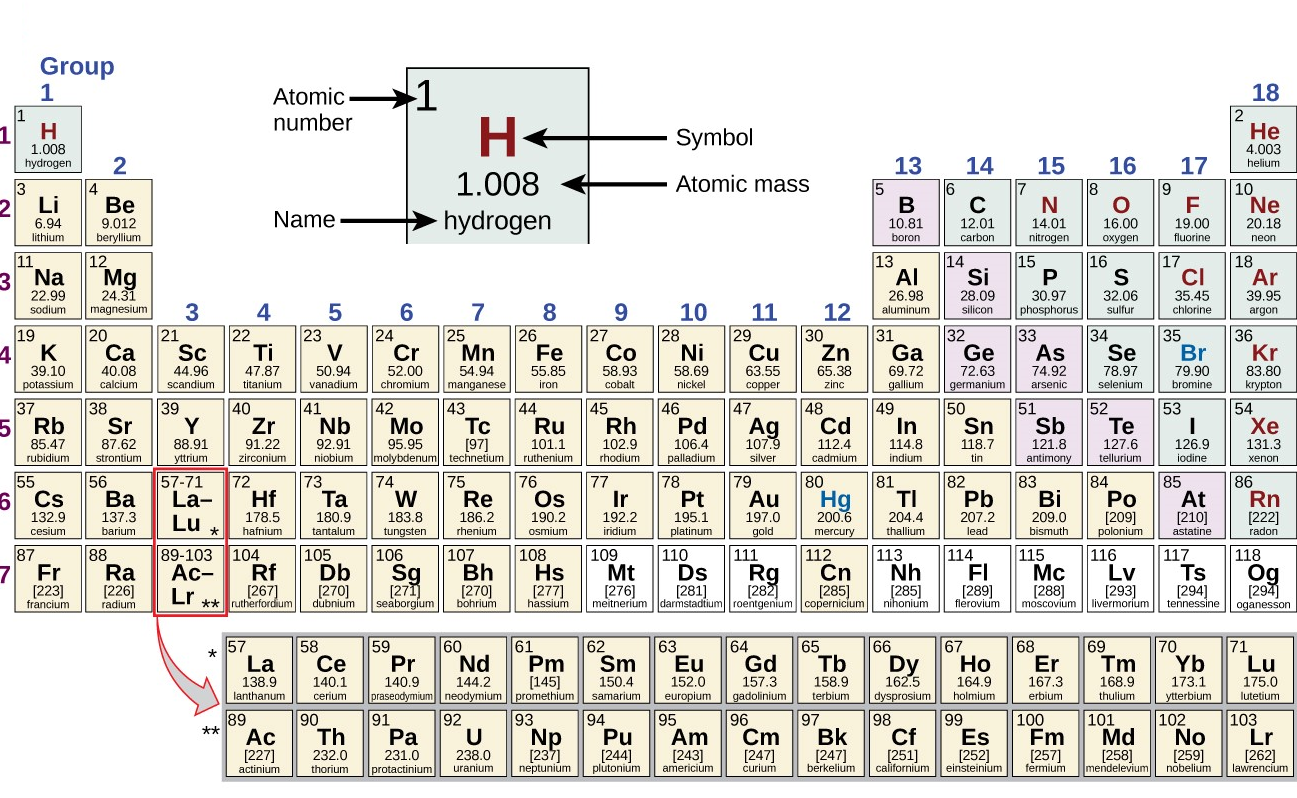
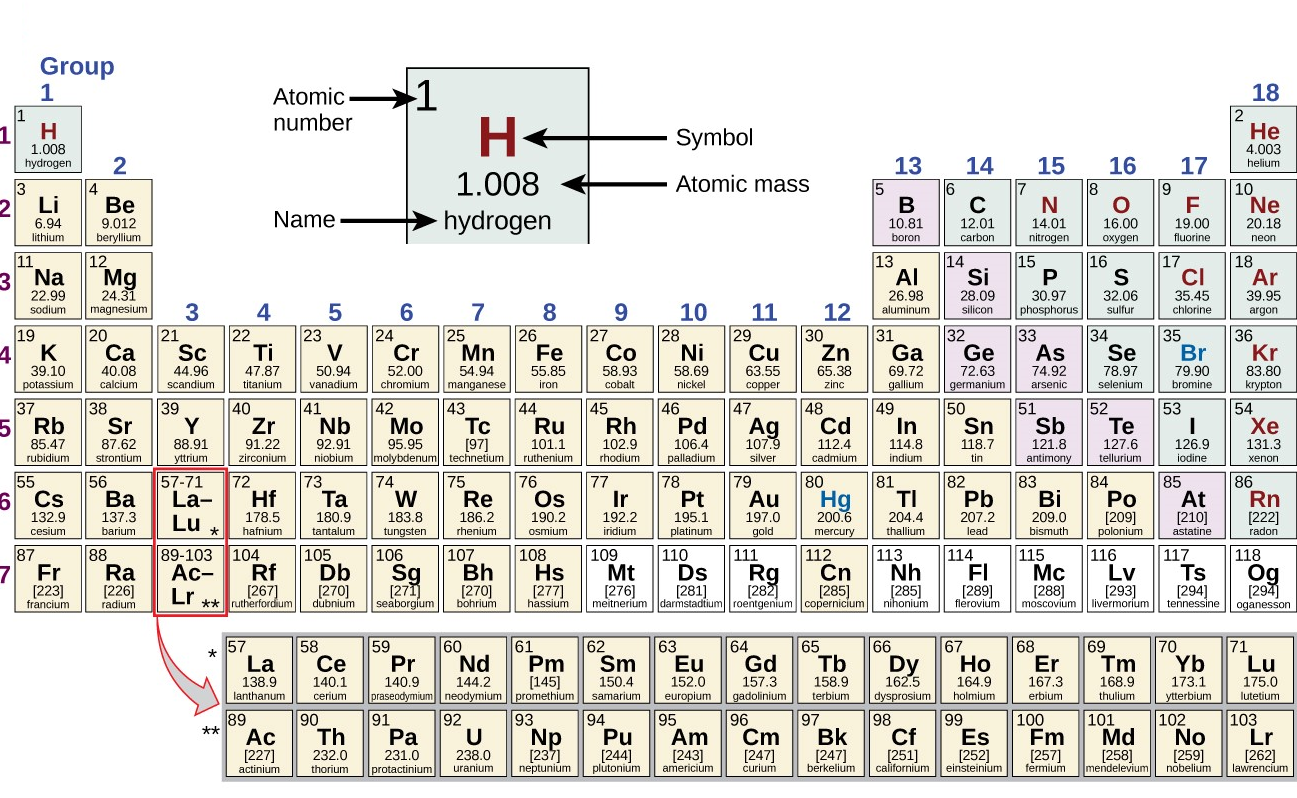
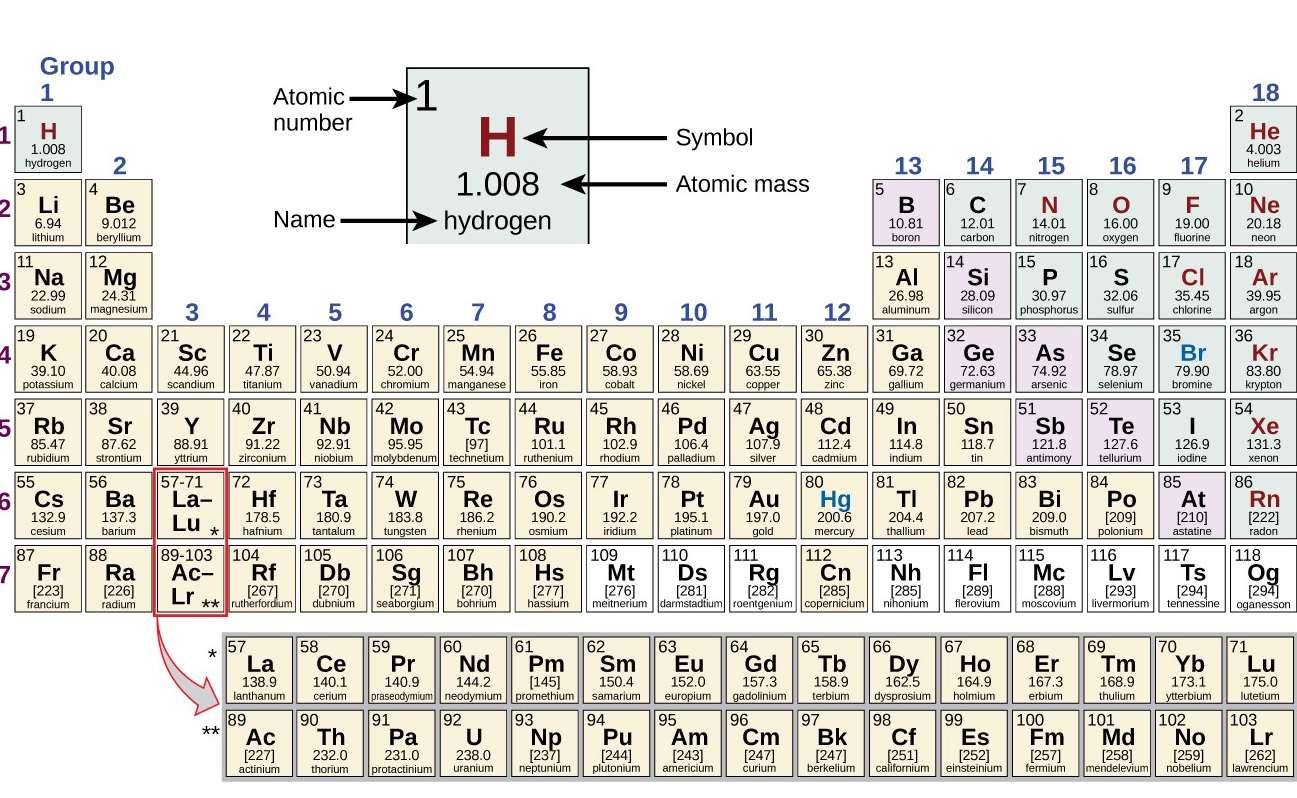
Use your Periodic Table and Atomic Structure Note-Taking Sheet to help you answer the following.

Use your Periodic Table and Atomic Structure Note-Taking Sheet to help you answer the following.
1

1
1
1
1
1
1
2
3
5
1
2
Asemmisa {{asɛmmisaAhyɛnsode}}
1.

Use the periodic table and you notes on periodic trends to sequence each element according to atomic radius (largest to smallest).

  1. Carbon (C)

  2. Potassium (K)

  3. Aluminum (Al)

  4. Oxygen (O)

Asemmisa {{asɛmmisaAhyɛnsode}}
2.

Use the periodic table and your notes on periodic trends to sequence each element according to increasing electronegativity (greatest to lowest)

  1. Oxygen (O)

  2. Boron (B)

  3. Bromine (Br)

  4. Fluorine (F)

  5. Sulfur (S)

Asemmisa {{asɛmmisaAhyɛnsode}}
3.

Use your notes to help you briefly explain why elements of the same group (family) have similar properties and tend to react in a similar way? I must regrade this.

Asemmisa {{asɛmmisaAhyɛnsode}}
4.

Which of the following tend to increase as you move from left to right across the periodic table?

Asemmisa {{asɛmmisaAhyɛnsode}}
5.

Which of the following are true about groups in the periodic table?

(Select all that apply)

Asemmisa {{asɛmmisaAhyɛnsode}}
6.

The number of protons + number of neutrons =

Asemmisa {{asɛmmisaAhyɛnsode}}
7.

As you move from right to left, the ionization energy tends to .

Asemmisa {{asɛmmisaAhyɛnsode}}
8.

Match the following terms with the descriptions that best matches them.

Draggable itemarrow_right_altCorresponding Item

Metals

arrow_right_alt

Located on the upper-right corner of the periodic table, poor conductors.

The one that doesn't match any term.

arrow_right_alt

Majority of elements, good conductors, malleable.

Nonmetals

arrow_right_alt

Elements that display properties of both metals and nonmetals.

Metalloids

arrow_right_alt

Good conductors of heat, poor conductors of electricity; minority of the elements.

Asemmisa {{asɛmmisaAhyɛnsode}}
9.

Use the provided periodic table to help you categorize the following.

  • Iron (Fe)

  • Sodium (Na)

  • Neon (Ne)

  • Chlorine (Cl)

  • Carbon (C)

  • Silicon (Si)

  • Metals

  • Nonmetals

  • Metalloids

Asemmisa {{asɛmmisaAhyɛnsode}}
10.

For each, use the periodic table to identify how many protons, electrons, and neutrons each atom has. Assume each is a neutral atom. There are a few tips you may find helpful.

a.) Li (lithium) - protons neutrons electrons

b.) Mg (magnesium) - protons neutrons electrons

c.) Br (bromine) - protons neutrons electrons

d.) Cu (copper) - protons neutrons electrons

e.) Xe (xenon) - protons neutrons electrons

Asemmisa {{asɛmmisaAhyɛnsode}}
11.

Use the periodic table and your notes on periodic trends to help with the following.

a.) Which element will have the highest electronegativity (use the abbreviations)?

b.) Which element will have the greatest atomic radii?

c.) Which element will have the lowest electronegativity?

d.) Which element will have the lowest ionization energy?

Asemmisa {{asɛmmisaAhyɛnsode}}
12.

Use the periodic table and your notes on periodic trends to arrange the following elements in terms of greatest to lowest ionization energy.

  1. Pd

  2. Si

  3. Cs

  4. Ba

  5. O