Log in
Sign up for FREE
arrow_back
Library

Copy of AGHS - CP Bio - Prokaryotics vs. Eukaryotic cells (5/28/2026)

star
star
star
star
star
Last updated about 2 hours ago
10 questions
1
7
1
1
1
1
1
1
1
1

Practice with Prokaryotic & Eukaryotic Cells

Question 1
1.

Question 2
2.

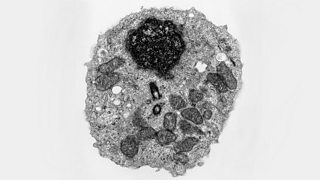
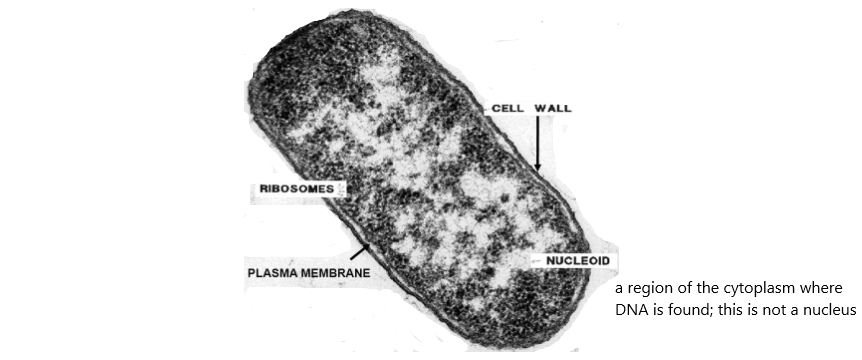
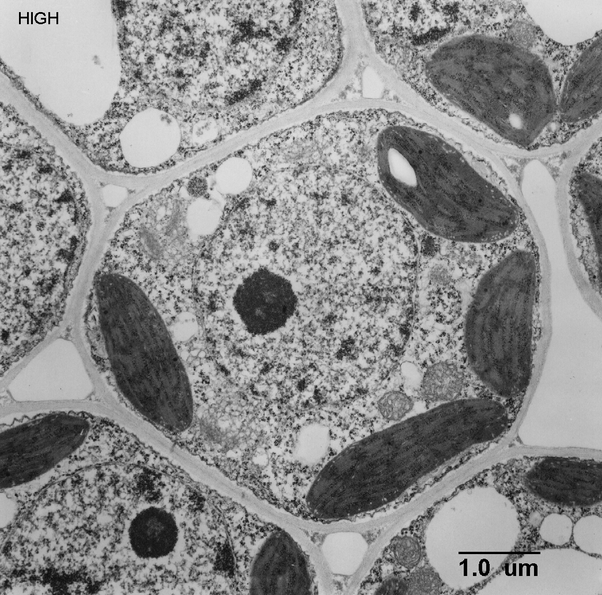
You will now see 3 different cells. You should identify the type of cell that is being shown in each photo and justify why your thinking is correct.
Question 3
3.

Question 4
4.

Question 5
5.

Question 6
6.

Question 7
7.

Question 8
8.

Question 9
9.

Question 10
10.

Which statements about the cell theory are TRUE? Hint there were 3 in the EdPuzzle!
all cells have organelles like mitochondria
all cells come from other cells
cells are the smallest unit of life
all organisms are made of one or more cells
all cells are part of multicellular organsisms
Categorize the statements into wether they describe only prokaryotic cells, only eukaryotic cells, or both types of cells.
have a nucleus
do not have a nucleus
maintain homeostatsis
reproduce
are surrounded by a cell membrane
contain DNA
are filled with cytoplasm
contain membrane-bound organelles like mitochrondira and golgi
organisms that are made of this cell type incldue plants and animals
organisms that are made of this cell type incldue bacteria
are alive
evolve over time
contain ribosomes to make proteins
respond to stimuli
Prokaryotic Cells
Both
Eukaryotic Only
The cell shown above is best described as a
eukaryotic cell because it has a nucleus and membrane-bound organelles
prokaryotic cell because it has DNA in the cytoplasm and does not contain membrane-bound organelles
eukaryotic cell because it has DNA in the cytoplasm and does not contain membrane-bound organelles
prokaryotic cell because it has a nucleus and membrane-bound organelles
The cell shown above in the first picture could be a
baterial cell
animal cell
The cell shown above is best described as a
prokaryotic cell because it has a nucleus and membrane-bound organelles
prokaryotic cell because it has DNA in the cytoplasm and does not contain membrane-bound organelles
eukaryotic cell because it has a nucleus and membrane-bound organelles
eukaryotic cell because it has DNA in the cytoplasm and does not contain membrane-bound organelles
The cell shown above in the second picture could be a
baterial cell
animal cell
The cell shown above is best described as a
prokaryotic cell because it has a nucleus and membrane-bound organelles
eukaryotic cell because it has DNA in the cytoplasm and does not contain membrane-bound organelles
prokaryotic cell because it has DNA in the cytoplasm and does not contain membrane-bound organelles
eukaryotic cell because it has a nucleus and membrane-bound organelles
Since the cell shown above is surrounded by others that are identical in structure and function, the organism from which this sample came can best be described as
unicellular
multicellular
Since the image above shows many of the same type of cell type in one collection, what level of organization would this best be considered?
organ
organ sysem
cell
tissue
The cells shown above are most likely from which type of organism?
bateria
plant