Copy of Ionic and Covalent Bonds Compared (5/28/2026)
star
star
star
star
star
Last updated 3 months ago
40 Nsɛmmisa
Hyɛ no nsow a efi ɔkyerɛwfo no hɔ:
1
1
1
1
1
1
1
1
1
1
1
1
1
1
1
5
10
1
1
Use the information provided about ionic and covalent bonds to assist you to compare and contrast them.
C.3.2 Compare and contrast how ionic and covalent compounds form.
C.3.4 Write chemical formulae for ionic and covalent compounds given their names and vice versa.
Learning Goals:
I can differentiate between ionic and covalent compound forms.
I can write chemical formulas for covalent compounds given their names.
I can name covalent compounds given their formula.
Use the information provided about ionic and covalent bonds to assist you to compare and contrast them.
C.3.2 Compare and contrast how ionic and covalent compounds form.
C.3.4 Write chemical formulae for ionic and covalent compounds given their names and vice versa.
Learning Goals:
I can differentiate between ionic and covalent compound forms.
I can write chemical formulas for covalent compounds given their names.
I can name covalent compounds given their formula.
Because of the nature of ionic and covalent bonds, the materials produced by those bonds tend to have quite different macroscopic properties (the properties in bulk matter that can be visualized by the naked eye and measured easily). The atoms of covalent materials are bound tightly to each other in stable molecules, but those molecules are generally not very strongly attracted to other molecules in the material. The atoms (ions) in ionic materials show strong attractions to other ions in their vicinity. This generally leads to low melting points for covalent solids, and high melting points for ionic solids. For example, the molecule carbon tetrachloride (CCl4) is a non-polar covalent molecule. Its melting point is -23oC. By contrast, the ionic solid NaCl has a melting point of 800oC.
Properties of Covalent Compouds
Gases, liquids, or solids (made of molecules)
Atoms share electrons to become stable
Usually occurs between nonmetals
Hydrogen and another nonmetal chemically combines through covalent bonding
Low melting and boiling points
Poor electrical conductors in all phases
Many soluble in nonpolar liquids but not in water
Properties of Ionic Compounds
Crystalline solids (made of ions)
Metal atoms donate electrons while nonmetal atoms accept electrons to become stable
Usually occurs between metals and nonmetals
High melting and boiling points
Conduct electricity when melted or in solution (mixed in water)
Many soluble in water but not in nonpolar liquid
Why do solid covalent compounds have low melting points?
Why do solid ionic compounds have high melting points?
How are carbon tetrachloride and sodium chloride different from each other?
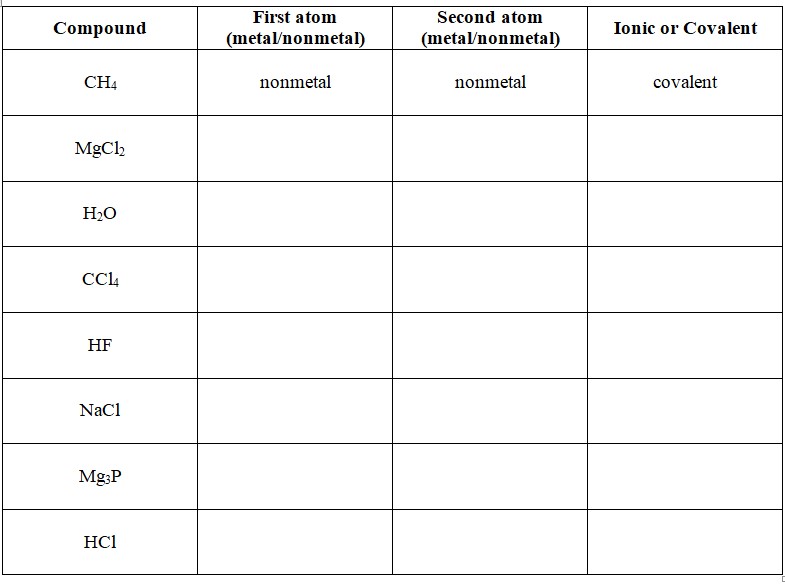
Instructions for 16-36:
Notice that the blank areas of the data table have a number within a circle; these correspond to the numbered blanks to the right of the data table.
You will complete the data table by typing in the missing information in the blanks to the right corresponding to the numbered circles in the data table.
Read the column headings on the data table to know what it asks for.
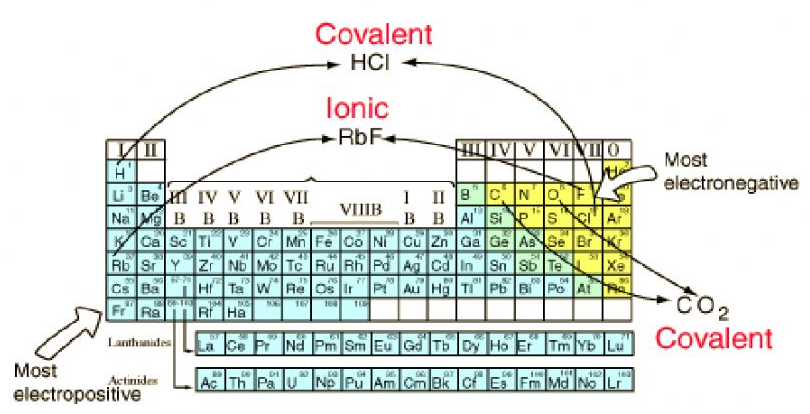
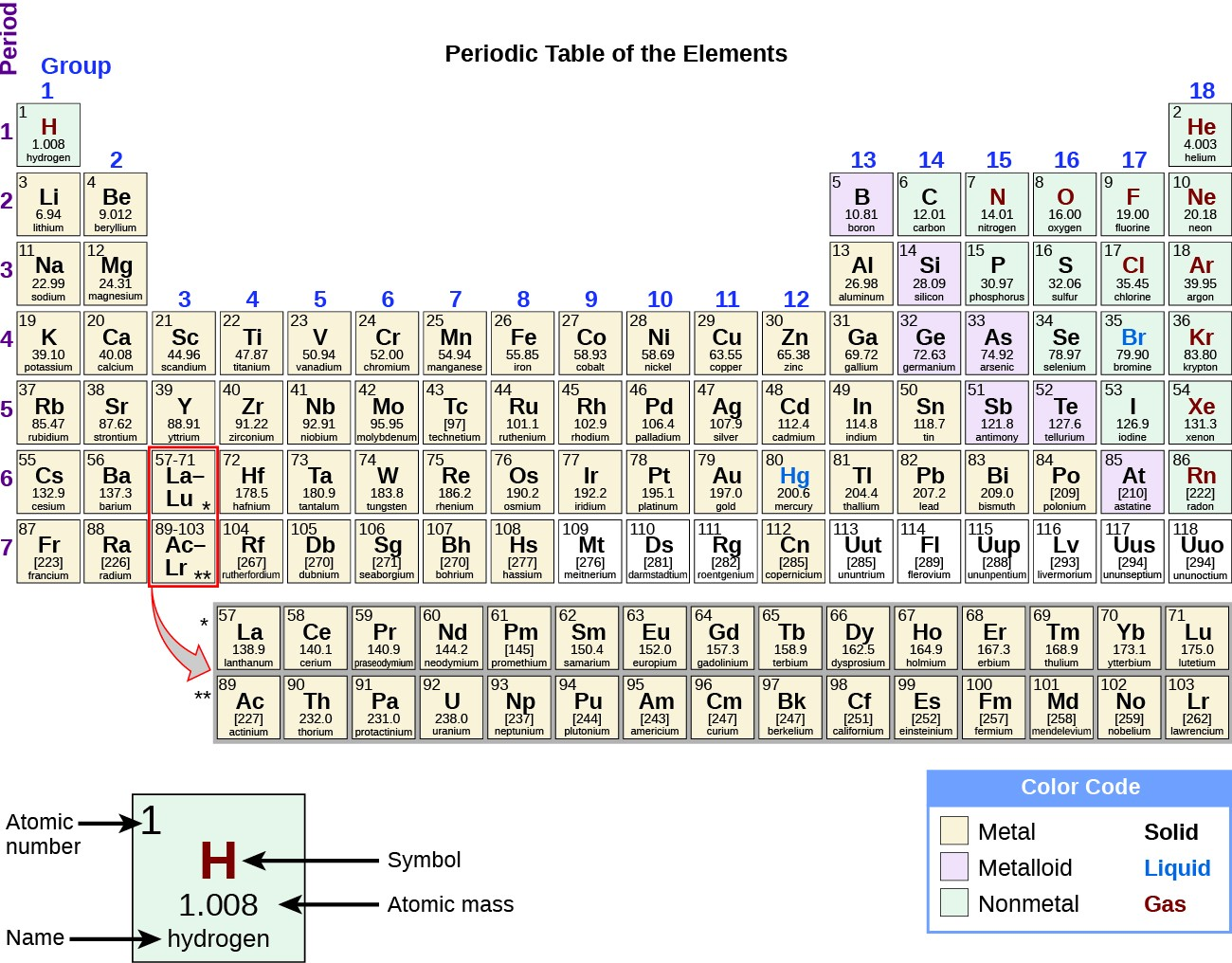
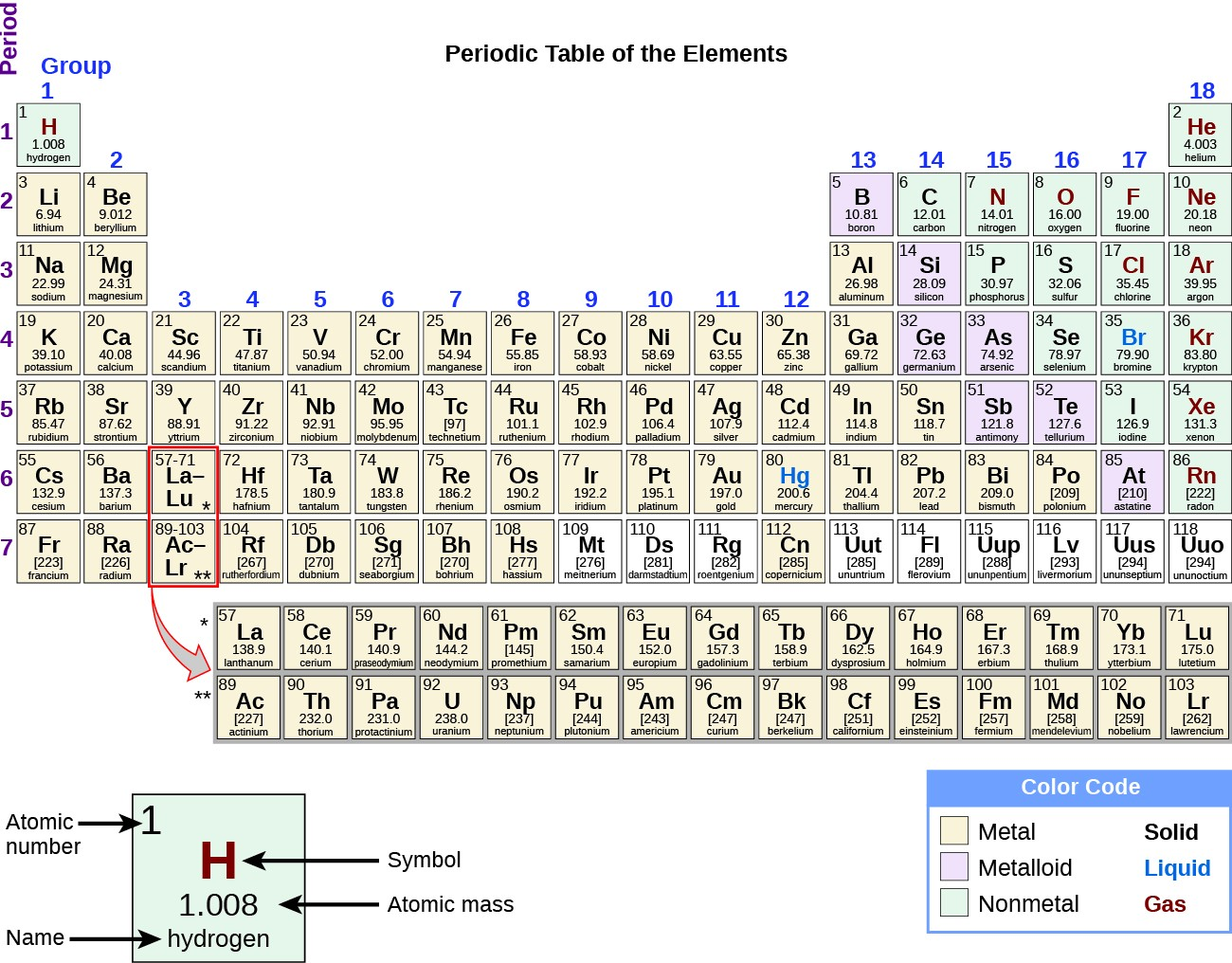
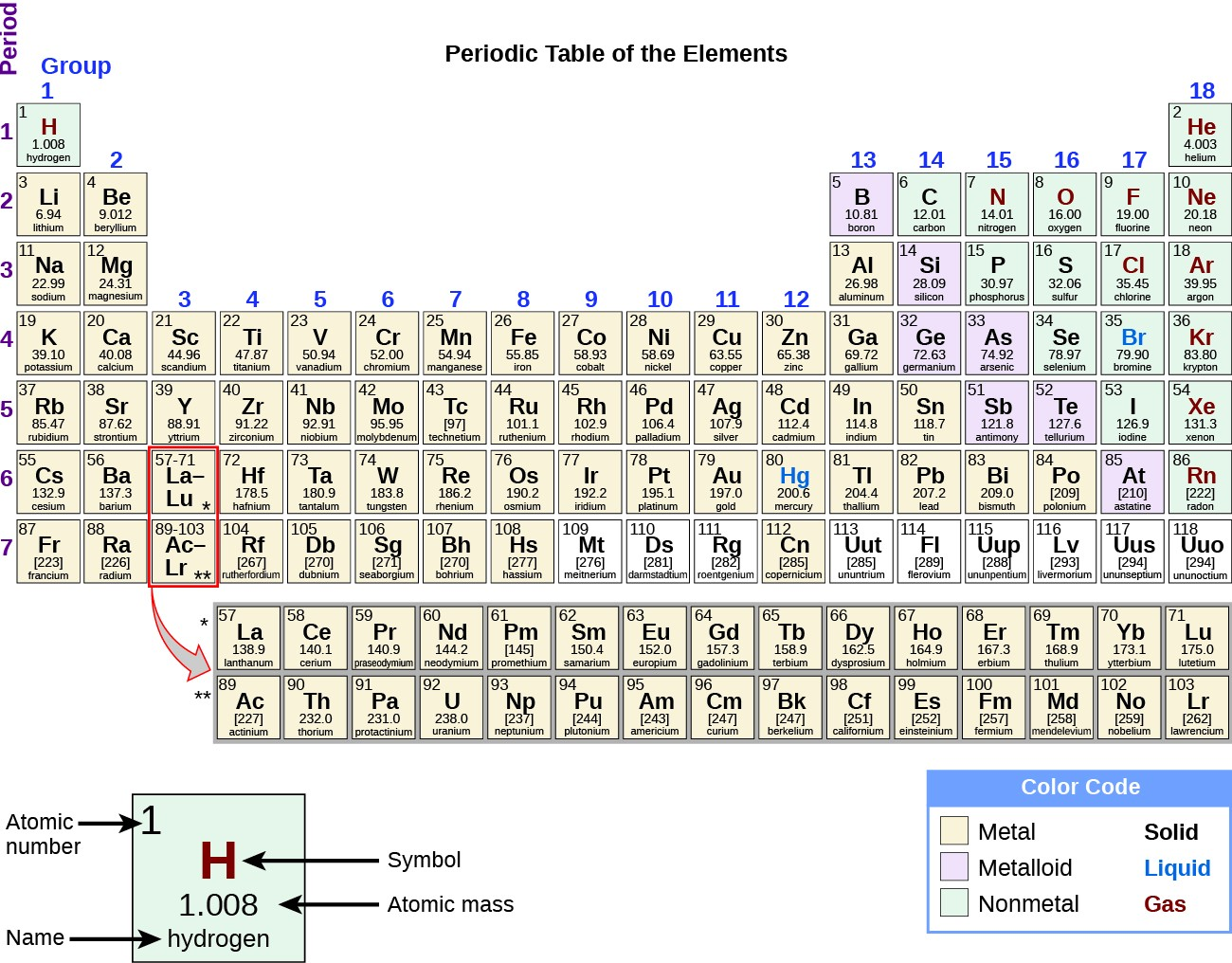
The periodic table above designates which elements are metals and nonmetals.
Naming molecular compounds is similar to naming ionic compounds in that we treat the first element as if it is a cation, while the second element is an anion. This means the name of the first element is what it is in the periodic table, while for the second element, we change the ending to -ide.
A reminder that a molecule is a group of two or more atoms held together by covalent bonds. Covalent bonds are usually formed between nonmetals. For example, Cl2, CH4, NH3, CO2.
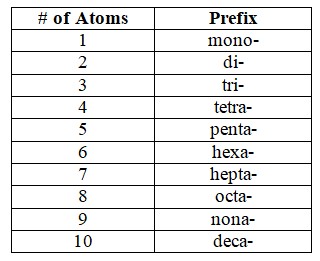
One difference with naming ionic compounds though is that we add prefixes to denote the number of atoms in the molecule (see table to the right).
Examples:
SF6 - sulfur hexafluoride
NCl3 - nitrogen trichloride
CO2 - carbon dioxide
N2O3 - dinitrogen trioxide
Important points:
Mono- is never used for naming the first atom in a covalent compound.
Prefixes are usually not used for compounds containing a metal.
Compounds containing hydrogen usually do not have prefixes in their name; instead, they are named using common nomenclature (Examples: NaH - sodium hydride; CH4 - methane).
Name the following covalent compounds:
a. SiF4
b. N2S3
c. HBr
d. CH4
e. P2O5
Write the formulae for the following covalent compounds:
a. diboron hexhydride
b. nitrogen tribromide
c. sulfur hexachloride
d. oxygen difluoride
e. carbon monoxide
f. carbon tetrabromide
g. boron mononitride
h. diphosphorus tetraiodide
i. phosphorus hexafluoride
j. trinitrogen tetrachloride
Provide a list of two differences between ionic and covalent compounds.
Explain how ionic compounds are formed when a metal bonds with a nonmetal and how covalent compounds are formed when two nonmetals bond.