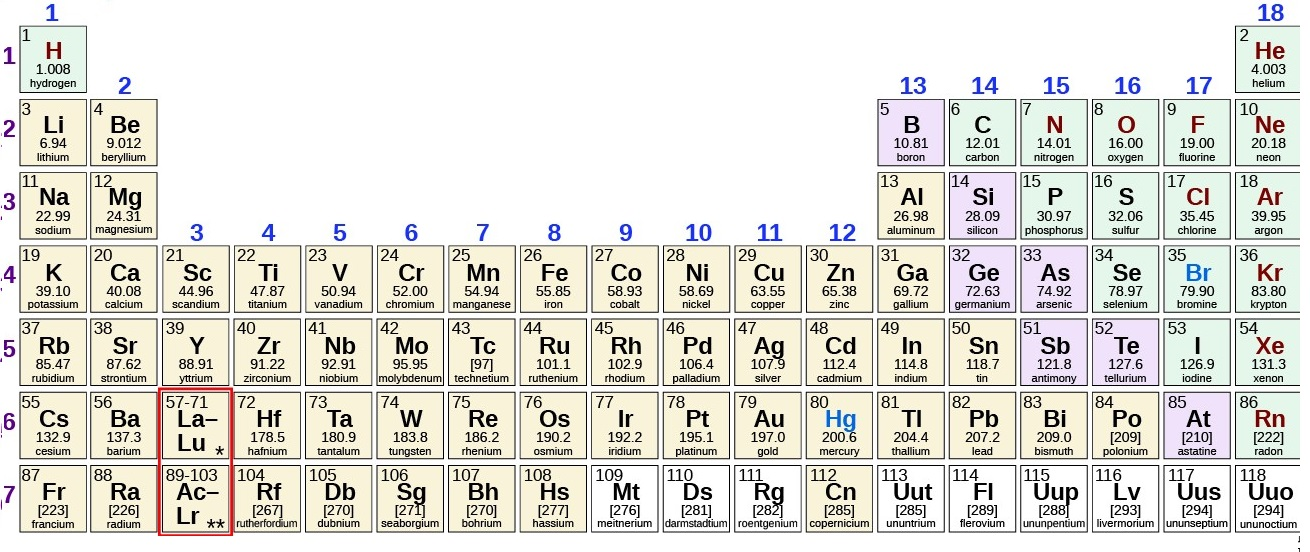
The following reaction was performed:
FeBr2 + KCl → FeCl2 + KBr
34 grams of iron bromide is reacted with an excess of potassium chloride to form 4.0 g of iron chloride.
Step 1 - Balance the equation (put a 1 in the blank if there is no coefficient).
Step 2 - Calculate the theoretical yield of FeCl2
Theoretical Yield of FeCl2
Step 3 - Percent yield of FeCl2 - round to the nearest whole number.
Percent yield
The following reaction was performed:
TiS + H2O → H2S + TiO
20 grams of titanium sulfide is reacted with an excess of dihydrogen monoxide to form 14.9 grams of titanium oxide.
Step 1 - Balance the equation (put a 1 in the blank if there is no coefficient).
Step 2 - Calculate the theoretical yield of TiO
Theoretical Yield TiO
Step 3 - Percent yield of TiO.
Percent yield
The following reaction was performed:
H2SO4 → H2O + SO3
89.0 g sulfuric acid decomposes to form 7.1 g dihydrogen monoxide.
Step 1 - Balance the equation (put a 1 in the blank if there is no coefficient).
Step 2 - Calculate the theoretical yield of H2O
Theoretical Yield
Step 3 - Percent yield of H2O.
Percent yield
The following reaction was performed:
Pb(NO3)2 + NaI → PbI2 + NaNO3
25.2 grams of lead nitrate is reacted with 15.5 grams of sodium iodide to form 6.2 grams of sodium nitrate.
Step 1 - Balance the equation (put a 1 in the blank if there is no coefficient).
Step 2 - Calculate the theoretical yield of NaNO3
For Pb(NO3)2 → Theoretical Yield NaNO3
For NaI → Theoretical Yield NaNO3
Step 3 - Identifying the Limiting Reagent (which reactant had the lowest TY?)
Limiting Reagent =
Step 4 - Percent yield of NaNO3 (calculate the % yield of the LR)
Percent yield