Log in
Sign up for FREE
arrow_back
Library

Copy of Copy of Theoretical Yield, Limiting Reagent Percent Yield Practice 1-2 (4/13/2025) (5/28/2026)

star
star
star
star
star
Last updated about 2 hours ago
5 questions
Note from the author:
Practice Questions
5
5
5
5
5
C.4.5 Use a balanced chemical equation to calculate the quantities of reactants needed and products made in a chemical reaction that goes to completion.

Learning Goals:
  • I can use a balanced chemical equation to calculate the quantities of reactants needed in a completed chemical reaction.
  • I can use a balanced chemical equation to calculate the products made in a completed chemical reaction.
C.4.5 Use a balanced chemical equation to calculate the quantities of reactants needed and products made in a chemical reaction that goes to completion.

Learning Goals:
  • I can use a balanced chemical equation to calculate the quantities of reactants needed in a completed chemical reaction.
  • I can use a balanced chemical equation to calculate the products made in a completed chemical reaction.

Practice Questions

You Need:
  • Scientific Calculator (recommend - Natural Scientific Calculator app for cellphone)
  • Paper
  • Pencil (it erases...)
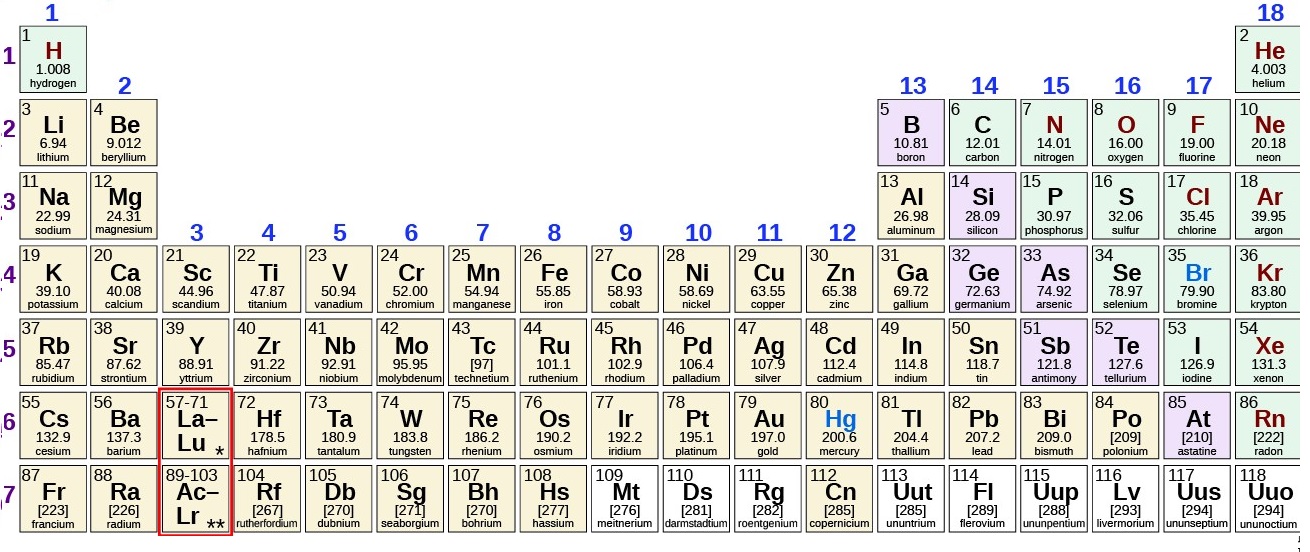
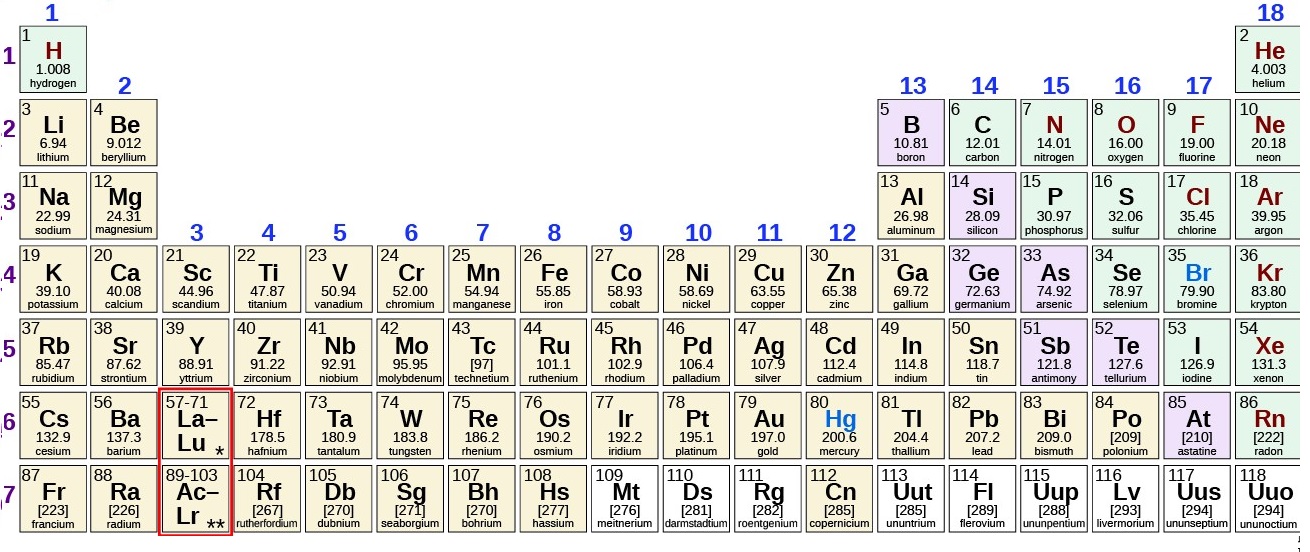
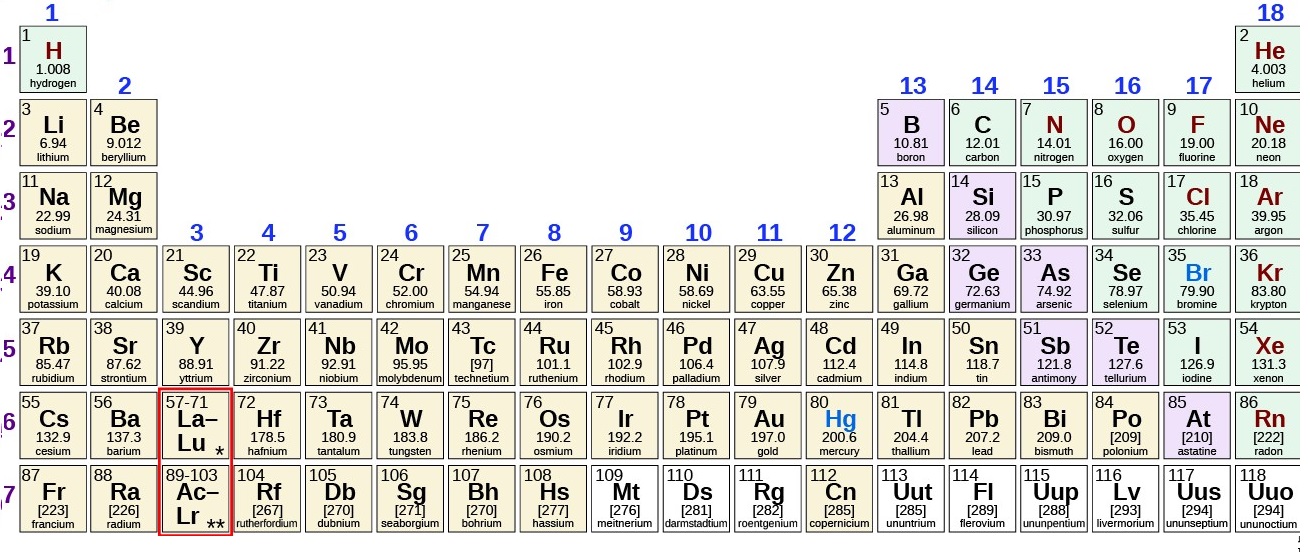
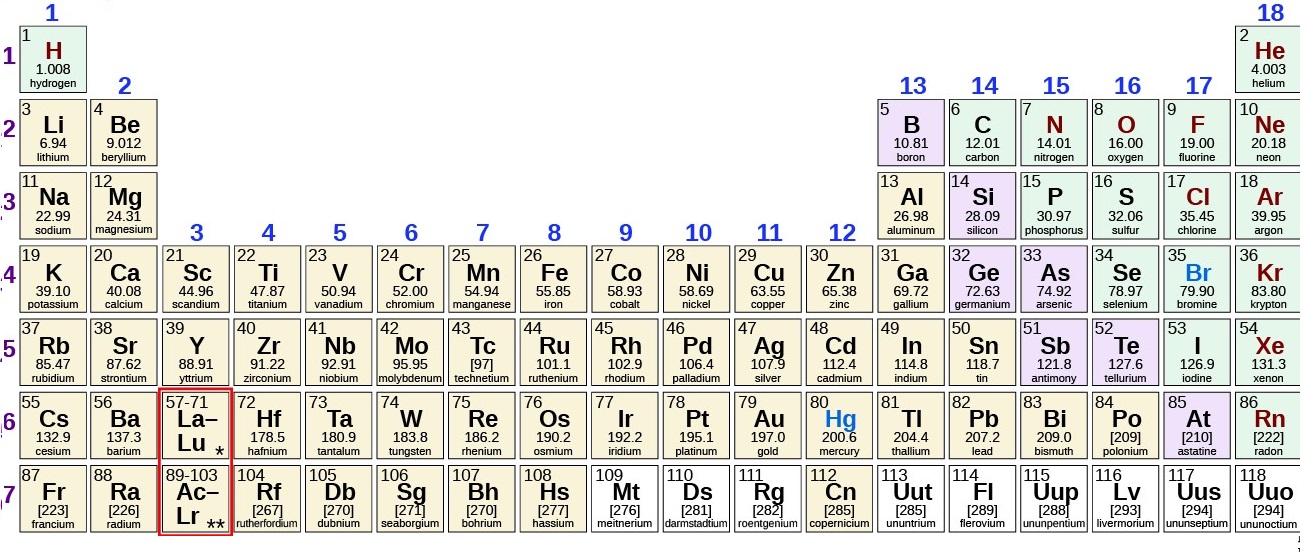
  • Periodic Table (provided on each question).
Question 1
1.
The following reaction was performed:

LiOH + KCl → LiCl + KOH
  • 20.0 g of LiOH was reacted with an excess of KCl to produce 6.0 g LiCl.
Step 1 - Balance the equation (if you need "1" of anything, place an _ in the blank - "shift" + "hyphen").

_______ LiOH + _______ KCl → _______ LiCl + _______ KOH

Step 2 - Calculate the theoretical yield of LiCl.
  • Theoretical yield _______ g
Step 3 - Calculate the percent yield if 6.0 g of LiCl was actually produced.
  • Percent yield _______ %

Question 2
2.
Question 3
3.
The following reaction was performed:

NaCl + CaO → CaCl2 + Na2O
  • 20.0 g of CaO is reacted with excess NaCl.
Step 1 - Balance the equation (if you need "1" of anything, place an _ in the blank - "shift" + "hyphen").

_______ NaCl + _______ CaO → _______ CaCl2 + _______ Na2O

Step 2 - Calculate the theoretical yield of Na2O.
  • Theoretical yield _______ g
Step 3 - Calculate the percent yield if 4.5 g Na2O was produced.
  • Percent yield _______%

Question 4
4.
Question 5
5.
The following reaction was performed:

C3H8 + O2 → CO2 + H2O
  • 5.0 g C3H8 is reacted with excess O2
Step 1 - Balance the equation (if you need "1" of anything, place an _ in the blank - "shift" + "hyphen").

_______ C3H8 + _______ O2 → _______ CO2 + _______ H2O

Step 2 - Calculate the theoretical yield of H2O.
  • Theoretical yield _______ g
Step 3 - Calculate the percent yield if 7.9 g of H2O was actually produced.
  • Percent yield _______ %

The following reaction was performed:

Sn3(PO4)4 + Na2CO3 → Sn(CO3)2 + Na3PO4
  • 36 grams Sn3(PO4)4 is reacted with an excess of Na2CO3
Step 1 - Balance the equation (if you need "1" of anything, place an _ in the blank - "shift" + "hyphen").

_______ Sn3(PO4)4 + _______ Na2CO3 → _______ Sn(CO3)2 + _______ Na3PO4

Step 2 - Calculate the theoretical yield of Sn(CO3)2
  • Theoretical Yield of Sn(CO3)2 _______ g
Step 3 - Percent yield, if 29.8 g Sn(CO3)2 are actually produced.
  • Percent yield _______ %

The following reaction was performed:

H2 + N2 → NH3
  • 5.0 grams N2 and 5.0 grams H2 were reacted to form 3.25 g of ammonia.
Step 1 - Balance the equation (if you need "1" of an anything, place an _ in the blank - "shift" + "hyphen").

_______ H2 + _______ N2 → _______ NH3

Step 2 - Determine the mass of the product produced by each reactant.
  • For H2 _______ g
  • For N2 _______ g
Step 3 - Compare the amounts calculated in step 2 to identify the limiting reagent.
  • Limiting Reagent _______
Step 4 - The lowest quantity calculated in step 2 will be the theoretical yield.
  • Theoretical Yield _______ g
Step 5 - Calculate the percent yield if the actual product produced was measured to be 3.25g.
  • Percent yield _______%