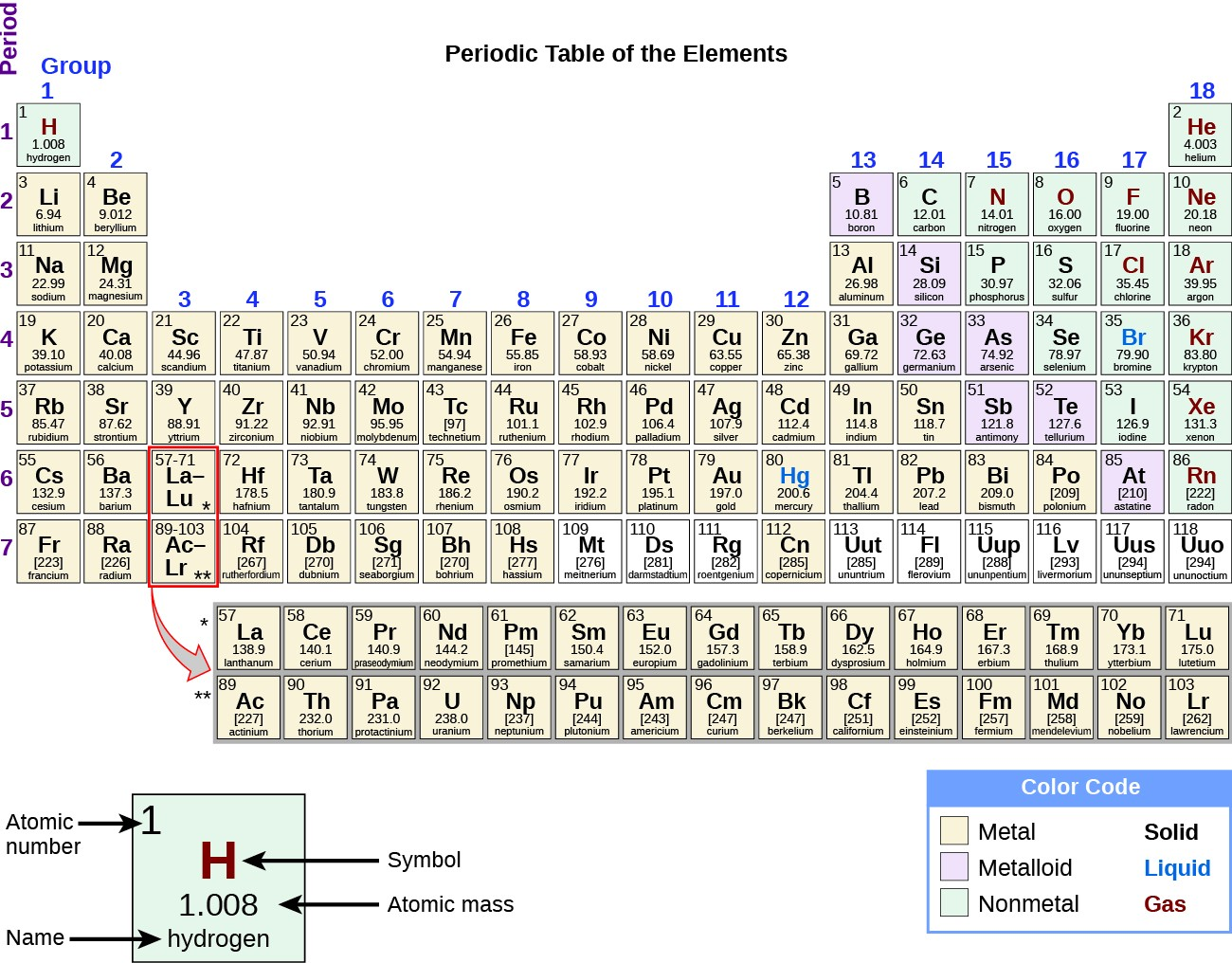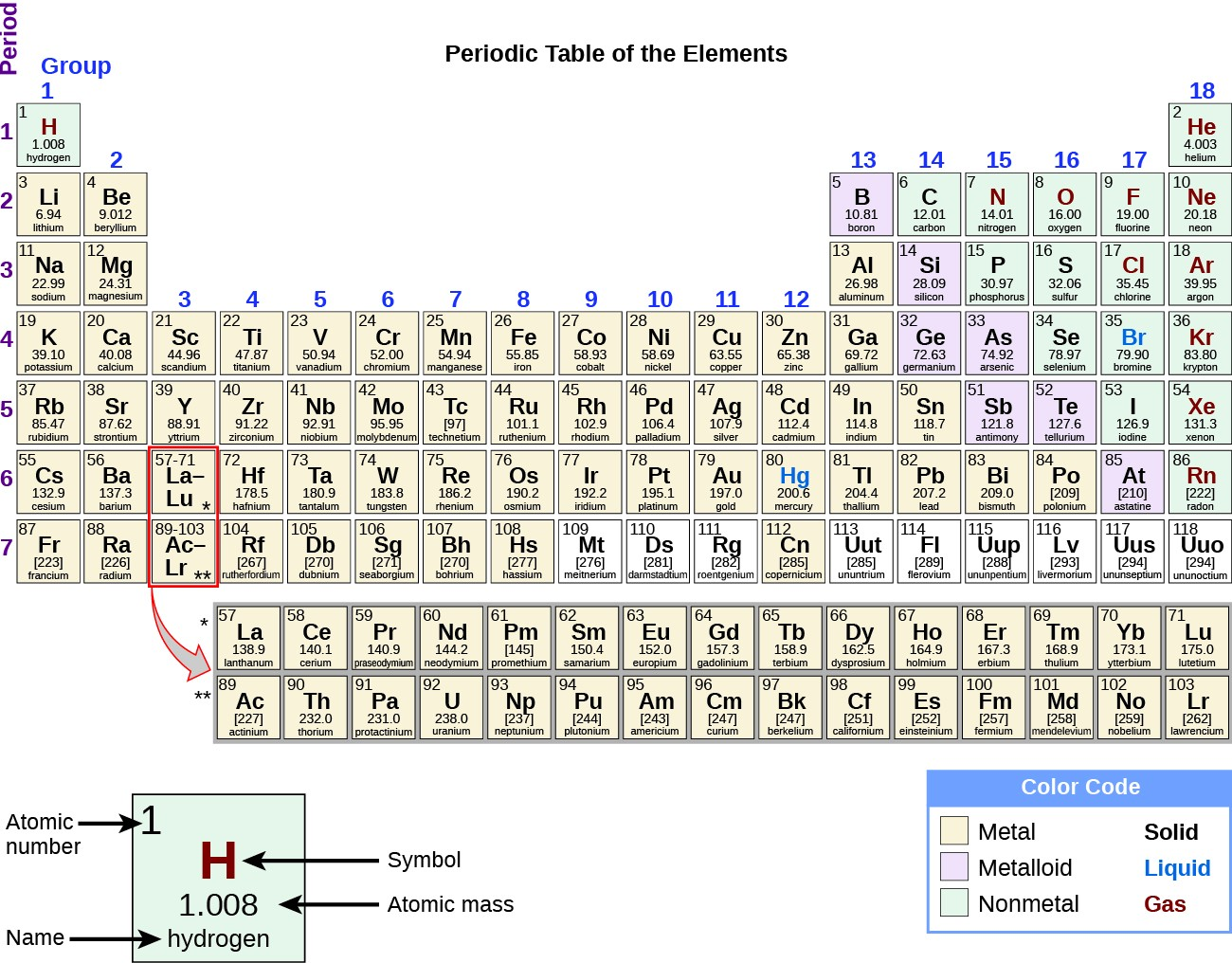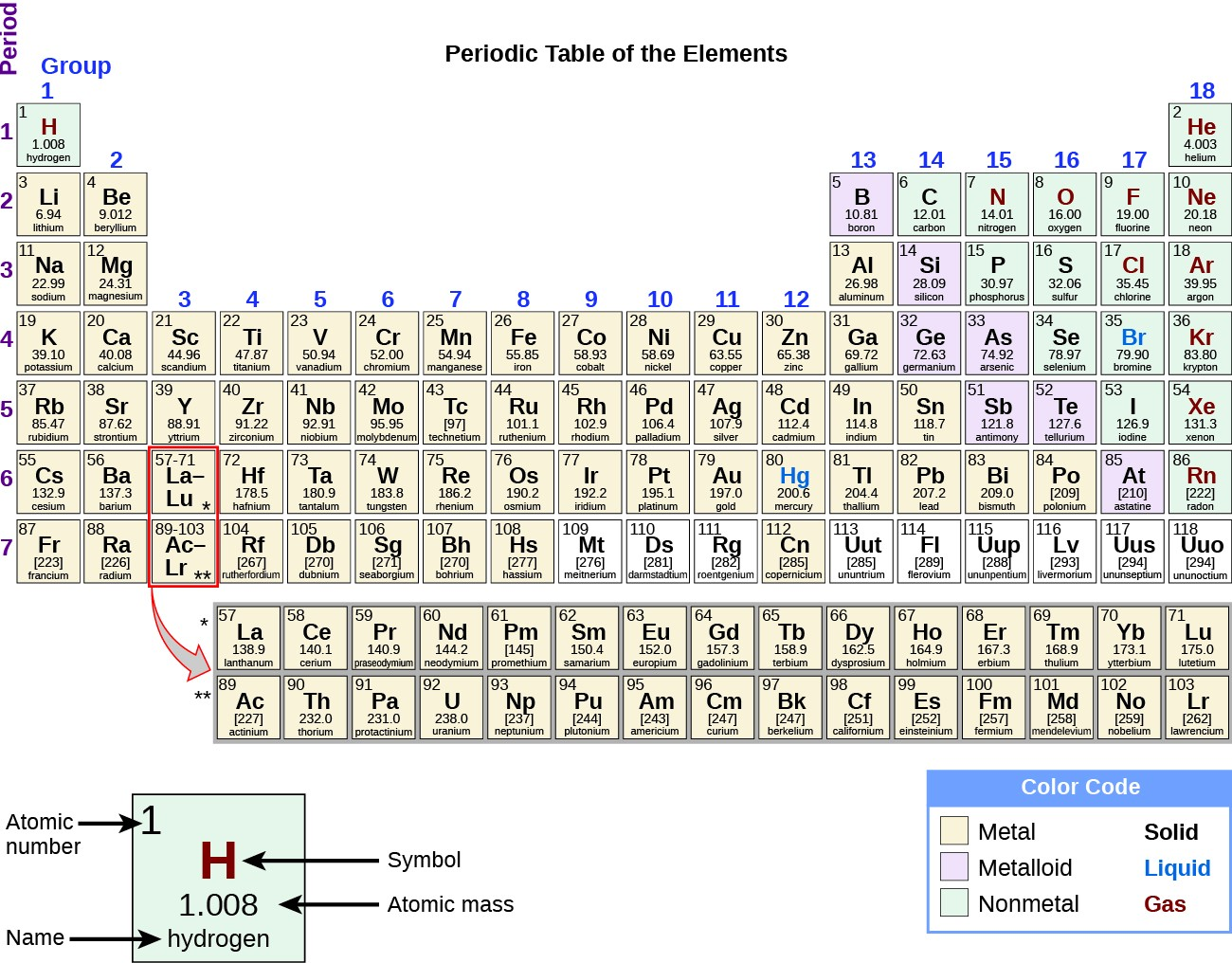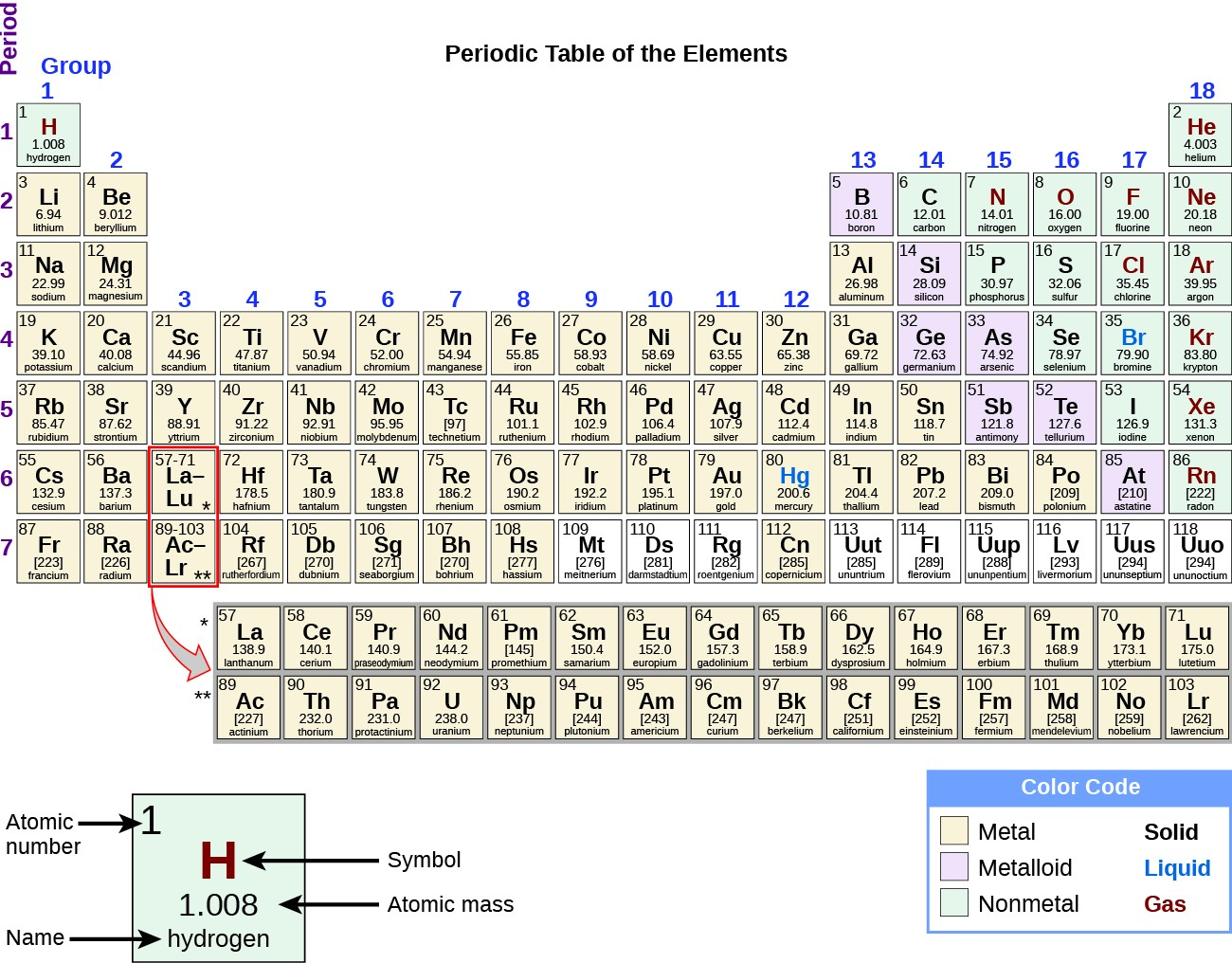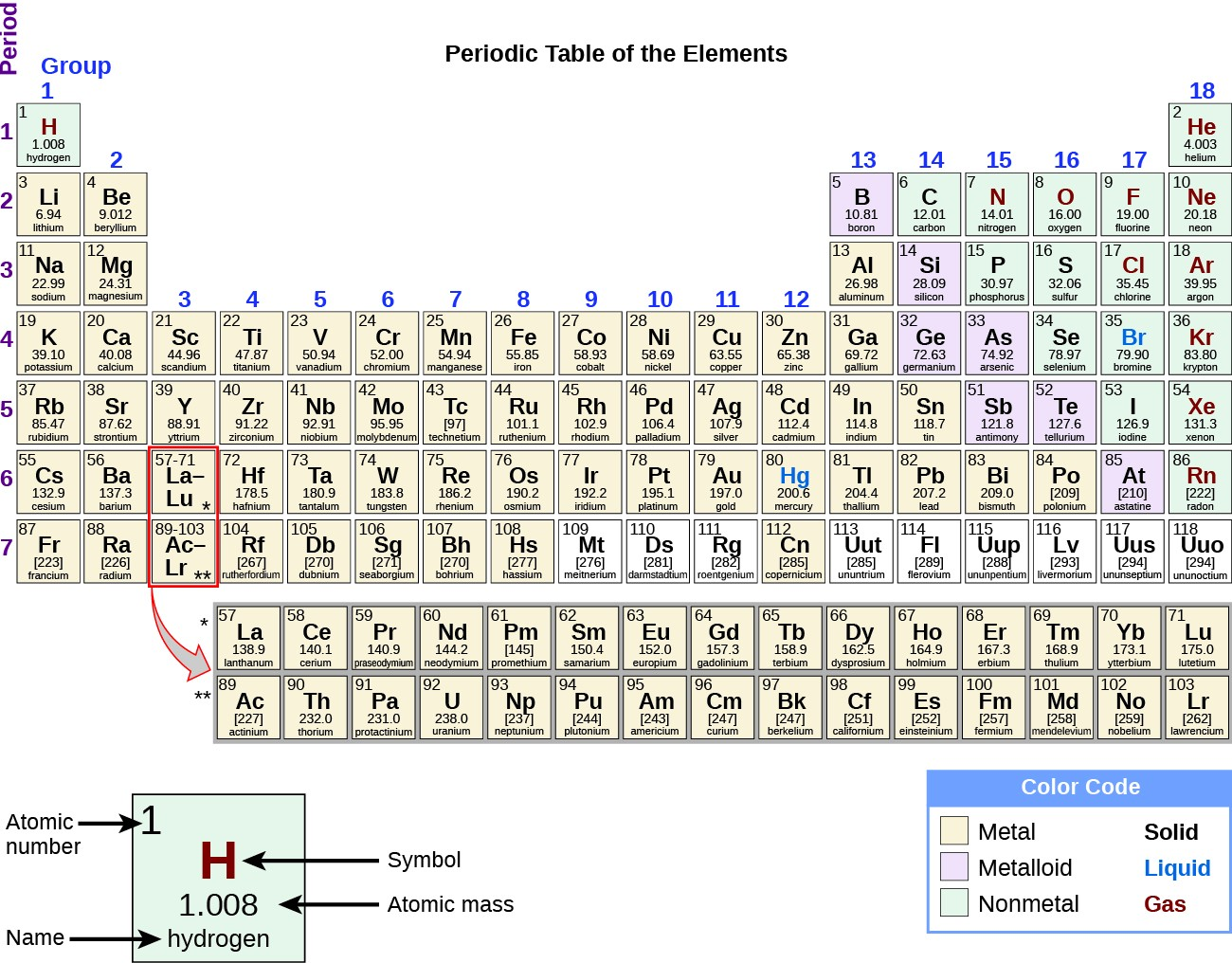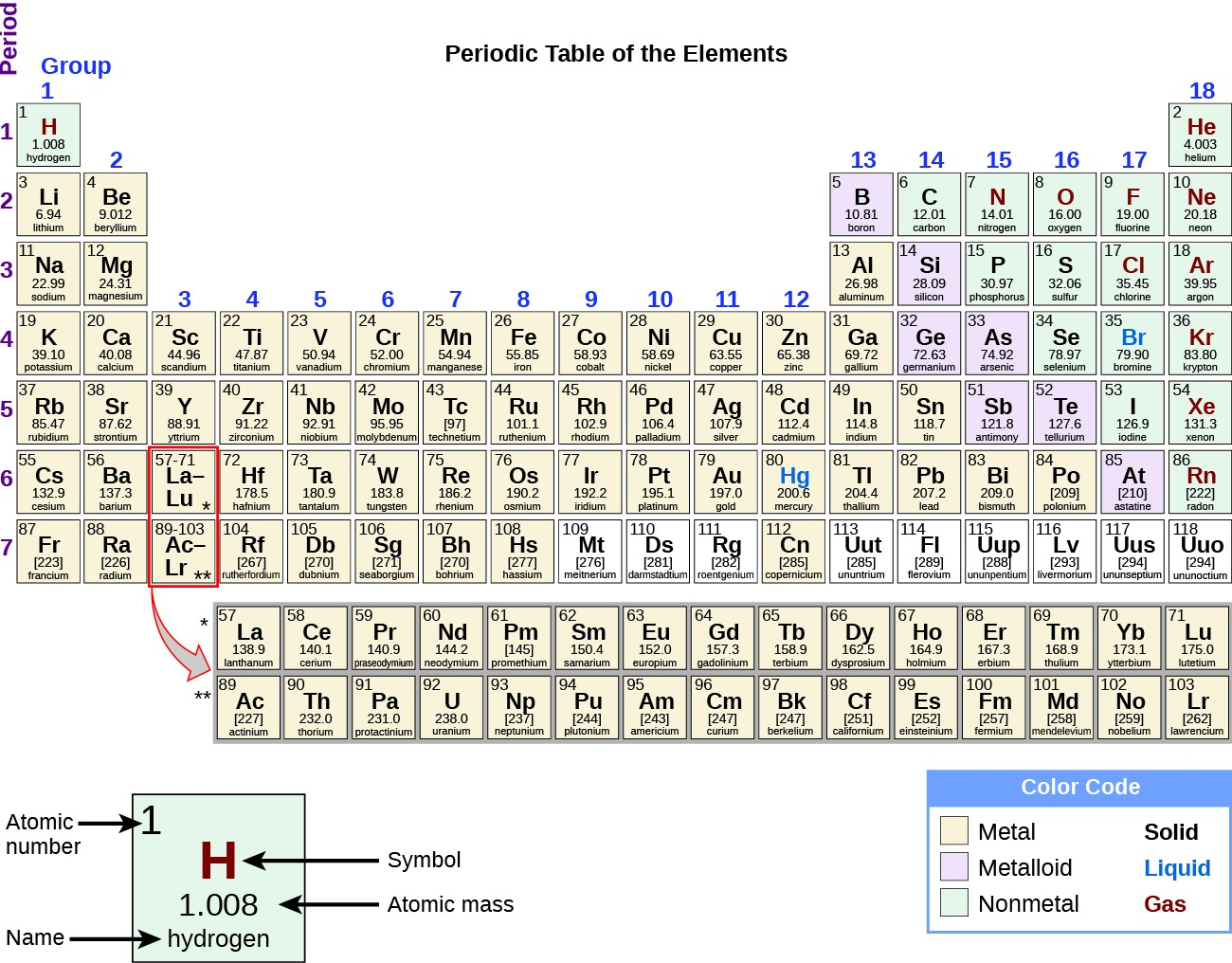
Look at a periodic table. What is the average mass (in amu) of one carbon atom?
Look at a periodic table. What is the average mass (in amu) of one carbon atom?
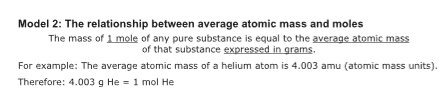
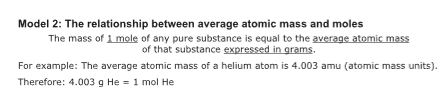
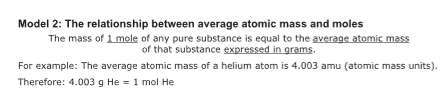
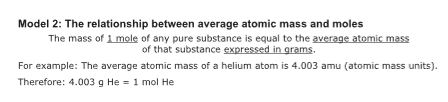
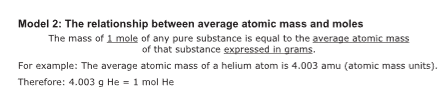
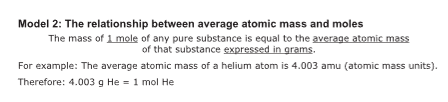
What is the mass (in grams) of one mole of carbon atoms?
What is the average mass (in amu) of one methane (CH4) molecule?
What is the mass of (in grams) of one mole of methane (CH4) molecules?
We are now going to introduce dimensional analysis, which we will use to do many of the molar conversions in much of the work from this point forward.
Consider the first question from yesterday's work:
How many trunks are found in one dozen elephants?
This conversion would be set-up in the following manner using dimensional analysis:
To set this up, you need to think about the necessary steps:
We are beginning with 1 dozen elephants.
We need to convert dozen elephants into how many elephants there are in one dozen (12 elephants/1 dozen elephants)
We need to convert from elephants to how many total trunks there are (1 trunk/1 elephant).
Mathematically, the process plays out like this:
Multiply 1 x 12 elephants per 1 dozen elephants; the "dozen elephants" will divide out with the "dozen elephants" in the denominator of the first fraction. This changes the units from "dozen elephants" to "elephants".
At this point, we should have 12 elephants. Multiply 12 elephants x 1 trunk per 1 elephant. The "elephants" unit will divide out into the "elephants" unit in the denominator of the second fraction. This will change the units from "elephants" to "trunk".
This would result in a solution of 1 dozen elephants = 12 trunks.
If you weigh out 69.236 g of lead (Pb), how many atoms of lead do you have?
Consider 1.00 mole of dihydrogen gas, H2. How many dihydrogen molecules are present?
How many hydrogen atoms are present?
What is the mass of this sample?
Ethanol has a molecular formula of CH3CH2OH.
a. What is the average mass (grams or amu) of one molecule of ethanol?
b. What is the average mass of 1.00 moles of ethanol?
c. What is the average mass of 0.5623 moles of ethanol?
d. How many moles of ethanol are present in a 100.0 g sample of ethanol?
e. How many moles of each element in ethanol (C, H, O) are present in a 100.0 g sample of ethanol? carbon:
f. How many grams of each element (C, H, O) are present in a 100.0 g sample of ethanol? carbon:
a. How many moles of carbon dioxide, CO2, are present in a sample of carbon dioxide with a mass of 254 grams?
b. How many moles of O atoms are present?