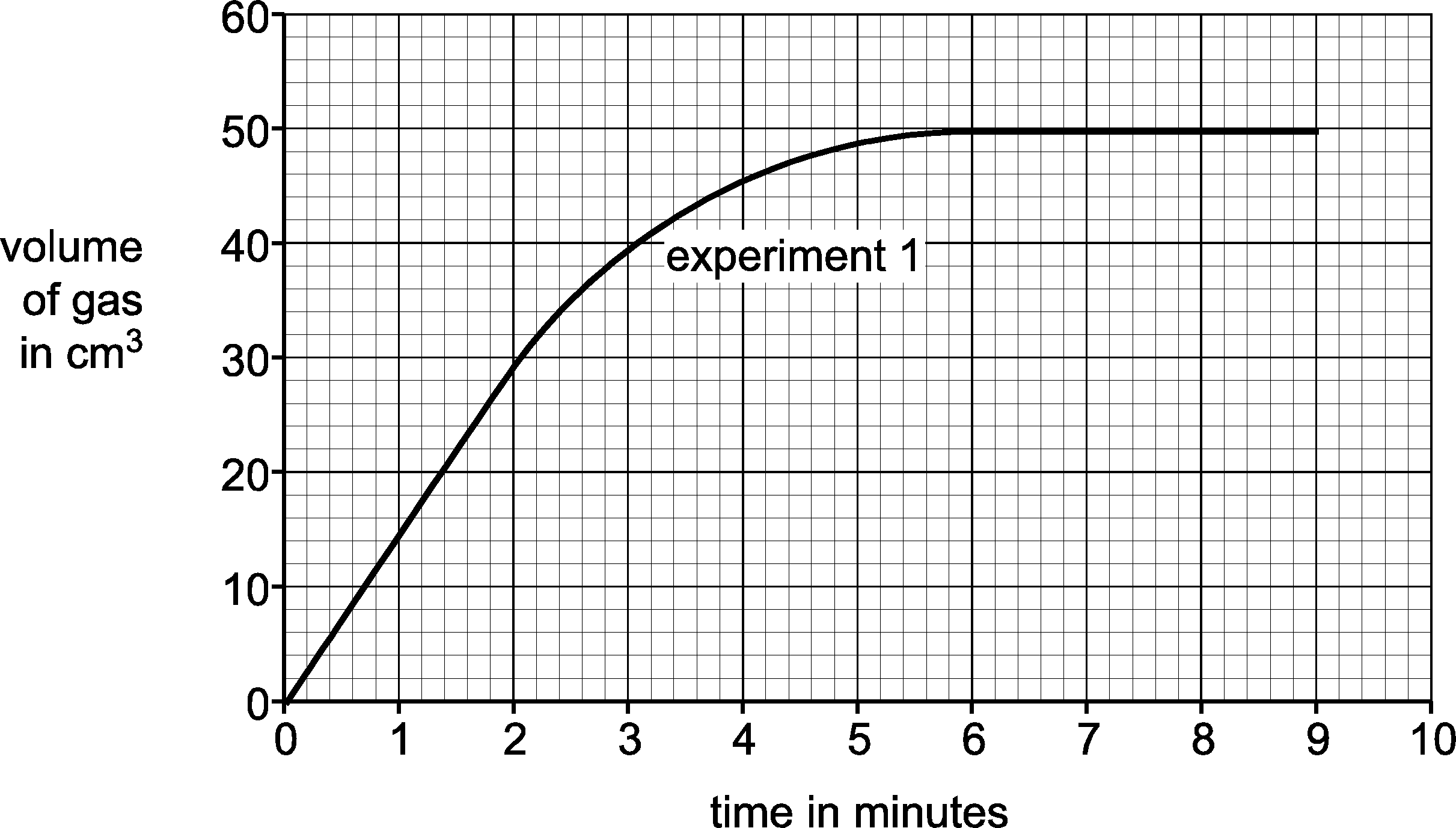
What is the rate of reaction between 0 and 2 minutes, in
A student investigates the reaction between
Which is the best explanation for this result?
What is the correct order that these events happened?
A student bubbles ethene gas into bromine water.
Which displayed formula shows the product of this reaction?
Which procedure is the most suitable for preparing a 0.10 mol/dm3 solution of sodium carbonate?
The relative formula mass,
Magnesium chloride | Silver nitrate | Copper(II) sulfate | Iron(II) sulfate | |
|---|---|---|---|---|
Magnesium | ✓ | ✓ | ✓ | |
Silver | ✗ | ✗ | ✗ | |
Copper | ✗ | ✓ | ✗ | |
Iron | ✗ | ✓ | ✓ |
Which metal has the least tendency to form a positive ion?
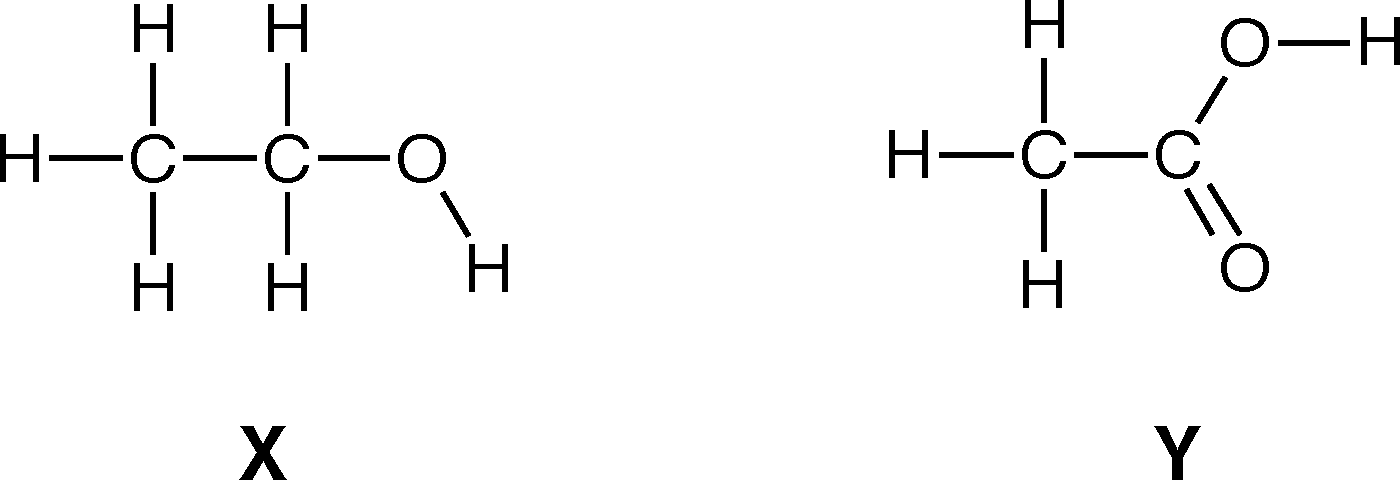
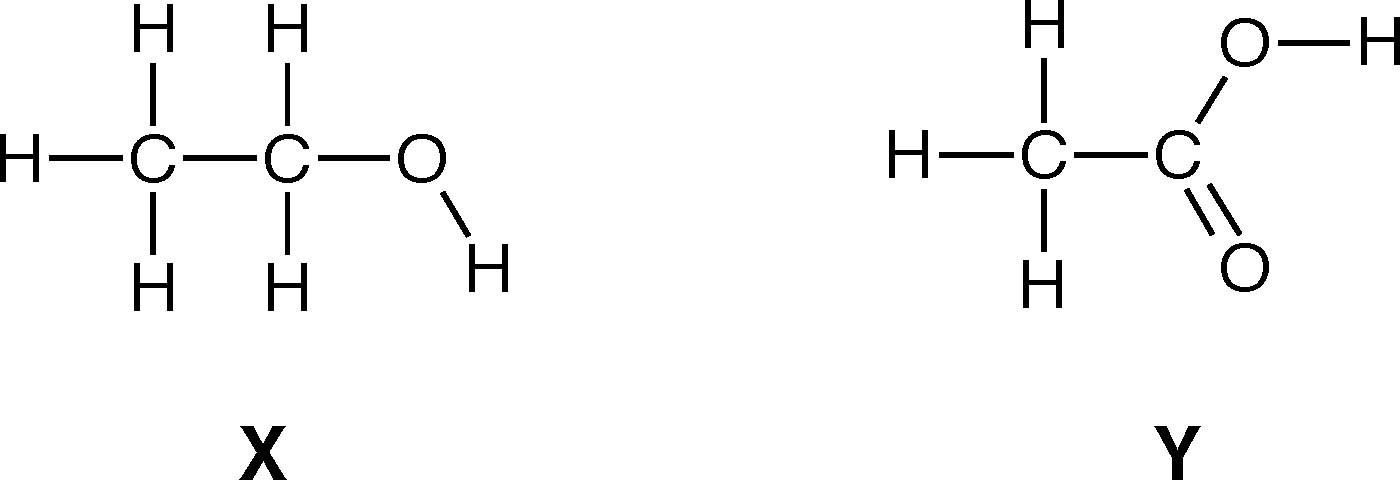
A student heats compound X with acidified potassium manganate(VII) solution. The product of the reaction is compound Y. 
What is the colour change seen during this reaction?
Which term describes the polymer?
Which statement is correct for a Group 1 element?
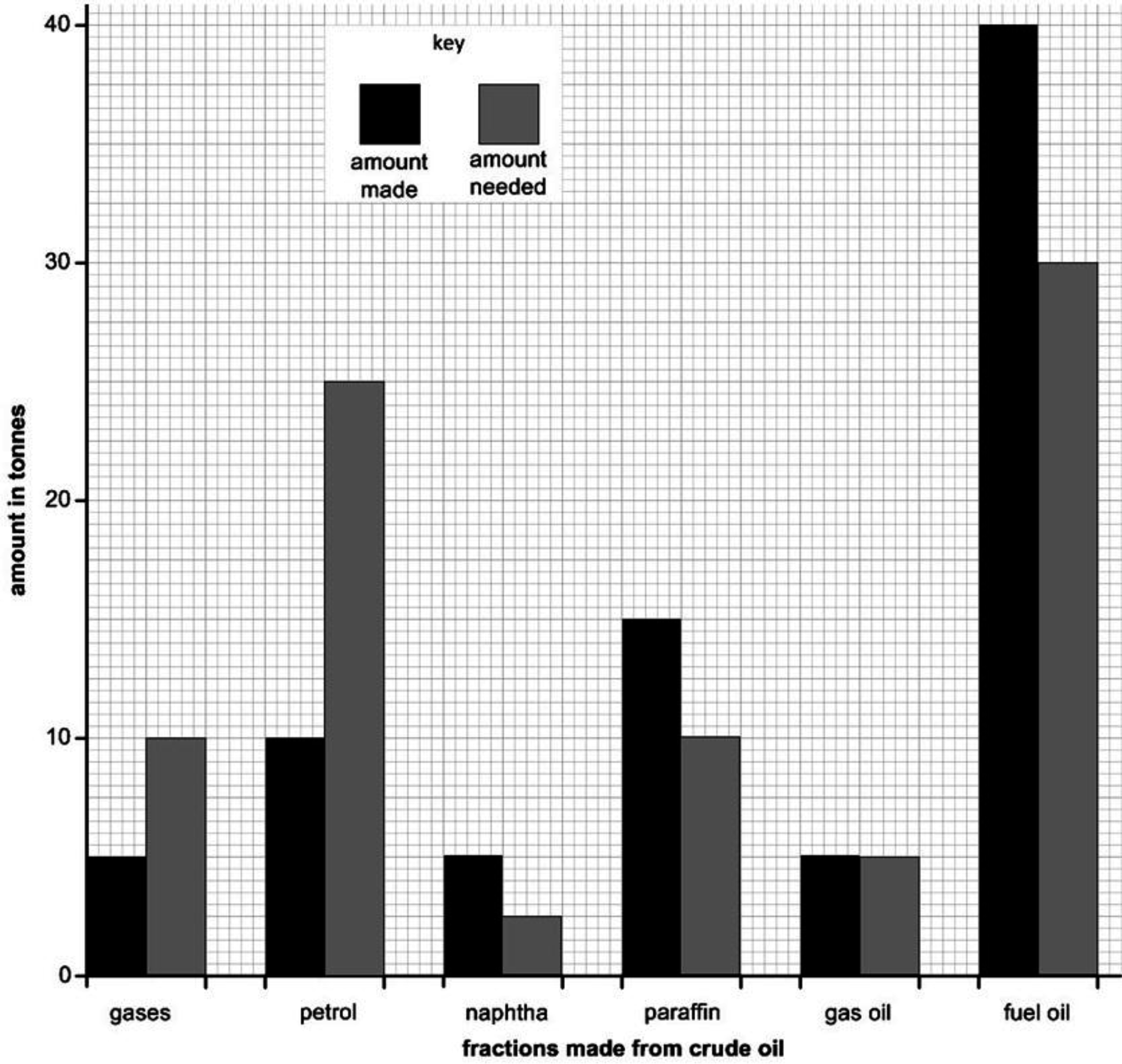
Cracking converts large molecules into smaller more useful molecules to make the supply match the demand. Which fractions are most likely to be cracked to make the supply match the demand?
Urea,
A student makes 1 mole of urea from 2 moles of ammonia.
What is the mass of urea that the student makes?
A student is testing sodium carbonate solution.
She adds barium chloride solution followed by excess dilute hydrochloric acid.
Which of these observations would not be seen?
A student is making a fertiliser called potassium nitrate,
Compound | Formula | Relative formula mass |
|---|---|---|
potassium hydroxide | 56.1 | |
nitric acid | 63.0 | |
potassium nitrate | 101.1 | |
water | 18.0 |
What is the atom economy for the reaction to make potassium nitrate? Assume that water is a waste product.
Which displayed formula includes the functional group of an alcohol?
Zinc nitrate thermally decomposes to give two gases.
A student heats 1.89 g of zinc nitrate until there is no further reaction.
What is the total volume of gas measured at room temperature and pressure, made in this reaction?
Assume that one mole of gas occupies a volume of 24
The molar mass of zinc nitrate is 189 g/mol.
What is the rate of reaction between 0 and 2 minutes, in
A student investigates the reaction between 1.0 g of calcium carbonate and 20 cm3 of 1.0 mol/dm3 hydrochloric acid at 25 °C. The student does two experiments.
He uses different sized pieces of calcium carbonate for each experiment.
The rate of reaction is greater in the first experiment.
Which is the best explanation for this result?
These statements explain how scientists think our modern-day atmosphere was formed.
Plants evolved and used carbon dioxide during photosynthesis to make oxygen.
As the Earth cooled down, water fell as rain resulting in the formation of the oceans.
The atmosphere today consists of nitrogen, oxygen and a small amount of carbon dioxide.
Volcanoes gave out ammonia and carbon dioxide as well as methane and water vapour.
Ammonia was changed by bacteria in the soil into nitrogen gas.
What is the correct order that these events happened?
A student bubbles ethene gas into bromine water. Which displayed formula shows the product of this reaction?
Which procedure is the most suitable for preparing a
The relative formula mass,
The results table is as follows:
Magnesium chloride | Silver nitrate | Copper(II) sulfate | Iron(II) sulfate | |
|---|---|---|---|---|
Magnesium | ✓ | ✓ | ✓ | |
Silver | ✗ | ✗ | ✗ | |
Copper | ✗ | ✓ | ✗ | |
Iron | ✗ | ✓ | ✓ |
Which metal has the least tendency to form a positive ion?
Your answer:
A student heats compound X with acidified potassium manganate(
A condensation polymer is made from two monomers. One monomer has two
Percentage yield calculation
Percentage yield =