Choose the answer that best completes the sentence.
The Mohican people were forced to move many times, settling in Wisconsin alongside a group of Munsee people.
This is a story from the Ojibway people, a Native American tribe from the Great Lakes. This story is based on a book written by George Copway, Chief of the Ojibway Nation. The Ojibway told stories like this to teach lessons and explain the world around them.
One night, a young boy was sleeping under the stars. In a deep sleep, the boy dreamed about the silver stars in the night sky. There was one star in his dream that was brighter than all the others. Suddenly, this star began to move across the sky, floating closer and closer to Earth. It landed on a tree just above the boy’s head.
In his dream, the star was transformed into a beautiful young woman with long hair and glowing eyes. She was still shining like a star. The star maiden reached out to the boy and said, “I have seen your world. It has called out to me. Everything is so beautiful: the clear blue water, the pretty flowers and your people. I want to live in this world. If you speak to your wisest chiefs, perhaps I can change my form and live among your people. Ask them what form I should take.”
When the boy woke up, he ran to his village and found his chief. A meeting was called and all the wisest chiefs listened carefully to the boy’s story. One chief stood up and said, “Of course we will welcome this beautiful star into our village. Tell her that she may take on any form she wants. She can be anything that makes her happy. Go now and tell her this.”
That very night, the boy went back to the tree where he slept the night before, and waited. As he looked up, the bright star descended from the heavens. The star maiden appeared. Startled and excited, the boy told the woman what the chiefs had said. He led the star maiden back to the village.
The next day, the star maiden turned herself into a gorgeous wild flower. This didn’t make her happy though. Animals came close to crushing her in their path. The ground shook all around her and she was sad.
The next day, the star maiden turned into a lovely red rose. But the garden she lived in was far away from the village. She missed the people who she wanted to be around the most.
That night it seemed she gave up. She rose back up into the sky and the people in the village were afraid she was leaving for good because she couldn’t be happy among them.
They watched as the star maiden floated over their lake. She looked down into the water and saw her reflection and the reflection of her sister stars. “Come my sisters!” the star maiden called out. “Come with me and make these beautiful waters our home.”
The people smiled, and satisfied, they went to sleep. The next morning they went back to the lake and saw something magical. The lake was covered with hundreds of floating flower stars like the villagers had never seen. The star maiden and her sisters became water lilies.
So, every time you see a water lily, remember the star maiden and how she came down from heaven to live among us.
The question below is an incomplete sentence. Choose the word that best completes the sentence.
The star maiden wanted to live on earth could not decide what form she should take.
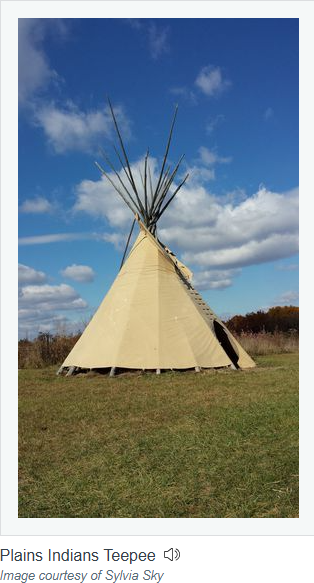
Many different Native peoples have lived in what is now the United States for a very long time. A lot of people all around the world have heard of cone-shaped tepees. Tepees are probably one of the most well-recognized traditional Native homes. Many Plains peoples have built tepees. One of these peoples is the Comanche people. However, tepees aren’t the only kind of traditional Native house. Traditional Native homes come in different shapes and sizes.
Some Native peoples lived in plankhouses. These were built out of cedar planks. The houses were huge – around 40 feet wide and 10 feet high. On the Northwest coast, the Chinook people are one of the Native peoples who have built plankhouses.
Longhouses are another kind of large traditional Native home. The longhouse was especially important for the Haudenosaunee. The Haudenosaunee are a group of six Native peoples, including the Mohawk, Seneca, and Oneida peoples. The Haudenosaunee have been living in what is now upper New York and Canada for hundreds of years. Haudenosaunee longhouses were about 100 feet long. There was enough room in them for a large extended family. Parents, children, grandparents, uncles, aunts, and cousins all lived together. Longhouses are still an important symbol of Haudenosaunee culture today.
Some Native peoples built houses that were below ground level. One of these peoples is known as the Chilula people. They used planks of wood from fallen trees to build their houses. They lived in a part of what is now the state of California.
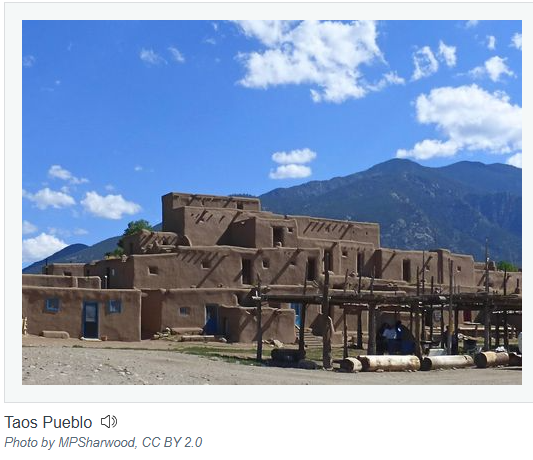
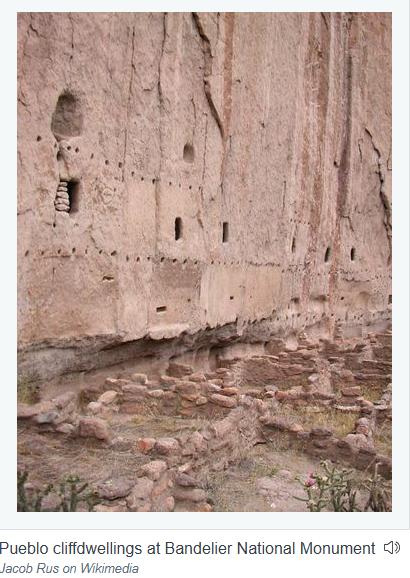
Some Native peoples have been living in pueblos for hundreds of years. Pueblos are flat-roofed buildings made out of stone or adobe. Adobe is a clay mixture. It is usually made into bricks and dried in the sun. These Native peoples are also known as Pueblo people. Many Pueblo people are in the Southwest.
One more traditional Native home is the wigwam. Some Native peoples call it the wetu. Wigwams were often round-shaped with frames made of wooden poles. In some Native peoples of the Midwest, around the Great Lakes, women were in charge of building wigwams. A lot of these Native peoples, like the Ojibwe people, moved from place to place. When they moved, all they left behind were the frames of their wigwams. Today, wigwams are no longer used as homes, but some Native peoples still use wigwams for ceremonies.
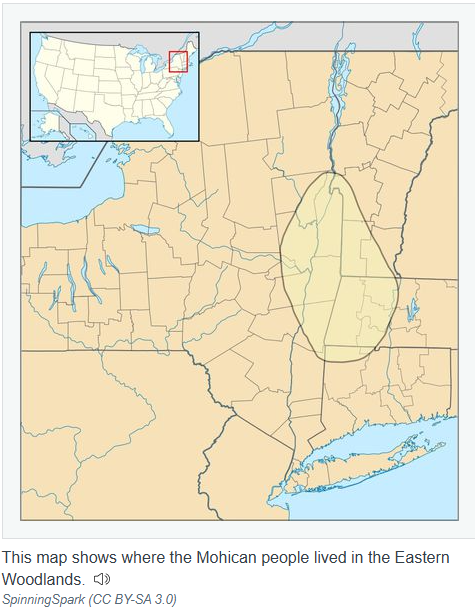
The Eastern Woodlands is an area of land that stretches from Lake Superior to the Atlantic Coast in what is now the United States and Canada.
The landscape of the Eastern Woodlands used to be mostly forest. Most people lived in clearings near creeks, rivers, lakes, or ponds between forested areas. There was plenty of wood for building and for fuel. There were many big and small animals and birds to hunt. There was almost a year-round supply of fish. There were a lot of roots, berries, and nuts to collect.
Many Native American tribes lived in the Eastern Woodlands area for thousands and thousands of years. One tribe of Eastern Woodlands Native Americans is the Mohicans, also known as the Mahicans. Their name comes from Muh-he-con-ne-ok, a word in their language that means great water that is always moving, either flowing or ebbing. The Mohicans are related to the Lenni Lenape people. Stories passed down for many years tell about the Mohican tribe crossing over the water that gave them their name. This water, said the legend, was far in the north. There, two lands were nearly connected. Then the Mohican people traveled east. They crossed many rivers. Through their travels, they came together and mixed with other tribes. Finally, they found a place that seemed like home. It was the valley of what is known today as the Hudson River.
In the past, Mohican life was centered around the rich lands of the Eastern Woodlands. They used the trees around them for building. They farmed corn, beans and squash. They fished and hunted animals like black bears and wild turkeys. They gathered berries and nuts in the forests around them. They made maple syrup. The Mohican people also made many things from the land around them. They carved tools and containers from wood. They made weapons, baskets, pottery, clothing, and much more. As their territory grew, they also built a relationship with the Munsee, a tribe related to Lenni Lenape people. Their languages and lifestyles were similar.
In the 1600s, European explorers arrived in the Eastern Woodlands. They introduced new germs and diseases to the area, which the Mohican people were not used to. Their bodies had a hard time fighting the diseases and many died. Europeans also changed the way the tribe used the land. The Mohican people stopped making many traditional items, like tools and weapons, because they could just buy them from Europeans. The Europeans also claimed areas of land and put up fences. This was something that the Mohican people were not used to, and their farming, hunting, and gathering suffered.
In the years that followed, settlers from different places and, eventually, the U.S. government forced the Mohican people to move from place to place. Multiple times, the Mohican people would attempt to rebuild in a new area, then be forced to move yet again. Their lands, culture, and people suffered each time they moved. Eventually, they moved into the area now known as Wisconsin. Once the Mohican people settled in Wisconsin, a group of Munsee people also moved to the area and joined their community.
The Mohican people are known today as the Stockbridge-Munsee Band of Mohican Indians. They are a sovereign nation with a reservation in Wisconsin. Many tribe members live on or near the reservation, as well as other parts of the U.S. and the world. The reservation continues to grow, with rich forests, government buildings, businesses, and much more.
Where did the Mohican people live for thousands and thousands of years?
How does the text describe the landscape of the Eastern Woodlands?
Read these statements from the text.
“In the past, Mohican life was centered around the rich lands of the Eastern Woodlands. They used the trees around them for building. They farmed corn, beans and squash. They fished and hunted animals like black bears and wild turkeys. They gathered berries and nuts in the forests around them. They made maple syrup. The Mohican people also made many things from the land around them.”
What conclusion can you draw from this evidence?
What is one way that the arrival of European settlers affected Mohican people's traditions?
What is the main idea of this passage?
Read the following sentences.
“In the 1600s, European explorers arrived in the Eastern Woodlands. They introduced new germs and diseases to the area, which the Mohican people were not used to.”
As used in this sentence, what does the word "introduced" most nearly mean?
What did the Mohicans primarily farm?
For tens of thousands of years, some Indigenous peoples in North America have migrated. Some moved to follow game. Some moved because the climate changed. Some moved to find more or better land. Others were driven away by enemies. Whenever people move, they bring some things with them. They leave other things behind.
Scientists say that the Navajo (/nah*vah*hoe/) migrated from what is now northern Canada to what is now the southwestern United States. They think this move happened by the end of the 1500s.
In the Navajo language, they call themselves Diné (/dih*nah/), meaning the people. Scientists studied the Navajo language and the languages of other Indigenous peoples. They believe the Navajo language is linked to the language of the Athabaskans. The Athabaskans are an Indigenous people that live in Alaska and Canada. The scientists believe the Navajo and Athabaskans share the same ancestors, but the Navajo don't believe this. The Navajo believe the American Southwest is the home of their ancestors. They have been telling stories about their ancestors in the Southwest for generations.
In the Southwest, the Navajo fought with the Pueblo, an Indigenous people who had lived in the Southwest for thousands of years. But the Navajo also learned from the Pueblo. They learned how to survive in the harsh climate of the high desert. For example, the Navajo often used adobe to build their homes. Adobe, a type of brick made from sun-dried clay, was used by the Pueblo to build their homes. Unlike the Pueblo, they built individual domed houses in small, scattered groups. The Pueblo built villages in several different styles, including houses in cliffs.
The Spanish first brought sheep to the Southwest in the 1600s. As a result, raising sheep became a big part of the Navajo way of life. The Navajo became more settled. They used fleece from their sheep to spin wool and weave blankets and rugs. Still known for their weaving skills today, the Navajo make up the largest Native American nation in the United States.
Like the Navajo, scientists also say the Apache (/uh*pach*ee/) migrated from northern Canada to the Southwest by the end of the 1500s. The scientists think the Apache traveled along the eastern side of the Rocky Mountains. Apache territory covered parts of present-day Texas, New Mexico, Arizona, and northern Mexico.
The Apache hunted and traded. Later, after the Spanish brought horses to America, the Apache learned how to ride the new animals. Horses made it easier for the Apache to hunt and to raid rival Navajo villages, as well as to attack Spanish forts.
Among the Indigenous peoples in the American Southwest, the Comanche (/kuh*man*chee/) were the only people more powerful than the Apache. In the 1600s and 1700s, the Comanche successfully gained Apache land and pushed the Apache farther west. Because of this, the Apache finally had to make peace with their enemies, the Spaniards. They needed Spanish protection from the Comanche. On a hot summer’s day in 1749, four Apache chiefs and their followers met with Spanish missionaries in San Antonio, Texas. There the Apache turned over their weapons. In a ceremony of peace, the Apache and the Europeans “buried the hatchet.” This meant that they agreed to stop fighting with each other. Some people use the expression “bury the hatchet” when they agree to stop arguing with someone.
Unfortunately, the fighting did not stop there. The Europeans and their descendants did not leave the Apache alone, and not all the Apache made peace. All through the 1800s, the Apache were at war with other Indigenous people and with various settlers. They fought against people from Spain, Mexico, and finally the United States. One of the most famous Apache leaders was Geronimo, who fought to save his people’s land.
Today, several Apache communities live in the southwestern United States. The Comanche mostly live in Oklahoma.
According to the text, which indigenous people was more powerful than the Apache?
The text describes the sequence of events that took place after the Comanche took over the Apache's land. What did the Apache do after the Comanche took over their land?
Read the following sentences from the text.
In the Southwest, the Navajo fought with the Pueblo, an indigenous people who had lived in the Southwest for thousands of years. But the Navajo also learned from the Pueblo. They learned how to survive in the harsh climate of the high desert. For example, the Navajo often used adobe to build their homes. Adobe, a type of brick made from sun-dried clay, was used by the Pueblo to build their homes.
What can be concluded about the relationship between the Navajo and the Pueblo?
Based on information in the text, how could the relationship between some indigenous peoples and Europeans in the American Southwest be described?
What is the main idea of this text?
Where do the Navajo believe their ancestors came from?
What became a big part of the Navajo lifestyle in the 1600s?
What did the Apache do to symbolize peace with the Spaniards?
What does the star do first in the boy’s dream?
Which of the following shows the sequence of events from the text in the correct order?
The star maiden wanted the people's permission to live among them. What evidence from the text supports this conclusion?
This story explains how the Earth came to have
What is the story mostly about?
Read these sentences from the text.
“In his dream, the star was transformed into a beautiful young woman with long hair and glowing eyes. She was still shining like a star. The star maiden reached out to the boy and said…”
What does the word “maiden” mean as used in the text?
According to the text, what come in different shapes and sizes?
What does the text describe?
Read these sentences from the text.
Some Native peoples built houses that were below ground level. One of these peoples is known as the Chilula people. They used planks of wood from fallen trees to build their houses. . . .
Some Native peoples have been living in pueblos for hundreds of years. Pueblos are flat-roofed buildings made out of stone or adobe. Adobe is a clay mixture. . . .
One more traditional Native home is the wigwam. Some Native peoples call it the wetu. Wigwams were often round-shaped with frames made of wooden poles.
What conclusion can you draw from this evidence?
Based on the text, what can you tell about different Native peoples by learning about some traditional Native homes?
What is the main idea of the text?
What kind of house is important to the Haudenosaunee?
What material is adobe made from?