Pollution Formative
star
star
star
star
star
Last updated 19 days ago
45 Nsɛmmisa
Pollution
Section 2
Section 02
Water & Land Pollution
Exploring the impacts of waste, erosion, and contaminants on our vital natural resources.
1
1
Section 02
Exploring the impacts of waste, erosion, and contaminants on our vital natural resources.
What does water pollution primarily affect?
What is a major cause of land pollution?
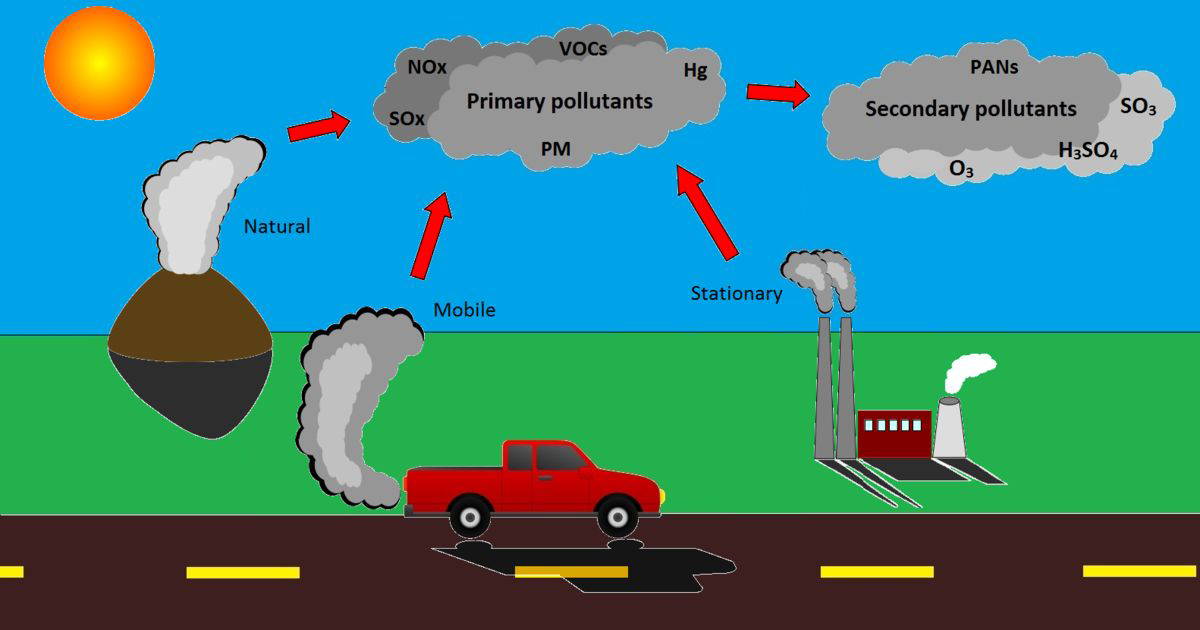
A. Pollutant: A substance that contaminates* the air, land, or water.
B. Air Pollutants: Include soot, smoke, ash, and gases such as carbon dioxide, carbon monoxide, nitrogen oxides, and sulfur oxides.
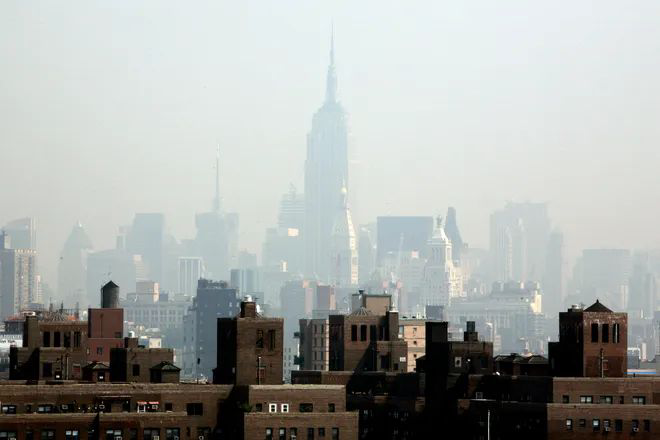
C. Smog: Created when sunlight reacts with existing pollutants in the atmosphere.
D. Acid Precipitation: Results from air pollutants reacting with water vapor in the atmosphere.
*having been made impure
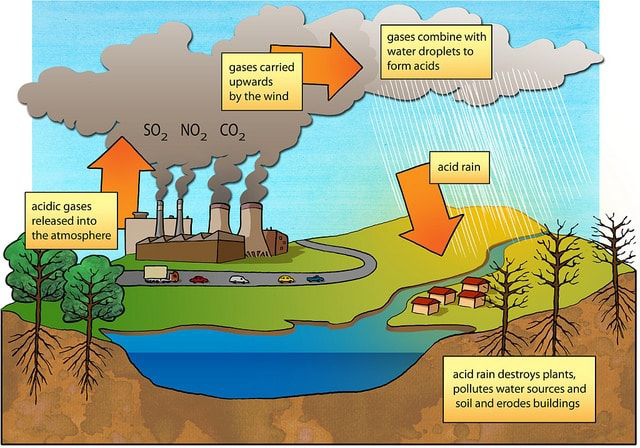
Acid rain can kill plants and animals. Reducing the use of high sulfur coal and lowering pollutants from vehicle exhaust can help prevent acid rain.
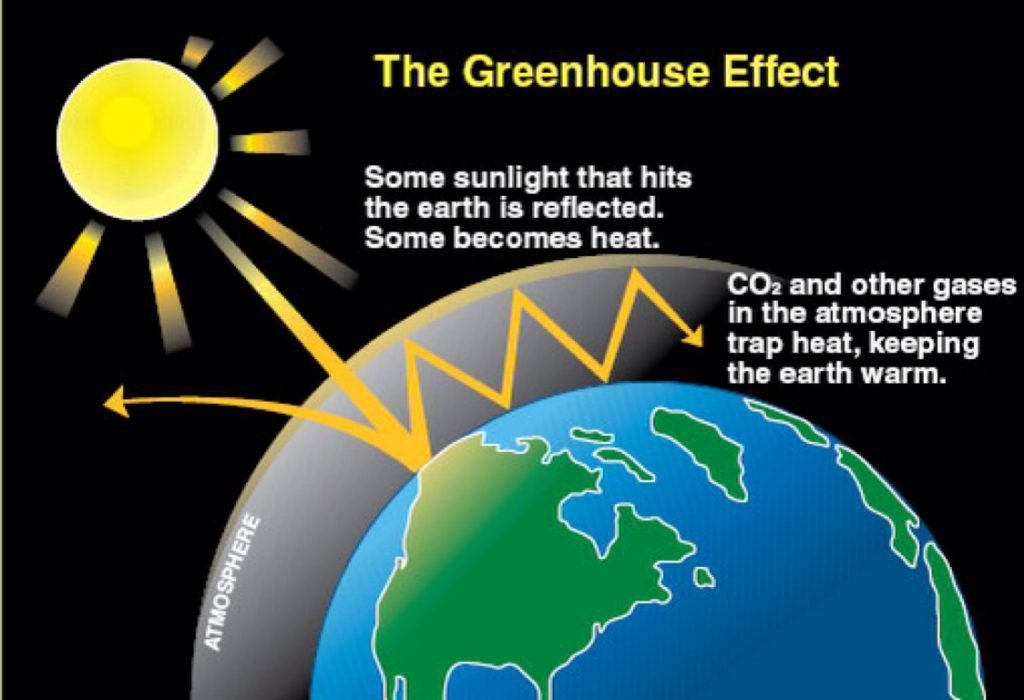
The atmosphere traps heat through the greenhouse effect; increased carbon dioxide in the atmosphere may cause global warming.
Ozone, Insulation & Water Quality
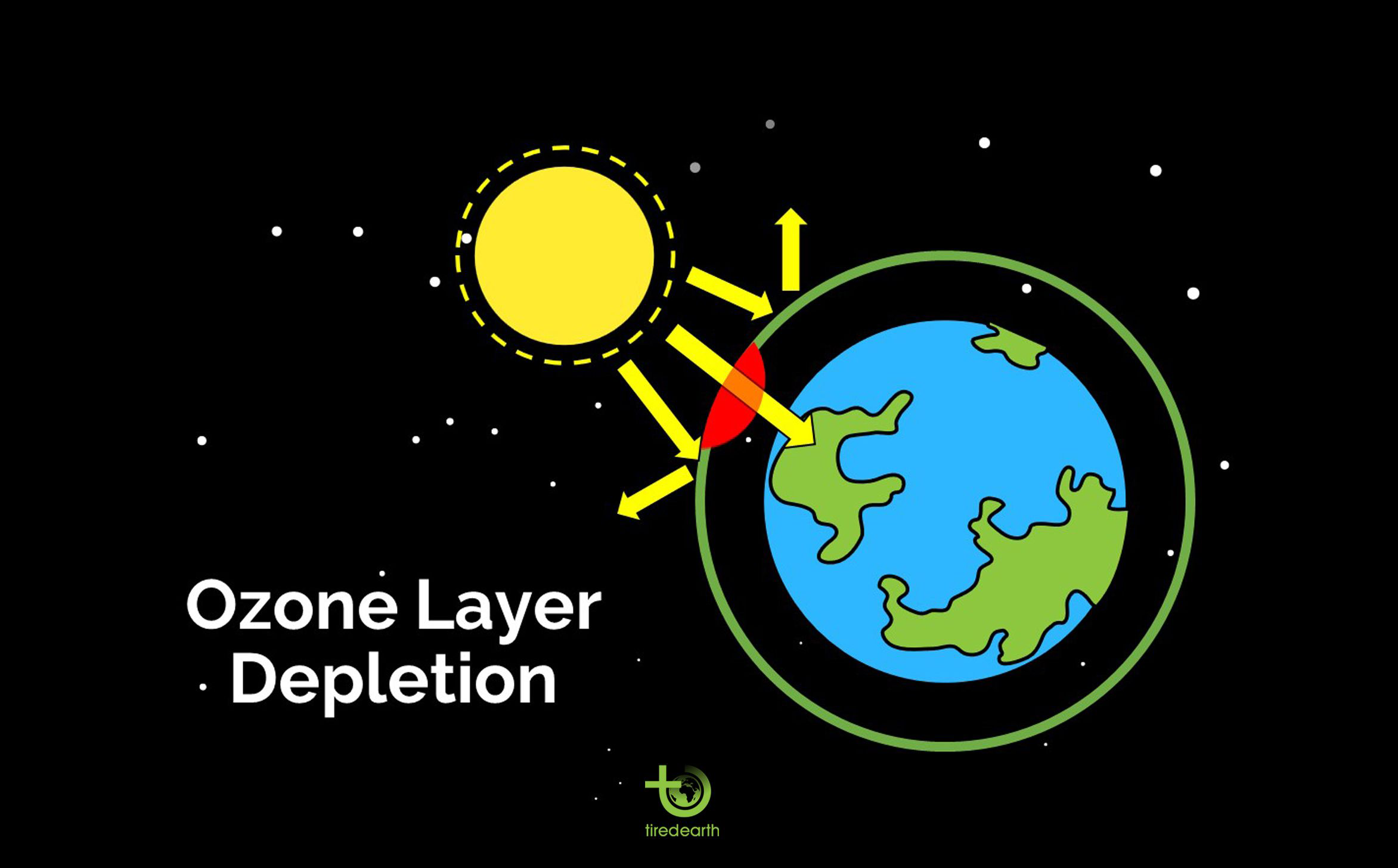
F. Ozone depletion: The thinning of the ozone layer, is caused by chlorofluorocarbons (CFCs) and can result in increased UV radiation reaching Earth’s surface.
G. Insulation: Can trap indoor air pollutants such as carbon monoxide or radon.
H. Water is polluted: When air or land pollutants enter rivers, lakes, or oceans.
I. Surface water pollutants: Include chemical pesticides, raw sewage, and fertilizer.
Seawater, Groundwater, Erosion & Soil
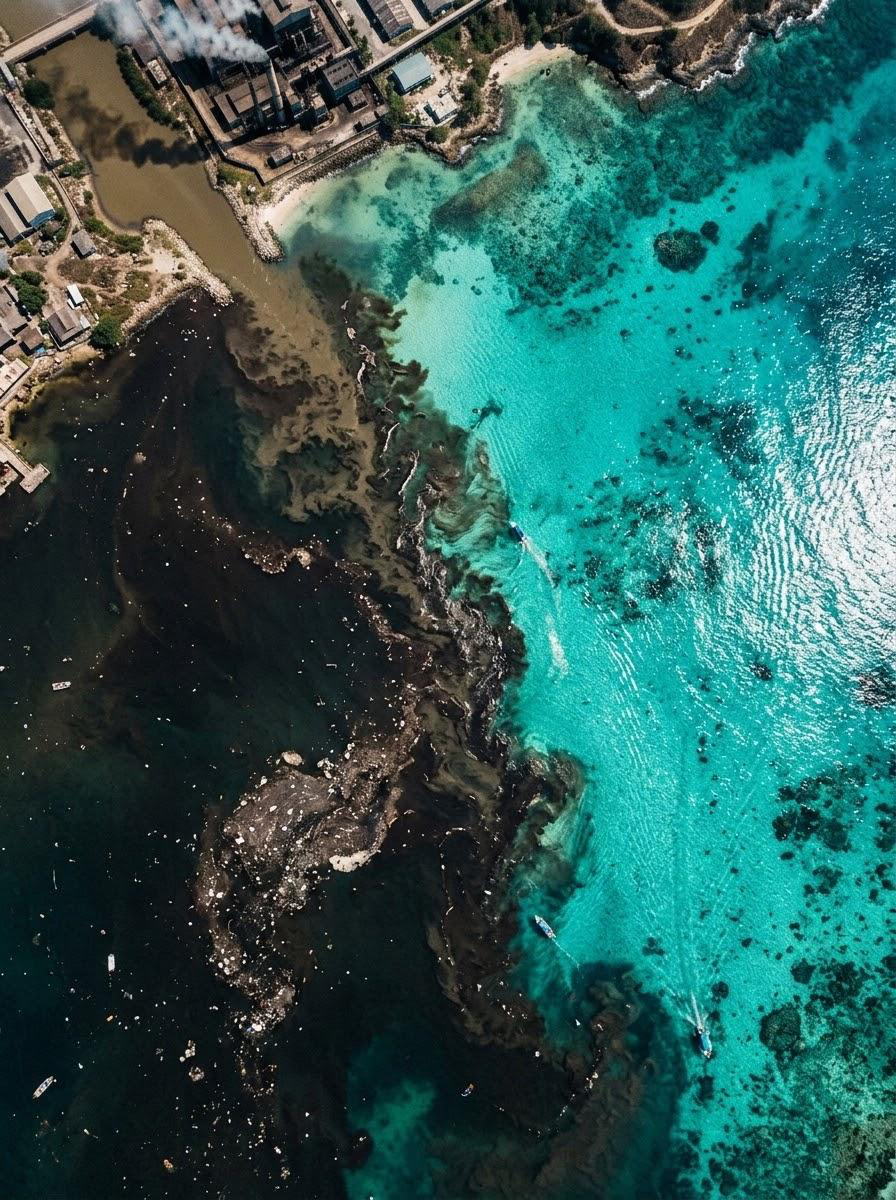
2. Seawater Pollution: Rivers and streams dump pollutants into the ocean; oil spills are also a source of seawater pollution.
3. Groundwater: Can become polluted as it seeps through particles of rock and soil or collects in underground pools called aquifers.
I. Erosion: Is the movement of soil from one place to another; it causes the loss of fertile topsoil.
J. Soil: Can be polluted by solid wastes in landfills or by hazardous wastes such as dangerous chemicals or radioactive materials.
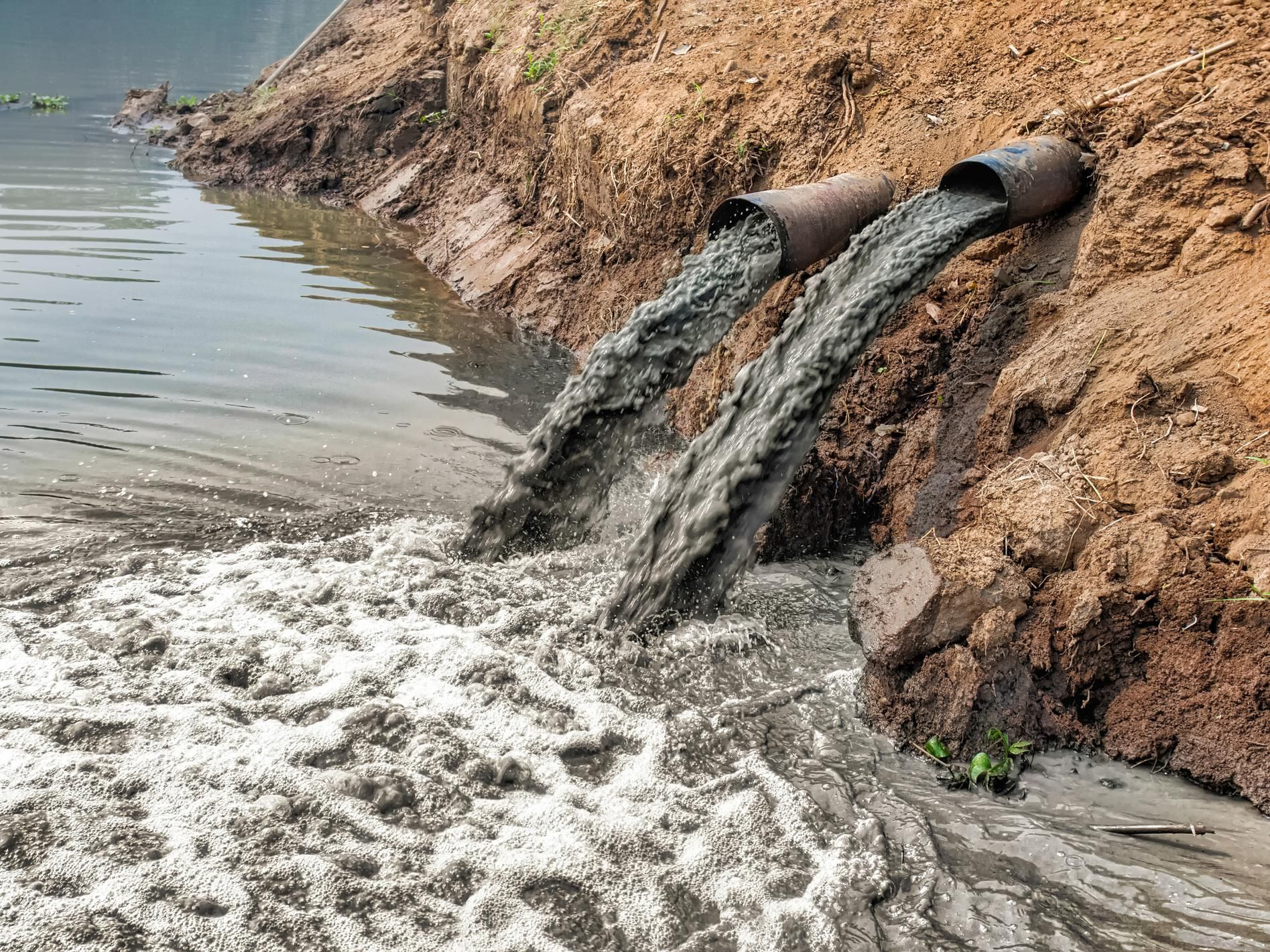
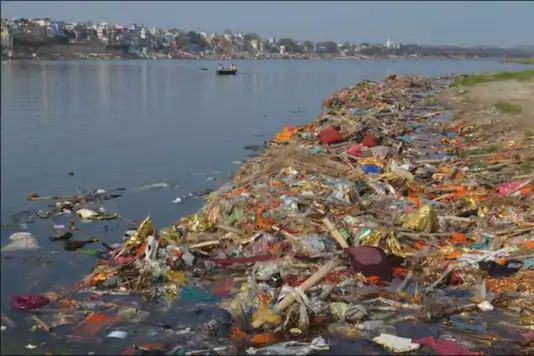
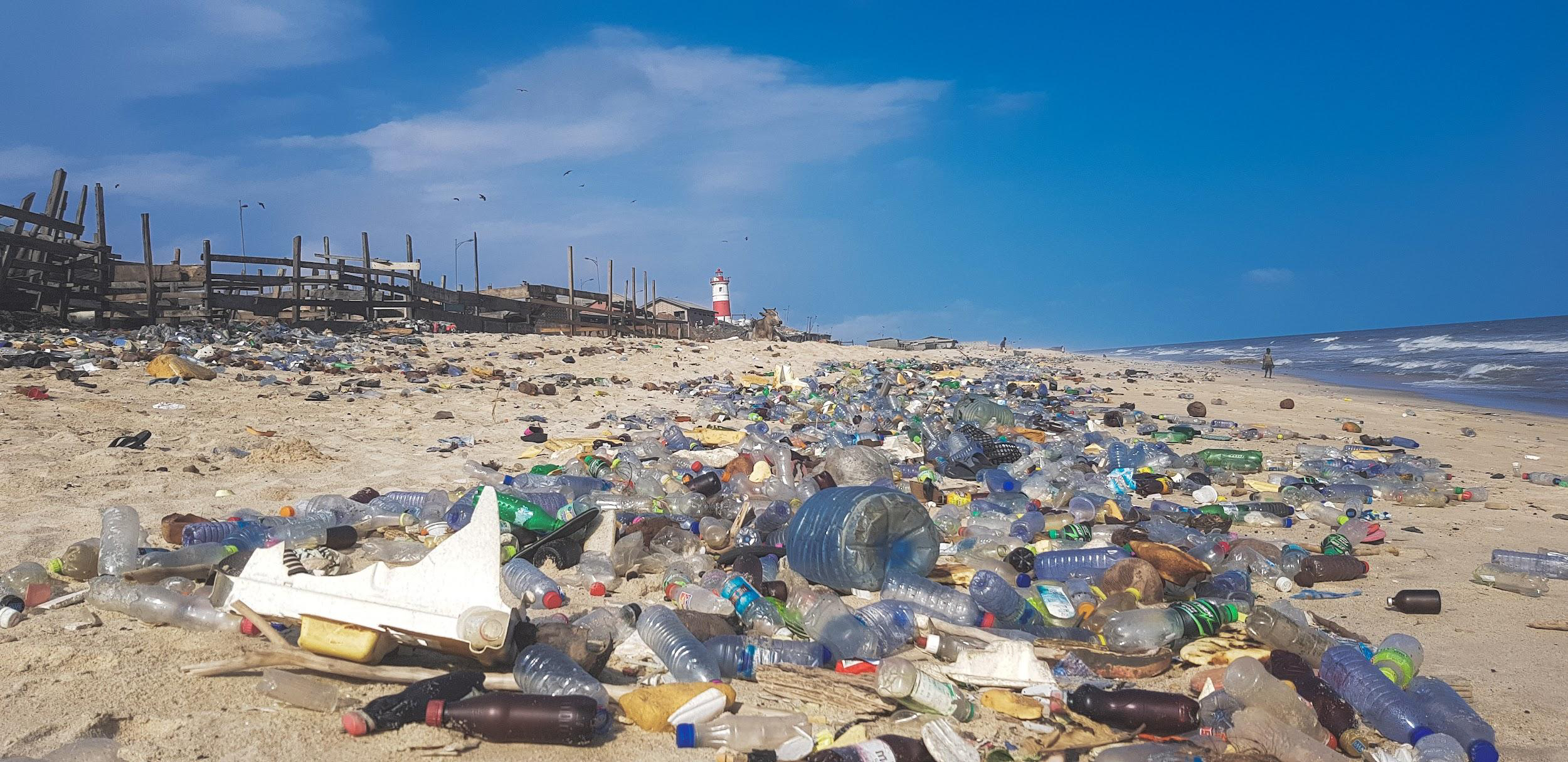
Uncontrolled dumping of solid waste along riverbanks directly contaminates freshwater systems and destroys aquatic habitats.
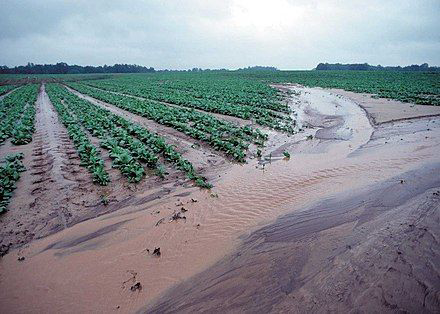
Heavy rain washes fertile topsoil and agricultural chemical runoff into waterways, carrying harmful pesticides and fertilizers.
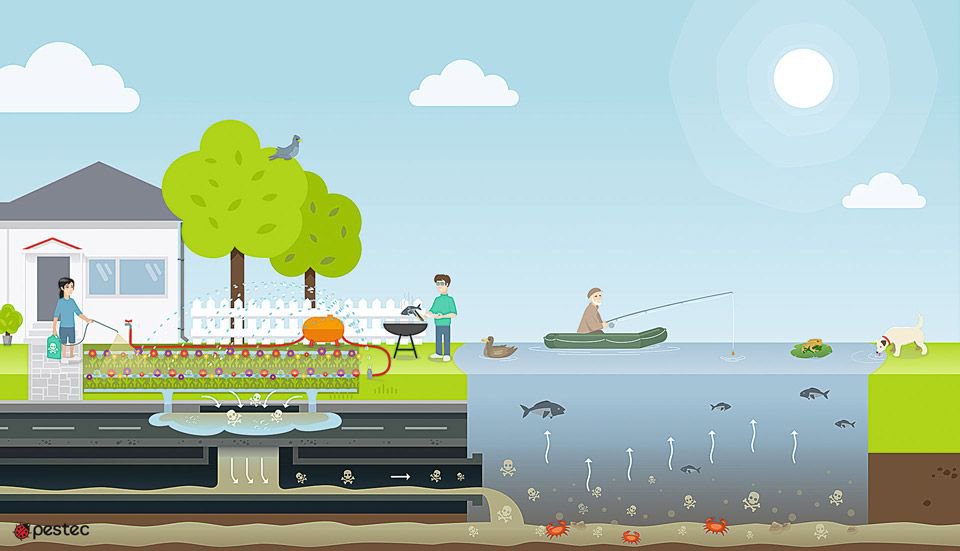
Pollutants from household activities, gardens, and waste systems seep deep into underground aquifers, threatening drinking water.
What is defined as a substance that contaminates the air?
Which of the following is NOT considered an air pollutant?
What phenomenon is created when sunlight reacts with air pollutants?
What do pollutants react with to create acid precipitation?
Match the definitions with their terms.
| Draggable item | arrow_right_alt | Corresponding Item |
|---|---|---|
Air Pollutants | arrow_right_alt | To make something impure or unclean. |
Contaminates | arrow_right_alt | Occurs from pollutants reacting in sunlight. |
Created Smog | arrow_right_alt | Soot, smoke, and various harmful gases. |
Match the pollutants with their effects.
| Draggable item | arrow_right_alt | Corresponding Item |
|---|---|---|
Sulfur Oxides | arrow_right_alt | Solid residue from combustion or fire. |
Ash | arrow_right_alt | Often results from burning materials. |
Smoke | arrow_right_alt | Contributes to acid rain formation. |
Match the air pollutants with their types.
| Draggable item | arrow_right_alt | Corresponding Item |
|---|---|---|
Carbon Dioxide | arrow_right_alt | Solid particle pollution in the air. |
Nitrogen Oxides | arrow_right_alt | A type of gas pollution. |
Soot | arrow_right_alt | Gases contributing to air quality issues. |
Match the terms with their definitions.
| Draggable item | arrow_right_alt | Corresponding Item |
|---|---|---|
Pollutants | arrow_right_alt | Result of pollutants reacting with water vapor. |
Smog | arrow_right_alt | Substances that contaminate air, land, or water. |
Acid Precipitation | arrow_right_alt | Caused by sunlight reacting with atmospheric pollutants. |
What can acid rain harm?
How can we prevent acid rain?
What does the greenhouse effect do?
What may cause global warming?
Match the cause of acid rain with its impact.
| Draggable item | arrow_right_alt | Corresponding Item |
|---|---|---|
Vehicle exhaust pollutants | arrow_right_alt | Harms ecosystems and wildlife |
High sulfur coal use | arrow_right_alt | May lead to environmental damage |
Acid rain | arrow_right_alt | Can kill plants and animals |
Match the methods to prevent acid rain.
| Draggable item | arrow_right_alt | Corresponding Item |
|---|---|---|
Reducing vehicle emissions | arrow_right_alt | Helps reduce acid rain formation |
Regulating industrial discharges | arrow_right_alt | Lowers pollutants affecting air quality |
Using low sulfur coal | arrow_right_alt | Minimizes harmful substance release |
Match the components of the greenhouse effect.
| Draggable item | arrow_right_alt | Corresponding Item |
|---|---|---|
Greenhouse gases | arrow_right_alt | Causes temperature rise |
Trapped heat in atmosphere | arrow_right_alt | Contributes to global warming |
Increased carbon dioxide levels | arrow_right_alt | Maintain Earth's temperature balance |
Match the consequences of greenhouse effect.
| Draggable item | arrow_right_alt | Corresponding Item |
|---|---|---|
Climate change | arrow_right_alt | Due to rising temperatures globally |
Rising global temperatures | arrow_right_alt | Linked to the greenhouse effect |
Melting polar ice caps | arrow_right_alt | Results from increased atmospheric CO2 |
What causes ozone depletion in the atmosphere?
What can trap indoor air pollutants?
What happens when land pollutants enter water bodies?
Which of the following is a surface water pollutant?
Match the process causing thinning of the ozone layer.
| Draggable item | arrow_right_alt | Corresponding Item |
|---|---|---|
Increased UV radiation | arrow_right_alt | Protects Earth from harmful rays |
Ozone layer | arrow_right_alt | Causes ozone layer depletion |
Chlorofluorocarbons (CFCs) | arrow_right_alt | Result of ozone depletion |
Identify what can trap indoor air pollutants.
| Draggable item | arrow_right_alt | Corresponding Item |
|---|---|---|
Radon | arrow_right_alt | An indoor air pollutant |
Carbon monoxide | arrow_right_alt | Traps indoor air pollutants |
Insulation | arrow_right_alt | Trapped by housing insulation |
Chlorofluorocarbons (CFCs) contribute to the thinning of the ozone layer.
Insulation in buildings helps to reduce indoor air pollution.
Only natural substances can pollute water sources.
Chemical pesticides are a type of surface water pollutant.
What is a common source of seawater pollution?
How can groundwater become polluted?
What is erosion primarily responsible for?
Which waste can pollute soil?
Match the pollution type with its source.
| Draggable item | arrow_right_alt | Corresponding Item |
|---|---|---|
Landfills | arrow_right_alt | Groundwater pollution |
Underwater aquifers | arrow_right_alt | Seawater pollution |
Oil spills | arrow_right_alt | Soil pollution |
Match the pollutant with its effect on water.
| Draggable item | arrow_right_alt | Corresponding Item |
|---|---|---|
Dangerous chemicals | arrow_right_alt | Seawater pollution |
Solid wastes | arrow_right_alt | Soil pollution |
Rivers and streams | arrow_right_alt | Groundwater pollution |
Match the type of pollution to its description.
| Draggable item | arrow_right_alt | Corresponding Item |
|---|---|---|
Seawater | arrow_right_alt | Collects in underground pools called aquifers |
Erosion | arrow_right_alt | Polluted by rivers and oil spills |
Groundwater | arrow_right_alt | Movement of soil from one place to another |
Match soil effects with pollution sources.
| Draggable item | arrow_right_alt | Corresponding Item |
|---|---|---|
Fertile topsoil loss | arrow_right_alt | Groundwater pollution |
Hazardous wastes | arrow_right_alt | Erosion |
Rock and soil particles | arrow_right_alt | Soil contamination |
Erosion primarily impacts which natural resource?
What does uncontrolled dumping along riverbanks impact?
What causes soil erosion during heavy rain?
What type of pollutants seep into groundwater?
How do agricultural chemicals affect waterways?
Uncontrolled dumping of solid waste can contaminate freshwater systems and destroy aquatic habitats.
Heavy rain helps to preserve fertile topsoil and prevents agricultural chemicals from entering waterways.
Household pollutants can threaten drinking water by seeping into underground aquifers.
Soil erosion has no significant impact on the quality of freshwater systems.