Label the chemical reaction you performed in class. Not all answers will be used.
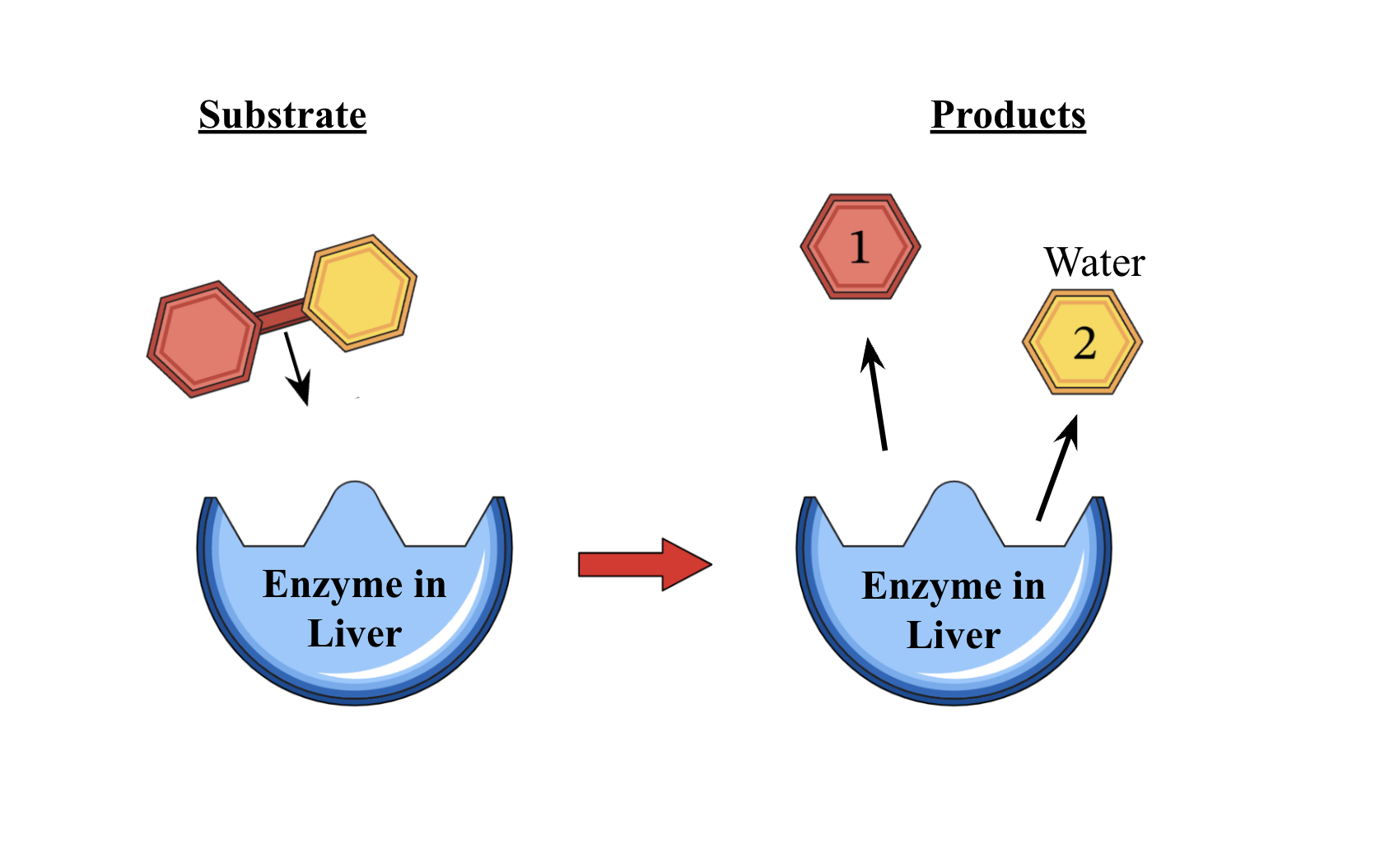
Mmuae Afoforo a Wobɛpaw:
Lipid
Carbon Dioxide Bubbles
Oxygen Gas (Bubbles)
Hydrogen Peroxide
Catalase
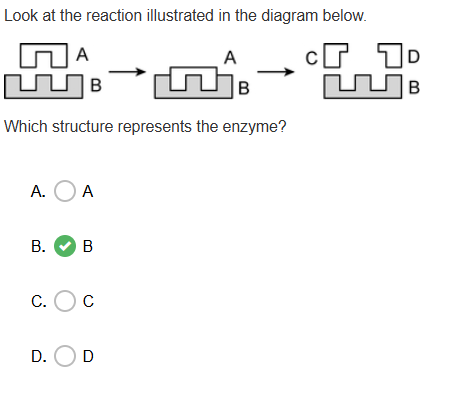
Label the chemical reaction you performed in class. Not all answers will be used.
What was the function of the enzyme in the reaction?
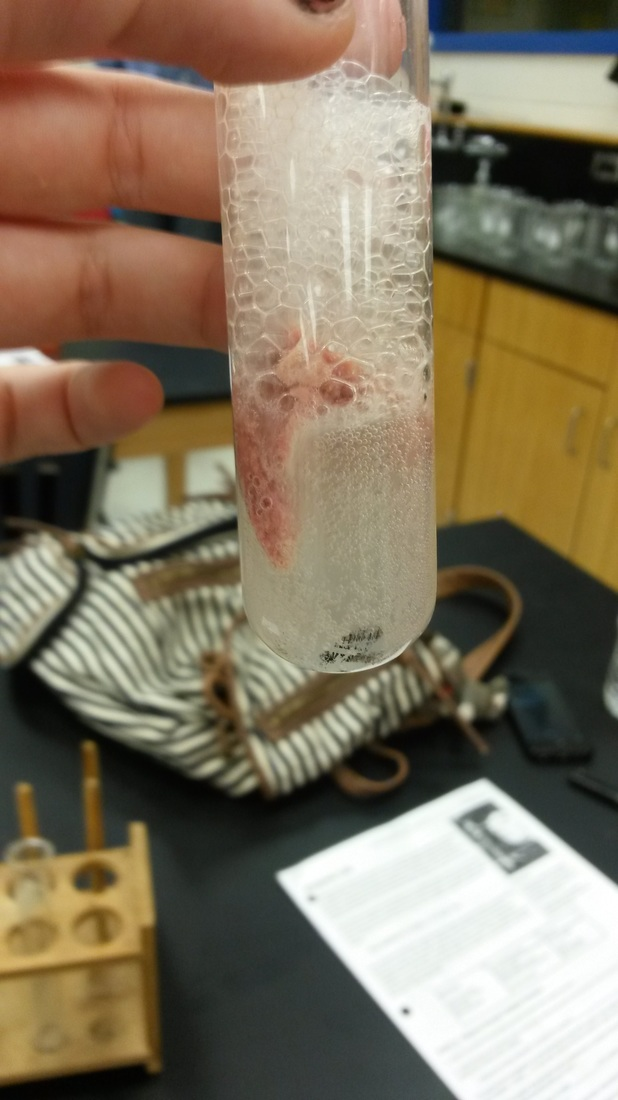
How did you know that the catalase enzymes in the liver were working?
What evidence did you see?
What was breaking down the hydrogen peroxide and making the oxygen bubbles?
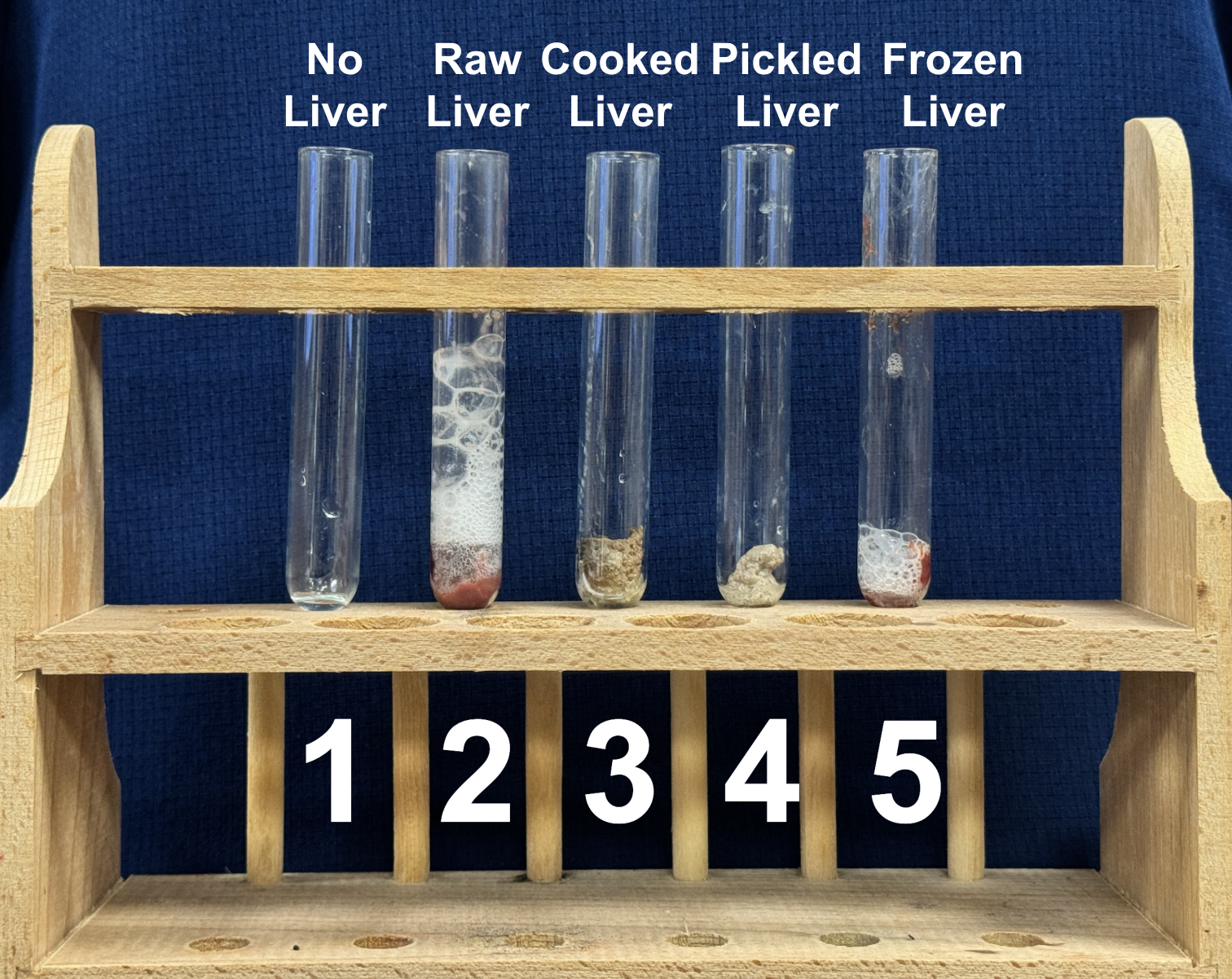
Which liver sample had enzymes that were denatured?
SELECT ALL THAT APPLY!!!
When a piece of liver is dropped into hydrogen peroxide, the peroxide bubbles vigorously.
What causes this reaction?
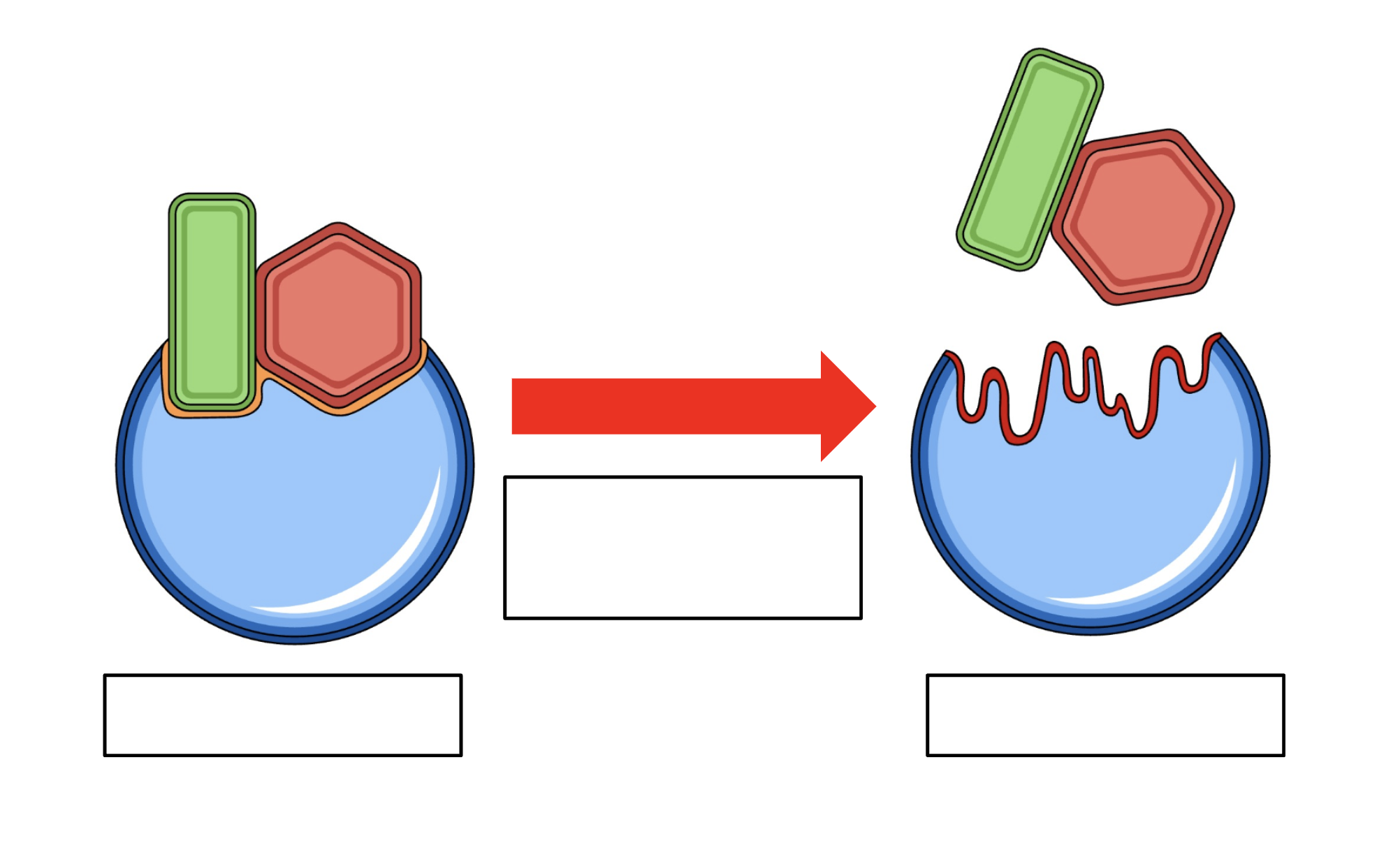
If the environment is too extreme, enzymes can be damaged under these conditions.
What condition affected the function of the enzyme in the lab?
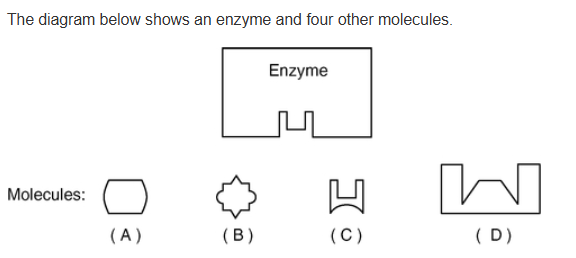
Label the diagram below. Not all answers will be used.
The graphs show the reaction rate for an enzyme across a range of temperatures and pH.
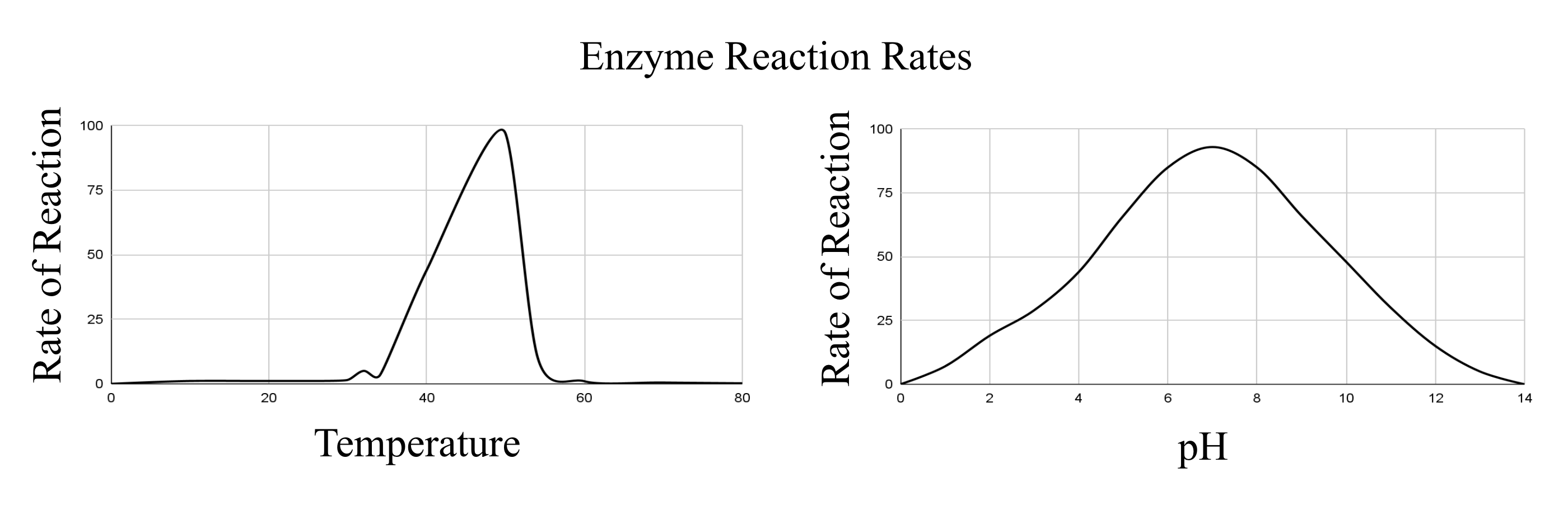
Based on these data, this enzyme functions best at what temperature and pH?
Beta-Galactosidase is an enzyme that breaks down galactose (a sugar). Whenever galactose is removed from Fluorescein, the molecule glows.
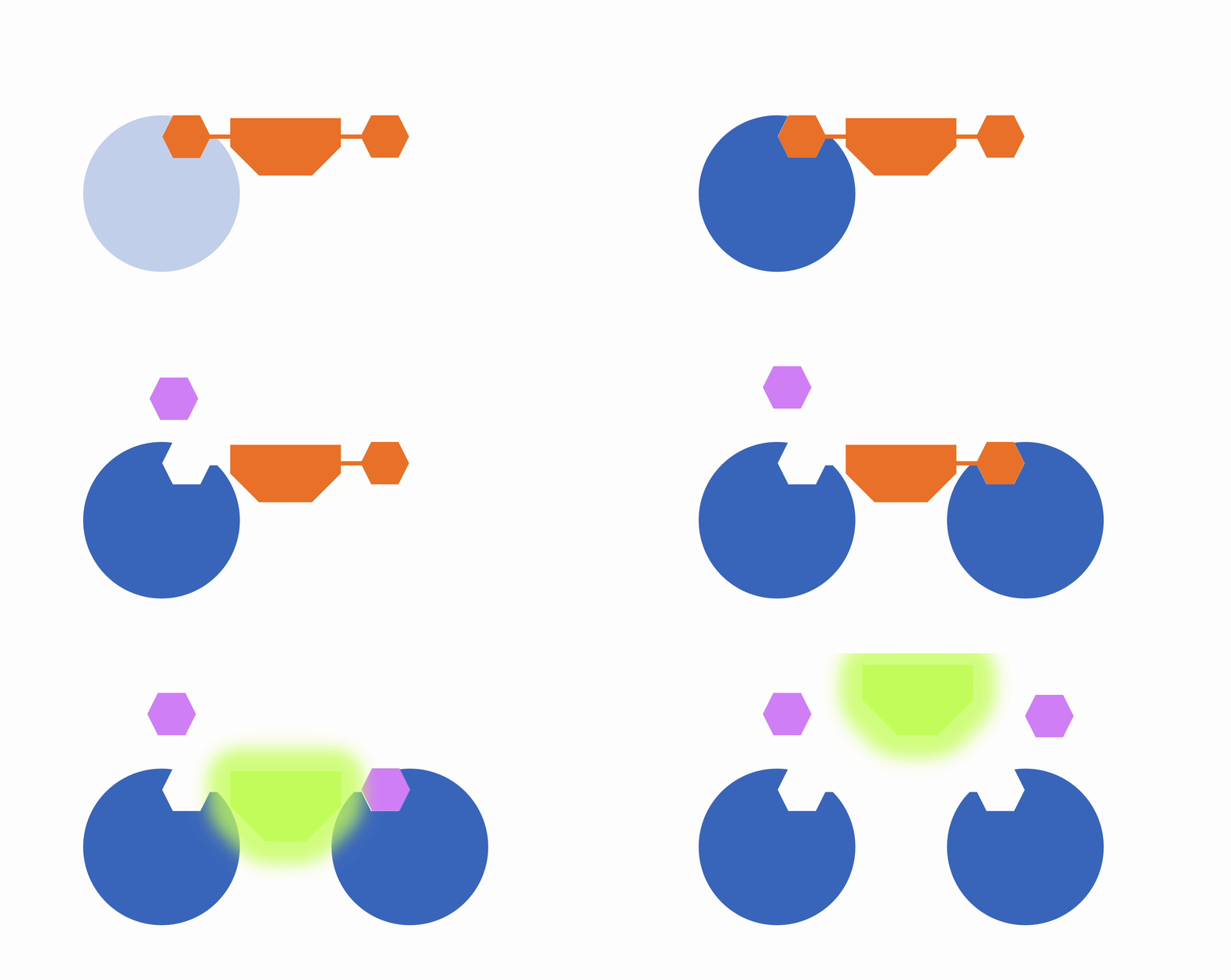
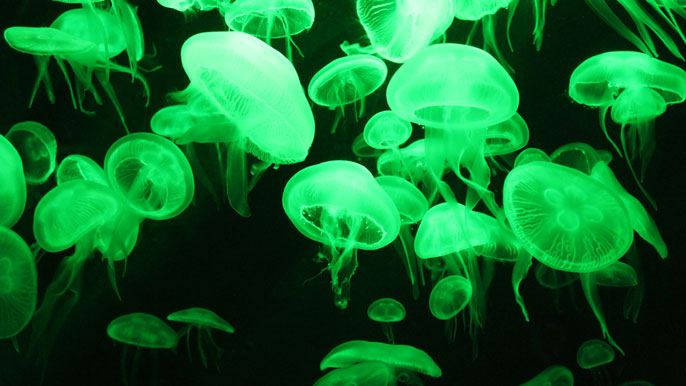
Normally, a certain species of jellyfish glows bright green. However, a small population was moved from the ocean into an aquarium, where the salinity (pH) is lower and can no longer glow.
The jellyfish no longer glow because the enzyme due to .
Exit ticket - written response
Meat tenderizer contains an enzyme that breaks down meat. If meat is coated with tenderizer and then placed in a refrigerator, how would the enzyme the affected?
Exit ticket
In test tube 1 with no liver, were produced because .
In test tube 2 with raw liver, were produced because .
In test tube 3 with cooked liver, were produced because .
In test tube 4 with pickled liver, were produced because .
In test tube 5 with frozen liver, were produced because .
The most bubbles were produced by the liver because this sample contained .