The Carbon Cycle: Understanding Earth’s Balance
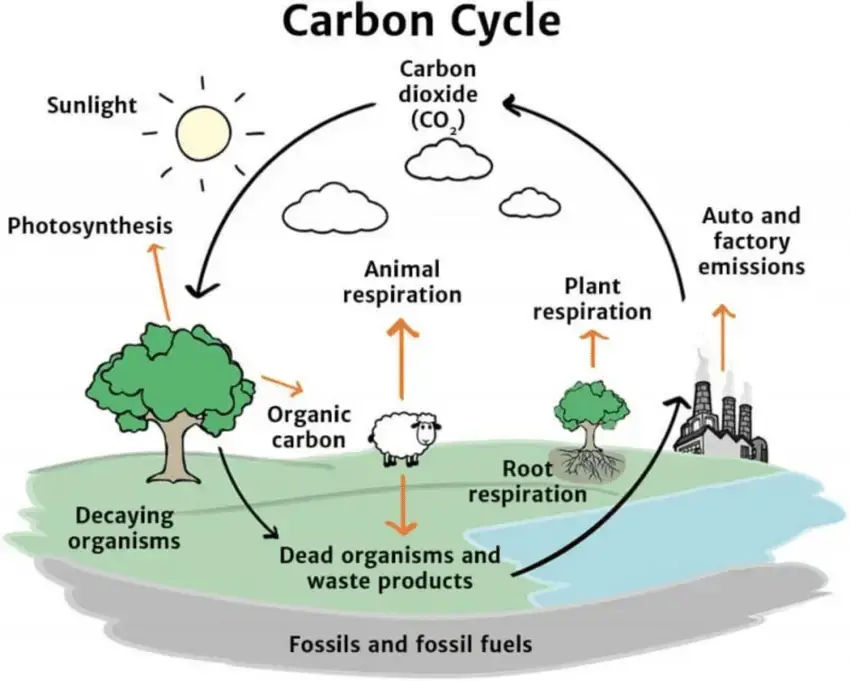
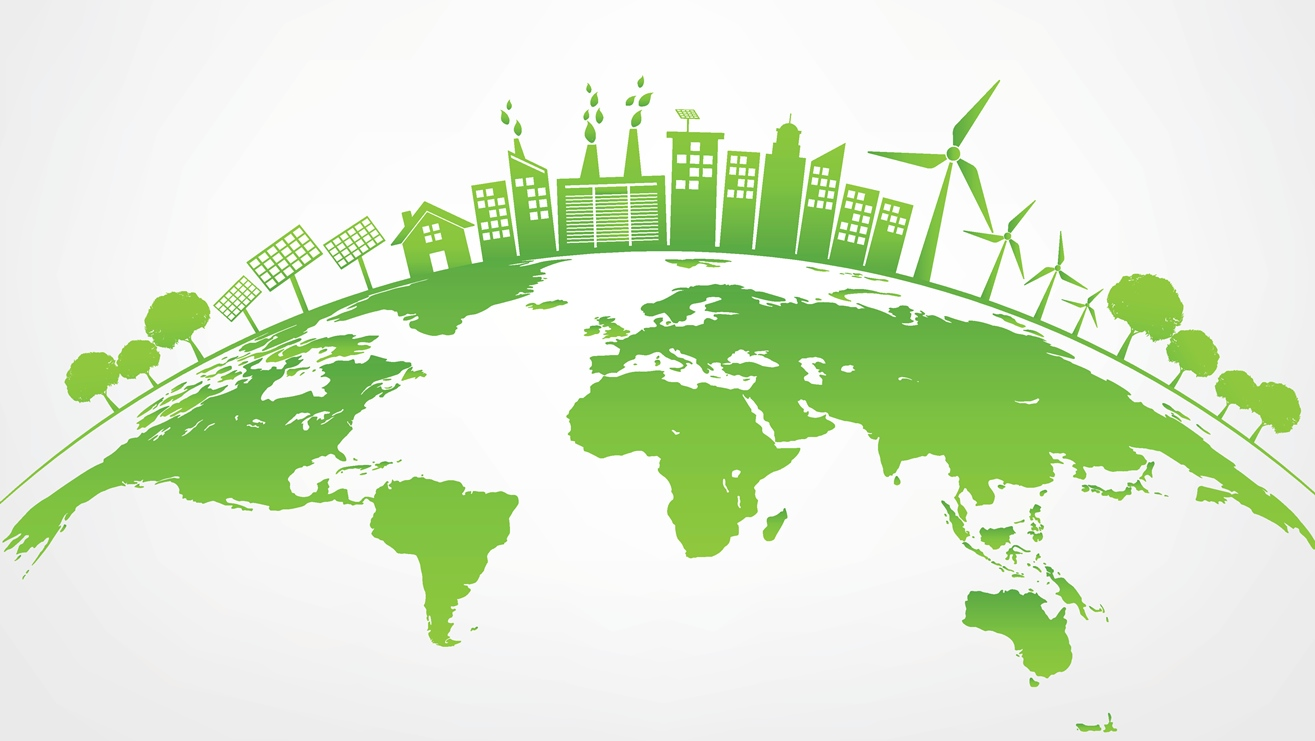
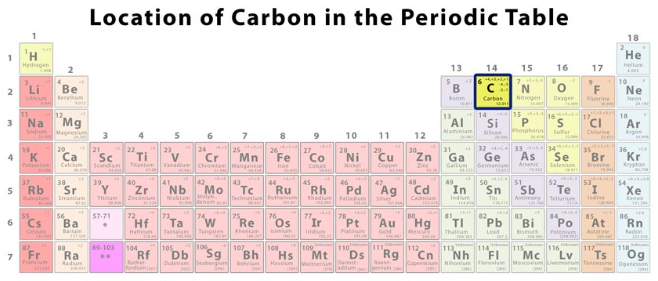
Carbon is one of the most important elements on Earth. It is found in the air we breathe, the food we eat, and even our own bodies. The movement of carbon through the environment, from the atmosphere to organisms and back again, is called the carbon cycle.
This natural process helps regulate Earth’s climate and supports life. However, human activities are significantly altering this balance, leading to environmental consequences.
Where can carbon be found on Earth?
How the Carbon Cycle Works
Carbon moves through the environment in different ways:
Photosynthesis – Plants take in carbon dioxide (CO₂) from the air and use it to make food, storing carbon in their tissues and producing oxygen.
Respiration – Animals and plants release CO₂ back into the air when they breathe/exhale.
Decomposition – When organisms die, decomposers break them down, releasing carbon back into the soil and air.
Fossil Fuels – Over millions of years, dead plants and animals can turn into fossil fuels (like coal and oil), which store carbon underground.
Combustion – When humans burn fossil fuels, stored carbon is released into the atmosphere as CO₂.
What is the main role of photosynthesis in the carbon cycle?
The Greenhouse Effect and Climate Change
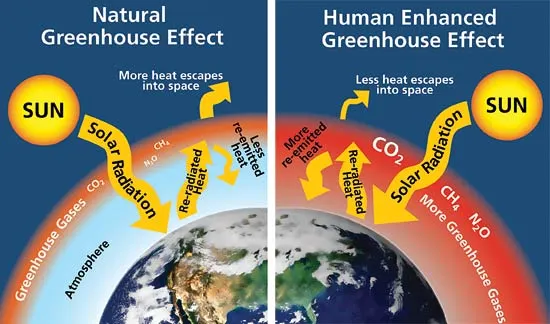
Carbon dioxide is a greenhouse gas, meaning it traps heat in Earth’s atmosphere. This process, called the greenhouse effect, keeps the planet warm enough for life.
However, human activities, such as burning fossil fuels and deforestation, are increasing the amount of CO₂ in the atmosphere.
This leads to climate change, causing rising temperatures, extreme weather, and melting ice caps.
What is a consequence of increased greenhouse gases in the atmosphere?
Disruptions to the Carbon Cycle and Their Effects
Human activities are disrupting the carbon cycle in several ways:
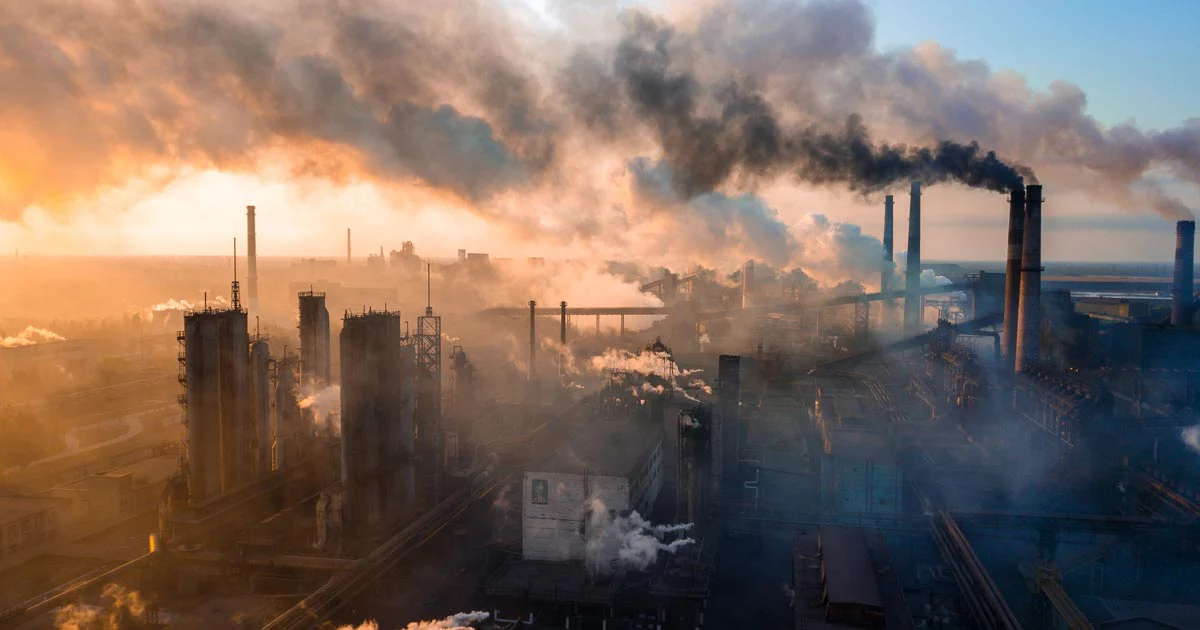
Burning fossil fuels releases large amounts of CO₂ into the air, overwhelming the natural balance of carbon exchange.
Deforestation removes trees that absorb CO₂, increasing carbon in the atmosphere and reducing oxygen production.
Agriculture and industry contribute to carbon emissions through machinery, deforestation, and livestock farming.
Ocean acidification occurs as excess CO₂ is absorbed by the ocean, making seawater more acidic and harming marine life.
Permafrost melting releases stored methane and CO₂, further accelerating climate change.
Loss of biodiversity occurs as changing temperatures disrupt ecosystems and lead to species extinction.
Endangered Species Due to Carbon Cycle Disruptions
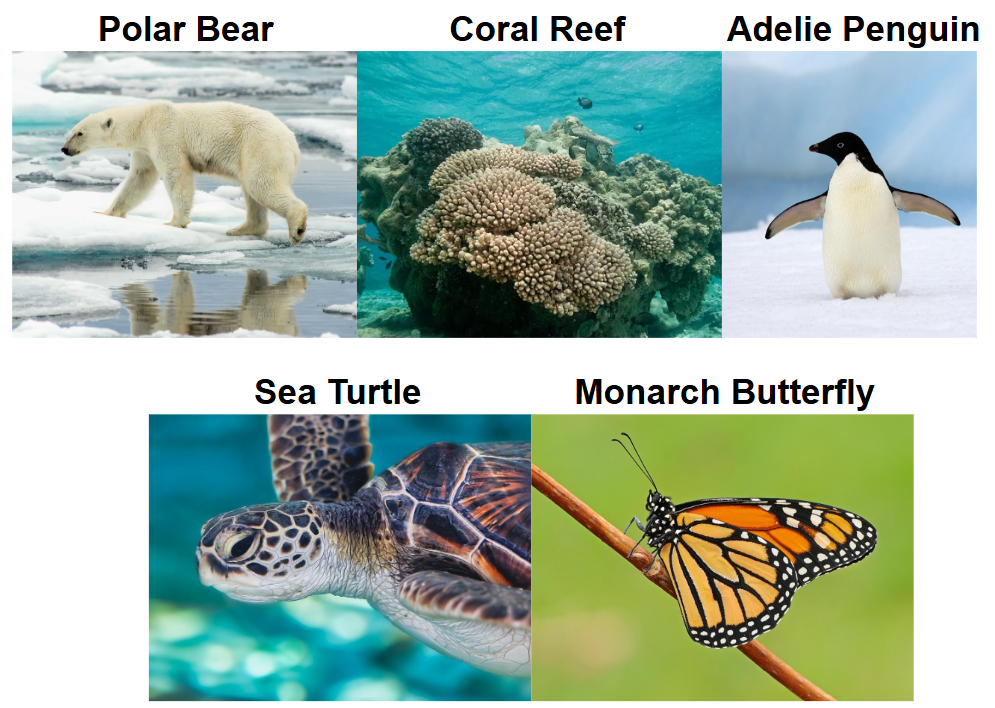
Many animal species are becoming endangered as a result of human impact on the carbon cycle. The polar bear is one of the most well-known examples, as rising temperatures melt Arctic sea ice, reducing their hunting grounds. Coral reefs, home to thousands of marine species, are dying due to ocean acidification and warming waters. Other animals, such as the Adélie penguin, sea turtles, and monarch butterflies, are struggling to survive as climate patterns shift and habitats disappear.
Which animal is NOT endangered by disruptions to the carbon cycle?
How Disruptions to the Carbon Cycle Affect Daily Life
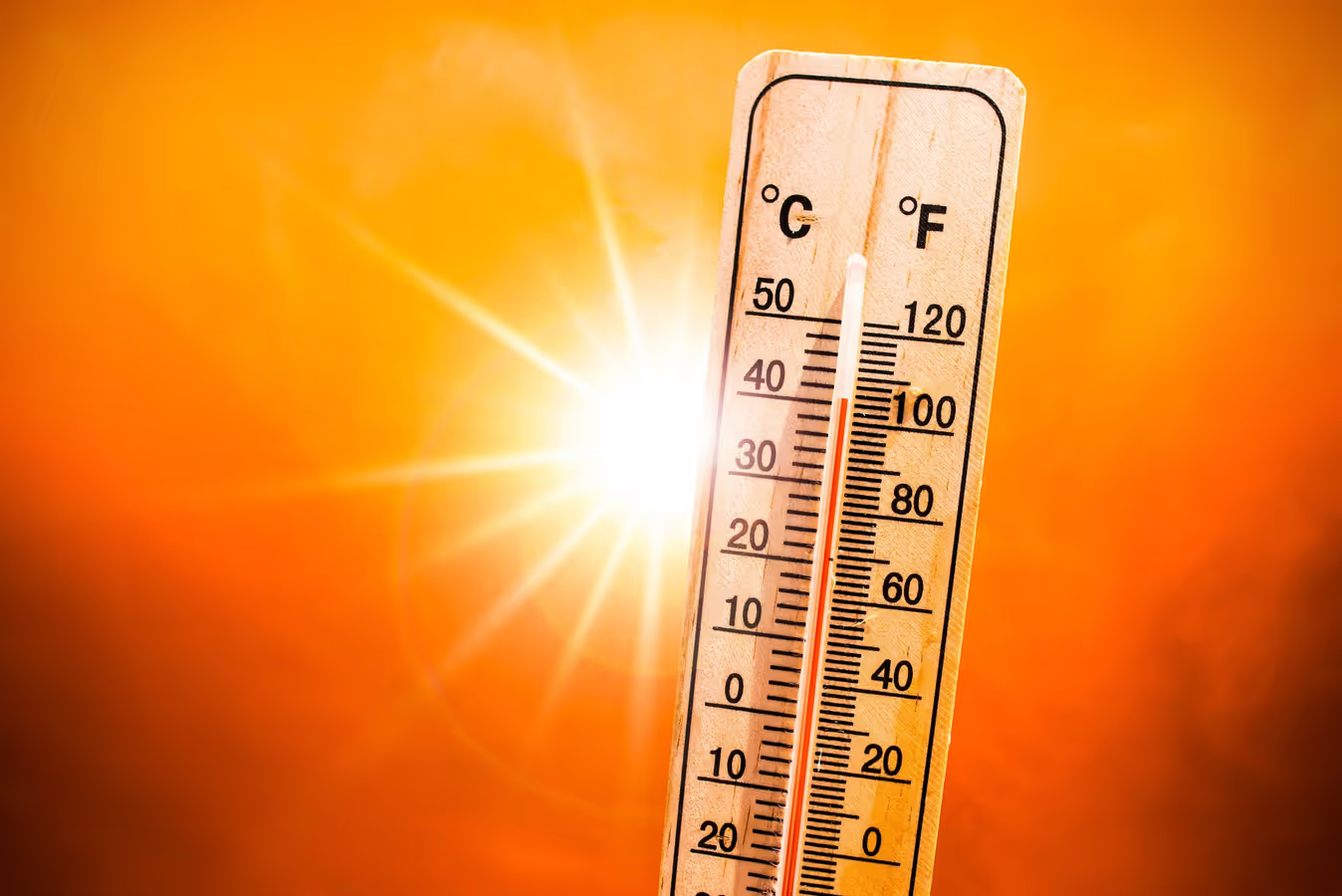
Many of the changes caused by disruptions to the carbon cycle impact students in their daily lives. Rising temperatures can lead to more frequent and intense heat waves, affecting outdoor activities and sports.
Poor air quality caused by increased carbon emissions can make it harder to breathe, particularly for people with asthma or other respiratory conditions.
Extreme weather events, such as hurricanes, wildfires, and floods, can damage homes, schools, and local communities. Even food prices can rise due to droughts and other agricultural disruptions caused by climate change.
How does climate change impact your daily life?
Carbon Emissions and Population Density
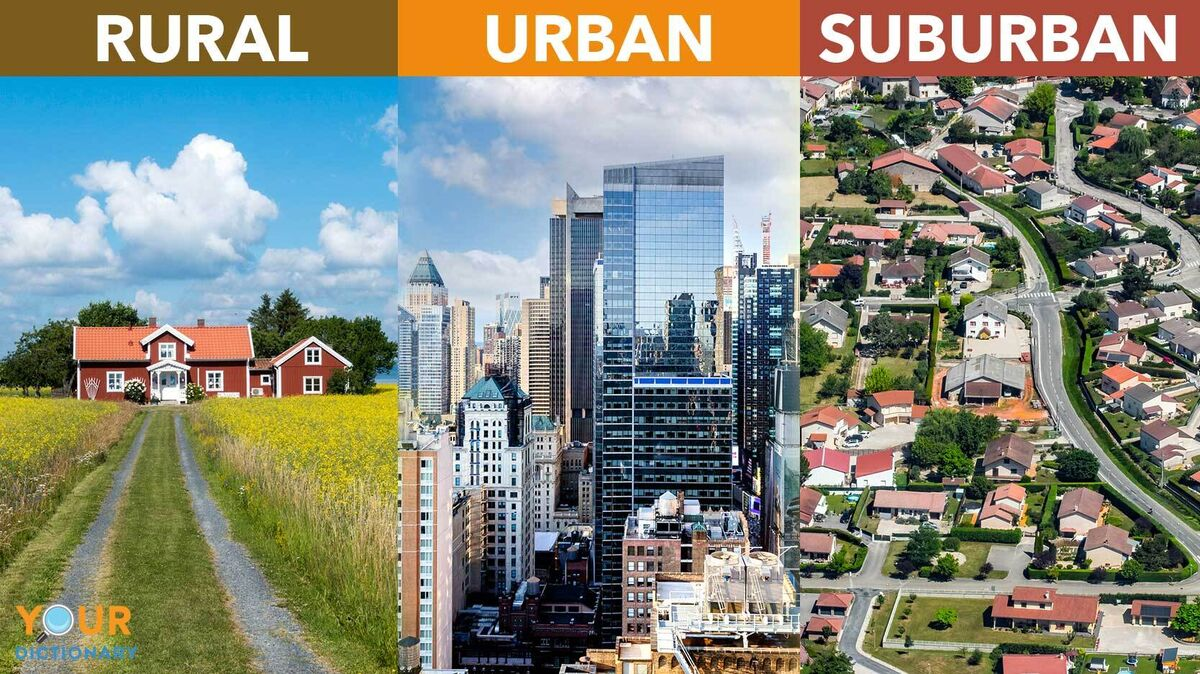
The amount of CO₂ produced varies depending on population density. Urban areas with large populations and heavy industry tend to have higher carbon emissions due to transportation, factories, and energy use. In contrast, rural areas with fewer people generally produce less CO₂.
However, individuals in developed countries tend to have a higher carbon footprint than those in developing nations due to greater energy consumption, industrialization, and waste production.
Why do urban areas tend to have higher carbon emissions?
What Can You Do to Help?
Even small actions can help reduce carbon emissions:
Use public transportation, bike, or walk instead of driving.
Reduce electricity use by turning off lights and electronics when not in use.
Eat less meat, as livestock farming produces large amounts of CO₂.
Plant trees and support conservation efforts.
Recycle and reduce waste to lower industrial emissions.
Advocate for policies that support clean energy and carbon reduction.
What is one way individuals can reduce their carbon footprint?
The increasing use of artificial intelligence (AI) also affects the carbon cycle. AI requires massive amounts of computing power, which means large data centers must operate continuously. These data centers use vast amounts of electricity, much of which is generated by burning fossil fuels.
The more AI is used for applications like chatbots, self-driving cars, and advanced simulations, the more energy is consumed. However, AI can also be used to combat climate change by optimizing energy use, improving renewable energy efficiency, and tracking carbon emissions.
How does AI contribute to carbon emissions?
AI has the potential to both contribute to and mitigate climate change.
Pros: (good things)
AI can optimize energy consumption, reducing waste in homes, factories, and transportation.
It helps develop renewable energy solutions by predicting solar and wind patterns for more efficient power generation.
AI can track and monitor carbon emissions, allowing companies and governments to implement better policies for reducing their carbon footprint.
It improves disaster response by predicting extreme weather patterns caused by climate change.
Cons: (bad things)
Running AI systems requires massive data centers that consume large amounts of electricity, often sourced from fossil fuels.
The production of AI technology, including hardware and chips, contributes to industrial carbon emissions.
AI is being used to optimize industries such as oil and gas, which can lead to more efficient but increased fossil fuel extraction.
Many AI applications, such as cryptocurrency mining and complex simulations, demand continuous computing power, further increasing energy consumption.
With both benefits and drawbacks, AI presents a challenge in the fight against climate change. Should AI development be restricted or banned to prevent further environmental damage, or does its potential to solve climate-related issues outweigh its negative effects?
Writing Prompt: Should AI Be Banned to Prevent Climate Change?
In a short paragraph, explain your opinion on whether AI should be banned to reduce carbon emissions. Use evidence from the reading to support your argument.
Why is the carbon cycle important?
How do humans most significantly contribute to the carbon cycle?
Why does deforestation increase carbon in the atmosphere?
How does ocean acidification occur?
What happens when permafrost melts?
Which of the following is NOT a human-caused disruption to the carbon cycle?
Why does eating less meat reduce carbon emissions?