Twa kɔ nsɛm atitiriw so
Log in
Sign up for FREE
arrow_back
Laabri

Intro to Non-Mendelian Genetics

star
star
star
star
star
Last updated about 3 hours ago
15 Nsɛmmisa
Intro to Non-Mendelian Genetics
Codominance
Ɛhia
2
Ɛhia
1
Incomplete Dominance
Ɛhia
2
Ɛhia
1
Multiple Alleles
Sex-Linked Traits

Mendelian Genetics

Austrian monk Gregor Mendel (Father of Genetics) proposed the basic rules of genetic inheritance of traits passed from parents to offspring.

For the basic rules, each parent passes a single allele for a single trait to their offspring and the combination / genotype results in 1 of 2 options.

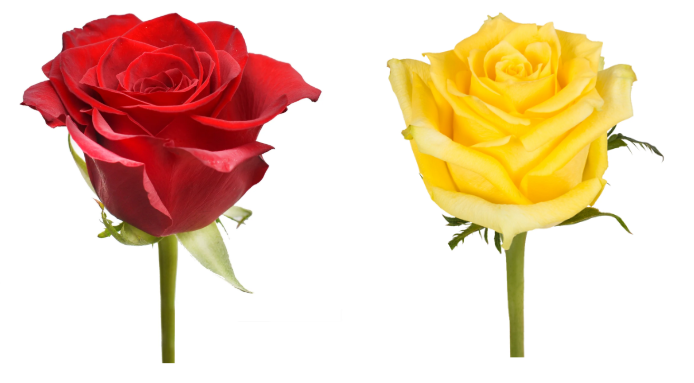
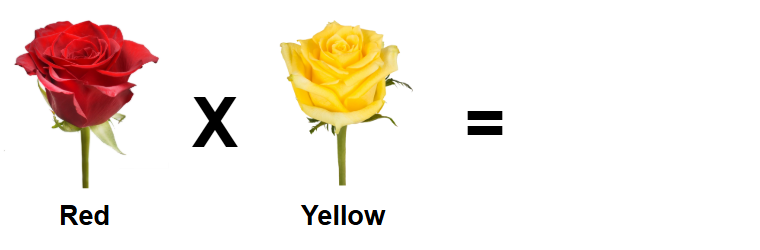
For example: A red flower and a yellow flower produce offspring that are either red or yellow.
Non-Mendelian Genetics

The prefix "Non-" can mean not or other than. Gregor Mendel's basic rules were a great beginning to the understanding of genetic inheritance, HOWEVER Non-Mendelian inheritance patterns DO NOT follow the basic rule!

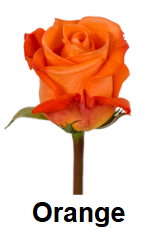
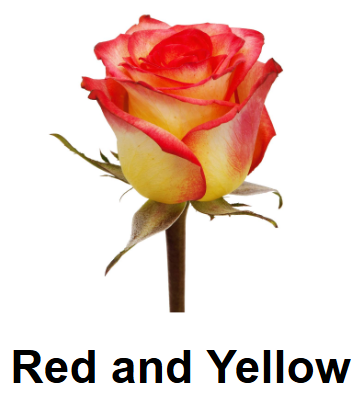
For example: A red flower and a yellow flower produce offspring that have BOTH traits visible at the same time or even a MIXTURE of the traits is shown!
Ɛhia
1
Asemmisa {{asɛmmisaAhyɛnsode}}
1.

Follow Mendelian Genetics basic rules and select the options of the offspring produced when a red flower is crossed with a yellow flower:

Ɛhia
1

Codominance:

The prefix "co-" can be found before many words.

  • Cooperate: When two or more people work with each other

  • Coagulate: When red blood cells stick together

  • Coexist: Living within the same place or time

  • Co-captain: Lead a team together with help from each other

Ɛhia
1
Asemmisa {{asɛmmisaAhyɛnsode}}
3.

Read the definitions of words beginning with the prefix "co-".

Select which terms describe what "co-" means:

Asemmisa {{asɛmmisaAhyɛnsode}}
4.

One example of Non-Mendelian genetics is codominance. Codominant traits are both seen/expressed together.

Co = .

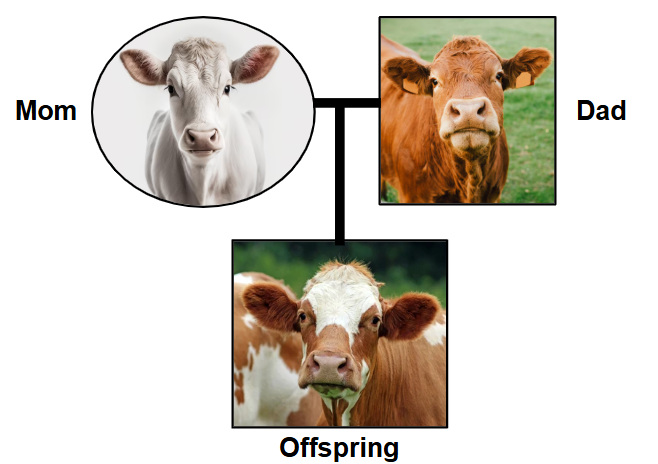
An example of an organism that shows codominance is COWS! Take a look!

In this example of codominance, the parents phenotypes are white fur (mom) and tan fur (dad). When these parents cross, the offspring produced .

Asemmisa {{asɛmmisaAhyɛnsode}}
5.

Complete the cross below to show the results of codominance:

Mmuae Afoforo a Wobɛpaw:
Not enough information is given to answer the question.
Red and yellow flowers cannot produce offspring because they are not the same species.

Incomplete Dominance:

If we break the term "incomplete" into 2 parts, we have "in" / "complete". When something is complete, it is whole.

The prefix "in-" can have multiple meanings. Read the definitions below and answer the questions that follow.

  • Independent: Does not depend on another person or factor

  • Insane: A state of mind that is not normal in perception or behavior

  • Inexpensive: Not of great cost / cheap

  • Involuntary: Done without will or control

Ɛhia
1
Asemmisa {{asɛmmisaAhyɛnsode}}
6.

Which term below best describes the prefix "in-"?

Asemmisa {{asɛmmisaAhyɛnsode}}
7.

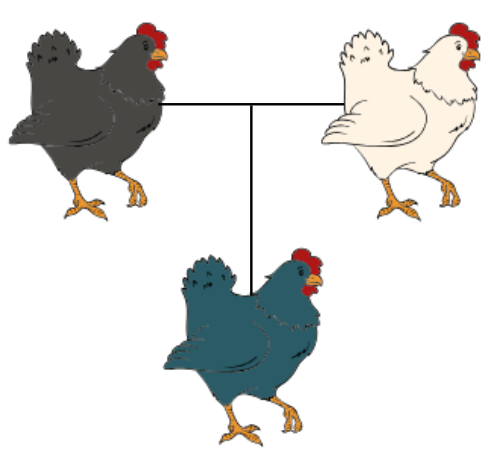
One example of Non-Mendelian genetics is incomplete dominance. When traits are incompletely dominant, neither is fully expressed and a mixture of the trait is observed.

Incomplete =

In CHICKENS, some feather coloration shows incomplete dominance! Take a look!

In this example of incomplete dominance, the parents phenotypes are black feathers (mom) and white feathers (dad). When these parents cross, the offspring produced .

Asemmisa {{asɛmmisaAhyɛnsode}}
8.

Complete the cross below to show the results of incomplete dominance:

Mmuae Afoforo a Wobɛpaw:
Red and yellow flowers cannot produce offspring because they are not the same species.
Not enough information is given to answer the question.

Have you ever donated blood? Do you know your blood type? Not all blood is the same and knowing your blood type can be important in emergency situations.

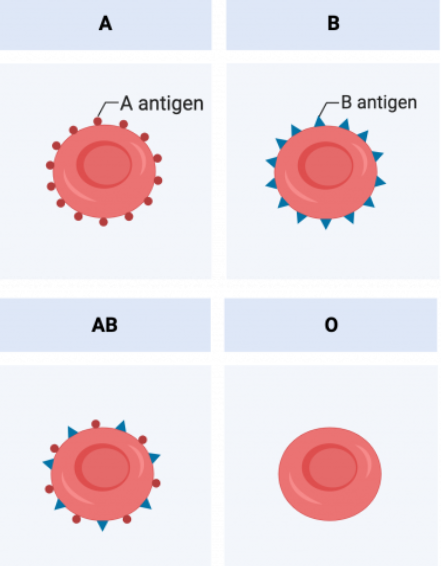
In humans, there are multiple alleles for blood type. For Mendelian genetics, TWO alleles existed in our practice problems. Blood type is an example of multiple alleles in which there is a total of THREE alleles which produce more possible combinations.

Blood Alleles: A / B / O

Blood Phenotypes:

  • AO (only shows A)

  • BO (only shows B)

  • AB (has both A and B)

  • O (has neither A or B)

2
Asemmisa {{asɛmmisaAhyɛnsode}}
9.

Human blood types have .

There are a total of .

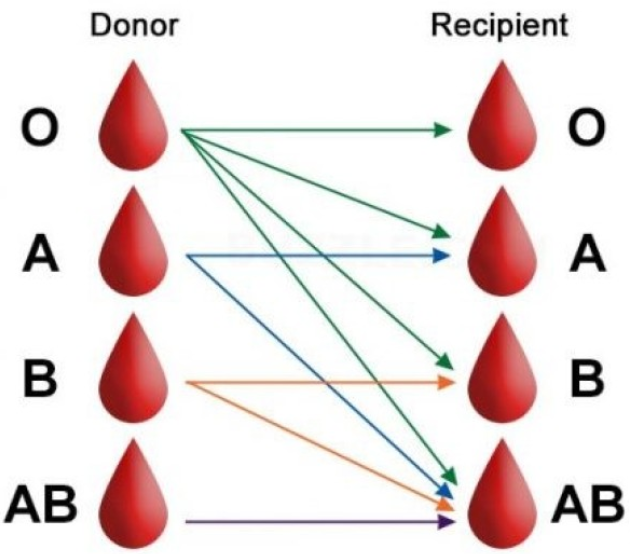
Donors are individuals who give blood in hospitals, blood banks, or blood drives. The recipients are individuals who receive the blood that was donated for medical procedures or in emergencies.

Observe the blood chart below and answer the questions that follow.

Ɛhia
1
Asemmisa {{asɛmmisaAhyɛnsode}}
10.

An individual who has blood type A can donate blood to recipients with what blood types? Select all that apply.

Donors are individuals who give blood in hospitals, blood banks, or blood drives. The recipients are individuals who receive the blood that was donated for medical procedures or in emergencies.

Observe the blood chart below and answer the questions that follow.

Ɛhia
1
Asemmisa {{asɛmmisaAhyɛnsode}}
11.

Based on the diagram, select which TWO statement are TRUE about blood type O

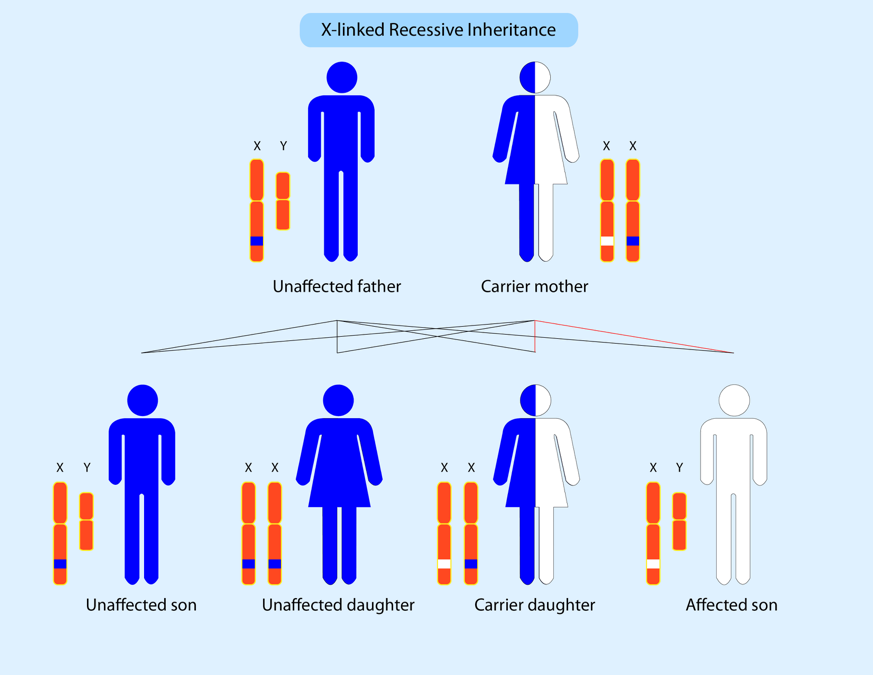
Certain traits are determined by genes that are on the sex chromosomes, either the X or Y chromosome. For instance, what this means is some traits may be observed more in males (XY) than females (XX).

Muscular dystrophy is a recessive sex-linked trait that affects the X chromosome. In the diagram below, the affected X chromosome is white and unaffected chromosome are blue.

  • Individuals who are unaffected do not have muscular dystrophy.

  • Carriers of muscular dystrophy have one unaffected X chromosome (normal) and one affected X chromosome (muscular dystrophy). Because muscular dystrophy is recessive, carriers appear to be unaffected/normal.

  • Individuals who are affected have muscular dystrophy.

Ɛhia
2
Asemmisa {{asɛmmisaAhyɛnsode}}
12.

Muscular dystrophy affect the .

Ɛhia
2
Asemmisa {{asɛmmisaAhyɛnsode}}
13.

In the diagram, the father is .

The mother in the diagram is .

Ɛhia
1
Ɛhia
1
Asemmisa {{asɛmmisaAhyɛnsode}}
2.

Based on the information for Non-Mendelian genetics, select which flowers could result from crossing a red flower and yellow flower:

Asemmisa {{asɛmmisaAhyɛnsode}}
14.

Based on the diagram, which best describes the predicted outcome of the FEMALE offspring?

Asemmisa {{asɛmmisaAhyɛnsode}}
15.

Based on the diagram, which best describes the predicted outcome of the MALE offspring?